Reviewed · POKHARA TOURS
Annapurna Panorama trek
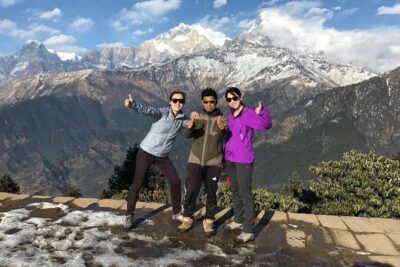
The Annapurna Panorama trek is interesting because it takes the famous Poon Hill idea and builds it into a longer, more varied route, with a private setup that helps you keep a relaxed pace. I like that you get big mountain payoffs without feeling like you are rushing from checkpoint to checkpoint.
Two things I especially like: all permits and paperwork are handled for you, and you do not have to manage the navigation stress. I also like the way the trek is supported with real field help, including an English-speaking government-registered guide and porters who handle luggage.
One consideration: comfort is practical, not luxury. You get private trekking rooms with a shared toilet, and the trip does not include hot showers or Wi-Fi, so pack for “mountain mode.”
Key points to know before you go
- Private trek means you follow your guide, not a map app
- Permits are included (Annapurna Conservation permit and TIMS)
- Poon Hill morning, village days, then a ridge finish for variety
- Gear support is built in, including a down sleeping bag and optional borrowed layers
- You get a real Nepal mix, 6 days trekking plus Kathmandu and Pokhara sightseeing
- Food is covered on the trek, including snacks and bottled water
Why the Annapurna Panorama Trek Feels Like the Best Poon Hill Upgrade
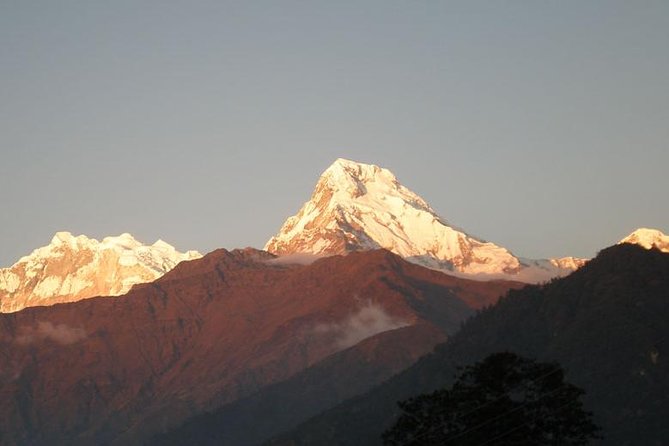
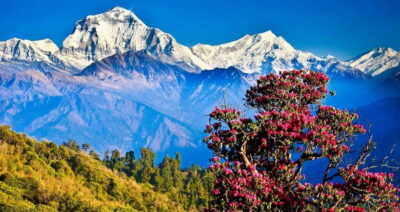
If you have heard about Poon Hill, you already know the headline. Sunrise and early light over the Annapurna range can be seriously jaw-dropping. What makes the Panorama version appealing is how it stretches that moment into a full trek that also includes village rhythm and longer trail days.
The route is “moderately challenging,” and that label matters. You are hiking most days, with real climbs and stair sections, but it is not a route built around extreme altitude testing. The day-by-day flow is designed so you can keep going because you are not constantly starting from the most brutal day one. In other words, it is a good choice if you want mountains, not suffering-as-a-hobby.
Because this is private, you get something simple but huge: the trail is managed. You do not need to figure out how to stay found. Your guide does that, and your porter support also lets you focus on your own pace instead of your bag weight.
More to compare around Pokhara
- ZipFlyer Nepal – The World’s Steepest Zip-line
★ 5.0 · 608 reviews - Bungee Pokhara by HighGround Adventures
★ 5.0 · 366 reviews - From Pokhara: Sarangkot Sunrise Himalayas Tour
★ 4.7 · 218 reviews
11 Days of Nepal, With Kathmandu and Pokhara Done the Right Way
This itinerary uses the first half of the trip to set you up for the trek, then it returns you to the comfort of cities at the end.
Day 1: Arrive Kathmandu, then ease in at Thamel
You land in Kathmandu at about 1,300m, and a company airport representative meets you outside the terminal hall. After that, you have time for an easy afternoon stroll through Thamel, the tourist area known for shops and casual wandering. This is a smart start because it means you can handle any basic gear needs and get your bearings without rushing straight to the mountains.
Day 2: Kathmandu culture tour at major UNESCO sites
Today is a full city excursion by private transport. You visit major heritage sites including Pashupatinath Temple and Bodhanath Stupa, plus Patan Durbar Square and multiple temple stops like Krishna Temple, Kumbheswore Temple, Golden Temple, and Swayambhunath Stupa. The day ends at Kathmandu Durbar Square.
This is a packed day, but it is also efficient. A private guide and private transport help you squeeze in the key sights without losing half the day to logistics.
One practical note: city entrance fees in Kathmandu are not included, so you will want a little cash set aside if you plan to pay on the spot.
A different sort of day out of Pokhara:
- ATV Adventure Tour in Pokhara, Nepal
★ 5.0 · 194 reviews - Full-Day Tibetan Cultural Tour to Tibetan Settlements Pokhara
★ 5.0 · 184 reviews - Pokhara: Full-Day Sharing Bus Tour on 7 Iconic Destination
★ 4.1 · 179 reviews - Poon hill Trek 3 days
★ 5.0 · 176 reviews
Day 3: Drive Kathmandu to Pokhara, then plant yourself by Fewa Lake
You drive from Kathmandu to Pokhara, around 5 to 6 hours following the Trishuli River. You arrive at about 910m, check in to a hotel at Lakeside near Fewa Lake, and you get a proper base to sleep before Day 4.
This day matters more than it sounds. Lower elevation and an easy first evening help you settle your body before you start hiking. Also, Pokhara is where you will feel the “trip is real” moment. It is scenic, relaxed, and far less intense than Kathmandu.
Trek Days 4 to 6: Nayapul to Ulleri, Ghorepani, and Poon Hill
You start trekking after a short transfer to the trailhead area. From there, the trek rhythm kicks in.
Day 4: Nayapul to Ulleri via Tikhedhunga and stone stair climbs
First you drive to Nayapul, then you commence the trek. The early hiking includes a route that climbs toward Sudame, then gradually rises along the valley side before reaching Tikhedhunga.
After that comes the day’s big test: a steep ascent on stone staircases to Ulleri. This is not unusual for this region, but it is still the kind of climb where pacing wins. Take it slow. Short steps help. You will feel it most in the knees on the way down later.
The good part is that once you clear these stair sections and reach Ulleri, you are building a foundation. You are also moving into the rhododendron and oak zone that sets up the next days.
Day 5: Ulleri to Ghorepani, through rhododendron and oak forests
This day is about 5 to 6 hours, roughly 11km, and it is a steady hike through rhododendron and oak forests. It is the kind of forest walking that keeps your mind busy because the trail environment changes as you go.
You reach Ghorepani and then trek to Upper Ghorepani (Deurali) where you stay. Staying slightly higher is useful for the next day because it positions you for the Poon Hill hike.
Day 6: Poon Hill sunrise views, then to Tadapani
You hike to Poon Hill at 3,210m, then continue trekking to Tadapani at about 2,520m. This is a longer day, around 6 to 7 hours.
The Poon Hill part is the big visual payoff, helped by the fact that you pass through rhododendron forest and return through Ghorepani. The second half shifts you into pine and rhododendron trails as you move toward Tadapani.
Tadapani is a nice contrast stop. You get out of the busiest immediate area and spend the night in a place that feels more “trail village” than “tourist lookout.”
Trek Days 7 to 9: Ghandruk, Pothana, and the Ridge Finale to Phedi
These days balance village exploration with trail variety, and they set you up for a smoother finish.
Day 7: Tadapani to Ghandruk, with downhill walking and village time
Today is about 3 to 4 hours. The trail goes through forested paths with downhill sections into Ghandruk.
Ghandruk is one of those places where you are not just watching views. You are walking through a real community. You can explore the surrounding area and get a sense of how people live with the trek season coming through their backyard.
If you like villages more than peaks, this is one of the days to look forward to.
Day 8: Ghandruk to Pothana, with Landrung, Tolkha, and a steady climb
This is a longer day, about 5 to 6 hours. The route descends along stone staircases toward Modi Khola, then climbs to Landrung village. After that, you continue through to Tolkha.
Then you start a steady ascend toward Deurali, followed by a descent toward Pothana. The trail passes through forested red mud areas during monsoon only, which is a reminder that seasonal conditions can change the footing. If you travel in wetter months, bring footwear that handles mud and do not expect dry, grippy trails all day.
Pothana is a good end-of-day target because it gives you a “rest and reset” feeling before the final ridge walk.
Day 9: Pothana to Phedi, then back to Pokhara
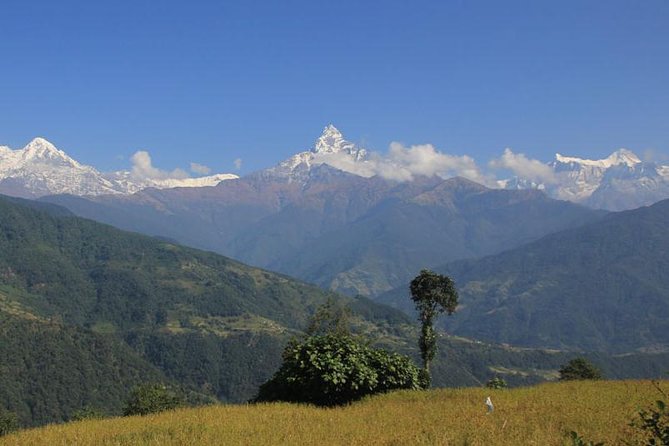
This day is about 3 to 4 hours trekking plus a short drive, around 40 minutes, back to Pokhara. You walk an easy ridge with fantastic views of the Annapurna range toward Dhampus, then descend toward Phedi and drive to Lakeside again.
This is a smart finish because you end on a less punishing hiking day. You get mountain views again, but without the same stair grind as earlier days.
Permits, Private Support, and Why You Should Care
One reason I like this trip is that it takes paperwork out of your hands. You are provided the Annapurna Conservation permit and TIMS, plus the necessary documents and permits.
That matters in real life. Trekking in Nepal is not just about hiking. It is about permissions, check-ins, and staying within rules. When your guide or organizer handles the paperwork, you avoid time-wasting uncertainty and last-minute stress.
You also get real human support:
- An experienced English-speaking government-registered trekking guide
- Local porters, with a 2 trekkers to 1 porter ratio for luggage
Even better, this operator’s guide team has a track record of being attentive in small emergencies. Names like Ram Bhandari and Yukumar Magar show up in past trek stories, with porters such as Kumar, Rajan, and Chitra praised for steady care and good organization. That kind of team approach matters when something small goes wrong, like a shoe problem, or when you need help with what to carry from day to day.
Food, Sleeping Setup, and What Comfort Costs You Here
You get a lot included on the trek, and it is not the bare minimum.
Meals and snacks on the trail
During the trek you get full meals: breakfast, lunch, and dinner. You also get supplementary snacks like cookies, energy bars, and seasonal fresh fruits. You get coffee and/or tea, and bottled water is included.
What is not included is boiled water, so treat water habits seriously. If you do not enjoy buying and using bottled water every day, plan your routine around what is provided.
Trek accommodations
Mountain accommodation is listed as soft, comfort, private rooms with share toilet. That is a common setup in this region. It can be totally fine if you go in with the right expectations.
Hot showers are not included. Wi-Fi and device recharge are not included either. So if your phone battery is your lifeline, you will want a simple charging plan before you start, and you should treat the trail days as time to unplug.
Kathmandu hotel and farewell dinner
You get boutique hotel in Kathmandu for 3 nights. After returning from the trek, you have a farewell dinner on Day 10 and then a final departure day.
That mix is good value. You get real meals covered while trekking, plus a comfortable base in Kathmandu.
Gear Provided, Borrow Options, and Packing Smart
This trek includes trekking equipment, including a down filled sleeping bag, walking poles, and a duffel bag. You can also borrow down jackets, hiking poles, and sleeping bags if you need them.
That is a big deal for value because cold nights at altitude can make you feel miserable fast if you show up underprepared. Even if you are a confident hiker, it is smart to know the trip can cover core gear gaps.
Still, you should bring your own basics. Plan on:
- Good hiking shoes
- Layers you can adjust day to day
- Sun protection (this is a high-altitude walk, even if not the most extreme)
- Any personal items you rely on daily
No matter how complete the provided gear is, your comfort depends on your own fit and habits.
Price and Logistics: What You Pay, What You Skip, and Why It’s Still a Deal
The price is $1,045. At first glance, it is not cheap. But when you compare what is inside the box, the value picture looks clearer.
Included value highlights:
- 11 days total with 6 days trekking
- Kathmandu boutique hotel for 3 nights
- Private transport for the city excursion and key transfer legs
- Trek permits and paperwork (Annapurna Conservation permit and TIMS)
- Guide and porters, including food, lodging, and insurance for the trekking staff
- All trekking meals, snacks, coffee/tea, and bottled water
- Trek accommodation in private rooms with shared toilet
- Trek equipment plus the option to borrow additional cold-weather gear
What you pay extra for:
- City entrance fees in Kathmandu
- Lunch and dinner in Kathmandu and Pokhara
- Boiled water, hot shower, Wi-Fi, and device recharge
- Bottled drinks and personal expenses
- Travel insurance and evacuation insurance
- Tipping
The biggest hidden cost for most people is not the trip price. It is the personal stuff you forget to plan for, like tipping and travel insurance. If you do not want to think about evacuation coverage, this is the moment to choose that policy before you arrive.
Also, the itinerary lists a meeting start time of 8:00am and a start location in Pokhara, while the day-by-day outline begins with Kathmandu arrival and sightseeing. Your confirmation should clarify how you are picked up. Follow the final details they send you, not just the headline.
Who This Trek Suits Best, and Who Should Rethink It
This trek suits you if you want:
- A moderately challenging hike with real mountain scenery
- A version of Poon Hill that is more than just a day trip
- Village time, especially around Ghandruk
- A private trek setup where you are not navigating alone
- Support that includes meals, permits, and gear so you can just hike
It might not be the best match if:
- You need consistent hot showers, Wi-Fi, or device charging during trekking days
- You dislike shared toilet setups
- You do not have moderate physical fitness for stair sections and longer days (especially Day 4 and Day 8)
The trip is rated as requiring moderate fitness. Treat that seriously. Altitude plus stairs can drain you even when the hiking distance does not look extreme.
Should You Book This Annapurna Panorama Trek?
I would book this trek if you want the Annapurna Himalaya views and Poon Hill payoff, but you also want a longer, more meaningful itinerary with villages and less stress from navigation.
I would pause if your idea of comfort is hot showers and constant connectivity. This is a supported trek, not a resort.
If you do book, ask your operator one smart question before you go: what optional borrowed gear you should plan to use given your travel month. Then pack for practical trail comfort, and you will get the best of the mountains without turning your trip into a gear problem.
FAQ
What is the trekking schedule for the Annapurna Panorama trek?
The trip is about 11 days total, with roughly 6 days trekking and the remainder dedicated to sightseeing in Kathmandu and Pokhara.
Is this trek good for moderate fitness?
Yes. The trip is designed for travelers with a moderate physical fitness level, and it describes the hike as moderately challenging.
What permits and paperwork are included?
The tour includes all necessary paperwork and permits, including the Annapurna Conservation permit and TIMS.
What gear is included, and can I borrow extra?
The trek includes trekking equipment such as a down filled sleeping bag, walking poles, and a duffel bag. You can also borrow down jackets, hiking poles, and sleeping bags if needed.
Where does the tour meet and when does it start?
The meeting point is listed as Pokhara, Gandaki Zone, Western Region, with a start time of 8:00am. Your confirmation at booking should confirm the exact start details for your group.
Are meals included during the Kathmandu and Pokhara sightseeing days?
Meals during the trek are included, but lunch and dinner in Kathmandu and Pokhara are not included.
What is the cancellation refund timeline?
You can cancel up to 6 days in advance for a full refund. If you cancel 2 to 6 full days before the experience start time, you get a 50% refund. If you cancel less than 2 full days before the start time, the amount paid is not refunded.
Latest Pokhara write-ups
- Sunrise View from Sarangkot★ 5.0 · 3 reviews
- Beautiful Sarankot Sunrise with Full Day Sightseeing in Pokhara★ 4.5 · 3 reviews
- Sarangkot Sunrise Tour in Private Car★ 5.0 · 3 reviews
- Pumdikot Mahadev Status and Peace Stupa Hiking Private Tour★ 4.5 · 3 reviews
- Pokhara: Dhampus Easy Trek for Families with YoungKids 2 Day Tour★ 5.0 · 3 reviews
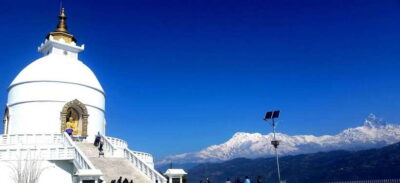
- Pokhara: Private Car Drive Tour to World Peace Stupa★ 5.0 · 3 reviews
- 5-Day Private Farming Experience in Nayapul with Accommodation★ 5.0 · 3 reviews
- Transfer to Lower Mustang (Jomsom)★ 5.0 · 3 reviews
Pokhara Tours, compared.
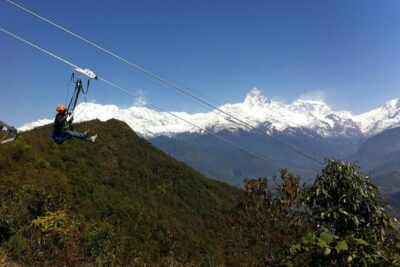
ZipFlyer Nepal – The World’s Steepest Zip-line
Read our review →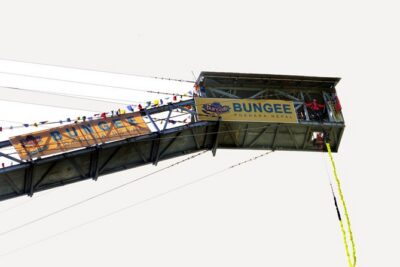

4-Day Ghorepani, Poonhill & Ghandruk Mountain Trek
Read our review →