
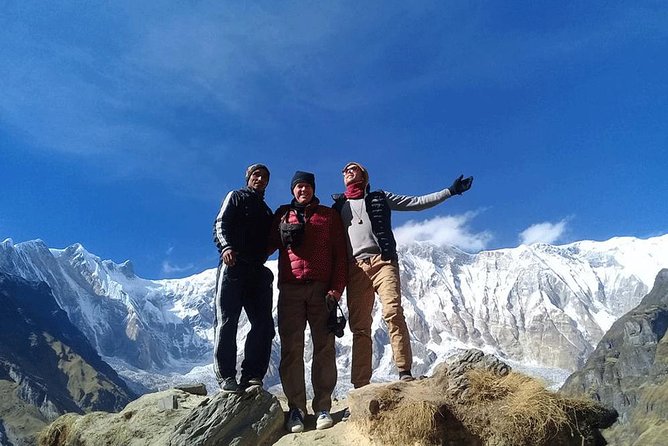
Reviewed · ANNAPURNA BASE CAMP TREK
Annapurna Sanctuary Trek
A big draw here is that you get a full Annapurna Base Camp trekking setup without having to piece it together yourself. You’ll hike to a maximum elevation of 13,484 feet (4,110 meters), and you’ll do it with a real support team while keeping costs in check. That mix of high-altitude achievement and organized logistics is what makes this kind of trip so appealing.
I love that the plan includes down jacket and sleeping bag (if you need them), plus the key official items like Annapurna conservation permits and a TIMS card. I also like that pickup and drop-off are handled by private car, so you can spend less time guessing and more time walking. One consideration: meals and drinks on the trek are not included, so you’ll want to budget for day-to-day food and plan for trekking at altitude with your energy coming from what you buy.
Key points at a glance
- Small group size (up to 15 people), which usually means less chaos on the trail and in lodge check-in lines
- Gear included: down jacket and sleeping bag provided if necessary
- Permits handled: Annapurna conservation area permits plus TIMS card
- Support team: English-speaking guide and porters with shared porter service (two people per porter)
- Pokhara-area convenience: private car pickup and drop, including the Pokhara to Nayapul to Pokhara route
Annapurna Base Camp from Pokhara: what makes it feel like a great deal
For many people, Annapurna Base Camp sits in the category of someday. The practical question is how to do it without turning the whole trip into a part-time project. This style of package helps because it tackles the stuff that usually eats time and peace of mind: guides, permits, and base lodging arrangements.
The maximum altitude listed is 4,110 meters, which is serious enough that you should respect acclimatization and pacing. You will also be trekking with a professional team, which matters when weather changes, paths get slippery, or you just need someone to tell you what to do next. The goal is simple, reach the base camp zone and enjoy those big Himalayan views, with fewer moving parts for you to manage.
Value-wise, the math looks strong on paper because accommodation, down gear (when needed), and the trekking staff support are built into the price. The part that can surprise you is what’s not included: meals and drinks. So you’re not paying for “cheap food.” You’re paying for “food is up to you,” lodge-by-lodge, while the essentials stay organized.
More routes into the Annapurna Sanctuary:
- Kathmandu/Pokhara: 5-Day Annapurna Base Camp (ABC) Trek
★ 4.9 · 72 reviews - Annapurna Base Camp Trek -8 days
★ 5.0 · 56 reviews - Private 7 – Day Annapurna Base Camp Trekking
★ 5.0 · 50 reviews
Price, duration, and the 2-day vs 9-day detail you must confirm
Here’s the one thing I’d double-check before you commit. The package is described as a 9-day Annapurna Base Camp trek, but the duration shown is 2 days (approx.). That mismatch is not rare in online listings, but it can matter.
What you should do: confirm exactly how many trekking days you’ll get, and which days are counted in your booking window. Ask whether the “2 days” duration includes only the city and transfer portions or whether it includes the full trek itself. Since the included gear, permits, and eight nights of accommodation point to a longer trekking period, I’d expect the real experience to be the full 9 days, but you should verify in writing.
At $668.66 per person, this is positioned as a value option largely because the cost covers more than just a guide. It includes permits, lodge-style accommodations during the trek, and down equipment if required. When you compare this to doing it independently, you’re basically paying for time saved and logistics handled, which is often worth it if you don’t want to spend your vacation tracking permits and arranging porters.
The team you’ll hike with: guides, porters, and real names
The best-run trekking companies don’t just send you off with a random route map. They bring a team that can actually help day to day. Here, you get a licensed English-speaking guide plus local staff. You’ll also have a porter to carry your luggage, and the porter arrangement is share two people basis, meaning you won’t be stuck with one “extra bag capacity” style setup.
I also pay attention to guide personality, because it changes the entire vibe on tough hiking days. In real accounts, people specifically praised guides like Kumar, described as helpful and genuinely kind. Another guide mentioned is Prakash, called excellent, along with a strong sense of reliability. Others mention Chhabi for patience and positive energy, even when the daily walking felt long.
The company owner, Gokul, comes up repeatedly in feedback as attentive and present. One important practical takeaway from that: you have a human contact if something changes. That matters because Nepal has real-life surprises, weather shifts, missed connections, and the occasional last-minute change in plans.
And if you’re looking for language support beyond English, there’s a clear signal from prior trips: Spanish communication can be handled if needed. That can be a big deal when you’re trying to explain how you feel, not just where you are.
Gear and permits: why this package handles the expensive headaches
When people plan Annapurna independently, the hidden costs often show up in the “small” items: permits, official cards, and trekking sleep and warmth gear. Here, the package includes the Annapurna conservation permits and the TIMS Card, plus government taxes.
It also includes down jacket and sleeping bag if necessary. Even if you own warm clothes, I like that this removes uncertainty. High-altitude nights can be colder than you expect, and your comfort affects how well you sleep, which affects your next day’s hiking.
Your lodging is described as best available lodges and guesthouses during the trek, with eight nights’ accommodation included. That tells you the trip is built around typical trekking infrastructure rather than ultra-luxury stays. Still, it’s the practical kind of comfort, beds, warm enough meals when available (even though meals are not included), and a place to reset.
If you’re someone who hates last-minute gear shopping, this structure helps. Your “to do” list gets shorter. Your job becomes: show up, hike, and listen to the team when they advise pacing.
More to compare around Pokhara
- ZipFlyer Nepal – The World’s Steepest Zip-line
★ 5.0 · 608 reviews - Bungee Pokhara by HighGround Adventures
★ 5.0 · 366 reviews - From Pokhara: Sarangkot Sunrise Himalayas Tour
★ 4.7 · 218 reviews - ATV Adventure Tour in Pokhara, Nepal
★ 5.0 · 194 reviews
Day 1: the Outshine Adventure meeting point and getting organized
Your Day 1 starts with a meeting at Outshine Adventure, with a session timed around 30 minutes. The stop notes show admission ticket as free for that segment. The important part isn’t the location itself, it’s what this kind of meeting typically accomplishes: you get your plan, your people, and your starting instructions.
I like meeting points that are simple and close to the company itself. It reduces the “where are we supposed to go” stress that can snowball right away on travel day. Since you’re also starting with a 7:00 am start time, you’ll want to treat this first day as your “set up for success” day. Eat well beforehand, charge your devices, and keep your day pack light.
Because the trekking gear is part of the package (again, if necessary), you should also ask what you’ll receive and when. The goal is to make sure you’re not halfway up the trek wishing you had brought the right layer.
Day 2 in Kathmandu: Durbar Square and the classic four sites
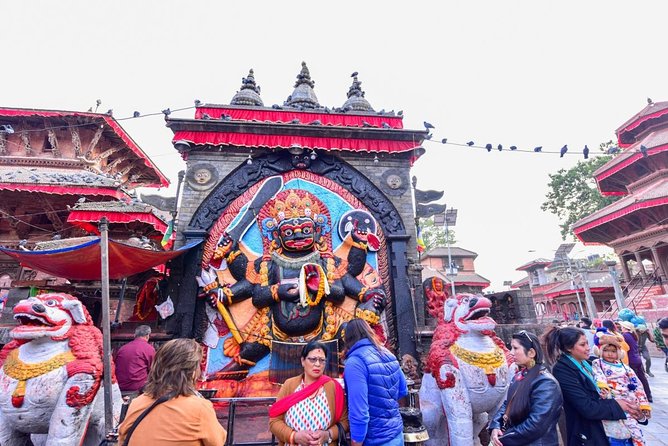
Day 2 includes a 2-hour sightseeing block in Kathmandu, listed with multiple stops: Kathmandu Durbar Square, plus Swayambhunath, Boudhanath, and Pashupatinath. Admission is not included for these items, so you should expect to pay entry fees on the ground.
This day can be a good reset before the trekking starts. You’re in a major cultural zone, with busy squares and major religious sites. It also gives you a chance to see daily Nepal life before you switch into mountain mode.
The practical drawback is energy. Even if the walking isn’t intense, it’s still travel days stacked back-to-back. If you bruise easily from long stair climbs, pace yourself and keep breaks short. Also, since admissions are not included, you’ll want some cash or payment method ready.
One more consideration: the inclusion focus here is sightseeing and logistics, not a relaxing day at a cafe. If you’re sensitive to crowds, go in expecting people. Treat it as an opening chapter, not the main event.
The Annapurna trekking itself: altitude, pace, and how support helps
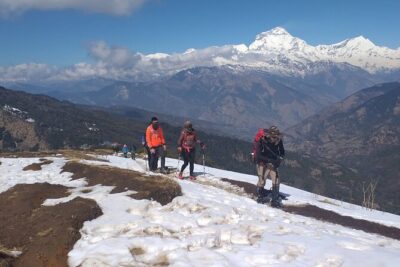
The trek is centered on getting to Annapurna Base Camp over a longer multi-day hiking period, with a maximum elevation of 4,110 meters. You’ll do this with a professional team, and the trek requires moderate physical fitness.
I always tell people to take altitude as a “slow down and listen” problem, not a “push harder” challenge. Even with a guide, your body is the boss. If you get headaches, nausea, or you feel unusually wiped out, you should tell the team early. That way you can adjust rather than forcing it.
The support system helps because you’re not carrying everything. Porters carry your luggage, with the arrangement described as shared porter service (two people per porter). That means you still hike, but you likely travel with a smaller personal day pack. Keep the essentials close: water, layers, and anything you need for comfort.
Meals are not included (mountain days), and breakfast is included twice. That means you need a trekking budget that covers your appetite and your snacks. Don’t plan on “I’ll just buy one tea and be fine.” High-altitude walking eats calories. The best move is to eat what you can consistently and keep your energy steady.
Lodges and eight included nights: what comfort looks like on this trek
The accommodation is described as best available lodges and guesthouses during the trek, and eight nights are included. In a package like this, “included lodging” usually means you’re covered for standard trekking guesthouses rather than private rooms at fancy hotels.
What you can do to make this work for you: pack for variable temperatures. Even when days feel pleasant, you’ll still face cooler evenings. If you’re borrowing gear via the down jacket and sleeping bag provision, you’ll want to test it on the first night. See if it’s enough. If not, tell the team. This is exactly the type of issue a good guide and company should help solve quickly.
Also, think about how you’ll manage laundry and hygiene. The data doesn’t list specific amenities, so I won’t invent details. But in practice, trekking lodges are simpler than city hotels, so plan to reuse layers and accept “good enough” for the trek. Bring a small pack of basics.
The best value in included lodging is consistency. You won’t be scrambling each night to find a bed, settle negotiations, or translate what you need. That’s not glamorous, but it’s the kind of stress relief that makes the whole trip feel smoother.
Transfers, small-group size, and the practical rhythm of the trip
You get Pokhara to Nayapul to Pokhara pick up and drop by private car. That is a meaningful benefit. Trek start logistics can be messy, especially if you’re coordinating buses or sharing rides with strangers. Private car transfers reduce waiting time and help you get moving at your designated start.
The group size is capped at 15 travelers. I like that because it usually means the trekking schedule is easier to manage. Fewer people also helps with decision-making, such as when to stop for breaks or how quickly everyone can check in at a lodge.
The package also highlights a mobile ticket and possible group discounts. Those are convenience features, not reasons to book on their own, but they do support an overall “organized, modern contact” feel.
One more practical note: tipping is expected for trekking staff. That means you should budget extra for it. If you go into the trek thinking “everything is included,” you’ll be caught off guard. Plan for it early, and you’ll feel calmer and more in control.
Who this trek suits best, and who should think twice
This trip fits best if you want an organized Annapurna Base Camp trek with a support team, especially if you’re not trying to solve every permit and logistics puzzle yourself. If you prefer having an English-speaking guide and a porter relationship already arranged, this is a strong match.
It also works well if you want cultural time included before the trek. The Day 2 Kathmandu sites block gives you a taste of major highlights like Durbar Square, Swayambhunath, Boudhanath, and Pashupatinath, even though those entries are not included.
You might think twice if you:
- Want fully included meals, since mountain food and drinks are not included
- Are very sensitive to long travel days, since you’re stacking sightseeing with the start of trekking plans
- Need a clearly stated, day-by-day trek schedule in writing, because the provided details focus more on essentials than daily village names
The bottom line: should you book this Annapurna Base Camp package?
If your dream is Annapurna Base Camp but you don’t want to wrestle permits, gear uncertainty, and daily logistics, I’d say this package is worth serious consideration. The value comes from what’s included: permits, down gear if needed, guide support, porter service, and eight nights of accommodation. With a small group cap of 15, you’re also less likely to feel like you’re in a crowded moving train.
I’d book it if you can confirm the exact duration matches the real trekking timeline you expect, given the 2-day vs 9-day inconsistency. I’d also budget for meals and drinks, plus tipping. Do those two things, and you’ll set yourself up to spend your energy on the trail, not on paperwork.
FAQ
How high does the trek go?
The maximum elevation listed is 13,484 feet (4,110 meters).
What’s included in the price?
Included items include Pokhara area pickup and drop by private car, best available lodge or guesthouse accommodation during the trek (eight nights), a licensed English and local language speaking guide, porter service, permits (Annapurna conservation park permits and TIMS card), down jacket and sleeping bag if necessary, and government taxes. Breakfast is included twice.
Are meals and drinks included?
No. Standard meals and drinks during the mountain portion are not included. Breakfast is included for two mornings.
Do I need my own trekking gear?
The package includes a down jacket and sleeping bag if necessary, but it does not say that all other gear is provided. You should plan based on what you’re comfortable hiking with and what you might be missing.
How big is the group?
The group is limited to a maximum of 15 travelers.
What time does the activity start?
The start time is 7:00 am.
What if my plans change, can I cancel?
You can cancel up to 24 hours in advance for a full refund. If you cancel less than 24 hours before the start time, the amount paid will not be refunded.
Latest Pokhara write-ups
- Sunrise View from Sarangkot★ 5.0 · 3 reviews
- Beautiful Sarankot Sunrise with Full Day Sightseeing in Pokhara★ 4.5 · 3 reviews
- Sarangkot Sunrise Tour in Private Car★ 5.0 · 3 reviews
- Pumdikot Mahadev Status and Peace Stupa Hiking Private Tour★ 4.5 · 3 reviews
- Pokhara: Dhampus Easy Trek for Families with YoungKids 2 Day Tour★ 5.0 · 3 reviews
- Pokhara: Private Car Drive Tour to World Peace Stupa★ 5.0 · 3 reviews
- 5-Day Private Farming Experience in Nayapul with Accommodation★ 5.0 · 3 reviews
- Transfer to Lower Mustang (Jomsom)★ 5.0 · 3 reviews
Annapurna Base Camp Trek, compared.
Browse the lists this tour appears in