
Reviewed · POKHARA TOURS
Day Hike at Annapurna Foothills
This day hike is interesting because you get Annapurna region scenery without committing to a full trek. You’ll start in the Pokhara area, walk a ridge for big views, then cut down through real villages and farm country.
I especially like the small-group feel and the fact that you hike with a professional local guide who explains what you’re seeing. Dhampus Village is also the kind of stop that helps you see beyond the mountains, with Gurung daily life and traditions right there on the trail.
One thing to consider: it’s easy to moderate but still steady walking for about 5 to 6 hours. If you’re not comfortable on uneven paths or you have mobility limits, this probably is not the right day.
Key things that make this hike worthwhile
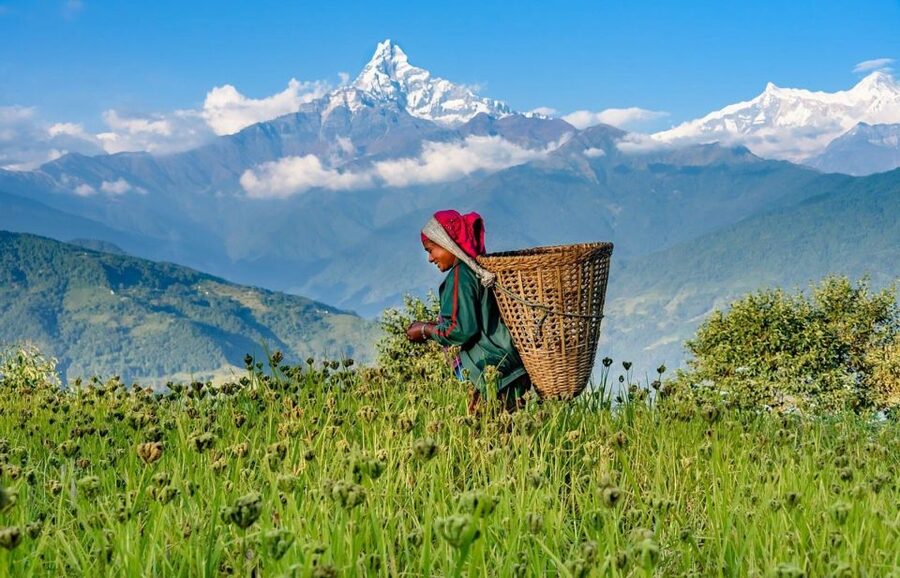
- Kande to Australian Camp is a short hike that pays off fast with close mountain sightlines
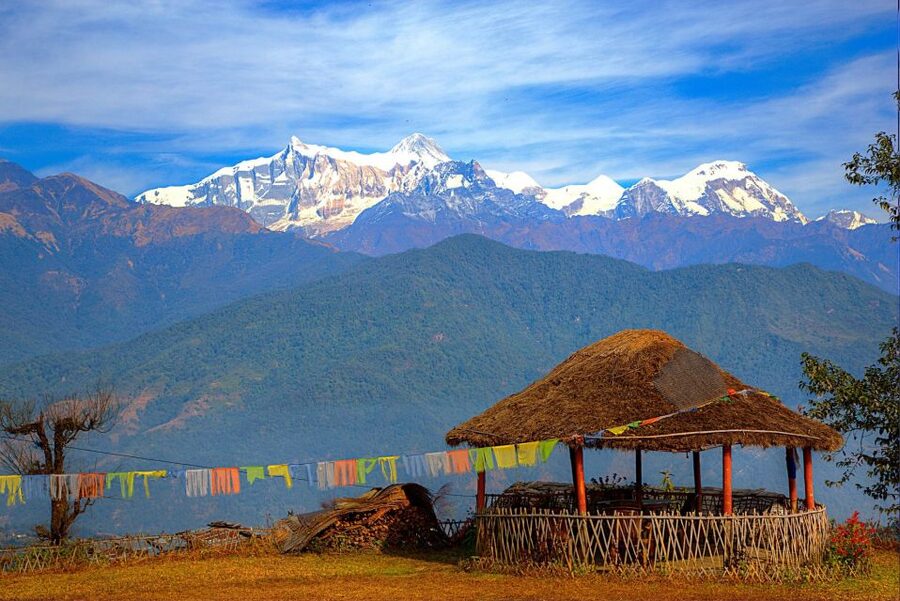
- Australian Camp views of Annapurna South and Machhapuchhre (Fishtail) make the uphill feel worth it
- Dhampus Village gives you Gurung culture, not just a photo stop
- A real downhill to Phedi through forest and terraced farmland keeps the day interesting
- A guide who talks with locals helps you understand what you’re passing, not just where you’re going
- Limited to 10 people so the trail stays calmer and the village stops feel less staged
Annapurna foothills in 1 day: why this route works
If you want the Annapurna region vibe, but you only have one day, this hike hits a sweet spot. You are not trying to cram a multi-day trek into a single sunrise-to-sunset ordeal. Instead, the route is designed to give you a ridge viewpoint moment and a village culture moment, with a downhill ending that feels manageable.
Pokhara is the perfect base for this kind of outing. The drive out from the lakeside gets you moving through the Pokhara Valley and toward the foothills, so the scenery ramps up before you even lace up your shoes. Then the day turns into walking that is accessible for first-timers who have decent fitness, but still rewarding enough for people who want real views.
The route name changes depending on how people describe it, but the flow stays the same: you go from Kande up to Australian Camp, continue to Dhampus Village, then descend to Phedi and back to Pokhara. The main reason this works is balance. You get enough elevation to see mountain walls, and then you get a trail that eases you back down through forests and fields.
More to compare around Pokhara
- ZipFlyer Nepal – The World’s Steepest Zip-line
★ 5.0 · 608 reviews - Bungee Pokhara by HighGround Adventures
★ 5.0 · 366 reviews - From Pokhara: Sarangkot Sunrise Himalayas Tour
★ 4.7 · 218 reviews
Kande start and Australian Camp viewpoint: where the views show up
You’ll meet your guide and driver at your Pokhara hotel on the lakeside area. From there, the vehicle ride takes you up toward Kande, passing winding roads with broad valley views and Himalayan perspectives. This matters because the day is timed so you spend your hiking energy where it counts, not on long hours of transit.
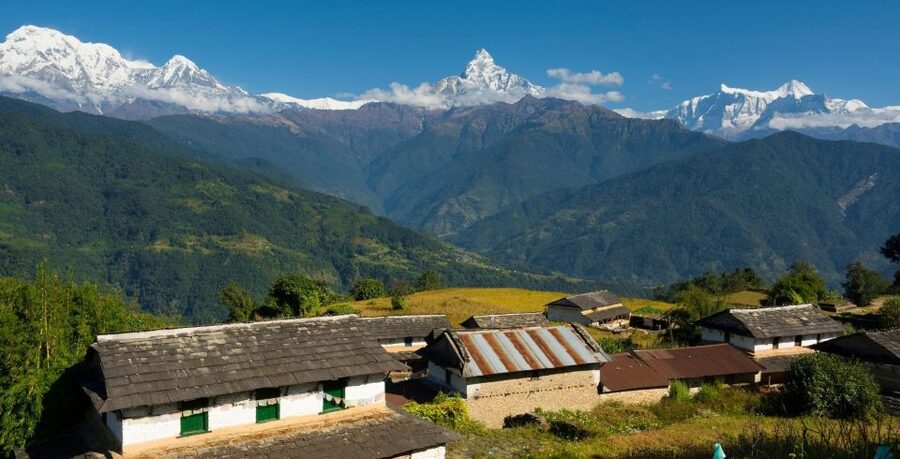
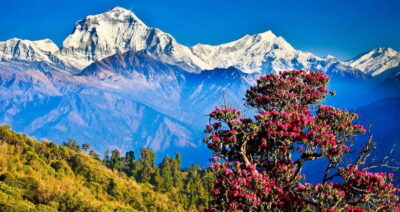
From Kande, you start a guided walk through forest. The first stretch is about building rhythm. One section runs roughly 1.5 hours to Australian Camp, which is a viewpoint that people love because it feels close, not distant. At Australian Camp, you get big sightlines toward Annapurna South and Machhapuchhre (Fishtail). Machhapuchhre is the one that usually makes first-time hikers stop talking and just stare.
A practical tip comes straight from how the day plays out. In clear weather, these views are the highlight, so timing matters. One guide, Dipak, reportedly picked guests up about an hour earlier so they could see the mountains before clouds rolled in. Even if your schedule matches normally, you’ll feel smarter if you’re mentally ready for an early start and you keep your eyes up when you first reach the ridge.
The Australian Camp section also helps you learn the Annapurna region basics fast. You’ll see how viewpoints work here, why ridgelines get you those straight-on angles, and why clouds can change everything within minutes.
Dhampus Village: Gurung culture that feels lived-in
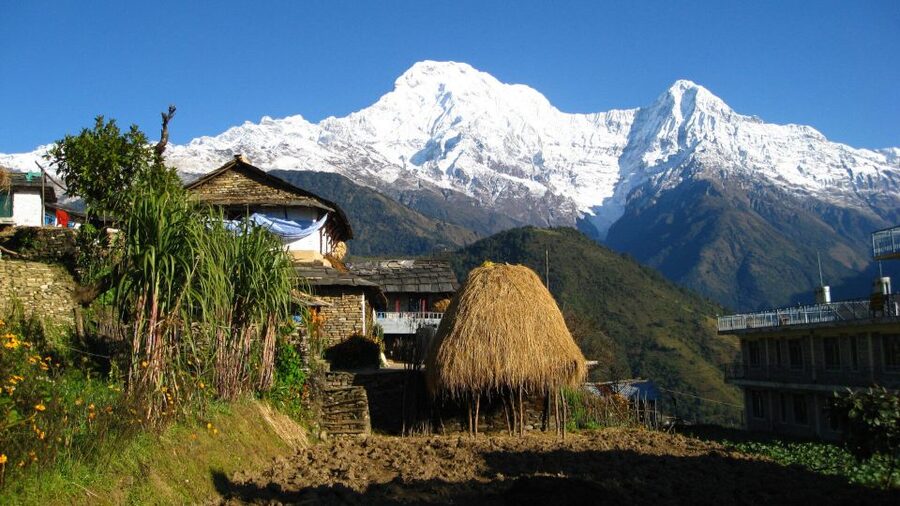
After Australian Camp, the hike continues along the ridge, then starts moving toward Dhampus Village. This is another chunk of walking, again roughly 1.5 hours, and it often feels like a payoff phase. The trails are still scenic, but the focus shifts from pure panorama to what you’re moving through.
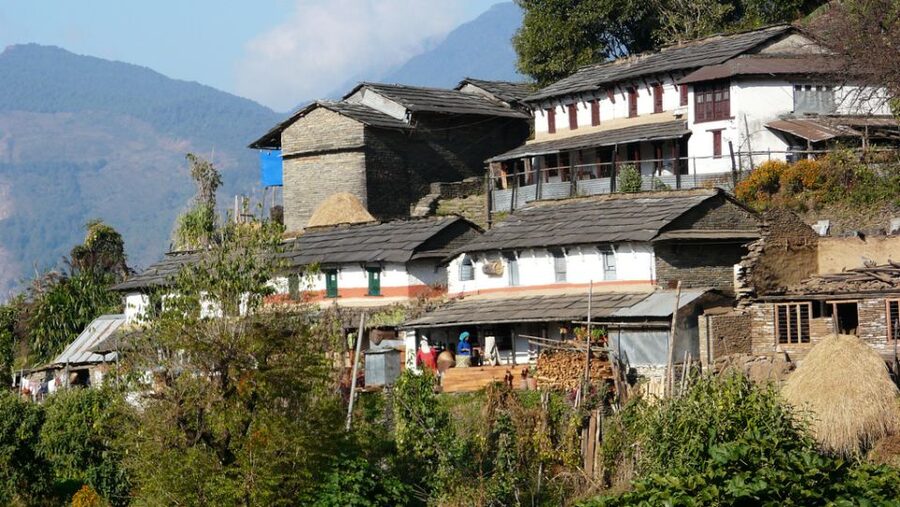
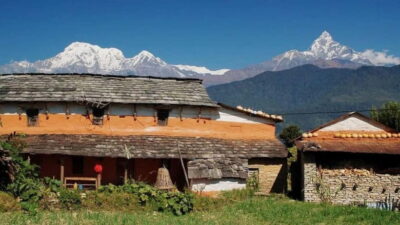
Dhampus is a traditional Gurung settlement. Here’s what makes the stop meaningful: it’s not just buildings and backdrops. You get to observe rural life and local customs while you’re in the middle of the hiking day. That’s the difference between a viewpoint tour and a hike that teaches you how people live in the shadow of the mountains.
One strong sign that Dhampus is where this experience earns its keep is the way guides use it. In past departures, guides such as Dipak and Moti explained what guests were seeing and helped translate between locals and visitors. That kind of interaction changes your day. Instead of wondering, you can actually ask, listen, and understand.
There is also a practical aspect. Village areas usually mean you can pause more easily than out on the ridge. And if you decide you want lunch during the day, you’ll want to plan for it since meals are not included. One booking mentioned the guide helped arrange a lunch in a nearby village, which is a common kind of service when you have a good local guide.
The descent to Phedi: the day’s quieter, slower payoff
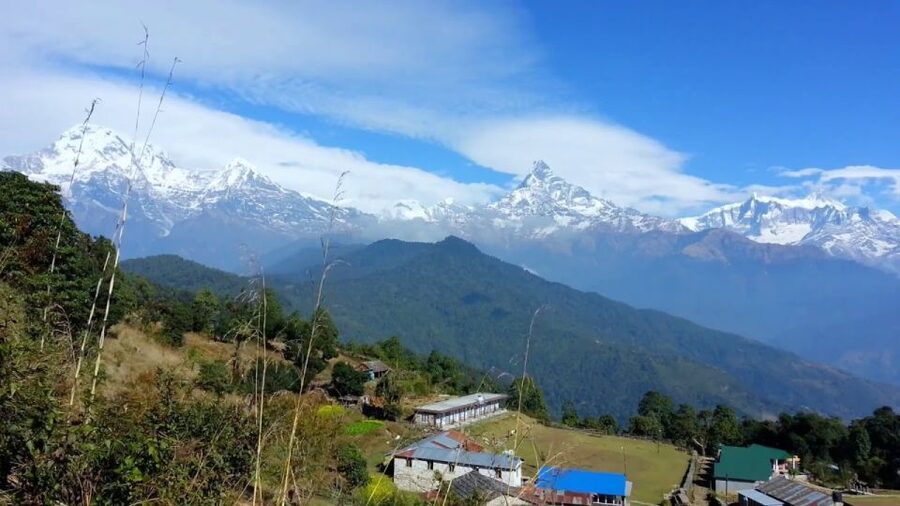
From Dhampus, you head downhill to Phedi, roughly 2 hours. If Australian Camp is the excitement, this is the calm. The trail moves through lush forest and terraced farmlands, and that mix makes the descent feel varied instead of monotonous.
Downhill hiking is still work, even when it feels easier than the climb. Your knees will notice the uneven footing, and your balance has to be steady. But compared with steep ridges, the descent generally gives you more chances to slow down, look around, and take breaks without feeling like you’re losing momentum.
Terraced farmlands are a big deal in this region. They show you agriculture shaped by the hills. You also get a chance to see how the landscape changes from higher viewpoints to working countryside. In other words, you’re walking through the transition zone between mountain drama and everyday labor.
By the time you reach Phedi, the day is basically finished. Your vehicle is waiting there, and you’re driven back to Pokhara, ending at your hotel.
A different sort of day out of Pokhara:
- Full-Day Tibetan Cultural Tour to Tibetan Settlements Pokhara
★ 5.0 · 184 reviews - Pokhara: Full-Day Sharing Bus Tour on 7 Iconic Destination
★ 4.1 · 179 reviews - Trekking in Annapurna/Langtang/Everest/Upper Mustang regions
★ 5.0 · 161 reviews - Pokhara: 4-Day Ghorepani, Poonhill & Ghandruk Mountain Trek
★ 5.0 · 132 reviews
A guide you actually want: Dipak, Deepak, and Moti’s role
This hike lives or dies by its guide, and the strongest praise in the experience data is about guide quality. Multiple bookings name guides such as Dipak, Dipak Bastola, and Deepak, plus Moti. Different names, same idea: you should expect explanations, not just directions.
Here’s what I like about this style of guiding. It’s not museum narration. A good local guide in the Annapurna foothills helps you connect three things while you’re walking:
1) what the landscape looks like right now,
2) what it likely looked like before you arrived,
3) how locals experience it day to day.
One booking specifically highlighted that the guide translated between locals and the visitor. That turns random village encounters into real conversations. Another booking praised the guide’s caring approach and the way the hike stayed engaging.
Guides also affect the timing of your mountain viewing. When clouds are rolling in, early movement can be everything. If your day can be adjusted for clearer skies, you’ll feel the difference, and you’ll understand why ridges and viewpoints are so important in the Annapurna region.
How hard is it, really? Pace, duration, and fitness fit
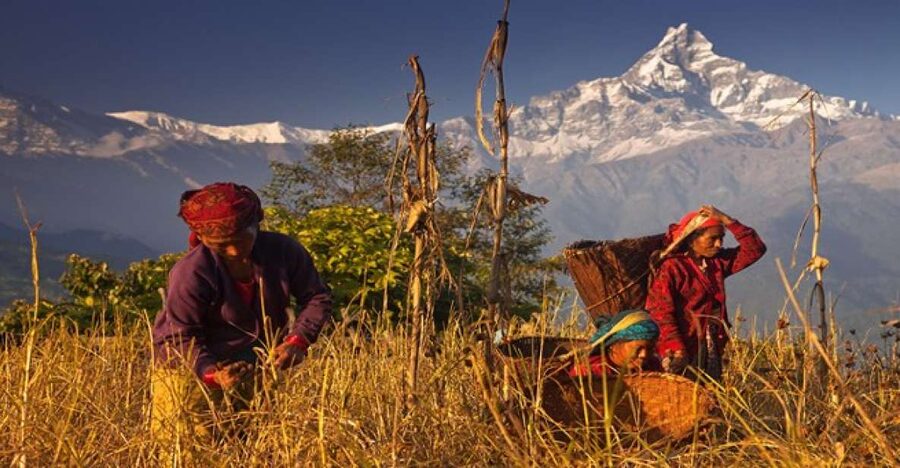
The hike is described as easy to moderate, lasting about 5 to 6 hours total walking time. That’s a useful range because it tells you two things.
First, this is not a short stroll. You will walk enough to get your heart rate up and you’ll be on your feet for most of the day.
Second, it’s also not the kind of challenge where you need specialized hiking experience. The route is built for first-time hikers who want mountain views but don’t want a multi-day commitment.
The best match is anyone who:
- likes nature and scenery but wants a manageable day,
- wants cultural context without signing up for a long trek,
- enjoys guided pacing instead of navigating solo.
The main group who should skip it is listed clearly: it’s not suitable for pregnant women and not suitable for people with certain medical conditions. It also isn’t designed for people with mobility impairments. If any of those apply, you should choose a different kind of Pokhara day trip.
Price and value: what $98 covers, and what it does not
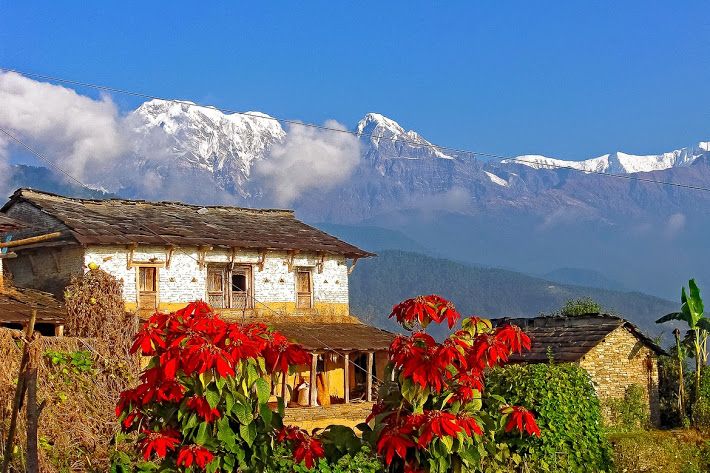
At $98 per person, you’re paying for three core pieces: a professional local guide, a private vehicle transfer (Pokhara to Kande and Phedi back to Pokhara), and government taxes as applicable. That’s the value equation here.
If you tried to DIY this, your biggest costs would be transportation and the kind of local guiding that makes Dhampus feel understandable instead of random. This tour also keeps the group small, limited to 10 participants, which usually makes a big difference on narrow village paths and at viewpoint stops.
What’s not included is equally important for budgeting. Meals are not included, and personal expenses are not included. So you should plan for lunch or snacks on your own. In at least one case, the guide helped arrange lunch in a nearby village, but you should still assume food costs are on you.
So is $98 worth it? For most people who want both mountain views and cultural time in a single day, yes, because the guide and transport simplify the day. If you already have your own driver and you speak the language well enough to navigate village conversations, your personal value calculation might change. But for many visitors, paying for guidance is the smartest way to reduce stress and increase meaning.
Timing in Pokhara foothills: clouds, early starts, and expectations
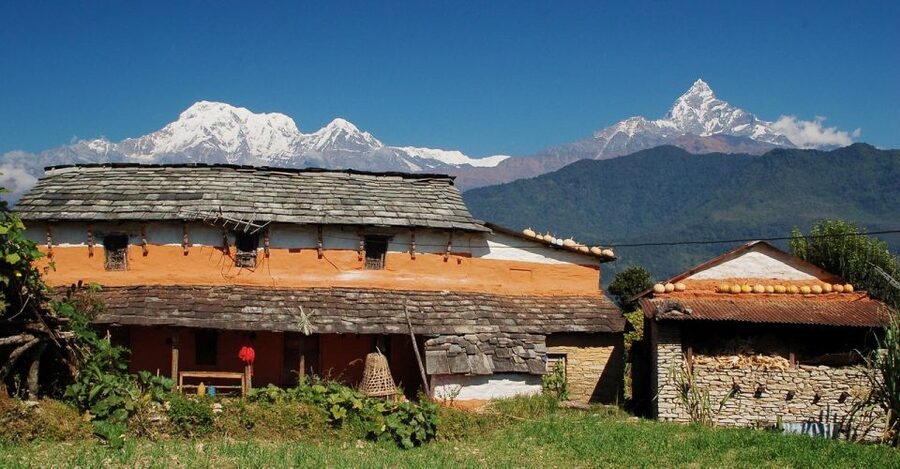
Mountain views in the Annapurna region are not guaranteed all day. Clouds can roll in, and weather can shift quickly. The good news is that this hike is structured so the most view-heavy section happens when you’re likely to have the best chance at clear sightlines.
One booking pointed out that the guide came about an hour early so they could see the mountains before the clouds. That’s a small detail, but it’s exactly how you should think about this hike: be ready for an early day and treat the first viewpoints like they matter.
Also keep your expectations honest. Some days are clearer than others. Some days feel more green and atmospheric than dramatic and crisp. Either way, the cultural part of Dhampus and the descent through farmland are still your core experience, so the day usually stays worthwhile even if the mountain photo looks different from your dream version.
What to pack and what the rules mean for your comfort
The stated packing guidance is simple:
- Bring comfortable shoes
- Bring comfortable clothes
- Avoid luggage or large bags
That last rule matters because you’re moving through villages and forest paths. Keeping your load light helps you enjoy the day instead of managing gear. A practical way to think about it is this: treat it like a day hike with a minimal footprint.
You should also consider the physical reality. There’s a significant amount of walking, and it’s not ideal for certain medical situations. If you’re unsure about your comfort on uneven trails, take it seriously before booking.
Who should book this one-day Annapurna foothills hike
I’d book it if you want a single day in the Annapurna region that checks multiple boxes:
- You want Annapurna South and Fishtail views without a long trek.
- You like guided storytelling, and you want someone to help you understand Dhampus.
- You’re okay with a 5 to 6 hour hiking day that is easy to moderate, not flat and effortless.
- You prefer a small group over a crowded bus-and-photo schedule.
You might skip it if you want guaranteed all-day mountain clarity, or if your mobility or medical situation makes downhill walking risky. This is a hike. The walking is the point.
Also note the language setup. The live tour guide is English, which is a big plus for most visitors and helps you actually interact with what you’re seeing.
Should you book it
For the right traveler, this is an excellent use of one day from Pokhara. You’re getting real foothills hiking, a viewpoint that delivers Annapurna and Machhapuchhre, and a stop in Dhampus Village where Gurung culture is part of the day instead of an add-on. The strongest indicator is the guide praise, with names like Dipak, Deepak, and Moti showing up in standout comments about explanations, translation, and caring attention.
If you can handle 5 to 6 hours of easy to moderate walking and you want a guided, small-group foothills experience, I’d say book it. If you need step-free conditions or you have restrictions listed for pregnancy or certain medical conditions, choose a different Pokhara day trip.
FAQ
How long is the day hike from Pokhara?
The hike runs about 5 to 6 hours, and the overall experience is listed as 1 day.
Where do you start and end?
You start at your hotel on the Lakeside in Pokhara, and you are returned to your hotel. The hiking route includes stops from Kande to Australian Camp to Dhampus Village, and down to Phedi.
How difficult is the hike?
It is described as easy to moderate. The day includes a significant amount of walking.
Is the hike in English?
Yes. The live tour guide provides English.
How big is the group?
It is a small group limited to 10 participants.
What is included in the price?
A professional local guide is included, along with a private vehicle for Pokhara to Kande and Phedi to Pokhara transfer, vehicle related expenses, and government taxes as applicable.
Are meals included?
No. Meals such as breakfast and lunch are not included.
What should I bring?
Wear comfortable shoes and comfortable clothes.
Is luggage allowed?
Luggage or large bags are not allowed, so you’ll want to pack light.
Is it suitable for pregnant women or people with mobility impairments?
No. It is not suitable for pregnant women or people with mobility impairments.
Is free cancellation available?
Yes, you can cancel up to 24 hours in advance for a full refund.
Latest Pokhara write-ups
- Mardi Himal Trek -5 Day Short Trek From Pokhara★ 5.0 · 8 reviews
- Tandem Paragliding in Pokhara★ 4.8 · 8 reviews
- Pokhara: Peace Pagoda Sunset, Annapurna Mountain Views Tour★ 2.9 · 5 reviews
- Short & Scenic: 2-Day Private POON HILL Trek from Pokhara★ 5.0 · 8 reviews
- Seti George and Thrilling Suspension Bridge Tour at Pokhara★ 4.5 · 3 reviews
- Sarangkot Sunrise over the Himalayas★ 4.8 · 83 reviews
- Pokhara: Sarangkot Sunrise and Private Full Day Tour★ 4.8 · 24 reviews
- From Kathmandu/Pokhara: Private 3-Day Chitwan Safari Tour★ 4.7 · 34 reviews
Pokhara Tours, compared.
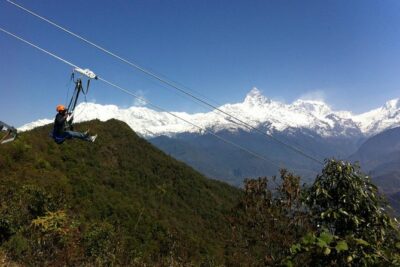
ZipFlyer Nepal – The World’s Steepest Zip-line
Read our review →
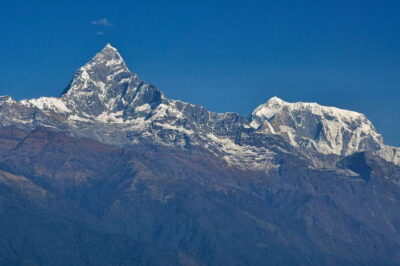
4-Day Ghorepani, Poonhill & Ghandruk Mountain Trek
Read our review →
Browse the lists this tour appears in