
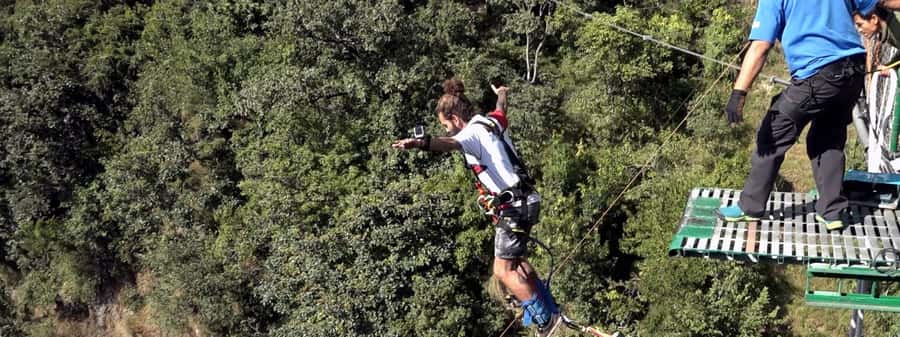
Reviewed · BUNGEE JUMPING
From Kathmandu: Bungee Jumping Day Trip
This is one of those Nepal days that feels like a movie scene, because you’re stepping off a bridge and free-falling 160 meters over the Bhote Kosi River. I like that it’s not just the jump, you also get clear instructions, plus big Himalayan scenery on the road there and back. One possible drawback is that it is a long, early day, and the drive time can stretch with traffic.
Two things I love: the setup around a Swiss-designed steel suspension bridge and the way the staff runs the process, with a real briefing and repeated rules before you go up. The other consideration is physical effort, because if you try the swing option after your jump, you may face a steep uphill walk on the way back.
If you’re in Kathmandu and want a high-value rush without planning a multi-day trek, this day trip makes sense. You leave at 6am from Thamel, you do the main event, you eat lunch, and you’re back in Kathmandu the same day.
Key things to know before you jump
- 160-meter free-fall from a suspension bridge over the Bhote Kosi River gorge
- Swiss-designed steel suspension bridge, built with safety in mind
- Small group (up to 15) with an English-speaking guide
- Early 6am start in Thamel, then about a three-hour ride to the site
- Expect a steep uphill walk if you choose the swing option
- Lunch included after your jump, then the return ride can take longer with traffic
Why Nepal’s Bhote Kosi bungee at 160 meters feels different
Nepal has a few ways to blow your mind, but this one is pure adrenaline math. You’re jumping from a suspension bridge high above the Bhote Kosi River gorge, and the drop is 160 meters. That height matters because it stretches the moment long enough for your brain to catch up, which is exactly what you want when you are chasing that longest free-fall feeling.
The jump setup also adds to the drama. You go from a wide steel bridge, 166 meters across, over a gorge that looks wild and steep even before you’re strapped in. And because the site is one of the country’s earlier bungee jumping locations, the whole operation is built around keeping things smooth on a tight schedule.
For me, the best part is that the experience isn’t only fear. You also get time to notice real-world stuff: the river below, the gorge walls, and the mountain scenery you can see on the way. That combination, fear plus scale, is what makes the jump stick.
More Day Trips in Kathmandu
- Kathmandu: 7 UNESCO Sites Tour in 1 Day (Private Tour)
★ 4.9 · 204 reviews - Day Trip to Bhaktapur and Panauti from Kathmandu
★ 5.0 · 184 reviews - 1 Day Kathmandu Valley Sightseeing Tour
★ 5.0 · 37 reviews
From Thamel at 6am: how the road day really works
This trip is a full-day commitment, even though the jump itself is short. You start early, meeting at Alpine Club of Himalaya in Thamel around 6am. From there, you ride out of Kathmandu by private vehicle with your guide and group.
Plan on about three hours each way for the transfer to the jumping site. On the outbound drive, the focus is on the scenery and staying comfortable. You’re moving on winding roads, so it helps to wear something you can sit still in for a while, and use your sports shoes for the later walking.
The return is where timing gets real. Your drive back can take longer depending on traffic, so don’t schedule anything important right after you expect to get back to Kathmandu. One practical move: bring a light layer, because mornings and vehicles can swing between warm and cool.
Because the group is limited to 15, it feels organized, not chaotic. You’re not stuck waiting forever with a huge crowd. Still, you should expect some downtime once you arrive, because everyone has to be weighed, briefed, and lined up safely.
The bridge moment: Swiss design, weigh-in, and rules that stick
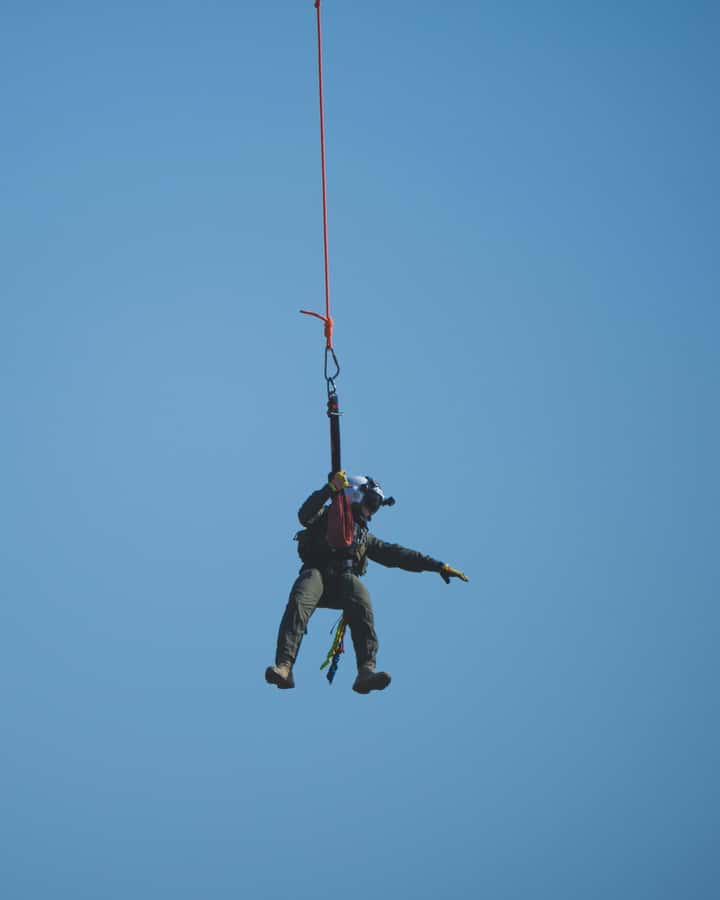
When you reach the bridge, the experience starts to feel official. The process is not just show up and go. You get weighed and then briefed about the rules before you step up. What I appreciate here is that the rules are repeated again at the bridge, so you are not trying to guess what happens next while your nerves are peaking.
The bridge is Swiss designed and built with safety in mind. That matters to you as a jump customer because you’re putting your life into a system you can’t personally verify. You can’t inspect the rigging on your own. So your comfort level comes from clear instructions, consistent checks, and equipment handling that looks practiced.
You’ll step onto a steel suspension bridge high over the gorge. At that point it becomes less about thinking and more about following directions. If you have any hesitation, treat it like a checklist challenge:
- Listen to the briefing without rushing it.
- Follow the guide’s timing call.
- Don’t try to improvise with your body position.
- Keep your focus on the moment right in front of you.
The first leap is the main event. Your body will understand it as falling before your mind fully accepts it. Then you get the payoff, the long drop, and the knowledge that you chose this.
More than one way to fall: bungee, swing, and the steep walk back
Most people come for the bungee, and the bungee is the headline. But if your jump options include extras, you’ll get the chance to do more than one style. In practice, the swing option can be a standout after your first jump. It changes the feeling from a straight free-fall to something with more motion and a different kind of adrenaline.
Here’s the part you should plan for: after trying the swing, you may need to take a steep uphill hike to get back. Expect 20 to 30 minutes of uphill walking. That is not a casual stroll. It’s enough effort to make your legs feel it after you’re done.
My advice is to think about your body stamina before you choose extras. If you are already running on stress from the jump, the uphill walk could feel harder. On the other hand, if you want the full day and you like pushing your comfort zone, doing the extra is part of what makes the trip feel complete.
Also, be ready for the idea that you might do more than one jump once you’re on the roster. Some schedules offer additional jumps depending on how the day flows.
More bungee jumps in Kathmandu:
- Bungee Pokhara by HighGround Adventures
★ 5.0 · 366 reviews - Pokhara: Bungee Jumping Experience Near Annapurna
★ 5.0 · 9 reviews - Pokhara: Paragliding, Bungy Jump and Zipline Combo Adventure
★ 4.7 · 6 reviews - Double Dare: Tandem Bungee Adventure
★ 4.3 · 3 reviews
Mountain views on the way, plus how to manage nerves
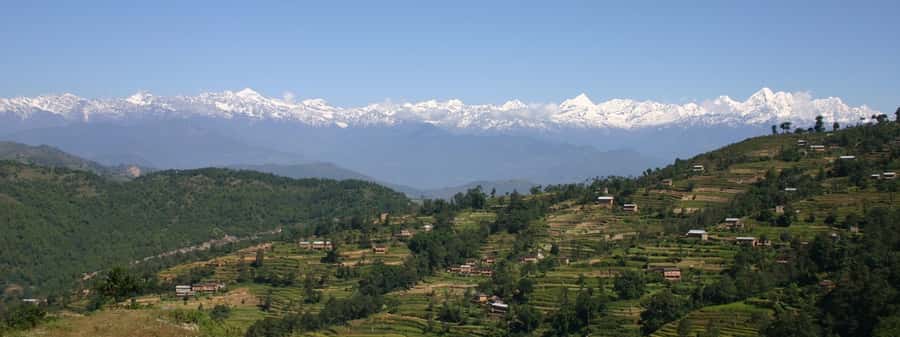
Nepal is famous for views, and this day gives you plenty of them, starting on the drive out of Kathmandu. On a clear morning, you get stretches where the mountains frame the road. It is a useful distraction before you go up to the bridge.
Once you’re at the jump site, the views shift. You’re still looking at big shapes, but now you’re also looking down at the gorge. That adds a new kind of intensity. The bridge feels wide and metallic, but the drop is what takes over your attention.
For nerves management, I’d use two simple tricks:
- Put your focus on instructions. It gives your brain a job.
- Keep your breathing steady right before the leap. It helps you stop feeding panic.
You don’t need to be fearless. You just need to be ready to follow the process.
Lunch, downtime, and the ride back to Kathmandu
After you finish your main jump, you get lunch included. It’s not usually a fancy spread, but it does the job: it fills you up after the adrenaline and helps you reset before the long ride back.
Then comes downtime, which can be a mixed bag. If you get cold, you’ll want a layer. If you get bored, you might find yourself staring at the gorge and wondering how you just stepped off that bridge. Either reaction is normal.
On the return trip, traffic can slow things down. If your schedule depends on the exact hour you get back to Kathmandu, build in slack. This is especially important if you’re planning dinner with people or heading to the airport soon after.
Safety, staff, and what you should watch for as a customer
The operation here runs like a system. You get safety equipment provided for bungee jumping, and you are not expected to bring your own gear. That’s exactly how it should be, because the equipment is the core of the safety plan.
What I also like is the way the briefing is reinforced. In one account, the rules weren’t just handed over once. They were repeated again when the jump setup was ready. That repetition helps you feel confident because it lowers the chance of misunderstanding under pressure.
You will be with an experienced English-speaking tour guide, and the group is small, up to 15 participants. Small groups help because you can get attention, and your questions get answered.
If you want a real-world sign that the day is handled properly, pay attention to details like the timing of weighing, the clarity of instructions, and how equipment is managed. If anything feels rushed, say something before you go up.
Price and value: what $190 buys in an 8-hour day
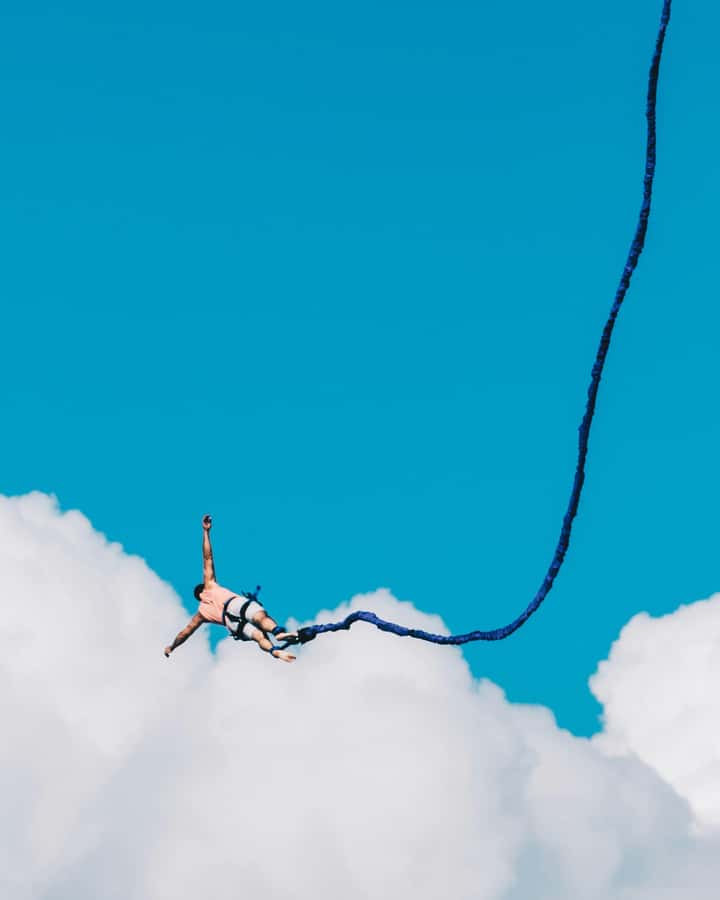
At $190 per person for roughly 8 hours, you’re paying for more than the jump itself. You’re also paying for:
- Transport from Kathmandu to the bridge by private vehicle
- An English-speaking guide
- Safety equipment and all necessary charges for the bungee
- Lunch after the jump
To judge value, think about the total experience. If you tried to piece together transport, equipment access, and professional safety handling on your own, it would be hard to match the convenience. Here, you get a single organized package, with a small group and a full-day schedule that is designed around making the jump happen that morning.
The best way to decide if it’s worth it for you is to ask a simple question: do you want to spend your Kathmandu time traveling and coordinating, or do you want your day to be handled start to finish so you can focus on the leap?
If your answer is the second one, the price starts to make sense.
The tradeoff is that you should be ready for a long day and for some physical effort if you add the swing.
Who should book, and who should skip this day trip
This is a strong fit if you:
- Want a big, adrenaline-focused Nepal experience without a multi-day trek
- Like the idea of going with an organized team, including safety gear and instructions
- Can handle an early start and a full day out of Kathmandu
It’s not a good fit if you:
- Use a wheelchair, since the trip is marked as not suitable for wheelchair users
- Have pets with you, since pets are not allowed
- Struggle with steep walking if you plan to do the swing option, due to the uphill hike after
Also, you’ll need a passport. The day is built around getting you to the jump site, so don’t assume you can swap documents last minute.
Should you book this Bhote Kosi bungee day trip?
If you’re craving a real Nepal milestone, this one hits hard. The combination of 160-meter height, the Swiss-designed bridge setup, and a guided day that runs with clear rules makes it a practical way to check this box without turning it into a logistics project.
Book it if you want an organized day trip from Kathmandu and you’re comfortable with an early start plus a possible steep uphill walk (especially if you add the swing). Skip it if you need wheelchair-friendly access or you know you cannot manage the physical effort after your jumps.
If you’re on the fence, decide based on your stomach for height and walking, not on whether you feel fully calm. You just need to be ready to follow the process, and the rest is controlled chaos in the best way.
FAQ
Where is the bungee jumping location?
The bungee jumping takes place at the Koshi River area, over the Bhote Kosi River from a suspension bridge.
How high is the jump?
The free-fall is 160 meters above the river.
How long is the day trip from Kathmandu?
The activity duration is 8 hours.
What time does the tour depart from Kathmandu?
Departure time is daily at 6am.
Where do I meet in Kathmandu?
You meet at Alpine Club of Himalaya (Thamel, Kathmandu, Nepal).
How many people are in the group?
The group is small, limited to 15 participants.
What language is the tour guide?
The tour guide speaks English.
What should I bring?
Bring your passport, comfortable clothes, and sports shoes.
Is lunch included?
Yes, you get lunch included after your jump.
Is wheelchair access available?
No, the trip is not suitable for wheelchair users.
One last booking tip
If you want the smoothest experience, wear sports shoes for the day and keep a light layer handy for waiting time. Then commit to the briefing, because that’s what lets you enjoy the jump without second-guessing anything.
Latest Kathmandu write-ups
- 16 Days Island Peak Climbing With Everest Base Camp Private Trip★ 5.0 · 3 reviews
- 15 Days Round Annapurna Trek with Poon Hill from Pokhara★ 5.0 · 5 reviews
- Private Nepal round trip including Ghorepani Poonhill trek★ 5.0 · 3 reviews
- Everest Base Camp Trekking 16 Days★ 4.0 · 7 reviews
- 14 Days Luxury Annapurna Base Camp Trek★ 5.0 · 6 reviews
- Everest Base Camp Trek★ 5.0 · 32 reviews
- Everest Base Camp Trek★ 5.0 · 87 reviews
- 14 Days Annapurna Base Camp Trekking | Best trek for visit Nepal 2020★ 5.0 · 19 reviews
Bungee Jumping, compared.
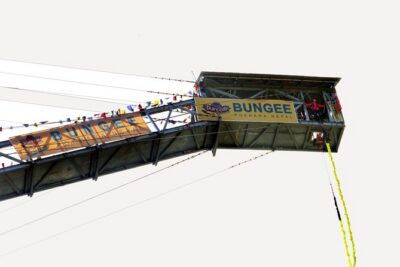
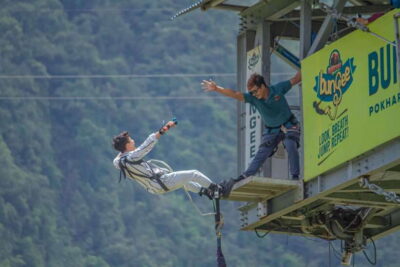
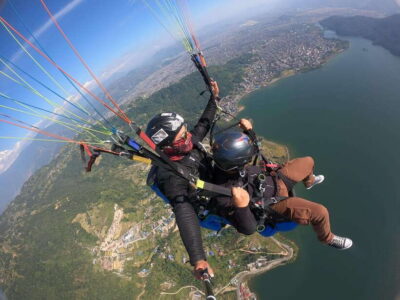
Paragliding, Bungy Jump and Zipline Combo Adventure
Read our review →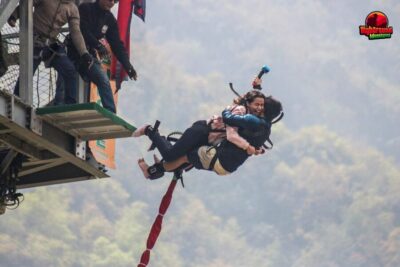
Browse the lists this tour appears in