
Reviewed · POON HILL TREK
From Pokhara: 4-Day Annapurna and Poon Hill Himalayan Trek
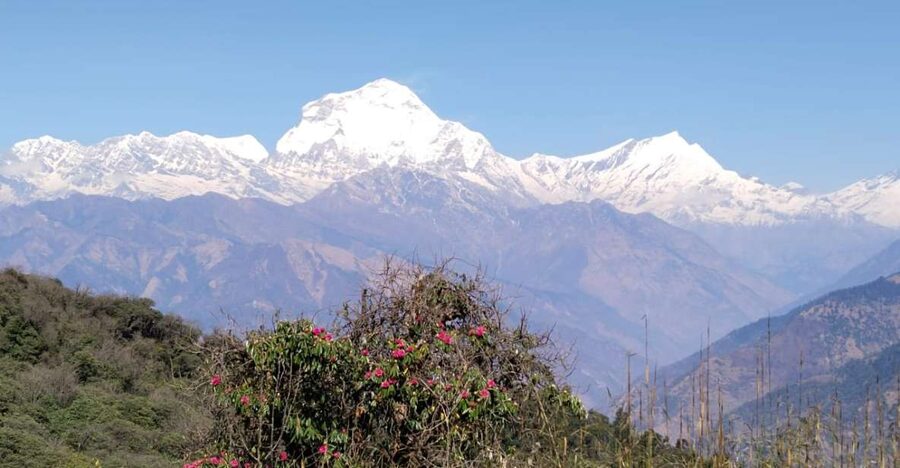
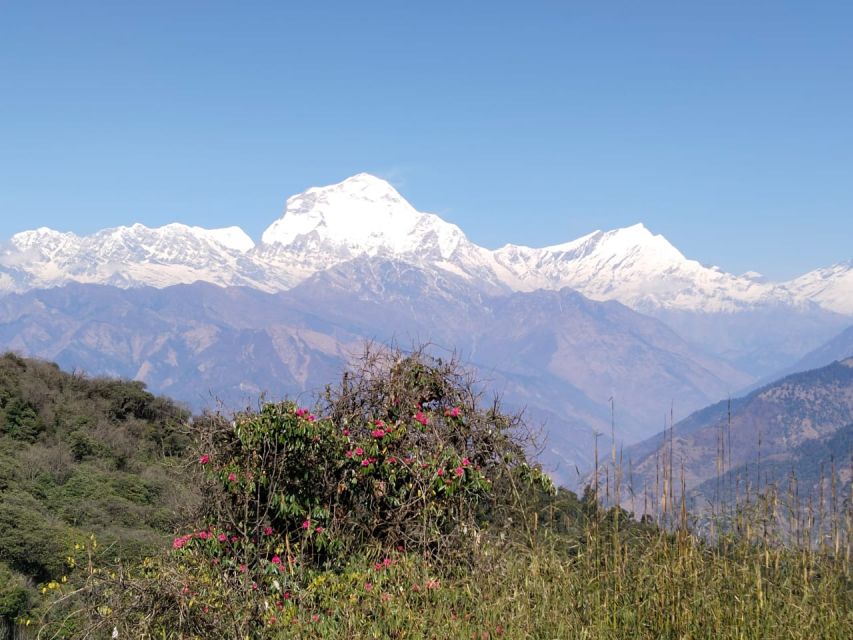
This trek is interesting because it blends big Himalayan drama with a real human-scale day. You start with Poon Hill sunrise over the Annapurna Range, then you spend the next days walking through lower Himalaya forests and mountain villages.
I especially like two parts. First, the trek is built around that early hike to Poon Hill, where you can see the whole Annapurna Range in one sweep. Second, I like that Jhinu’s hot springs are part of the route, so you get a recovery moment instead of just downhill trekking all day.
One possible drawback to weigh: weather can change quickly, which affects sunrise visibility. Also, mountain road disruptions can force schedule changes, so it helps to go in flexible and ask how your day might adapt if conditions shift.
Key things that make this trek memorable
- Poon Hill sunrise with a focused, early start and a clear goal for the morning
- Forest walking in the lower Himalaya, not just rocky ridgelines
- Tea house nights in Ghorepani, Tadapani, and Ghandruk
- Jhinu hot springs as a built-in rest and reset day
- Ghandruk Gurung village for culture and village architecture, not only views
- Private guide in English with real support on the trail
Why This 4-Day Annapurna and Poon Hill Trek Feels So Purposeful
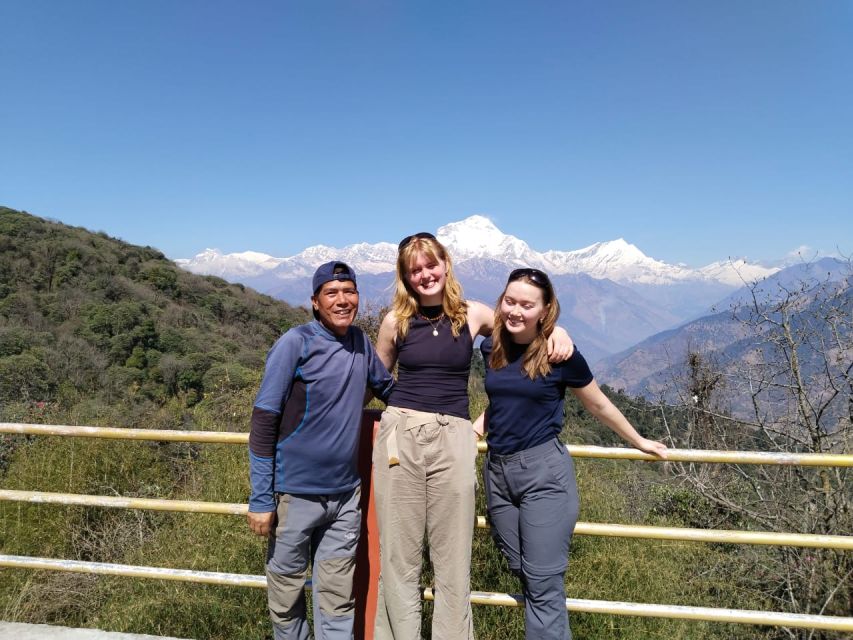
This is a short trek, but it is not a rushed one. Your days are planned around three things you actually came for: the sunrise viewpoint at Poon Hill, the village trek atmosphere, and the hot spring soak at Jhinu.
What makes it feel purposeful is the pacing. Day 1 gives you a steady climb to get altitude and trail legs working. Day 2 has the big payoff in the morning, then you keep moving while the views are still on your side. Day 3 mixes comfort (hot springs) with cultural walking (Ghandruk). Day 4 brings you back to Pokhara with a clean finish.
One more practical note: this trek is built for comfort and clarity. You have a licensed English speaking guide, all permits are handled, and you get hotel pickup and drop-off in a private car or jeep. That matters because in Nepal, the small friction points are often the ones that drain your energy.
More Ghorepani and Poon Hill departures:
- Pokhara: 4-Day Ghorepani, Poonhill & Ghandruk Mountain Trek
★ 5.0 · 132 reviews - From Pokhara: 3-Day Ghorepani Poon Hill Trek with Guide
★ 4.9 · 68 reviews - Pokhara: 2-Day Ghorephani and Poon Hill Private Trek
★ 4.6 · 50 reviews
Day 1: Ulleri to Ghorepani, a First Big Climb and Your Tea House Base
On Day 1, your guide meets you early in the morning at your Pokhara hotel. After breakfast, you drive toward Ulleri. Then the walking starts with an uphill hike to Ghorepani.
The trek time is about 5 hours, so think of this as your warm-up day, not your stress test. Ghorepani is your base for the next morning, which is why your energy planning matters. You want to hike with steady effort, not sprint, and save your legs for that sunrise push.
Why Ghorepani works: it is a trek hub. That usually means you will find guest houses and tea house style accommodation, plus the basic services you need when you are off the main roads. You’ll likely spend your afternoon settling in, eating, and getting ready for the next day’s early start.
Possible drawback: after a road drive plus a hike, it can be tempting to stay up late. Don’t. You will likely need sleep and warm layers for the morning temperatures when you head for Poon Hill.
Day 2: Poon Hill Sunrise, Ghorepani Breakfast, and Tadapani’s Slower Rhythm
Day 2 starts early. You hike to Poon Hill for sunrise. The route is about 1 hour to the top, and that means the hike is short, but the timing is strict. You’re not doing long-distance trekking. You are doing a morning mission.
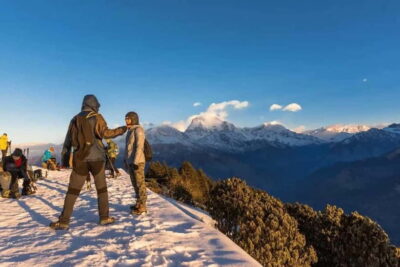
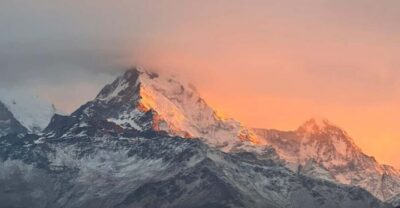
From Poon Hill, you get the view of the entire Annapurna Range, which is the real reason most people sign up for this specific itinerary. The payoff is not just one peak. It is the layered sense of the range, the way multiple ridges stack up as the light changes.
When sunrise happens depends on the sky. And based on past experience with this route, I would not assume the weather will cooperate just because you booked the date. Bring patience, and consider that clouds can steal the view even when you do everything right.
After you see the sunrise and take in the moment, you go down toward Ghorepani. You’ll have breakfast there, then you continue onward to Tadapani for the night. Trek time on this leg is about 6 hours.
Tadapani is a different feel than Ghorepani. It tends to sit in the flow of forest paths more than a pure viewpoint chase. If you like trekking that feels like walking through the mountains, this is where it starts to feel more like that and less like a “view hunt.”
Practical tip: on mornings like this, I like to keep my plan simple. Layers ready the night before. Headlamp if you have one. A quick snack option that you know you can eat fast.
Day 3: Jhinu Hot Springs for Recovery, Then Ghandruk’s Gurung Village Life
Day 3 is where the trek turns from scenery to feelings. First, you move toward Jhinu for a hot spring bath. The hot water is described as therapeutic, and even without getting overly technical about healing claims, the logic is clear. Warm water after a couple of days of hiking can feel like a reset button for tired muscles.
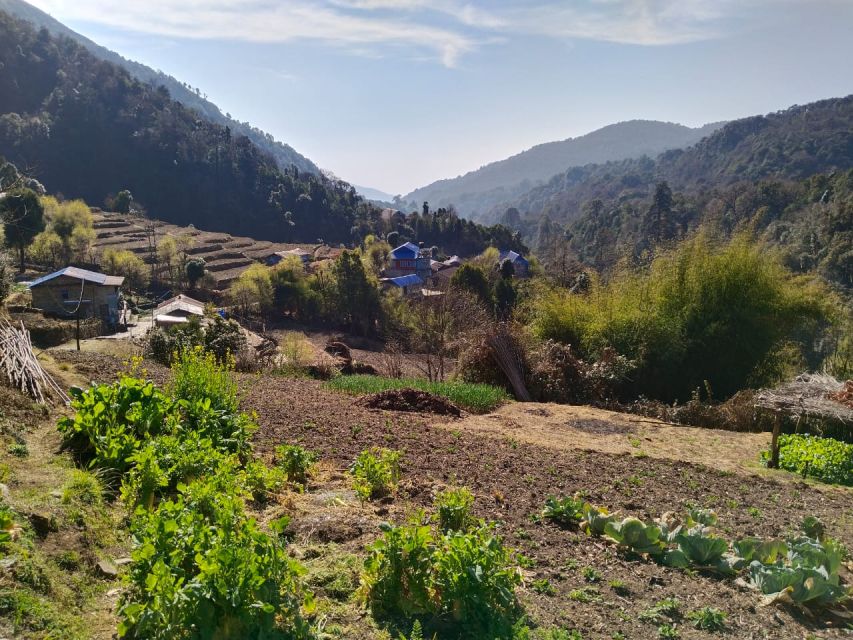
After you soak for a short stay, you head toward Ghandruk, described as a native Gurung village with standout Gurung architecture. Your walking time is 6 to 7 hours, so you should expect a full day.
Here’s why this day matters: you get a break (hot springs) and then you get a human-scale payoff (Ghandruk). You’re not just walking between viewpoints. You are walking through the places where people actually live and adapt to Himalayan life.
A small consideration: it is easy to plan your day around the hot springs, but the hiking after that matters just as much. Don’t let the soak make you lazy about pace. Eat, drink, and keep moving.
If you are the type who loves meeting friendly locals and noticing how architecture fits the terrain, Ghandruk is a strong match. The trekking here feels grounded. You see how life continues in the mountains, not just how the mountains look from a distance.
More to compare around Pokhara
- ZipFlyer Nepal – The World’s Steepest Zip-line
★ 5.0 · 608 reviews - Bungee Pokhara by HighGround Adventures
★ 5.0 · 366 reviews - From Pokhara: Sarangkot Sunrise Himalayas Tour
★ 4.7 · 218 reviews - Full-Day Tibetan Cultural Tour to Tibetan Settlements Pokhara
★ 5.0 · 184 reviews
Day 4: Nayapul Downhill, the Final Drive Back to Pokhara
Day 4 is the finish. You head down to Nayapul, then drive back to Pokhara and drop off at your hotel. This is a “close the loop” day.
Even without exact trek time listed for Day 4, downhill days still feel long because your legs are doing different work than they did on the climbs. Watch your footing. Take your time on steep sections.
Why I like this ending: it prevents the common “last day panic” where you feel you must rush to catch a bus. You get a private car drive back, so once you arrive at Nayapul, you’re basically on smooth mode.
When you think about the whole package, Day 4 also gives you a practical kind of closure. You can sleep in a real bed that night, eat a normal meal, and still feel like you completed a trek instead of only a long series of mornings.
What the Views Deliver, and How to Maximize Your Chances on Poon Hill
This itinerary is built around one big visual event, Poon Hill at sunrise. The goal is the Annapurna Range in full display. That is why you are hiking early and why your day starts before most people are awake.
In plain terms, sunrise viewpoints have two requirements:
- You need time on the trail before light.
- You need decent cloud cover.
In at least one real experience on this exact trek style, a guide did a good job, but weather planning could have been tighter. That’s a useful lesson for you. When you confirm your plan with your guide, ask what the forecast looks like and what backup options exist if it is cloudy. You cannot control the sky, but you can control how informed you stay.
Also, dress like you’re going to wait outside. Even if the sun is coming, the time before sunrise can feel cold. Keep your layers flexible, and avoid overheating once the warmth returns.
Finally, don’t treat Poon Hill like a quick photo stop. You’ll get a much better experience if you slow down and let the view change with the light. The range looks different minute to minute, and the whole point is that shift.
Tea House Days: What You Sleep Like, What You Eat, and How Costs Work
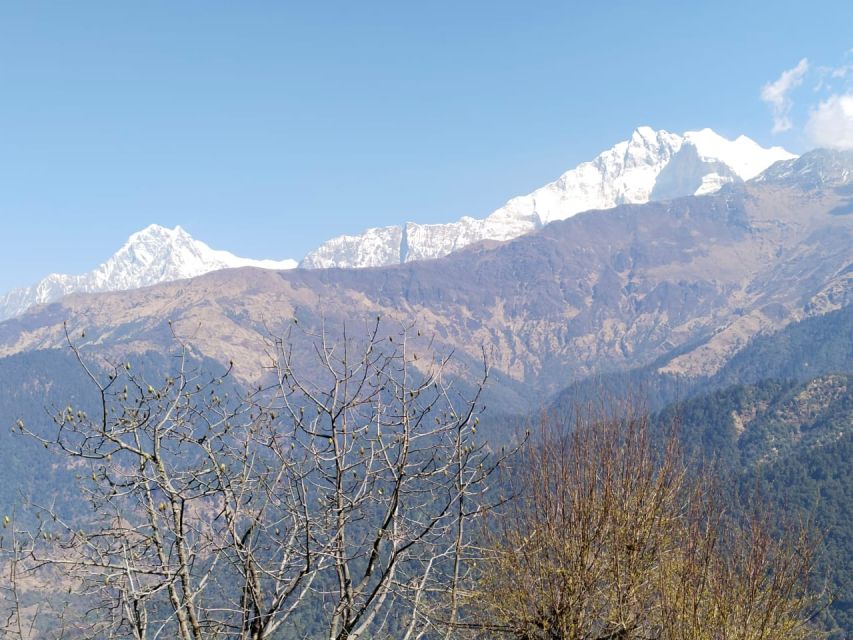
This trek includes accommodation in tea houses or a guest house on the trek nights. The stops you sleep at are Ghorepani (Day 1), Tadapani (Day 2), and Ghandruk (Day 3). That keeps things predictable. You are not constantly hunting for lodging.
Food is not included, but it is available for purchase. That means you should plan for meals as an extra line in your budget. The practical benefit is choice. If you feel like eating soup one day and a more filling meal the next, you usually can.
What I suggest for comfort:
- Eat something easy the night before hard walking days.
- Keep a small snack plan for the trail if you have it in your pouch.
- Drink water steadily, especially on cold mornings.
Tea house reality can vary, so manage expectations. You’re paying for the trek structure, permits, and guidance more than luxury. The value is that you get rest where you need it, then you move again.
If you want a smoother trip overall, use your guide to help with meal timing. They can usually point you toward good options and help you avoid getting too hungry at the wrong moment.
Guides, Permits, and the Private Transport Advantage
The itinerary includes a licensed English speaking guide, plus guide expenses. You also get all necessary permits handled for you. In other words, you are not juggling paperwork while also trying to focus on walking and views.
Private pickup and drop-off in a private car or jeep matters more than people expect. It means Day 1 starts cleanly from your Pokhara hotel, and Day 4 ends with a direct return to your hotel.
About guides: there have been some standout experiences with specific names on this trek. One guide, Muku, was described as good and helpful, but with room to improve weather planning. Another guide, Gobinda, was described as kind and making the trip comfortable. Those two stories tell me something practical: your experience will often hinge on your guide’s day management, not just their technical ability on the trail.
So when you first meet your guide, ask simple questions:
- What is the plan if the skies are cloudy?
- Where will you adjust if roads are disrupted?
- What should I bring and wear for the sunrise hour?
Also note: there can be itinerary adjustments due to landslides and road damage. In at least one case, a starting point shift meant an item was removed and a day was effectively lost. That is a reminder to stay flexible. Nature and local infrastructure can change plans fast.
One more logistics piece: you need to provide passport details at least 24 hours before the tour so permits can be prepared. The activity notes that a copy is accepted. Still, send your details early, so you don’t run into last-minute delays.
Price and Value: Does $287 for 4 Days Make Sense?
At $287 per person for 4 days, this is not a “budget only” option, but it also doesn’t read as luxury. Here’s what you are paying for:
- Hotel pickup and drop-off by private car or jeep
- All necessary permits
- Accommodation in tea houses or a guest house
- Licensed English speaking guide
- Guide expenses
Food and drinks are not included, but you can buy them along the route. That means your total cost will depend on how many meals you choose and what you drink. If you keep it simple, costs stay predictable.
From a value angle, the big win is what’s included around the trek. A lot of the hidden hassle on independent trekking is permits and sorting guides. Here, those parts are part of the price.
So who will feel the best value? You if you want:
- a clear route with a guide
- English support
- a package that handles permits
- a sunrise viewpoint as the main goal
One note on expectations: you still need to do the work. This is trekking time of 5 hours on Day 1, 6 hours on Day 2 for the main walking stretch, and 6 to 7 hours on Day 3. The value is that the effort is guided and structured, not that it is effortless.
Who Should Book This Trek, and Who Should Skip It
This trek suits you if you:
- want a strong Poon Hill sunrise focus
- like forested walking as much as viewpoint time
- want a cultural stop at Ghandruk with Gurung village life and architecture
- enjoy the idea of hot springs as a recovery break
- can manage 5 to 7 hours of walking across multiple days
It may not be a fit if:
- you are pregnant, since it is listed as not suitable for pregnant women
- you have mobility impairments, since it is listed as not suitable for people with mobility impairments
Also, if you are someone who absolutely needs a perfectly unchanged itinerary, this might test your patience. Road damage and landslides can cause schedule adjustments, and one past experience included a significant itinerary change.
Should You Book This 4-Day Annapurna and Poon Hill Trek?
I’d book it if your main goal is to see the Annapurna Range from Poon Hill at sunrise, and you want the trek to include both villages and a real comfort moment at Jhinu hot springs. The structure is strong: Ghorepani sets you up for morning views, Tadapani keeps the walking days moving, Ghandruk adds culture, and Nayapul gets you back to Pokhara.
I would think twice if you hate schedule risk or you need guaranteed weather outcomes. This trek is weather-dependent at the key moment. It is also road-dependent in terms of how the first day lands. If you accept that and plan for it, you’ll likely be happy with what you get for the money.
If you do book, do one thing that pays off fast: ask your guide about forecast and contingency on your first morning together. And double-check you have your passport details sent at least 24 hours before permits get prepared. Simple steps, big peace of mind.
FAQ
What is the duration of the Pokhara 4-Day Annapurna and Poon Hill Trek?
The trek duration is 4 days.
How much does the trek cost per person?
The price listed is $287 per person.
What is included in the price?
It includes hotel pickup and drop-off in a private car or jeep, all necessary permits, accommodation in tea houses or a guest house, a licensed English speaking guide, and guide expenses.
Is food included?
No. Food and drinks are not included, but you can purchase meals along the route.
What time of day does the Poon Hill sunrise viewing happen?
You head to Poon Hill early in the morning specifically for the sunrise view.
What do I need to bring for the trek?
You should bring your passport, and a copy is accepted.
Is the trek suitable for people with mobility impairments or pregnancy?
No. It is listed as not suitable for pregnant women and for people with mobility impairments.
Latest Pokhara write-ups
- Mardi Himal Trek -5 Day Short Trek From Pokhara★ 5.0 · 8 reviews
- Tandem Paragliding in Pokhara★ 4.8 · 8 reviews
- Pokhara: Peace Pagoda Sunset, Annapurna Mountain Views Tour★ 2.9 · 5 reviews
- Short & Scenic: 2-Day Private POON HILL Trek from Pokhara★ 5.0 · 8 reviews
- Seti George and Thrilling Suspension Bridge Tour at Pokhara★ 4.5 · 3 reviews
- Sarangkot Sunrise over the Himalayas★ 4.8 · 83 reviews
- Pokhara: Sarangkot Sunrise and Private Full Day Tour★ 4.8 · 24 reviews
- From Kathmandu/Pokhara: Private 3-Day Chitwan Safari Tour★ 4.7 · 34 reviews
Poon Hill Trek, compared.
4-Day Ghorepani, Poonhill & Ghandruk Mountain Trek
Read our review →
2 & 3 Days Ghorepani Poon Hill Private Guided Trek
Read our review →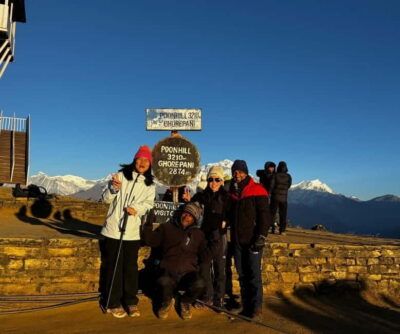
2-Days Beautiful Poon Hill Trek with Sunrise View
Read our review →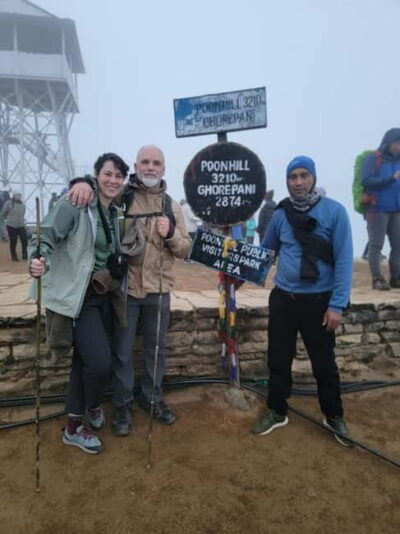
4-Day Beautiful Ghorepani Poon Hill & Ghandruk Trek
Read our review →Browse the lists this tour appears in