
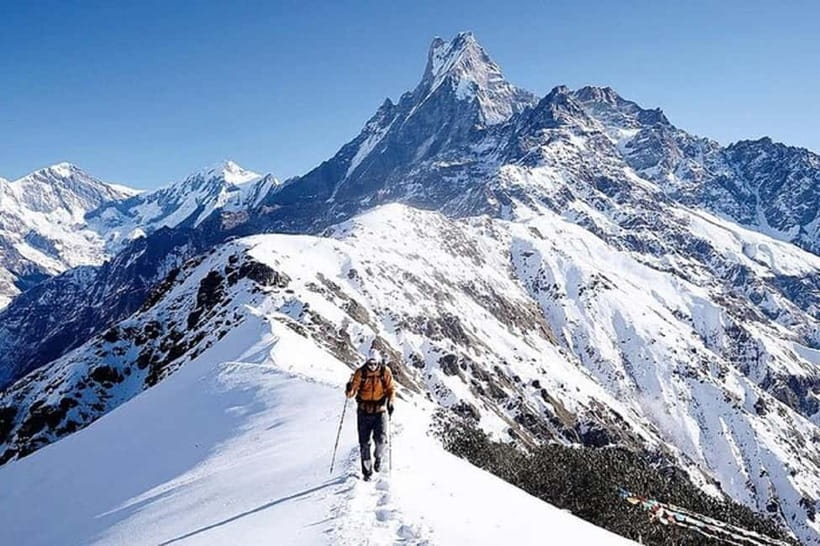
Reviewed · MARDI HIMAL TREK
From Pokhara: 5-Day Mardi Himal Base Camp Trek
A 5-day trek to Mardi Himal Base Camp from Pokhara is interesting because it gives you real mountain closeness without needing a long, multi-week commitment. I love the unobstructed Annapurna views you get on this route, and I love the early hiking through rhododendron forests and small villages where the trail feels human, not just wild. One consideration: this trek is physically demanding for some people, and the cold can hit hard at higher altitudes.
This is also a guide-forward experience, which matters here. You get a certified English-speaking trekking guide, support on the trail, and help with safety and local context, so you can focus on the views instead of guessing your way through a mountain network of paths and tea houses.
Key Things That Make This Mardi Himal Trek Worth Your Time
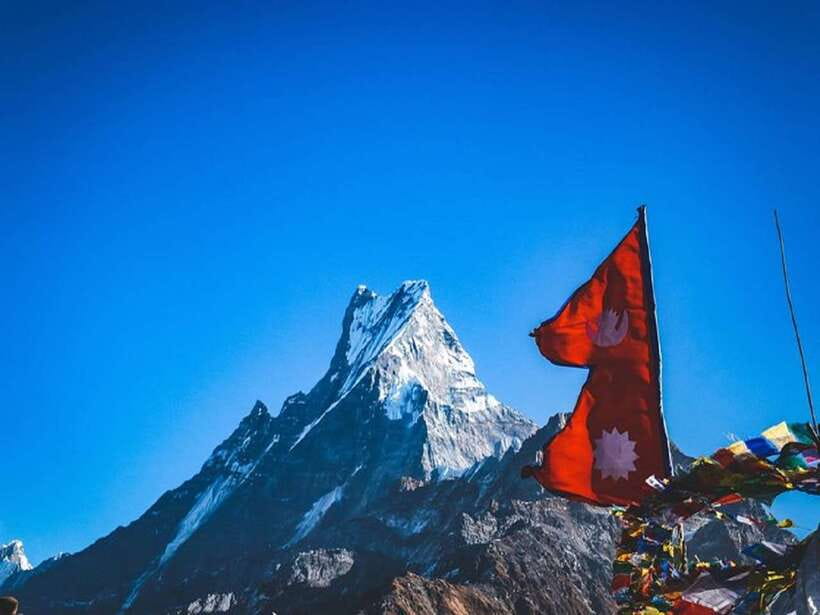
- Mardi Himal and Machapuchre feel close, not distant on the horizon
- Sunrise over the Himalayan range is built into the big day (and timing can be everything)
- Rhododendron forests and village walking on the way up keep the trail varied
- Simple tea houses along the route let you sleep in the mountains without roughing it too much
- A certified English-speaking guide (English, Hindi, Nepali) improves safety and adds meaning to what you see
- Private group pacing means you can move at a realistic speed instead of racing the clock
Why Mardi Himal in 5 Days Feels Like a Sweet Spot
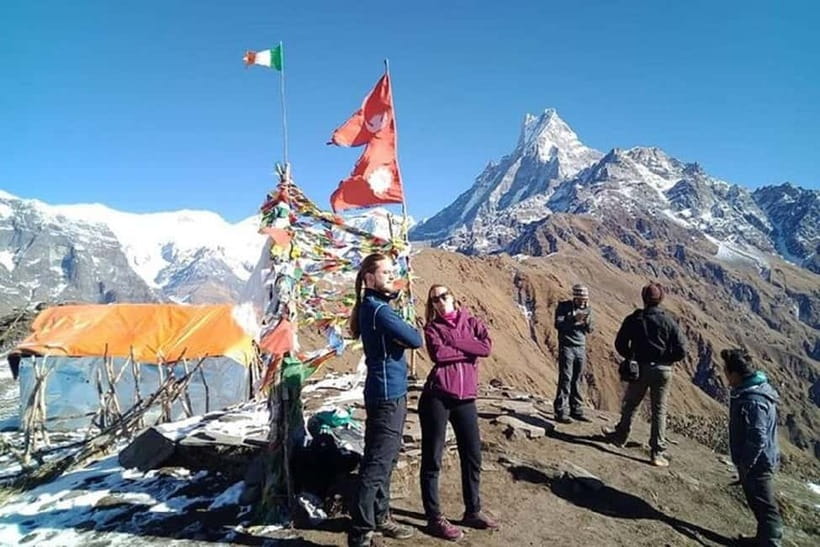
Mardi Himal is known for dramatic scenery, and this route tries to deliver it in a short schedule. You move from Pokhara by vehicle, then gain altitude steadily with overnight stays at Low Camp and High Camp, so you are not just sprinting upward.
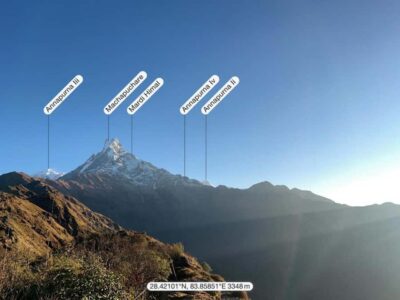
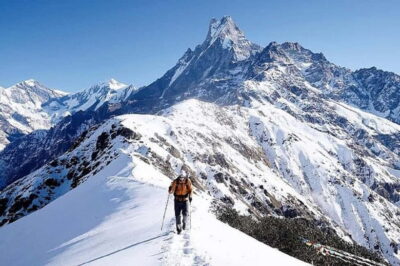
The biggest payoff is the feeling of being close to the peaks. The goal is to experience the overwhelming closeness to Mardi Himal and Machapuchre, plus panoramic views across the Annapurna range. On a good weather day, the scenery can feel almost too big to fit in your camera.
Still, don’t treat this as a casual stroll. Temperatures can vary a lot, and higher altitude is often very cold. If you go without warm layers and a sensible pace, the trip can feel harder than the distance suggests.
More on the Mardi Himal ridge:
- Pokhara: 4-Day Mardi Himal Trek
★ 4.9 · 59 reviews - Pokhara: 4-Day Mesmerizing Mardi Himal Guided Trek
★ 4.8 · 9 reviews - Mardi Himal Trek -5 Day Short Trek From Pokhara
★ 5.0 · 8 reviews
The Altitude Rhythm Starts With a Pokhara Drive and Kande
Your trek begins with round-trip transportation that connects your hotel or the airport to the trail starting point. Day 1 starts with a scenic drive to Kande, then you transition into hiking through small stops and viewpoint areas.
That first day matters. It is long enough to set you up for the trek, but it is not just a straight climb. You get time to adjust to the rhythm of walking, lunch along the way, and a first night in a mountain lodging area near Pitam Deurali.
Also note the route timing and group style. This is a private group, so you are not stuck with a mismatched pace. It can make a big difference if you are traveling with knees, ankles, or just a less aggressive hiking style.
Day 1: Pokhara to Pitam Deurali View Point via Kande, Australian Camp, and Pothana
Day 1 is where the trek turns from city travel into mountain travel. After breakfast, the drive gets you close to the trail, and then you start hiking through Australian Camp and Pothana before reaching Pitam Deurali.
You will likely notice the vegetation shift quickly. The route goes through rhododendron forests, which is a big part of why this trek feels pleasant early on. Lunch is built in during this forest stretch, so you are not eating on the go for hours.
Pitam Deurali is your first “settle in” moment. You get a guided tour and overnight stay there, with a chunk of time for hiking and viewing. If the weather cooperates, this viewpoint stop is a nice warm-up for the bigger panorama later.
Practical tip: start Day 1 with dry socks and good shoes. The day is not only scenic, it is also your first test of how your feet handle sustained hiking.
Day 2: Low Camp Through Villages and Rhododendron Forest Walking
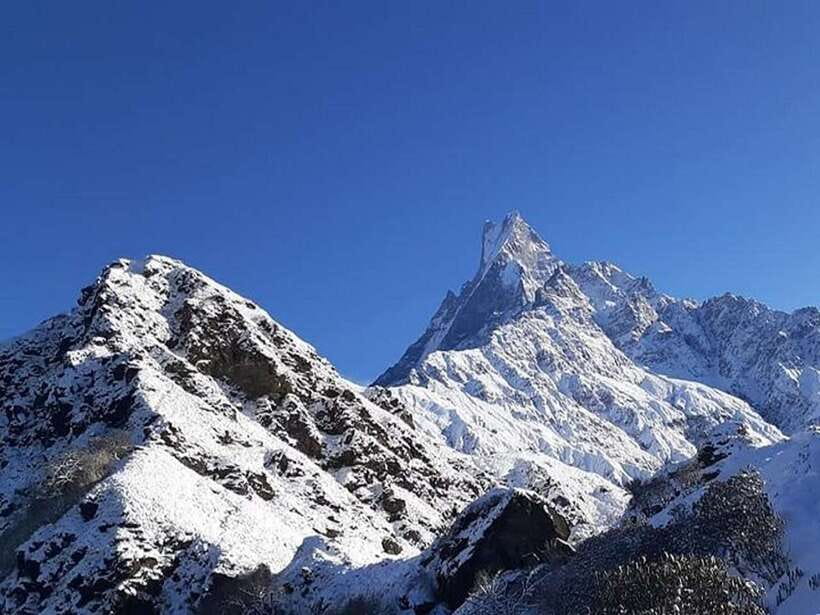
On Day 2, you head toward Low Camp, continuing through settlements and enchanting rhododendron forests. This is the day that tends to feel like “the trek is real now,” because you are settling into overnight-camp life.
You will get lunch along the trail, then arrive to settle in at Low Camp for the night. Low Camp is not the final summit goal, but it is a key checkpoint where the landscape around you starts to change in feel. It is the kind of place where you notice the quiet more, because the trail gets more about movement and less about passing through busy areas.
This is also a helpful day for pacing. You are still building toward the higher camps, but the goal is steady progress, not exhaustion. If you are first-time multi-day trekking, this is the stretch where you can learn your stride and your breathing.
One more thing: bring cash for snacks and tea if you plan to buy on the mountain. Meals may be included depending on your option, but you usually still want flexibility for small comforts.
More to compare around Pokhara
- ZipFlyer Nepal – The World’s Steepest Zip-line
★ 5.0 · 608 reviews - Bungee Pokhara by HighGround Adventures
★ 5.0 · 366 reviews - From Pokhara: Sarangkot Sunrise Himalayas Tour
★ 4.7 · 218 reviews - Full-Day Tibetan Cultural Tour to Tibetan Settlements Pokhara
★ 5.0 · 184 reviews
Day 3: High Camp, the Final Settlement Stop, and Cold-Weather Reality
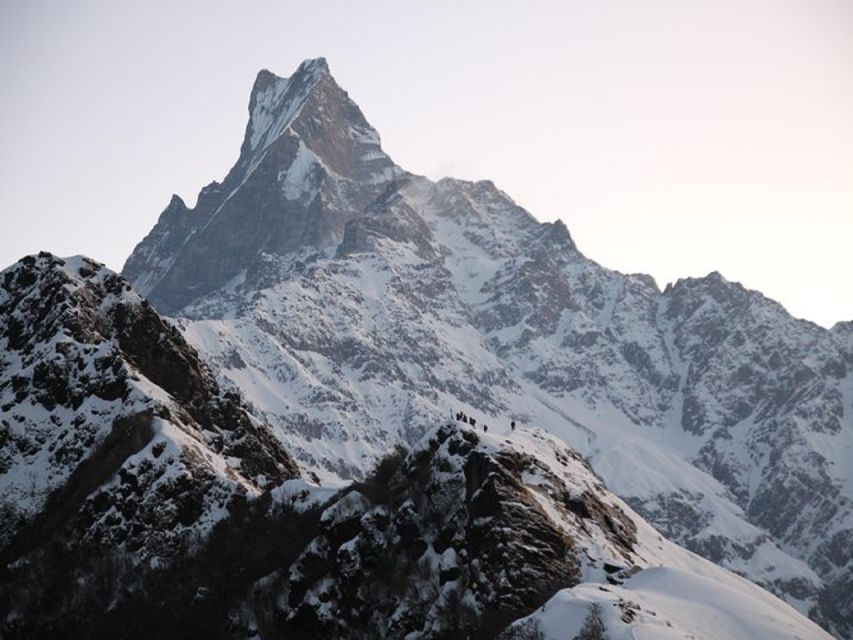
Day 3 is your main altitude push, with a hike from Low Camp up to High Camp. You start with breakfast, keep ascending, and you get lunch en route while you soak in the scenery.
High Camp is described as the final settlement area on this route, which is a useful detail for your expectations. That often means you get less “infrastructure” and more mountain focus, so evenings can be colder and quieter. It is also a psychological checkpoint, because Base Camp becomes the next step.
If you are prone to altitude issues, this is where you want to be extra thoughtful. You are not given a strict altitude profile here, but the general guidance applies: higher altitude is often very cold, and you should be prepared with layers. Some people also ask about altitude medication options with their doctor, including acetazolamide, and hiking poles can help your knees and pacing.
Practical tip: on the last morning before Base Camp, you want energy. Eat what you can at breakfast, keep moving steadily, and don’t burn matches early just because the views tempt you.
Day 4: Base Camp Day, Panoramic Annapurna Views, and a Big Sunrise Window
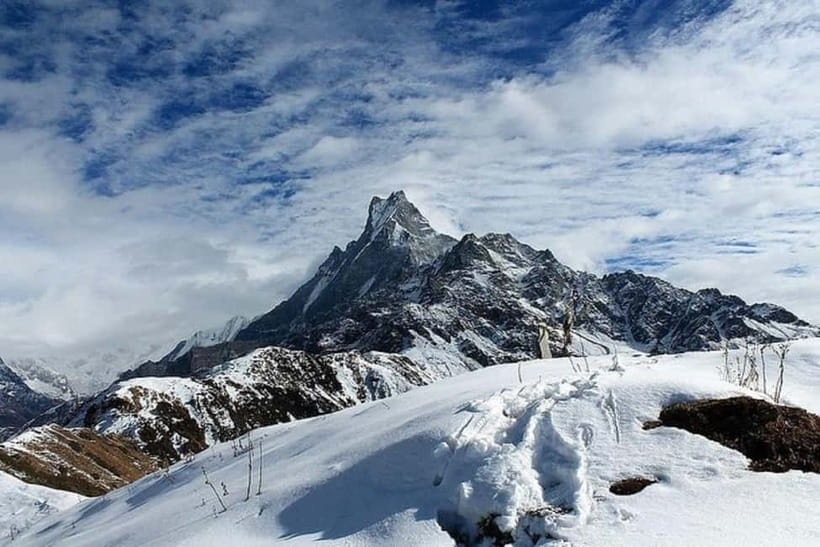
Day 4 is the highlight, and it is structured to give you both the Base Camp moment and the return. You trek from High Camp to Mardi Himal Base Camp, then you return back down to Low Camp for the night.
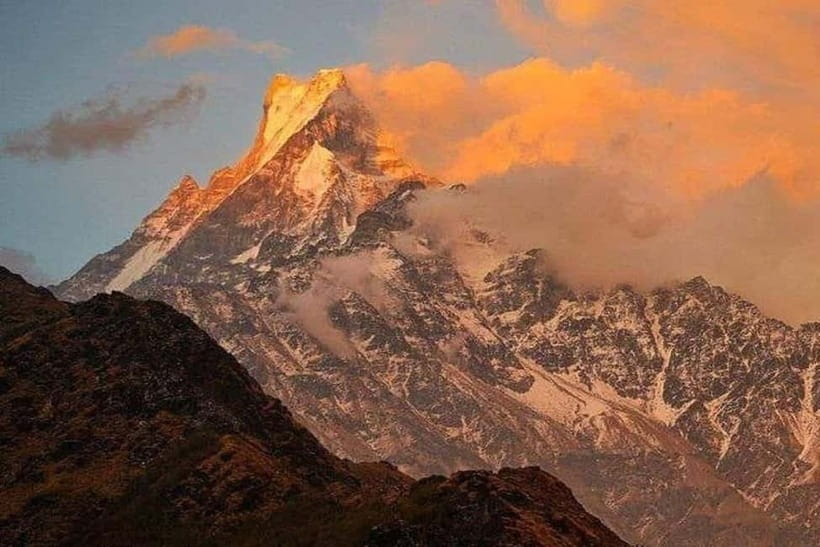
You get panoramic views of the Annapurna Himalayan range, and there is also an emphasis on witnessing sunrise over the mountains. Sunrise is not guaranteed in the mountains, but the route is set up so that the early effort can pay off.
Base Camp is where the “closeness” becomes real. This is the day you feel why Mardi Himal is so popular with people who want dramatic angles rather than just a viewpoint photo.
After spending time exploring at Base Camp, you retrace steps to Low Camp. That matters for comfort, because Day 4 is both a summit-style effort and a downhill recovery. Even if you do not feel exhausted, your legs will notice the switch from climbing to descending.
Practical tip: save your camera batteries, keep gloves handy for early hours, and use steady foot placement on the descent. This is where knee-friendly technique helps.
Day 5: Lumre Canyons, Lwang Ghalel, and Back to Pokhara Comfort
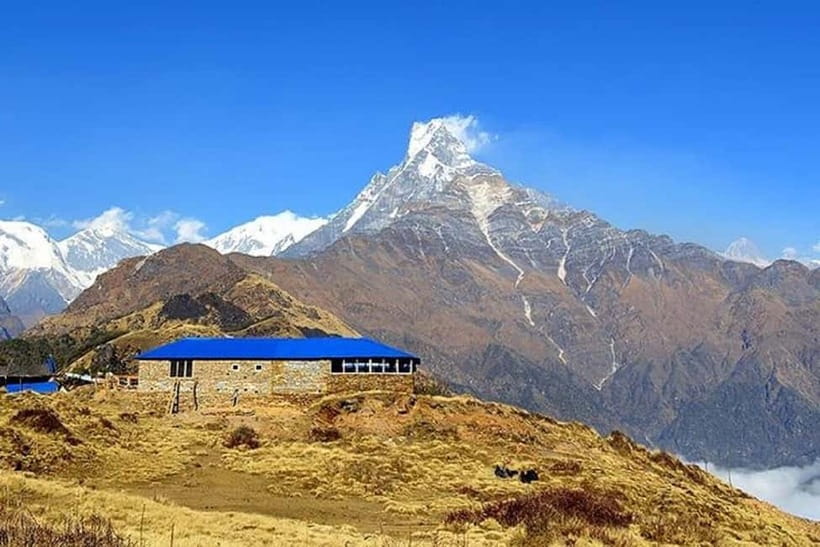
Day 5 is a mix of trekking and payoff travel. After breakfast, you descend toward Sidding for lunch, then continue hiking to Lumre, where your vehicle returns you to Pokhara.
Your route also includes mention of Lumre canyons and Lwang Ghalel, which signals that Day 5 is not only about dropping altitude. It is about enjoying the final stretches and seeing how the valley shapes the journey home.
This is the day you can feel both relief and satisfaction. You are physically tired, but you are also in “closing chapter” mode, which makes the last views easier to enjoy.
If you have the option to stretch your legs during the drive back, do it. The road can be bumpy on some days, and after five days of walking, your body will appreciate a bit of extra comfort when you get it.
Tea House Nights and Meals: How to Budget Without Stress
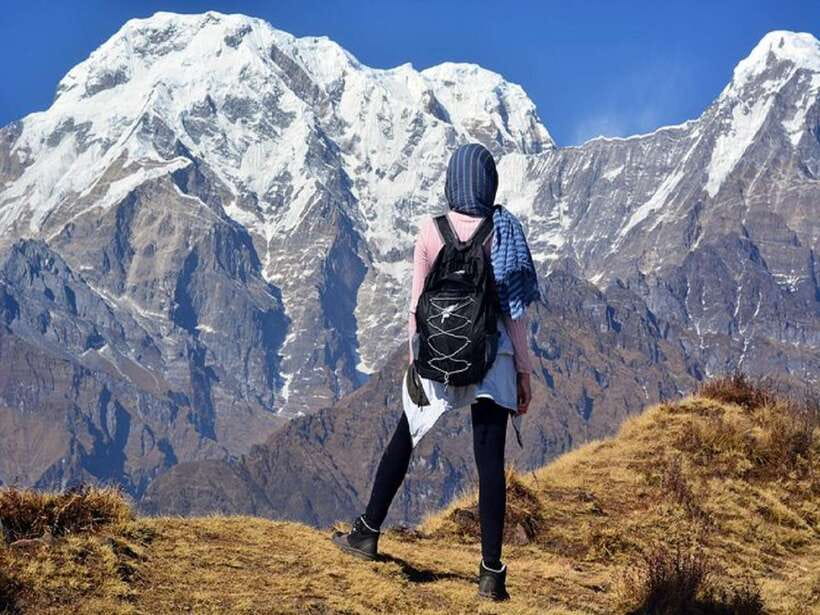
Accommodation along the route is in simple tea houses or lodges. That usually means basic rooms, communal dining spaces, and hot drinks when available. It is not luxury, but it is a practical base for a short trek.
Meals are a little tricky here. The included details say meals throughout the trek depend on the option you choose. At the same time, you should expect to buy at least some food on the trail since not all meals may be included for your package.
A useful budgeting approach:
- Plan for buying some meals or snacks, especially teas and small extras
- Keep cash for purchases on the route
- If you chose meal-included, still compare what you actually consume
One of the most practical points from guide-led trekking experience is that extra tea breaks and snacks add up if you skip them out of caution. It can be worth paying for small comforts, as long as you are honest with your budget.
Guides, Safety, and the Little Extras That Matter
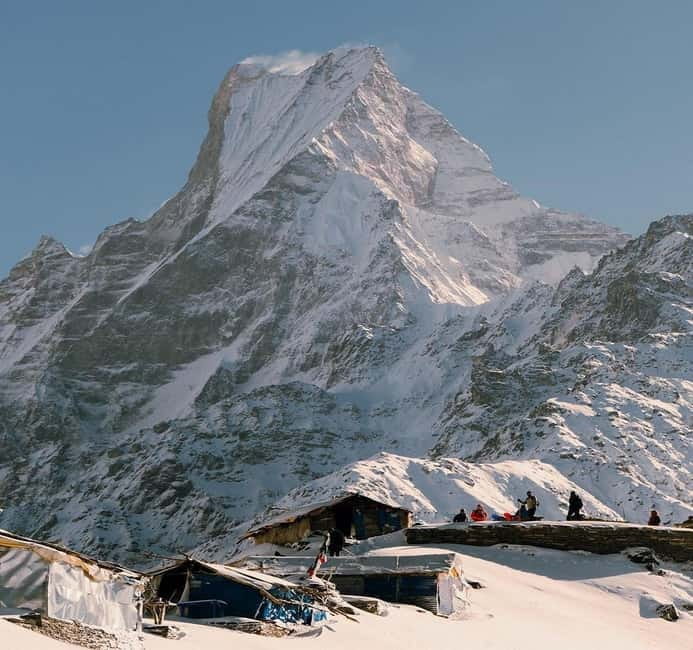
This trek runs with an experienced English-speaking trekking guide certified by the Nepal Government. That is not a minor detail, especially in the Annapurna region where trails, weather, and timing can require good judgment.
You also get support like a first aid kit, and the guide has insurance and covers expenses tied to the job. Luggage storage is available in Pokhara, which helps you hike smarter on Day 1 and avoid carrying unnecessary items.
Now for the human side, because it is often what stays with you. The name Santosh shows up as a guide many people seem to appreciate, including for small touches like buying fruit for the trail. If you end up with a guide like that, you might also feel more relaxed about food options and pacing.
There are also examples of family-style guiding teams, including Sun-Bahadur Nepali and Niva Nepali, where their patience and enthusiasm are described as strong points. If you are someone who values calm coaching and extra attention with backpacks and trail choices, this kind of guiding approach can make the trip feel smoother.
Safety is also partly about training your expectations. Travel insurance is mandatory, and emergency rescue services are available if required. That means you should take insurance seriously, not as a checkbox.
Fitness, Cold Weather, and What to Pack So You Actually Enjoy It
The trek can be physically demanding for some participants. That is the plain truth. The good news is you don’t need to be an elite athlete, but you do need a reasonable fitness level and the willingness to hike steadily.
Temperatures vary significantly, especially at higher elevations. Bring layers that work in cold morning starts and cooler nights. Your packing list should focus on:
- Comfortable shoes (this matters more than fashion)
- Jacket and comfortable clothes
- Hat
- Cash
- Camera
- Hair tie
- Trekking gear, including a sleeping bag and trekking stick as needed
Hiking poles can be a real help for knee comfort and for controlling descents. Some people also recommend talking to a doctor about altitude prevention, including medication like Diamox, but you should treat that as personal medical advice, not a blanket trek rule.
Practical tip: if you feel cold, you are behind. Add a layer early, drink warm tea or water if available, and keep moving at a steady rhythm.
Value for $181: What You Pay For, and What You Should Plan On Paying For
At $181 per person, this trek is priced for a short, supported mountain experience. Your money covers round-trip transportation between Pokhara options and the trail starting point, all required trekking permits and TIMS fees, and guide services including insurance and expenses.
You also get accommodation, with simple tea-house stays along the route. Trekking gear like a trekking stick or sleeping bag as needed is also listed as included. Add the first aid kit, government and local taxes, and luggage storage in Pokhara, and the package is more than just “pay for a guide.”
What might cost extra:
- Meals if your option does not include everything
- Personal expenses
- An optional porter, listed at $20 per day
If you are deciding whether to hire a porter, think about your comfort. With a lighter daypack, you can enjoy the views and keep your body in working order for the longer descent days.
Bottom line on value: if you want the Annapurna-region Mardi Himal scenery with permits handled and a guide doing the safety work, this price can make sense. If you want to self-organize everything, you would need to create your own permitting, lodging, and route management plan, which is not trivial.
Who This 5-Day Mardi Himal Trek Suits Best
This trek fits best if you want:
- A short trek that still feels like a real mountain journey
- Rhododendron forests and village walking, not just rock and snow
- Strong viewpoints and sunrise potential
- A guided experience with an English-speaking Nepal Government certified leader
- A private-group pace that can match your comfort level
It is also a good option for first-time multi-day trekking, especially if you value structure and someone to help with trail options. Even people with knee issues have reported finishing successfully, which suggests the route can work if you use proper technique and take it slow when needed.
If you want an ultra-casual hike with minimal altitude discomfort, this probably is not your match. But if you can handle a challenging walking trip, you will likely feel proud at the end, and you will have real mountain memories.
Should You Book This 5-Day Mardi Himal Trek?
If you want a guided, permission-handled trek that delivers Mardi Himal Base Camp scenery in five days, I think booking is a smart move. The combination of rhododendron forests early on, camp-to-camp altitude rhythm, and a Base Camp day focused on panoramic views and sunrise potential is exactly what makes this route attractive.
I would book if you like structure, want a certified guide, and are willing to plan for cold mornings and a demanding hike. I would hesitate if you are not comfortable with physical exertion, or if you are relying on the trek to be mostly easy walking and casual sightseeing.
If you do book, do one thing for future-you: pack warm layers early, bring trekking poles if you have them, and keep your pace steady. That is how you turn a tough day into a memorable one.
FAQ
Where can I get picked up for the trek?
You can choose pickup from Pokhara Lakeside, Pokhara International Airport (PIA), or Lakeside Rd 6.
What stops are included before you reach the higher camps?
The trek includes stops such as Kande, Australian Camp, Pothana, and Pitam Deurali View Point on the way to the first overnight areas.
Are meals included during the trek?
Meals are included depending on the option selected. If your option does not include all meals, you will be able to purchase meals on available days along the trail.
What accommodation do you stay in each night?
You stay in simple tea houses or lodges along the trekking route, including nights around Pitam Deurali, Low Camp, and High Camp.
Is trekking gear included?
Trekking gear is included as needed, including a trekking stick and sleeping bag. You still need to bring the items listed in the packing list for your own comfort.
Do I need travel insurance?
Yes, travel insurance is mandatory for your safety and peace of mind.
Can I hire a porter, and what does it cost?
A porter is available for hire as an optional add-on, listed at $20 per day.
What should I bring for the trek?
Bring comfortable shoes, hat, camera, jacket, comfortable clothes, cash, hair tie, and trekking gear, along with whatever your trek gear needs include for warmth and comfort.
Latest Pokhara write-ups
- Mardi Himal Trek -5 Day Short Trek From Pokhara★ 5.0 · 8 reviews
- Tandem Paragliding in Pokhara★ 4.8 · 8 reviews
- Pokhara: Peace Pagoda Sunset, Annapurna Mountain Views Tour★ 2.9 · 5 reviews
- Short & Scenic: 2-Day Private POON HILL Trek from Pokhara★ 5.0 · 8 reviews
- Seti George and Thrilling Suspension Bridge Tour at Pokhara★ 4.5 · 3 reviews
- Sarangkot Sunrise over the Himalayas★ 4.8 · 83 reviews
- Pokhara: Sarangkot Sunrise and Private Full Day Tour★ 4.8 · 24 reviews
- From Kathmandu/Pokhara: Private 3-Day Chitwan Safari Tour★ 4.7 · 34 reviews
Mardi Himal Trek, compared.
4-Day Mardi Himal Trek with Guide & Himalayan Views
Read our review →
Majestic Mardi Base Camp Guided Trek with HotSpring
Read our review →
Browse the lists this tour appears in