
Reviewed · UNESCO WORLD HERITAGE SITES
Kathmandu: Full-Day 7 UNESCO Tour with Lunch – Private/Group
What makes this experience interesting is the simple math: you get 7 UNESCO stops across Kathmandu Valley in one day, with smooth transport and a guide who ties each place to the bigger story. I also like the all-inclusive option that can cover monument entrance fees and a proper Nepali lunch, so you are not juggling costs mid-day.
Here’s the one drawback to plan around: this is a long, active day. Expect stairs, uneven temple steps, and plenty of walking, so your comfort depends on your stamina and your willingness to keep a steady pace.
Key things that make this 7 UNESCO day work
- 7 UNESCO sites in one circuit, which saves you from trying to route this yourself across Kathmandu Valley
- Air-conditioned private transport (or group van) that gets you close to each stop, not across town on your own
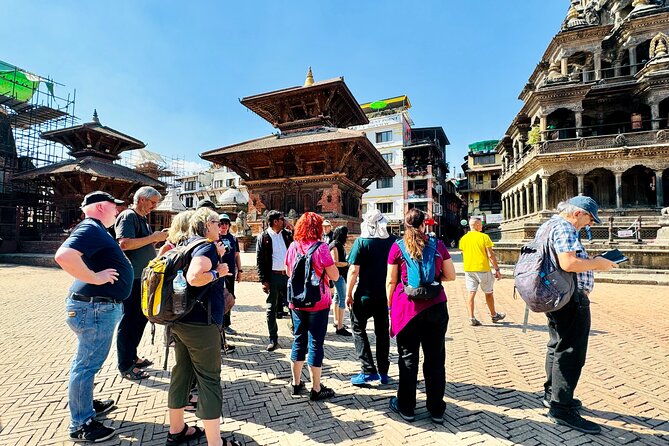
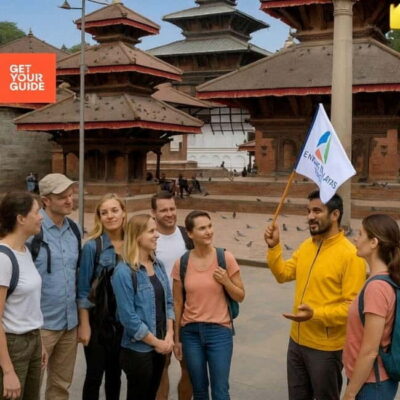
- A local guide who keeps the cultural connections clear, with frequent photo stops and time for questions
- Snack-and-water lunch box included, plus lunch and soft drinks if you choose the all-inclusive package
- Multiple guides you can get named for you, with many solid reviews mentioning guides like Sumit Kharel, Asmita, Sajina, Ram, and Anon
- Bring cash if you are not all-inclusive, since entrance fees may be paid at the monuments depending on your package
Why 7 UNESCO sites in one day feels efficient
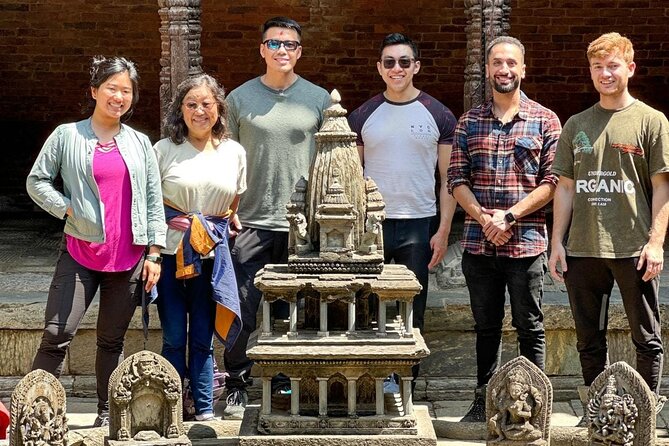
Kathmandu Valley’s UNESCO list is not small. The trick is that doing it one site at a time can swallow your vacation days, with taxis, routing, and tickets eating up time. This tour compresses the “best hits” into one full day with a set route and an organized guide, which is exactly what you want if you have limited time.
I like that the itinerary is built around the main cultural anchors: Hindu temples, Buddhist sites, and the Durbar Squares that show how royal power turned into art made of wood, brick, and stone. If you only had a day or two in town, this kind of structure helps you see Kathmandu Valley’s geography of beliefs, not just isolated monuments.
The flip side is that you will not get to linger in the way you might on a slower, multi-day plan. If you want quiet, detailed museum style attention, plan to spend extra time on at least one site on another day.
More Full-Day Tours in Kathmandu
- Full Day Guided Tour in Kathmandu
★ 5.0 · 61 reviews - Patan and Bhaktapur City Full Day Tour
★ 5.0 · 24 reviews - Kathmandu and Surrounding Full-Day Mountain Biking Tour
★ 4.7 · 12 reviews
Pickup in Thamel and the reality of Kathmandu traffic
Most group pickups begin around 8:00 AM within the Thamel area, and you get your exact pickup time one day in advance. That timing matters because temples open early and the later you start, the more the day turns into a race between lines, crowds, and the next transfer.
You should also expect a small chance of a 3 to 5 minute delay for traffic or coordination. In Kathmandu, that is normal, and your best move is to keep your morning calm: set yourself up with cash, water, and sunscreen, and treat the day as a guided crawl rather than a clockwork race.
On the transport side, the tour uses air-conditioned private transportation. Reviews repeatedly mention drivers who are careful in traffic, with names like Krishna showing up more than once. You’ll feel the value here if you are not used to Kathmandu driving, because the day depends on safe, efficient transfers between sites.
Swayambhunath Monkey Temple: the climb, the views, and the stories
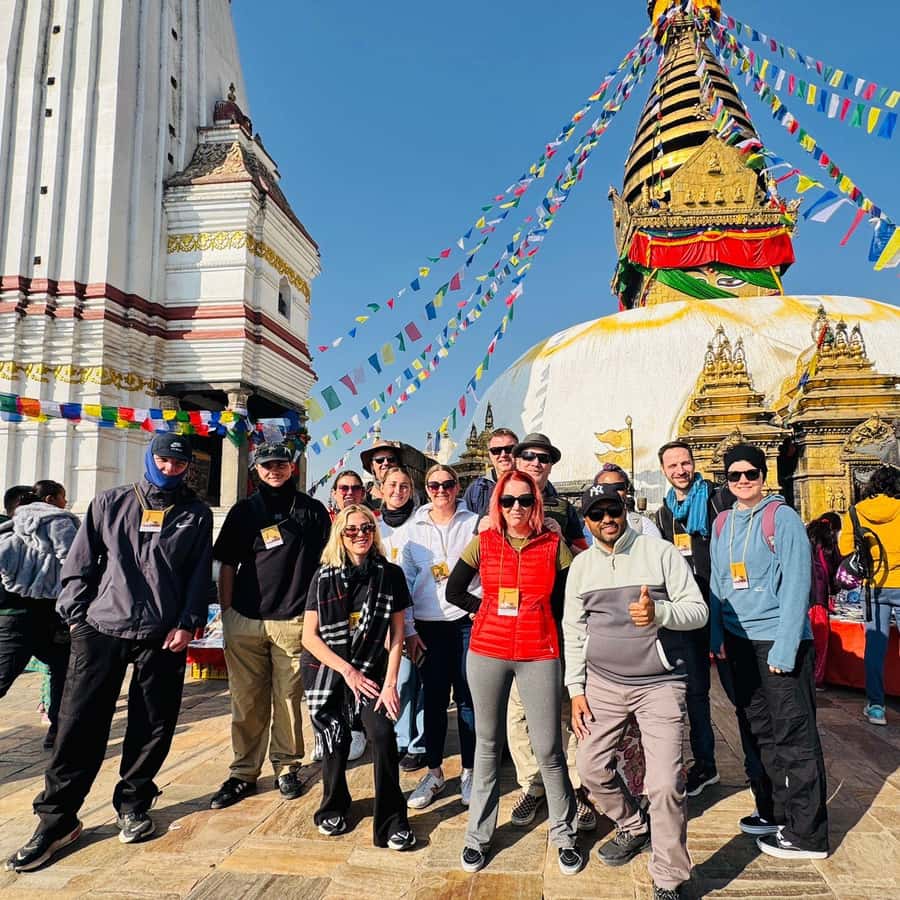
Swayambhunath is perched high above the valley, so you’re in for both physical effort and payoff. You’ll likely start with the famous monkey areas and sweeping views, then move through the temple zones where symbolism is everywhere. This stop is a good opener because it gives you a bird’s-eye map of where the rest of your day fits.
What I like about this stop on a guided day is that it is not only about taking photos. Your guide can connect why people come here, what the iconography signals, and how the site functions as a living religious space, not a postcard.
Practical note: this is a temple complex with stairs and uneven footing. If you’re carrying a camera and want steady footing, wear supportive shoes and keep your daypack zipped. Also, sunscreen is smart, since the area is exposed in parts.
Kathmandu Durbar Square: royal architecture you can feel in your hands
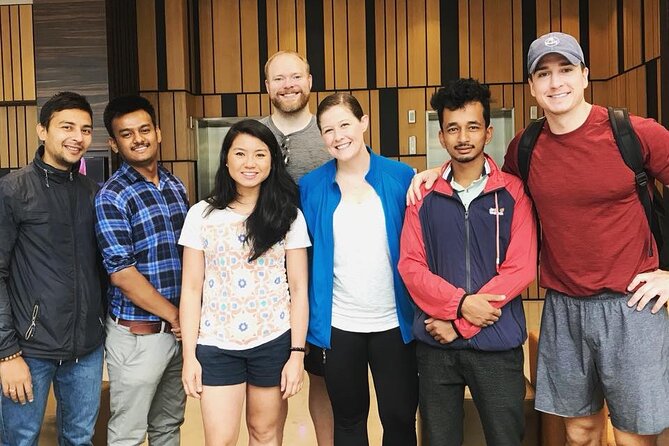
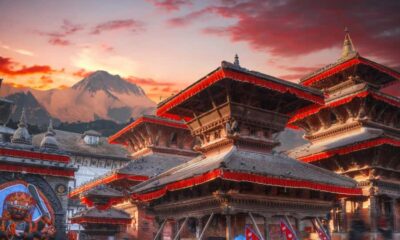
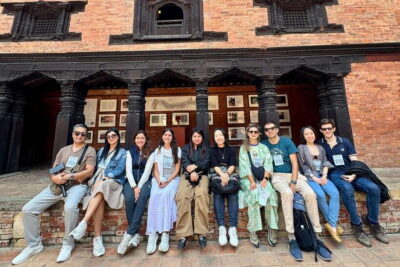
Next comes Kathmandu Durbar Square, one of those places where the details matter. The courtyards, temples, and carved façades show a royal-era Kathmandu that worked as a cultural engine. You’re walking through space that functioned as governance and ceremony, so the “why” behind the architecture becomes as important as the “what.”
I like this stop because it turns history into something you can see at human scale. The guide helps you read the carvings, understand how different buildings relate, and notice what has endured. If you love architecture or just want a sense of how people used to live, this is one of the most satisfying stops.
Time check: Durbar Squares can slow you down because there is a lot to take in. If your group is moving fast, ask your guide for 2 extra minutes at your favorite doorway or courtyard. Guides on this tour tend to be patient about questions, based on how often that theme shows up in real feedback.
More UNESCO World Heritage Sites in Kathmandu:
- Kathmandu: 7 UNESCO Sites with Lunch
★ 4.8 · 744 reviews - Kathmandu: 7 UNESCO Sites Tour in 1 Day (Private Tour)
★ 4.9 · 204 reviews - Kathmandu: Top 4 UNESCO Tour with Lunch – Private/Group
★ 4.9 · 181 reviews - Kathmandu: Private UNESCO World Heritage Site Tour
★ 4.9 · 47 reviews
Changu Narayan Temple: carvings, age, and the feeling of deep roots
Changu Narayan Temple is the older-feeling stop on this route. It’s associated with Lord Vishnu and is often described as the oldest Hindu temple in Nepal, and the carvings are the main attraction. This is where you get a sense of how craftsmanship and devotion grew together over time.
On a day like this, Changu Narayan also acts like a reset. After temples and city squares, you shift into a quieter frame where the stonework does the talking. Your guide can point out the details that are easy to miss when you are walking on your own.
Caution: it is still a temple site, so expect walking and potentially uneven steps. If your feet are already tired, slow down and take breaks. The tour pace is long, but it should never feel like you are sprinting through sacred spaces.
Pashupatinath on the Bagmati River: spirituality you see up close
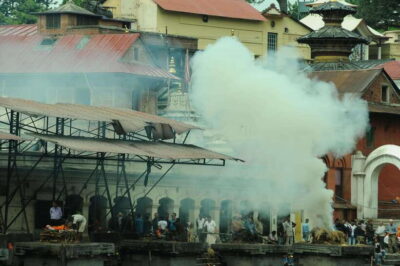
Pashupatinath Temple is one of the most sacred Hindu temples in the world, and it carries a strong sense of place. Being on the banks of the Bagmati River shapes everything, including how people move, pray, and gather.
I appreciate that this stop is often explained in a way that helps you understand what you are seeing, even if Hindu rituals are new to you. A good guide will help you notice the difference between tourism-mode photos and respectful observation.
This is also a stop where timing matters. The tour’s structure gets you there as part of a sequence, which helps you avoid arriving when you’re too tired to absorb what makes the place meaningful.
As always for temple visits: dress conservatively and be ready for crowds in key viewing areas. Keep your movements smooth, and you will have a better day.
Patan and Bhaktapur Durbar Squares: Newari craft plus everyday life
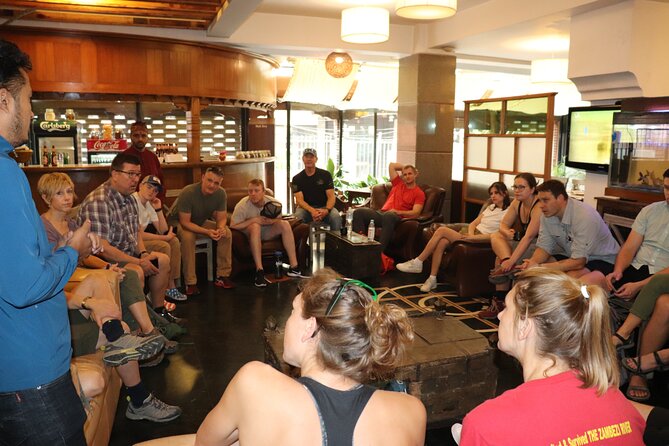
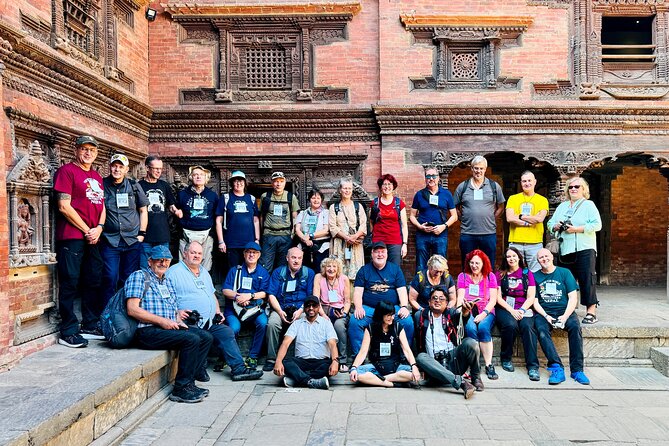
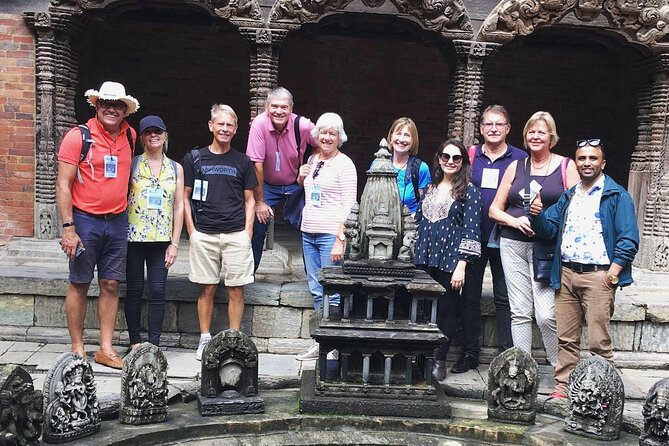
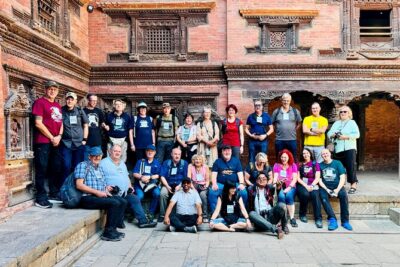
Two Durbar Squares, Patan and Bhaktapur, bring you a stronger sense of Kathmandu Valley’s Newari architecture. These sites are known for intricate building work and living traditions, meaning you are not just looking at relics. You’re seeing a culture still in motion, even while the monuments stand firm.
If you love wood carving, brick patterns, and the way different levels connect across courtyards, this part of the day is a treat. I also like that having two Durbar Squares back to back gives you comparisons. You’ll start seeing patterns in design and symbolism, instead of treating each square as a standalone highlight.
The tradeoff is stamina. By this point, you may feel the length of the day. One real-world caution that comes up often: the itinerary includes a lot of stops and walking, so come with energy. You do not need to be athletic, but you should plan to move steadily and take small breaks when you can.
Boudhanath Stupa: Tibetan spiritual life in a huge circular space
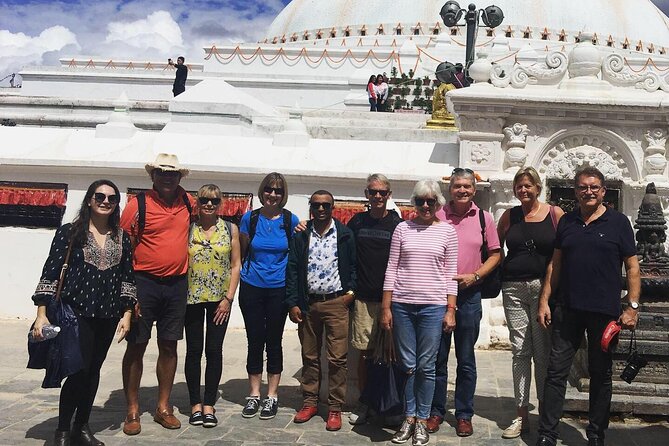
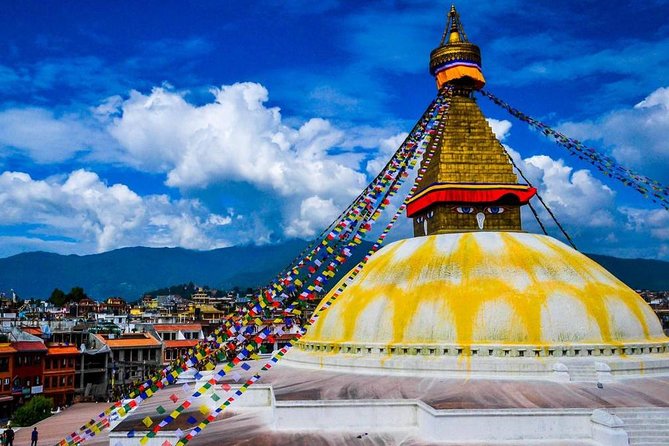
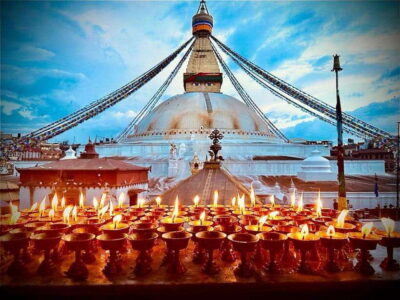
Boudhanath is one of the most awe-worthy Buddhist monuments in the Kathmandu Valley lineup. This colossal stupa serves as a hub for Tibetan culture and spirituality, and it feels different from the Hindu sites earlier in the day. You’ll notice how the space is used, how people interact with the stupa area, and why it draws visitors beyond Nepal.
What I like about Boudhanath on this tour is the contrast. After Hindu temples and royal squares, you shift into a Buddhist atmosphere where devotion looks more rhythmic, and where you can watch people in prayerful routines.
It’s also a strong place for photos and for just standing back. If you are tired, this is a good moment to slow down, hydrate, and let your guide’s explanation sink in while you take in the scale.
Lunch box, Nepali lunch options, and what to expect from the food
Food is one of those areas where package details really matter, because you can end up with two different “lunch experiences” depending on your selection.
Included items always include a lunch box style set: a 500ml bottled water, plus a muffin, donut, banana, seasonal fruit, and juice. If you choose the all-inclusive option, the tour also includes a Nepali lunch at a local restaurant, listed as a Khana set or a choice of dishes, along with soft drinks.
Some people love the convenience and the fact that you get fed during a long day. Others have said the restaurant meal did not match expectations. So here’s my practical approach: treat the lunch as fuel, not fine dining. If you have strong preferences, consider bringing a small snack you can keep in your daypack for backup.
Price and value: how the $5 rate can be a bargain or a trap
The price shown is $5 per person, which is shockingly low for a day that includes guide time, air-conditioned transport, and multiple major sites. The key is the entrance-fee puzzle.
Entrance fees for all heritage sites are listed as about USD 43 total (NPR 5,800 per person). The tour says monument entrance fees are covered when you pick the all-inclusive package. If you are not all-inclusive, monument entrance fees are not included, and you may pay separately.
Real feedback also hints that in practice, people sometimes pay at each monument, so you should come prepared either way. Bring cash. Some guides also recommend coming with extra rupees for entrance fees, with one suggestion around 5,000 to 6,000 NPR. Your exact amount depends on your package and current fee totals.
My value take: this tour can be excellent value if you confirm you are truly getting entrance fees covered and you want a high-coverage day. If you hate paying multiple ticket counters, spend time checking your option before you go.
Pacing, walking, and who this tour is best for
This is not a laid-back sightseeing day. It is a long sequence of major sites, and it can feel hectic if you are hoping for slow wandering. The upside is that it works extremely well for first-time visitors who want the big landmarks without doing route planning.
Who it suits:
- You have limited time in Kathmandu and want coverage of core UNESCO sites
- You want a guide to explain what you see at each stop, not just collect photos
- You value air-conditioned comfort for transfers
Who should reconsider:
- You want a slow, quiet pace with lots of rest time
- You have limited mobility, because the tour is not suitable for wheelchair users
- You have specific vision accessibility needs, because it is not suitable for visually impaired people
- You easily burn out after a full day of walking and temple steps
Also, come prepared for the basics. One practical tip that came up in feedback is to bring a bit of sunscreen. Another is to be ready for bathroom situations. That may sound unglamorous, but it can make a difference when you are hopping between sites for hours.
Guides and drivers: where the tour really shines
If you want the day to feel smooth, you need a strong guide. This tour has many guide names showing up in high praise, especially Sumit Kharel, Asmita, Sajina, Ram, Anon, and Dipesh, plus drivers like Krishna. The common theme is not only facts, it is how the guide delivers them.
Look for these practical guide traits:
- Clear explanations in English or Hindi
- Patient answers when you ask follow-up questions
- A friendly pace that does not shame tired legs
- Help with photo timing and positioning
- Safe, careful driving, especially in traffic
You’re paying for more than transport. You’re paying for someone who can connect the site to daily life, faith, and local culture so you leave with something you can actually use later in your Nepal trip.
Should you book this Kathmandu 7 UNESCO day?
Book it if you fall into this bucket: you have limited time, you want the main Kathmandu Valley UNESCO sites in one day, and you prefer guided structure over self-planning.
Do not book it if you are searching for a relaxed, slow day with minimal walking. Also, double-check whether you selected the all-inclusive option, since entrance fees are a big part of the math.
If you do book, my advice is simple:
- Bring cash for entrance fees just in case the day requires on-site payment
- Wear good shoes and plan for stairs
- Ask your guide to prioritize your top 1 or 2 stops if you feel your energy dropping
- Use the snacks and water aggressively. Don’t wait until you feel hungry
Provider note: Relax Getaways Pvt. Ltd runs the experience, and the day typically combines transport, a guide, and food elements designed to keep you moving between Kathmandu Valley’s major heritage sites.
FAQ
How many UNESCO World Heritage Sites are included?
You visit 7 UNESCO World Heritage Sites in Kathmandu Valley in one full day.
Is this tour offered as a private or group experience?
Yes, it’s available as both private and group tours.
What time does pickup usually happen for group tours?
Group tour pickups begin around 8:00 AM within the Thamel area.
When will I receive my exact pickup time?
You receive your exact pickup time one day in advance.
Does the tour include entrance fees?
Entrance fees are not included in the standard package, but they are included if you select the all-inclusive option.
How much are entrance fees for the UNESCO sites?
Total entrance fees are approximately USD 43 (NPR 5,800 per person).
Are there special entrance fees for SAARC nationals?
SAARC nationals pay USD 22 total, and it applies to both group and private tour options.
What food is included?
You get a lunch box with 500ml bottled water, a muffin, donut, banana, seasonal fruit, and juice. If you choose the all-inclusive option, you also get Nepali lunch at a local restaurant and soft drinks.
What languages are the guides?
Guides speak English and Hindi.
Is the tour wheelchair friendly?
No, the tour is not suitable for wheelchair users.
What should I bring on the tour?
Bring a camera, cash, a daypack, and a passport or ID card (a copy is accepted).
What is the cancellation policy?
Cancel up to 24 hours in advance for a full refund.
Latest Kathmandu write-ups
- 16 Days Island Peak Climbing With Everest Base Camp Private Trip★ 5.0 · 3 reviews
- 15 Days Round Annapurna Trek with Poon Hill from Pokhara★ 5.0 · 5 reviews
- Private Nepal round trip including Ghorepani Poonhill trek★ 5.0 · 3 reviews
- Everest Base Camp Trekking 16 Days★ 4.0 · 7 reviews
- 14 Days Luxury Annapurna Base Camp Trek★ 5.0 · 6 reviews
- Everest Base Camp Trek★ 5.0 · 32 reviews
- Everest Base Camp Trek★ 5.0 · 87 reviews
- 14 Days Annapurna Base Camp Trekking | Best trek for visit Nepal 2020★ 5.0 · 19 reviews
UNESCO World Heritage Sites, compared.
Private Kathmandu UNESCO World Heritage Sites Tour
Read our review →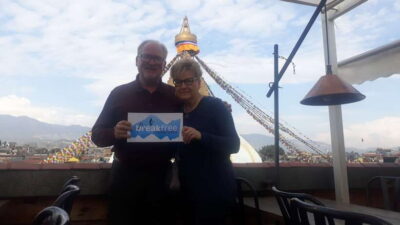
Browse the lists this tour appears in