
Reviewed · WHITE WATER RAFTING
Kathmandu: Trisuli River Rafting Day Trip with Lunch
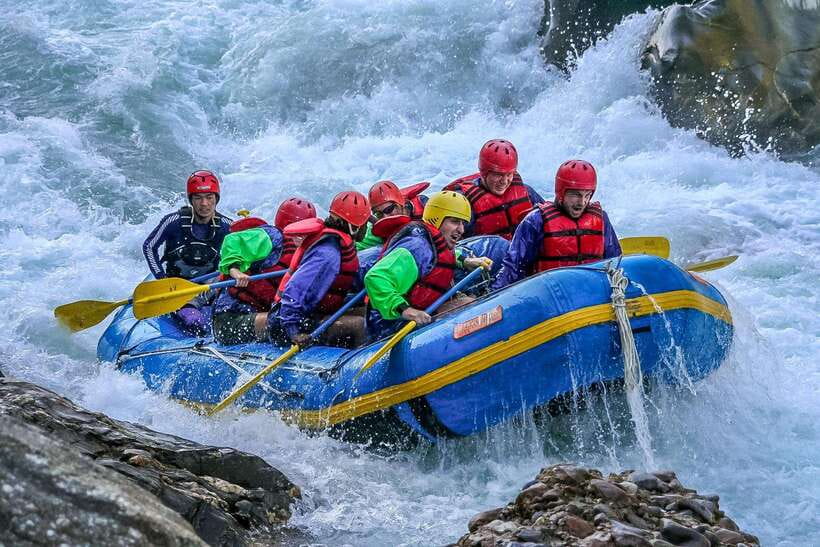
Trisuli River rafting is a fun way to swap Kathmandu traffic for real white-water in the space of a day. I like that this trip is aimed at first-timers too, with a mix of Class II and III rapids plus a proper safety briefing before you get on the water.
Two things I really appreciate are the smooth, scenic drive out of the city and the fact that you get a proper riverside break after rafting. One consideration: even though it’s sold as a 7-hour experience, the full day can run much longer once you factor in transfers, changing, and the rafting block.
Key things I’d focus on before you go
- Class II to III rapids that can work for beginners with some energy and comfort in moving water
- Guides provide gear (life jacket, helmet, paddle) and you start with a safety briefing
- Riverside lunch plus relaxation after 2 to 3 hours on the river
- Plan for time, not just the label because the road to and from the start point can add up
- You can swim if conditions allow, so pack like it’s a water day
- Private group and English instruction, so it tends to feel more controlled than big shared tours
Trisuli rafting from Kathmandu: the core appeal
This is a straightforward Kathmandu day trip built around one main event, rafting the Trisuli River, plus the usual add-ons that make it pleasant instead of chaotic. You get a hotel pickup, a drive to the river start point, guided rafting, then downtime with lunch along the water.
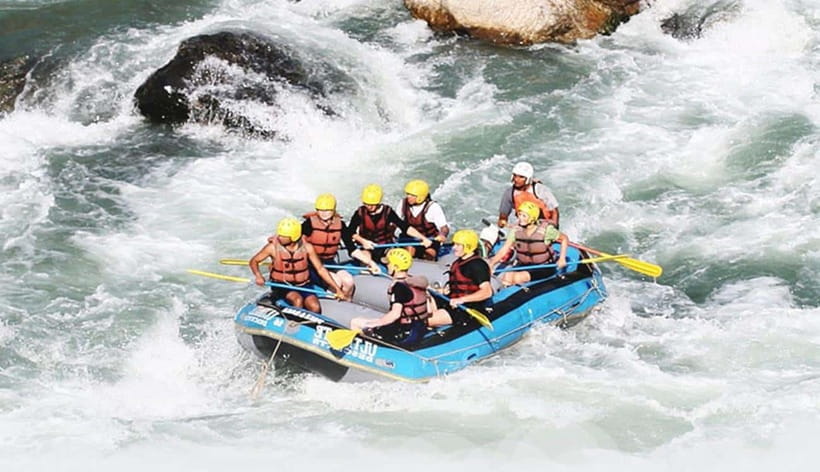
The rafting itself is the headline. The Trisuli is set up for a manageable adrenaline hit, with rapids rated Class II and III. That mix usually means some real bumps and turns, not just flat-water paddling, but it’s still the kind of route most people can handle if they listen carefully during the briefing.
I also like the “two scenes” rhythm. You start with countryside driving, then shift to the river for part of the day, and end with a riverside lunch and relaxation. It feels like you actually change environments, not just do one activity and rush back.
More Day Trips in Kathmandu
- Kathmandu: 7 UNESCO Sites Tour in 1 Day (Private Tour)
★ 4.9 · 204 reviews - Day Trip to Bhaktapur and Panauti from Kathmandu
★ 5.0 · 184 reviews - 1 Day Kathmandu Valley Sightseeing Tour
★ 5.0 · 37 reviews
The hotel pickup and the ride to the rafting start point
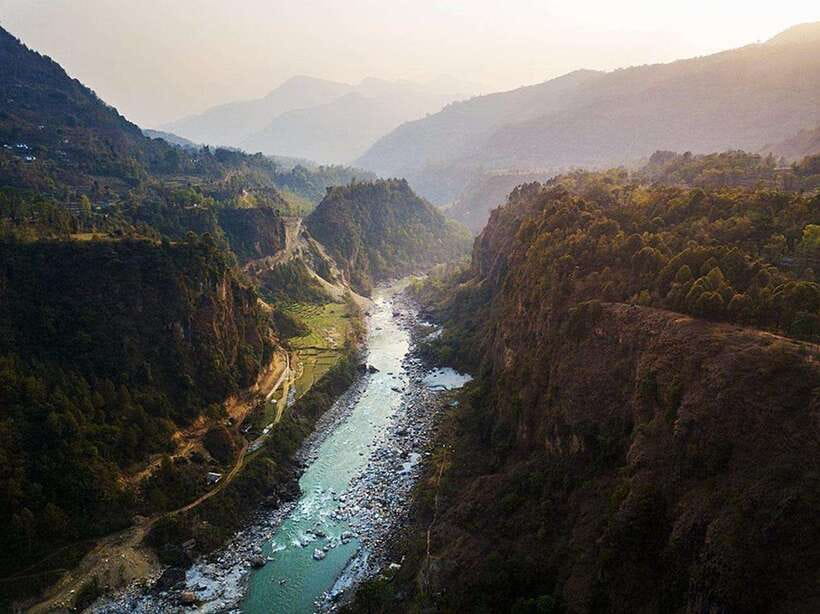
Your day typically starts with pickup from your hotel in Kathmandu. From there, you drive out to the rafting starting area while you watch hills and terraced fields slide past outside the city.
This drive matters more than you might think. First, it’s your time to get organized: water bottles, sunglasses, sunscreen, and quick snacks. Second, it sets expectations for timing. Even if the experience is marketed around 7 hours, road time and on-site transitions can make the day stretch.
Here’s my practical advice: treat the advertised duration as optimistic. Plan your day with buffer time and avoid anything tight after you get back. If you’re the type who hates waiting, this might annoy you, because a day-trip rafting schedule depends on traffic, group readiness, and getting everyone kitted up.
Gear up and the safety briefing that makes or breaks the experience
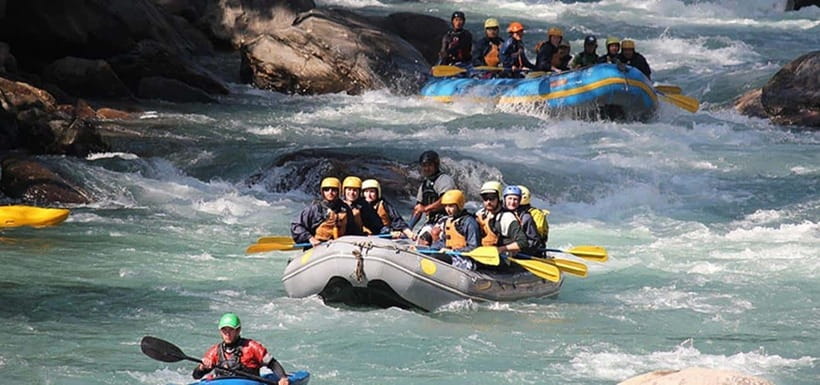
Once you arrive at the rafting start point, you’ll get a safety briefing from the guides and you’ll receive the key gear. The basics are covered for you: a life jacket, helmet, and paddle.
Then comes the part people forget to prepare for. You’ll change into rafting gear before you hit the water. That means you should bring a change of clothes and a towel, because you will get wet, even if you do not jump in. Quick-dry clothing helps a lot if you want to feel decent for the ride back.
During the briefing, pay close attention to two things: how to respond as your team, and what the guide wants you to do in typical raft situations. This is where beginners gain confidence fast. If you’re unsure about anything, ask. The goal is not to “be brave,” it’s to follow instructions so the trip stays fun and safe.
Rafting the Trisuli: what Class II and III usually means on the water
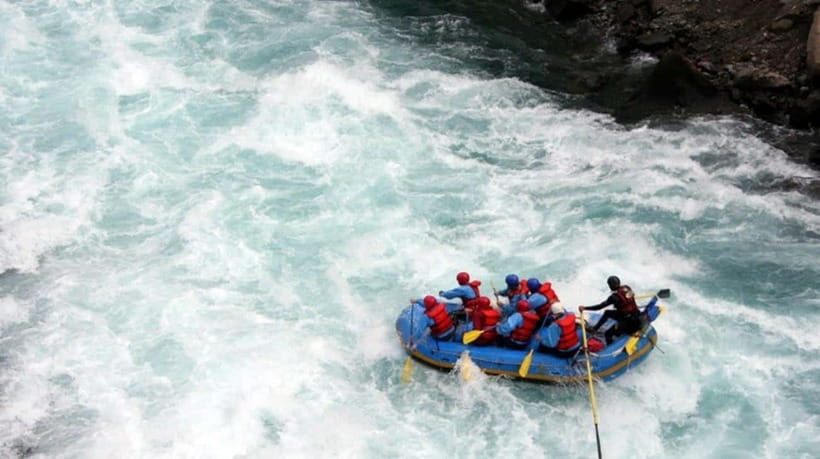
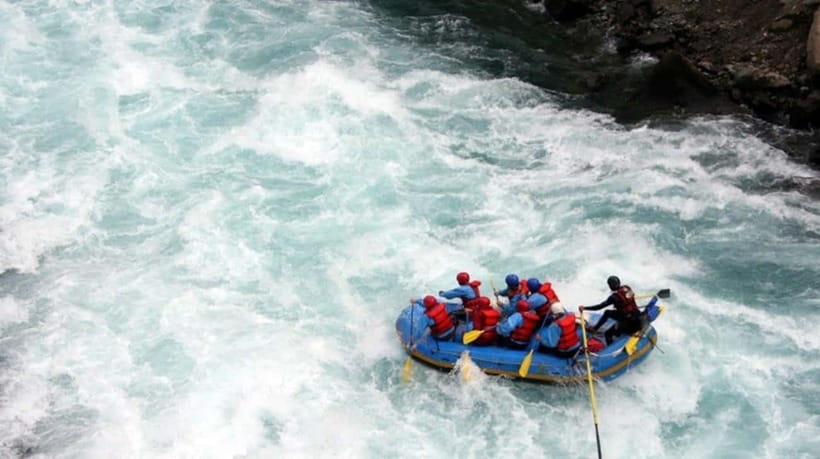
You’ll raft for about 2 to 3 hours on the Trisuli River. The rapids are a mix of Class II and III, which is a big part of why this tour works for novices and some intermediate rafters.
In plain terms, Class II rapids generally mean straightforward rapids with clear passages, moderate waves, and a bit of push. Class III usually brings more irregular waves and stronger currents, so you’ll feel more action and need to take commands seriously. The experience is still guided, and you’re not expected to be an expert.
On the river, expect scenery dominated by greenery and rolling hills along the water. You’ll also likely see that the rafting isn’t one long continuous “thrill moment.” Instead, you’ll move through sections that build intensity, then shift into calmer stretches where you can catch your breath and reset as a team.
If you want the most fun possible, your mindset matters. Go in ready to work with your crew and the guide, not just trying to fight the water. When the raft hits faster water, a calm, listening approach helps you stay balanced and enjoy it rather than tense up.
More White Water Rafting in Kathmandu
- Himalayan White Water Rafting Day Trip from Kathmandu
★ 4.0 · 22 reviews - 1 Night 2 Days Trishuli River Rafting Trip From Kathmandu With Private Car
★ 5.0 · 14 reviews - From Kathmandu / Pokhara / Chitwan: River Rafting – 1 Day
★ 4.3 · 3 reviews - Beginner-Friendly Rafting Adventure on the Trishuli River
★ 4.9 · 3 reviews
Lunch by the river: the real reset after the adrenaline
After rafting, you’ll have a riverside lunch. This is more than a meal stop. It’s your chance to dry off a little, warm up or cool down depending on the weather, and recover before the drive back to Kathmandu.
The tour also includes an opportunity to swim and relax. That’s a nice touch because it gives you control over how active you want to be after the main rafting session. If you’re feeling strong, you can go for it. If you’re tired, you can just enjoy the quiet.
Sun management becomes important here. You’ll be outdoors for a good chunk of the day, and you’re also on the water, which reflects and amplifies sun. Sunglasses and sunscreen are worth it, and a towel helps you feel human after the raft.
What to bring (and how to pack for a wet day)
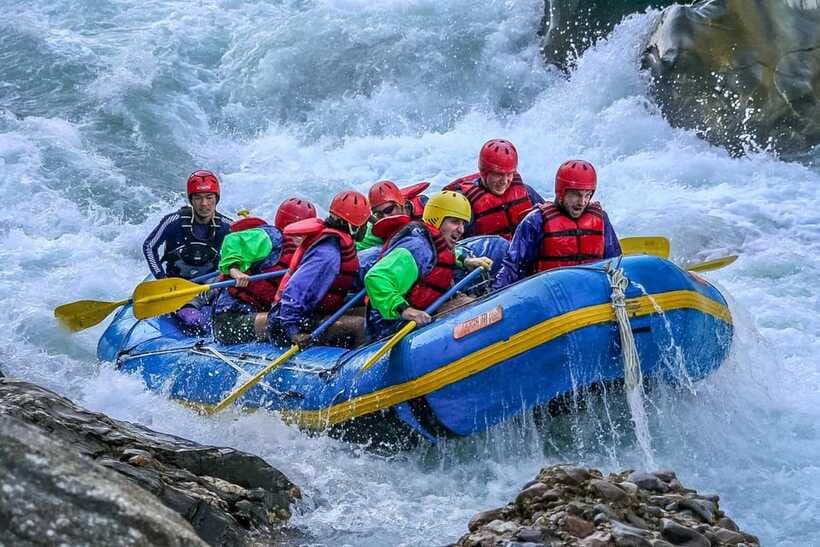
You don’t need to bring rafting gear, because it’s provided. But you do need to bring the personal items that make wet transitions comfortable.
Bring:
- Sunglasses
- Change of clothes
- Towel
- Sunscreen
- Quick-dry clothing
You’ll also be better off if you keep everything easy to access. When you’re already damp, fumbling with bags is annoying. Pack so your dry clothes and towel are reachable for the change period after rafting.
Not allowed: drones. So leave the drone at home and focus on photos you can take with your phone camera.
If you’re deciding between cotton and quick-dry fabrics, quick-dry usually wins for comfort during the return ride. Cotton can stay wet longer and makes the late part of the day less pleasant.
Price check: is $57 good value for Trisuli rafting?
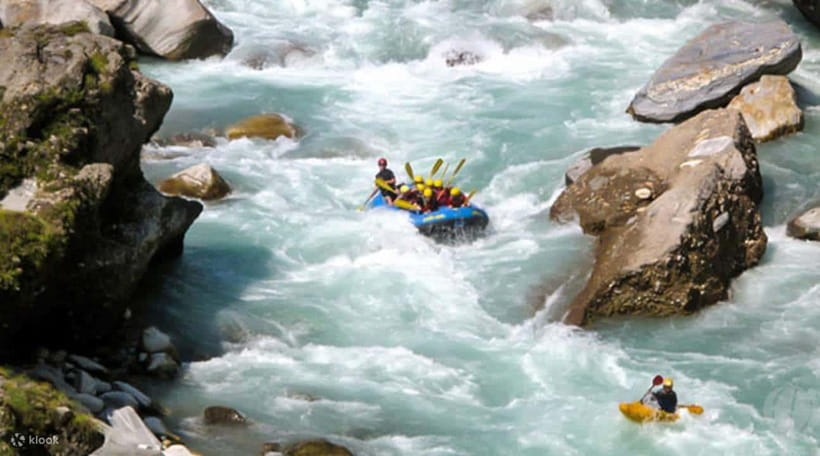
At $57 per person, this trip can be solid value if you’re mainly paying for the big essentials: transportation to the river and back, provided rafting gear, guide-led safety briefing, about 2 to 3 hours of rafting, and a riverside lunch.
Where value gets tricky is timing. If the day runs longer than you expect, you’re still paying the same price, but you’re giving up more of your day. That’s why I’d treat the pricing as good if your schedule can flex, and as less of a deal if you need to be back early or keep strict plans.
So my rule of thumb is simple:
- If you want a full day outdoors with a real activity, $57 makes sense.
- If you’re aiming to squeeze this between other tight bookings, I’d reconsider or build a big buffer.
Also, because this is set up for beginners, you’re paying for support. You’re not just getting a raft and “good luck,” you’re getting safety guidance and equipment that lets you focus on enjoying the river.
Private group, English instruction, and what that changes for you
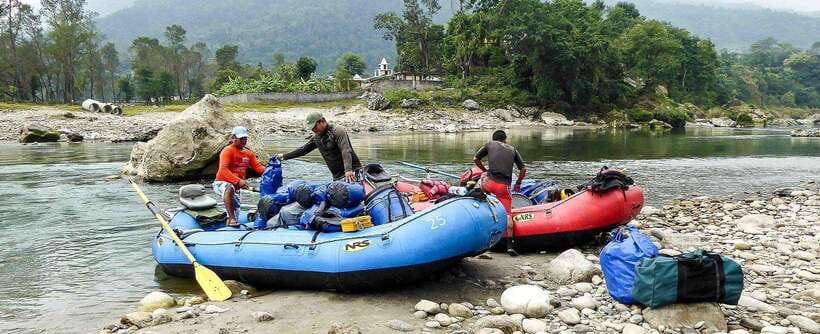
This experience is listed as a private group, with instruction in English. In practice, that tends to mean you’re not constantly negotiating space and communication with a big mix of strangers.
It also usually makes it easier to ask questions during the briefing. If you’re a first-timer, clarity matters. The easier it is to understand instructions, the more likely you’ll enjoy the rapids instead of worrying.
English instruction is also helpful because rafting commands and safety steps need to be understood immediately. Even if you’re comfortable with some adventure sports, you’ll feel better when you can clearly follow the plan.
Timing and pickup reality check: how to avoid a frustrating day
Here’s the honest travel advice: with day-trip rafting in the Kathmandu area, time estimates can be off. The driving can add up, and the day includes multiple transition moments, pickup, travel, change, safety briefing, rafting, then lunch and the ride back.
To avoid frustration, do three things:
- Confirm your pickup details the day before, including exact pickup location at your hotel.
- Assume the day could run longer, and don’t schedule a late dinner “as if you’ll be back by 3 pm.”
- Bring the items that save you if you end up waiting longer than expected, sunglasses, water, and quick-dry layers.
One more tip: make sure you’re easy to reach on the day. When pickup relies on a meeting point and a timing window, a missed connection creates stress fast. If you like calm travel, be proactive.
Who this trip suits, and who should skip it
This rafting trip is designed for people who want a beginner-friendly adrenaline session. The rapids are Class II and III, and the included safety briefing and gear reduce the guesswork.
It is not suitable for:
- Pregnant women
- People with heart problems
- Wheelchair users
- People over 95 years
If you fall into any of those categories, I’d skip this and look for a different kind of water day or a gentler activity. Even with guided rafting, the physical demands of getting on and off the raft and dealing with sudden movements can be too much.
If you’re generally healthy, comfortable in outdoor conditions, and willing to follow instructions, you’re likely to enjoy the experience. If you have any doubt about safety or exertion, ask the operator questions before booking.
A practical packing list you can copy
If you want to keep it simple, pack for a wet, sunny, outdoor day:
- Quick-dry top and bottom
- Change of clothes for after rafting
- Towel
- Sunglasses
- Sunscreen
- Water-friendly sandals or shoes you already know you can wear wet (you might already have these)
- Small bag to keep your dry items dry
The tour includes lunch, but I still like having a small snack if the day stretches. That’s not because the tour lacks food, it’s because timing can vary with traffic and group readiness.
Should you book Trisuli River rafting from Kathmandu?
I’d book this trip if you want one day in the hills that turns into a real river adventure, with gear and safety support handled for you. It’s a good value when you’re flexible on timing and happy to spend 2 to 3 hours doing the main rafting, then enjoying lunch and downtime by the water.
I would think twice if your schedule is tight or if you hate the idea of a day-trip running longer than the marketing label. The driving and transitions can stretch the day, and that’s the biggest practical downside.
If you are a first-timer and want a guided introduction to white-water, this is the right kind of route to try. Just plan your day like a full outdoor day, pack for getting wet, and keep pickup details tight.
FAQ
How long is the Trisuli River rafting day trip from Kathmandu?
The duration is listed as 7 hours, with about 2 to 3 hours of rafting on the river.
Where do I get picked up?
You’re picked up from your hotel in Kathmandu and taken to the rafting starting point, then returned to Kathmandu afterward.
What rapids will I raft on the Trisuli River?
The trip includes a mix of Class II and Class III rapids.
What’s included in the price?
Transportation from Kathmandu to the rafting start point and back, all rafting gear (life jacket, helmet, paddle), a safety briefing, 2 to 3 hours of rafting, riverside lunch, and the opportunity for swimming and relaxation.
Do I need to bring rafting equipment?
No. Life jacket, helmet, and paddle are provided.
Can I swim?
Yes, there is an opportunity for swimming and relaxation after rafting.
What should I bring with me?
Bring sunglasses, a change of clothes, a towel, sunscreen, and quick-dry clothing.
Are drones allowed?
No, drones are not allowed.
Is this tour suitable for everyone?
No. It is not suitable for pregnant women, people with heart problems, wheelchair users, or people over 95 years.
What is the cancellation policy?
Free cancellation is available up to 24 hours in advance for a full refund.
Latest Kathmandu write-ups
- 16 Days Island Peak Climbing With Everest Base Camp Private Trip★ 5.0 · 3 reviews
- 15 Days Round Annapurna Trek with Poon Hill from Pokhara★ 5.0 · 5 reviews
- Private Nepal round trip including Ghorepani Poonhill trek★ 5.0 · 3 reviews
- Everest Base Camp Trekking 16 Days★ 4.0 · 7 reviews
- 14 Days Luxury Annapurna Base Camp Trek★ 5.0 · 6 reviews
- Everest Base Camp Trek★ 5.0 · 32 reviews
- Everest Base Camp Trek★ 5.0 · 87 reviews
- Everest Base Camp Trek★ 5.0 · 97 reviews
White Water Rafting, compared.
Half Day Upper Seti Rafting & Paragliding adventure
Read our review →
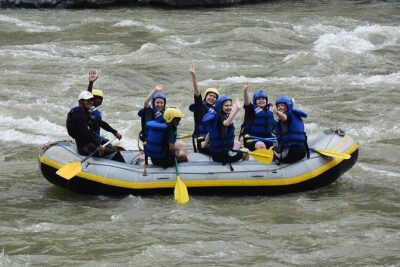
Himalayan White Water Rafting Day Trip from Kathmandu
Read our review →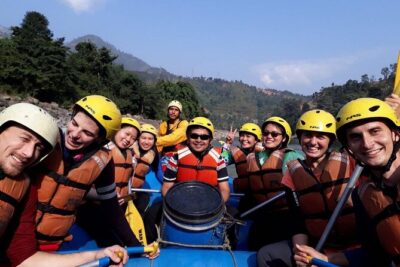
1 Night 2 Days Trishuli River Rafting Trip From Kathmandu With Private Car
Read our review →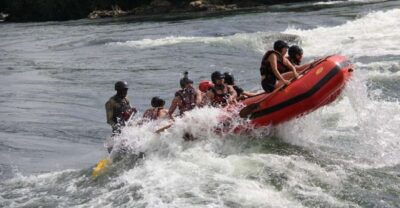
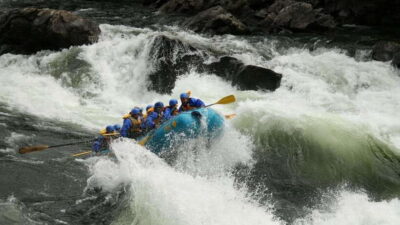
Beginner-Friendly Rafting Adventure on the Trishuli River
Read our review →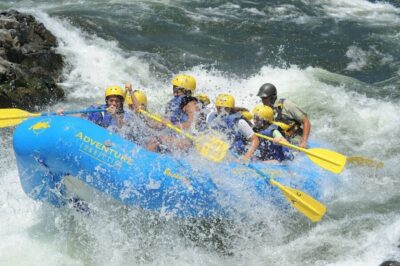
From Kathmandu / Pokhara / Chitwan: River Rafting – 1 Day
Read our review →Browse the lists this tour appears in