
Reviewed · UNESCO WORLD HERITAGE SITES
Kathmandu World Heritage Tour
This is an interesting way to see Kathmandu Valley’s UNESCO World Heritage sites without turning it into a logistics puzzle. In one long day, you swing between Buddhist and Hindu landmarks, then finish with two major Durbar Squares that show how everyday power and devotion looked in past centuries.
I like two things a lot. First, you get a licensed tour guide to help you read what you’re seeing instead of just snapping photos. Second, hotel pickup and drop in a private air-conditioned vehicle keeps the day comfortable, especially when traffic and walking times stretch.
The main drawback to plan for is cost and downtime. You’ll still pay monument fees (NRP 3600, about $28 per person) and entry/admission fees are not included, plus lunch and dinner aren’t part of the package. It’s also a 10 to 15 hour outing, so you’ll want good shoes and a snack strategy.
Key things to know before you go
- Five UNESCO World Heritage stops in one day, with Swayambhunath, Pashupatinath, Boudhanath, Patan Durbar Square, and Kathmandu Durbar Square
- Private hotel pickup and drop by air-conditioned vehicle, with bottled water included
- Mobile ticket and group discounts, which can help if you’re traveling with friends
- Licensed government tour guide to connect the dots between Hindu and Buddhist sites
- Extra costs to budget for: monument fees plus entry/admission fees at sites, and meals
- A long day in the open (about 10 to 15 hours), so plan for heat, sun, and walking
What you’re really doing on this UNESCO Kathmandu day tour
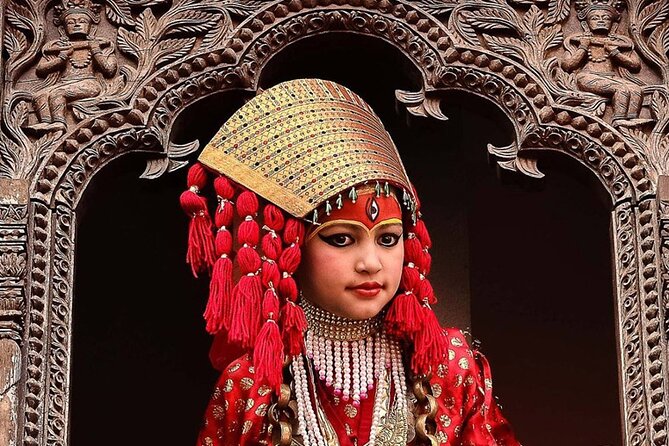
This tour is basically a focused circuit through Kathmandu Valley’s most recognizable religious and ceremonial spaces. The value is not in checking names off a list. It’s in how the day moves you from hilltop to riverfront to a huge stupa, then into two Durbar Squares where you see architecture built for civic life, not just worship.
You’ll also notice the rhythm: you don’t spend forever at one spot. Each stop is timed like a “see it, understand it, move on” format. That keeps the day efficient, and it helps if you only have one full day in the city.
One other practical point: this is a private tour for your group. That matters in Kathmandu Valley because religious sites can be busy and routes can be tight. With your own vehicle and guide, you can usually keep things from turning into a crowded scramble.
More UNESCO World Heritage Sites in Kathmandu:
- Private Kathmandu Sightseeing Tour | UNESCO World Heritage sites
★ 5.0 · 756 reviews - Kathmandu: 7 UNESCO Sites with Lunch
★ 4.8 · 744 reviews - Kathmandu: Full Day 7 UNESCO Tour with Lunch – Private/Group
★ 5.0 · 415 reviews
Price and logistics: what the $50 really covers
The advertised price is $50 per person, but the day has a couple of add-ons you should treat as normal reality.
Here’s what’s included:
- Licensed tour guide
- Sightseeing around the World Heritage sites
- Pickup and drop from your hotel by private vehicle
- Private air-conditioned transportation
- Bottled water and all taxes
What is not included:
- Monuments fees: NRP 3600 (about $28) per person
- Entry/admission fees for the sites
- Lunch and dinner
- Soft and hard drinks
- Gratuities for the guide and driver
So the honest value math looks like this: you’re paying for the guide, the private vehicle, and the route planning. The sites themselves cost extra. If you’re traveling solo, that still can be a good deal because private transport plus a licensed guide is rarely cheap in any big city.
Also, you’re likely planning around a full-day schedule, not a short half-day. That makes the included water and air-conditioned driving more meaningful.
The private vehicle plan, and why it affects your day
A Kathmandu Valley “UNESCO day” can go sideways fast if you rely on random transport. This tour avoids most of that by using a private air-conditioned vehicle for transfers.
That does two useful things for you:
- It reduces time lost to finding transport between clustered sites.
- It makes the long day more realistic, especially when you’re moving from one temple area to the next.
You’ll also start and end at the operator’s meeting point at The Great Adventure Treks & Expedition Pvt. Ltd, Chhusya Galli, Kathmandu 44600, Nepal. Even with hotel pickup, I like to know your exact starting address. It helps if you get separated at any point or if your hotel check-in desk needs the location.
Stop 1: Swayambhunath, the Monkey Temple, and that hilltop view
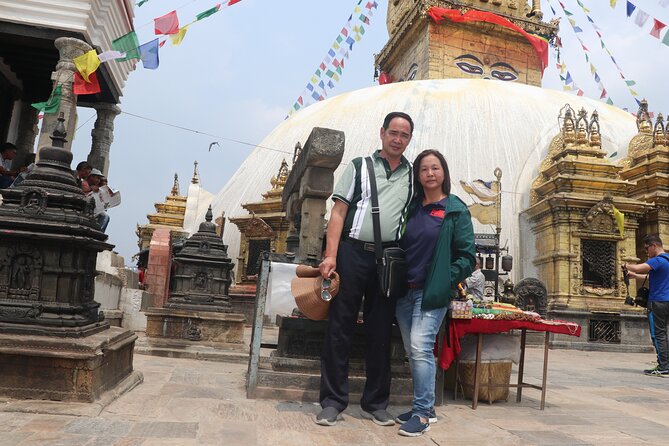
Swayambhunath is your first big statement. It’s an ancient Buddhist shrine on a hilltop overlooking Kathmandu. People often call it the Monkey Temple because the area is known for monkeys, so it helps to keep a close eye on small items while you’re walking around.
You’re allotted about 3 hours here. That’s a good amount of time because Swayambhunath is the kind of place where you want a moment to orient yourself, then wander without rushing.
What makes it special is the combination:
- You get religious focus (a sacred Buddhist site)
- You get city-level context (the hilltop view over Kathmandu)
A small practical consideration: hilltop sites usually mean uneven stone paths and stairs. Even if you move at a relaxed pace, comfortable footwear matters. If you have mobility challenges, ask your guide about the most direct route when you confirm, and plan for slower movement.
More Historical Tours in Kathmandu:
- UNESCO Seven World Heritage Tour in Kathmandu
★ 5.0 · 253 reviews - Nepal Discovery Tour: Heritage Sites & Scenic Hill Easy Hike
★ 5.0 · 121 reviews - Kathmandu Private Sightseeing Tour | UNESCO World Heritage Sites
★ 5.0 · 109 reviews - Nagarkot Sunrise & Bhaktapur UNESCO Heritage Private Tour
★ 5.0 · 66 reviews
Stop 2: Pashupatinath on the Bagmati River, and Lord Shiva’s global importance
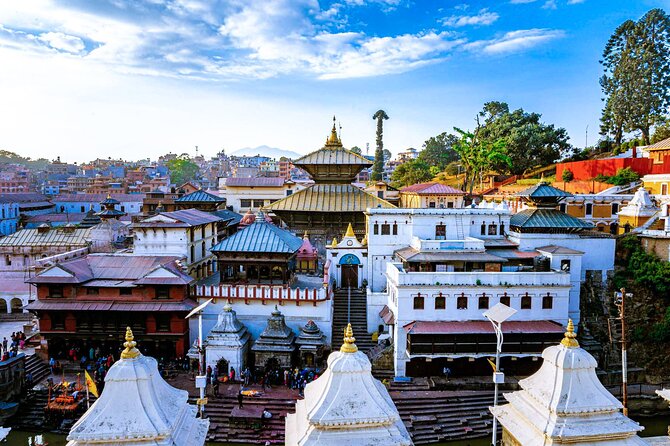
Next is Pashupatinath Temple, one of the most sacred Hindu temples in the world. It’s dedicated to Lord Shiva and sits on the banks of the Bagmati River in Kathmandu.
Your time here is about 2 hours. That’s short enough that you’ll want your guide’s help to understand what you’re seeing, especially if you’re new to Hindu temple traditions.
What I like about this stop on a first Kathmandu visit is the clarity. The site isn’t one small monument. It’s a whole religious zone tied to the river. Being at Pashupatinath gives you a concrete sense of how place and belief are fused.
One realistic consideration: this type of temple setting can feel intense. People visit with devotion, and the atmosphere stays serious. Even if you’re just observing, you’ll do best with calm movement, respectful behavior, and patience.
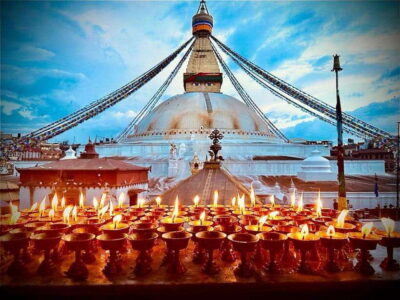
Stop 3: Boudhanath Stupa, a major Buddhist landmark built in the 14th century
Boudhanath Stupa is one of the largest and most sacred Buddhist stupas in the world. It’s located in central Kathmandu, and it’s described as built in the 14th century, also recognized as a UNESCO site.
You get about 2 hours here. That’s enough to soak up the scale and take in how the stupa anchors the neighborhood around it.
Why this stop is worth it: Swayambhunath gives you a hilltop Buddhist viewpoint. Boudhanath gives you a ground-level, monumental Buddhist focus. Together, they show you two different “faces” of Buddhism in Kathmandu Valley.
A practical note: stupas usually come with plenty of open space, so the weather can matter. If you go on a hot day, plan your shade breaks and keep using the bottled water provided by the tour.
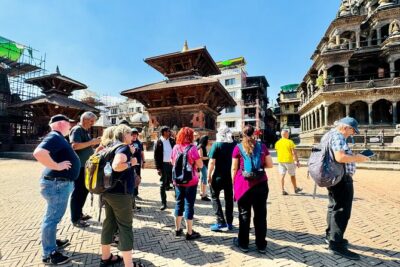
Stop 4: Patan Durbar Square, artisans’ city energy and UNESCO square life
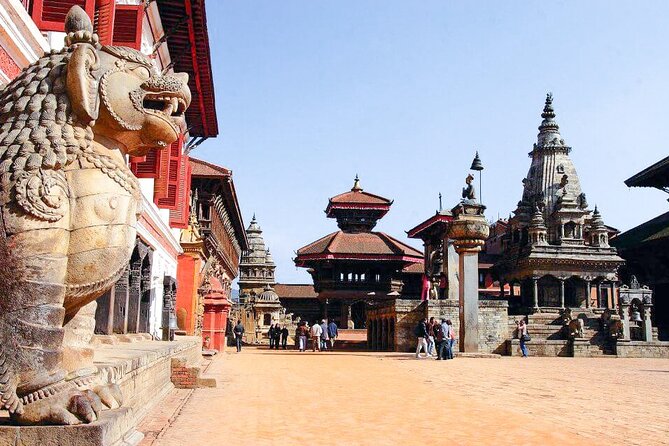
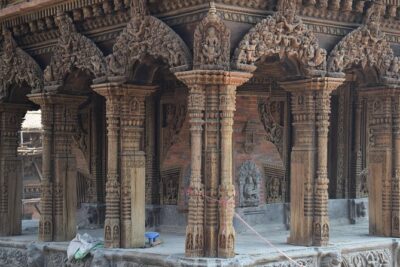
Patan Durbar Square is in Patan, near Kathmandu. It’s a UNESCO World Heritage site and is often described as the city of artisans. The square includes ancient temples, palaces, and shrines.
Your time here is about 3 hours, which helps because squares like this reward slower wandering. You’ll likely notice more architectural variety than at a single temple point, and it’s easier to catch details when you aren’t rushing.
What I like about putting Patan Durbar Square in the middle of the day is the shift. After the more strictly religious sites, this one adds a civic and artistic feel. You can start to see Kathmandu Valley as more than temples. It was also where power, craftsmanship, and daily life rubbed shoulders.
A small consideration: Durbar Squares can include lots of stone surfaces and uneven edges. Again, good shoes beat good intentions.
Stop 5: Kathmandu Durbar Square, the heart of the old city
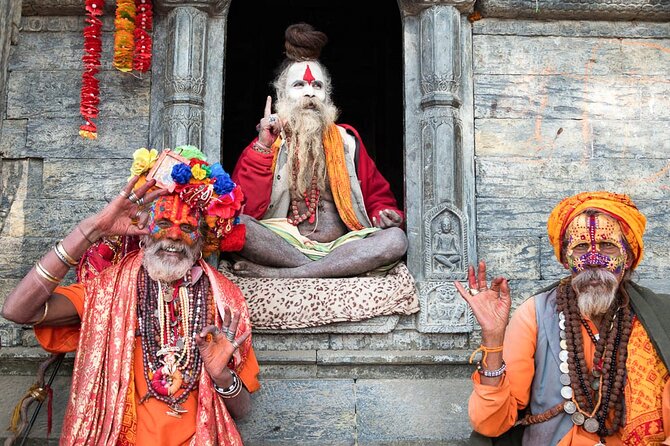
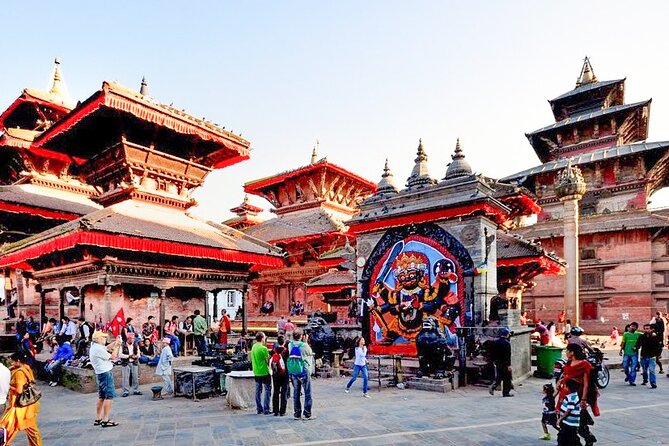
The last stop is Kathmandu Durbar Square, also UNESCO-listed and located in the heart of Kathmandu. It includes historic temples, palaces, and courtyards, showcasing the architecture of the area.
You’re scheduled for about 2 hours here. It’s enough to understand the overall layout and take in the main sights without leaving you exhausted.
This is a strong finish because it ties together what the earlier stops began: devotion, power, and architecture. After a full day, you’ll likely appreciate how different sites feel connected through design and symbolism, even when the religions differ.
If you’re shopping for meaning in one day, this is where you do it. The square is more about spaces and structures, and less about one single landmark.
The guide factor, and why names keep coming up
A standout theme in the operator’s public feedback is the human part, the guide who can explain what you’re seeing in plain language.
Guide names that show up include Mani, Charn, Lil, and Kapil. People also mentioned Ramesh as a driver who helped make the day run smoothly. The consistent thread is clear communication and being prompt.
I also saw a note about being careful with someone who uses crutches, which is a reminder to ask questions early if you have mobility needs. You should be able to request adjustments to pacing and routes when you confirm your plan.
What to bring so the day feels easy, not just possible
This is a day of temples and squares, so comfort matters more than gear. Based on the structure and typical conditions of these sites, I’d bring:
- Comfortable shoes for stairs and stone paths
- A light layer for sun or breeze
- A small cash stash for monument fees and any site admission costs
- Your phone ready for the mobile ticket (and ideally a charged battery)
- A snack plan since lunch and dinner are not included
If you like photography, bring something you can carry hands-free. When you’re moving between sites, fumbling with bags gets old fast.
Who this tour suits best
This works especially well if:
- You have limited time in Kathmandu Valley but want a true UNESCO highlights circuit
- You prefer private transport over chasing buses or taxis
- You want a licensed guide to connect Hindu and Buddhist landmarks
- You’d rather spend your energy seeing than planning route details
It may not be the best match if:
- You want a slow, in-depth exploration with long stays at fewer sites
- You dislike long walking days or crowded sacred spaces
- You don’t want to deal with extra site fees and meals
Should you book this Kathmandu World Heritage Tour?
If your goal is to see the big UNESCO hits in one day, this is a sensible choice. The combination of a licensed guide and private air-conditioned transport is the real value, because it turns a potentially chaotic day into a workable itinerary.
I’d book it if you can budget for the add-ons, especially monument fees and site entry costs, and you’re okay with a 10 to 15 hour schedule. If you’re the type who wants a deeper, longer sit-down at one place, you might feel rushed. But if you want a well-paced sampler that hits Swayambhunath, Pashupatinath, Boudhanath, and both Durbar Squares, this is the kind of day that makes a first visit feel complete.
FAQ
Is pickup from my hotel included?
Yes. The tour includes pickup and drop from your hotel by private vehicle.
How long is the Kathmandu World Heritage Tour?
The duration is about 10 to 15 hours.
What is included in the price ($50 per person)?
The package includes a government licensed tour guide, sightseeing around World Heritage sites, hotel pickup and drop by private air-conditioned vehicle, bottled water, and all taxes.
What costs are not included?
Monuments fees (NRP 3600, about $28 per person) are not included, along with lunch and dinner, soft and hard drinks, gratuities for the guide and driver, and entry/admission fees for all sites.
Where is the meeting point?
The tour starts at The Great Adventure Treks & Expedition Pvt. Ltd, Chhusya Galli, Kathmandu 44600, Nepal, and it ends back at the meeting point.
Can I cancel and get a full refund?
Yes. You can cancel up to 24 hours in advance for a full refund. If you cancel less than 24 hours before the start time, the amount you paid is not refunded.
Latest Kathmandu write-ups
- 10 days Annapurna Base Camp Trek★ 5.0 · 5 reviews
- Visit Swayambhunath and Bauddhanath Stupa with Guide★ 5.0 · 5 reviews
- Langtang Trek from Kathmandu 7 Days★ 5.0 · 5 reviews
- 7 Day Kathmandu Pokhara Tour★ 4.5 · 5 reviews
- Island Peak Climbing with Everest Base Camp★ 5.0 · 5 reviews
- Chandragiri Hill Cable Car Tour with Hotel Transfers from Kathmandu★ 4.5 · 5 reviews
- Kathmandu city day tour (4 world heritage sites)★ 5.0 · 5 reviews
- Everest Mountain Flight★ 5.0 · 5 reviews
UNESCO World Heritage Sites, compared.
Private Kathmandu Sightseeing Tour | UNESCO World Heritage sites
Read our review →
Browse the lists this tour appears in