
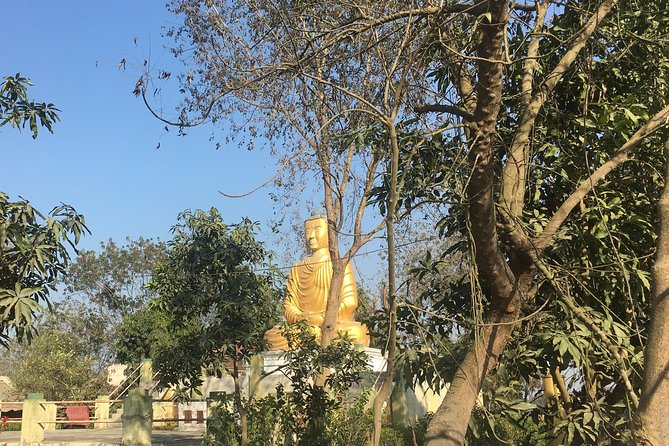
Reviewed · LUMBINI
Lumbini (Birth Place of Lord Buddha) Buddhist Tour from Kathmandu Nepal
Lumbini is interesting because it is not a museum-stop vibe. It is the living center of Buddhist remembrance, where you walk through gardens, temples, and monastic zones tied to the earliest story of the Buddha’s life. For many people, the quiet setting changes the pace of the trip fast.
Two things I really like about this tour: the private driver plus professional guide (so you are not guessing where to go), and the focus on the key Lumbini landmarks, from the Maya Devi Temple area to the monastic zones. The main drawback to consider is that this is a long road day on both ends, roughly 7 to 8 hours each way, so you’ll want to pack for comfort.
Key Highlights You Should Know
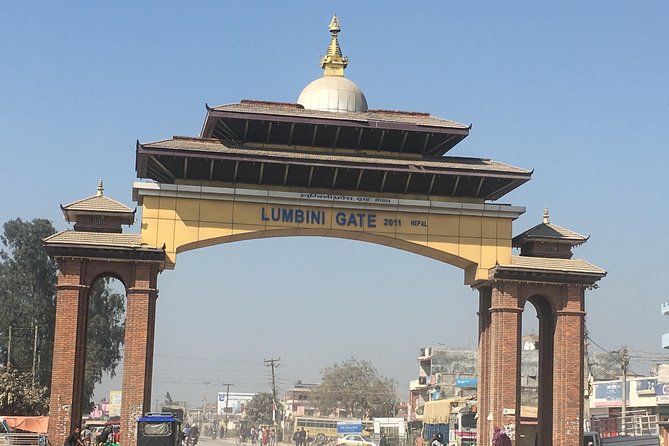
- Serene Lumbini Garden and Maya Devi Temple area: the heart of the visit, with peaceful grounds built for reflection
- Ashoka Pillar and birth markers: a powerful historical anchor from the days of Emperor Ashoka
- International monastic zones: you’ll see different Buddhist traditions in architecture and artwork, all in one area
- Tilaurakot and Devdaha day excursion: a strong add-on that connects early life sites and the Buddha’s family story
- Service led by Sunil Dahal (per past guests): hands-on help with arrangements, bookings, and transport
- Value for a private setup: hotel pickup and drop-off, private tour, and local sightseeing included
Lumbini’s Sacred Ground, Why This Trip Works
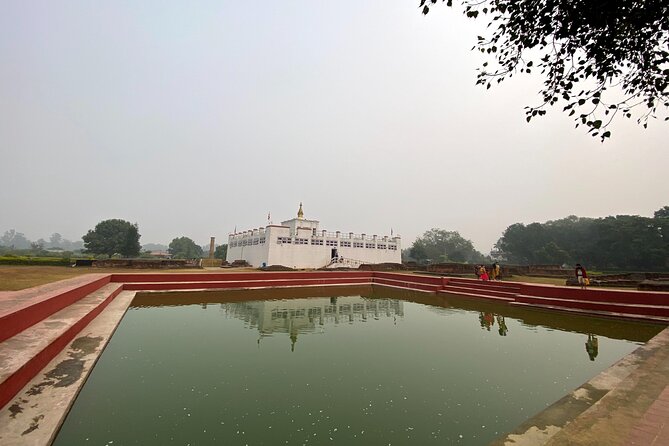
If you care about Buddhism’s origins, Lumbini is the place that makes the teachings feel more human. Siddhartha Gautam is said to have been born here, and the site is treated as sacred by millions of Buddhists worldwide. On the ground, what hits you is not hype. It is the sense of purpose, the clean order of the grounds, and the fact that people come to sit, pray, and remember.
This tour also makes practical sense because it centers on the main sites without trying to cram in every single detour. You get time to move at a calmer pace, especially in the areas designed for reflection, meditation, and walking.
One more thing I appreciate: the tour is set up for a private group. That matters in places like Lumbini, where you want your guide to handle timing and navigation, instead of you constantly checking maps while others wait.
More of Lumbini:
- 6-Day Nepal Buddhist Pilgrimage Tour Package (Kathmandu and Lumbini)
★ 5.0 · 17 reviews - Lumbini Tour Package From Kathmandu or Pokhara: 2 Night 3 Days
★ 4.5 · 14 reviews - 10 Day Kathmandu, Nagarkot, Chitwan, Lumbini, Pokhara Luxury Tour in Nepal
★ 5.0 · 11 reviews
The Kathmandu to Lumbini Drive: Long Hours, Worth It
The itinerary is built around road travel, with about 7 to 8 hours from Kathmandu to Lumbini, and the same back toward Kathmandu on the final day. In theory, that is a straightforward transfer. In real life, it means you should plan for a long seated day.
A tip from past experiences: the road can feel slow and a bit rough in places. One traveler specifically noted dangerous road conditions, but said the journey was worth it and that local tuk-tuks helped them navigate along the way. Even if your vehicle arrangement differs, the lesson stays the same: treat the drive as part of the experience, but do not underestimate it.
What to pack for comfort
- Water and simple snacks for the road
- Layers, because morning and evening temperatures can shift
- Something for bus fatigue, like eye shades or a small travel pillow
- Patience, because schedule changes are common in road travel
Day 1 in Lumbini: Maya Devi Temple Area and the First Quiet Walk
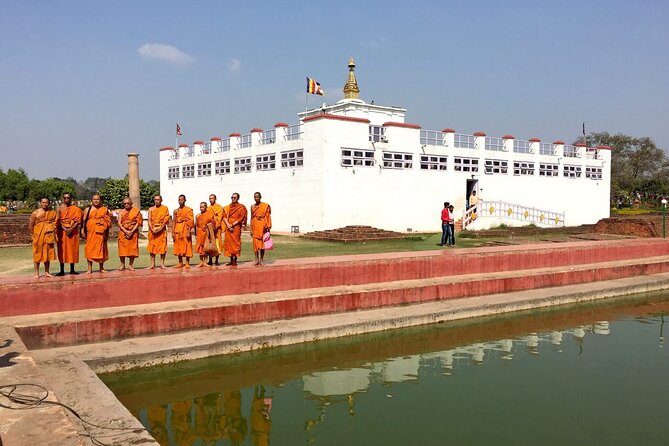
Your first real day starts with arrival and check-in in Lumbini, followed by an evening visit. This is smart. Day 1 is not about rushing through everything. It gives you time to settle before you hit the most spiritual part of the site.
Evening in Lumbini is often when the air feels most reflective. You’ll explore the Lumbini Garden, a UNESCO World Heritage Site, and then move through the Maya Devi Temple area, described as the exact birthplace location. This is the core of why people come.
You’ll also see surrounding monuments and monasteries in the broader complex. Even without deep religious knowledge, you can read the space quickly: people slow down here. They sit. They look. You are meant to notice details like how the gardens frame the temples and how the open grounds create breathing room.
If you are sensitive to crowds, consider that evenings can still have visitors, but the mood tends to stay peaceful. Just remember: sacred sites often follow their own rhythm, so being “on time” feels different than at a theme park.
Day 2: Ashoka Pillar, Monastic Zones, and Lumbini Museum Time
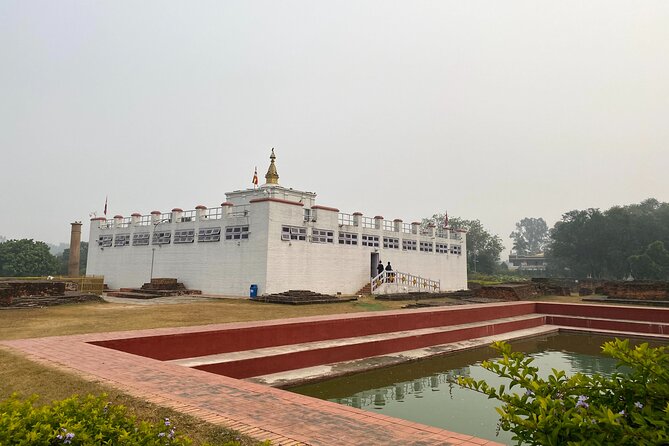
Day 2 is the “big meaning day,” the one that connects the birthplace to Buddhist history in a more structured way.
You start with the Ashoka Pillar, erected by Emperor Ashoka in 249 BCE. Even if you only know the basics of Ashoka from school history, standing near a marker tied to that era helps you feel the longevity of the site’s importance. It is one of those places where you can connect timeline dots without trying too hard.
Then comes the monastic zones. This is where the tour becomes more than a single temple visit. The area includes monasteries from different countries and traditions, including China, Japan, Thailand, and Myanmar (and the tour specifically calls out these examples). Expect different architectural styles, different art details, and different ways of presenting devotion.
It is a neat reminder that Buddhism is not one look. It changes across regions, but it stays anchored to the same core story.
You also get time at the Lumbini Museum, which helps you make sense of what you are seeing. Without museum context, it is easy to treat temples like scenery. With it, you start to understand why each zone exists and what the monuments represent.
Finally, the day includes time to rest, meditate, and absorb the peaceful atmosphere. That last part is important. If you rush these spots, you miss the point of visiting Lumbini in the first place.
More to compare around Kathmandu
- Everest Base Camp Trek – 14 Days
★ 5.0 · 1,499 reviews - Everest Base Camp Trek
★ 5.0 · 842 reviews - Private Kathmandu Sightseeing Tour | UNESCO World Heritage sites
★ 5.0 · 756 reviews - Kathmandu: 7 UNESCO Sites with Lunch
★ 4.8 · 744 reviews
Day 3 Excursion: Tilaurakot and Devdaha (The Family Story Side)
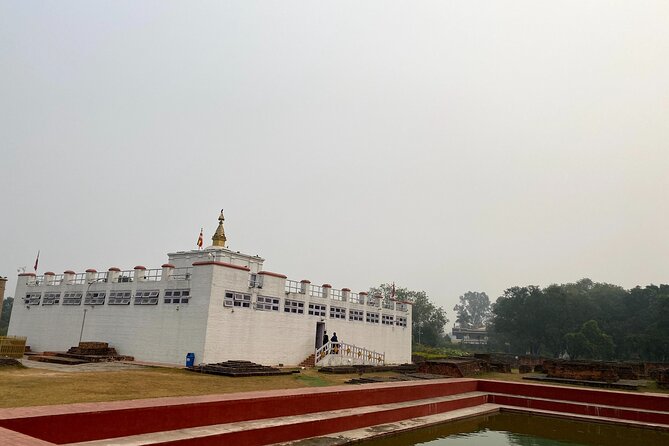
Day 3 adds two nearby sites outside the main Lumbini complex. This is one of the tour’s best ideas because it expands the story of the Buddha beyond just the birthplace moment.
Tilaurakot, the Sakya Kingdom Capital
You head to Tilaurakot, described as the ancient capital of the Sakya kingdom where Siddhartha Gautam spent early years as Prince. You’ll explore the ruins and archaeological remains, including the ancient palace area, monastic complexes, and fortified walls.
What to expect here
- More ruins, less “restored temple comfort”
- A lot of walking and looking across open areas
- Time spent outdoors among stones that have been shaped by history
If you like history on the ground, this is satisfying. If you prefer pristine, fully restored sites only, you might find the ruins feel harder than the temple grounds.
Devdaha and Princess Yasodhara’s Maternal Hometown
Next is Devdaha, linked to Princess Yasodhara, who later became the Buddha’s wife. The tour includes the maternal palace and the Ashoka Stupa, plus other important family-related sites.
The great value of this day is that it gives the pilgrimage a human angle. You are not only walking through “what happened next in Buddhism.” You are also seeing where family roots connect to the main story.
After returning to Lumbini, you get some free time for local markets or meditation and reflection. That flexible time is useful. It lets you slow down if the day felt intense.
Kathmandu Sightseeing Included: Stupas and World Peace Stupa Stops
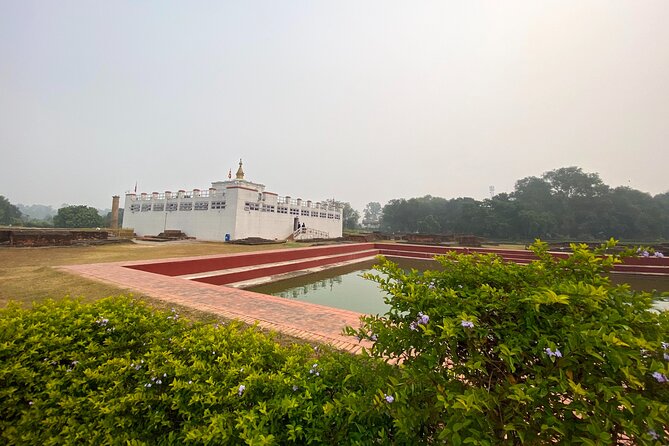
Even though the core theme is Lumbini, the package includes local sightseeing in Kathmandu. From the included sightseeing list, you may see:
- Swaymbhunath
- Dauddhanath stupa
- World Peace stupa
- Matepani gumba stupa
- Birth place of Lord Buddha in Lumbini and Mayadevi temple
This matters because it turns the trip into more than one long road-and-temple loop. Kathmandu has its own layered spiritual energy, especially around the big stupa areas.
One practical note: Kathmandu traffic and timing can shift. Your guide and driver will help manage the order of stops and keep you moving without feeling panicked.
Price and Value: What You’re Really Paying For
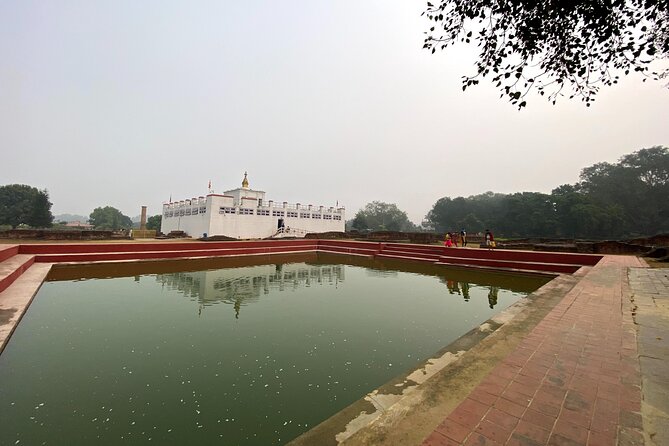
At $330 per person, this tour sits in a fairly “comfortable midrange” zone for a private setup from Kathmandu to Lumbini. But the value is not just the sticker price.
You get:
- Private transfer with a driver
- Professional tour guide
- Hotel pickup and drop-off
- Private tour for your group
- 6 nights accommodation in a 2 to 3 star hotel listed with the itinerary
- Local sightseeing beyond only Lumbini sites
Here’s the catch you should verify before you pay fully: the summary describes the duration as about 4 days, but the inclusions mention 6 nights. That can happen when an itinerary overlaps partial days or your “travel day count” differs from “hotel night count.” Still, you should confirm the exact dates and night totals so there are no surprises.
Also, the package says entrance fees are not included, with an estimate of around US$25 per person. But the itinerary notes “admission ticket free” for several listed items. That usually means some tickets are covered or that certain visits are free while others cost extra. The safe move: ask the operator to confirm what the $25 estimate covers, and what you must pay on-site.
What the Tour Feels Like on the Ground (Based on Past Experiences)
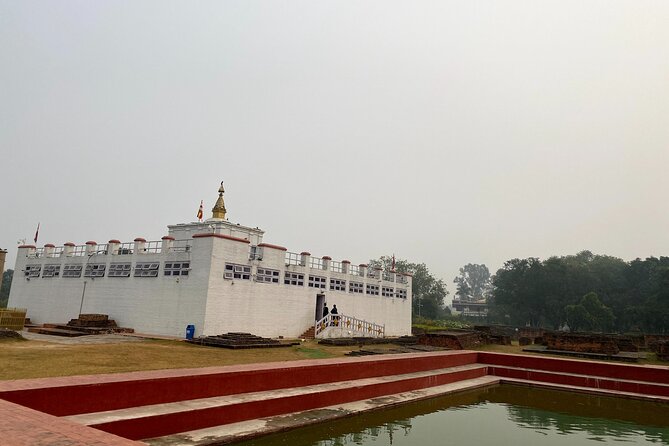
The standout praise is consistent: people describe Lumbini as a truly special, even blessing-like place, and they emphasize the serene ambiance and the heritage sites across the complex. That spiritual calm is not incidental. It is the center of the experience.
The second strong praise is service. A manager named Mr Sunil Dahal is highlighted in past experiences for excellent coordination and helpful guidance. People also noted he handled arrangements and transportation smoothly, before and after booking. In a place where directions can be confusing and timings can shift, that kind of support makes a noticeable difference.
One more practical point from the road comments: if you are prone to motion sickness or you hate long drives, be ready. Even if your vehicle is comfortable, the route takes time and can feel bumpy.
Who This Tour Fits Best
This is a great fit if you want:
- A private group setup with a guide, not a crowded bus day
- A thoughtful mix of birthplace sites plus nearby contextual history
- Time for meditation and slow walking, not only checklists
It may be less ideal if you:
- Want minimal road time
- Prefer only fully restored, polished attractions
- Are traveling with strict time limits in Kathmandu, since transfers take most of your day
Should You Book This Lumbini Birthplace Tour?
I’d recommend booking if you are coming to Nepal specifically for the roots of Buddhism and you want a calm, well-guided route that connects the Maya Devi Temple area, the Ashoka Pillar, and the monastic zones. The private driver and guide are the right kind of support for a sacred site trip.
Before you commit, do two quick checks:
- Confirm the true duration vs. number of hotel nights, since you’ll see a 4-day description but a 6-night accommodation inclusion
- Ask exactly which entrance fees you pay at the counter versus which the tour covers, given the mixed notes about tickets being free and an estimated US$25 per person
If those two points are clear, this tour offers strong value for a meaningful journey to Lumbini.
FAQ
Is pickup and drop-off included?
Yes. The tour includes hotel pickup and drop-off in Kathmandu as part of the private transfer setup.
Are entrance fees included in the price?
Entrance fees are not included according to the tour details. The listed estimate is about US$25 per person, and you may want to confirm which specific sites require payment on your date.
How long is the drive between Kathmandu and Lumbini?
The transfer by road is listed as about 7 to 8 hours each way.
Is this tour private?
Yes. It is described as a private tour/activity, meaning only your group participates.
What documentation do I need to book?
You need to provide your passport name, number, expiry, and country at the time of booking for all participants. A current valid passport is required on the day of travel.
How does cancellation work?
You can cancel up to 6 days in advance for a full refund. If you cancel 2 to 6 days before, you may receive a 50% refund, and cancellations closer than 2 days before start time are not refunded.
Latest Kathmandu write-ups
- Annapurna Base Camp Trek★ 5.0 · 4 reviews
- Visit Bhaktapur and Patan Heritage Cities★ 4.0 · 4 reviews
- Chandragiri Hills Private Tour★ 5.0 · 4 reviews
- Nagarjun Hill Day Hike★ 4.0 · 4 reviews
- Around Manaslu Trek★ 5.0 · 4 reviews
- 14 Days Everest Base Camp Trek★ 5.0 · 4 reviews
- Chandragiri : Majestic Hilltop & Cable Car Views with Lunch★ 4.5 · 4 reviews
- Everest View Trek – 7 Days★ 5.0 · 4 reviews
Lumbini, compared.
6-Day Nepal Buddhist Pilgrimage Tour Package (Kathmandu and Lumbini)
Read our review →
Lumbini Tour Package From Kathmandu or Pokhara: 2 Night 3 Days
Read our review →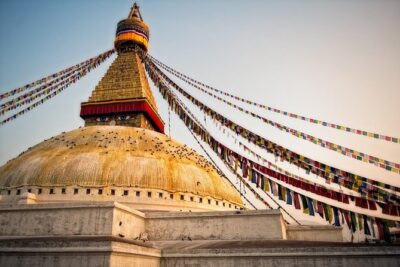
10 Day Kathmandu, Nagarkot, Chitwan, Lumbini, Pokhara Luxury Tour in Nepal
Read our review →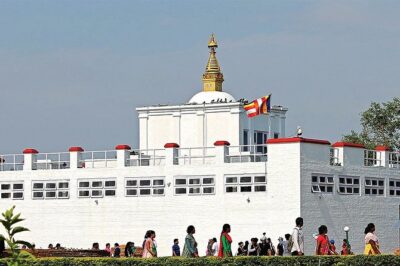
2 Night 3 Days Lumbini Tour from Pokhara or Kathmandu
Read our review →Browse the lists this tour appears in