
Reviewed · 7-DAY EXPERIENCES
Everest View Trek – 7 Days
The Everest View Trek is interesting because it gives you a real taste of the Khumbu without committing to the longer, heavier Everest Base Camp grind. I like how the trip is built around big moments fast, starting with the flight into Lukla and then settling you into Sherpa country. I also like the way Breeze handles the human side of the trek, with guides such as Lakpha who keep things organized and calm when plans get tight.
The main drawback to consider is that it is still an altitude and weather trip, even if it is shorter. You need a moderate fitness level and you should be ready for flight delays or schedule shifts if conditions are poor.
Key things to know before you go
- Lukla flights bookend the trek so you skip days of long road travel and focus on trail time
- Namche Bazaar and Khumjung Monastery add Sherpa culture beyond just mountain photos
- A practical short itinerary with clear up, then down movement, including Phakding as a base step
- Guide and porter team with meals and gear takes weight off your planning, not just your back
- Small group size (max 10) makes it easier to manage pace and logistics
- Operator flexibility in real weather is part of how this route is run, including contingency planning
Why the Everest View Trek is a smart Everest-region taste test
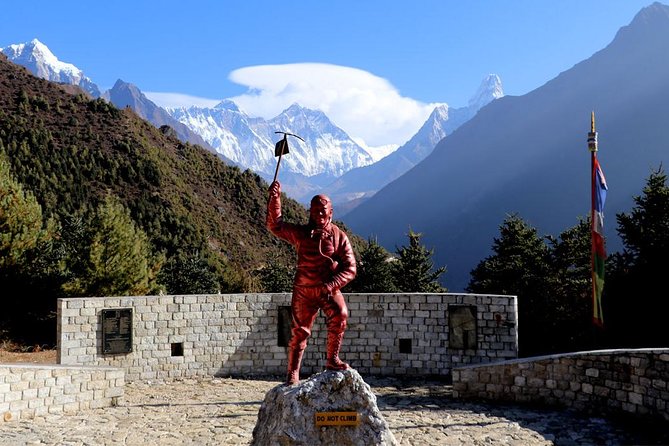
If you dream about Everest but you are short on time or budget, this itinerary makes sense. You still get the iconic Khumbu skyline, Sherpa villages, and Sagarmatha National Park without spending the kind of days that usually turn a dream into a marathon.
I also like that the trek is designed to feel like a real journey, not just a quick photo walk. There is time in Namche Bazaar, time in Khumjung, and a day hike that actually connects you with local sites rather than only passing through.
One more reason this works: it stays focused. You are not juggling a dozen transfers, because the biggest transportation moments are clearly defined as flights from Kathmandu to Lukla and back.
More to compare around Kathmandu
- Everest Base Camp Trek – 14 Days
★ 5.0 · 1,499 reviews - Everest Base Camp Trek
★ 5.0 · 842 reviews - Private Kathmandu Sightseeing Tour | UNESCO World Heritage sites
★ 5.0 · 756 reviews
The daily plan, from Kathmandu arrival to Lukla skies and back
Day 1 is all about setup. You arrive in Kathmandu and get transferred to your hotel for two nights, with breakfast included.
Day 2 is the signature jump from city to mountain life. You fly from Kathmandu to Lukla at about 2,860m, then hike to Phakding at about 2,610m. The flight is roughly 30 minutes, and the trekking segment is usually 2 to 3 hours, which is a great way to get moving without beating your legs up.
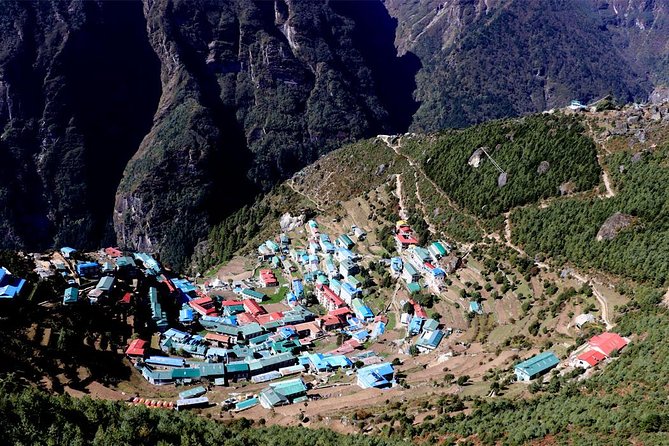
Day 3 ramps up the real trekking. You go from Phakding to Namche Bazaar around 3,440m, for about 6 to 7 hours. Namche is the major Sherpa hub in the Khumbu, so the hours on your feet pay off with a real change of atmosphere and services.
Day 4 gives you a culture day with altitude built in. You explore Namche, then trek to Khumjung around 3,790m, about 3 hours. This is the day where the trip turns from scenery to story, because Khumjung Monastery is part of the experience, including the famous item connected with the Yeti scalp.
Day 5 is a smart reset. You hike back from Khumjung to Phakding in about 4 to 5 hours. That descent matters because it helps you recover while keeping you inside the Khumbu routine.
Day 6 keeps the loop tight. You trek from Phakding to Lukla in about 3 to 4 hours. Getting back to Lukla on foot also makes the flight feel earned, not like the trek simply disappears into the sky.
Day 7 finishes with the return flight. You fly from Lukla to Kathmandu in the morning, again around 30 minutes.
Day 8 is departure day. You get transport from your Kathmandu hotel to Tribhuvan Airport for your flight out of Nepal.
Lukla and Phakding: how the route sets you up for altitude comfort
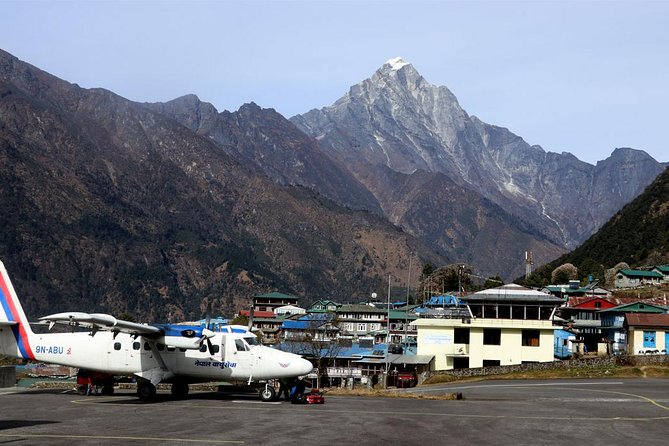
Lukla is the gateway to the Everest region, and it is also where a lot of people feel the trip click into place. You land around 2,860m, and even before you start hiking you will notice the shift in air and views. This trip leans on that early gateway moment to make the experience feel real right away.
Then you go down to Phakding at about 2,610m. That may sound backwards if you are thinking like a spreadsheet, but it is a useful way to start moving comfortably. Phakding also acts like a buffer stage, giving you an easier first hiking day.
Phakding matters because this trek is short. You do not have weeks to acclimatize, so every hour is part of a plan. The routing gives you a gradual rhythm: easier day, bigger day, then a culture day, then a descent.
Namche Bazaar and Khumjung Monastery: Sherpa culture you can actually see
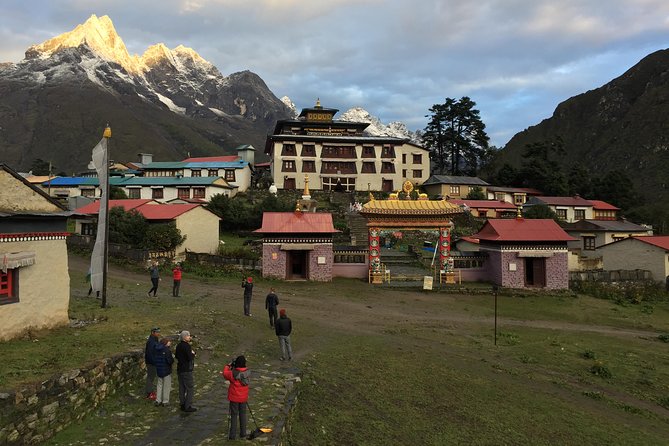
Namche Bazaar is the major Sherpa hub in the Khumbu, and that is more than a fun fact. It is where daily life, trade, and trekking logistics meet. On this itinerary, Namche is also a place you do not just pass through.
You spend time exploring Namche on Day 4, after arriving from Phakding on Day 3. That means you get the chance to slow down for a bit and take in how the region works, not just how it looks.
Then Khumjung adds a different kind of highlight. You trek up to around 3,790m and visit Khumjung Monastery. The monastery is connected with local lore, including the Yeti scalp that people talk about in the region. Even if you treat stories with a grain of skepticism, it still gives you a window into how belief and culture travel alongside trekkers.
This is the part of the itinerary that makes it feel more human. Mountains are the headline, but Sherpa life is what turns the day into a memory you keep.
A different sort of day out of Kathmandu:
- Kathmandu: 7 UNESCO Sites with Lunch
★ 4.8 · 744 reviews - Everest Base Camp Helicopter Tour landing at Everest View Hotel
★ 5.0 · 668 reviews - Half day cooking class in Thamel kathmandu
★ 5.0 · 607 reviews - Everest Base Camp Trekking
★ 5.0 · 485 reviews
The view factor: what you are likely aiming your camera at
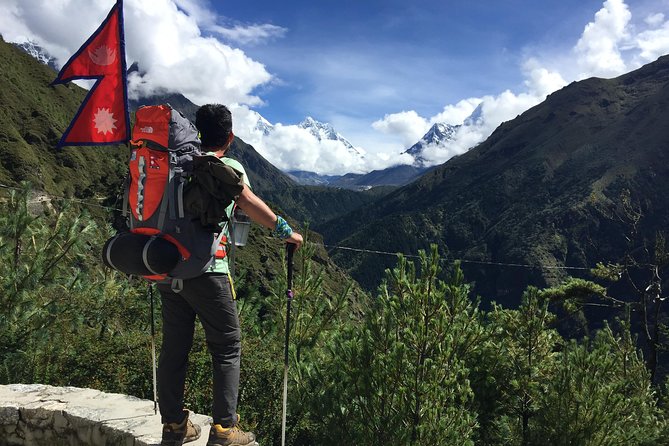
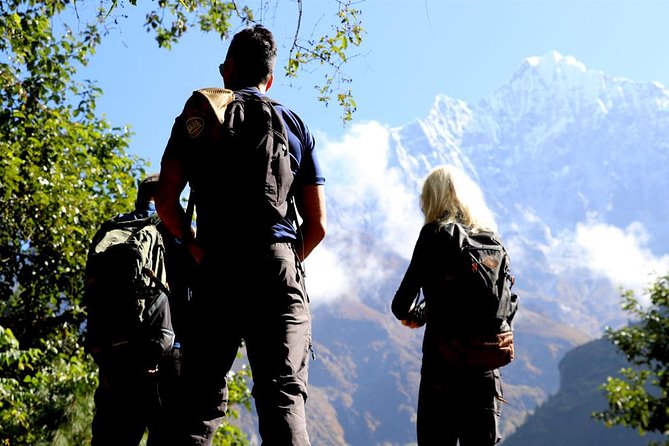
The Everest View Trek is built for panoramic moments. You will be in the Khumbu region where the views are the point, and the route is set up to give you repeated chances to look up and orient yourself.
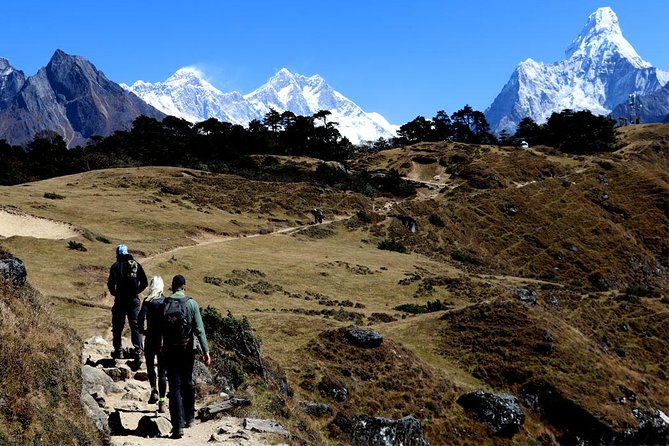
Here is what the itinerary highlights as you move: Mount Everest, Lhotse, Lhotse Shar, Ama Dablam, Cho Oyu, and surrounding peaks. You should expect the visuals to change a bit day to day as you gain and lose altitude and as clouds behave.
Day 2 through Day 6 is the core viewing span, because you are walking through valleys and along trails where the horizon keeps opening. Even when the sky is not perfect, you usually get that signature sense of scale, because you are still close to the big walls of the region.
Pro tip, without pretending it is magic: aim to look during your early walking hours, when the light is often better. Then keep your afternoons flexible. Weather can steer what you see most clearly, and this route includes flights that can be sensitive to conditions.
Sagarmatha National Park: what it adds to a short trek
This trek includes Sagarmatha National Park, a UNESCO World Heritage Site in Nepal, through entry fees included in the price. What that means in practical terms is that you are traveling in a protected zone where the trail network and rules exist for a reason.
It also helps you understand why the trek is managed the way it is. The national park setting influences how operators plan routes, how guides work with permits and timing, and why there is an emphasis on staying inside the planned trekking corridors.
You are not just buying scenery. You are buying access, structure, and a guided route that fits the protected environment.
Price and logistics: where the value really comes from
The listed price is $1,324.62 per person, and the big question is what you are getting for that number. This price is not only paying for trail days. It covers a full support package.
Included items that matter:
- Two nights in a 2 to 3 star hotel in Kathmandu with breakfast
- Trek transportation and all trek-related transfers
- Local guest house accommodation during the trek
- A government-authorized experienced guide and porters
- Insurance included for your trip with the operator
- Hygienic meals during the trek, including breakfast, lunch, and dinner
- Equipment such as a sleeping bag and warm layers, listed as included
- First aid kit and a map of the Everest Region
- Sagarmatha National Park entry fee and Khumbu villages entry fee
- A post-trek celebration dinner in Kathmandu
That is a lot of logistical weight, and you can feel it when you are actually in the process. When you do not have to coordinate gear rentals, entry fees, porter wages, and day-by-day meal planning, you spend your energy on walking and adjusting.
What is not included:
- International airfare
- Meals in Kathmandu besides breakfast
- Shower and electronic charging fees at guest houses
- Alcoholic drinks and certain extras like chocolates, tea and coffee
- Tips for guide and porter
The charging and shower fees are the kind of thing that can surprise people if they expect everything to be bundled. Also remember, tips are part of the real-world economics of trekking staff.
Guides and porters: the human side that makes the trip work
The highest praised aspects of this style of trip are not just mountain views. They are about organization and kindness.
One guide name you should remember from the experiences shared is Lakpha. That is meaningful because a short trek is less forgiving. When your schedule is tight, you want a guide who keeps you oriented and manages the pace so you are not dragging or rushing.
Breeze Adventure also gets credit for customer service. People describe answering questions quickly and guiding you toward the best expedition choice. That matters before you go, because altitude and weather planning start long before you step onto a trail.
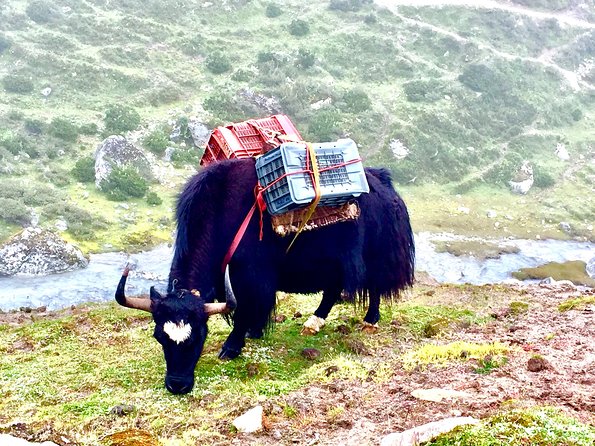
Porters are another big piece of the experience. In this region, porters can carry heavy loads, sometimes around 30kg, and they make trekking possible for everyone who comes behind them. Treat your porter with real respect: keep your pace steady, do not rush them, and be grateful even when the job looks straightforward.
And yes, there is a small dose of humor in all this. When you see how hard they work, your own pack weight can suddenly feel like a debate you should have ended earlier.
Weather reality: flights, schedule changes, and your best mindset
This trek includes flights that are time-saving, which is a win. But flights in the Himalaya depend on weather. The experience is described as requiring good weather, and there is a contingency approach if conditions derail plans.
In at least one trip, the operator coordinated a helicopter return to Lukla when weather forecast changed on Day 7. That tells me the team tries to protect the outcome when nature does not cooperate. Still, do not assume that is guaranteed for every departure. Your best plan is to stay flexible and go in with the mindset that the schedule can shift.
If weather turns, the operator’s job is to keep you safe and keep you moving toward a viable finish, either by adjusting timing or by offering a different date or a refund under the stated conditions.
Who this trek suits best, and who might be happier elsewhere
This itinerary says it fits travelers with moderate physical fitness. That is realistic because the trek days are not short, but they are also not the long, high-stress days of a full Everest Base Camp itinerary.
If you want:
- big Everest-region views without extreme time commitments
- Sherpa culture time, not just a summit-style chase
- a guided structure with meals, gear, and entry fees covered
…then this is a strong match.
If you are expecting easy walking every day, you might feel surprised. Even with guest house comfort and short distances compared to longer Everest treks, you are still hiking at altitude and climbing in and out of different valleys.
Also, if you are very sensitive to cold or have mobility challenges, the shortness of the itinerary can make the temperature swings feel sharper. You will have warm layers provided, but you still need to handle real weather exposure.
Should you book the Everest View Trek?
I think this is a smart booking if you want Everest in a realistic package. For the money, you are not just paying for a couple of hikes. You are paying for the whole operating system: flights, permits, meals, gear, and the guide and porter team.
I would book it if you can handle moderate hiking, you are okay with weather-dependent flights, and you want the Sherpa and monastery pieces as much as the mountain skyline. I would hesitate if you hate uncertainty, because the route depends on flight conditions, and a bad weather window can change timing.
If you want a first-time Everest-region experience that is organized and focused, this trek is built for that. You get panoramic views, Namche Bazaar energy, and Khumjung’s cultural stop, all in a timeline that does not swallow your vacation.
FAQ
How long is the Everest View Trek, and how many days are you actually trekking?
The itinerary is listed as 8 days approximately, with the core trek taking place over multiple days and flights from Kathmandu to Lukla and back. Day 1 is arrival and hotel transfer, Day 7 includes the Lukla to Kathmandu flight, and Day 8 is transport to the airport.
What is the flight like from Kathmandu to Lukla?
You fly from Kathmandu to Lukla at about 2,860m, and it is listed as a 30-minute flight. The trek then continues from Lukla into the Phakding area.
What altitude will we reach on this trek?
The route includes these key elevations: Lukla at about 2,860m, Phakding at about 2,610m, Namche Bazaar at about 3,440m, and Khumjung at about 3,790m.
What fitness level do I need?
You should have a moderate physical fitness level. The trek includes day hikes that can be several hours long, including a longer day up to Namche Bazaar.
What is included in the price, and what is not?
Included: airport and trek transportation, Kathmandu hotel nights with breakfast, guest house accommodation during the trek, guide and porters, insurance, trek meals (breakfast, lunch, dinner), equipment such as a sleeping bag and warm layers, entry fees for Sagarmatha National Park and Khumbu villages, and a post-trek celebration dinner in Kathmandu. Not included: international airfare, Kathmandu meals besides breakfast, shower and electronic charging fees at guest houses, alcohol and certain extras, and tips.
What happens if weather is bad and the trek can’t run as planned?
The experience requires good weather. If it is canceled due to poor weather, you will be offered a different date or a full refund, based on the stated cancellation terms.
Latest Kathmandu write-ups
- Annapurna Base Camp Trek★ 5.0 · 4 reviews
- Visit Bhaktapur and Patan Heritage Cities★ 4.0 · 4 reviews
- Chandragiri Hills Private Tour★ 5.0 · 4 reviews
- Nagarjun Hill Day Hike★ 4.0 · 4 reviews
- Lumbini (Birth Place of Lord Buddha) Buddhist Tour from Kathmandu Nepal★ 5.0 · 4 reviews
- 14 Days Everest Base Camp Trek★ 5.0 · 4 reviews
- Around Manaslu Trek★ 5.0 · 4 reviews
- Chandragiri : Majestic Hilltop & Cable Car Views with Lunch★ 4.5 · 4 reviews
7-Day Experiences, compared.
7-Day Annapurna Base Camp Trek & Natural Hot Spring
Read our review →Browse the lists this tour appears in