
Reviewed · MARDI HIMAL TREK
Pokhara: Majestic Mardi Base Camp Guided Trek with HotSpring
This 5-day Mardi Himal trek stands out because it mixes a classic Annapurna view day with a very real, very local payoff at the end, the natural hot spring at Jhinu. You get big mountain moments, plus a calmer rhythm when the trail turns back down through forest and village life.
I especially like the short, focused route. It reaches high points like the High Camp area and a 4300m viewpoint without turning into a month-long commitment. I also like how you travel with an authorized licensed English-speaking guide, so you are not just walking, you are learning as you go.
One consideration: this is still real mountain trekking. You will hike up and down each day, and the altitude gets serious enough to plan for a steady pace and bring high-altitude travel insurance.
Key things worth knowing before you go
- Private guide, licensed and English-speaking to help with route, pacing, and local details
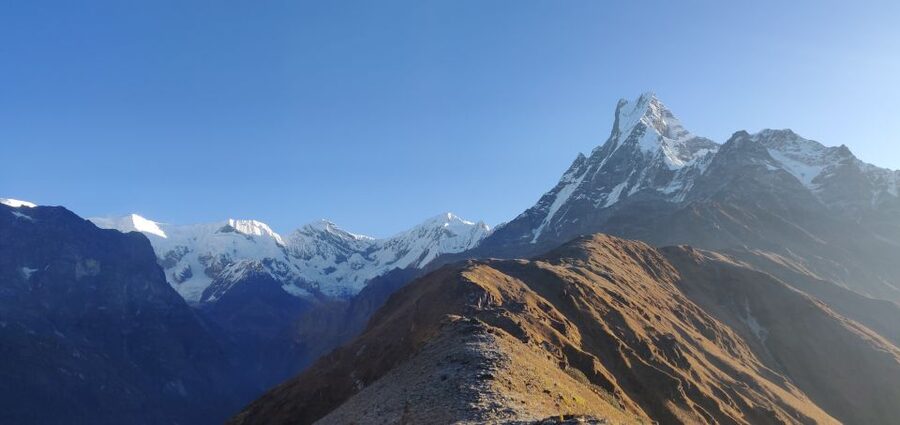
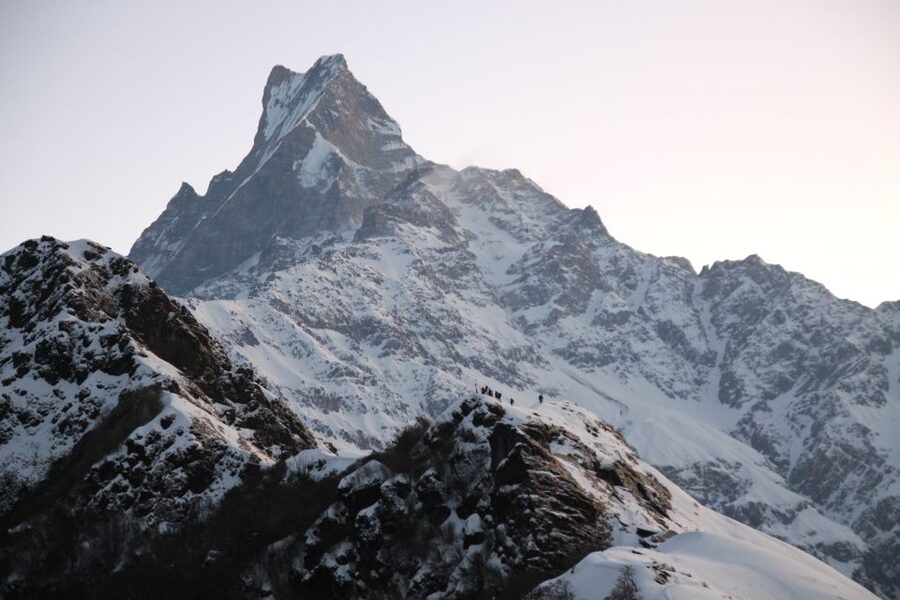
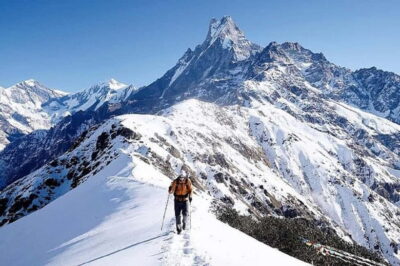
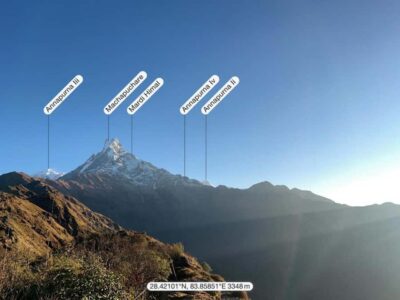
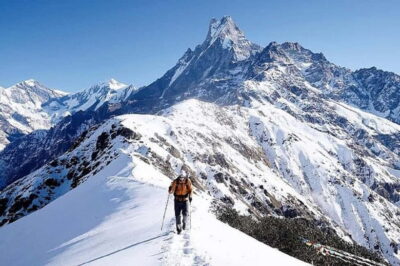
- Clear view payoff from the higher viewpoint, including Machapuchare (Fishtail) and the Annapurna range
- Forest to high-alpine feel from lush trails to jungle climbing and ridge panoramas
- Natural hot spring at Jhinu Danda after a descent through the Modi Khola area
- Gear provided for the trek (trekking poles, sleeping bag, duffle bag), which lowers your packing stress
- Solid support when plans get messy, including fast problem-solving done through guide connections
Why Mardi Himal Feels Different Around Pokhara
If you are based in Pokhara and you want the Annapurna region without the biggest crowds, Mardi Himal is one of the best ways to do it. The route feels like a taste of the Himalaya, but still delivers real altitude, real ridgelines, and a moment where the mountains look close enough to study.
What makes this trek practical is its structure. You start low enough to ease in, climb steadily to a high area, then switch gears on day 3 with an early push to a viewpoint that sets up the best scenery. After that, you spend day 4 descending into a warmer, wetter-feeling world where the hot spring by Modi Khola is basically recovery therapy.
This is also a “you will remember the details” type of trip. The trail passes through rhododendron forests and jungle sections, you cross a suspension bridge over the Modi River, and you finish in Jhinu Village by the river. Those are small things, but they change how the days feel.
And you are not doing this alone in the logistical sense. In guide notes and real-world experience, people specifically valued support that went beyond just leading the trail. One trek had guides including Santosh and Prakash (requested at short notice), with extra help when emergency needs came up through their local connections. Another trek highlighted Jeet for being professional and taking care of everything.
More on the Mardi Himal ridge:
- Pokhara: 4-Day Mardi Himal Trek
★ 4.9 · 59 reviews - Pokhara: 4-Day Mesmerizing Mardi Himal Guided Trek
★ 4.8 · 9 reviews - Mardi Himal Trek -5 Day Short Trek From Pokhara
★ 5.0 · 8 reviews
Day 1: Pokhara to Forest Camp, a Scenic Drive and a Forest-Walk Warmup
Day 1 starts early in Pokhara, around 8:00 am, with a drive toward Kande, roughly 1 to 1.5 hours depending on your route and traffic. The drive matters more than you might expect because it sets expectations for the rest of the week. You pass through green fields and forest, and you get your first mountain glimpses, plus the Seti River scenery along the way.
You stop for lunch en route at a tea house along the trail approach. Then you begin the trek, about 5 hours, from Kande toward Forest Camp at around 2500m. This is the “start slow and settle in” day. You are still in the forest world, and the uphill feels manageable compared with what comes later.
What you should watch for on day 1 is your clothing and hydration. In this part of Nepal, mountain weather can flip quickly, and you are going to want layers ready. The good news is that tea house meals and basic comforts make it easy to recover each night. The even better news: the forest trekking today makes tomorrow’s climb feel less like a shock.
Day 2: Forest Camp to High Camp, where the Jungle Climb Builds Confidence
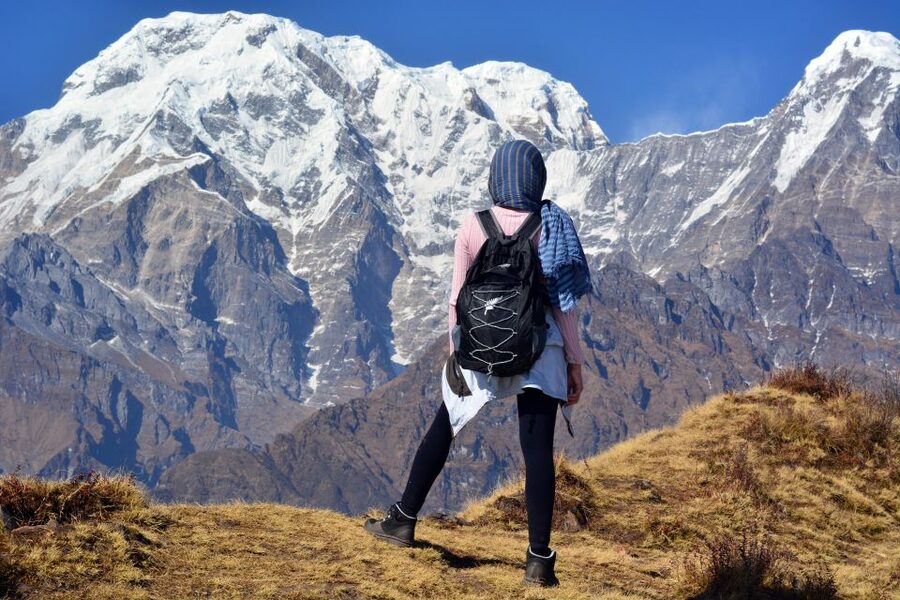
On day 2 you hike for about 5 hours from Forest Camp to Mardi Himal High Camp at around 4000m. This is the day where the trek shifts from forest scenery into denser jungle climbing and a higher-alpine mood. It is not just the altitude, it is the feeling. Air gets thinner, the trail gets steeper in spots, and everything becomes more about steady rhythm.
The trek description includes dense jungle with wild birds and animals, so it is not just a tunnel of trees. You are moving through a living corridor, and that helps pass the time when your legs start counting switchbacks.
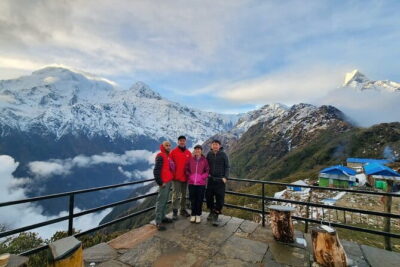
Staying overnight at High Camp is part of why the next day works. Your body gets one night to adjust, and your guide can support you with a realistic pace and timing for the early morning viewpoint. This is also where having an organized guide earns its keep. In real-world experience, guides helped solve practical issues quickly through local connections lower down the route. That kind of competence matters most on higher ground, when options get limited.
By the end of day 2, you should feel tired in a normal way. If you feel wrecked, it usually means you went too fast in the first half. Let day 2 teach you the pace you will need for day 3.
Day 3: The 4:00 am Viewpoint Push, Fishtail and Annapurna Panoramas
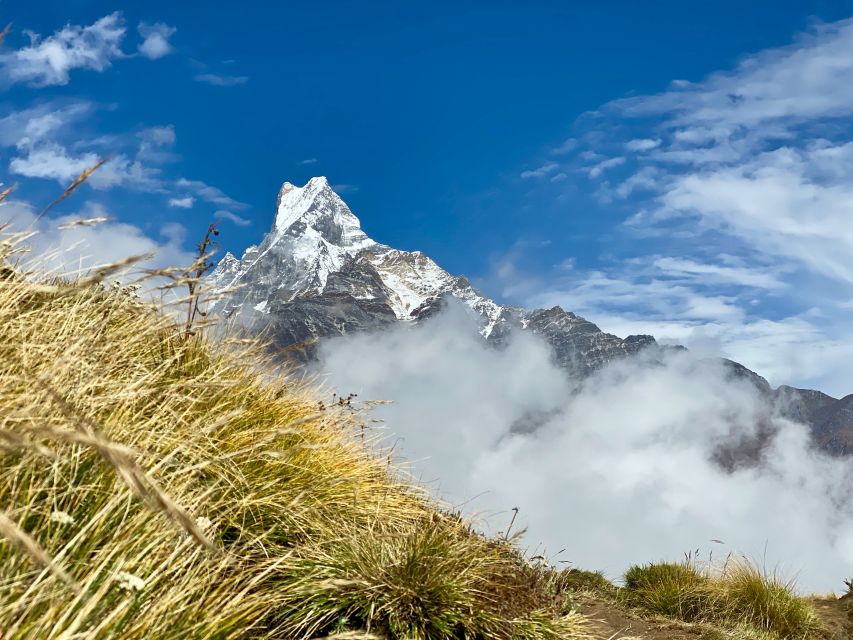
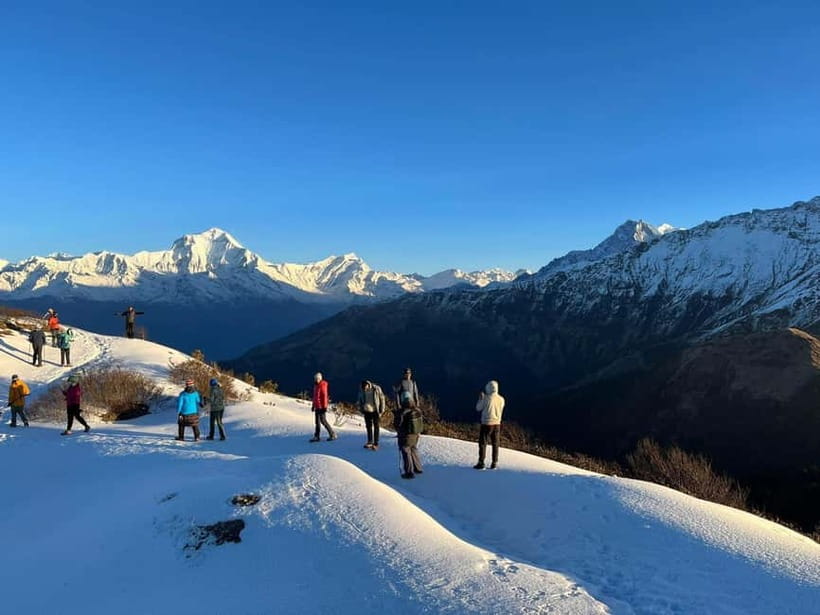
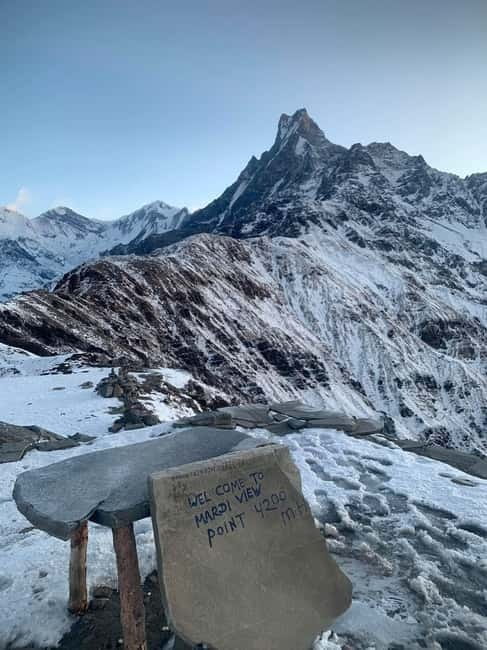
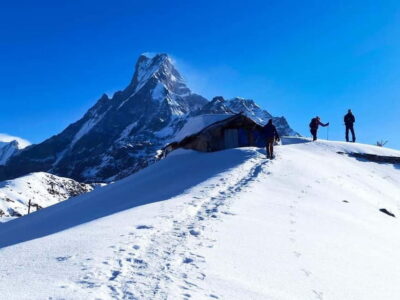
Day 3 begins early, with an up-at-4:00 am start. You hike about 2 hours to a viewpoint around 4300m. This early start is not a gimmick. It is the difference between seeing mountains as shapes and seeing them as a full panorama.
From this viewpoint, you get standout sights including Mt. Fishtail, plus broad views across the Annapurna range. You will also pass through the High Camp area for breakfast after the ascent and descent rhythm. Then the day becomes a long, controlled downhill and backtracking to Rest Camp around 2700m.
The total time for day 3 is about 7 hours, so you need to plan your energy accordingly. I like this day because it is a clean story arc. Sunrise viewpoint first, breakfast second, then the trail turns into a recovery day through the mid-elevation zone.
One practical tip: bring a headlamp and keep it simple. Early starts are easier when you are not fumbling for light or layers. Also, keep your “small essentials” bag reachable, because the day changes fast, cold at first, then warmer as you descend.
More to compare around Pokhara
- ZipFlyer Nepal – The World’s Steepest Zip-line
★ 5.0 · 608 reviews - Bungee Pokhara by HighGround Adventures
★ 5.0 · 366 reviews - From Pokhara: Sarangkot Sunrise Himalayas Tour
★ 4.7 · 218 reviews - Full-Day Tibetan Cultural Tour to Tibetan Settlements Pokhara
★ 5.0 · 184 reviews
Day 4: Rest Camp to Jhinu Hot Spring at 1600m, Modi River Relief
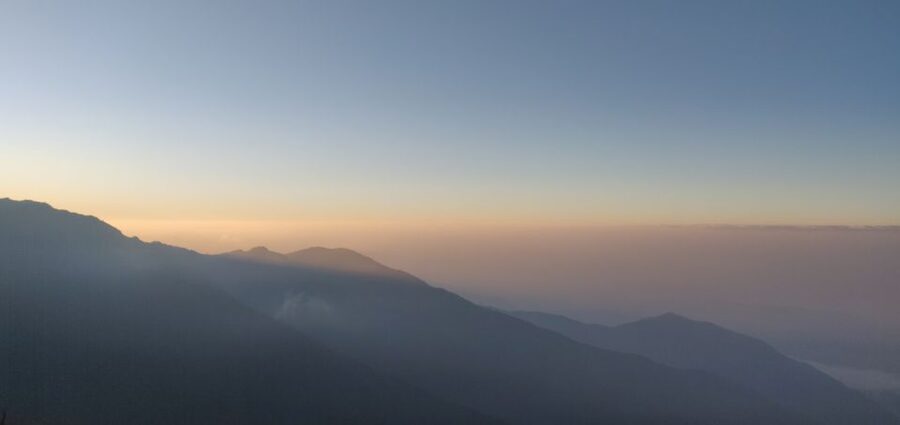
Day 4 is where the trek becomes memorable in a different way. You start at Rest Camp (about 2700m) and descend roughly 4 hours through lush green forest to Jhinu Natural Hot Spring at around 1600m. That descent is big in altitude terms, and it changes the soundscape too, because you get closer to Modi Khola, the river system running at the base of the area.
This day includes crossing a suspension bridge over the Modi River. It is one of those moments that breaks up the hike. You get movement, views across the river, and a chance to pause without losing time.
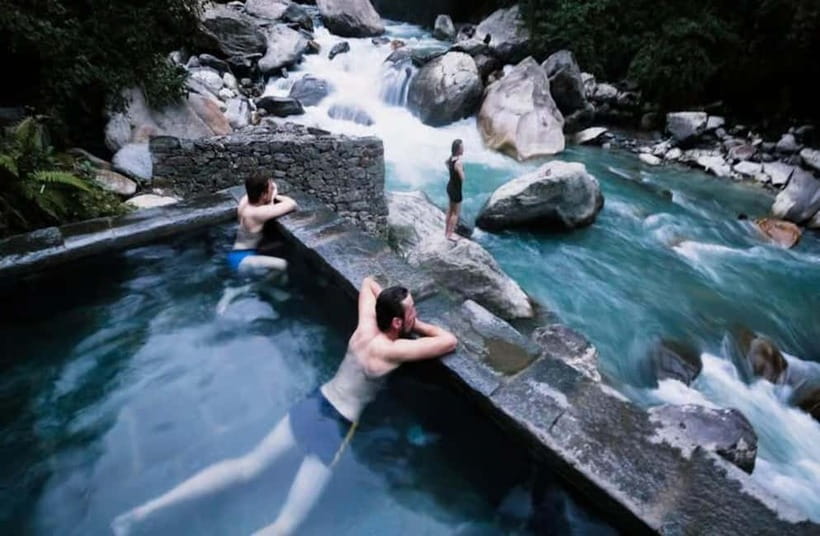
Then you reach Jhinu Danda, where the natural hot spring is beside the roaring Modi Khola. The experience here is simple, and that is why it works. You soak warm water under open sky to loosen your legs after several days of up and down trekking.
After soaking, you stay overnight in Jhinu Village by the Modi River. I like adding this kind of village time because it turns the trek into more than just scenery. You slow down, you settle into a routine, and you get that real sense of hospitality in a place that lives off travelers but still feels like home to locals.
If you tend to get sore, this day is the payoff you planned for. If you are stubbornly tough and feel fine, the hot spring still helps you sleep better at night, which makes day 5 much easier.
Day 5: Jhinu to Samrung, then Back to Pokhara Without Drama
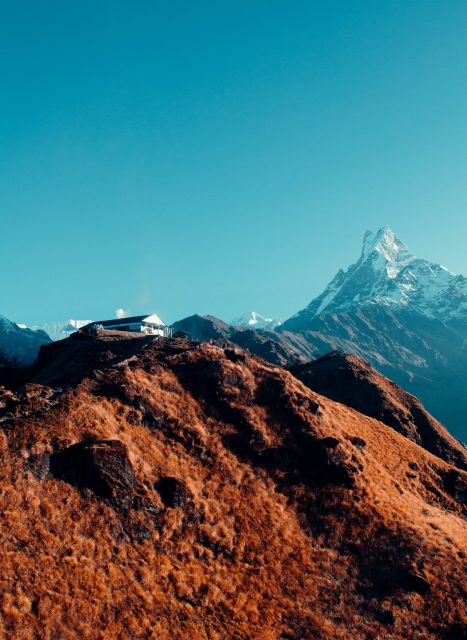
Day 5 is short and sweet. You start with breakfast in Jhinu Village, then trek about 30 minutes to Samrung. After that, you drive approximately 2.5 hours back to Pokhara.
This final day is not about pushing for one last view. It is about finishing strong and letting your body recover from the week. You also get time to reflect in a normal way, not while still walking uphill.
Once back in Pokhara, you will feel the difference between mountain tired and travel tired. Mountain tired fades quickly once you are eating warm meals and sleeping in a proper bed. If you want to keep the trip honest, take a low-key evening after you return, something like an early dinner and a relaxed stroll around Lakeside.
Price and value: what $183 covers, and what you should budget anyway
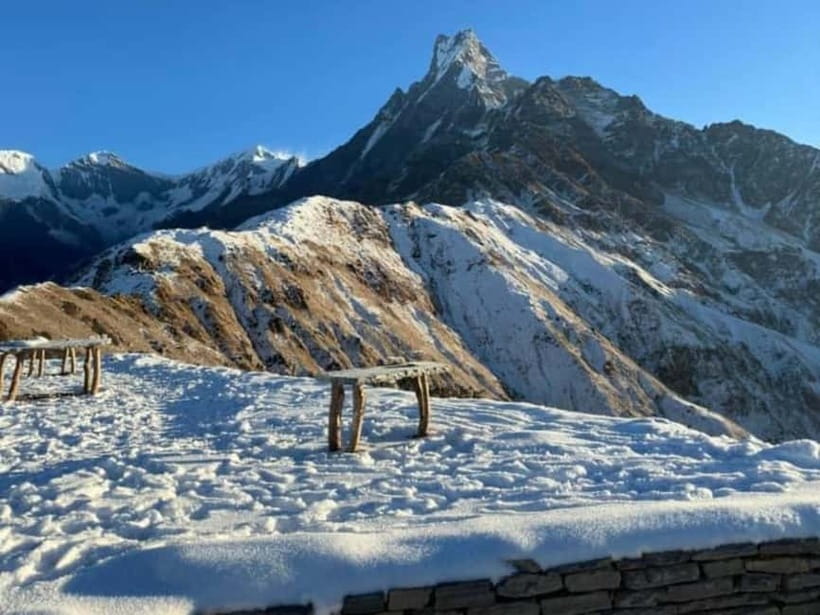
The price listed is $183 per person for a 5-day trek with hot spring. The value comes from what is actually included, not from marketing.
Included items you should care about:
- Hotel pickup and drop-off in Pokhara areas
- An authorized licensed English-speaking guide (English and Hindi)
- Trekking permits and paperwork, plus TIMS fees
- Private accommodation during the trek
- All meals during the trek as part of an all-inclusive full package
- Trekking gear support (trekking poles, sleeping bag, duffle bag)
- Luggage storage facility
- Deluxe transportation as per the itinerary for your group
Not included items that can change your total cost:
- Soft and hard drinks
- Porters (you can request one for an extra cost)
- Travel and rescue insurance
- Personal expenses like phone calls and laundry, plus bottle or boiled water and shower items
Here is how I suggest you think about it. If you already own trekking poles, a sleeping bag, and you have the right boots and plan to eat simply, your added expenses might stay low. But if you need to buy gear and you do not have insurance, your total cost grows fast. So do your math before you book.
Also, remember the trek includes altitude up to a 4300m viewpoint. You do not want to treat insurance as paperwork. The advice given is clear: bring travel insurance with high-altitude coverage.
Your guide experience: why Santosh, Prakash, and Jeet matter to the quality
On paper, a guide is a guide. In practice, the guide can change how smooth the trip feels.
Some guides in this experience have been praised for being personable and caring, with strong mountain and trekking knowledge. People also highlighted that the guides seemed to know the right people at different stops, which helps with smooth tea house check-ins and problem-solving. One standout detail: when an emergency need came up at a higher point, the guides were able to facilitate it through connections lower down and bring help to the camp area.
In one verified experience, a traveler requested a porter last minute and guides, including Santosh with Prakash joining (both licensed), supported the plan quickly and kept things moving. In another case, Jeet was described as professional and knowledgeable, taking care of everything.
You cannot control weather, trail conditions, or your own energy level. But you can control whether you have someone with local competence and calm communication. That is where a good licensed guide earns their place in your budget.
What to pack, and what to expect at tea houses
Packing for this trek is mostly about layers. Mountain weather is unpredictable, with mostly clear and sunny conditions, but rain and even snow can happen. I would plan for cold mornings and warmer afternoons, then protect yourself quickly when clouds roll in.
Based on what you are expected to bring, focus on:
- Passport or ID card
- Sunglasses and a hat
- Sunscreen and a towel
- Hiking shoes, long pants, jacket
- T-shirt and shorts (for mid-day comfort)
- Reusable water bottle and a first aid kit
- Trekking gear essentials like poles (even though poles are provided, you still need them in your mind as your balance tool)
- A sleeping bag is listed, though a sleeping bag is also provided as trekking gear, so confirm what is for your specific booking and what you should bring personally
At the tea houses and guesthouses on the route, the expectation is basic comforts. Rooms are not the point here. Meals are simple and filling, with dal bhat mentioned as a key fuel option. You might find other food options, but the trek rhythm works best when you keep meals consistent and you do not overdo spice late in the day.
One more practical note: you will be soaking in a hot spring. Keep swim comfort in mind. Bring a small towel if you like, and keep a plan for getting dry and staying warm right after.
Who should book this Mardi Himal trek with hot spring
This trek suits you if:
- You want a short 5-day Annapurna-region trek from Pokhara
- You like less crowded routes and forest-heavy trekking
- You want a guaranteed viewpoint moment for Fishtail and Annapurna range views
- You want a physical payoff at the end, the natural hot spring at Jhinu Danda
- You prefer a private group with a guide who can adapt to your pace
You might want to reconsider if:
- You are pregnant, since it is listed as not suitable
- You do not have the fitness to handle daily hikes around 4 to 7 hours, plus altitude up to 4300m
- You are not planning for a cold-morning start, day 3 begins at 4:00 am
Should you book it?
Yes, if you want a real Himalayan trek that does not eat your whole month. The mix of forest climbing, a serious viewpoint morning, and the hot spring recovery day is a strong combination for both first-timers and people who want a tight, efficient itinerary.
I would book it especially if you value strong guide support. The practical competence people praised, including quick problem-solving and help through local connections, is exactly what you want when trekking plans run into real life.
If you book, take the altitude seriously, pace yourself, and pack layers. Do that, and you will come back from Pokhara with a body that feels like it worked and a head full of mountain views you can actually name.
FAQ
What is the duration of this Mardi Himal trek?
It runs for 5 days.
Where do you start and end during the trip?
You start from Pokhara in the morning and finish back in Pokhara on day 5.
How high do you get on the trek?
The trek reaches about 4000m at High Camp and includes a viewpoint hike to around 4300m on day 3. Jhinu hot spring is around 1600m.
Are meals included?
Yes, all meals (breakfast, lunch, dinner) during the trek are included on the all-inclusive full package.
What does the hot spring day include?
On day 4 you descend to Jhinu Natural Hot Spring, soak in the natural hot spring beside Modi Khola, then stay overnight in Jhinu Village.
Do I need to arrange a porter?
Porters are not included, but they can be arranged upon request for an additional cost.
Is a guide included, and what languages do they speak?
An authorized licensed English-speaking guide is included, and languages listed are English and Hindi.
Is pickup available in Pokhara?
Yes. Pickup is available from Lakeside, Pokhara Airport, and the entire Pokhara Valley. Pickup from Kathmandu is also possible on request for an additional cost.
What trekking gear is provided?
Trekking gear provided includes trekking poles, a sleeping bag, and a duffle bag.
Is travel insurance included?
No. Travel and rescue insurance is not included, and high-altitude coverage is recommended.
Latest Pokhara write-ups
- Mardi Himal Trek -5 Day Short Trek From Pokhara★ 5.0 · 8 reviews
- Tandem Paragliding in Pokhara★ 4.8 · 8 reviews
- Pokhara: Peace Pagoda Sunset, Annapurna Mountain Views Tour★ 2.9 · 5 reviews
- Short & Scenic: 2-Day Private POON HILL Trek from Pokhara★ 5.0 · 8 reviews
- Seti George and Thrilling Suspension Bridge Tour at Pokhara★ 4.5 · 3 reviews
- Sarangkot Sunrise over the Himalayas★ 4.8 · 83 reviews
- Pokhara: Sarangkot Sunrise and Private Full Day Tour★ 4.8 · 24 reviews
- From Kathmandu/Pokhara: Private 3-Day Chitwan Safari Tour★ 4.7 · 34 reviews
Mardi Himal Trek, compared.
4-Day Mardi Himal Trek with Guide & Himalayan Views
Read our review →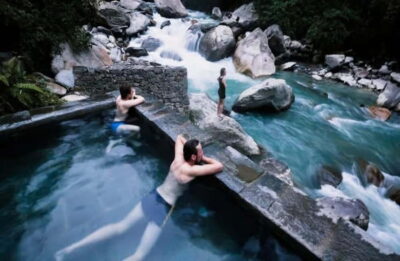
Browse the lists this tour appears in