
Reviewed · CITY TOURS
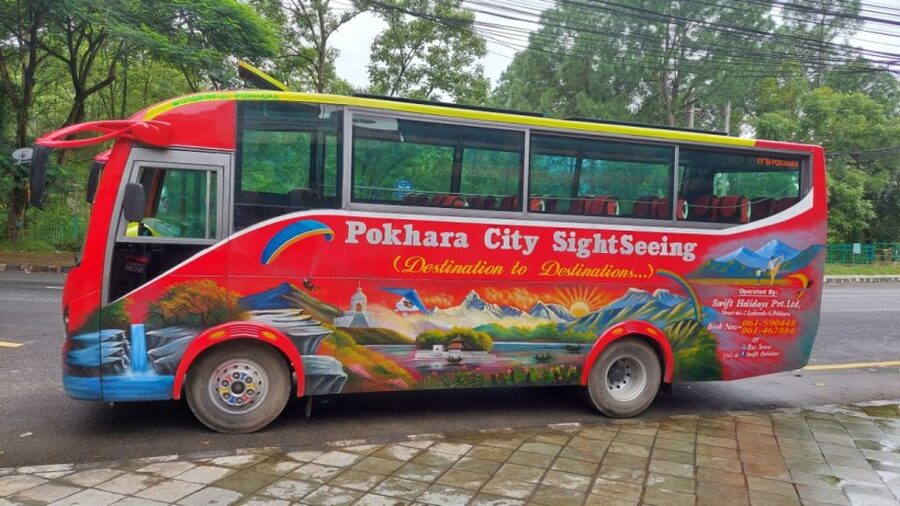
Pokhara Sightseeing By Bus: Day Trip
Pokhara by bus is interesting because it keeps you moving, cheap, and in the middle of real daily life, not in a private bubble. You start from Lakeside and spend the next hours bouncing between viewpoints, temples, caves, and waterfall country. It is a full day that feels like you are collecting Pokhara highlights.
I like the value here because you cover a lot of ground for about $19. I also like the social factor, you share the bus with people from many places and your day naturally turns into small talk and shared photos.
One possible drawback: this is a sharing reserve bus style outing, so do not expect an ultra-detailed, stop-by-stop, perfectly explained program at every stop. If you want constant commentary in clear English, you may need to rely on the local assistant and your own curiosity.
Key Things That Make This Day Trip Worth Your Time
- Major Pokhara hits in one long loop, not a half-dozen stops stretched into a whole week
- Shared bus energy, you trade seats, stories, and travel tips with international company
- Big viewpoint and waterfall moments, including Pumdikot Mahadev View Point, Devis Fall, and the Seti area
- Cave and temple stops that show how faith and everyday life mix into the scenery
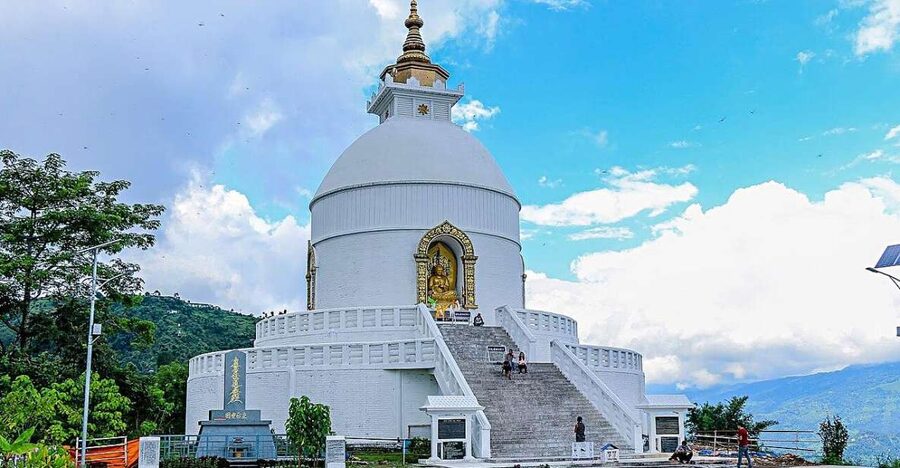
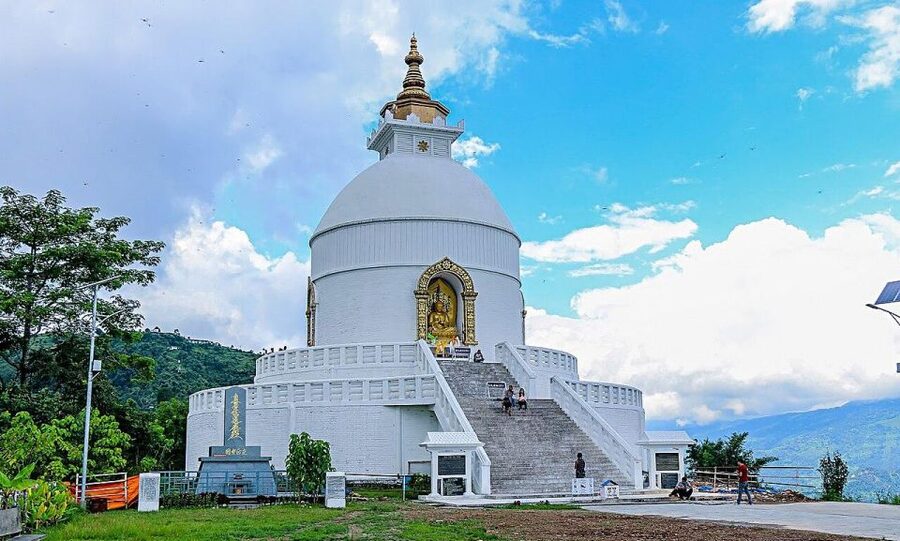
- Peace Stupa plus Fewa Lake gives you at least one slower, calmer finish after all the driving
How the Shared Bus Loop Works From Lakeside
This is a 7-hour day trip built around one practical idea: meet early, ride together, and hit several Pokhara Valley landmarks without paying for private transport. You meet your guide at your hotel at 9:40 AM, and the tour starts early from Lakeside, which is convenient if you are staying where most visitors base themselves.
Once you are on the bus, you are not just staring out the window. A local assistant accompanies the group, and if you need something, you can ask them. That matters because the tour is more like a guided circuit with support, not a constant narration from a seated expert.
You also get a group feel without the stress of traveling with one rigid crowd. It is easy to relax, follow the plan, and still be social when people start chatting. It is also a good way to learn the rhythm of the valley: quick transitions, short walks, then another bus ride.
More City Tours in Pokhara
- Pokhara: City Sightseeing Group Bus Tour
★ 4.1 · 37 reviews - Pokhara: Full-Day Guided Sightseeing Tour
★ 4.4 · 11 reviews - Pokhara Day Bus Sightseeing 8 points
★ 3.5 · 9 reviews
Price and Entrance Fees: Is $19 Actually Good Value?
At $19 per person, this tour is budget-friendly in a way that adds up fast in Nepal. The real question is what you will still pay on the day, and the answer is pretty clear: meals are extra, and monument and entrance fees are about $10 USD per person.
That is still not a bad deal if you compare it to private rides, especially because you are visiting multiple paid sites. The tour also includes hotel pickup from Lakeside and sightseeing by bus, so you are not spending extra time arranging transport between stops.
One more value tip: plan your day around money and time, not just sights. Bring cash for entrance fees and keep some flexibility for purchasing food if you get hungry during the long circuit.
Stop-by-Stop: From Pumdikot View to Temple Energy
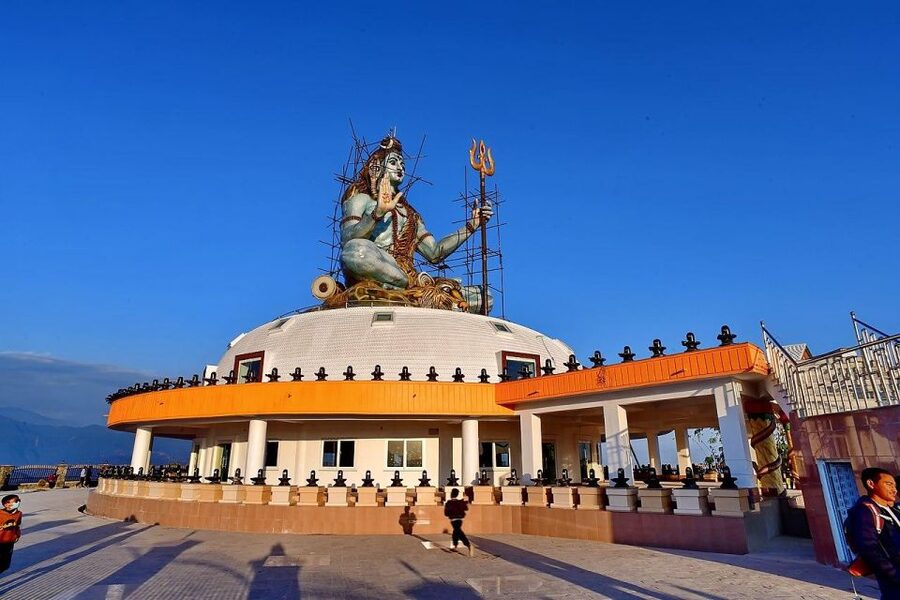
Pumdikot Mahadev View Point is a strong opener because it sets the tone for the day: viewpoint first, questions later. Even if you are not a big “viewpoint person,” this stop is worth it because it gives you a mental map of how Pokhara’s valley layout works. You will understand where everything sits once you get your first wide angle.
Next comes Bindyabashini Temple. Temples in Pokhara are not staged museum sets. They are active places where people come to pray, pause, and handle daily life. If you go in respectfully, you will feel the difference between a sightseeing stop and a local religious stop.
A practical note: for both the viewpoint and the temple, you will be outside for some time. Wear comfortable clothes, keep your camera ready, and expect a bit of standing and walking even on a bus tour.
Mahendra Cave: Cool Air and Photo Chances
Mahendra Cave is one of the stops that gives this day trip its variety. Caves are not just “another photo.” They break up the schedule with a different environment, plus you get a different kind of Pokhara story, one with rock, shadow, and a sense of temperature shift.
What to do with that: go ready for change. If you have been in sun all morning, the cave can feel cooler, and the lighting is different. If you want photos, keep your expectations realistic. The camera will see more than your eyes at times, but you still might want a steady hand and a quick reaction.
This is also a good stop for people who want a bit of action without signing up for trekking. The day stays doable, even if you are not in top hiking shape.
More Day Trips in Pokhara
- 1-Day Private Dhampus Trekking Tour
★ 5.0 · 35 reviews - Pokhara: 1-Day Scenic Australian Camp & Dhampus Guided Hike
★ 4.9 · 24 reviews - Pokhara Sightseeing By Bus – Day Trip
★ 3.2 · 8 reviews - Pokhara: 1-Day World Peace Pagoda and Lord Shiva Statue Trek
★ 4.8 · 5 reviews
Seti River Gorge and the Water-Motion Stops
The Seti River Gorge is the kind of sight that feels familiar in concept, but surprising in person. It is one of those places where you start looking at the valley differently, because water has shaped the terrain in a way you can actually see.
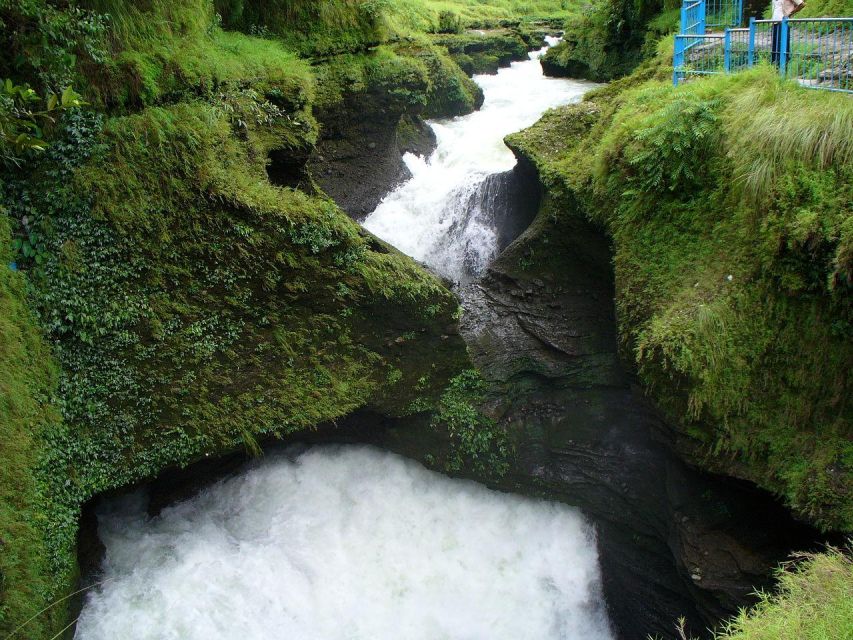
After that, the tour includes Devis Fall, a waterfall stop that is hard to mistake. Water forces your attention, and you will likely spend a few minutes just watching how it moves through the area. This is a good “slow your brain down” moment in a schedule that otherwise stays busy.
If you like photography, prioritize angles and timing. In waterfall zones, light can be tricky. Keep an eye on where other people position themselves and avoid getting in the way. Also, be careful on wet areas and steps, even if you think you are an expert at not slipping.
Peace Stupa: A Calm Reset With Big Views
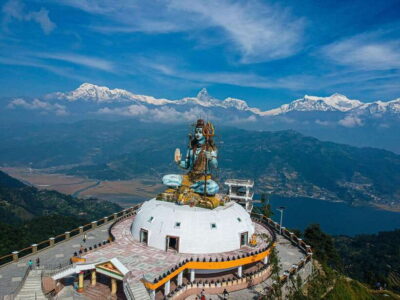
Peace Stupa is the emotional reset of the day. After caves and falls, you get a quieter, more reflective stop that also serves as a viewpoint platform. This is where the Pokhara Valley starts to feel like a connected place instead of a list of stops.
For many people, Peace Stupa is also where the day becomes more memorable. Not because it is flashy, but because it slows things down just enough to help you notice details. You can sit, look, and take a breath before heading to the final cave and lake time.
Bring your camera here too, but also give yourself a minute or two without the lens. You will enjoy the view more if you let your eyes do the work before your phone does.
Gupteshwor Mahadev Cave: Faith in the Rock
Gupteshwor Mahadev Cave fits naturally after Peace Stupa because both connect spirituality and scenery. This stop is built around a Mahadev site, so you will see how faith is woven into the experience of walking through a meaningful place.
Like Mahendra Cave, the cave setting brings that same mix of shadows and limited lighting. Keep your comfort level in mind. It is not described as a long trek, but it is still a cave environment, so you will be standing, moving, and watching your footing.
If you want the most out of this stop, treat it as more than a checklist item. Pause, look around, and let the cave feel like a place people actually visit for reasons beyond sightseeing.
Fewa Lake Finish: The Best Place to Slow Down
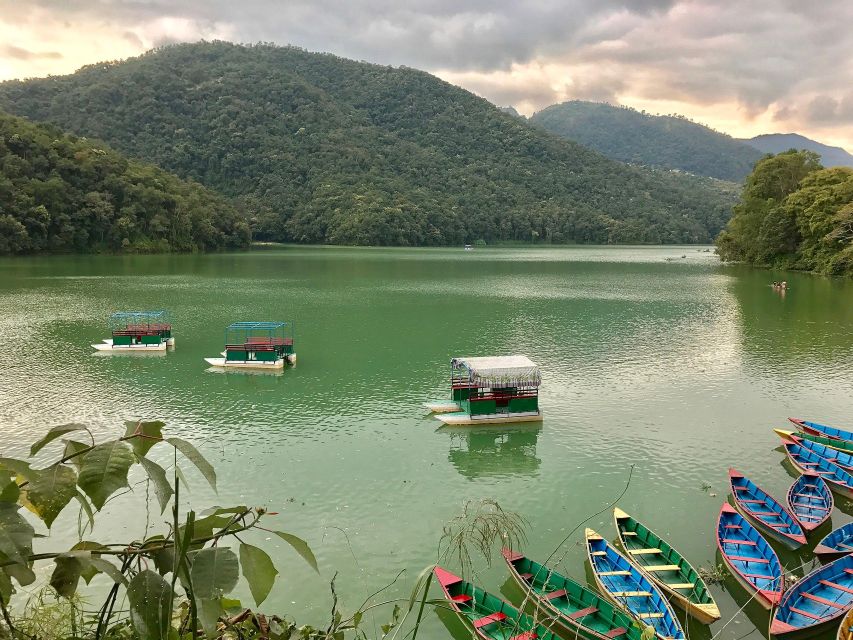
Fewa Lake is the satisfying closing act. After a day of switching locations, the lake gives you space to breathe. It is also one of the most understandable places to enjoy the area because it feels open and calm compared to cave interiors and stony viewpoints.
This is a good stop for regrouping and swapping impressions with your bus companions. It is also a natural moment to capture a “closing photo” that makes sense of your day as a whole.
If you have energy left, do a quick walk and soak in the atmosphere. If you are tired, just find a spot to sit and watch. Either way, this ending helps the day feel worth it instead of rushed.
The Group Vibe: What Shared Riding Feels Like in Real Life
Here is what I appreciate about the sharing reserve format. You meet people you would never meet otherwise, and the bus becomes a moving conversation space. Some days, it is easy to chat with couples, families, and solo travelers, and you trade tips on what to see first when you arrive.
One important reality check: on a budget bus tour, the amount of English commentary can vary. The tour does include an English host or greeter, and a local assistant is on the bus, so you are not totally on your own. Still, do not count on full, detailed explanations for every stop in a perfect, lecture-like way.
That is not a reason to skip it. It is a reason to prepare lightly. Go in with a few questions, ask your local assistant when you have them, and use your curiosity. On at least some days, timing can also add fun. If you land on a major Hindu holiday, you might find a few stops free and notice a more festive feel in the sites.
Timing, Pacing, and How to Avoid Feeling Rushed
This tour is 7 hours, which is long enough to fit a lot, but short enough that you still need a strategy. You will likely be on and off buses repeatedly, with short windows at each stop.
Your best move: keep your schedule simple while you are there.
- Decide what matters most to you, caves, falls, or viewpoints.
- Take photos early, then spend a few minutes just looking.
- Stay flexible if crowds or walking slow you down.
If you get tired easily, prioritize the stops that match your energy level. You can also pace yourself inside caves and at viewpoints by taking short breaks. Even a 30-second pause with water or a deep breath makes a big difference.
What to Bring, and What You Must Skip
Bring a camera and comfortable clothes, that part is straightforward. Since you will go through caves and outdoor viewpoints in the same day, dress for mixed conditions.
Do not bring a drone. Drones are not allowed. Also skip alcohol and drugs, since they are not permitted on this tour.
One small practical idea: keep essentials easy to reach. When you are moving between stops, you want quick access to water, sunscreen, and your phone charger if you rely on it for photos.
Who Should Book This Pokhara Bus Day Trip (and Who Should Not)
I think this tour is best for you if you want a budget-friendly way to get multiple Pokhara Valley sights in one day. It suits people who like a lively group day, who can handle a bit of walking here and there, and who do not need a super scripted, always-on guide talk.
It may not be the best match if you need a more independent, slower pace with long stays at fewer places. Also, it is not suitable for wheelchair users, so if accessibility matters, you will need a different plan.
If you are traveling solo, the group format can still work well. Just go in with an open mindset and be ready to rely on the local assistant and site signage when explanations are brief.
Should You Book It?
If your goal is a value-packed day that hits major Pokhara landmarks, I would book this bus tour. For around $19 plus about $10 in entrance fees, you get a full route through viewpoints, temples, caves, falls, and Fewa Lake without dealing with multiple transport arrangements.
But book it with the right expectations. This is a budget, shared bus experience, meaning the sightseeing is strong and the narration may be lighter than a private tour. If that fits your style, you will walk away feeling like Pokhara gave you the greatest hits.
FAQ
What time does the tour start?
The tour meets you at your hotel at 9:40 AM. It then starts the full day route from Lakeside.
Where do you pick up passengers?
You are picked up from Lakeside.
How long is the Pokhara sightseeing tour by bus?
The duration is 7 hours.
How much does it cost?
It is priced at $19 per person.
What is included in the price?
Included items are hotel pickup in Lakeside, sightseeing by bus, group tour, and a normal guide.
What is not included?
Meals are not included. Monument fees and entrance fees are approximately $10 USD per person. The listing also lists Guide as not included, so check your voucher for what your booking covers.
Are meals provided?
No. Meals are available for purchase.
Are entrance tickets included?
Monument fees and entrance fees are not included, and are approximately $10 USD per person.
Is the tour wheelchair accessible?
No, it is not suitable for wheelchair users.
FAQ
Is an English host or greeter provided?
Yes. The host or greeter is listed as English, and the tour language is English.
Is it okay to bring a drone?
No. Drones are not allowed.
Do I need comfortable shoes?
The tour asks you to bring comfortable clothes. Since you will move between stops, wearing something comfortable for walking will help.
Latest Pokhara write-ups
- Mardi Himal Trek -5 Day Short Trek From Pokhara★ 5.0 · 8 reviews
- Tandem Paragliding in Pokhara★ 4.8 · 8 reviews
- Pokhara: Peace Pagoda Sunset, Annapurna Mountain Views Tour★ 2.9 · 5 reviews
- Short & Scenic: 2-Day Private POON HILL Trek from Pokhara★ 5.0 · 8 reviews
- Seti George and Thrilling Suspension Bridge Tour at Pokhara★ 4.5 · 3 reviews
- Sarangkot Sunrise over the Himalayas★ 4.8 · 83 reviews
- Pokhara: Sarangkot Sunrise and Private Full Day Tour★ 4.8 · 24 reviews
- From Kathmandu/Pokhara: Private 3-Day Chitwan Safari Tour★ 4.7 · 34 reviews
City Tours, compared.
Everest Base Camp: 3 Hour Helicopter Sightseeing Tour
Read our review →
Browse the lists this tour appears in