
Reviewed · CITY TOURS
Pokhara Sightseeing By Bus – Day Trip
Pokhara sightseeing by bus is interesting because it’s built for motion, not slow wandering. You get a full day of valley stops in one shot, with a shared ride that also lets you watch everyday life rolling by. I like that this is budget-friendly while still hitting the headline sights.
I also like the variety of stops, from viewpoints and temples to caves, then out to water features like Devis Fall and the Seti River Gorge. It’s the kind of day where you keep collecting new angles on Pokhara instead of repeating the same scene.
The main drawback to consider is that the experience can feel more like a drop-off and go situation than a deeply guided commentary. Some people also reported pickup or start-time problems, so it pays to stay on top of where you need to be.
Key Highlights Worth Your Time
- Value-heavy day for about $17, with a full lineup of major Pokhara sites in one route
- Shared bus feel with locals and other visitors, so the day has real-world energy
- Caves and stupa views: a strong mix of cool interiors and big outlooks
- Major water stops including Devis Fall and the Seti River Gorge
- Lakeside-friendly start with pickup in the Lakeside area or at the tourist bus park
Why This Pokhara Bus Day Trip Works for Budget Sightseers
This is the kind of tour I recommend when you want a lot of Pokhara highlights without paying for private transport. The schedule is built around one long run, roughly 7 hours, so you can make progress even if you feel limited on time. For $17 per person, the value is simple: you’re buying access to a packed sightseeing route more than you’re buying a slow, scripted experience.
You’ll start from the Lakeside area around 9:30 AM. From there, the bus keeps moving through a sequence of stops that cover temples, viewpoints, caves, waterfalls, and lakeshore scenery. If you like structure and you don’t want to figure out buses and routes on your own, this style of day trip is a win.
The tradeoff is also clear. You may not get long explanations at every stop. The bus includes a local assistant you can ask questions of, and an English-speaking guide is listed, but the on-the-ground delivery can be uneven. Think of it as “see the sights efficiently,” not “learn every detail deeply.”
More City Tours in Pokhara
- Pokhara: City Sightseeing Group Bus Tour
★ 4.1 · 37 reviews - Pokhara: Full-Day Guided Sightseeing Tour
★ 4.4 · 11 reviews - Pokhara Day Bus Sightseeing 8 points
★ 3.5 · 9 reviews
Meeting at Lakeside: How the 7-Hour Plan Feels in Real Life
The day runs for about 7 hours and starts early. You meet your tour guide at your hotel at 9:30 AM, but pickup is also described as coming from the Lakeside area or the tourist bus park. That means your exact start point can vary depending on how the operator organizes the group.
One person reported they waited around 20 minutes past the pickup time and had to call to get sorted. Another reported a no-show situation, and at least one booking described not being informed while waiting at the agreed meeting place. I can’t ignore that risk, even if it’s not the norm.
So here’s my practical advice: confirm the pickup point the day before, and arrive at the meeting location a bit early. Keep some cash handy, because entrance and monument fees are not included.
Once you’re on the bus, expect a shared ride. Several stops are arranged so the group can board, take a short break, and move on. For many people, that’s exactly the point. You do a lot in one day, then you’re back ready for dinner in Lakeside.
Pumdikot Mahadev View Point: a Fast Start for Big Valley Views
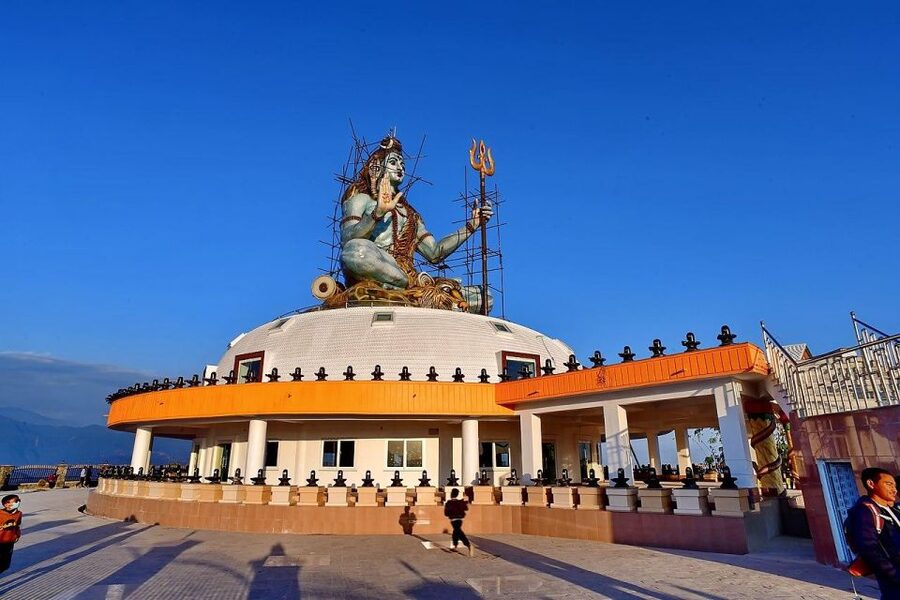
The route begins with Pumdikot Mahadev View Point. Viewpoints are the best warm-up stop on a busy day because they don’t require long internal visits. You can get a sense of where you are in the Pokhara Valley quickly, even if your morning is still waking up.
From a planning perspective, this stop helps you “place” everything else you’ll see later. After a viewpoint, temples, caves, and water features stop feeling random. You start to understand the shape of the valley and how the sites connect through elevation and distance.
Practical tip: wear shoes you trust. Even on a bus tour, viewpoints often involve short walks on uneven surfaces. Bring a daypack so you can keep water and a light layer close at hand if it gets breezy.
Bindyabashini Temple: Culture Stop That Also Sets the Mood
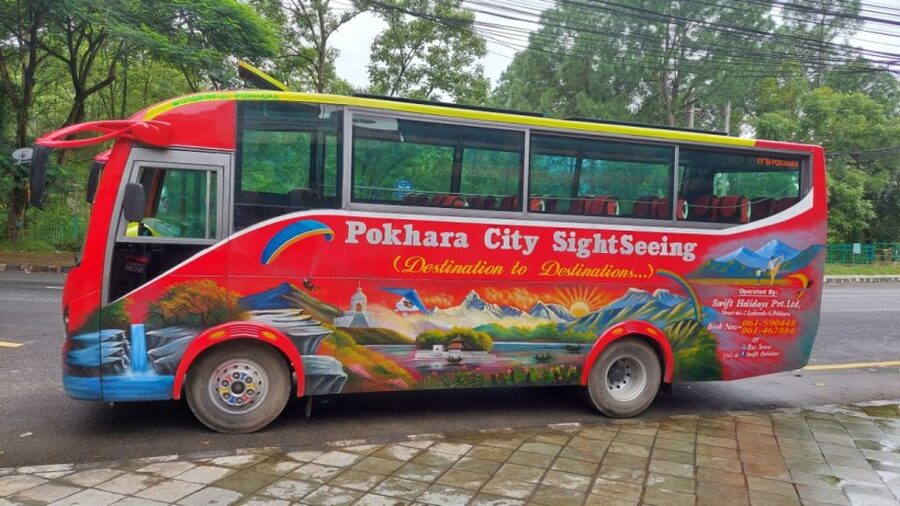
Next up is Bindyabashini Temple. This is a classic stop for people who want more than just scenery. A temple visit gives your day a human rhythm, where the focus is religion and daily practice, not tourism photo poses.
In a full-day route, the temple also acts as a “reset.” You transition from bus time to a place where people are moving at their own pace. That’s useful if you’re the kind of person who likes to observe quietly for a few minutes before hurrying to the next stop.
Do keep expectations realistic. On a budget sharing bus, time at each site may be limited. If you’re hoping for a long, guided temple explanation, you might or might not get it. Still, the stop is worthwhile for its atmosphere.
More Day Trips in Pokhara
- 1-Day Private Dhampus Trekking Tour
★ 5.0 · 35 reviews - Pokhara: 1-Day Scenic Australian Camp & Dhampus Guided Hike
★ 4.9 · 24 reviews - Pokhara Sightseeing By Bus: Day Trip
★ 4.6 · 7 reviews - Pokhara: 1-Day World Peace Pagoda and Lord Shiva Statue Trek
★ 4.8 · 5 reviews
Mahendra Cave: a Cool Break from the Heat and Clutter
Mahendra Cave is your next switch-up, moving from open air into a cave setting. Caves are valuable on a day like this because they break the repetition of viewpoint after viewpoint. Even if you keep it short, the change in temperature and lighting can feel like a mini escape.
Cave visits can also be slightly more demanding on your body than you expect, because you’ll likely navigate uneven steps and darker interiors. Wear grippy footwear, and move slowly. If you’re prone to claustrophobic feelings, take your time deciding how long you want to go in.
There’s another practical benefit. In a day that includes waterfalls and river gorges, you’ll get a lot of outdoor walking in between. A cave stop can be a short “compression” moment where your pace naturally slows.
Seti River Gorge and Devis Fall: Water Stops That Change the Whole Day
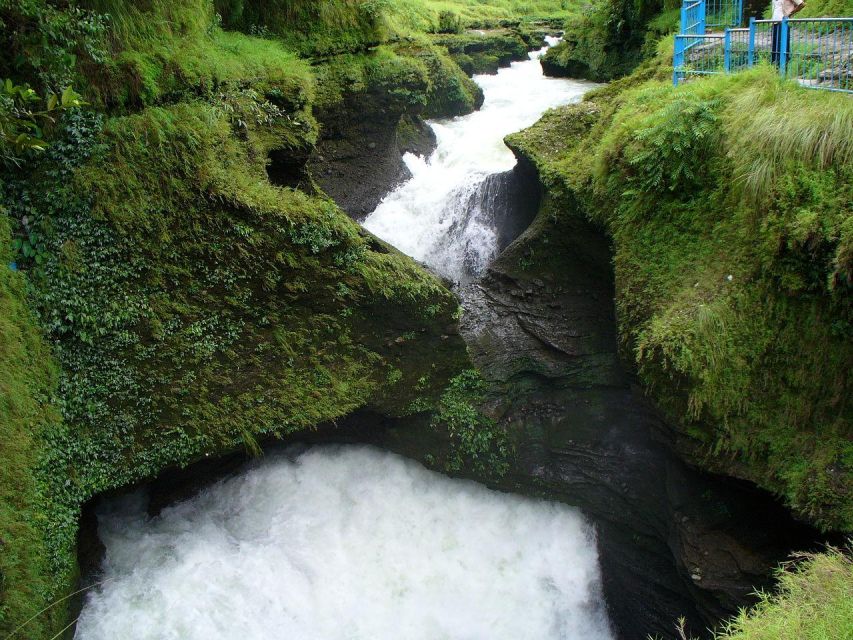
When the itinerary hits Seti River Gorge and Devis Fall, the tone shifts toward dramatic nature. These are the stops that tend to anchor memories, because the sights are visually strong and the sounds are part of the experience.
The Seti River Gorge stop gives you a chance to look at the river’s power and the way water has carved through the area. It’s the kind of sight that makes you appreciate why Pokhara feels different from Kathmandu. Water here is not just scenery, it’s shaping the land.
Then Devis Fall delivers the classic Pokhara water spectacle. It’s one of those places where you’ll likely see people standing, watching, taking photos, and trying to follow the flow. Even if you only spend a short period there, the scene usually clicks fast.
Two practical notes. First, bring cash if you want to pay for any on-site extras you see. Entrance fees are not included, and the total is estimated at about $10 USD per person. Second, be ready for crowds at peak times. Budget tours run popular routes.
Peace Stupa: When the Day Gets Quiet and Elevated
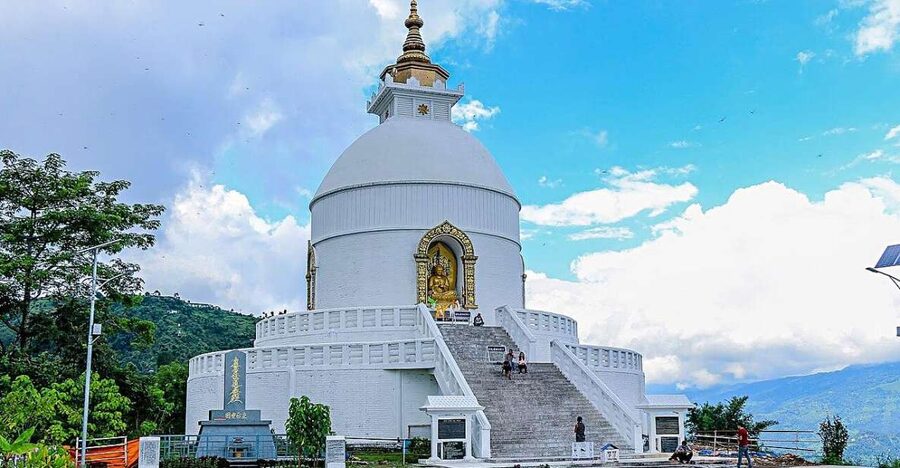
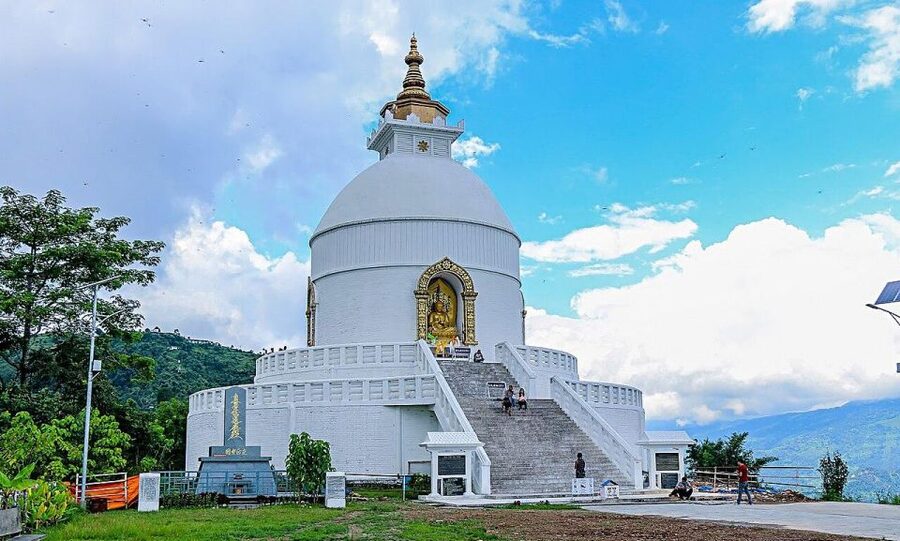
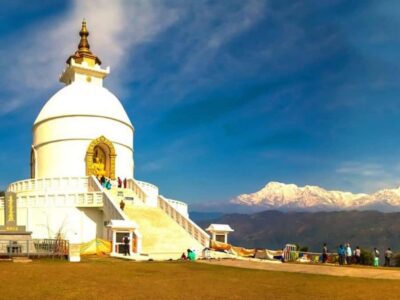
Peace Stupa is one of those stops that works even if your day is moving fast. A stupa tends to invite a slower, more respectful mood, and it also offers a chance to step back from the day’s bus rhythm.
One booking described the Peace Stupa stop being way too short, and the overall commentary feeling minimal. That’s a reminder that on a shared bus tour, timing can be tight. If you want extra time for photos or a calm sit, you may need to manage your expectations and move efficiently.
Still, the Peace Stupa visit is a strong pick because it complements the caves and water stops. After darker interiors and roaring waterfalls, you get a simpler, open-air feeling with big outlook opportunities.
Gupteshwor Mahadev Cave: a Religious Cave That Feels Like More Than a Photo
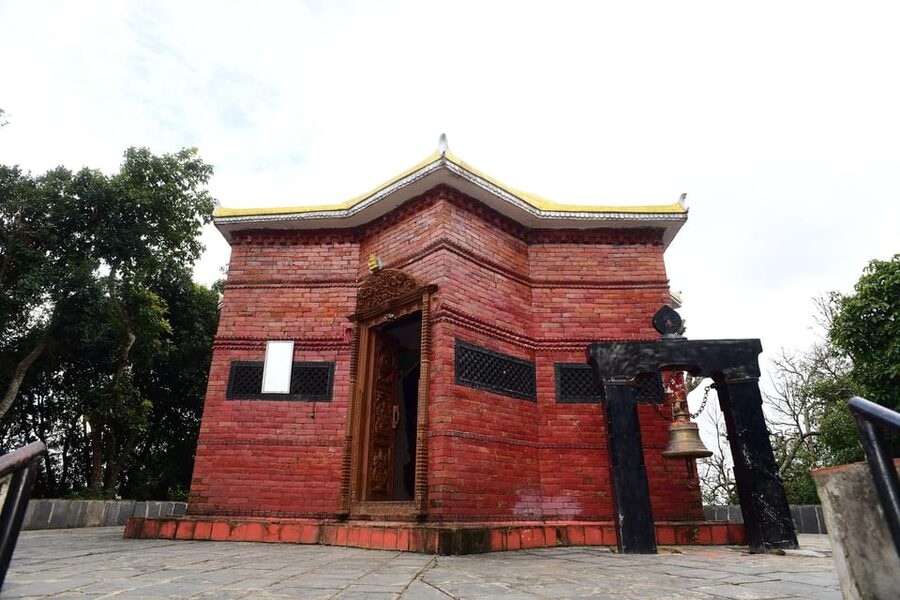
Next is Gupteshwor Mahadev Cave. This is where your day adds another layer of meaning, because it’s a cave linked with a major local deity. The “Mahadev” connection makes the visit more than just geology.
Caves like this are often lit enough to see people moving and praying, not just sightseeing. Even without a long guide talk, you’ll get the sense of ritual from how people behave inside.
Just remember you are still in a cave environment. Watch your footing and take your time if the lighting is dim. If you’re bringing a daypack, keep it close and avoid juggling bags while you walk.
Also note that some people felt the tour was more of a bus drop-off than guided walkthroughs. If you want more explanation, plan to ask your local assistant questions while you’re traveling between stops.
Fewa Lake: The Lakeside Finale You Came for
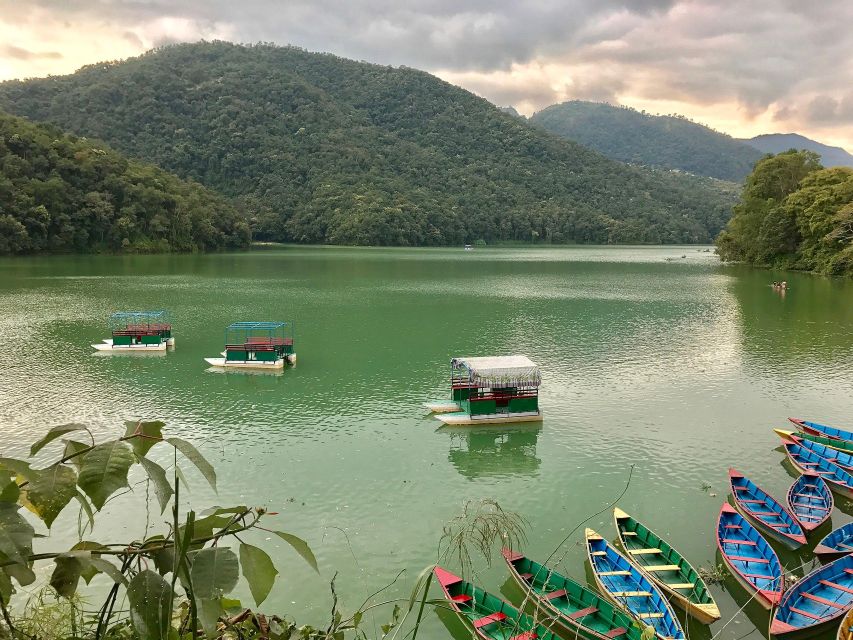
The last listed stop is Fewa Lake. Ending at a lake makes sense because Pokhara is famous for the way it relaxes people. After a day of temples and caves, you’ll likely appreciate open views and an easy transition back toward Lakeside life.
Even if you do just a short walk or a quick look from a convenient area, Fewa Lake gives you a “landing” point. It’s a good finale for a bus tour because you don’t need to solve anything complex at the end. You can often connect back to your next meal plans easily from the lakeshore zone.
Practical tip: keep some cash on hand for snacks or small purchases. Meals are not included on this tour, but you’ll want an easy option when you wrap up.
Price and Entrance Fees: Does $17 Buy You Real Value?
The headline price is about $17 per person for a full-day bus sightseeing tour. For Pokhara, that’s in the budget range, and it’s mainly paying for transport plus access to a structured route.
But the real “value math” depends on two extras. First, meals are not included, so you’re on your own for lunch and snacks. Second, monument fees and entrance fees are estimated at about $10 USD per person. That means your day cost will likely be closer to the mid-20s when you add typical spending.
Now for the good news. The included stops are major Pokhara anchors, including Peace Stupa, Devis Fall, Gupteshwor Cave, Seti River Gorge, and Fewa Lake. You’re not building your own itinerary from scratch, and you’re not paying private vehicle rates. For many people, that’s exactly why this tour is worth it.
Also, ticket line skipping is listed as included. Even if you still queue at some points, reducing ticket hassle is a real comfort factor on a packed schedule.
One more thing to verify when booking: the info says a normal guide is included, but it also lists “guide” under not included. That contradiction is worth clarifying. Ask what type of guide commentary you will actually get, especially if you care about explanations.
Group Style, Timing, and the Guide Commentary Reality Check
This tour is a group day by shared bus. That means you’ll be working around group pacing, which often leads to quick stop windows. One booking noted there was no guide commentary and that the bus dropped them at the sites so they went in on their own.
At the same time, other bookings praised the staff as friendly and described the itinerary as varied and interesting. Another booking mentioned they felt safe as a solo woman, and they had enough time to enjoy the sights.
So the pattern looks like this: the sights are the main product, the bus is the delivery system, and the commentary level may vary. If you need a very talkative guide at every stop, you may be happier choosing a different format. If you’re mainly there to see Pokhara’s key locations efficiently, this fits.
One more practical detail: a local assistant accompanies you on the bus. That’s useful for quick questions like where to go, how long to spend somewhere, or what to watch for during the stop.
Who Should Book This, and Who Might Want Another Option
I’d put this tour on your shortlist if you want a one-day, route-based introduction to Pokhara Valley. It’s especially good if you’re traveling on a budget but still want major stops like Peace Stupa, Devis Fall, and both Gupteshwor and Mahendra caves.
It can also work well for solo travelers, since at least one booking specifically said they felt safe and comfortable. The shared bus format can also make the day feel less intimidating, because you’re not alone trying to figure out transfers.
Who should skip it? If you use a wheelchair, this isn’t suitable. And if you strongly depend on detailed guidance at every site, you may feel underwhelmed by the more drop-off style.
Also consider the start-time reliability risk. A small number of bookings reported no-shows or late pickup without notification. That doesn’t mean the tour is consistently broken, but it does mean you should be alert, confirm, and show up ready.
Should You Book This Pokhara Sightseeing Bus Tour?
Book it if you want big Pokhara highlights in one day and you’re comfortable with a shared-bus rhythm. If your priority is efficiency and you like collecting viewpoints, temples, caves, and water features without planning the logistics, this tour delivers.
Think twice if you need deep explanations at every stop or if you’re the kind of person who hates uncertain pickup points. If you do book, handle it like a smart checklist trip: confirm the exact pickup spot, show up a bit early, and budget for entrance fees (about $10 USD per person) plus meals.
If you’re aiming for a smooth day with minimal hassle, I’d also plan to bring patience. The sights are worth it, and when the timing works, the day can feel like a solid, varied sampler of Pokhara Valley.
FAQ
Is this a full-day tour?
Yes. The duration is listed as 7 hours.
When do I meet for the tour?
You meet your tour guide at 9:30 AM at your hotel.
Where is pickup from?
Pickup is included from the Lakeside area (or the tourist bus park).
What is the tour language?
English is listed for the live tour guide.
Which sights are included in the day?
The stops listed are Pumdikot Mahadev View Point, Bindyabashini Temple, Mahendra Cave, Seti River Gorge, Peace Stupa, Devis Fall, Gupteshwor Mahadev Cave, and Fewa Lake.
Are meals included?
No. All meals are available for purchase.
Are entrance fees included?
No. Monument fees and entrance fees are estimated at about $10 USD per person.
What is the group format?
This is a group tour by bus, described as a sharing reserve bus tour for Pokhara Valley sightseeing.
Does the tour include a skip-the-line benefit?
Yes. Skip the ticket line is listed as included.
Is it suitable for wheelchair users?
No. It is listed as not suitable for wheelchair users.
Latest Pokhara write-ups
- Mardi Himal Trek -5 Day Short Trek From Pokhara★ 5.0 · 8 reviews
- Tandem Paragliding in Pokhara★ 4.8 · 8 reviews
- Pokhara: Peace Pagoda Sunset, Annapurna Mountain Views Tour★ 2.9 · 5 reviews
- Short & Scenic: 2-Day Private POON HILL Trek from Pokhara★ 5.0 · 8 reviews
- Seti George and Thrilling Suspension Bridge Tour at Pokhara★ 4.5 · 3 reviews
- Sarangkot Sunrise over the Himalayas★ 4.8 · 83 reviews
- Pokhara: Sarangkot Sunrise and Private Full Day Tour★ 4.8 · 24 reviews
- From Kathmandu/Pokhara: Private 3-Day Chitwan Safari Tour★ 4.7 · 34 reviews
City Tours, compared.
Everest Base Camp: 3 Hour Helicopter Sightseeing Tour
Read our review →
Browse the lists this tour appears in