
Reviewed · WALKING TOURS
Walking Street Food Tour in Kathmandu
Kathmandu street food is fun, but it is also chaotic. This walking tour makes it doable, by pairing you with a guide as you move through busy markets and temple areas, sampling Nepalese eats along the way. I like that the route has built-in structure around Asan and Kathmandu Durbar Square, so you feel you are seeing real parts of the city.
I love that the tour pushes you to eat. You aim for a minimum of 5 dishes and drinks, and lunch is included in the sense that you can eat as much as your heart desires during tastings. I also like the hands-on logistics, including hotel pickup and a guide who can steer you into food spots you would never find on your own.
One consideration: you do need to be comfortable with walking. The tour is 3 to 4 hours, it is for adults 18 and older, and it runs on good weather, so plan for a bit of street navigation and crowds.
Key highlights to know before you go
- At least five dishes and drinks included, plus you can keep eating during the included lunch stops
- Hotel pickup and a route that blends food with culture around Asan and Durbar Square
- Vegetarian and vegan friendly, with the guide able to tailor what you taste
- You eat where locals go, and the tour avoids dragging you into shopping detours
- Small group, private experience so it feels less like a bus tour and more like a shared meal crawl
- Former chefs and culture nerd guides are repeatedly praised, including names like Raj, Kabita, Deepak, Anoj, and RJ
Why this Kathmandu street food walk feels different
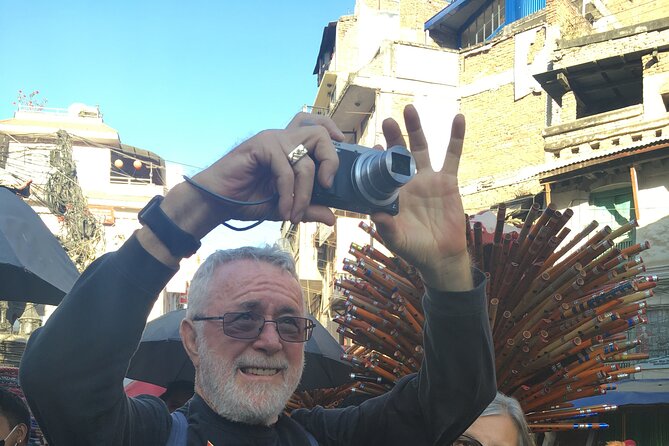
This tour hits a sweet spot: you are tasting Nepalese food while also learning how the city works. Kathmandu’s food scene is tied to neighborhoods, daily routines, and temple life, and the tour uses that reality instead of treating street food like a theme park.
The best part is that it is a walking tour with purpose. You start with a major market area in Asan, then you pivot toward Kathmandu Durbar Square, where old shopfronts and incense-filled temple energy sit side by side with snacks and meals. You are not just trying new flavors, you are also getting a sense of why people eat where they eat.
For me, the value is in the combination. At $48 per person for a half-day food crawl, you are getting paid guidance through places you could easily miss, plus food and drinks that would add up fast if you ordered alone. Also, the tour is built for variety, not just one big meal.
More Walking Tours in Kathmandu
- Kathmandu: Food and Drink Walking Tour
★ 4.9 · 292 reviews - Kathmandu Food and Drink Walking Tour
★ 5.0 · 266 reviews - Kathmandu: Food and Drink Walking Tour
★ 4.9 · 119 reviews
What $48 buys you: food, drinks, and real local access
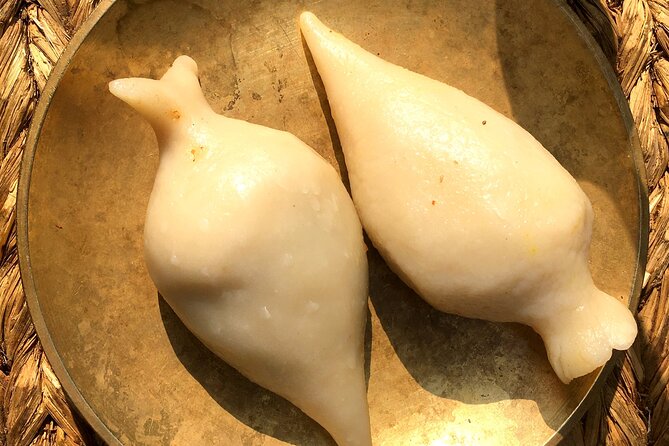
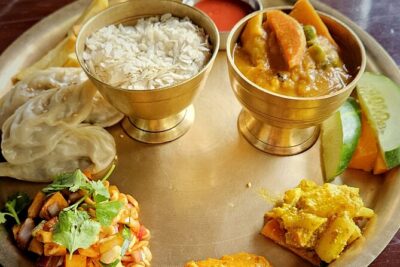
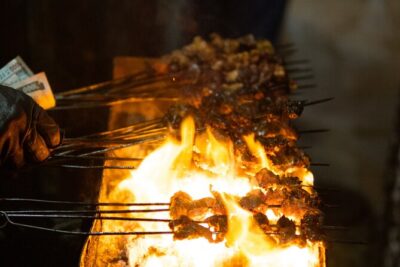
You pay $48 per person, and the tour includes food and drinks. The key detail is that tastings include at least five typical dishes and drinks, with examples like Nepali masala tea, fresh juices, lassi, and soft drinks. That matters because street food pricing is unpredictable, and when you do this solo you can end up paying more for less.
This is also a full-on eating tour, not a sample tray. The included lunch is described as eat as much as you can to your heart’s desire. Translation: you are meant to leave full, not just lightly entertained.
One more cost-related point: admission tickets for the sightseeing parts you visit are listed as free, so you are not doing the awkward math of extra fees while on the street. Alcohol is not included, so if you drink beer or cocktails, you will need to plan for that separately.
How the timing and pacing work in real life
Plan for 3 to 4 hours of walking. That is short enough to fit into an arrival day or a busy itinerary day, but long enough that you will actually notice the city shifting from market bustle into temple-area rhythm.
Most tours like this depend on momentum. You keep moving, you stop, you eat, then you move again. The good guides also manage the pace so you do not feel rushed at each tasting. Several guides mentioned in feedback, like Raj and Kabita, are praised for pacing that feels comfortable, along with explanations as you walk.
There is also a practical timing clue: the tour runs daily from 11:45 AM to 6:00 PM. If you hate late starts, avoid guessing. Pick a time that matches your hunger and your day’s energy.
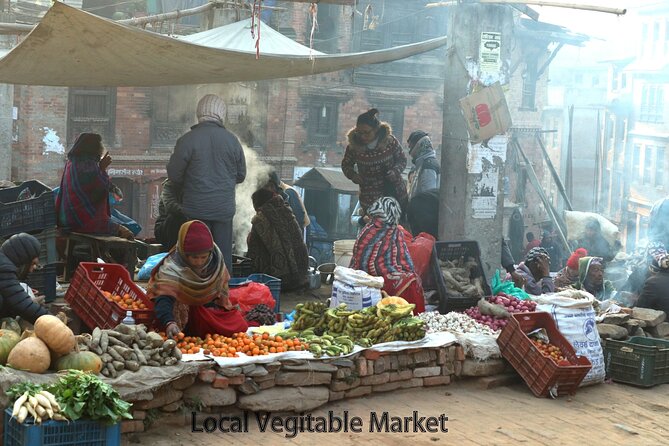
Stop 1: Asan market, where Kathmandu’s street life starts to make sense
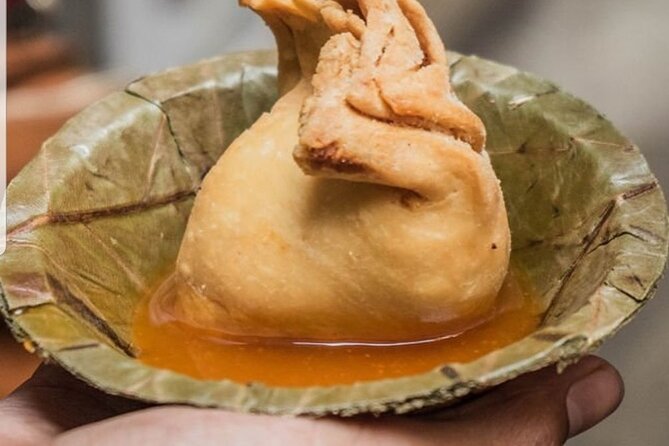
Asan is one of those places where your first reaction might be, wow, where do I even look. The tour solves that by meeting you and then accompanying you up into the busiest market areas while pointing out what you will see at each level.
In Asan, you are likely to notice three layers at once:
- stalls and street vendors selling everything from everyday snacks to ingredients
- older temples and small shrines that keep pulling people in
- the street-food flow where you watch ordering and eating happen in real time
You are also learning while you eat. The guide’s job here is not just to say what the dish is. They explain what you are looking at, how the market operates, and what the food connects to culturally. In feedback, guides are repeatedly called out for weaving in history and religion alongside food, and Asan is a natural place for that mix.
What to watch for: Asan is busy, and the streets can feel layered with crowds. If you are sensitive to close quarters, keep your expectations realistic, smile, and let the guide do the navigation.
More Food Tours in Kathmandu:
- Secret Food Tour – Food Bites and Sights Kathmandu 14+ Testings
★ 5.0 · 82 reviews - Kathmandu Secret Food Crawl & Local Market Tour
★ 4.7 · 54 reviews - Walking Food Tour in Hidden Local Eateries of Kathmandu
★ 5.0 · 40 reviews - Kathmandu Food Crawl & Market Tour
★ 5.0 · 26 reviews
Stop 2: Kathmandu Durbar Square and the food around temple life
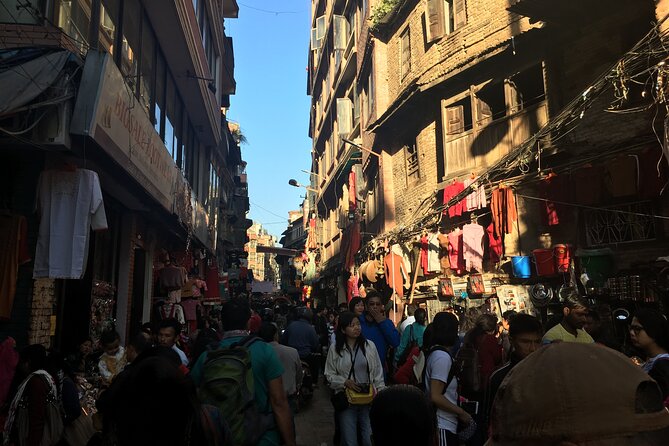
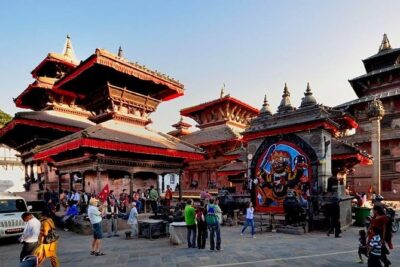
From Asan you move into Kathmandu Durbar Square, described as a 16th-century palace of Pratap Singh Malla. Even if you only have half a day, this is one of Kathmandu’s most recognizable cultural zones, and it pairs well with street-food tasting because people live their daily routines right next to heritage sites.
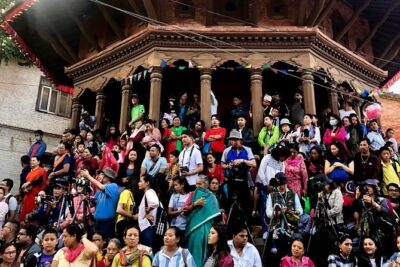
Here, the vibe shifts. You will encounter older shops that sell items like spices, tea, and cookies, and you will see crowds praying in the temples. Expect temple bells, incense smells, and that mix of color, people, and everyday commerce.
Why this stop matters for a food tour: Nepalese eating is tied to community spaces. Around temples and markets, food is not just fuel. It is part of celebration, daily rhythm, and hospitality. A good guide helps you see that, instead of treating snacks like random bites.
A practical note: the square can be crowded, and there is a lot happening in a small space. Wear shoes that grip well, and keep your phone secure. You are going to be stopping often, and you do not want to be constantly repositioning bags.
Vegetarian and vegan on this tour: it is built for it, not patched later
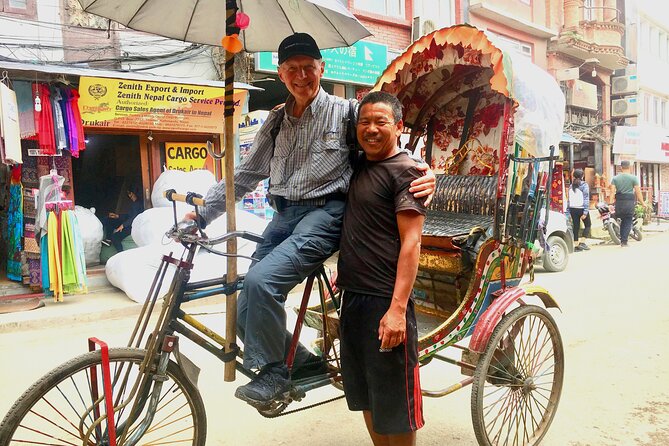
This tour explicitly says you can be catered to if you are vegan or vegetarian. The best part is that you are not told to just skip anything. You tell the guide your preference, and they tailor what you taste.
In the feedback, this flexibility gets mentioned in a few strong ways. One theme is that guides helped vegan diners eat a full route of plant-based options without feeling like they were being served leftovers. Another theme is that guides used local places that were safe and enjoyable, not just one token vegan dish.
If you are vegan or vegetarian, I recommend you do two things:
- tell the guide clearly at the start
- be ready for substitutions that still feel Nepali, not generic salads
Also remember the tour includes non-alcoholic drinks. Lassi and masala tea are common, but the guide can adjust choices if dairy or other ingredients are an issue for you.
The guide is the product: what makes this tour worth booking
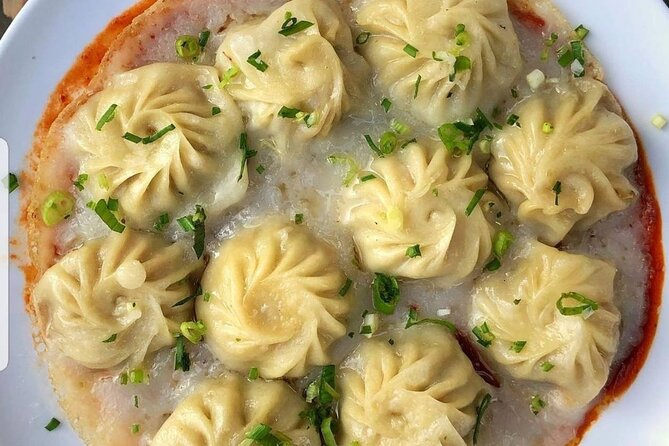
This is a guide-driven experience. The route is the framework, but the guide is what turns it into a story you actually remember.
Multiple guides are praised for being friendly and attentive, plus for explaining history and culture in a way that connects to food. Names that show up again and again include Raj, Kabita, Deepak, Anoj, RJ, Mai, and others. People specifically mention guides who are former chefs or who know Nepalese food deeply, and who pick excellent places to eat.
The other major praise is street navigation. Kathmandu streets around busy market and temple areas can be tricky. Guides are credited with helping people get through narrow alleys and crowded intersections without feeling lost.
One small but telling detail: one review specifically says the tour did not come with annoying shopping stops. That matters because it protects your time. When a food tour is mostly about buying things, you lose the whole point.
What you should eat like a pro (and how to avoid a food crash)
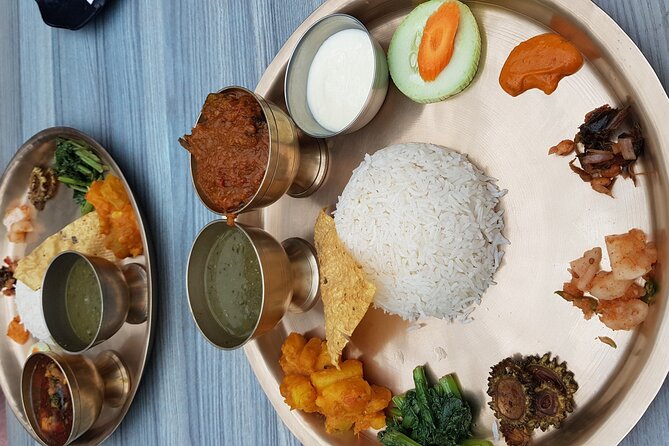
A food tour lives or dies on hunger. One piece of advice that comes up strongly: arrive with a small breakfast or no heavy meal before you go. You will likely taste far more than you think you can handle.
Here is a simple strategy that works:
- eat lightly before the tour, so you start hungry but not queasy
- drink water before you begin walking, then sip drinks during tastings
- go slow at the start. Your stomach will adjust once you get into the rhythm of stops
You also have a built-in tasting minimum. The tour requires at least five dishes and drinks, so even if you are cautious about what you try, you still get real variety. And because lunch is included, you have room to keep going.
If you have a sensitive stomach, go easy with spicy options early and let the guide help you choose. The point is to enjoy the flavors, not white-knuckle through the first two tastings.
Clothing, comfort, and safety that actually matter
Wear comfortable clothes. That sounds obvious, but it is a real factor here because you will be walking through dense street life with frequent stops. Think practical layers, and shoes you can wear for a few hours on uneven sidewalks.
You should also expect a bit of crowding. Market areas and temple zones pull people in constantly. Keep your bag secure and keep your attention where your feet are going, especially on tighter alleys.
If you are 18 or older, you can join. The tour is listed as 18+ only, so plan accordingly. Most travelers can participate, and the tour is private, meaning your group is the only group on the activity.
Value check: who this tour is for, and who should pass
This is a great match if you want:
- a structured way to eat street food in Kathmandu
- culture context that connects to meals, not just random snack stops
- vegetarian or vegan flexibility that a guide can actually adapt
- a walk that feels like a friend showing you the city, not a lecture
It is not the best fit if:
- you want a sit-down, low-walking experience
- you are extremely sensitive to crowds and narrow streets
- you only want alcohol, since alcoholic beverages are not included
The private format also helps. If you are traveling with a partner or want personal attention, this setup often feels more comfortable than larger group tours.
Quick practical FAQ before you commit
Is pickup included?
Yes. The tour offers pickup from your hotel, and it meets you with your guide.
How long is the Kathmandu street food walk?
It runs about 3 to 4 hours.
How many dishes and drinks will I try?
You will taste a minimum of five typical dishes and drinks, and lunch is included.
Does the tour work for vegetarians or vegans?
Yes. The tour says you can be catered to easily if you are vegan or vegetarian. Tell your guide your needs.
Are alcoholic beverages included?
No. Alcoholic drinks are not included in the scope of the tour.
Where does the tour start and end?
It starts at Kathmandu Guest House in Saathgumti-16, Kathmandu, and it ends back at the meeting point.
When can I book and run on the schedule?
The tour runs Monday through Sunday, from 11:45 AM to 6:00 PM.
Should you book this Kathmandu Walking Street Food Tour?
I think you should book it if you want a half-day plan that mixes real food access with city orientation. The Asan plus Durbar Square pairing is smart because it gives you both market energy and temple-area daily life, and that is exactly where Nepalese street food makes sense.
If you are vegan or vegetarian, I would treat this as a top candidate, because the tour explicitly tailors tastings instead of telling you to skip. And if you hate being pushed into shopping detours, this one is repeatedly described as staying focused on food and walking.
The only reason not to book is if walking in busy areas sounds miserable to you. If you can handle comfortable shoes, short pauses, and a crowd or two, this is one of the best ways to eat like a local in Kathmandu without guessing your way through the streets.
Latest Kathmandu write-ups
- Visit Swayambhunath and Bauddhanath Stupa with Guide★ 5.0 · 5 reviews
- 10 days Annapurna Base Camp Trek★ 5.0 · 5 reviews
- Langtang Trek from Kathmandu 7 Days★ 5.0 · 5 reviews
- Island Peak Climbing with Everest Base Camp★ 5.0 · 5 reviews
- 7 Day Kathmandu Pokhara Tour★ 4.5 · 5 reviews
- Everest Mountain Flight★ 5.0 · 5 reviews
- Kathmandu city day tour (4 world heritage sites)★ 5.0 · 5 reviews
- Chandragiri Hill Cable Car Tour with Hotel Transfers from Kathmandu★ 4.5 · 5 reviews
Walking Tours, compared.
Old Kathmandu Walking Tour, Historic World Heritage Durbar Square
Read our review →

Full-Day Safari Canoeing and Jungle Walk and Jeep
Read our review →Browse the lists this tour appears in