
Reviewed · YOGA & MEDITATION RETREATS
25 Days 300 Hours Advanced Yoga Teacher Training in Nepal
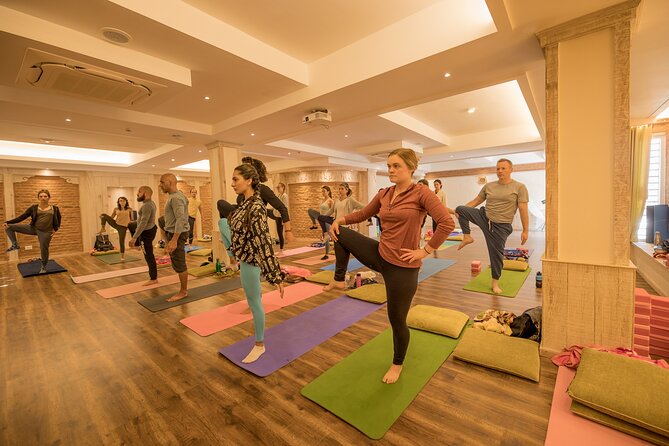
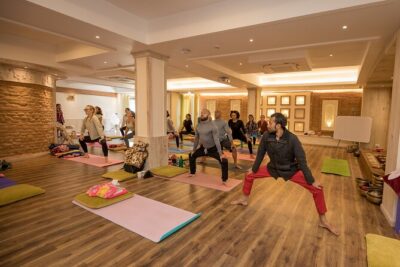
If you’re chasing a step up from routine practice, this 300-hour advanced yoga teacher training in Nepal is interesting because it treats training like a full-body, full-mind program. You’re in Kathmandu, at Nepal Yoga Home, with a steady daily schedule and a syllabus that mixes traditional yogic texts with modern teaching.
Two things I like right away: the training is built for intermediate and advanced practitioners, not absolute beginners. And the program promises hands-on balance, combining asana, pranayama, meditation, philosophy, anatomy, and alignment so your teaching foundation matches your real body and mind.
One consideration: it runs a long, focused day schedule (roughly 7 am to 7 pm, with Sunday lighter), so you’ll want a calm routine and moderate physical fitness before you jump in.
Key Highlights You’ll Feel Fast
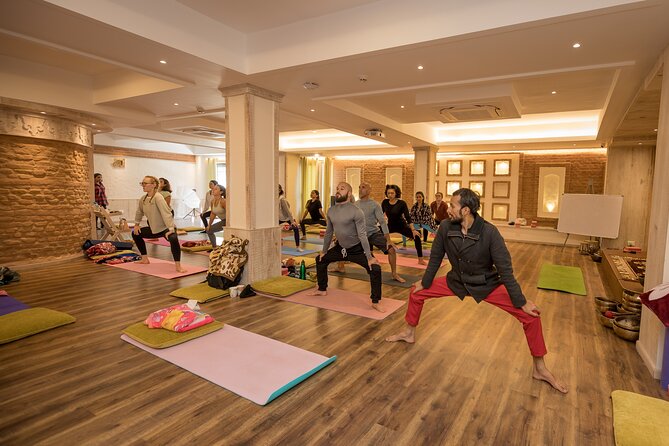
- 300 hours for advanced-level teaching skills focused on technique, breath, and inner practice
- Daily schedule with multiple classes (generally 5 to 6 per day) for steady progress
- Study plus practice including anatomy, alignment, and philosophy, not just poses
- Home-like atmosphere with supportive staff, including named welcomes like Tirtha and Shanti
- Meals are included (breakfast, lunch, dinner), with praise for fresh, healthy food
- Small group limit of up to 30 people, so you’re not lost in a crowd
300 Hours Advanced Yoga Teacher Training in Nepal: What You’re Actually Signing Up For
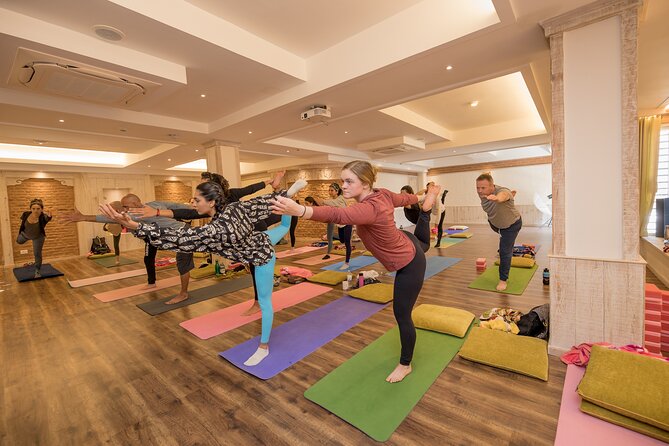
This isn’t a “come stretch, then go sightseeing” kind of yoga course. It’s a teacher training designed to change how you understand practice. The whole point of a 300-hour advanced YTT is that you stop treating yoga like a vibe and start treating it like a craft, with technique, theory, and responsibility built in.
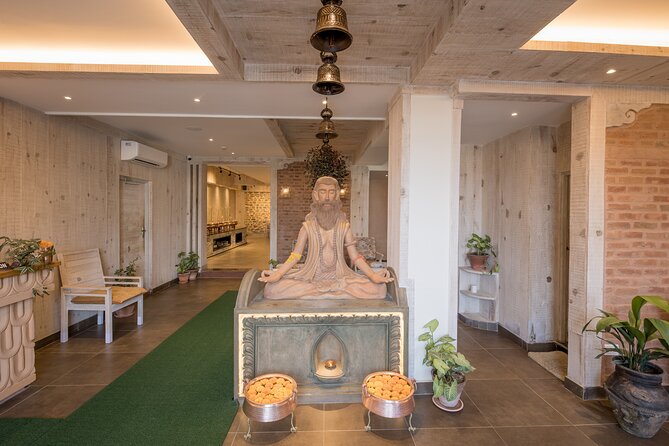
The setting matters too. Nepal Yoga Home is in Kathmandu, specifically at Tarkeshwor-5, and the vibe described is calm and friendly, with a family-style feel. That matters for advanced training because you’re not just improving flexibility. You’re building skill, confidence, and the ability to explain what you’re doing to someone else, even when the body gets complicated.
More Yoga & Meditation Retreats in Kathmandu:
Kathmandu Base at Nepal Yoga Home, and Why It Helps Your Practice
Staying at the school for the full 25 days is a big deal. You’re not commuting, not constantly changing routines, and not having to restart your learning rhythm every day. The address is Nepal Yoga Home, Tarkeshwor-5, Kathmandu 44600, and the location is described as near public transportation, so you have options without needing a private driver.
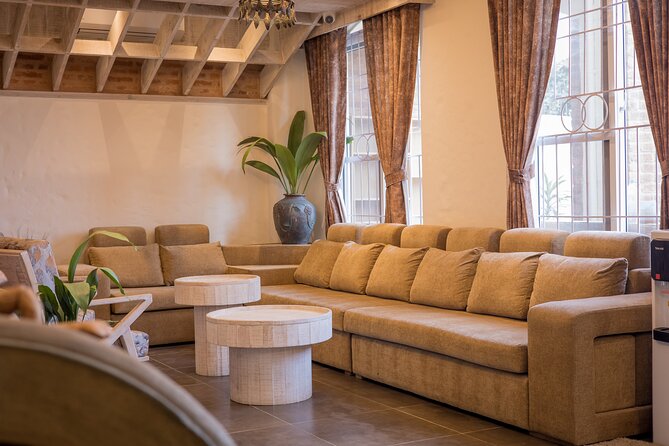
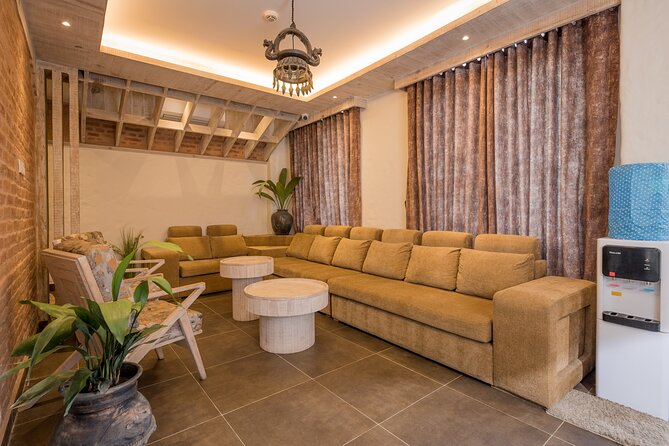
Accommodation quality is mentioned positively, including a new building that students found very comfortable. You’ll also want to notice the small signals of day-to-day support: friendly staff, helpful coordination, and a “you’re cared for” tone rather than an impersonal, assembly-line training environment.
One more practical point: the program caps group size at 30 travelers. That doesn’t guarantee deep personal attention, but it usually makes it easier for teachers to see what’s happening with your alignment and your breath work.
The Core Teaching Mix: Asana, Pranayama, Meditation, Philosophy, Anatomy, Alignment
A lot of yoga trainings claim balance. This one spells out the components, and the best part is how they connect. You’re not just learning sequences. You’re learning why sequences exist and how to teach them safely.
Here’s what the training covers, in plain terms:
- Asana (intermediate to advanced) so you refine control, not just range
- Breath work (pranayama) for managing energy and focus, not only relaxation
- Meditation as practice, not a break from practice
- Yoga philosophy so your teaching has meaning and language
- Anatomy so your cues map to how bodies actually work
- Alignment so you can teach the details that help students progress without guessing
In advanced teaching, the “how” becomes everything. Alignment is especially important because advanced poses can look correct while the body is doing something unsafe. Anatomy and alignment training helps you spot those patterns. Philosophy helps you avoid teaching like it’s only exercise.
A Typical Day’s Rhythm: Long, Structured, and Built for Repetition
The training runs roughly 7 am to 7 pm, six days a week. Sunday is lighter (you’ll still be part of the program, but your pace slows). The information also states you’ll get 5 to 6 classes each day.
That is a lot of yoga. The upside is repetition and steady mental conditioning. You practice what you learn, you hear the teaching again, and your body has time to register the cues. For advanced students, that kind of repetition is where real progress lives.
The downside is fatigue. Even if you’re fit, you’ll likely feel mentally stretched from constant learning plus physical work. My practical advice: plan on rest after classes. Don’t fill every evening with extra plans, because you’ll get more out of the training when your nervous system has time to reset.
More to compare around Kathmandu
- Everest Base Camp Trek – 14 Days
★ 5.0 · 1,499 reviews - Everest Base Camp Trek
★ 5.0 · 842 reviews - Private Kathmandu Sightseeing Tour | UNESCO World Heritage sites
★ 5.0 · 756 reviews - Kathmandu: 7 UNESCO Sites with Lunch
★ 4.8 · 744 reviews
Advanced-Level Asana Training: Control, Not Just Intensity
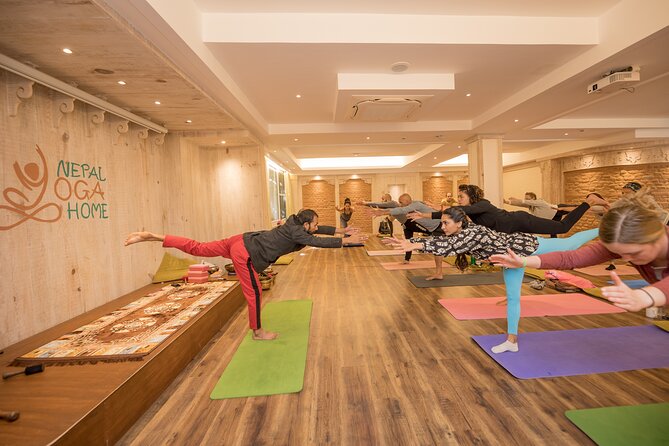
The training is explicitly aimed at intermediate to advanced students. That means you can expect more than entry-level foundations. You’re working on how poses are built: stance, joint mechanics, core engagement, breath coordination, and the kind of precision that improves both practice and teaching.
Also, the course describes daily engagement with multiple classes focused across dimensions of yoga. In practice, that usually means you’ll hit asana from different angles, not just one “workout style” session.
A practical takeaway for you: if your goal is teaching certification, you want to learn how to break down advanced poses. If your goal is personal growth, you want the same thing. Either way, you’ll leave with better tools to understand what’s happening in your own body, and why.
Pranayama and Meditation: Training Your Mind Like a Skill
Advanced yoga teacher training often gets heavy on poses and light on breath work. Here, breath and meditation are part of the core structure, not add-ons.
Why that matters:
- Pranayama helps you move through intensity with control, rather than simply “pushing harder”
- Meditation builds the ability to stay present when the body gets uncomfortable, and when teaching requires calm attention
You’ll also benefit if you’re the type who likes explanations. The program combines these practices with philosophy, so your inner experience gets language and framework.
Philosophy, Anatomy, and Alignment: The Teaching Tools Behind the Magic

If you want to teach with confidence, anatomy and alignment are what make your instructions credible. Without that, you rely on vibes and vague cues. With it, you can teach with clarity.
The training includes:
- Yoga philosophy as a foundation for your teaching and your practice ethic
- Anatomy to better understand movement patterns, strain risk, and body behavior
- Alignment so you can cue safely and effectively
And because the school claims a mix of traditional and modern styles, you get a teaching approach grounded in ancient yogic texts, while still being practical for today’s students. That combination often helps you avoid extremes, like either becoming too academic or staying too purely physical.
Food and Daily Care: Included Meals, Supportive Staff, and a “Family” Feeling
Let’s talk logistics that actually affect your training. Meals are included: breakfast, lunch, and dinner. Multiple parts of the experience are praised for being healthy, fresh, and supportive for a long training month.
That’s not a small thing. If you’re doing 5 to 6 sessions a day, your body needs reliable fuel. When meals are handled well, you can focus on training instead of searching for snacks.
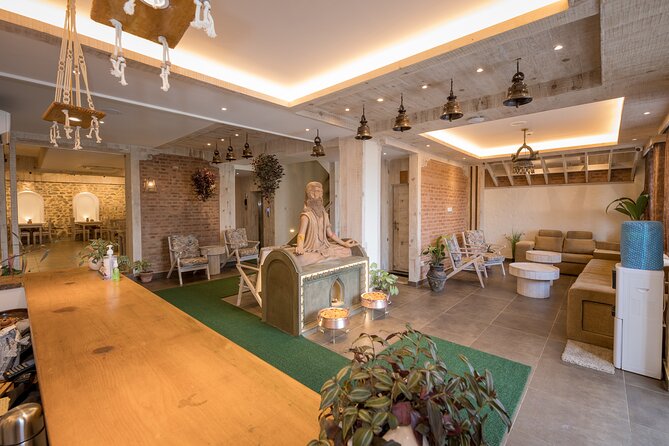
The staff experience is also a standout theme. Students describe warmth and personal care, with a family-like feel and gratitude directed at teaching staff and administration. Names like Tirtha and Shanti come up as part of that welcoming atmosphere.
That’s the kind of environment that can make advanced learning easier, because you feel comfortable asking questions and receiving correction.
Learning From Experienced Teachers (and Still Getting Help After)
This course claims expert teachers who have been teaching for a long time, and the tone from participant feedback is that sessions are deeply impactful. Just as important, the school says teachers help even after completion.
As a practical decision tool for you, ask yourself what you want after your training ends. If you plan to teach soon, ongoing support matters. It helps you refine your syllabus, handle real student questions, and avoid the common problem of feeling confident in theory but unsure in practice.
Who This Advanced 300-Hour Training Suits Best
This training is designed for:
- Intermediate to advanced practitioners who want to teach or teach better
- People who like structured learning and want both theory and practice
- Students who care about technique, breath control, and alignment details
- Anyone who prefers a peaceful, home-like environment over a party-style retreat
It may feel like too much if:
- You’re a brand-new yogi, because advanced asana and deeper theory are part of the plan
- You don’t like long days and frequent classes
- You want a lighter wellness retreat rather than a teacher-training focus
Price and Value: How $2,500 Fits a 25-Day, 300-Hour Commitment
The price is $2,500 per person for an approximately 25-day training and 300 hours. That’s not “cheap,” but yoga teacher training is rarely cheap anywhere, and advanced training with multiple daily classes tends to cost more because teacher time and curriculum time are higher.
Here’s where the value logic becomes clearer:
- Meals are included (breakfast, lunch, dinner), so you’re not adding daily food costs
- The training covers a full mix of practical plus academic components (asana, pranayama, meditation, philosophy, anatomy, alignment)
- It’s designed as accredited yoga teacher training with Yoga Alliance certification mentioned for the school’s courses
- Group size is limited to 30, which usually supports a more functional learning environment
For you, the question isn’t only cost. It’s whether the course is the right match for your current level and goals. If you want a real teaching foundation and you’re serious about advancing your practice, the price can feel fair for what’s included. If you just want a short reset, you’ll likely find better value in a shorter retreat.
Logistics You Should Plan Around (Without Making It a Headache)
Start time is listed as 7:15 am, and the program begins at Nepal Yoga Home. The end point returns you back at the meeting point.
You’ll want to bring a mindset for:
- Long days and consistent practice
- Moderate physical fitness, since advanced asana is part of the program
- A willingness to study as well as move
The experience provider uses a mobile ticket. It’s also confirmed that the training is suitable for monthly sessions, meaning you can line up your timing with your year.
Should You Book This 300-Hour Advanced Yoga Teacher Training in Nepal?
Book it if you want an advanced teacher training that’s serious about the full picture: practice, breath, meditation, philosophy, anatomy, and alignment, all in one place. I’d also lean toward it if you like being cared for, because the “family-like” welcome and the supportive staff vibe comes through strongly, including named staff like Tirtha and Shanti.
Skip it if you want something more casual or if you’re not ready for a schedule that runs most of the day for nearly a month. This is training, not a light wellness break.
If your goal is to level up your practice and build real teaching confidence, this one makes sense.
FAQ
Where does the 25-day 300-hour training take place?
It starts at Nepal Yoga Home, Tarkeshwor-5, Kathmandu 44600, Nepal, and ends back at the meeting point.
How long is the course and how many hours is it?
The duration is approximately 25 days and the training is 300 hours.
What time does the training start each day?
The start time is 7:15 am.
What is the daily schedule like?
You are engaged 7 am to 7 pm, six days a week. Sunday is the only lighter day mentioned.
How many classes are there per day?
You will get about 5 to 6 classes each day.
What’s included in the price?
Included are admission to Nepal Yoga Home, all fees and taxes, and meals: breakfast, lunch, and dinner.
What is not included?
Not included are food of your personal interest, international and domestic flights, and laundry.
Who can join?
Travelers should have a moderate physical fitness level, and the training is described as suitable for intermediate and advanced level students.
What is the group size limit?
The maximum group size is 30 travelers.
What if the weather is poor?
The experience requires good weather. If it’s canceled due to poor weather, you’ll be offered a different date or a full refund.
Latest Kathmandu write-ups
- Langtang Valley Trek★ 5.0 · 3 reviews
- Langtang Valley Trek from Kathmandu★ 5.0 · 3 reviews
- Khopra Danda Trek★ 5.0 · 3 reviews
- 5 night / 6 days Kathmandu Nagarkot Chitwan Pokhara tour★ 5.0 · 3 reviews
- Nepal Highlights Tour: 5 Nights 6 Days Kathmandu & Pokhara Tour★ 5.0 · 3 reviews
- Kathmandu Valley Private Day Tour★ 5.0 · 3 reviews
- Kathmandu Heritage Day Tour★ 5.0 · 3 reviews
- Conquer the Himalayas: The Ultimate 16-Day Annapurna Circuit Trek★ 3.5 · 3 reviews
Yoga & Meditation Retreats, compared.
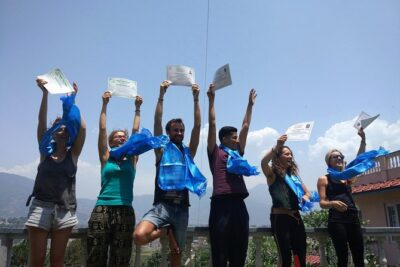
500 hours Advanced Yoga Teacher Training at Nepal Yoga Home (Every 1st of month)
Read our review →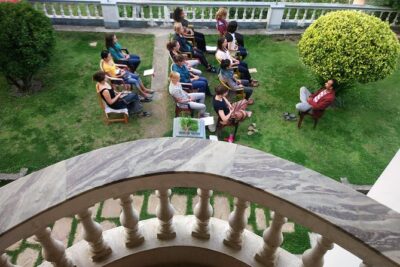
200 Hours Yoga Teacher Training at Nepal Yoga Home (starts on 1st of everymonth)
Read our review →
3 night 4 Day Yoga & Ayurveda Retreat to Detox the Body & Mind, Nepal
Read our review →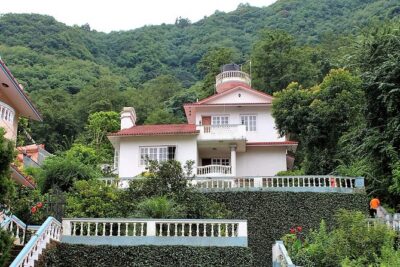
21 days Himalayan yoga retreat in Nepal in Kathmandu
Read our review →
10 Days Ayurveda & Yoga Retreat in Kathmandu, Nepal
Read our review →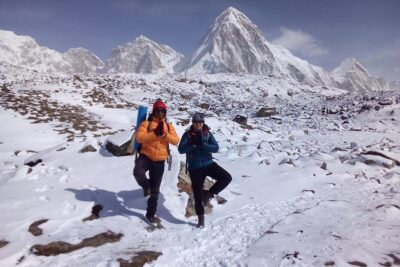
21 Day Ayurveda & Yoga Retreat in the Himalayan country, Nepal
Read our review →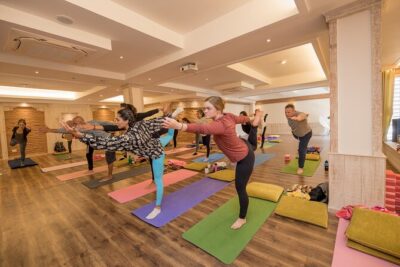
14 Day Ayurveda + Yoga Detox Retreat in Nepal
Read our review →Browse the lists this tour appears in