
Reviewed · UNESCO WORLD HERITAGE SITES
4 UNESCO City Sightseeing in Kathmandu
What makes this experience interesting is how efficiently it strings together Kathmandu’s most important heritage sites into one full day. You get a guided route through four UNESCO stops, plus hotel pickup and drop-off, so you spend less time figuring out logistics and more time actually looking.
What I like most is the focus on major heritage landmarks without turning the day into a chaotic checklist. I also like that the pacing is guided and human, and the feedback especially calls out guide Saru for being friendly and compassionate.
One possible drawback is that admission tickets are not included, so you will want to plan for that cost. Also, lunch is not included, so you should budget time and money for a meal on your own.
Key Things to Know Before You Go
- Four UNESCO heritage sites in one day keeps travel between places from eating up your time
- Private, air-conditioned vehicle makes the inter-site ride comfortable
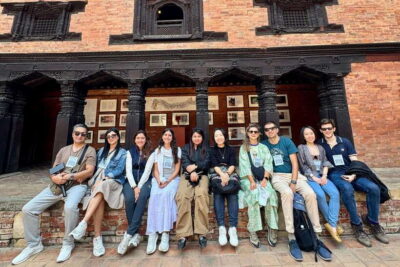
- Small group up to 15 people helps you get more direct answers from your guide
- Guided stops at Durbar Square, Swayambhunath, Pashupatinath, and Boudhanath cover the core story of Kathmandu Valley
- Hotel pickup and return drop-off reduces hassle, especially on a first visit
A Four-UNESCO Day That Helps You Get Your Bearings Fast
If you’re arriving in Kathmandu and everything feels spread out, this type of tour is exactly the kind of structure that helps. The Kathmandu Valley sites you care about are not lined up in a neat downtown circle. They are separated by neighborhoods, traffic, and uphill or downhill walks. Having a plan, plus a driver, makes the day feel like one smooth itinerary instead of four separate errands.
This one works because it targets the big heritage anchors: Kathmandu Durbar Square, Swayambhunath, Pashupatinath, and Boudhanath. You are not just looking at buildings. You are getting the cultural framing for why each place matters to Nepal’s Hindu and Buddhist traditions, and how they connect to the city’s historic shifts in power.
The schedule also gives you a real window at each stop. You are not rushed in a “five minutes, next!” way. You get about 2 hours at Kathmandu Durbar Square and roughly 1 hour each at the other three sites, with driving time filling out the total 6 to 7 hours.
More City Tours in Kathmandu
- Private Kathmandu Sightseeing Tour | UNESCO World Heritage sites
★ 5.0 · 756 reviews - Kathmandu: Private City Guided Tour
★ 4.9 · 174 reviews - Kathmandu Private Sightseeing Tour | UNESCO World Heritage Sites
★ 5.0 · 109 reviews
Price and Value: What $50.50 Really Buys You
At $50.50 per person, this is priced like a practical city tour, not a luxury guided bubble. The key value is what’s bundled: a professional guide, private transportation, and round trip transfer from your hotel in an air-conditioned vehicle.
Here’s how I’d think about it. If you tried to do this on your own, you would likely pay for a driver, spend time coordinating the route, and still need a way to understand what you’re seeing at each UNESCO stop. That guide piece is not small. Kathmandu’s heritage sites are dense with symbolism, religious practice, and layered history, and the tour is designed to explain that as you go.
Two things to watch so the price stays good value:
- Admission tickets are not included, so the final spend will be a bit more than the headline price.
- Lunch is not included, which means you should plan a meal either before the tour starts or during your own time break after.
If you’re the type of traveler who hates wasting daylight on logistics, this price tends to feel fair, because your time is doing the heavy lifting.
Private Vehicle Comfort Between Sites (And Why It Matters in Kathmandu)
Kathmandu can be a workout day if you stack too many things back-to-back. The terrain and road time are real, and traffic can change your pace. This tour handles that with a private vehicle and air-conditioning, plus pickup and drop-off at your hotel.
That comfort isn’t just a luxury feel. It changes the whole rhythm. You arrive at each site less drained, you can actually focus on details while you’re there, and you’re not walking in that end-of-day haze where you stop absorbing anything.
There’s also a practical benefit: a private vehicle helps you keep the itinerary order. The four stops are sequenced logically across the valley, so you spend less time zigzagging through town.
Kathmandu Durbar Square: Where Power Turned Into Heritage
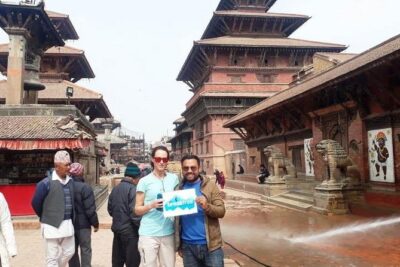
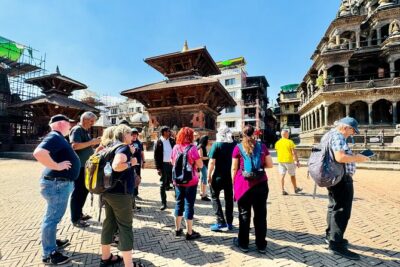
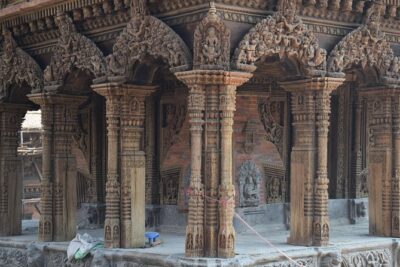
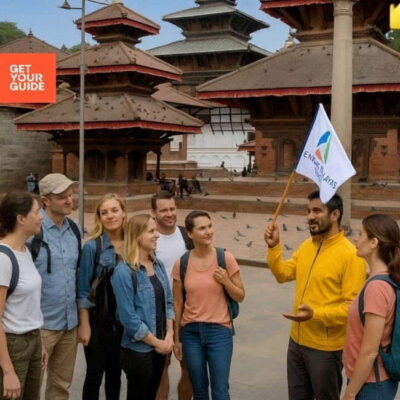
Kathmandu Durbar Square is the kind of place where you can feel the city’s layers without needing a museum ticket. It was once the royal palace area for the Malla kings and later the Shah dynasty, and it dates back to the 12th century. Even if you’re not a walking-history person, the setting makes it obvious that this was the political and ceremonial heart of the city.
On this tour, you get about 2 hours here, which is the right amount of time. Durbar Square is not just one building. It is a complex area, and you’ll want enough minutes to look, pause, and understand what you’re seeing. A guide helps connect the dots between architecture, dynasties, and why the square became a central stage for major moments like coronations.
Practical tips for making the most of this stop:
- Wear shoes you can trust on uneven surfaces, because heritage squares often have older stone and irregular footing.
- Expect a “watch and learn” vibe. You’ll likely see people moving through the area as part of everyday life, not just tourists taking photos.
Possible drawback: since admission is not included, you may need to pay separately to enter certain parts. That’s common at heritage sites, but it means you should be ready with cash or whatever payment method the site accepts.
More UNESCO World Heritage Sites in Kathmandu:
- Kathmandu: 7 UNESCO Sites with Lunch
★ 4.8 · 744 reviews - Kathmandu: Full Day 7 UNESCO Tour with Lunch – Private/Group
★ 5.0 · 415 reviews - Kathmandu: Full Day Top 4 UNESCO Tour with Lunch – Private/Group
★ 5.0 · 269 reviews - UNESCO Seven World Heritage Tour in Kathmandu
★ 5.0 · 253 reviews
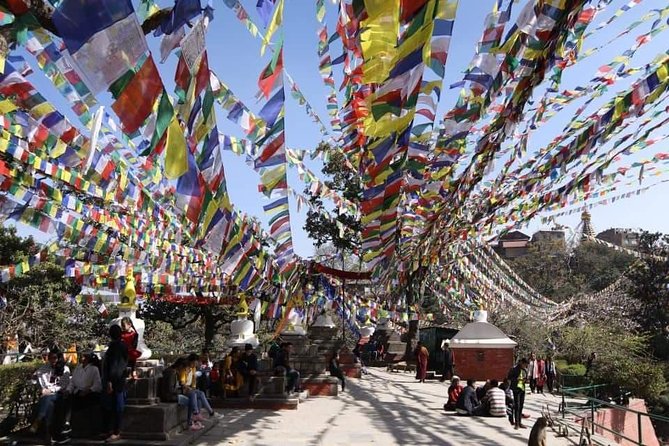
Swayambhunath Stupa: A Hilltop Stop With Big Religious Meaning
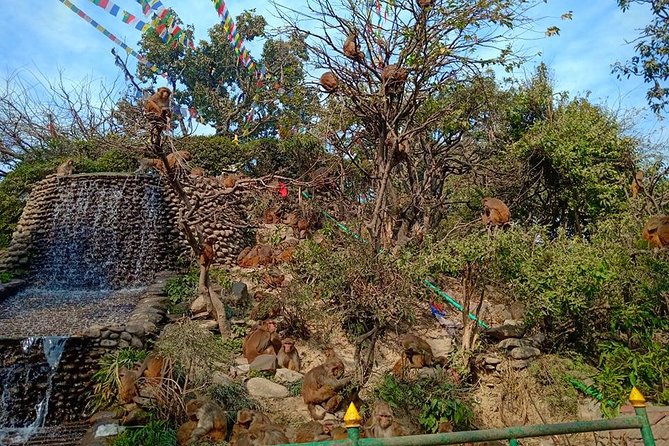
Next up is Swayambhunath Stupa, described as one of the oldest religious sites in Nepal, with origins believed to be more than 2,000 years old. The legend says the stupa appeared spontaneously from a lotus flower. Whether you treat that as spiritual teaching or cultural storytelling, it gives you a meaningful lens for what you’re looking at.
This stop is about 1 hour, and for a hilltop site, that’s a workable amount of time. You’ll be able to take in the stupa itself, observe ongoing devotion around the site, and still keep your energy for the next two major stops.
What makes this one special in a guided itinerary is the interpretation. Swayambhunath is not just a photo point. It’s a place where Buddhist tradition is physically present and socially active. A good guide will help you understand the symbols and how the site fits into Kathmandu Valley’s broader religious mix.
Practical consideration: it is a hilltop location, so plan for some uphill walking. You don’t need to be an athlete, but comfort shoes and a steady pace matter.
Pashupatinath Temple: Shiva’s Sacred Ground in Daily Use
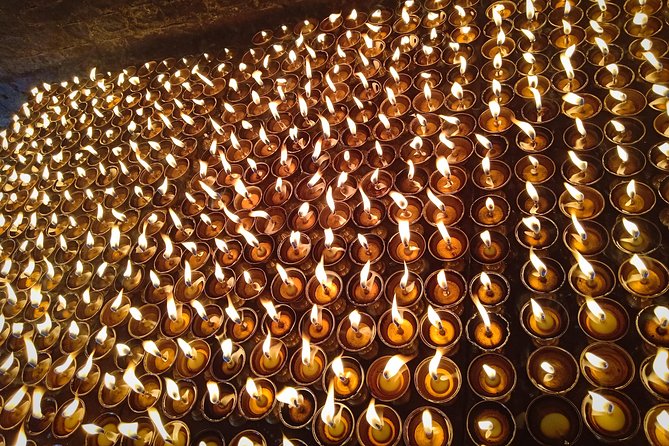
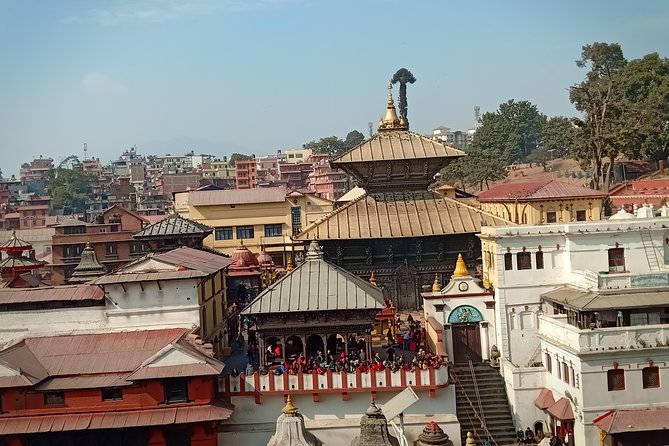
Pashupatinath Temple is dedicated to Lord Shiva and dates back to around 400 A.D., which is incredibly old for a sacred site that still functions as a living religious center. It was rebuilt by King Bhupatindra Malla in the 17th century after earlier work was damaged, and that historical thread adds depth to what you see.
You get about 1 hour at Pashupatinath, which is enough to understand the scale and the spiritual atmosphere without feeling like you’re rushing through something sacred.
Here’s what I find valuable about having a guide at Pashupatinath. Even if you know the basics of Hindu worship, sites like this have layers: where people focus attention, how devotees behave, and what certain spaces are used for. That context is exactly what turns a quick look into understanding.
Practical consideration: like the other stops, admission tickets are not included, so some areas may require separate payment. Also, temples and religious spaces usually have rules about behavior and where you can go, and those rules can matter more than usual. Let your guide set the expectations at the start and you’ll waste less time figuring it out on the fly.
Boudhanath Stupa: Tibetan Buddhism and One of the World’s Largest Stupas
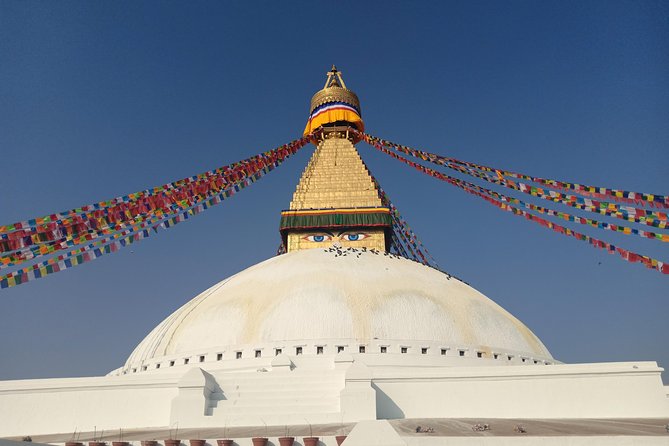
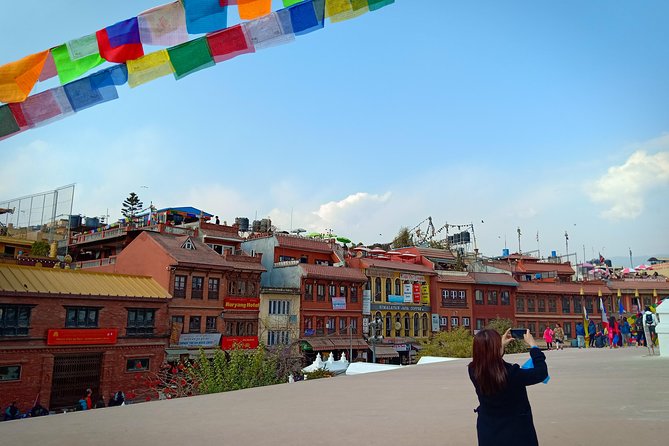
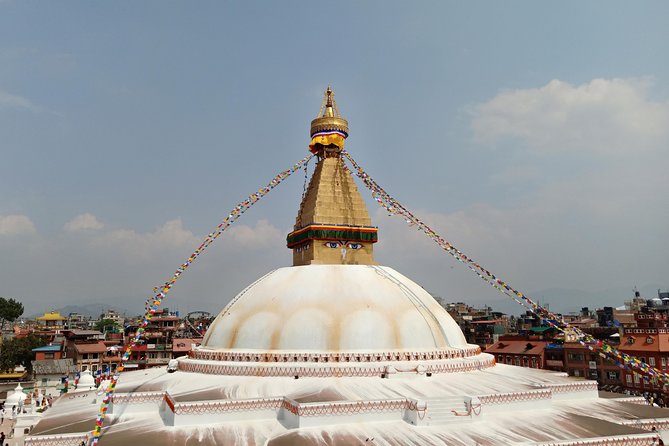
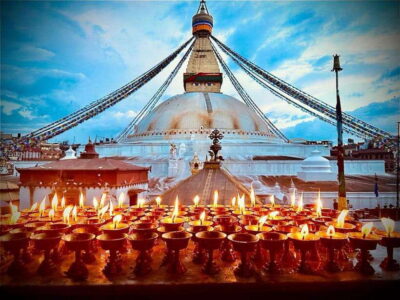
Boudhanath Stupa is iconic, and the tour doesn’t treat it like a drive-by. You learn that it was built in the 5th century and became a major center for Tibetan Buddhism after refugees fled to Nepal. It is also described as one of the largest stupas in the world, which is one of those facts that helps you see why the area feels different than smaller religious sites.
This stop is also about 1 hour, and the time is right. Boudhanath is a place where you can watch ritual activity, notice details, and feel the atmosphere without needing to sprint to the next viewpoint.
A guide adds value here because Tibetan Buddhist practice has specific visual and symbolic elements, and the surrounding complex has its own rhythm. When you understand what you’re looking at, the experience becomes less about taking a single picture and more about reading the place.
Practical tip: this is a good spot for slowing down. If you keep your mind on what the stupa represents and why it became central for Tibetan communities in Nepal, your hour will feel longer in the best way.
Guide Time Matters, and Saru’s Name Keeps Coming Up
One of the strongest signals from the experience feedback is about the guide. The feedback highlights Saru, describing her as excellent, very friendly, and compassionate.
That kind of guide quality matters on a heritage tour, because you’re not just collecting facts. You’re learning how to interpret cultural sites respectfully and accurately. A friendly, compassionate guide tends to answer questions without making you feel rushed, and that makes a difference at places where visitors can feel unsure about how to behave.
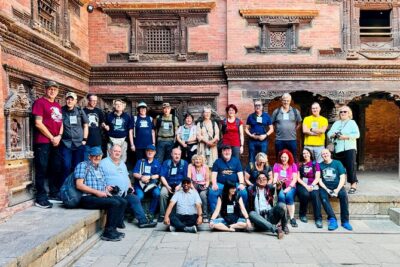
This is also where the small-group approach helps. With a maximum of 15 travelers, the guide can stay responsive. You’re less likely to get stuck in a one-size-fits-all script.
If you care about getting context, this tour is a good match because it’s built around guided cultural background, not just moving between landmarks.
Timing, Pacing, and What the Day Really Feels Like
The full experience runs about 6 to 7 hours. With four main stops and a guided pace, you’re likely to spend roughly:
- Durbar Square: 2 hours
- Swayambhunath: 1 hour
- Pashupatinath: 1 hour
- Boudhanath: 1 hour
- plus transit time and a little time buffer for movement and setup
This kind of pacing is a sweet spot for first-time visitors. It’s enough time to see the essentials, but not so long that you lose the whole day to fatigue. It also gives you a predictable rhythm, so you can plan what you’ll do after. If you still have energy in the late afternoon, you can use it for lighter activities, shopping, or extra walking you choose yourself.
One timing note: since lunch isn’t included, you’ll want to plan for how you’ll eat without rushing. Even a simple snack strategy helps, because the day’s main value is in your attention, not in making a major meal decision while you’re already on the move.
Who Should Book 4 UNESCO City Sightseeing in Kathmandu
This tour fits especially well if you:
- Are in Kathmandu for a short time and want the highest-impact heritage route
- Prefer small-group guidance over wandering alone
- Want hotel pickup and drop-off to keep things simple
- Like cultural context, not just photos
It may feel less ideal if you:
- Want a tour that includes lunch and all site fees without any extra payment
- Have very specific interests that require deeper time at only one or two sites
- Dislike walking at hilltop locations, since Swayambhunath is in a hilltop setting
Also, if you’re going in a group with friends, it can help that the tour lists group discounts, though the exact savings depend on how the operator applies them.
Should You Book This UNESCO Kathmandu Tour?
I think this is a strong choice if you want a guided, efficient UNESCO loop that respects the reality of getting around Kathmandu Valley. The value comes from the combination of professional guidance, private air-conditioned transport, and hotel transfers, plus a schedule that gives each site real attention.
Book it if:
- You want the big four heritage stops in one day
- You like learning as you go, with someone explaining cultural meaning
- You want a small-group feel with a guide you can actually talk to, including Saru
Skip it or consider another option if:
- You prefer to design your own route
- You want lunch and admission included in the one price
- You are looking for a slower, more in-depth day focused deeply on just one site
If your priority is get oriented, see the icons, and understand what they mean, this tour does the job.
Latest Kathmandu write-ups
- Langtang Valley Trek★ 5.0 · 3 reviews
- Khopra Danda Trek★ 5.0 · 3 reviews
- Langtang Valley Trek from Kathmandu★ 5.0 · 3 reviews
- 5 night / 6 days Kathmandu Nagarkot Chitwan Pokhara tour★ 5.0 · 3 reviews
- Nepal Highlights Tour: 5 Nights 6 Days Kathmandu & Pokhara Tour★ 5.0 · 3 reviews
- Kathmandu Valley Private Day Tour★ 5.0 · 3 reviews
- Kathmandu Heritage Day Tour★ 5.0 · 3 reviews
- Conquer the Himalayas: The Ultimate 16-Day Annapurna Circuit Trek★ 3.5 · 3 reviews
UNESCO World Heritage Sites, compared.
Private Kathmandu Sightseeing Tour | UNESCO World Heritage sites
Read our review →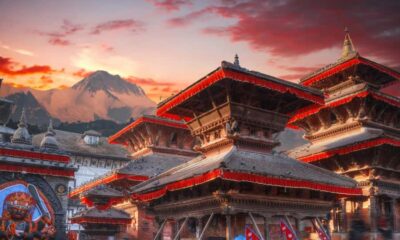
Browse the lists this tour appears in