
Reviewed · HISTORICAL TOURS
7-Heritage of Kathmandu: At your comfort 1-Day Tour
Seeing seven UNESCO World Heritage sites in Kathmandu Valley in one day sounds intense, yet this tour is paced to feel manageable instead of rushed. You move seat by seat with a private air-conditioned vehicle, so you spend more of the day looking at temples and less of it stuck in heat.
Two things I especially like: the chance to see Kumari, the Living Goddess, and the way the day blends Hindu and Buddhist sacred spaces in a logical flow. One thing to keep in mind is that it’s still a long day, with real Kathmandu traffic and a lot of walking at several different sites.
Quick hits before you go
- Private AC vehicle all day helps when Kathmandu weather is doing its thing
- Kumari viewing at Kathmandu Durbar Square is the signature moment
- A mix of Hindu and Buddhist sites keeps the day from feeling repetitive
- Lots of art and architecture across Durbar Squares and major temples
- Scheduled lunch break (the meal itself is not included, but there’s time to eat)
- Express security check can save you some waiting time
A calm way to tackle 7 Kathmandu UNESCO sites in one day
This is the kind of tour I like for a first trip, when you want the big-name sights but you do not want to play frantic route-planning games. The value is the structure: a guide who can point out what you are looking at, and a comfortable vehicle that keeps you moving.
The “relaxed and un-rushed” part matters. In Kathmandu Valley, you can accidentally turn a day of sightseeing into a day of confusion. Here, you are guided from one heritage site to the next with enough time to look, pause, and ask questions without feeling whipped along.
You should still plan for a full 10 hours. The magic is that the day is paced for comfort, but the geography means you’ll be transitioning often and walking at each stop.
More Day Trips in Kathmandu
- Kathmandu: 7 UNESCO Sites Tour in 1 Day (Private Tour)
★ 4.9 · 204 reviews - Day Trip to Bhaktapur and Panauti from Kathmandu
★ 5.0 · 184 reviews - 1 Day Kathmandu Valley Sightseeing Tour
★ 5.0 · 37 reviews
Getting started: pickup, express security, and that AC car feeling
Your day begins with hotel pickup in Kathmandu, usually about 5 to 10 minutes before the scheduled time. From there, you go straight into the first major stop, so you get momentum right away instead of wasting the morning.
A practical win is the express security check, which can help you avoid extra queues at heritage sites. Bottled drinking water is included, and that’s not a small detail in Kathmandu.
The biggest comfort factor is the private air-conditioned vehicle. Kathmandu traffic can be chaotic, and that is exactly when AC stops being a luxury and starts being a lifesaver for your energy level. The tradeoff is simple: you are still riding through traffic, so bring patience in your mental backpack.
Kathmandu Durbar Square and the Living Goddess Kumari
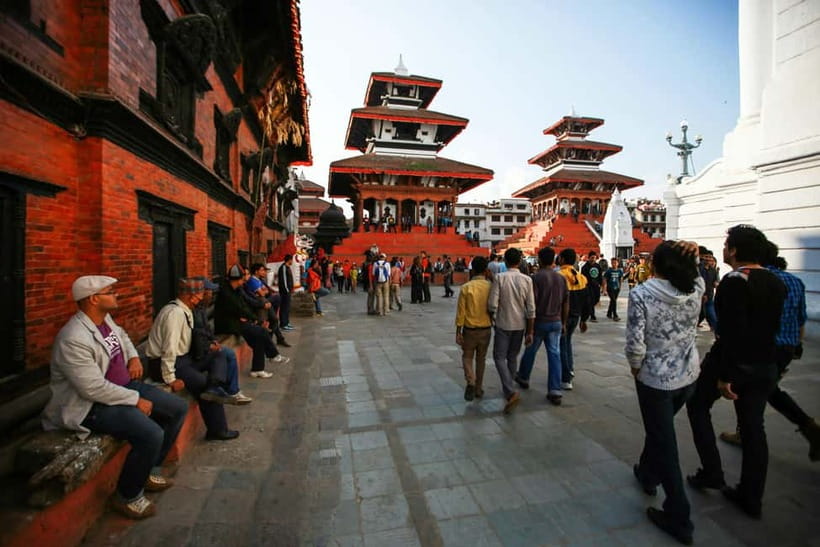
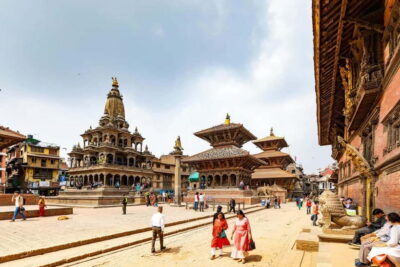
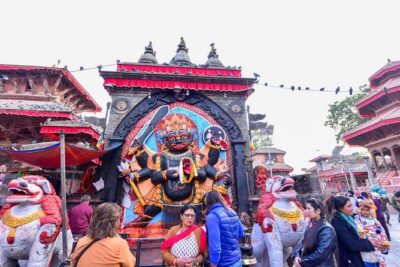
The day kicks off at Kathmandu Durbar Square, a former royal palace complex. Even if you know nothing about Nepali history, you’ll feel the difference right away. Durbar Squares were the political and cultural heart of royal dynasties, and the courtyard layout makes it easy to understand why people treated these spaces as more than just tourist stops.
This is also where you have the chance to witness Kumari, the Living Goddess. The Kumari resides within the palace complex, and seeing her is one of those Kathmandu moments that feels both deeply traditional and completely unique.
What I find useful here is focusing your attention on the palace courtyard spaces and the surrounding details, not just hunting for a single view. A good guide will help you understand how Kumari relates to local beliefs and temple life, so you leave with context instead of just photos.
Swayambhunath Monkey Temple: the climb, the views, the ritual feel
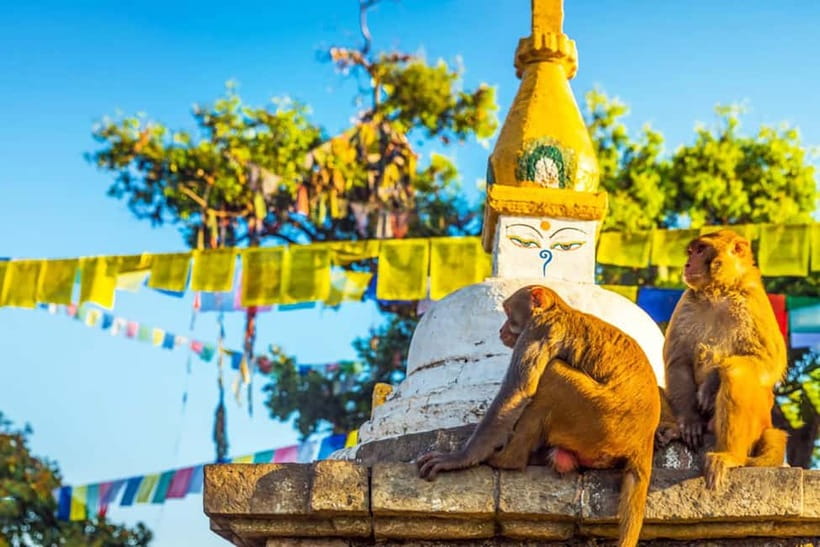
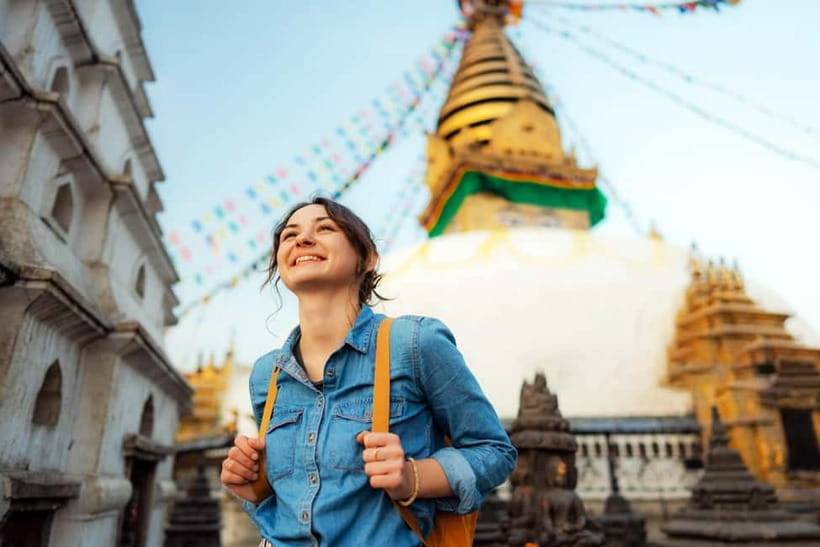
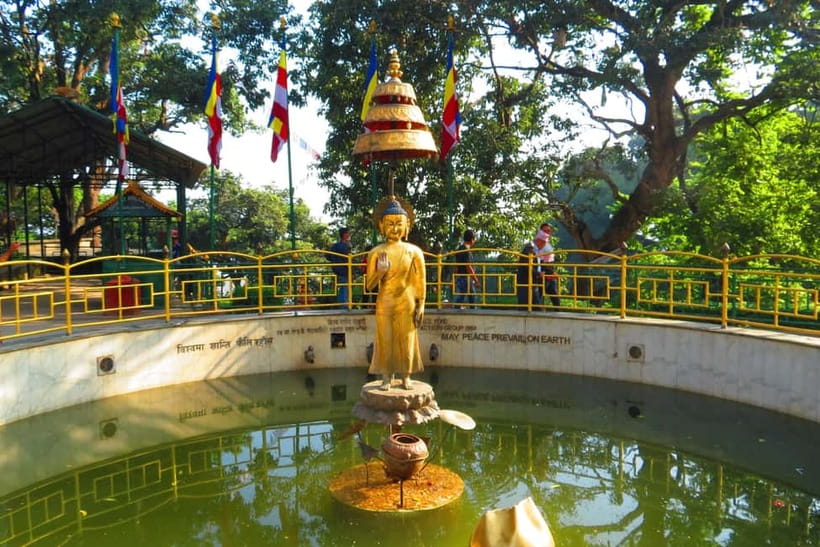
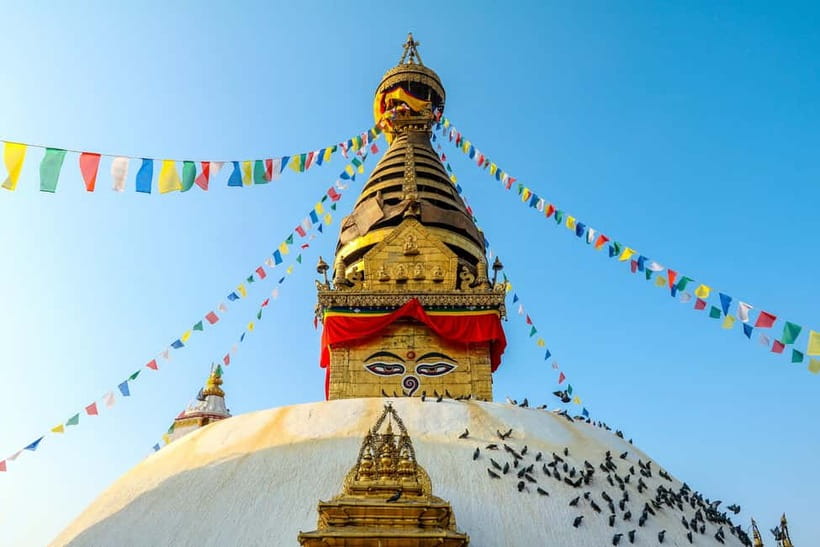
After a short drive, you head uphill to Swayambhunath Temple, often called the Monkey Temple. This complex is believed to date back to the 4th century AD, and when you’re on the grounds you can feel the age in the way the site functions as a living place of worship rather than a museum.
Yes, there are monkeys. The playful antics can be entertaining, but they also make you behave more carefully: watch your belongings, move steadily, and do not try to interact. You’ll also notice that locals and pilgrims treat the area with focus and routine, which adds to the spiritual tone.
A 45-minute guided visit is enough to get your bearings, see major features, and walk at a pace that does not feel like you’re rushing uphill for nothing. If you want good views, arrive with comfortable shoes and a willingness to pause. The best moments come when you stop moving for a minute and look around.
More Historical Tours in Kathmandu:
- Kathmandu: Private UNESCO World Heritage Site Tour
★ 4.9 · 47 reviews - Private Kathmandu UNESCO World Heritage Sites Tour
★ 4.8 · 28 reviews - Pick 2-Wonders of Kathmandu: A 3-Hour Heritage Hop
★ 5.0 · 22 reviews - UNESCO Five World Heritage Tour in Kathmandu
★ 5.0 · 12 reviews
Patan Durbar Square: where the Malla kings left their fingerprints
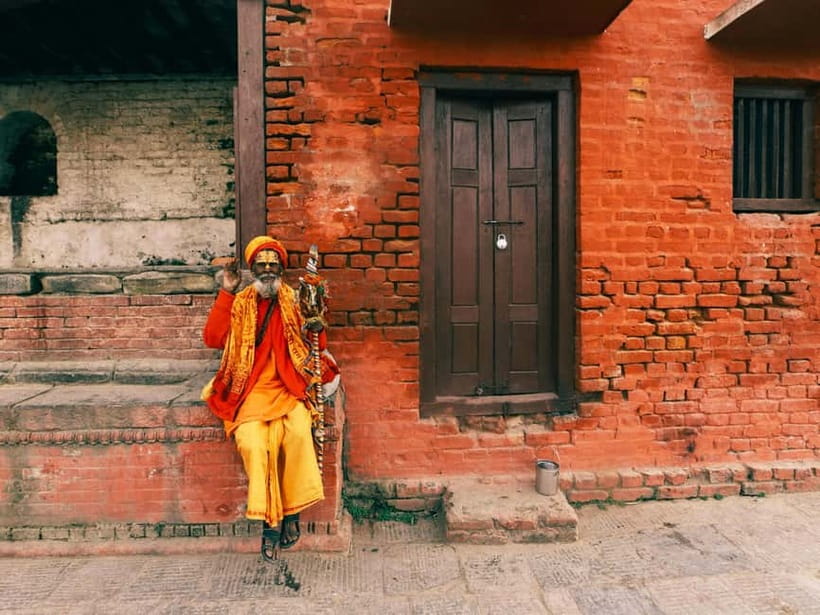
Next comes Patan Durbar Square in Lalitpur, the former royal seat of the Malla Kings. If Kathmandu Durbar Square feels like the old royal center of the Kathmandu kingdom, Patan feels like its own artistic universe.
You’ll spend about an hour guided here, and that timing is smart. Patan’s temples, courtyards, and stone work reward slow looking. You do not need to memorize names to enjoy the place, but your guide should help you notice patterns: how architecture reflects power, faith, and craft.
What I like about this stop is the shift in perspective. It reminds you that Kathmandu Valley heritage is not one single story. It’s multiple cities, competing and collaborating through different eras, all leaving visible traces.
Bhaktapur Durbar Square: 55-Window Palace, Golden Gate, and Nyatapola Temple
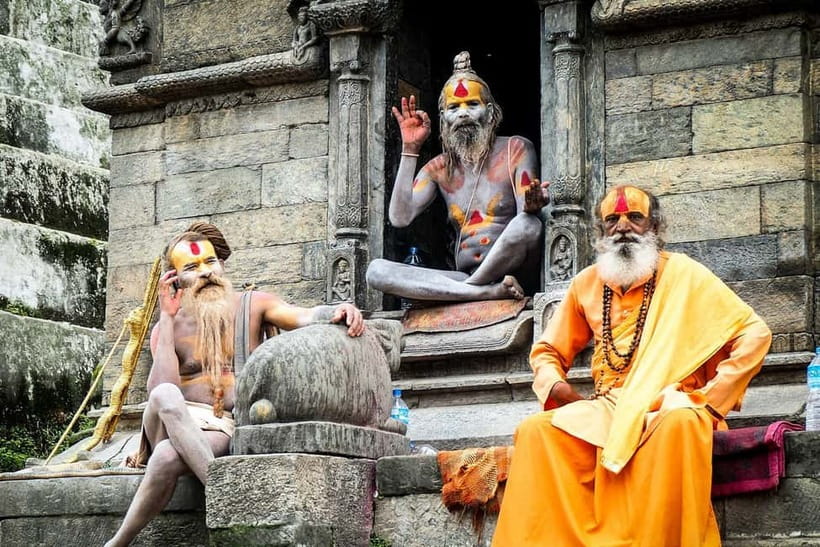
Bhaktapur is where the day often starts to feel like a real historical immersion. You go to Bhaktapur Durbar Square, another former royal palace complex, and it’s described as remarkably preserved. This is the stop where you can really compare styles and learn how different dynasties and cities expressed status.
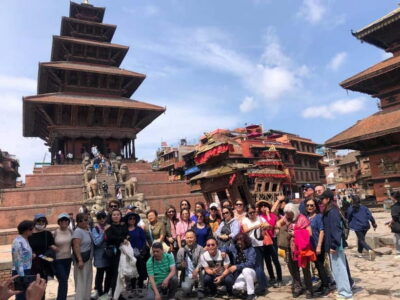
You’ll have a long guided window here, about 85 minutes, which is exactly right. Bhaktapur’s highlights include the 55-Window Palace, the Golden Gate, the Nyatapola Temple, and the statue of King Bhupatindra Malla.
The Nyatapola Temple, in particular, tends to grab attention because it’s tall and strongly structured. The 55-Window Palace is the kind of detail-oriented feature where a guide can help you understand why something that sounds like a trivia fact is actually a sign of craftsmanship and design.
The big caution is stamina. Bhaktapur is a dense heritage area, and you’ll be moving through courtyards and viewpoints. Take breaks when you need them, especially if you are heat-sensitive.
Changu Narayan Temple: a hilltop temple with deep roots
After your Durbar Square circuit, you head to Changu Narayan Temple, perched on a hilltop. This is an ancient Hindu temple with origins tracing back to the 5th century AD, which means it carries a different feel than the palace-squares you just visited.
This stop is guided for about 30 minutes, which is enough time to appreciate the site without turning the whole day into a marathon. Hilltop temples also tend to make you slow down naturally, because the approach and viewpoints create natural pauses.
If you’re sensitive to walking uphill, pay attention to how you pace here. In a day like this, the smartest move is not to “speed through” the hill. You’ll see more if you move steadily.
Boudhanath Stupa and Little Tibet: Buddhist ritual at full scale
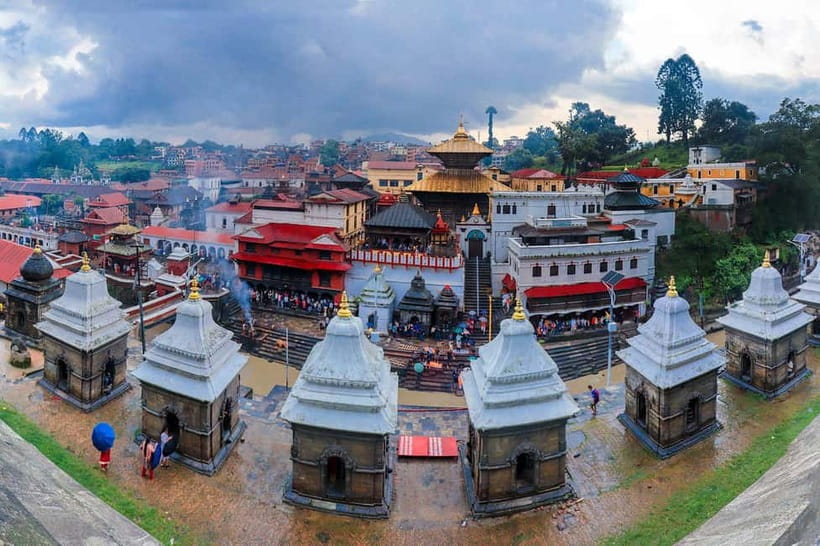
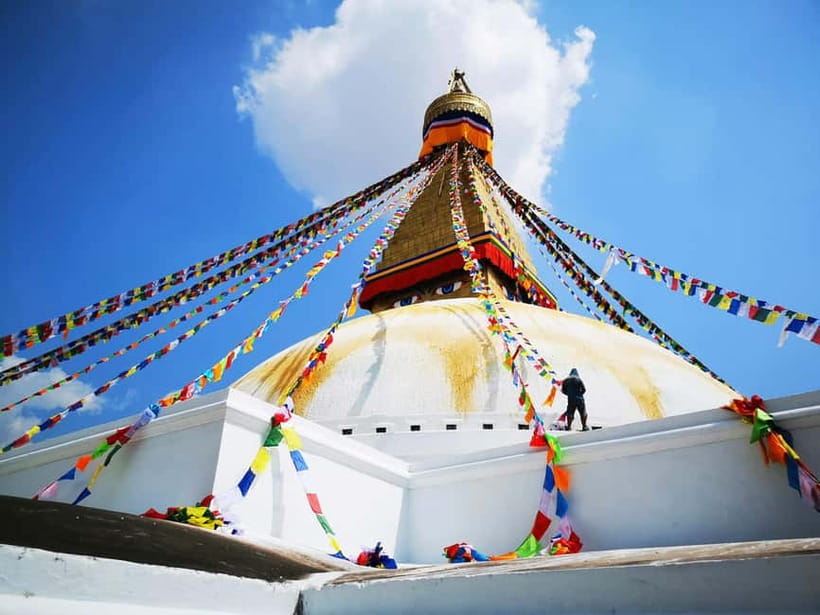
Then comes Boudhanath Stupa, one of the largest spherical stupas in Kathmandu, and a major center of Tibetan Buddhism. The surrounding area is often referred to as Little Tibet, and that label fits the feel of the neighborhood around the stupa.
Your visit is guided for about an hour, which gives you time to understand the stupa without treating it like a checklist stop. Boudhanath is the kind of place where you’ll likely notice continuous activity, prayer, and quiet movement around the monument.
This is where the day’s pacing pays off. After several Hindu heritage points, switching to a major Buddhist site helps your brain reset. You are not just looking at another temple, you are seeing a different religious “language” in how people move, pray, and gather.
Pashupatinath Temple: Shiva, the Bagmati River, and optional evening arati
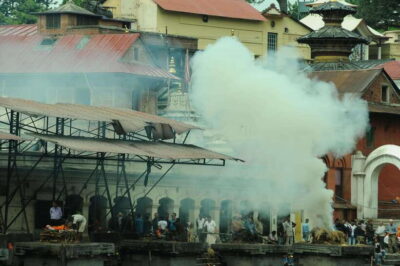
Your final major heritage stop is Pashupatinath Temple, a sacred pilgrimage site for Lord Shiva, dating back at least to the 5th century CE. This place is often described through its long religious importance, but what you’ll notice during your visit is the daily rhythm of pilgrimage and ritual.
You get about 1.5 hours here. One of the most powerful experiences at Pashupatinath is the chance to see Hindu cremation ceremonies on the Bagmati River. This is not something your guide should rush you through, and you may want to decide how much you want to observe once you’re there.
There is also an option to observe the evening arati, depending on how timing works on the day. If arati is important to you, ask your guide early in the day how the schedule is expected to land.
Lunch break timing: plan for a long day and eat smart
You have a lunch break for about an hour, around early afternoon. Meals are not included, even though you’ll stop at a restaurant for lunch time, so you should expect to pay for your own meal.
One past guest described the lunch location as a pleasant rooftop restaurant, but also noted that their partner came down with a serious case of food poisoning later in the day. I cannot predict how food will affect you, but it does highlight a key Kathmandu reality: eat carefully and do not take chances if you have a sensitive stomach.
If you want to keep the day feeling comfortable, eat something you already trust. Also drink your bottled water, and avoid experimenting with unfamiliar items if you tend to get sick.
Price and logistics: $7 can be a steal, but read what is not included
At $7 per person, this tour is priced extremely low for a full 10-hour day with a private air-conditioned vehicle, a licensed guide, and bottled water. That kind of value is hard to find when you’re trying to cover multiple major heritage sites without arranging transport yourself.
Now the practical catch: entrance fees are not included. There is an add-on option available, but you should plan that some sites may require extra payments at the time. Meals and beverages are also not included, even though lunch time is built into the day.
So, the real value equation is simple:
- You are paying for transportation plus guidance, and
- You budget separately for entrances and your meal.
If you come in expecting those extra costs, you can end up with a great deal. If you assume everything is covered, you may end the day surprised.
The comfort factor in Kathmandu traffic
A theme that matters: this is a long day with lots of driving in chaotic traffic. That does not mean the tour is poorly run. It means Kathmandu’s road reality is real, and the best way to handle it is to accept the ride as part of the experience.
Here’s how I’d manage it:
- Start early and let the day unfold without rushing.
- Treat each stop as a “look, learn, photograph, and breathe” moment.
- Keep expectations flexible, especially for how quickly you move inside dense heritage areas.
One past guest suggested that five stops might have been optimal for them, which is a fair way to think about pacing. If you get tired easily, consider that this tour covers a lot and you’ll want to slow down during the most interesting segments, not try to do everything at the same intensity.
Etiquette, rules, and what to bring for a smooth day
A few rules are worth noting before you go:
- Oversize luggage and large bags are not allowed.
- Alcohol and drugs are not allowed.
For what to bring, you’ll be happier with simple essentials:
- Comfortable walking shoes for stairs and uneven ground
- Sunscreen and a light layer for air-conditioned rides
- A small day bag that stays secure around monkeys at Swayambhunath
Also, you’ll want to keep your phone and camera ready, but do not forget to look up from your screen. At sites like Durbar Squares and Boudhanath, the best details are often above eye level or in the side courtyards.
Wheelchair note: data says accessible, but also not suitable
The activity information includes wheelchair accessibility, but it also lists it as not suitable for wheelchair users. That contradiction matters.
If accessibility is a priority for you, confirm directly with the provider before booking. Ask how the guide plans to handle uneven ground, steps, and temple access in each heritage site.
Who this tour is best for
This tour makes the most sense if:
- It’s your first trip to Kathmandu Valley and you want the headline UNESCO sites in one day
- You prefer a private vehicle and an experienced guide who can explain what you’re seeing
- You enjoy mixing Hindu and Buddhist sites and want contrast in one route
It may be less ideal if:
- You dislike long driving days or you get motion sick in traffic
- You want lots of free time at each site rather than a planned circuit
- You expect all costs to be included, since entrance fees and lunch are separate
Should you book this Kathmandu Valley 7-site tour?
If you want a structured, low-stress introduction to Kathmandu Valley, I think this is a smart booking. The big strengths are the private AC comfort, the licensed guide, and the shot at a signature Kathmandu moment with Kumari. For first-timers, that combination can save you hours of planning and uncertainty.
I’d book it if you can handle a full 10-hour day and a lot of driving. If you’re the type who gets cranky after too many stops, consider booking fewer sites instead.
Last practical tip: come with comfy shoes, a flexible mindset about traffic, and a small budget for entrances and lunch. Do that, and you’ll finish the day with a real sense of why Kathmandu Valley heritage matters, from royal courtyards to stupa ritual by the Bagmati River.
FAQ
What sites does this 1-day tour cover?
It covers seven UNESCO World Heritage sites in Kathmandu Valley: Kathmandu Durbar Square, Swayambhunath (Monkey Temple), Patan Durbar Square, Bhaktapur Durbar Square, Changu Narayan Temple, Boudhanath Stupa, and Pashupatinath Temple.
How long is the tour?
The duration is listed as 10 hours.
Where does pickup and drop-off happen?
Pickup and drop-off are included in Kathmandu, with pickup from your hotel or apartment in Kathmandu. You are also transferred back to your Kathmandu hotel after the tour.
What is included in the price?
Included items are pickup and drop from your Kathmandu accommodation, a comfortable air-conditioned private vehicle, a licensed live tour guide (English and Hindi), bottled drinking water, and an express security check.
Are monument entrance fees included?
No. Monument entrance fees are not included, though an add-on option is available.
Is lunch included?
Meals and beverages are not included. The schedule includes a lunch break, but you should expect to pay for your own lunch.
Is the tour suitable for wheelchair users?
The information is inconsistent. It lists wheelchair accessibility, but it also says it is not suitable for wheelchair users. You should confirm before booking.
Latest Kathmandu write-ups
- 16 Days Island Peak Climbing With Everest Base Camp Private Trip★ 5.0 · 3 reviews
- 15 Days Round Annapurna Trek with Poon Hill from Pokhara★ 5.0 · 5 reviews
- Private Nepal round trip including Ghorepani Poonhill trek★ 5.0 · 3 reviews
- Everest Base Camp Trekking 16 Days★ 4.0 · 7 reviews
- Everest Base Camp Trek★ 5.0 · 87 reviews
- 14 Days Luxury Annapurna Base Camp Trek★ 5.0 · 6 reviews
- Everest Base Camp Trek★ 5.0 · 32 reviews
- Everest Base Camp Trek★ 5.0 · 97 reviews
Historical Tours, compared.
Private Kathmandu UNESCO World Heritage Sites Tour
Read our review →

“Explore Kathmandu Rich Heritage: City Highlights Bus Tour”
Read our review →Browse the lists this tour appears in