
Reviewed · ANNAPURNA BASE CAMP TREK
From Pokhara: 10-Day Poon Hill and Annapurna Base Camp Trek
This trek is interesting because it gives you two big emotional highs in one route. Poon Hill sunrise delivers crisp panoramic views, and Annapurna Base Camp brings you right into the amphitheater of massive peaks.
What I like most is the mix of classic Himalayan trekking scenery with real village life. You’re up close with places like Tikhedhunga, Ghorepani, and Chhomrong, and you get forests full of rhododendron and marigold, not just stone and dust.
A possible drawback is weather and clouds. Even in good months, you can hit rain or fog, and that can hide the peaks for a few days, so you’ll want patience and flexible expectations.
Key Points You Should Know Before You Go
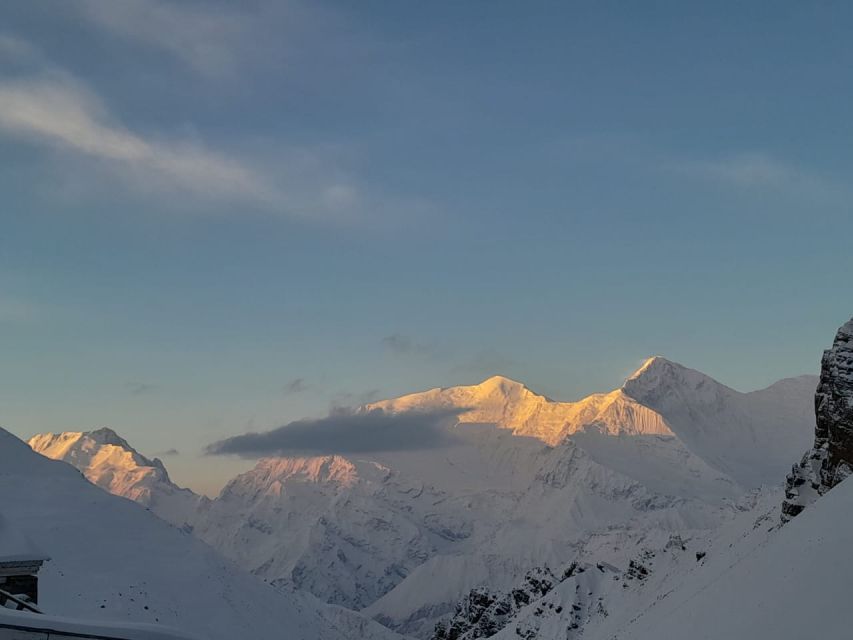
- Poon Hill sunrise at 3,210m: you’ll start early for the best shot at panoramic Annapurna views.
- A pro guide who manages pace and comfort: guides highlighted by name include Biru, Arjun, and Bikram.
- Village trekking plus big mountain payoffs: Ulleri stone steps, Chhomrong (Gurung village), and the sanctuary route.
- Annapurna Base Camp at 4,130m: a real “arrive and stare” moment near Annapurna I and surrounding peaks.
- Jhinu Danda hot springs: a practical recovery stop on the way down.
- Permits, documents, and Poon Hill entry included: you focus on the trail, not paperwork.
Why Poon Hill Sunrise and Annapurna Base Camp Feel Like Two Different Worlds
On paper, this is one trek. On the ground, it feels like two trips stitched together by altitude and early mornings.
On the way up, you’re climbing through villages, terraced fields, and forest corridors. Then, as you head toward the Annapurna Sanctuary, the trail funnels into wider views, and the mountains feel closer and more imposing. At Base Camp, the scale stops being a concept and becomes something you have to slow down to process.
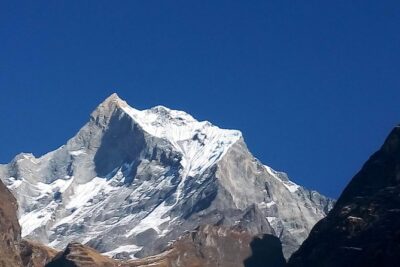
I also like that the route directly focuses on peaks you’ll recognize from maps. You’re in the orbit of Annapurna I (8,091m), Machhapuchhre (Fishtail, 6,993m), and Hiunchuli (6,441m), plus views toward Annapurna II, III, IV, Dhaulagiri, and Nilgiri.
More routes into the Annapurna Sanctuary:
- Kathmandu/Pokhara: 5-Day Annapurna Base Camp (ABC) Trek
★ 4.9 · 72 reviews - Pokhara: 5 Day Annapurna Base Camp Trek & Natural Hot Spring
★ 4.9 · 44 reviews - Pokhara: 7 Day Annapurna Base Camp Trek
★ 4.9 · 38 reviews
Getting Started in Pokhara, Then Up to Nayapul and Tikhedhunga
Your trek begins with a morning drive from Pokhara to Nayapul, about 1.5 hours. Pickup is included if you’re staying in the lakeside area, and you’ll also get a private car transfer back at the end.
From Nayapul, you start along the Modi Khola trail. Day 1 is a gentle on-ramp, with small villages and terraced fields before you reach Tikhedhunga (1,577m) for your first guesthouse night.
The practical value here is timing. Day 1 lets your body find its rhythm before the steeper sections later. And it’s a good day to enjoy the human side of Nepal, because you’re moving through communities rather than only passing by them.
Ulleri Stone Steps to Ghorepani, Plus Rhododendron Forest Views
Day 2 is the first “work day.” You climb the steep stone steps at Ulleri, then continue through rhododendron forests and village paths as you gain elevation.
You reach Ghorepani (2,874m) and you’re likely to get wide views over the Annapurna and Dhaulagiri ranges. Even when clouds roll through, this area is known for opening up to mountain panoramas when the sky clears.
Why this day matters: Ghorepani is your launch pad for Poon Hill. It’s also a reminder that guesthouses at higher elevation are part of the trek, not an inconvenience. You’re building comfort and routine while the mountains get bigger.
Poon Hill Sunrise: The 3,210m Morning That Sets the Tone
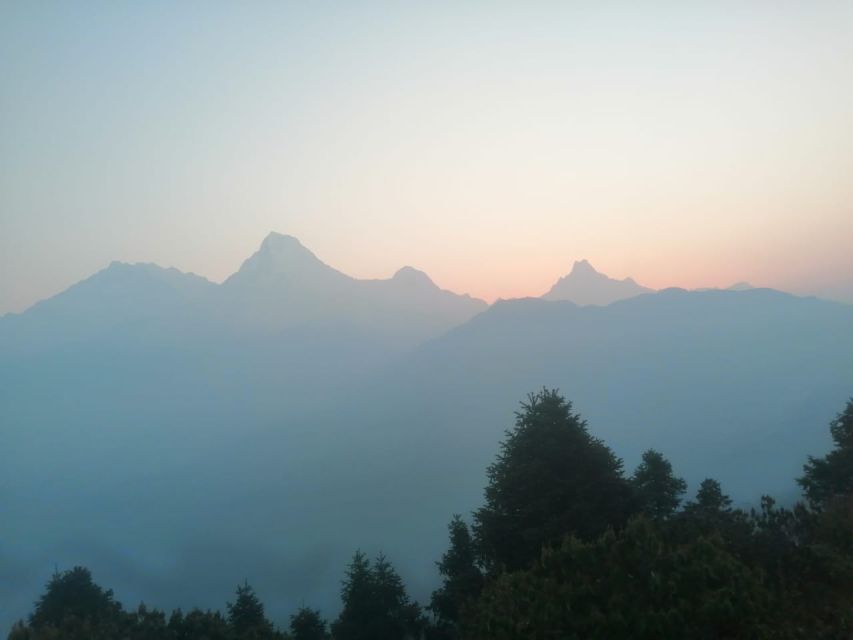
This is the day you wake up early for. You hike up to Poon Hill (3,210m) to catch sunrise and the panoramic view that people dream about.
Then you descend back to Ghorepani for breakfast, and you keep trekking toward Tadapani (2,630m). The trail shifts again into forest and valley walking, with rhododendron and the kind of steady footing that helps your legs reset after the morning push.
If you want the best sunrise, treat it like a mission. Wear warm layers at the start, keep your headlamp or torch ready, and plan to stay flexible if the mountains are hidden by cloud. The effort is real, but the reward is that panoramic feeling you’ll carry for the rest of the trek.
More Ghorepani and Poon Hill departures:
- Pokhara: 4-Day Ghorepani, Poonhill & Ghandruk Mountain Trek
★ 5.0 · 132 reviews - From Pokhara: 3-Day Ghorepani Poon Hill Trek with Guide
★ 4.9 · 68 reviews - Pokhara: 2-Day Ghorephani and Poon Hill Private Trek
★ 4.6 · 50 reviews - From Pokhara: 2 Day 1 Night Ulleri,Ghorepani Poon Hill Trek
★ 4.9 · 33 reviews
Chhomrong and Machhapuchhre Views, Through a Village That Feels Alive
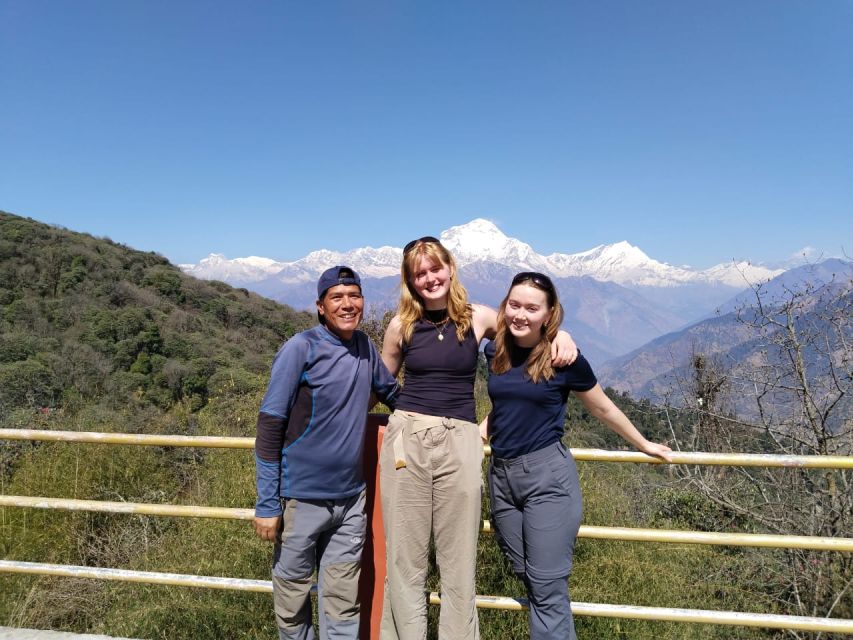
Day 4 starts with descent through lush forest, then you pass through Gurjung village. After crossing a river stretch and working back upward, you reach Chhomrong (2,170m).
Chhomrong is a large Gurung village, and it’s one of those places where views come with context. You’ll see the famous ridges, but you’ll also see how the community sits in the valley, with homes and daily life built around the mountains.
The standout view here is Annapurna South and Machhapuchhre (Fishtail). Machhapuchhre has a special presence on this route, and arriving at Chhomrong helps make that feel personal rather than just scenic.
Downside to plan for: Chhomrong is higher than Tikhedhunga and lower than your highest days, so it can still feel demanding. But it’s also a good chance to slow down, eat well, and hydrate.
Bamboo to Deurali, Where the Modi Khola Valley Changes the Mood
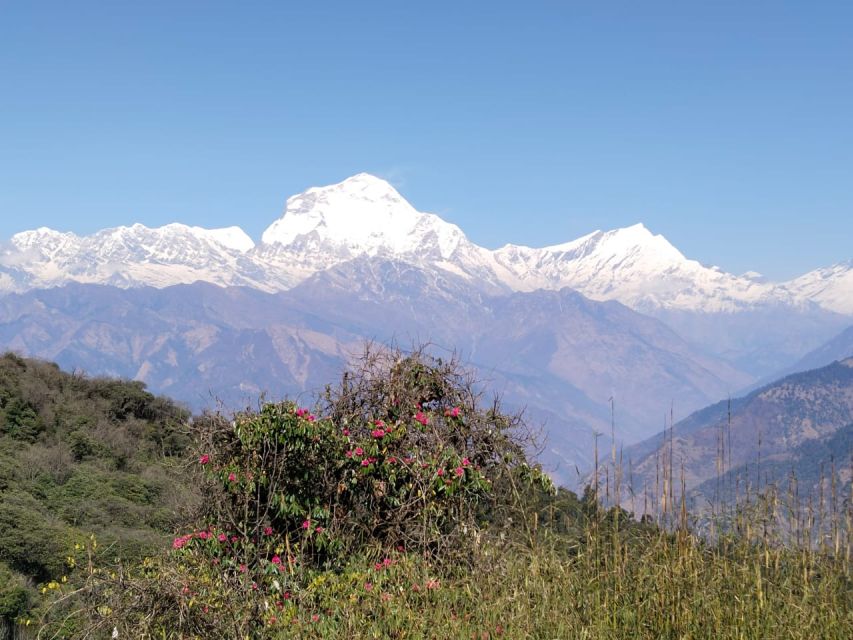
Day 5 brings you down toward the Chhomrong Khola, including a suspension bridge crossing, and then up to Sinuwa before continuing into thick bamboo and rhododendron zones.
You finish at Bamboo (2,310m). The “bamboo day” is a nice break from constant open ridgelines, because the shade and forest walking can feel easier on your eyes, even if your legs still feel the altitude.
Day 6 continues through bamboo forests and the Modi Khola valley. Along the way you pass landmarks like the Himalayan Hotel and Hinku Cave, then you steadily ascend to Deurali (3,230m) for the night.
This is where the trek starts to feel more “high altitude expedition” than “scenic hike.” The air can feel thinner, your pace naturally slows, and every steady step counts.
Into the Annapurna Sanctuary: Machhapuchhre Base Camp to Annapurna Base Camp
Day 7 is the one you remember. The route narrows into a valley that opens into the Annapurna Sanctuary, and you move toward your destination in stages.
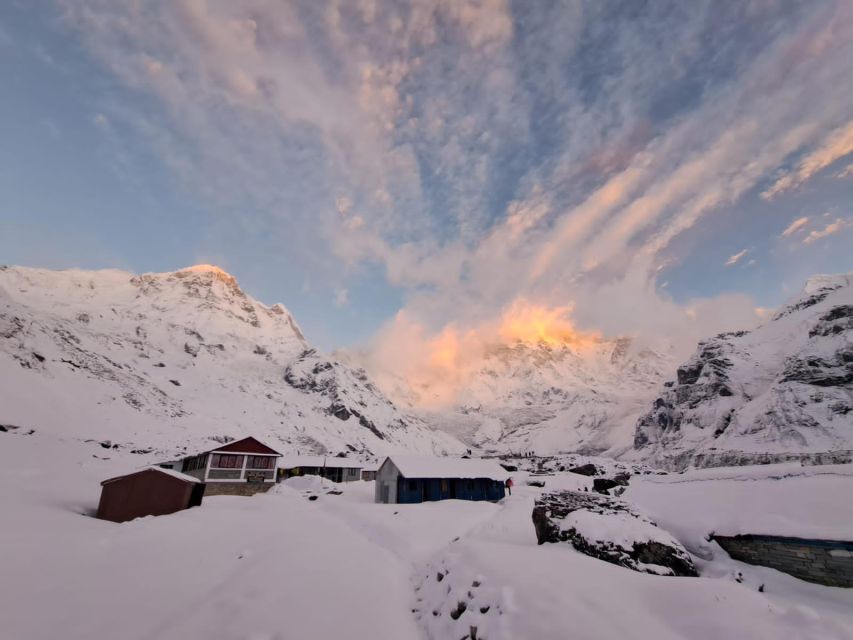
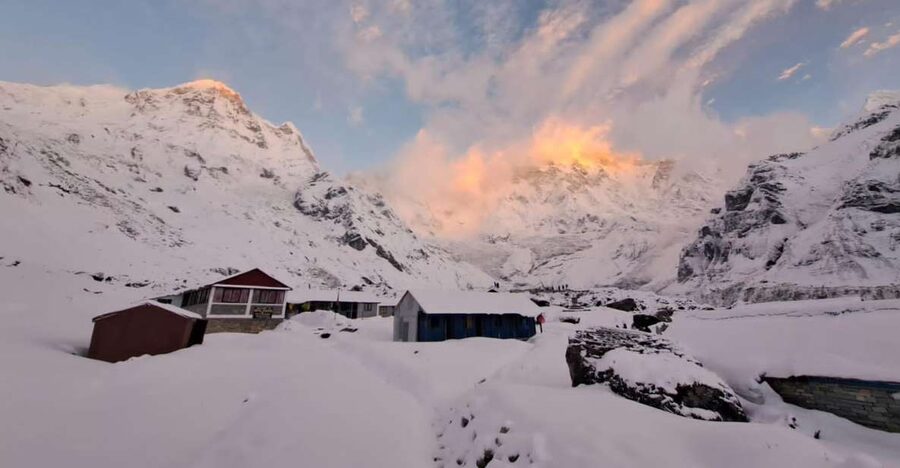
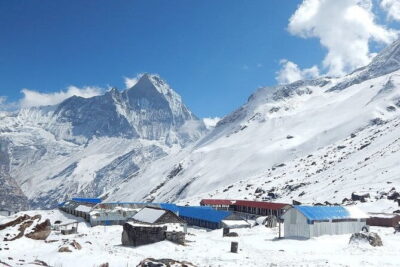
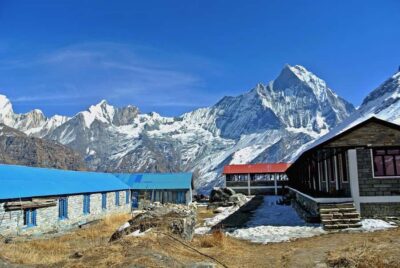
You pass Machhapuchhre Base Camp (about 3,700m), then continue upward to Annapurna Base Camp (about 4,130m). You arrive surrounded by towering peaks, including Annapurna I (8,091m).
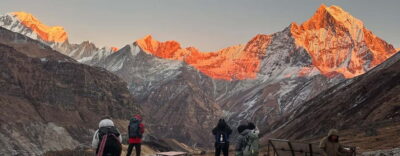
What makes this day special is the shift in perspective. At lower elevations, the mountains are huge but still “somewhere else.” At Base Camp, you’re in the basin, and you’re watching the weather and light move across the walls of the sanctuary.
A practical note from real-world trekking: it’s common to feel the altitude here, so don’t treat Base Camp like a sightseeing checklist. Take your time, move slowly, and keep your breathing calm. The route is hard enough without adding panic.
The Return Route, Sunrise Again, and Jhinu Danda Hot Springs
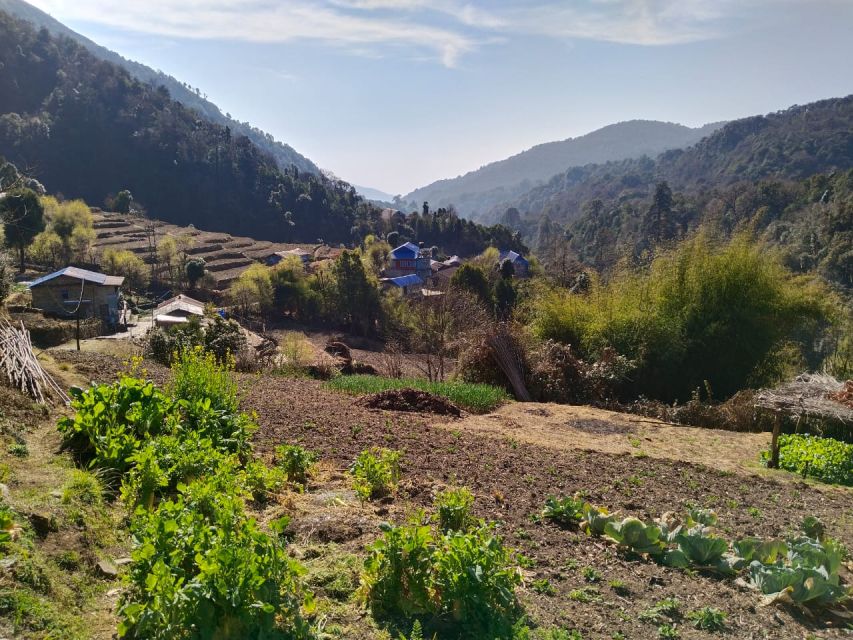
Day 8 brings another early start, because you can enjoy sunrise views from Base Camp area once more. Then you descend from Annapurna Base Camp and work your way back through Deurali and Bamboo to rest at Bamboo again.
Day 9 continues descending through the forests. You pass through Chhomrong for lunch, then go down to Jhinu Danda (1,780m).
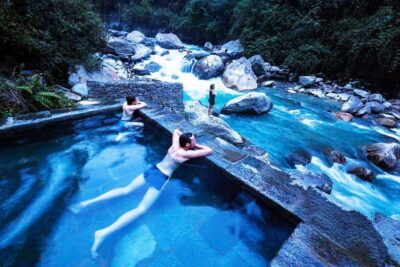
The reason this matters is the hot springs. After days of trekking, you can relax your muscles in the natural hot springs at Jhinu Danda. It’s one of the few truly “sit still and recover” moments in the trek, and it can make tomorrow’s final walk feel easier.
Day 10 wraps things up. You trek from Jhinu Danda to Nayapul, then return by private car to Pokhara.
What $310 Covers, and the Real Costs You Should Plan For
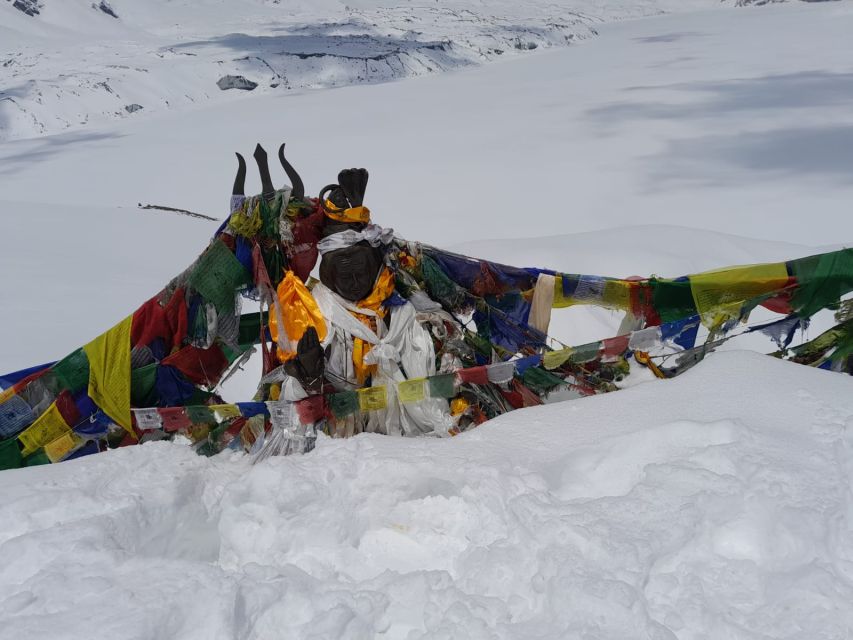
At $310 per person for a 10-day trek, the value is in the big stuff you often forget to budget for.
Included items cover your core expedition needs:
- Professional English-speaking trekking guide
- Trekking permit and official documents
- Private tour
- Private car transfers Pokhara to Nayapul and back
- Guesthouse accommodation
- Emergency first aid kit with the guide
- Entrance at Poon Hill
Food and drinks are not included, so you’ll buy meals along the way. That’s normal on this route, but it’s still your variable cost.
Also plan for the high-elevation extras that can add up. At higher altitudes, you might want heater use, WiFi, battery charging, or hot showers. You should be ready for that to cost extra, and a realistic budgeting tip is around 30 to 40 USD per day if you use several of those services.
So the true value question is this: do you want someone handling permits, logistics, and overnight bookings while you focus on walking and views? If yes, this price makes sense for a private 10-day trek.
How Hard Is It, Really? Pace, Altitude, and Guide Support
This trek is not a stroll. You’ll do serious climbing at several points, like Ulleri stone steps, plus sustained elevation gain as you head toward the sanctuary.
The upside is that guides matter a lot here. In the experiences shared with this trek, guides like Biru and Bikram are described as patient and helpful, and Arjun is highlighted for adapting the plan when altitude became an issue.
One useful takeaway for you: don’t force a fixed pace. If you start feeling altitude effects, you’ll do better by slowing down early. A good guide can adjust day structure, and in one example the trek was extended by about three days so the hiker could manage difficulty with more time and less pressure.
If you’re a slower hiker, you can still do this trek, and you won’t need to run ahead. Expect hiking days that can feel like 3 to 6 hours for many people, but you should be ready for longer effort depending on weather and how your body responds.
Gear and Rules: Shoes, ID, and the Plastic Bottle Issue
Start with the basics that are explicitly mentioned:
- Bring passport or ID card
- Wear comfortable shoes
- Have travel insurance
- Carry a passport-sized photo
You should also be aware of what’s not allowed: pets and plastic bottles are not allowed.
On the trail, you’ll want layers. Sunrise at Poon Hill and mornings at higher altitude can be cold, while afternoons can warm up when the sun hits. Even when daytime feels fine, early starts can feel sharp.
One more practical rule: bring what you need for hydration and keep it simple. Since plastic bottles are not allowed, you’ll likely rely on refill options where available.
Safety, Guides, and the Question of Feeling Comfortable
A theme in the experiences shared for this trek is feeling safe. Your guide handles overnight guesthouse coordination and keeps the route moving in a planned way, which matters when visibility changes.
Weather unpredictability is the big safety factor you can control only a little. The trek can be done most times of year, but the best seasons for stable conditions and clearer views are spring (March to May) and autumn (September to November). Even then, you can meet rain or cloud cover, so you should dress for that possibility.
Also check in with your guide about pacing and how you’re feeling. If you’re new to altitude, anxious about early mornings, or recovering from a prior injury, the guide’s role is more than direction. It’s also adjusting the day so you stay steady.
Should You Book This 10-Day Private ABC and Poon Hill Trek?
I’d say book it if you want a trek that mixes iconic sunrise views with a true high-altitude destination, and you like the idea of walking through villages instead of only moving through empty mountain paths.
This is especially a good fit if:
- You want private guidance and don’t want to share the experience with a mixed group.
- You care about authentic village trekking (Tikhedhunga, Ghorepani, Chhomrong, Jhinu Danda).
- You’re okay with early mornings and steady uphill days.
I would pause before booking if:
- You’re pregnant or need wheelchair access. This trek is not suitable for either.
- You know you might struggle with altitude and you can’t handle a slower, more adaptive pace.
One final booking tip: the trip offers free cancellation up to 24 hours in advance for a full refund, which is helpful if weather forecasts change or your plans need adjustment. If you’re booking for peak months, this flexibility is worth something.
FAQ
How long is the trek?
The trek lasts 10 days.
What is the starting point and how do you get back to Pokhara?
You start in Pokhara, drive to Nayapul (about 1.5 hours), and trek from there. On the final day you trek back to Nayapul and then take a private car back to Pokhara.
What is included in the price?
The price includes hotel pickup and drop-off, a professional English-speaking trekking guide, trekking permits and official documents, private tour, Pokhara to Nayapul to Pokhara transfer by private car, guesthouse accommodation, an emergency first aid kit with the guide, and Poon Hill entrance.
What is not included?
Food and drinks are not included, and travel insurance is not included. Emergency rescue is also not included and is described as covered by your travel insurance.
What should I bring and what is not allowed?
Bring passport or an ID card, comfortable shoes, travel insurance, and a passport-sized photo. Pets and plastic bottles are not allowed.
When is the best time to do the Annapurna Base Camp trek?
The best time is spring (March to May) and autumn (September to November) for more stable weather and clearer mountain views, though mountain weather can still change quickly.
Latest Pokhara write-ups
- Mardi Himal Trek -5 Day Short Trek From Pokhara★ 5.0 · 8 reviews
- Tandem Paragliding in Pokhara★ 4.8 · 8 reviews
- Pokhara: Peace Pagoda Sunset, Annapurna Mountain Views Tour★ 2.9 · 5 reviews
- Short & Scenic: 2-Day Private POON HILL Trek from Pokhara★ 5.0 · 8 reviews
- Seti George and Thrilling Suspension Bridge Tour at Pokhara★ 4.5 · 3 reviews
- Sarangkot Sunrise over the Himalayas★ 4.8 · 83 reviews
- Pokhara: Sarangkot Sunrise and Private Full Day Tour★ 4.8 · 24 reviews
- From Kathmandu/Pokhara: Private 3-Day Chitwan Safari Tour★ 4.7 · 34 reviews
Annapurna Base Camp Trek, compared.
5 Day Annapurna Base Camp Trek & Natural Hot Spring
Read our review →
14 Days Annapurna Base Camp Trekking | Best trek for visit Nepal 2020
Read our review →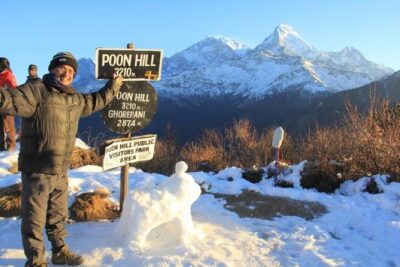
7-Day Annapurna Base Camp Trek & Natural Hot Spring
Read our review →Browse the lists this tour appears in