
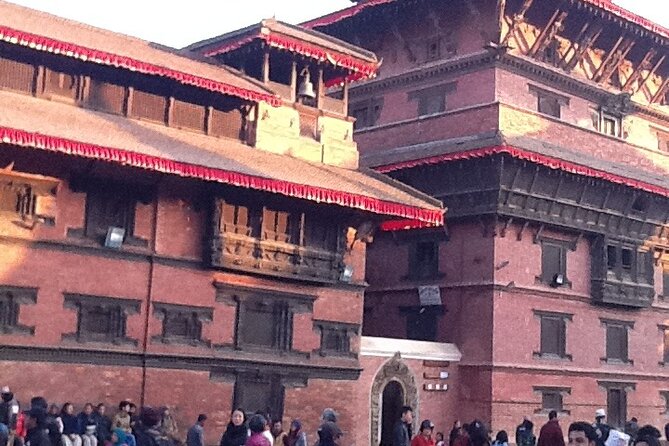
Reviewed · CHITWAN JUNGLE SAFARI
Kathmandu – Pokhara – Chitwan – 08 Days(KATHMANDU VALLEY- POKHARA – CHITWAN )
A Nepal loop that mixes temples, mountains, and national park wildlife is interesting because it changes pace every day. You start in Kathmandu with hands-on heritage stops, then swap stone courtyards for Himalayan scenery on the road to Pokhara. Finally, you shift to Chitwan, where the day revolves around getting eyes on animals and learning local culture.
I like how the trip strings together Kathmandu heritage and Pokhara lake views without making you coordinate anything yourself.
I also like the way Chitwan is handled like a real experience, not a quick stop. You get early wildlife-focused time, including a dugout canoe ride and a proper jeep safari through Sal forest, plus a dinner with Tharu dance. The guide support can feel personal too, with standout guides like Hari and, on some departures, Jack joining the story-telling.
The one drawback to plan for is the travel time. You’ll spend real hours on the road between regions, and because Kathmandu and Pokhara entrance fees are listed as not included, you may want some extra cash or time for ticket lines.
Key highlights you should care about
- Small-group feel (max 24) with a schedule that actually gives you time at each key stop
- Kathmandu guided circuit hitting Durbar Squares plus major Hindu and Buddhist pilgrimage sites
- Pokhara with viewpoints and water: Sarangkot options, boating on Fewa Lake, and Devi’s Fall
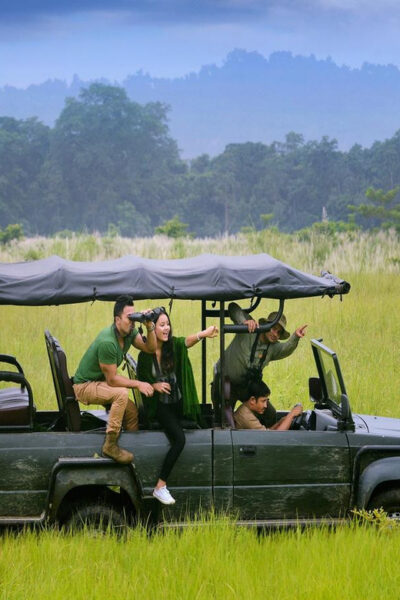
- Chitwan safari variety: canoe, elephant breeding center visit, and open-jeep safari time
- Cultural night in Chitwan with Tharu dance tied to local heritage
- Practical driver and guide support reported as organized, safe, and quick to handle logistics
Thamel First, Temple Focus Second
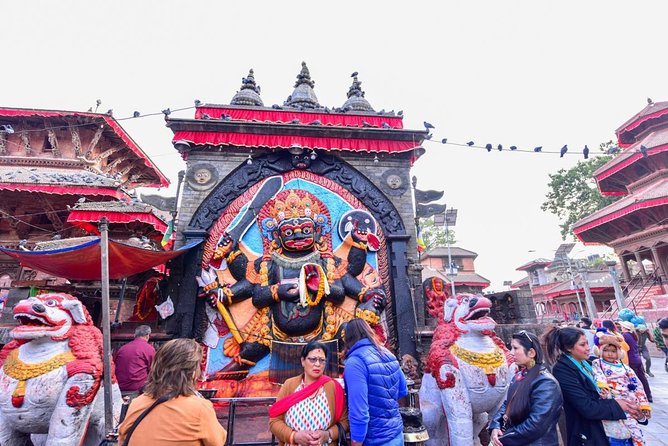
If you want to get your bearings fast in Kathmandu, starting in Thamel makes sense. It’s where you’ll feel the city rhythm right away, from compact local houses to the steady stream of souvenir stalls and everyday life. The stop is short, and that’s good, because you’re not meant to burn a day just locating your hotel.
This matters for you because Kathmandu can feel like sensory overload on day one. A short orientation stop helps you settle in before you jump into the major religious sites that follow.
Also, note that the tour uses an air-conditioned vehicle for transfers. That’s a comfort upgrade on a route with multiple long road segments, especially when Kathmandu traffic slows things down.
More days in Chitwan:
- 3-Day Chitwan National Park Jungle Safari Tour Package with Pick Up
★ 5.0 · 184 reviews - From Kathmandu/Pokhara: 3-Day All-Inclusive Chitwan Safari
★ 4.6 · 133 reviews - From Kathmandu/Pokhara: 3 Days All-Inclusive Chitwan Safari
★ 4.7 · 106 reviews
Kathmandu Durbar Square, Pashupatinath, and Boudhanath (Plus Patan)
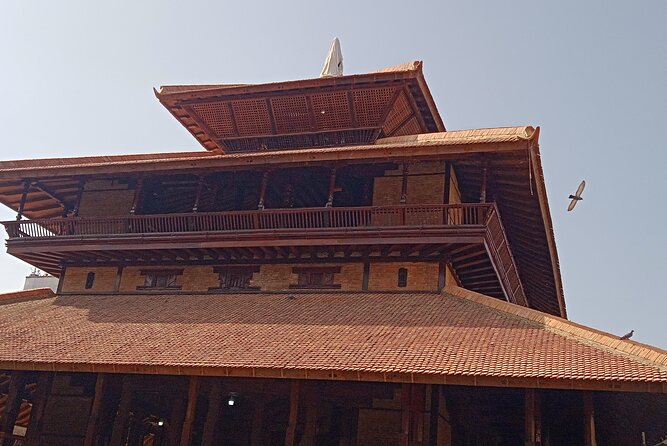
Kathmandu here is not treated as one generic sightseeing day. You get a focused circuit that hits three big “anchor” experiences, each with a different spiritual vibe.
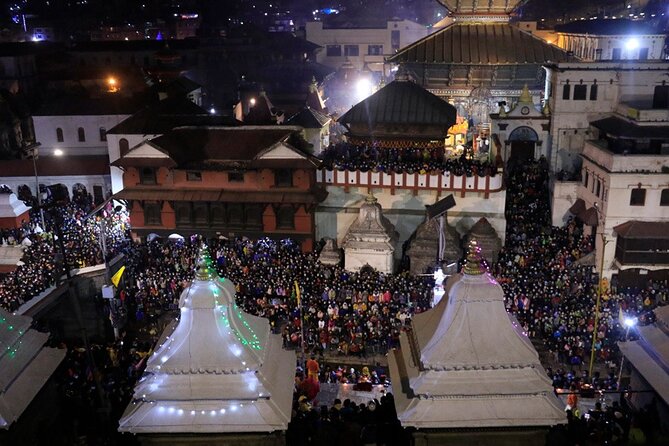
Start with Kathmandu Durbar Square, where the old-city feeling shows up in stonework, courtyards, and the sense that you’re walking through history that’s still being used. Then you shift to Pashupatinath, Nepal’s major Hindu pilgrimage center. Expect a place that feels active, not museum-still, and give yourself time to notice details rather than rushing for photos.
Next comes Boudhanath, one of the best-known Buddhist pilgrimage sites in the Kathmandu Valley. You’ll feel the different rhythm here. The atmosphere tends to be calmer and more contemplative than the Hindu sites around it.
Finally, you’ll visit Patan Durbar Square too. Patan’s historic core is often less chaotic than some other Durbar Square areas, so it’s a nice contrast when you’re trying to compare how different parts of the valley express power, art, and devotion.
Practical advice: plan to wear comfortable shoes. You’ll be walking through temple areas where you might need to pause often, because there’s always more to see than you can fully take in during a tight schedule. Also, remember that entrance fees in Kathmandu are not listed as included, so factor in costs for each stop.
The Transfer Day to Pokhara: Hill Roads, 200km, and Views If Weather Plays Nice
Pokhara is your reward for surviving the road day. You travel about 200km in roughly 6 hours by tourist coach, and the route runs along hill terrain and river-side scenery. This is the kind of day where you’ll notice how quickly Nepal’s geography shifts, from tighter valley life to more open sight lines.
Why this segment matters: it sets expectations for the rest of the trip. After days in Kathmandu’s dense heritage zones, Pokhara feels like a breath of fresh air. The timing also helps because you reach Pokhara and then overnight there, so you’re not turning the transfer into a late-night marathon.
A small caution: since mountain views depend on the weather, don’t assume every day will look like a postcard. You’ll still enjoy the scenery, but the Himalaya backdrop can be hazy some mornings and clearer others.
Pokhara Lakeside and the Sarangkot Choice
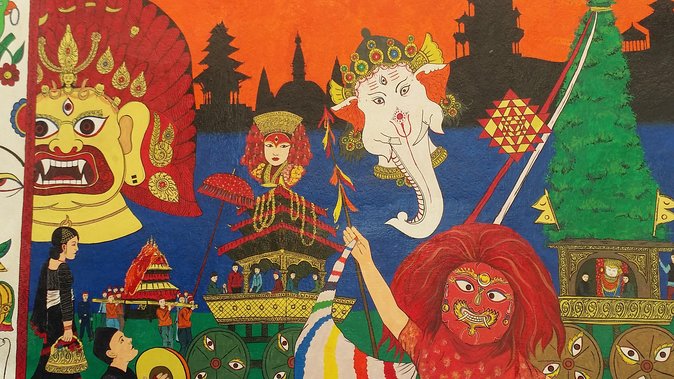
In Pokhara, your schedule gives you a classic mix: sunrise viewpoint options, a lakeside activity, and a couple of nature-and-culture stops.
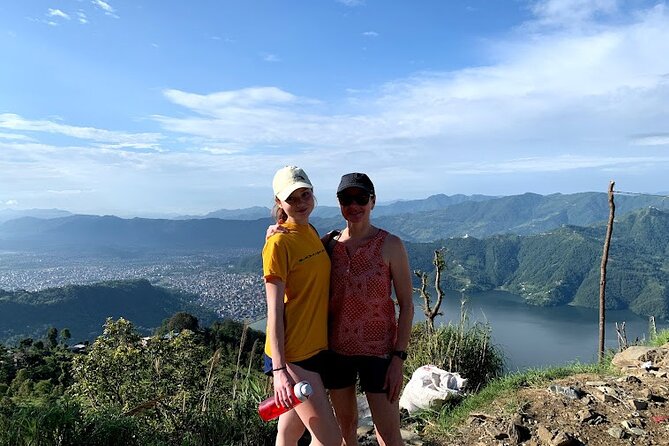
Sarangkot is the headline for views. The plan explicitly calls out that you can get a beautiful panorama if the sky is clear, including Dhaulagiri, Himchuli, Machhapuchhre, and multiple Annapurna peaks. If conditions are foggy, you’ll still get the hill-country experience, just with fewer mountain lines.
Then you swing to Fewa Lake for boating. This is one of those activities that helps you slow down after travel. Boats here also let you see the shoreline from a different angle, without needing to hike for hours.
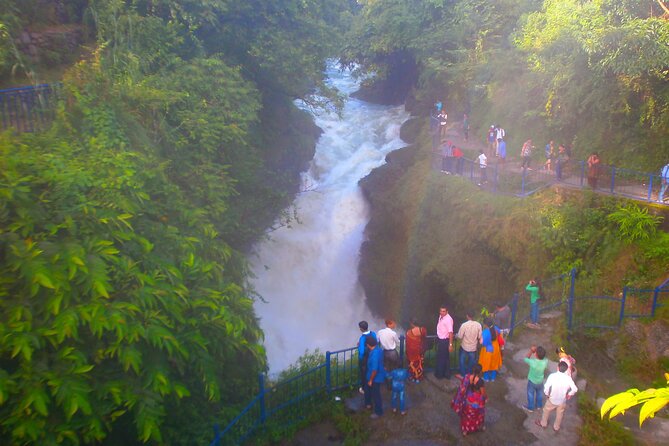
Add in Bindyabasini Temple, which gives you a local spiritual stop that feels integrated with everyday Pokhara life, not isolated in a tourist bubble. Then there’s time for Seti River Gorge and Devi’s Fall. These are nature sites, and they’re best when you stay flexible, because water flow and rock views can look different depending on recent conditions.
Practical advice: because some of the best views depend on clarity, keep your camera ready but don’t plan your entire day around one perfect moment. You can still have a great Pokhara day even if the mountains partly hide.
More to compare around Kathmandu
- Everest Base Camp Trek – 14 Days
★ 5.0 · 1,499 reviews - Everest Base Camp Trek
★ 5.0 · 842 reviews - Private Kathmandu Sightseeing Tour | UNESCO World Heritage sites
★ 5.0 · 756 reviews - Kathmandu: 7 UNESCO Sites with Lunch
★ 4.8 · 744 reviews
Chitwan Arrival: Welcome Drink, Briefing, and Tharu Dance
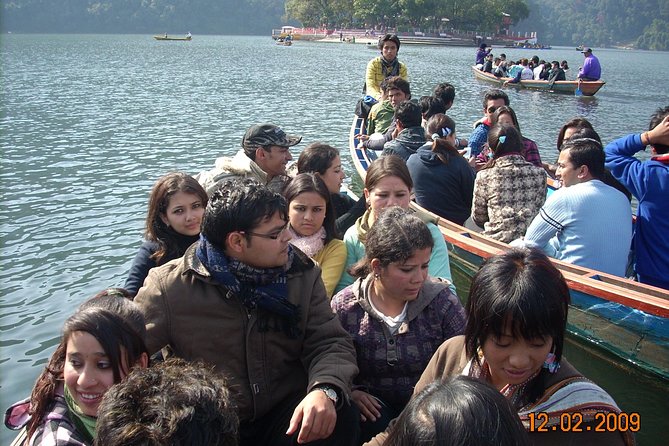
Chitwan National Park is where this tour shifts gears hard. You travel about 145km in around 4 hours to reach the park area. After arrival, you get a welcome drink, then you’re checked in and given a program briefing.
Your evening includes two key elements. First, there’s dinner. Second, there’s a Tharu dance performance by the Tharu community. This isn’t just entertainment, it’s a cultural signal. The Tharu people are closely tied to the region’s story, and this sort of night helps you understand that the park is also part of living human heritage, not only animals.
What I like about structuring the day this way for you is that it keeps expectations realistic. You arrive, you settle, and then you get a cultural anchor before wildlife time starts early the next morning.
Wildlife Day in Chitwan: Canoe, Elephant Breeding Center, and Open Jeep Safari
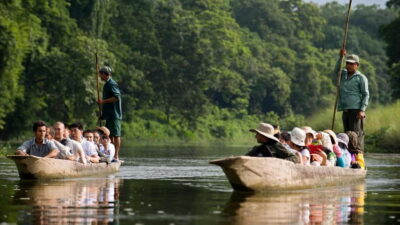
Day two in Chitwan is built around early action. You’ll get a wake-up call around 6:00am, then breakfast around 6:30am, followed by a dugout canoe ride and a visit to an elephant breeding center. The itinerary highlights seeing an elephant baby and also includes time around Sal forest. On the return, you may pass by a Tharu village.
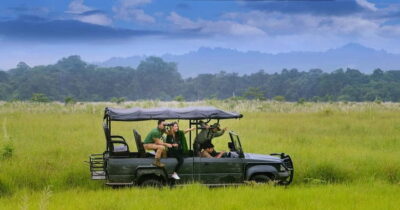
Then lunch comes, and later you go for an open-jeep safari. This is the part you should treat as a highlight even if you’re not a hardcore animal spotter. The Sal forest and mix forest setting holds wildlife and birds, and your guide helps you scan for movement in thick vegetation.
What you’re aiming for is big, and it’s okay if you don’t see everything. The plan specifically mentions the chance to spot one-horn rhino, Royal Bengal tiger, several deer species, monkeys, sloth bear, wild boar, and many birds. Wildlife viewing is luck plus patience. Your best move: stay quiet when you can, keep your eyes wide, and don’t get tunnel vision chasing one species.
One more planning note you should know: the schedule also mentions options for additional canoe and jungle walk time in the morning, plus another jeep safari in the afternoon. So your Chitwan day can feel like a full wildlife workout, not a single short drive.
How to Think About Safari Odds (Without Getting Unrealistic)
A common mistake is expecting a guaranteed tiger sighting. This tour gives you the structure and the time, but wildlife is wildlife. You’re going to rely on guide skills, the forest, the day’s animal activity, and how sightings line up.
Still, you’re not just going to sit and hope. The route focuses on habitats like Sal forest and mixed forest, and you get both land and water perspectives through canoe time and open-jeep safari drives. That combination improves your odds more than a one-track plan would.
If you’re traveling for photography, understand that you might be in bright sun one moment and shaded forest the next. Bring neutral patience. You’ll often get better results by staying ready to shoot quickly rather than setting up long compositions.
Also, plan your mindset. If you focus only on one target species, you can miss the smaller wins. Birds, tracks, and animal behavior can be just as memorable even when the big cats stay unseen.
Back to Kathmandu: Final Durbar Square Time and a Calm Airport Day
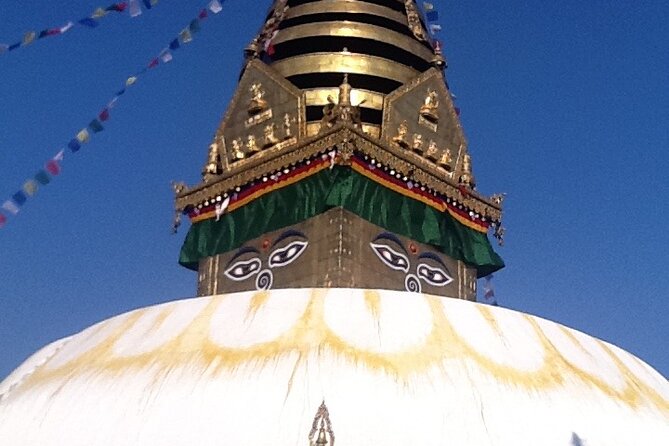
After Chitwan, you return toward Kathmandu with another road segment. You depart around 9:30am, with roughly 5 hours back in Kathmandu, and you get Kathmandu Durbar Square again as the final highlight stop.
This second visit can be useful. By now, you understand the valley’s layout better, and you might notice details you missed on the earlier day. It’s also a good way to lock in the old-city feel before you head out.
Then comes your last day. You’ll have breakfast, some time for final shopping, and a transfer to Tribhuvan International Airport for your next destination. This is practical. You’re not rushed into leaving right after the last heritage stop.
Simple tip: keep a little shopping time for small essentials you forgot, and try not to buy fragile items unless you have a safe packing plan.
Price and Logistics: What $395 Buys You, and What to Budget for
At $395 per person for 8 days, the value mostly comes from what’s included and what you avoid having to organize.
Here’s what you get that reduces your stress:
- Local English-speaking guide plus air-conditioned vehicle
- Meals listed for the trip: breakfast is included for 7 days, with 2 lunches and 2 dinners
- Chitwan entrance fees and sightseeing included, along with meals in that area
- Bed and breakfast on a twin-sharing basis in Kathmandu and Pokhara
- Pickup offered and mobile ticket
Here’s what you should budget for, because it’s not included:
- Entrance fees in Kathmandu and Pokhara (listed as not included)
- Beverages, plus personal expenses, medicine, and tips
- Domestic air fare and travel insurance
So is it a bargain? It can be, especially if you like having a guide and a fixed route that handles the big travel pieces. If you prefer independent travel and you plan to design a custom Kathmandu-Pokhara itinerary with separate guides, you might spend time saving money instead. But if you want an organized, watch-the-road comfort level while you see the core Nepal highlights, this price makes sense.
Also, the maximum group size of 24 matters. Big groups can turn sites into lines. A smaller group usually helps you get questions answered and keep the pace from feeling chaotic.
Who This Tour Fits Best (And Who Should Consider Another Plan)
This itinerary fits best if you want a solid first-time Nepal sampler:
- You want Kathmandu heritage plus Pokhara scenic time plus Chitwan wildlife in one go
- You like having someone handle logistics, like transfers and timing
- You’re comfortable with a few long road days in exchange for variety
You might want to think twice if:
- You hate early mornings. Chitwan starts early.
- You dislike spending time on roads. There are multiple transfers (Kathmandu to Pokhara and Pokhara to Chitwan, plus the return).
- You want total flexibility for sunrise timing in Sarangkot. It depends on clear weather.
One more good fit detail: the experience lists that most travelers can participate, which suggests the schedule is built for common fitness levels. Still, walking in temple areas and time on jeeps and boats means you should bring practical comfort items.
Should You Book This Kathmandu-Pokhara-Chitwan Tour?
If you want a guided route that hits the headline Nepal experiences in an efficient 8-day format, I think you’ll like this one. The biggest strengths are the day structure (heritage, then scenery, then wildlife), the inclusion of Chitwan safari time and meals, and the fact you’re not left guessing where to go next.
My main reason to pause is the tradeoff: road time plus entrance fees you’ll handle in Kathmandu and Pokhara. If you can accept that and you’re ready for early starts and full days, this plan is a strong way to cover a lot of ground without losing your sanity.
FAQ
What is included in the tour price?
The tour includes local English-speaking guide services, an air-conditioned vehicle, government taxes, bed and breakfast on a twin-sharing basis in Kathmandu and Pokhara, and meals listed in the schedule. Entrance fees and meals for Chitwan are included as well.
Are entrance fees included for Kathmandu and Pokhara?
No. Entrance fees for Kathmandu and Pokhara are listed as not included.
What meals are provided during the 8 days?
Breakfast is included for 7 days, with lunch included 2 times and dinner included 2 times, based on the schedule.
How long are the drives between major stops?
The drive from Kathmandu to Pokhara is about 200km and about 6 hours. The drive from Kathmandu to Chitwan is about 145km and about 4 hours. The return from Chitwan back to Kathmandu is about 5 hours.
What wildlife activities are offered in Chitwan?
You can expect a dugout canoe ride, a visit to an elephant breeding center, and a jeep safari in Chitwan. The plan also mentions possible additional canoe and jungle walk time plus another jeep safari session.
Where does the tour start, and when?
The tour meets at Tridevi Temple (Tri-Devi Sadak, Kathmandu 44600, Nepal), with a start time of 7:00am.
Latest Kathmandu write-ups
- Langtang Valley Trek★ 5.0 · 3 reviews
- Khopra Danda Trek★ 5.0 · 3 reviews
- Langtang Valley Trek from Kathmandu★ 5.0 · 3 reviews
- 5 night / 6 days Kathmandu Nagarkot Chitwan Pokhara tour★ 5.0 · 3 reviews
- Nepal Highlights Tour: 5 Nights 6 Days Kathmandu & Pokhara Tour★ 5.0 · 3 reviews
- Kathmandu Valley Private Day Tour★ 5.0 · 3 reviews
- Conquer the Himalayas: The Ultimate 16-Day Annapurna Circuit Trek★ 3.5 · 3 reviews
- Kathmandu Heritage Day Tour★ 5.0 · 3 reviews
Chitwan Jungle Safari, compared.
Jungle Towernight Stay In Chitwan National Park ,nepal-2 Nights 3 Days Package
Read our review →
3-Day Chitwan National Park Jungle Safari Tour Package with Pick Up
Read our review →
3-Day Chitwan Safari Tour with Hotel Transfers
Read our review →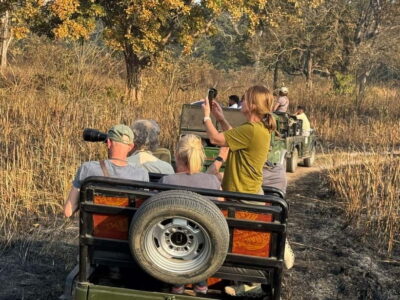
Browse the lists this tour appears in