
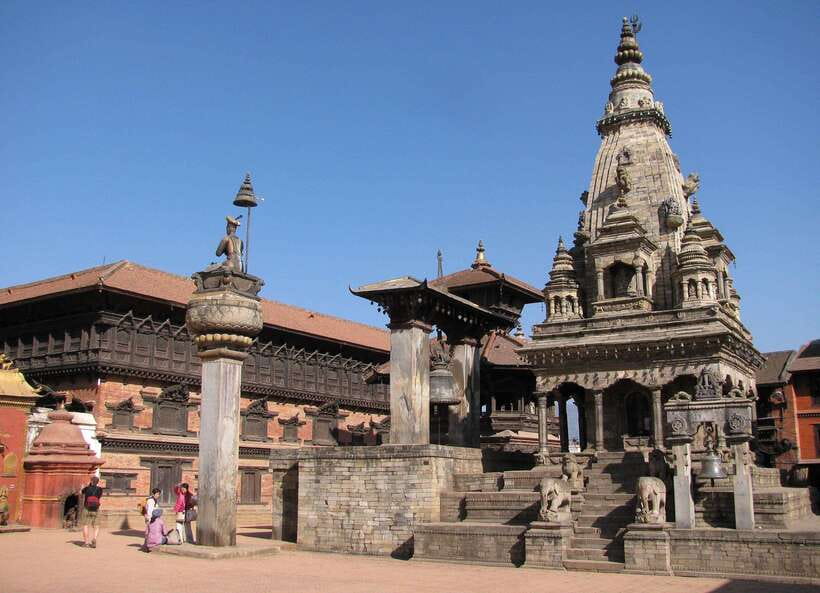
Reviewed · DURBAR SQUARES
From Kathmandu: 3 Major Durbar Square Guided Tour
This experience is interesting because it links three UNESCO Durbar Squares into one tight route, so you see how Nepal’s royal and religious art shifts city to city. You get the kind of big-picture context that helps carved wooden doors, temple spires, and palace courtyards click into place.
I love how the tour focuses on specific, easy-to-recognize highlights, from Kumari’s residence at Hanuman Dhoka to the soaring Nyatapola Temple in Bhaktapur. I also like that the pacing is guided and structured, with private transport and clear time on each square.
One possible drawback: the visit time is limited for three UNESCO sites, so if you want hours of free wandering in just one city, you may feel a bit rushed. Also, entrance fees and meals are not included, so plan for those costs.
Quick takeaways before you go
- English guide with real storytelling: Guides like Pranav and Aneel (Karma) are praised for clear explanations and lively, helpful narration.
- Three Durbar Squares, one route: You cover Kathmandu, Bhaktapur, and Patan in a single 5-hour plan with private transportation between stops.
- High-impact landmarks: You’ll see Hanuman Dhoka Palace, Kumari’s residence, Krishna Mandir, the Golden Gate, the 55-Window Palace, and Nyatapola.
- Skip-the-line perk: The tour includes skipping the ticket line (entrance fees are still separate).
- Good pickup convenience: Hotel pickup and drop-off are within Kathmandu, with pickup from Thamel.
Why the Kathmandu Valley Durbar Squares work so well in 5 hours
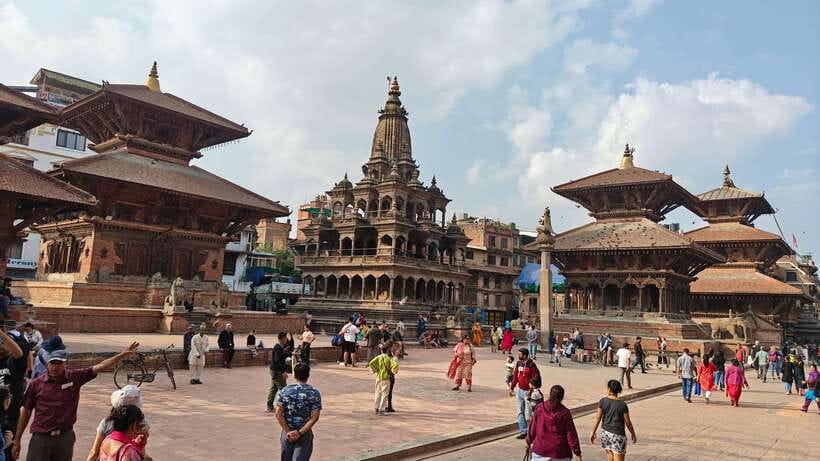
If you have limited time in Kathmandu, this is a smart way to get value without turning your day into a calendar math problem. The Kathmandu Valley’s Durbar Squares are not just pretty scenery. Each one is a concentration of palaces, temples, and court-yards that used to anchor royal power and still hold religious meaning.
What makes the route particularly efficient is the variety of styles you encounter. Kathmandu Durbar Square gives you the royal heart and the living connection to Kumari. Bhaktapur feels more intact and more “old city.” Patan leans into craftsmanship and stonework, with major religious architecture you can point to quickly as you go.
You are on a guided schedule for five hours. That can be a blessing if you like momentum, and a compromise if you crave slow travel. I’d treat it as a “great orientation plus the must-see sights” day, not a replacement for longer stays in each town.
More of the three Durbar Squares:
- Bhaktapur & Patan Durbar Square Day Tours
★ 5.0 · 122 reviews - Kathmandu Sunset Tour by Rickshaw Including Durbar Square Visit
★ 5.0 · 73 reviews - Bhaktapur Durbar Square and Boudhanath Stupa
★ 5.0 · 7 reviews
Kathmandu Durbar Square: Hanuman Dhoka, Taleju Temple, and Kumari’s residence
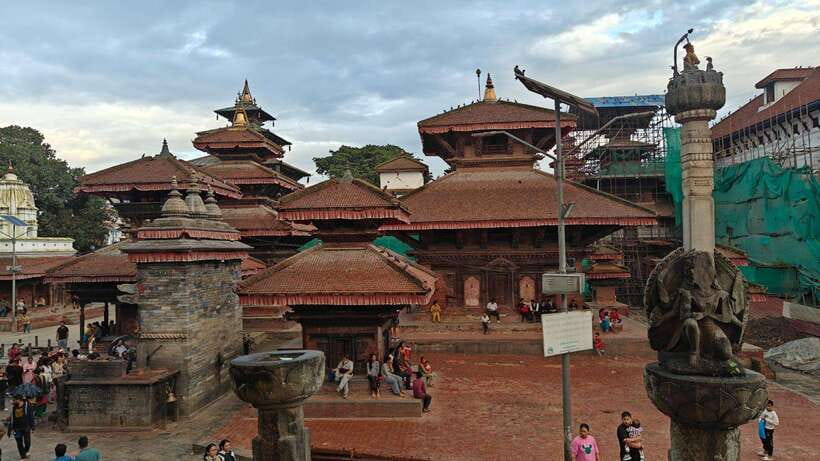
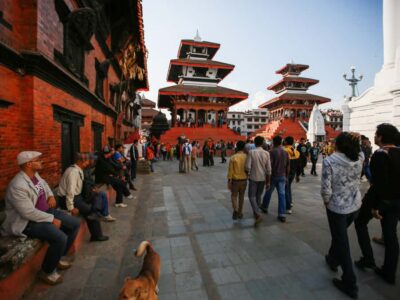
Kathmandu Durbar Square is the start that sets the tone. This is the busy center of ancient Kathmandu, where royal palaces, courtyards, and temples cluster in one compact area. Even if you have never studied Nepal’s history, a good guide helps you read the place fast.
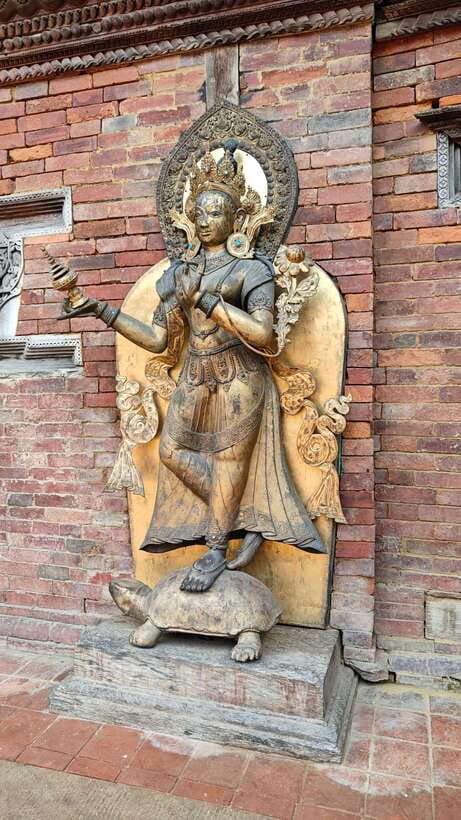
Here’s what you’ll focus on during the guided time: the Hanuman Dhoka Palace complex, dedicated to the Hindu monkey god Hanuman. You’ll also spend time around the Taleju Temple, plus the Kumari’s residence. Kumari matters because she is a living goddess, so this isn’t only about carved architecture. It’s also about how tradition still functions in the city.
What I like about this stop is how it gives you a “theme” for the rest of the day. Kathmandu is where you learn the language of royal space, carved wooden structures, and temple symbolism. Once you understand that, Bhaktapur and Patan stop feeling like random sightseeing stops and start feeling like chapters in the same story.
Practical consideration: expect respectful rules around religious spaces, especially when you’re near the Kumari residence and temple areas. Go slow, keep your questions simple, and listen to your guide’s pointers so you don’t accidentally block others or miss the best explanations.
Bhaktapur Durbar Square: the 55-Window Palace, Golden Gate, Vatsala Temple, and Nyatapola
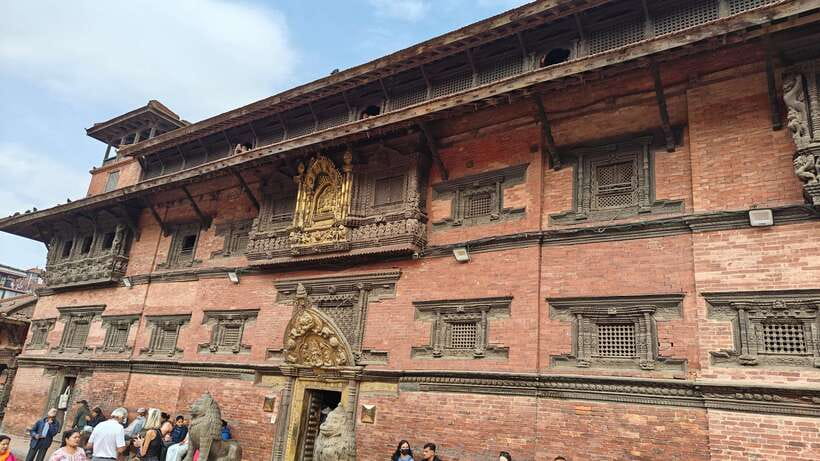
Bhaktapur Durbar Square is often the one people remember most clearly after the day ends. The vibe here is different. It’s less commercialized and better preserved than the other two squares, so the atmosphere feels more like an old city you can still sense beneath your feet.
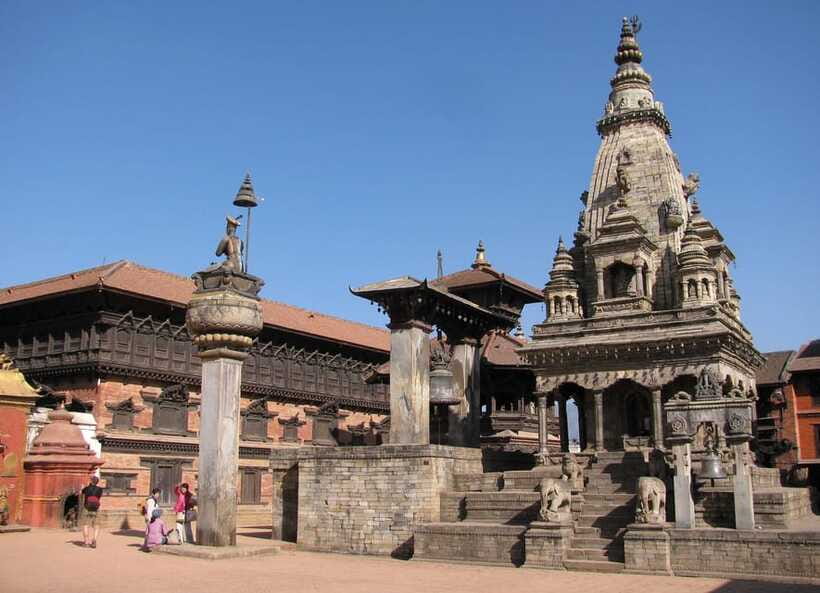
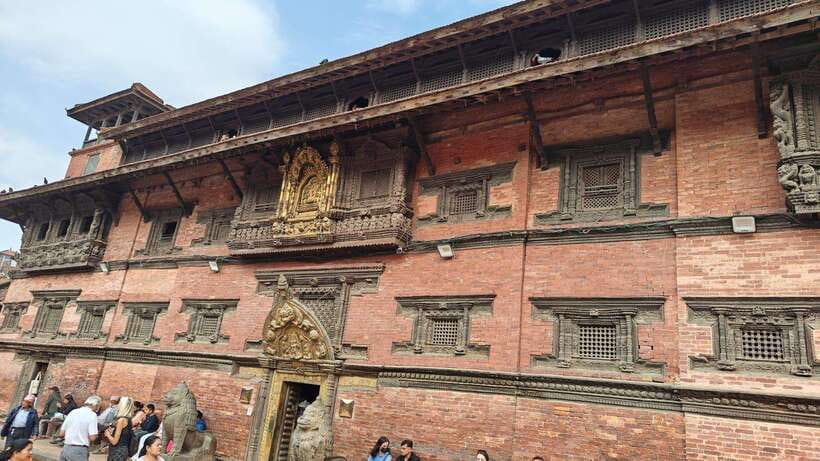
Your guided time includes major palace and temple highlights: the 55-Window Palace, the Vatsala Temple, and the Golden Gate with its intricate craftsmanship. These aren’t just named landmarks. With a guide, you’ll understand how the palace and temple layout supported royal life and public ritual.
Then there’s the big vertical star: Nyatapola Temple, described as the tallest pagoda in Nepal. This is the kind of sight that changes your photo habits in a good way. Instead of just getting a wide shot, you’ll start looking upward and noticing how pagoda forms and temple tiers create rhythm in the skyline.
A consideration for this stop: because Bhaktapur is known for preservation and old-world layout, you may end up doing more careful walking through tight lanes and stone areas than you expect. I’d build in patience, keep your attention on your guide, and avoid rushing shots. If you treat it like an art walk, it gets more rewarding.
Patan Durbar Square: Krishna Mandir and the Patan Museum in the palace complex
Patan Durbar Square, also called Lalitpur Durbar Square, shines for its fine arts reputation and craftsmanship. This is the stop where the tour shifts from royal power to a more detailed look at artistic skill, especially in stone.
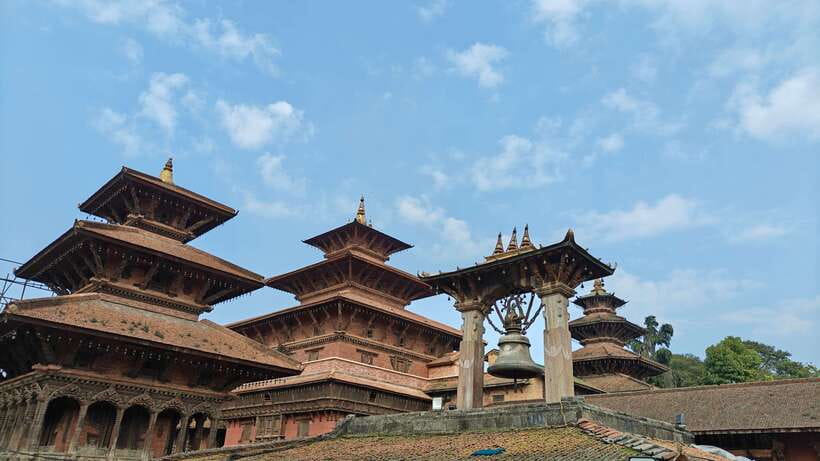
The signature highlight here is the Krishna Mandir, a major stone temple dedicated to Lord Krishna. You’ll also get time in the palace complex area that includes the Patan Museum. The museum portion matters because it gives you a way to connect what you see outside to explanations about valley history, culture, and religious art.
What makes Patan a strong mid-to-late-day stop is the contrast it offers. After Kathmandu’s royal center and Bhaktapur’s preserved old city feel, Patan’s focus on craftsmanship gives your brain something new to latch onto. You can walk away with the feeling that you saw different creative “modes” of the valley, not the same sights repackaged.
Practical consideration: museums can slow a pace, even when they are well timed. If you like reading every sign, plan to let your guide steer you toward the parts most relevant to what you’re seeing in the square.
More to compare around Kathmandu
- Kathmandu: 7 UNESCO Sites with Lunch
★ 4.8 · 744 reviews - Everest Base Camp Helicopter Tour landing at Everest View Hotel
★ 5.0 · 668 reviews - Kathmandu: Local Women-Led Nepali Cooking & Momo Class
★ 4.9 · 360 reviews - Manaslu Circuit Trek
★ 5.0 · 292 reviews
The guide is the secret ingredient, with Pranav and Aneel (Karma) as standout examples
This is the kind of tour where the guide makes or breaks the day. And the quality here is a real theme. People are specifically praising guides for being fluent, friendly, and strong on explaining history, culture, and architecture in a way that feels clear rather than scripted.
One guide named Pranav is highlighted for strong language skills and for explaining details so clearly that the whole experience felt memorable. Another guide, Aneel (Karma), is praised for passion and for story telling that keeps you engaged as you move from one square to the next. The common thread is that these guides do not just name places. They connect what you see to why it matters.
A simple way to get more out of your guide is to ask for one thing at each stop. For example, ask what detail most people miss in that section, or ask how the palace layout connects to religious practice. When your guide is this practiced at speaking clearly, you’ll get answers that shape how you see the rest of the tour.
Also, because it’s a private group with a professional English-speaking guide, you’re not stuck doing the “point and guess” thing. You can actually talk, not just follow.
Getting from Thamel and keeping the pace realistic
The tour is built around a practical pickup and drop-off system. Pickup is from Thamel, and you’ll be returned back to Thamel afterward. It also includes hotel pickup and drop-off within Kathmandu, so if you’re staying near the tourist core, this is usually easy.
Transport between sites is private, which helps a lot when you’re doing three major squares in one go. You’re not piecing together rides or losing time guessing routes. For a 5-hour day, that matters.
The time breakdown is straightforward: you’ll spend about 1.5 hours at Kathmandu Durbar Square, 2 hours at Bhaktapur Durbar Square, and 2 hours at Patan Durbar Square. That schedule supports a guided format where you can actually see key features without turning into a checklist sprint.
Two more practical points. The tour includes skipping the ticket line, which helps remove one common delay. Entrance fees are not included, though, so you should budget for those separately. Also, meals are not included, so plan food timing around a five-hour window.
Price value: why $86 can work if you want guided UNESCO sightseeing
At $86 per person for a 5-hour guided experience, you are paying for more than just “someone to walk with you.” You’re also paying for a professional English-speaking guide, private transportation between three UNESCO-listed Durbar Squares, and hotel pickup and drop-off within Kathmandu.
That adds up when you consider what goes into a day like this. Three major sites is enough distance and enough complexity that doing it alone usually means spending time planning, coordinating transit, and then figuring out context once you arrive. Here, the context is built into the guide’s job.
What could reduce value for some people is what you still need to cover yourself. Entrance fees and meals are not included, and personal expenses are not included either. If you snack between stops or want a museum ticket added on top, those costs can change the final math.
Still, if you want a guided, structured day that hits the key landmarks in Kathmandu, Bhaktapur, and Patan, this price can feel fair. Especially because it’s private and stays concentrated, rather than turning your day into an all-day marathon.
Who this tour fits best (and who should skip it)
This tour fits best if you want a clear plan, a strong English guide, and the big Durbar Square landmarks in one visit. It’s also a good choice when you prefer not to spend half a day figuring out logistics.
It’s also listed as wheelchair accessible, which is an important plus for travelers who need mobility-friendly options. The tour is a private group, so you are not dealing with the friction of large group pacing.
There are a couple of clear “not for everyone” notes. Alcohol and drugs are not allowed. And it is not suitable for people over 95 years. If you’re within that range, use the accessibility info and discuss your needs with the provider before booking.
If you’re the type who wants to linger for long periods at one temple or palace, you might feel the compressed timing. Think of this tour as an excellent overview with high-impact stops, then plan longer time elsewhere if the valley has captured your imagination.
Should you book this 3 Durbar Squares tour from Thamel?

I think you should book it if you want the most efficient way to see three UNESCO Durbar Squares with a guide who can explain what you’re looking at, not just what’s nearby. The combination of Kumari’s residence, Krishna Mandir, and Nyatapola Temple is a rare lineup for one half-day route.
Book it especially if you care about narration. The best part of this experience is repeatedly tied to guide quality, with Pranav and Aneel (Karma) named for being fluent, friendly, and strong at connecting history, culture, and architecture.
Skip it or consider another option if your ideal day is slow, quiet, and unstructured. This is a planned route with fixed time at each square, and you’ll want to be comfortable with a guided pace.
FAQ
How long is the tour and where do I get picked up?
The tour lasts 5 hours and pickup is from Thamel.
Which Durbar Squares are included?
You visit Kathmandu Durbar Square (Hanuman Dhoka), Bhaktapur Durbar Square, and Patan Durbar Square.
Do I get an English-speaking guide?
Yes. The tour includes a professional English-speaking guide.
Are entrance fees and meals included in the price?
No. Entrance fees and meals are not included.
Does the tour include transportation between the sites?
Yes. Private transportation is included between the sites.
Is there a ticket line skip?
Yes. The tour includes skipping the ticket line.
Is the tour wheelchair accessible, and is it private?
Yes, it is wheelchair accessible, and it is a private group.
Is free cancellation available?
Yes. You can cancel up to 24 hours in advance for a full refund.
Latest Kathmandu write-ups
- 16 Days Island Peak Climbing With Everest Base Camp Private Trip★ 5.0 · 3 reviews
- Private Nepal round trip including Ghorepani Poonhill trek★ 5.0 · 3 reviews
- Everest Base Camp Trekking 16 Days★ 4.0 · 7 reviews
- 15 Days Round Annapurna Trek with Poon Hill from Pokhara★ 5.0 · 5 reviews
- 14 Days Luxury Annapurna Base Camp Trek★ 5.0 · 6 reviews
- Everest Base Camp Trek★ 5.0 · 32 reviews
- Everest Base Camp Trek★ 5.0 · 87 reviews
- Everest Base Camp Trek★ 5.0 · 97 reviews
Durbar Squares, compared.
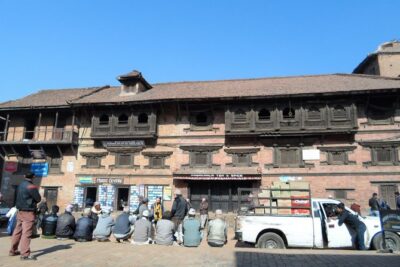
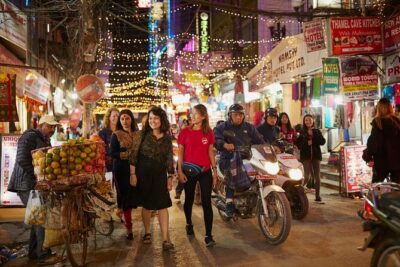
Kathmandu Sunset Tour by Rickshaw Including Durbar Square Visit
Read our review →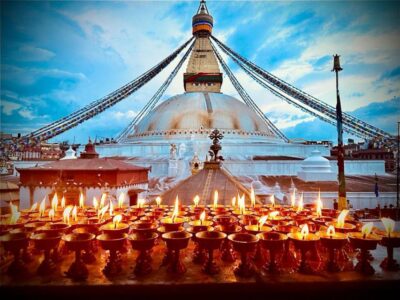
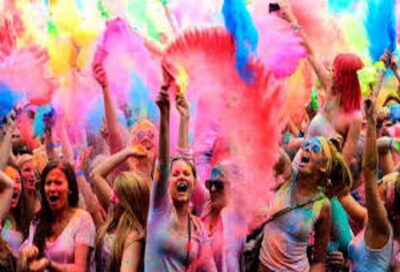
Kathmandu Durbar Square | Holi Festival Celebration 2 March
Read our review →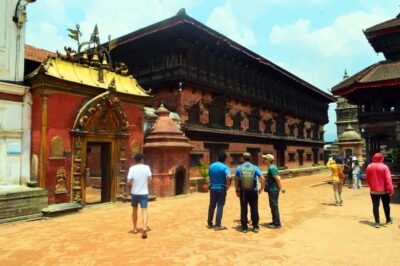

Chandragiri Hills & Kathmandu Durbar Square Tour
Read our review →Browse the lists this tour appears in