
Reviewed · ANNAPURNA BASE CAMP TREK
Annapurna Base Camp Trek -8 days
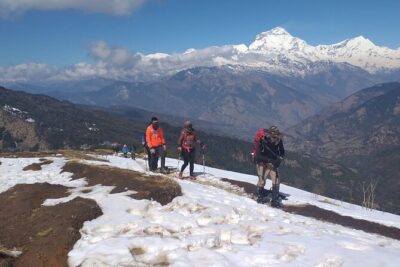
Annapurna Base Camp in 8 days is interesting because you get serious Himalayan drama fast, without the long commitment of bigger treks. You’ll start in Pokhara, walk through Gurung villages like Ghandruk and Chhomrong, then work your way to the Annapurna Sanctuary, finishing at Annapurna Base Camp around 4,130 m.
I love how this route mixes mountain views with real village life, not just walking. English-speaking guide support helps a lot on days that run long, and many people praise guides such as Binod for keeping the pace sensible and the trip organized.
One drawback to plan for: some walking days can feel long, and you’re going high enough that altitude matters. Also, meals and accommodation in Kathmandu and Pokhara aren’t included, so budget a bit beyond the trekking price.
Key Highlights You’ll Feel on This Trek
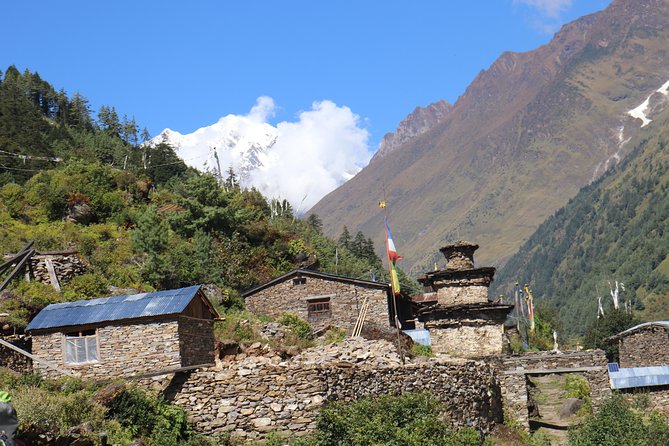
- Ghandruk and Chhomrong Gurung villages for cultural stops, not just scenery
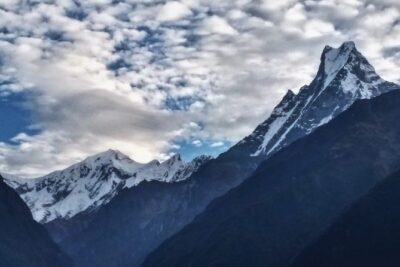
- Machhapuchhare Base Camp with big Fish Tail energy before Annapurna Sanctuary
- A true trek-to-the-top day at Annapurna Base Camp, reached via a short morning walk
- Rhododendron-pine, bamboo groves, and Modi River gorges across changing terrain
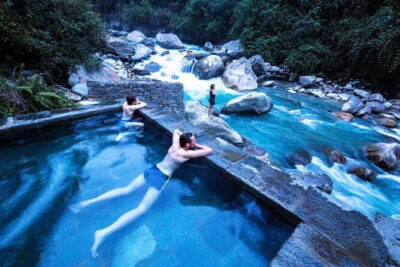
- Jhinu hot springs to end the hike with a warm reward near the river
- Park fees, TIMS card, and guide support bundled into one clear package
From Pokhara to Ghandruk, You Start With Real Annapurna Views
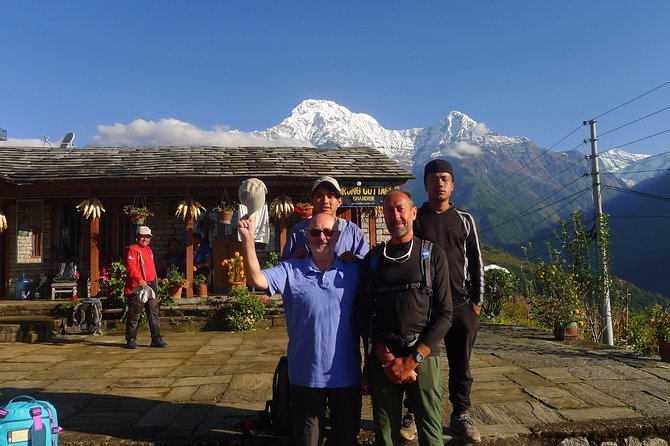
Your day starts in Pokhara, with a pickup option and a planned start time around 8:15 am. The drive takes you beyond the lakeside area and into the first proper trekking valley, with Annapurna peaks showing up early enough to get you mentally locked in.
Day 1 is about a warm-up that still feels like you’re moving toward something special. After breakfast at your Pokhara hotel, you head to Bhirethati, then climb on stone steps toward Ghandruk. This is where the trek begins to feel like Nepal, with farm villages and the Gurung community welcoming trekkers without turning into a theme park.
What I like here is that Ghandruk is both a place to sleep and a place to understand the region. You get time to visit the village, and it also works as a practical gateway for people who continue to other routes around Annapurna.
The watch-out on Day 1 is simple: stone steps mean your legs get a job right away. If you’re new to trekking, keep your pace steady. You don’t need to prove anything on Day 1, you need to arrive in good shape.
More routes into the Annapurna Sanctuary:
- Kathmandu/Pokhara: 5-Day Annapurna Base Camp (ABC) Trek
★ 4.9 · 72 reviews - Private 7 – Day Annapurna Base Camp Trekking
★ 5.0 · 50 reviews - Annapurna Base Camp Trek (8 days)
★ 5.0 · 45 reviews
Ghandruk to Chhomrong: Kimrong Ridge, Fine Stone Work, and a Big Village Night
Day 2 pushes the route through changing elevations, starting with a morning walk from the village top. You follow a gradual path and then climb toward Kimrong Danda, a ridge area where you’ll find tea-house stops and lodges.
From there, you descend briefly into the Kimrong River valley. You’ll feel that rhythm that makes Annapurna trekking so satisfying, up for a stretch, then down enough to reset your breath and muscles.
Then comes the longer climb that leads you above Chhomrong, with winding trails that include fine stone work. The payoff is reaching a view-heavy area before dropping back down to Chhomrong itself, where you’ll overnight in a large Gurung village.
Chhomrong is useful in a very practical way. It’s big enough to feel comfortable after long walking, but still close enough to the countryside that it feels like a working village, not just a stopover. If you’re the type who likes a bit of local life at each night, this stop is one of the best.
The consideration is that Day 2 can run long. The itinerary estimates around 12 hours, so plan your energy early. If you’re tempted to rush downhill, don’t. Knees often complain first, long before your lungs do.
Chhomrong to Bamboo and Dovan: Bamboo Grooves and Remote Nights
Day 3 starts with some work, downhill to cross a bridge over the Chhomrong River, then up toward Sinuwa Danda ridge. Again, you’ll find tea-houses and shops, which matters because it gives you options for quick pauses and snacks.
After the ridge, the trail shifts into denser forest and softer footing. You’ll walk through winding ups, then descend into dense woodland where bamboo groves show up. Eventually you reach Bamboo, a small settlement built around serving hikers in a river gorge setting surrounded by rhododendron, pine, and bamboo.
From Bamboo, the route continues gradually with easier ups to Dovan for the night. Dovan is described as remote and isolated with only a few lodges, which changes the vibe. It’s quieter, and it tends to feel like you’re truly out there on the trek, not just moving between popular stops.
If you’re wondering what makes Day 3 memorable, it’s this mix of atmosphere and variety. Forest sections cool you down visually and physically, and the river gorge setting keeps things from feeling flat.
The drawback is logistics. Remote lodges can mean fewer choices for what you eat and how much comfort you get. The good news is that the trek includes meals during the trekking days, so you’re not left hunting for food.
To Machhapuchhare Base Camp, You Walk Past Hinko Cave and Into Big Views
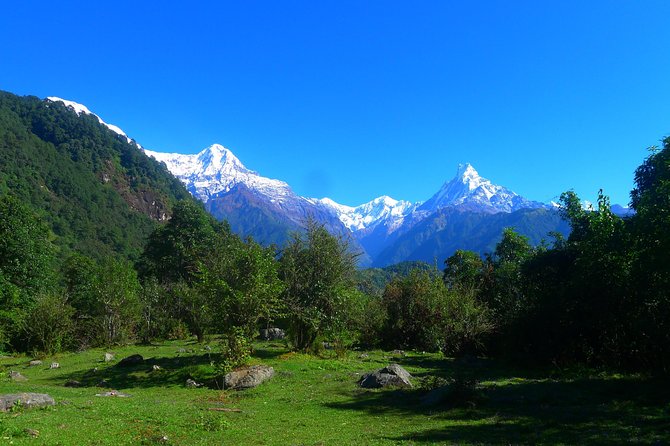
Day 4 is where the experience turns from village trekking into something closer to mountain pilgrimage. The route climbs windingly through forest past a place called Himalaya Hotel, and you’ll be near the big overhanging cave known as Hinko.
This matters because you’re walking under the shadow of major peaks. The area sits directly beneath Annapurna South and Huin-Chuli, so even before you reach the high points, the mountain context starts to feel serious.
You then head downhill toward the Modi River, then climb again to Deurali where the tree line ends and alpine bushes start. After that, you follow the Modi River along uphill sections right toward Machhapuchhare Base Camp.
Machhapuchhare Base Camp is your overnight highlight on this day. You’re at the bottom of the north face of Machhapuchhare, and this is one of those places where the view feels like a wall. It’s also a psychological bridge: you’re close enough that Annapurna Base Camp feels achievable rather than theoretical.
The key consideration is that Day 4 includes long, continuous walking, estimated around 10 hours. Even if the terrain is varied, your body still racks up fatigue. Take breaks seriously here. Small pauses are how you arrive fresher for the final push.
More to compare around Pokhara
- ZipFlyer Nepal – The World’s Steepest Zip-line
★ 5.0 · 608 reviews - Bungee Pokhara by HighGround Adventures
★ 5.0 · 366 reviews - From Pokhara: Sarangkot Sunrise Himalayas Tour
★ 4.7 · 218 reviews - ATV Adventure Tour in Pokhara, Nepal
★ 5.0 · 194 reviews
Annapurna Sanctuary and Base Camp: The Short Walk That Feels Like a Reward
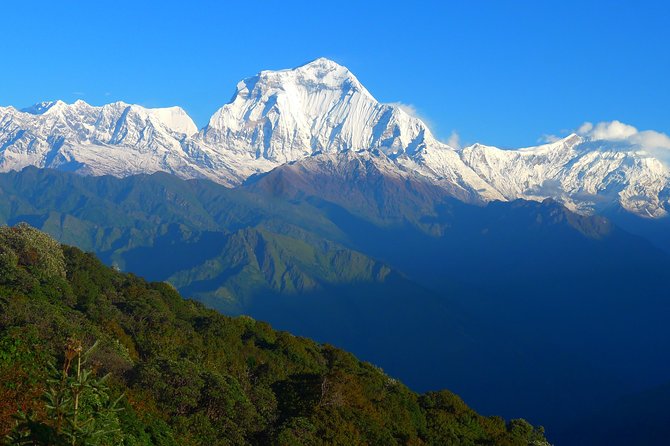
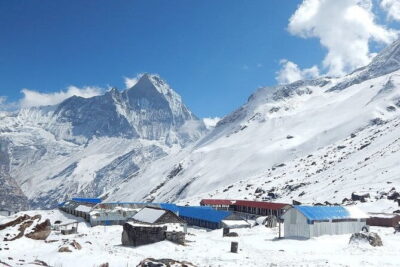
Day 5 is special because the itinerary makes it a short and easy morning walk to the base camp. From Machhapuchhare, you enter the Annapurna Sanctuary area, where the topography opens up into a wide plateau surrounded by multiple peaks.
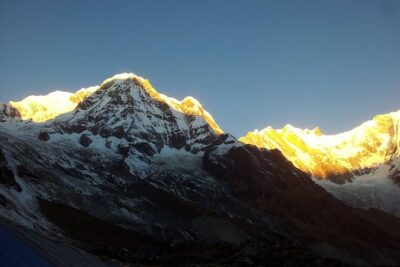
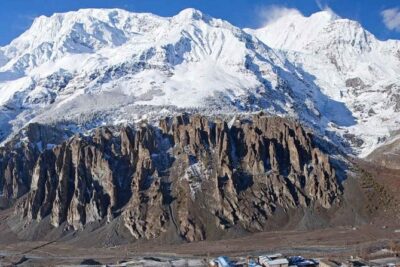
You’ll reach a welcome signpost for Annapurna Base Camp, then continue to the highest spot on this route, listed above 4,130 m. You’re under Mt Annapurna and near other peaks like Vara-Shikar, Gangapurna, and Annapurna South.
I like the way this day is paced. Yes, you climbed to altitude already, but the day is designed to let you enjoy the arrival without turning the final day into another grind. You’ll also have lodge options at base camp, including a cozy place to sleep and a food menu, with rooms facing amazing views.
The real consideration on Day 5 is altitude and comfort. Even if the walking is shorter, your body can still feel affected at 4,130 m. If you’re prone to headaches or nausea, take it slow, drink what you can (boiled water is usually an extra cost), and avoid rushing for photos that turn into heavy breathing.
Bamboo Downhill and Back Into Trees: Recovery Without Losing the Plot
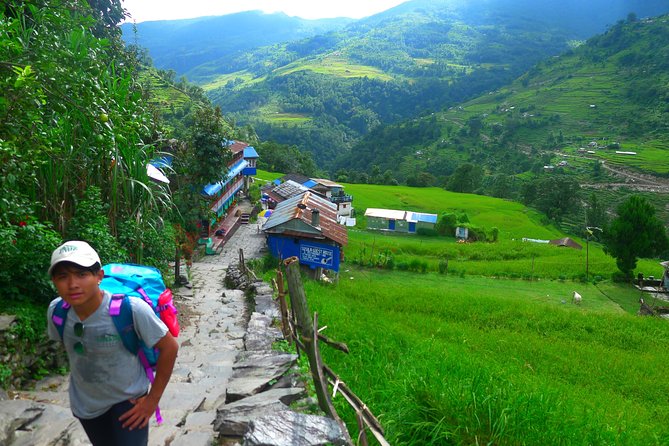
Day 6 is your descent day, but it isn’t a zero-effort day. The plan calls for nearly six hours of hiking downhill with short ups, returning you toward Bamboo. As you drop in elevation, you go back into tall tree lines and greener vegetation.
This is a smart recovery structure. You get the psychological win of reaching base camp, then you earn the physical relief of descending, without just teleporting to the bottom.
One thing I like: the contrast is real. Day 5 feels exposed and cold in the sanctuary atmosphere, and Day 6 shifts you back into forest shelter. You can breathe easier, and you get your legs back through walking that is demanding but more forgiving than the high, thin-air feeling.
The drawback is that descending still taxes knees. Use trekking poles if you have them, take careful steps, and don’t let the trail speed you up.
Jhinu Danda Hot Springs: A Ridge Ride Back and a Warm End
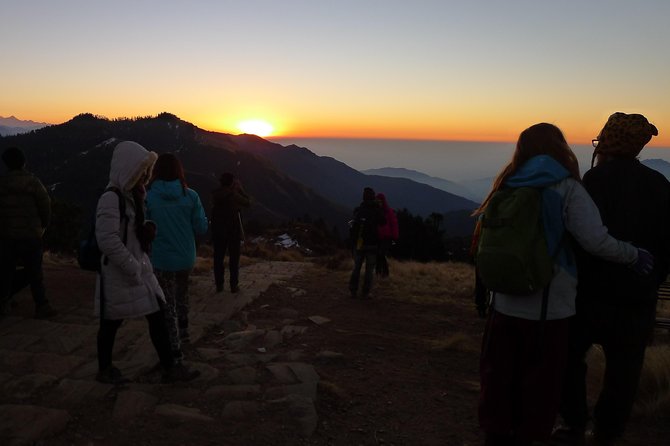
Day 7 brings you back toward Chhomrong, with ups and downhill trail sections. Then your route diverts to a new trail heading to Jhinu, which sits on a ridge with grand scenery across rolling hills and mountains.
Jhinu is where you get the fun payoff. The hot springs are a short downhill walk, about half an hour away, near the raging Modi River. There are two warm pools close to the water, and after several days of hiking, that warmth is a genuine reset for tired muscles.
I think hot springs are worth taking seriously on this route because they give you a way to end the hike that isn’t just another meal and another bed. You’re literally changing how your legs feel.
The consideration is that you’ll still have to hike the next day, so don’t turn hot springs into a long lounging session that leaves you stiff. Keep it comfortable, rinse off as best you can, and sleep early.
Final Day Into Pokhara and Lake Phewa: Simple, Scenic, and Practical
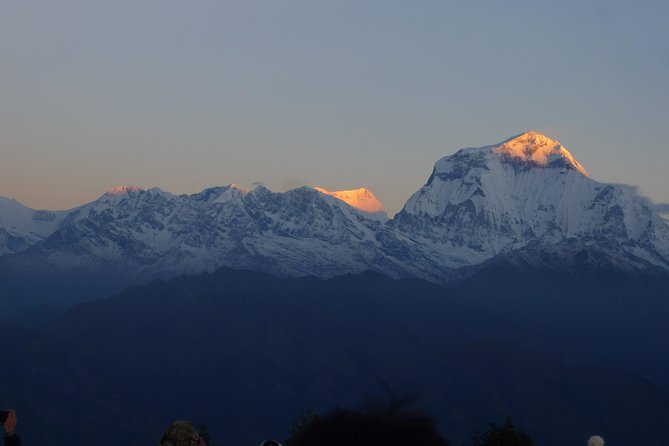
Day 8 is the wind-down day. You walk downhill in low and warmer farm and paddy fields areas, then drive back to Pokhara for an overnight near Lake Phewa.
This is a nice way to close the trek because it’s not a sharp final climb. Instead, you get an easier finish that feels like the region exhaling after the big work of the previous days.
One practical note: the trek ends back at the meeting point, and you’re already set up for an easy transition into post-trek plans. Since meals and accommodation in Pokhara are not included, use this last day to think about the kind of comfort you actually want after eight days on the trail.
Price and Value for $899: What’s Included, What’s Not
At $899 per person for an 8-day trip, the key question is what you get without nickel-and-diming yourself to death. In this package, you get national park entrance fee and TIMS card, plus a guide who is English-speaking, along with a first aid kit. You also get Pokhara to Nayapul to Pokhara by private vehicle, and meals during the trek are covered (breakfast 8, lunch 8, dinner 7).
You also receive trekking extras like a trekking planner t-shirt, cap, duffle bags, and route maps. That stuff is not life-changing, but it reduces friction at the start. You’re also covered with an arrangement for emergency evacuation.
Where the value shifts is in convenience. If you had to set up park permits, find reliable guide support, and organize transfers yourself, the hours you spend doing that often cost more than the difference in price. This trip wraps those moving parts into one deal.
What’s not included matters too. Your personal travel and health insurance is not included, and insurance for helicopter evacuation is not included either. Tips for the trekking crew and drive are also not included. On top of that, personal expenses like laundry, phone calls, battery recharge, beverage bills, and boiled water are on you.
If you want a clean budget estimate, plan for:
- insurance
- tips
- personal snacks and drinks
- boiled water and any extra beverages you choose
- your own Kathmandu and Pokhara meals and lodging
That’s the trade. The trek handles the core trekking and core logistics, but you handle the personal spending.
Who This 8-Day Annapurna Base Camp Trek Fits Best
This trek fits best if you have limited time and still want the real Annapurna Base Camp payoff. The biggest draw for many people is that you get major base camp altitude in a compressed schedule, without needing a full-on multi-week commitment.
It also suits you if you like structured days. Each day has a clear progression, village to ridge to forest to sanctuary to hot springs, and the plan keeps you moving toward the goal without endless backtracking.
You’ll like it most if your fitness is at a moderate level. The itinerary includes long days that can run around 10 to 12 hours depending on the stage, so you need endurance and basic hiking comfort. If you’re carrying stress about pace, you should feel reassured by the style of guidance described by many hikers, where slower walkers get respect instead of pressure.
If you are sensitive to altitude, you should talk to your doctor before you go. The trek’s highest point is listed above 4,130 m, and you’ll gain elevation quickly enough that your body has to adjust.
Should You Book This Annapurna Base Camp Short Trek?
I’d book it if you want the Annapurna Base Camp experience with strong organization, village nights, and a finish that includes Jhinu hot springs. The package value is strongest when you appreciate having permits, TIMS handling, a guide, and transport stitched together.
I would hesitate if you want full meal and lodging coverage in Kathmandu and Pokhara, or if you dislike walking for 10 to 12 hours on trekking days. You’ll also need to plan your own insurance and be ready for personal expenses like hot drinks and boiled water.
If your goal is a focused, high-impact Himalayan trek, this 8-day route makes a lot of sense. You get the sanctuary payoff, then you come back through forests and villages like a human, not like a rushed checklist.
FAQ
What is the highest point on this trek?
The itinerary lists Annapurna Base Camp as the highest spot at above 4,130 m.
How long is the Annapurna Base Camp trek?
It is an 8-day trek, approx.
Where does the trek start and end?
It starts in Pokhara, Nepal, and ends back at the meeting point in Pokhara.
Is a guide included?
Yes. The package includes a highly experienced English-speaking guide, and a first aid kit is also included.
Are meals and accommodation included in Kathmandu and Pokhara?
No. All meals and accommodation in Kathmandu and in Pokhara are not included.
What is included in the price?
The price includes national park entrance fee and TIMS card, guide and paid support, first aid kit, trekking planner t-shirt and cap, duffle bag and route maps, Pokhara to Nayapul to Pokhara by private vehicle, and meals during the trek (breakfast, lunch, and dinner as listed).
What is the cancellation window for a full refund?
You can cancel up to 24 hours in advance of the experience start time for a full refund.
Latest Pokhara write-ups
- Landing Annapurna Base Camp by Helicopter Tour from Pokhara★ 4.0 · 5 reviews
- Sarangkot sunrise with Morning Tibetan Cultural Tour★ 5.0 · 5 reviews
- 3 Day Kapuche Glacier Lake Trek with Siklesh from Pokhara★ 5.0 · 5 reviews
- Entire Day Pokhara Complete Tour★ 5.0 · 5 reviews
- 3 Day Mardi Himal Base Camp Trek from Pokhara★ 5.0 · 5 reviews
- Private Tour Local Culture and The View of Mohare Danda★ 5.0 · 6 reviews
- 3 Days Ghorepani and Poonhill Private Trek from Pokhara★ 5.0 · 6 reviews
- Pokhara: Poon Hill Ghorepani Short Trek★ 5.0 · 6 reviews
Annapurna Base Camp Trek, compared.
Browse the lists this tour appears in