
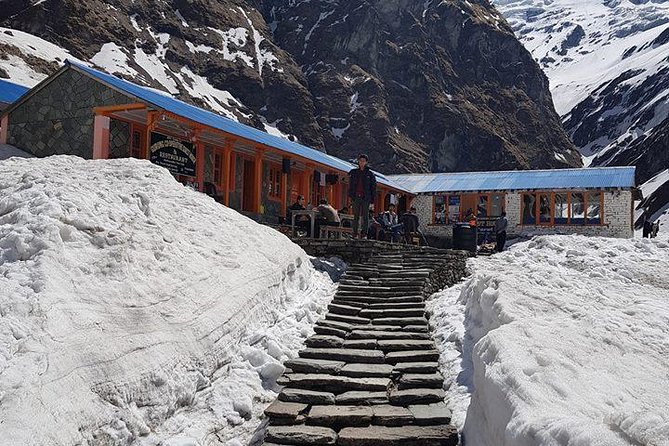
Reviewed · ANNAPURNA BASE CAMP TREK
Private 7 – Day Annapurna Base Camp Trekking
If you want Annapurna Base Camp without the hassle of coordinating buses, tea house beds, and permits on your own, this private 7-day trek is a smart way to do it. I like that the trip is built around your own pace, with a guide handling the moving parts so you can focus on the trail.
My other big plus is value: the guide and porter fees are included, and you get meals and lodge accommodation on trek instead of surprise add-ons. The main thing to consider is physical strain. Even with private support, this is a trek with lots of steps and climbing, and the route expects a moderate fitness level.
Key highlights worth planning for
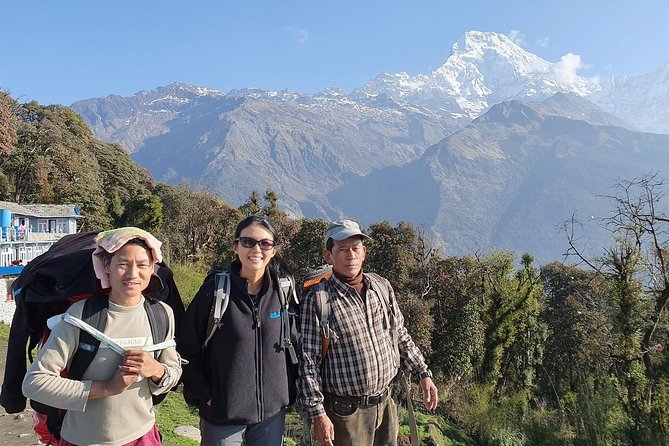
- Private trek, just your group, so you can keep a realistic pace and adjust day-to-day
- Guide and porter included, plus rescue and emergency evacuation support
- Tea house nights with meals covered, so you spend less time managing logistics
- ACAP and permits are handled, which saves paperwork stress before you go
- Pokhara jeep transfers keep the big travel days from eating your hiking time
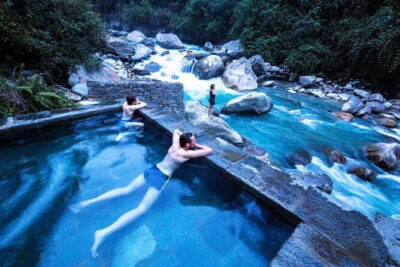
- Jhinu Danda hot spring stop, a welcome reward on the way back
A trek that trades stress for rhythm in the Annapurnas
This is the kind of trip I recommend when you want the Himalayas, but you do not want to play project manager. You meet in Pokhara, then the plan uses short road hops and a steady trekking schedule to get you into the Annapurna region, up to Base Camp, and back down again.
The private angle matters here. On a route like this, the biggest friction is time pressure. When someone else controls the schedule, you can end up pushing harder than you should. With a private setup, you can keep the walking intensity sensible, especially on altitude days.
More routes into the Annapurna Sanctuary:
- Kathmandu/Pokhara: 5-Day Annapurna Base Camp (ABC) Trek
★ 4.9 · 72 reviews - Annapurna Base Camp Trek -8 days
★ 5.0 · 56 reviews - Annapurna Base Camp Trek (8 days)
★ 5.0 · 45 reviews
Price and logistics: where the $625 really goes
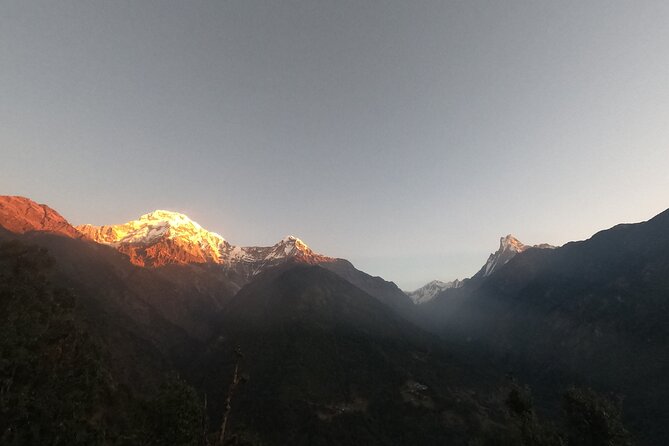
At $625 per person, the price is not just for walking. It covers the trekking core: a government registered guide and porters (including their expenses), lodge accommodation on trek, meals (breakfast 7 times, lunch 6 times, dinner 6 times), permits (including ACAP), and the overland transportation mentioned in the itinerary.
It also includes practical items that make daily life on trek easier, like a trekking map, oxygen saturation support, and water purification. A duffle bag is included too, which is handy if you do not want to bring your own bulky container.
What you should budget separately:
- Hotel accommodation in Kathmandu and Pokhara
- Travel insurance
- Tips for guide and porter
That last part is important. In Nepal, tipping is customary, and this tour does not include it. If you love the service, plan to tip fairly rather than trying to stretch a fixed budget.
Meeting point in Pokhara: simple start, start time matters
You start from Pokhara Lakeside (6X84+3JQ, Lakeside Rd, Pokhara 33700). The start time is 8:15 am, and the activity ends back at the same meeting point.
This matters because it sets expectations for your first day. You will likely want to eat a solid breakfast once you arrive, and keep your travel day relaxed enough that you are not rushing to catch the morning start.
Day 1: Chhomrong terrace views, then a jeep ride into the trek
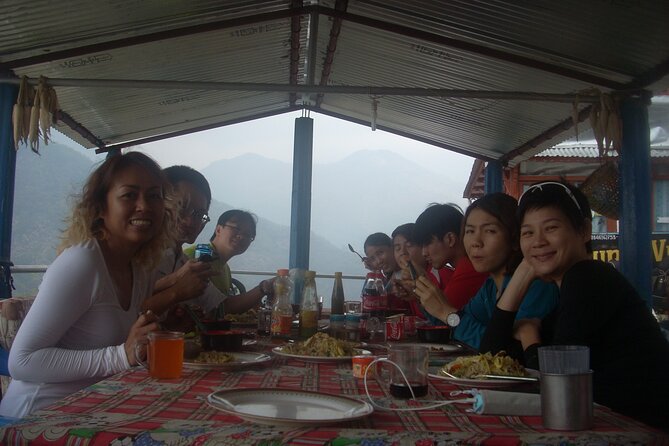
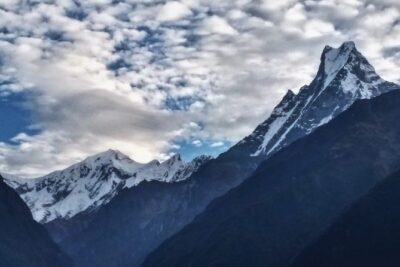
Day 1 begins with a breakfast viewpoint feel, looking out over Annapurna I (8091m) and Machhapuchhre (6997m) from the terrace. That is a great opener because it gives you the mountains as the main character right away, not just on the Base Camp payoff day.
After breakfast, you pack up and take a jeep for about 2.5 hours. The route heads toward Chhomrong, a common staging area for Annapurna Base Camp treks. Expect this to be a warm-up day, not an exhaustion day.
One practical note: jeep days can be bumpy. If you are sensitive to motion sickness, bring something that works for you, and keep water handy.
More to compare around Pokhara
- ZipFlyer Nepal – The World’s Steepest Zip-line
★ 5.0 · 608 reviews - Bungee Pokhara by HighGround Adventures
★ 5.0 · 366 reviews - From Pokhara: Sarangkot Sunrise Himalayas Tour
★ 4.7 · 218 reviews - ATV Adventure Tour in Pokhara, Nepal
★ 5.0 · 194 reviews
Day 2: stone steps down, bridge over Chhomrong Khola, uphill to Sinuwa
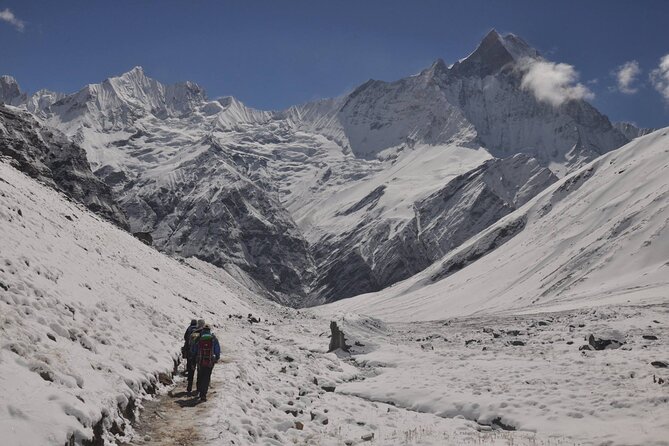
Day 2 is all about flow, not speed. You descend about 2500 stone steps and cross a bridge above Chhomrong Khola. Then the day turns uphill toward Sinuwa.
You will have lunch in Sinuwa and then continue trekking to Bamboo, where you stay overnight.
What I like about this rhythm is that it mixes effort with scenery. Those steep sections can feel repetitive if you are expecting a gentle stroll, but the bridge crossing and the shifting views help break up the work. Also, this is exactly the kind of day where a private guide helps you pace, so your legs do not revolt before you reach the higher zones.
Day 3: Bamboo toward Deurali, with the weeping wall and local shrines
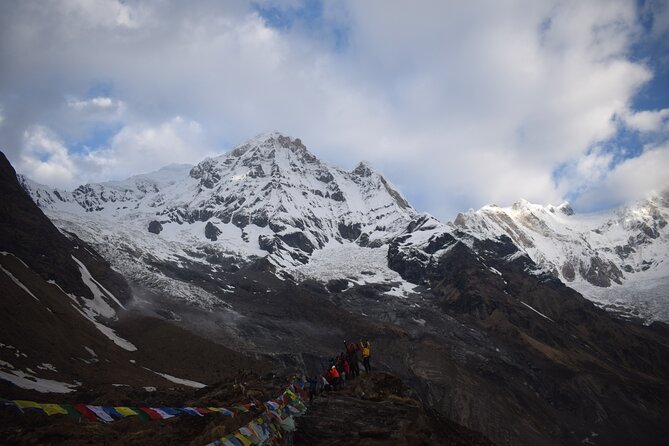
On Day 3, you leave Bamboo village and begin climbing toward the Himalaya Hotel area. The route passes Dovan, and you go along the weeping wall. There is also a local shrine along the way.
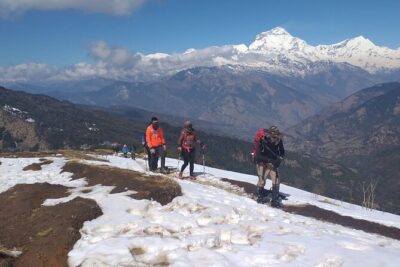
This day is your transition into higher, moodier terrain. Even when the walking hours are not extremely long, the trail is steeper and the air tends to feel different as you gain altitude.
A drawback to be aware of: stone and stair sections can add up. If your knees get cranky, use the trekking rhythm your guide recommends and take short breaks rather than pushing through a painful stride.
Day 4: Deurali to Annapurna Base Camp, Modi River and a cold cave
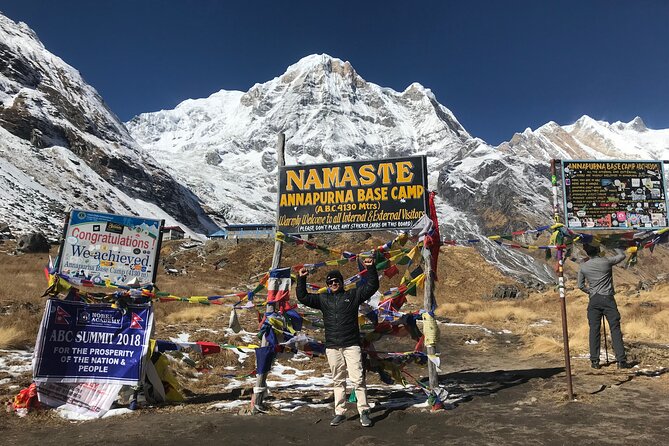
Day 4 is when things start to feel serious in the best way. The trail climbs alongside the Modi River and passes alpine forests. Along the route, you may spot neatly decorated stack of rocks, the kind trekkers add as small waymarks.
The route also goes past an icy cave and into the Ma… portion of the approach area (the itinerary text cuts off there). Even without obsessing over the exact geography, you can treat this as a “high zone” day: colder air, more exposed feeling, and a stronger sense that you are nearing the heart of the route.
This is a good day to be disciplined about water and clothing layers. When temperatures drop, people often get lazy with hydration because they do not feel as thirsty. Keep drinking anyway.
Day 5: Base Camp exploration with a 360-degree view window
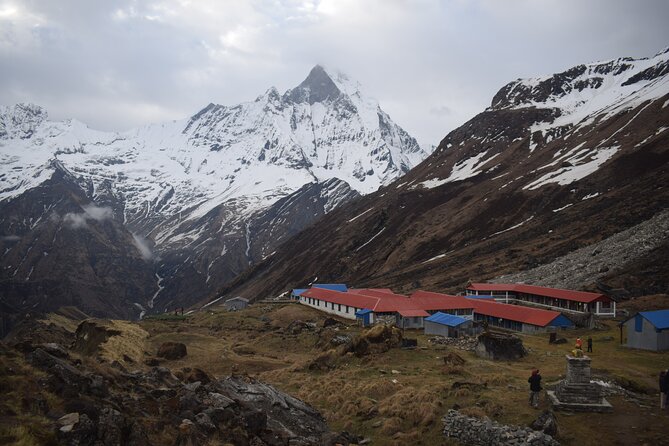
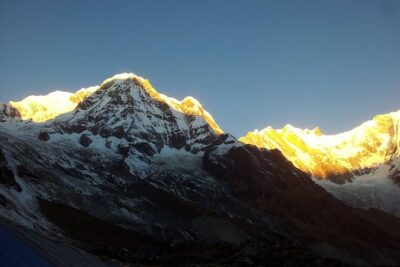
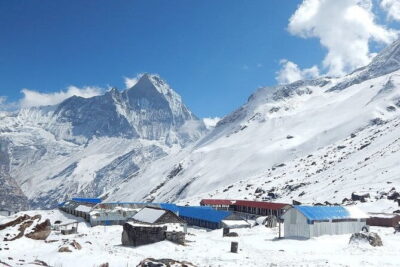
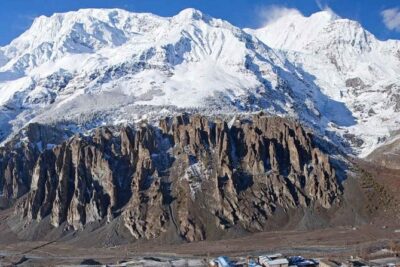
Day 5 is built around exploring Annapurna Base Camp itself. The high altitude region offers a panoramic 360-degree view of the mountains.
This is where you should slow down. Do not try to “finish” the viewpoint like it is a checklist. Spend time looking in different directions, especially once the light shifts. On clear days, the sense of scale can be almost hard to process.
The itinerary notes you can see the Annapurna massif and nearby peaks from the area. Your private guide will help with timing so you spend the right amount of time at Base Camp, not so much that you start getting chilled or fatigued.
Day 6: Jhinu Danda hot spring day, bamboo forests, and the ridge work
Day 6 is a recovery reward wrapped in trekking. You leave Bamboo and climb through lush bamboo forests. The trail moves along a narrow ridge toward Sinuwa village, then you continue downhill toward the Chhomrong River area.
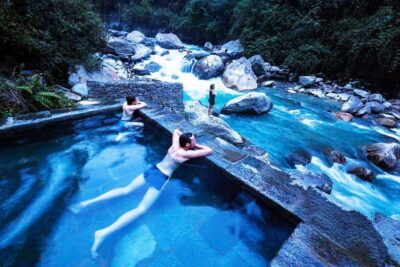
And yes, this is the day with Jhinu Danda Hot spring. After hours on the trail, warm water is a big deal for sore feet and calves.
One consideration: hot springs can get crowded depending on timing, and you may want a bit of patience for towels, water access, and changing. Keep your expectations simple, enjoy the moment, and do not make it a luxury spa day.
Day 7: breakfast views again, then Samrung and the ride back to Pokhara
Your last morning includes breakfast with those familiar views of Annapurna I and Machhapuchhre. Then you take a short walk to Samrung and get into a private jeep for the drive back to Pokhara.
The itinerary says the driving route continues along the Baglu… corridor, which suggests the Baglung side of the approach back toward the city area. In practical terms, it is your “transition out of trek mode” day. Your body will still feel the hike, but the travel time is concentrated into road sections rather than more stairs.
What you actually get included: the small things that matter on trek
The best trek packages are not only about big items like “guide” and “Base Camp.” This one includes several details that prevent daily headaches.
Key inclusions that I think you will notice:
- Oxygen saturation support: helpful if altitude makes you anxious and you want objective check-ins
- Water purification: you are not left to guess how to handle safe drinking water
- Trekking map and duffle bag: less gear scrambling before you go
- Emergency rescue evacuation assistance: peace of mind if something goes wrong
- Public Liability Insurance: not exciting, but reassuring
You are also sleeping in lodge accommodation on trek, and eating meals that are scheduled through the days you hike. That matters because food timing affects how you feel on steep sections.
Guides and porters: why people keep mentioning names
In the past, this trek company has been praised for guide and porter care, including flexible responses to what people need on the trail. Names that come up include Sanjay, Amar, Kumar, Laxman, Min, Ram, and female guides Ritika and Andrea, with porters like Surya and Ramesh also mentioned.
What I take from that pattern is not gossip, it is a strong sign the teams know this route and how to keep people comfortable. In practical terms, it usually means:
- Help with pacing and trail questions
- Quick support if someone feels off
- Management that keeps the itinerary running smoothly so you can focus on walking and breathing
Private treks also reduce awkwardness. You do not have to negotiate pace with strangers or worry about slowing down a larger group.
Altitude and effort: how to think about the “moderate fitness” requirement
This trek is labeled for travelers with moderate physical fitness. That is not the same as easy.
You are descending and climbing over multiple days, with at least one day that includes a steep descent of around 2500 stone steps, and another day that is framed as an “arduous climb” into the Base Camp zone. Even if your pace is slower, expect your legs to work.
My practical advice:
- Treat every day as preparation for the next altitude step. Do not “save everything” for Day 4.
- Take breaks before you feel miserable. A short pause is better than pushing until you have to stop for a long time.
- Use layers. The itinerary repeatedly signals cold, high, or exposed zones, from icy cave mentions to hot spring contrast on the way down.
Tea houses and meals: the comfort tradeoff you should expect
This trek uses tea houses for lodging and provides meals along the way. That means you get real breaks, warm drinks, and a predictable routine.
The tradeoff is that tea houses are simple by design. Your goal is not luxury, it is warmth, food, and a place to sleep between altitude days.
Also, if you have dietary needs, this is still something you should coordinate through your guide. The tour includes meals, but what is available can vary.
The value question: is this private trek a good deal?
For $625, you are paying for a package that is heavier on logistics than on gear. That can be excellent value if you would otherwise have to handle permits, guides, porters, meals, and bookings yourself.
It becomes less of a bargain if you already have experience trekking the region, or if you are the type who prefers to DIY everything. But if you are aiming for a clean experience, private pace, and fewer surprises, the included elements add up.
The biggest “hidden cost” category is not in the trekking price. It is what you add outside it: Kathmandu and Pokhara hotel nights and travel insurance, plus tips.
Who this trek suits best
This private Annapurna Base Camp trek fits best if you:
- Want private pacing for your group
- Appreciate someone else managing permits, meals, and the itinerary flow
- Are comfortable with a multi-day hiking plan that includes steps, climbing, and altitude adjustment days
- Value warm recovery moments like the Jhinu Danda hot spring stop
If you want a very rugged, fully self-supported adventure, this may feel structured. But if you want authentic mountain trekking with fewer hassles, it is a strong match.
Should you book this Annapurna Base Camp private trek?
If you want Annapurna Base Camp with less stress and more guidance, I would book it, especially for the private setup and the fact that guide and porter costs are included along with permits and meals. The itinerary also gives you a classic sequence of mountain views from lower areas up into Base Camp, then a satisfying hot spring day on the way down.
Skip it or consider another option if you do not have a moderate fitness base, if cold temperatures make you struggle, or if you are not willing to plan for travel insurance and tips. For the right person, this is a clean, practical way to get into the Himalayas and come back with sore legs and a big smile.
FAQ
Where is the trek meeting point in Pokhara, and what time does it start?
You meet at Pokhara Lakeside (6X84+3JQ, Lakeside Rd, Pokhara 33700, Nepal). The start time is 8:15 am, and the trek ends back at the same meeting point.
Is this Annapurna Base Camp trek private?
Yes. It is a private trek for you and your party only.
What is included in the trek price?
The package includes a government registered trekking guide and porters (their expenses included), lodge accommodation on trek, ACAP and necessary permits, overland transportation as listed in the itinerary, and assistance for emergency rescue evacuation.
Are meals included during the trek?
Yes. Breakfast is included 7 times, lunch is included 6 times, and dinner is included 6 times.
Are ACAP and permits included?
Yes. ACAP and necessary permits are included.
Does the itinerary include a hot spring stop?
Yes. Day 6 includes Jhinu Danda Hot spring.
What transportation is provided during the trip?
You use overland transportation as described in the itinerary, including a jeep ride on Day 1 (about 2.5 hours to Chhomrong) and a private jeep ride on Day 7 back to Pokhara.
Are any trekking items provided?
Yes. The package includes a trekking map, oxygen saturation, water purification, and a duffle bag, and it also includes water purification.
Is travel insurance included?
No. Travel insurance is not included, and you should arrange it before you go.
What is the cancellation policy, and what happens if weather is poor?
You can cancel for a full refund up to 24 hours in advance of the experience start time. If it is canceled due to poor weather, you will be offered a different date or a full refund. If you cancel less than 24 hours before the start time, the amount paid is not refunded.
Latest Pokhara write-ups
- Landing Annapurna Base Camp by Helicopter Tour from Pokhara★ 4.0 · 5 reviews
- Sarangkot sunrise with Morning Tibetan Cultural Tour★ 5.0 · 5 reviews
- 3 Day Kapuche Glacier Lake Trek with Siklesh from Pokhara★ 5.0 · 5 reviews
- Entire Day Pokhara Complete Tour★ 5.0 · 5 reviews
- 3 Day Mardi Himal Base Camp Trek from Pokhara★ 5.0 · 5 reviews
- Private Tour Local Culture and The View of Mohare Danda★ 5.0 · 6 reviews
- 3 Days Ghorepani and Poonhill Private Trek from Pokhara★ 5.0 · 6 reviews
- Pokhara: Poon Hill Ghorepani Short Trek★ 5.0 · 6 reviews
Annapurna Base Camp Trek, compared.
Browse the lists this tour appears in