
Reviewed · UNESCO WORLD HERITAGE SITES
Kathmandu: 7 UNESCO Sites with Lunch
Kathmandu Valley is one of the few places where you can stack Hindu temples and Buddhist stupas into a single day and still feel like the story makes sense. This tour runs a classic loop of old palaces, royal squares, and sacred sites, with your guide putting the religious meaning behind what you see.
I especially like the way this day mixes architecture and real ritual life. And I like the private transport and skip the ticket line setup, because Kathmandu is not a city where you want to waste time figuring things out.
The main drawback is simple: you cover a lot of ground. Expect meaningful walking, and the day can feel full on, even though it is well paced.
Key highlights worth getting excited about
- 7 UNESCO World Heritage sites in Kathmandu Valley, all in one day
- Historic durbar squares in Kathmandu, Patan, and Bhaktapur, with strong Newar craftsmanship
- Religious stops that show living traditions, including Swayambhunath, Pashupatinath, and Boudhanath
- Lunch included, plus a snack-style packed lunch (croissant, muffin, Danish, cookies, banana, juice)
- Guides like Dipendra Dharel and Ramesh are repeatedly praised for clear explanations and being flexible with your pace
- You’ll need local currency for monument fees if you do not choose the all-inclusive option
A one day UNESCO circuit through Kathmandu Valley
This is the kind of Kathmandu experience that helps you get your bearings fast. One day, you are looking over the valley from a hilltop stupa, wandering through royal squares, and then dropping into major sites where people come for daily devotion. The UNESCO part matters, but the real win is understanding why each place matters to locals, not just snapping photos.
If you want history, you will get it. Your guide connects palace architecture, carvings, and temple layouts to the bigger religious picture. If you want culture, you will see it too, from the look of traditional craftsmanship in durbar squares to the way Buddhism and Hinduism share city space.
This tour is best for people with limited time in Kathmandu. If you can only spare a day, this gives you a high return on time. If you have more days, you might use this as your orientation and then come back for slower, deeper visits.
More UNESCO World Heritage Sites in Kathmandu:
- Kathmandu: Full-Day 7 UNESCO Tour with Lunch – Private/Group
★ 4.9 · 247 reviews - Kathmandu: 7 UNESCO Sites Tour in 1 Day (Private Tour)
★ 4.9 · 204 reviews - Kathmandu: Top 4 UNESCO Tour with Lunch – Private/Group
★ 4.9 · 181 reviews
Price and what feels like the real value in the $2 per person deal
The listed price is low, but here is the honest part: your total cost depends on whether you choose the all-inclusive option. The tour includes entrance tickets only in the all-inclusive package, and otherwise you pay monument entrance fees yourself.
That matters because UNESCO sites in Kathmandu Valley often add up. If you skip the all-inclusive plan, you need Nepalese currency on hand for fees. The tour also notes you can use an ATM at the first location, which helps if you arrive without cash.
So how is it good value anyway? You are not just paying for entry. You are paying for:
- hotel pickup and drop-off
- private transportation
- an experienced live guide in English, Nepali, or Hindi
- skip the ticket line support
- a packed lunch with multiple items, plus a lunch or brunch stop depending on the day flow
For many first-time visitors, the convenience is the value. Kathmandu traffic and road navigation are real, and having a driver who knows the best pickup points inside Thamel saves energy you will want later when you start walking.
Pickup, transport, and the 4.5 to 8 hour pacing reality
You typically get picked up from Thamel in Kathmandu. The day starts with you waiting in the hotel lobby about 10 minutes before pickup. For apartments or Airbnb stays, you wait outside the main entrance, and you look for the vehicle with the company logo and a guide holding your name sign.
You have private transport for moving between zones and keeping the day efficient. The tour duration is listed as 4.5 to 8 hours, so your day can run shorter or longer depending on timing and how long you linger at each site.
One practical note that can catch people off guard: you are seeing seven major sites. Even with good vehicle support, you still spend time walking, climbing steps at temple complexes, and moving between crowded areas.
Also, no alcoholic drinks are allowed in the vehicle. It sounds obvious, but it is worth noting if you are thinking of carrying something for the trip.
Your guide is the difference between seeing temples and understanding them
In a day like this, the guide is not a nice add-on. It is the whole experience. Many people praise guides such as Dipendra Dharel for clear explanations, patience, and good organization. Others mention the guide keeping them comfortable, checking in on pace, and making sure nothing feels rushed.
You will also feel the difference if your guide can translate architecture into story. For example, you can look at stone and wood details all day, but you do not truly get it until someone explains how royal power, religious practice, and community identity show up in what you are seeing.
Guides also sound like they handle real-world needs well. Some bookings mention flexible pacing, even adjusting the number of sites when someone had a specific constraint. That is useful if you want the big sights but you also want enough breathing room to actually enjoy them.
More to compare around Kathmandu
- Everest Base Camp Helicopter Tour landing at Everest View Hotel
★ 5.0 · 668 reviews - Kathmandu: Local Women-Led Nepali Cooking & Momo Class
★ 4.9 · 360 reviews - Manaslu Circuit Trek
★ 5.0 · 292 reviews - Kathmandu: Food and Drink Walking Tour
★ 4.9 · 292 reviews
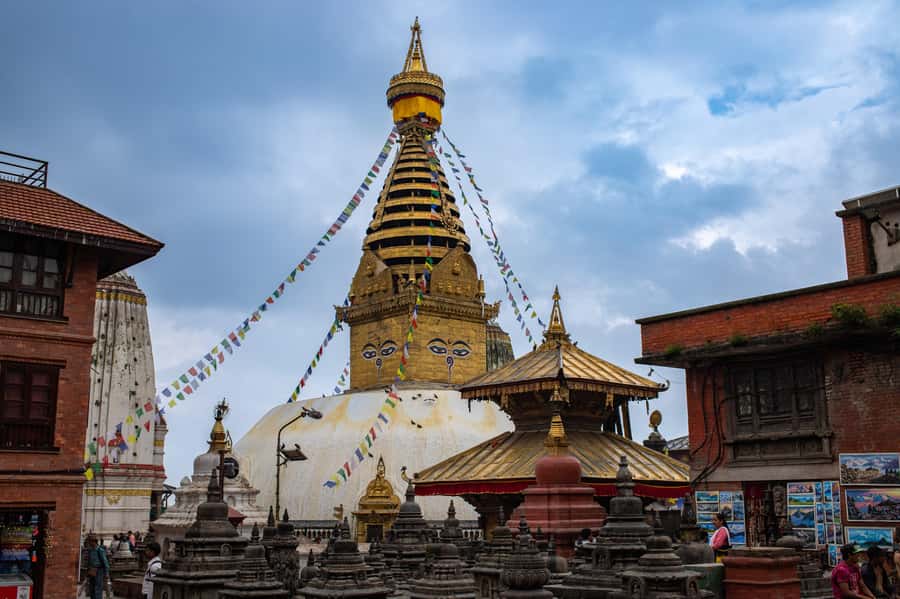
Stop 1: Swayambhunath, the hilltop stupa with the monkey chorus
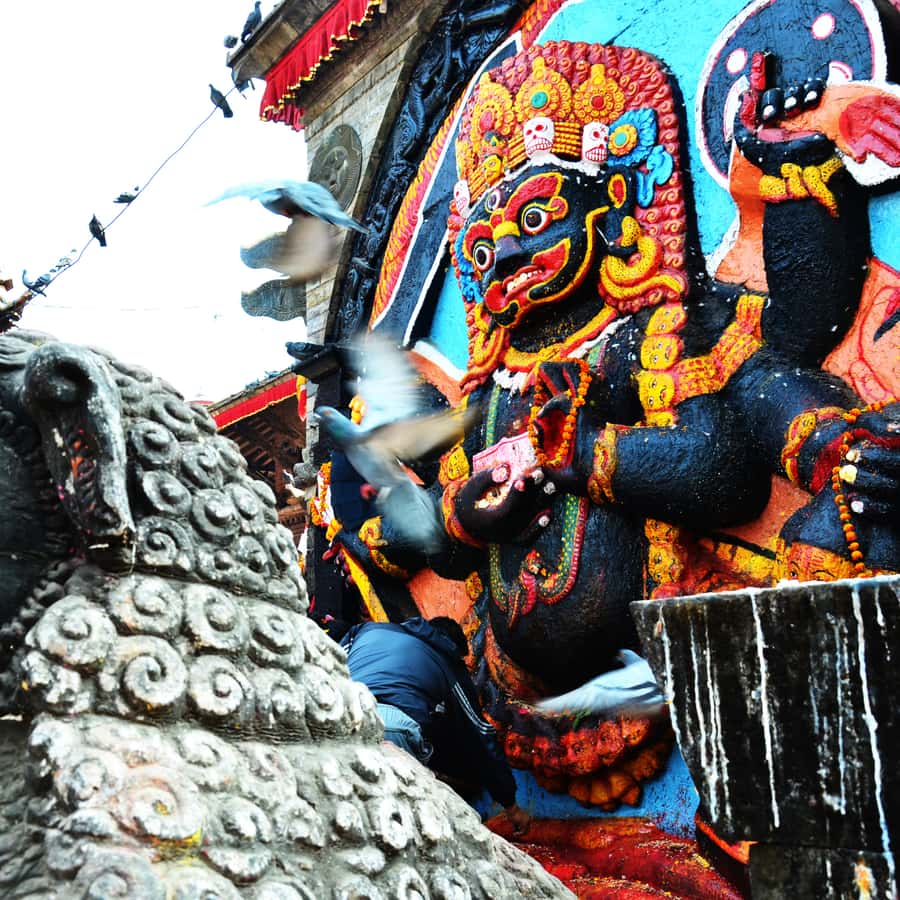
Swayambhunath is your first spiritual jolt. It is a Buddhist stupa roughly 2,600 years old, and it sits above Kathmandu Valley, so the views are part of the point.
You will probably hear the nickname Monkey Temple for a reason. There are lots of monkeys around, and they live in the same spaces as visitors. It is not a zoo stop, but you will see how quickly your attention shifts from carvings and shrines to the movement of animals nearby.
What to focus on here:
- the main stupa and surrounding ancient sculptures
- smaller temples in the area, including a child protector goddess temple
- the way monasteries and shrine buildings sit together on the hilltop
Your guide will connect the Buddhist layout to the broader story of Kathmandu Valley, which makes your photos more meaningful later.
Stop 2: Kathmandu Durbar Square and the Newar palace maze
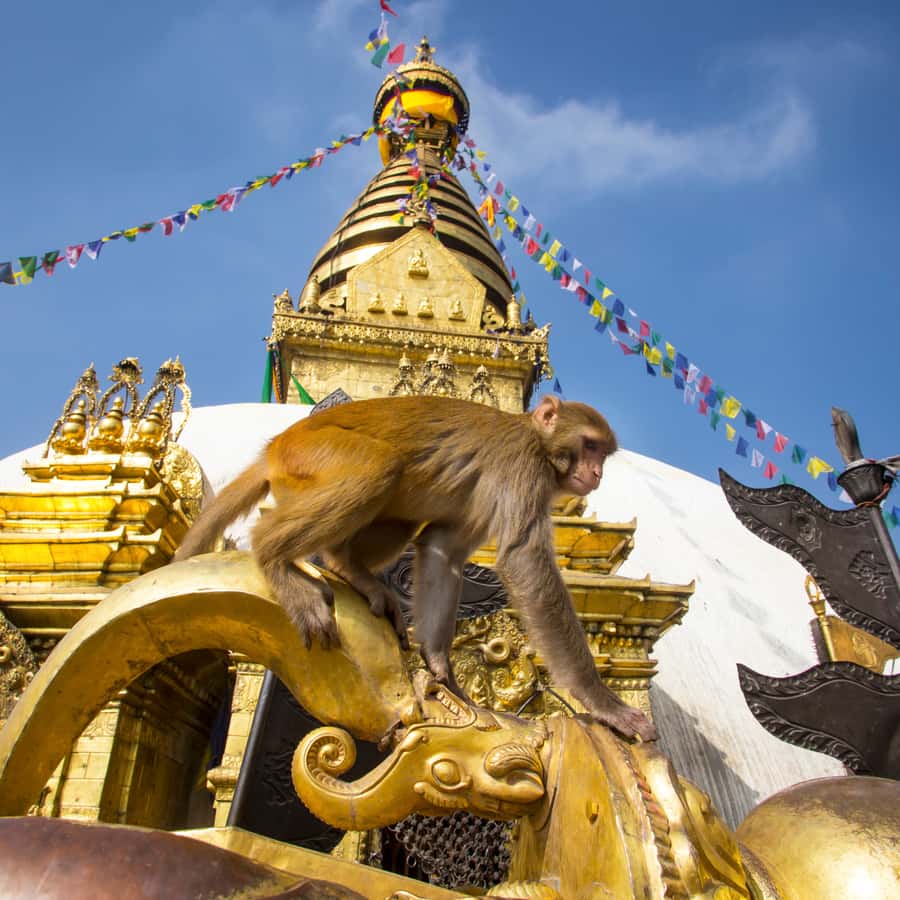
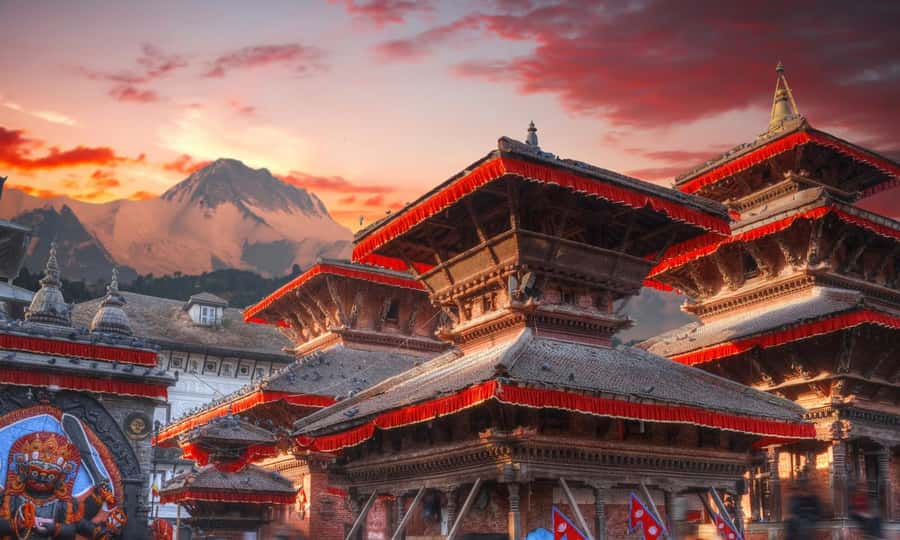
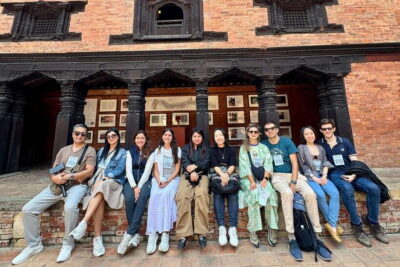
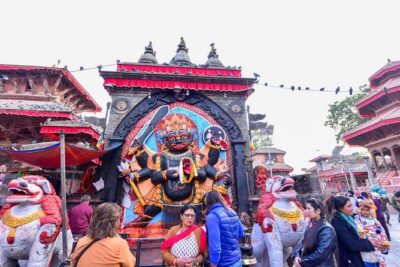
Kathmandu Durbar Square is where you feel the medieval heart of the city. The square is in central old Kathmandu and is surrounded by palaces, courtyards, and temples.
This is a great stop for architecture lovers, but it also works for casual visitors because it is lively and visually dense. Look for the Newari architecture, the way buildings cluster, and the mix of courtyards and temple spaces that reflect how power was organized.
Practical tip: durbar square areas can get busy. Take your time on a few details rather than trying to photograph everything. Your guide can point out what to notice, so you do not spend the day in photo scroll mode.
Also, if you enjoy shopping, this is one of the places where you can pick up small crafts and souvenirs while you stay in the historic zone.
Stop 3: Patan Durbar Square, where Hindu and Buddhist art overlap
Patan Durbar Square is about 5 km from central Kathmandu, in Lalitpur. Here, the big theme is the fusion of influences: it is described as a place where Buddhism and Hinduism meet in the art and architecture.
Patan’s durbar area is known for classic design in houses and for careful handwork. On windows and doors, the fine details are part of what makes this place feel different from Kathmandu Durbar Square.
The way to enjoy Patan is to slow down just enough to notice craftsmanship. When you stand back, it can look like any old square of temples. When you zoom into details, you see how the whole place was built as a statement of culture and identity.
This stop includes brunch as part of the flow. If you get hungry, the timing usually works. That snack break also keeps your energy steady for the rest of the day.
Stop 4: Changu Narayan Temple, an old hilltop with surviving structure
Changu Narayan Temple sits on a hilltop near Bhaktapur. It is often listed as one of the oldest temples in Nepal, believed to date to the 4th century during the Lichhavi dynasty.
If you like old wood, pay attention. The temple is described as being among the oldest surviving wooden structures in Nepal. That makes Changu Narayan feel less like a repeat of other temple complexes and more like a direct link to earlier eras.
This is a shorter stop in the flow, but it can be a highlight because it feels distinct. The hilltop setting also helps you understand how temple geography shapes religious experience.
Stop 5: Bhaktapur Durbar Square and medieval town details
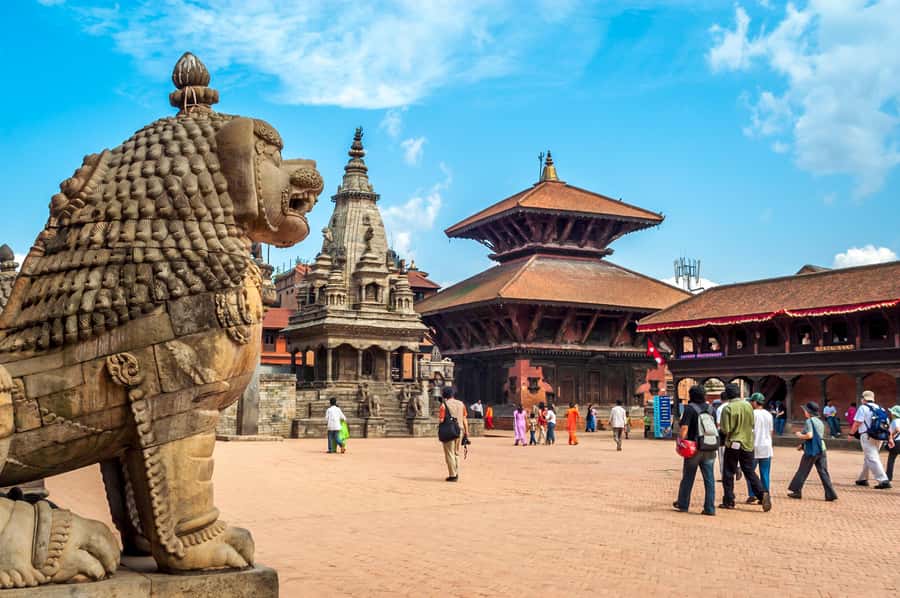
Bhaktapur Durbar Square is known for its well preserved medieval architecture, temples, palaces, and intricate artwork. This is the stop where the “medieval town” vibe becomes strongest.
You will see statues, shrines, and courtyards, each with specific architectural and artistic craftsmanship. The place feels like a living museum built out of daily space.
Lunch is built into the timing here. Having the meal mid-tour is smart. The day can turn into a stamina test if you skip breaks, and Bhaktapur is the kind of place where you want a full sit down moment rather than a quick snack.
As you walk, keep an eye out for the way Newar culture shows up in the built environment. This is the tour’s way of giving you a chance to meet and see one of the dominant ethnic groups of Nepal, the Newar community, through the spaces they shaped.
Stop 6: Pashupatinath, Bagmati River rituals and sacred intensity
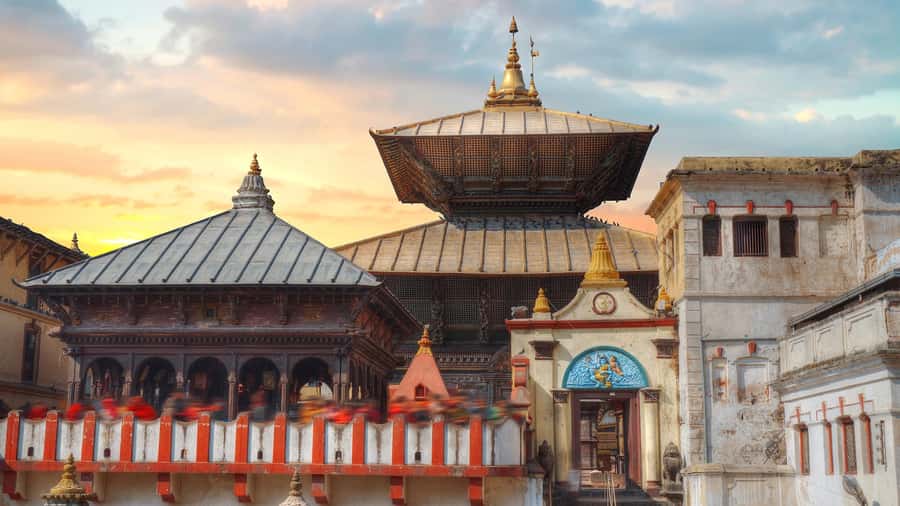
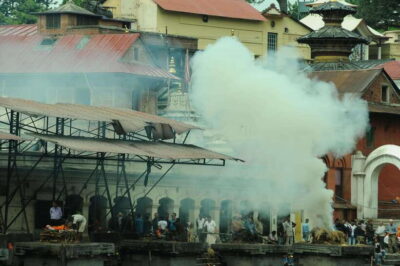
Pashupatinath is one of the most important Hindu temple sites in Nepal. It welcomes millions of visitors each year, and it sits on the bank of the sacred Bagmati River.
What makes this place powerful is that you are not just looking at architecture. You are seeing religious life in motion. The tour description highlights the open public crematorium and the rites and rituals performed there.
You might also notice holy men with painted faces, dreadlocked hair, and ash applied to the body. People pose for pictures in the area. Still, treat it with respect and follow your guide’s cues about where to stand and when to keep distance.
If you are sensitive to ritual scenes, this stop can be emotionally intense. It is also where a guide’s timing matters, because your day does not need to turn into an uncomfortable squeeze.
The upside is that the explanation you get can change how you interpret what you see. Instead of feeling like you are witnessing something random, you understand why the river, the temple, and the ceremonies belong together.
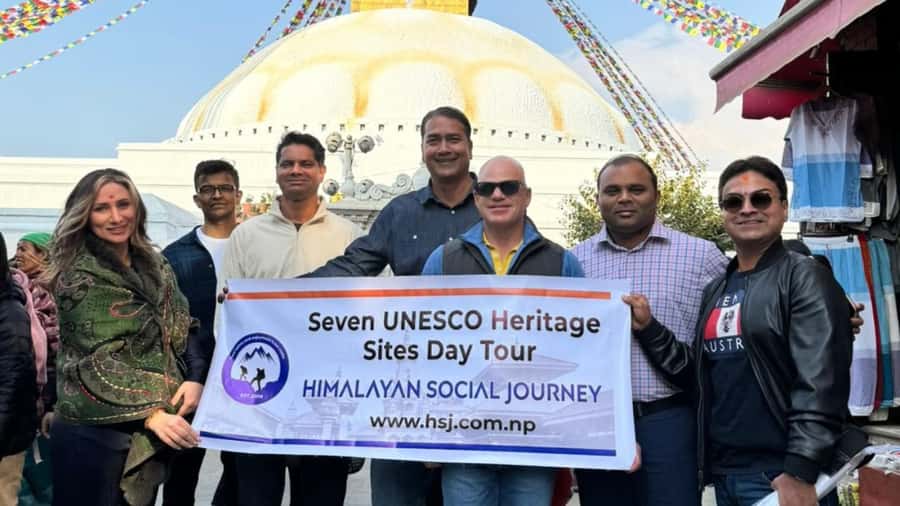
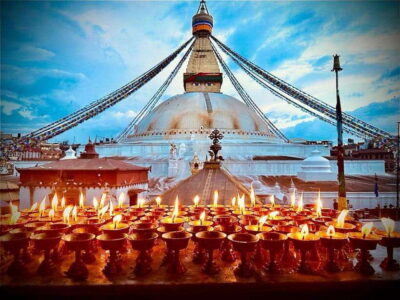
Stop 7: Boudhanath, one of the biggest stupas and Tibetan life
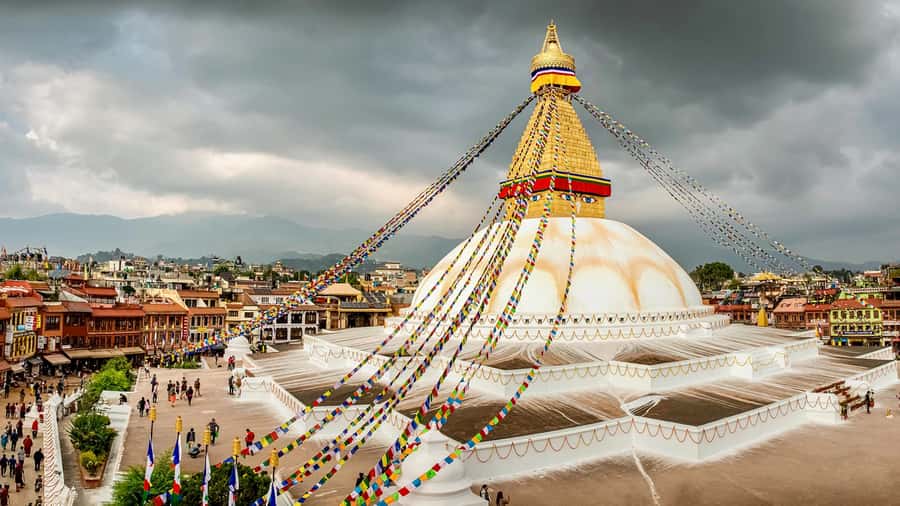
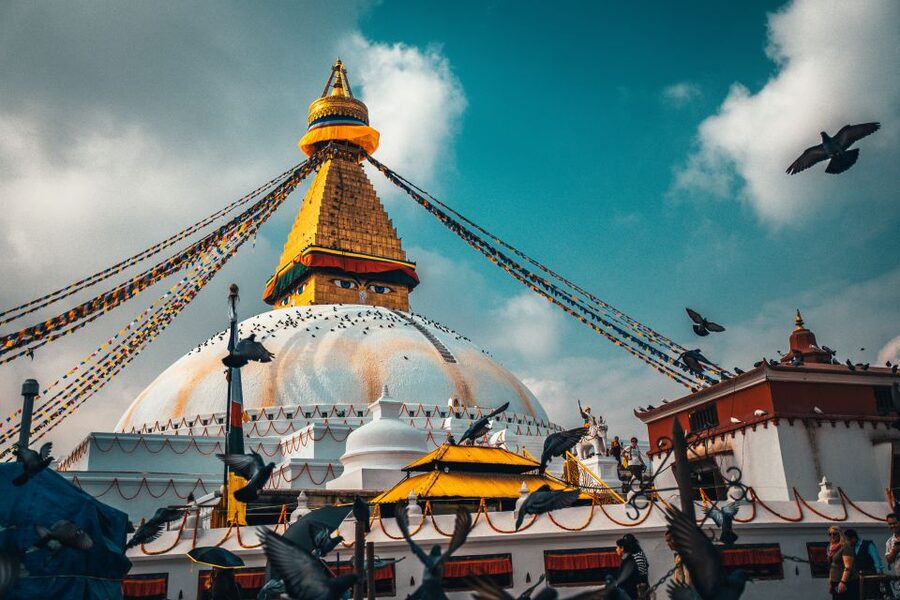
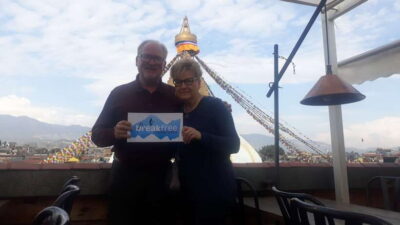
Boudhanath is considered one of the largest stupas in the world, with roots traced to the 4th century. It does not feel like just a monument. The local area around Boudhanath is described as resembling a Tibetan village, with monasteries nearby.
One of the nicest parts here is the creative side of Buddhism. The area includes painting schools where lamas paint thankas. If you want souvenirs that feel tied to the place, this is one of the best opportunities in the day. Your guide can help you navigate what is worth looking at and what is likely just mass produced.
This is also a good “finish strong” stop. After the intensity of Pashupatinath, Boudhanath can feel calmer, with lots of people moving slowly around a sacred focal point.
What you might notice when the day goes smoothly (and when it doesn’t)
A long UNESCO day succeeds when the schedule is kept but the human needs are respected. Many people praise guides who are punctual and organized, and drivers who handle Kathmandu’s small streets and traffic patterns without drama.
A few practical realities:
- You will be walking. The tour is not suited for wheelchair users or visually impaired people.
- You need local currency for monument fees unless you chose all-inclusive.
- The day is physically packed. If you want a slower version, ask about doing fewer sites.
Some bookings mention a guide being flexible enough to adjust the plan, including doing only four sites for one person with a special timing issue. That is a strong sign that the guide team can handle personal constraints, not just the printed route.
Lunch and snacks: what the included meal actually means for your stamina
The tour includes a packed lunch with croissant, muffin, Danish, cookies, banana, and juice. That matters because it turns the day from “speed run plus dust” into a more manageable rhythm.
In addition, the flow includes meal time stops such as brunch and lunch as part of the day’s pacing. Bhaktapur is specifically called out as having lunch in the tour structure, and Patan includes brunch in the flow.
If you have dietary needs, the data here does not list options. So I would treat the included food as a standard mix and plan accordingly if you need special care.
Who this tour fits best
This works well if you:
- have limited time in Kathmandu and want a first pass at the 7 UNESCO sites
- like having context while you walk, not just being dropped at gates
- want private pickup and a driver to handle route complexity
- value shopping stops connected to temple areas, like thanka art and craft shops
It may not be ideal if you:
- need wheelchair accessibility, since the tour is not suitable
- prefer fewer stops and a slower pace, because the day is built around covering a lot
If you want a middle option, consider asking for a reduced itinerary. The tour’s structure can support adjustments.
Should you book the Kathmandu 7 UNESCO Sites with Lunch?
Book it if you are short on time and want the UNESCO circuit without the stress of logistics. The value is not only in the low listed price. It is in the package: private transport, live guide, skip ticket line support, and included food that keeps you moving.
Skip or rethink it if you hate long walking days or you know you will struggle with a packed schedule. In that case, ask about scaling down the number of sites.
If your goal is to leave Kathmandu with a clear mental map of how Hindu temples and Buddhist stupas share this valley, this is one of the best ways to get that understanding in a single day.
FAQ
How long is the Kathmandu 7 UNESCO Sites with Lunch tour?
The duration is listed as 4.5 to 8 hours, depending on availability and how the day runs.
Where does pickup and drop-off happen?
Pickup and drop-off are listed for Thamel, Kathmandu. You will wait in the hotel lobby about 10 minutes before pickup, or outside the main entrance for apartments or Airbnb.
Is lunch included, or do I need to buy food?
Lunch is included. The packed lunch includes croissant, muffin, Danish, cookies, banana, and juice, and the itinerary also includes meal time such as brunch and lunch during the day.
Do I need to pay entrance tickets?
Entrance tickets are included only if you choose the all-inclusive option. Otherwise, monument entrance fees are not included, and you should carry Nepalese currency for payment.
What languages is the guide available in?
The live tour guide is available in English, Nepali, and Hindi.
Is this tour suitable for wheelchair users or visually impaired visitors?
No. The tour is not suitable for wheelchair users or visually impaired people.
Latest Kathmandu write-ups
- 16 Days Island Peak Climbing With Everest Base Camp Private Trip★ 5.0 · 3 reviews
- 15 Days Round Annapurna Trek with Poon Hill from Pokhara★ 5.0 · 5 reviews
- Private Nepal round trip including Ghorepani Poonhill trek★ 5.0 · 3 reviews
- Everest Base Camp Trekking 16 Days★ 4.0 · 7 reviews
- 14 Days Luxury Annapurna Base Camp Trek★ 5.0 · 6 reviews
- Everest Base Camp Trek★ 5.0 · 32 reviews
- Everest Base Camp Trek★ 5.0 · 87 reviews
- 14 Days Everest Base Camp Trek★ 5.0 · 5 reviews
UNESCO World Heritage Sites, compared.
Private Kathmandu UNESCO World Heritage Sites Tour
Read our review →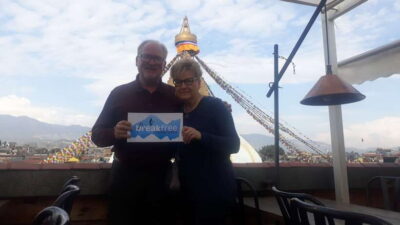
Browse the lists this tour appears in