
Reviewed · UNESCO WORLD HERITAGE SITES
Kathmandu: UNESCO Heritage Site Private & Guided Tour
Kathmandu’s UNESCO story is packed into one city circuit, and that alone makes this tour interesting. You move between Hindu pilgrimage sites and major Tibetan Buddhist places, so you see how different faiths shape daily life and architecture in the Kathmandu Valley (UNESCO World Heritage).
I especially like the way you get clear, on-the-ground explanations from real local guides. You might be hosted by guides such as Nabin, Pranav, or Sajan, and a driver like Sundar keeps the travel parts smooth and easy. The other big plus is the comfortable transportation plus hotel pick-up and drop-off inside the Kathmandu Valley, so you spend your energy on the sights instead of figuring out routes.
One consideration: the headline price does not include entrance fees for all 7 UNESCO sites, so plan to budget extra once you’re there.
Key Things That Make This Tour Worth Your Time
- Swayambhunath Stupa views: a hilltop start that gives you instant orientation for the whole valley
- Pashupatinath Temple by the Bagmati River: a major Hindu pilgrimage site where the river matters
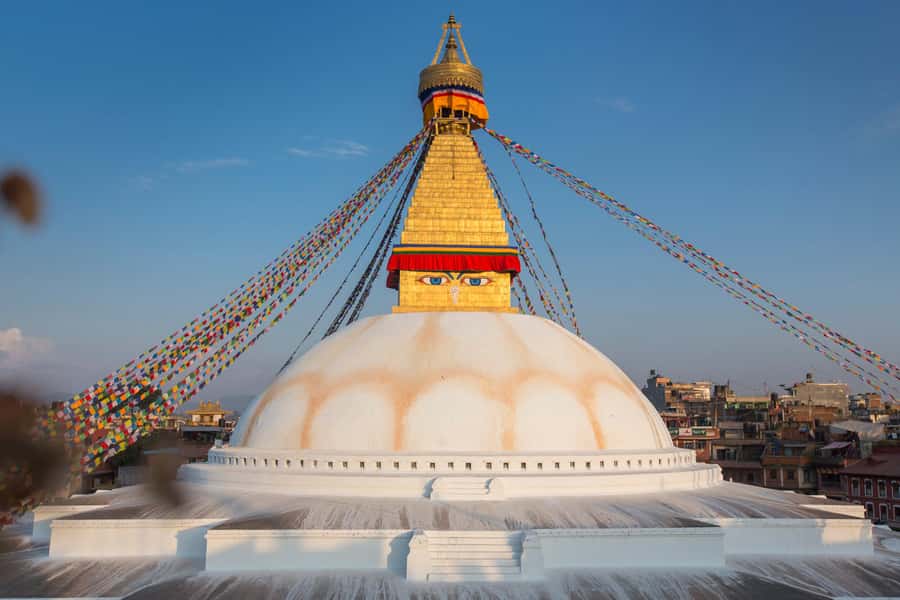
- Boudhanath’s scale and calm: a large, peaceful stupa that contrasts with busier city streets
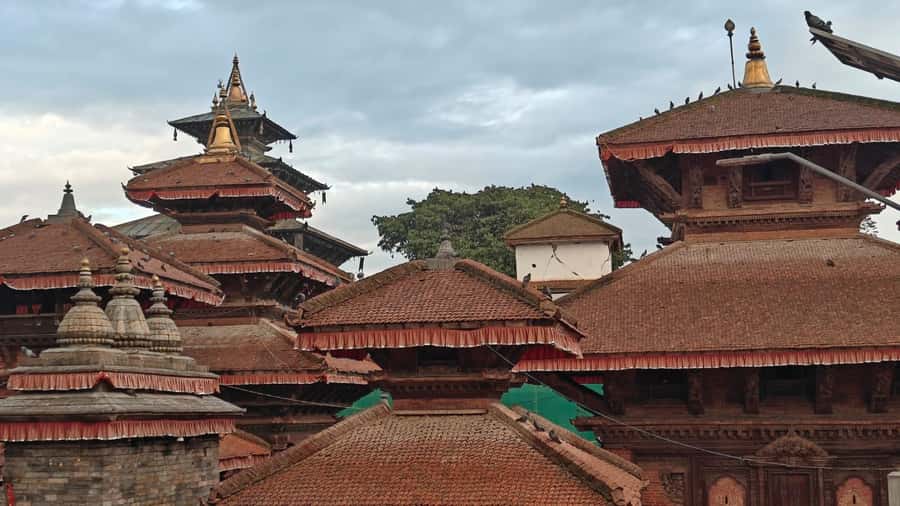
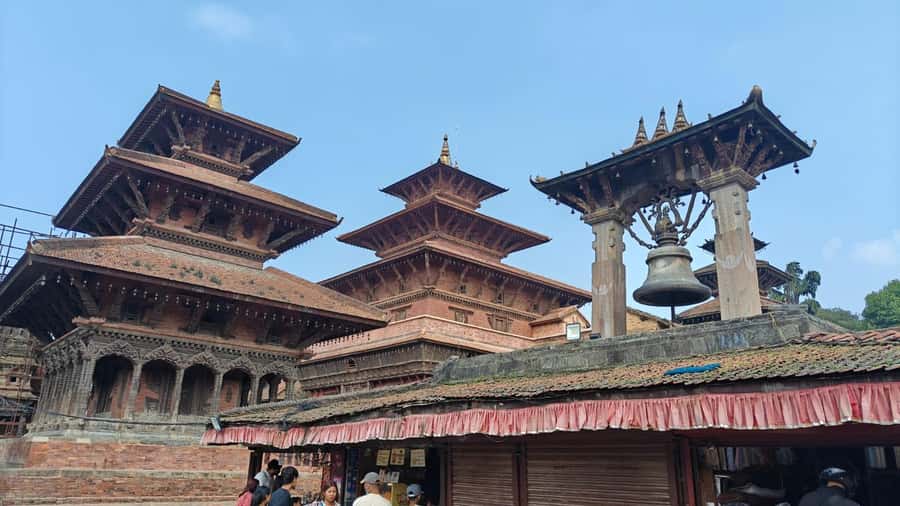
- Newari art at Patan Durbar Square: palaces and temples with detailed carving and courtyards
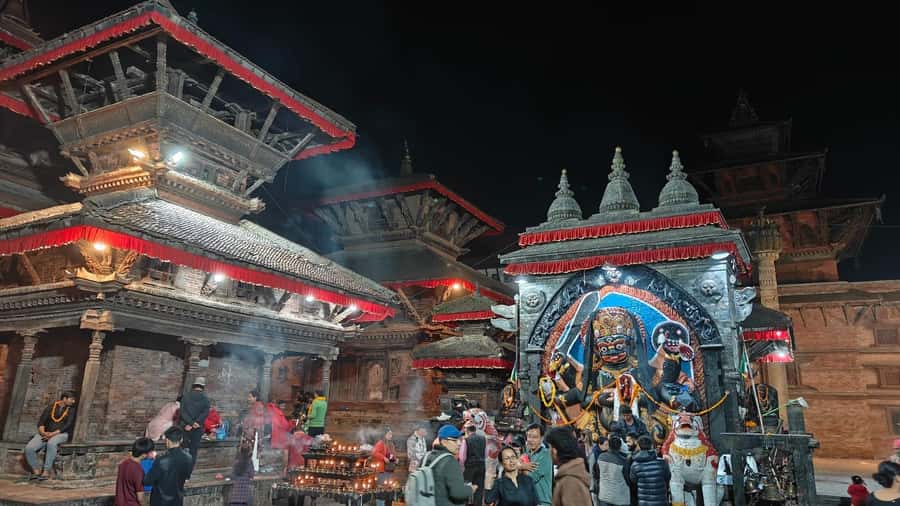
- Kathmandu Durbar Square highlights: Hanuman Dhoka Palace and the Kumari Ghar, home of the living goddess
A Private Kathmandu UNESCO Circuit Mixing Swayambhunath, Boudhanath, and Durbar Squares
This is built for people who want a smart route through Kathmandu Valley’s UNESCO landmarks without turning the day into a scavenger hunt. Because the places are spread across different neighborhoods, having a guide and driver matters. You get to spend time looking closely, asking questions, and understanding what you’re seeing, instead of guessing.
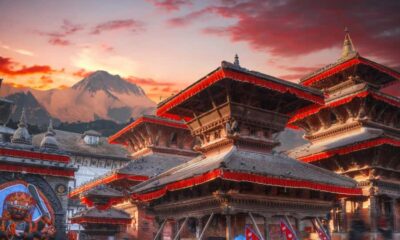
What makes the mix work is the contrast. You start with Swayambhunath’s hilltop presence, shift to Hindu devotion at Pashupatinath along the Bagmati River, and then step into the more meditative feel of Boudhanath. After that, the Durbar Squares focus the lens on Nepal’s royal and artistic traditions, especially the Newari craftsmanship you see in carved temples and courtyard spaces.
If you’re short on time and you want the seven “must-see” stops covered in one organized plan, this tour fits well. If you prefer slow, independent wandering, you might find a fixed circuit a bit limiting. Also note that it’s not suitable for wheelchair users, so plan for uneven surfaces and walking between sites.
More UNESCO World Heritage Sites in Kathmandu:
- Kathmandu: 7 UNESCO Sites with Lunch
★ 4.8 · 744 reviews - Kathmandu: Full-Day 7 UNESCO Tour with Lunch – Private/Group
★ 4.9 · 247 reviews - Kathmandu: 7 UNESCO Sites Tour in 1 Day (Private Tour)
★ 4.9 · 204 reviews
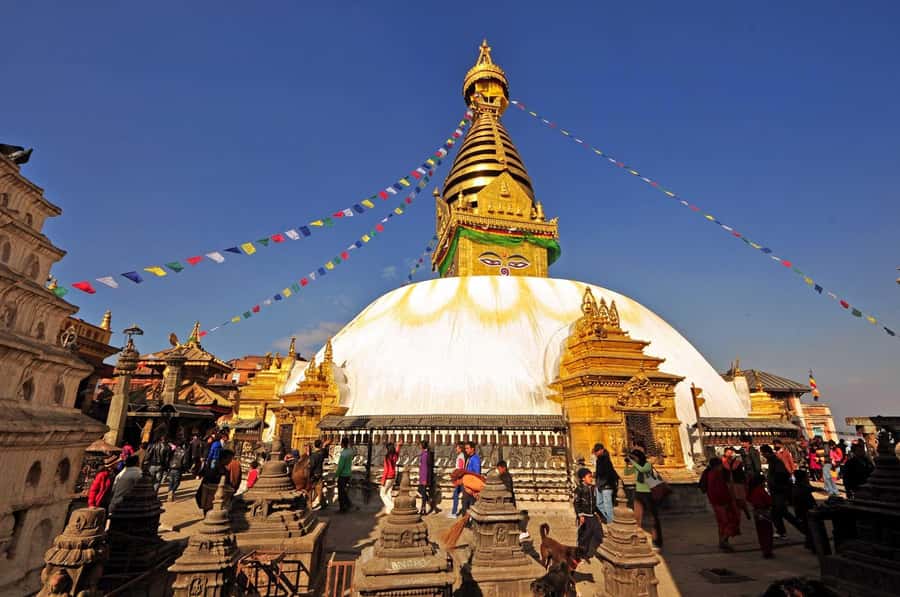
Swayambhunath Stupa (Monkey Temple) and the Best Way to Get Oriented
You begin at Swayambhunath Stupa, famously called the Monkey Temple, and it’s a strong first choice. The reason is simple: from this hilltop position you get wide valley views, which helps you understand how Kathmandu Valley is laid out. Even before you read a single sign, the geography clicks.
This stop also sets the tone for the day. Swayambhunath is iconic, and it’s the kind of place where you naturally slow down, look up, and take in the surrounding shrines and the stupa itself. A good guide here is gold because they can explain why the stupa matters and how the broader religious landscape of the valley connects.
Practical note: since you’re going to be outdoors and moving around a hilltop site, wear comfortable shoes and expect some stair-and-walk time. If you’re prone to sore knees, take it steady at your own pace and use the guide to plan breaks.
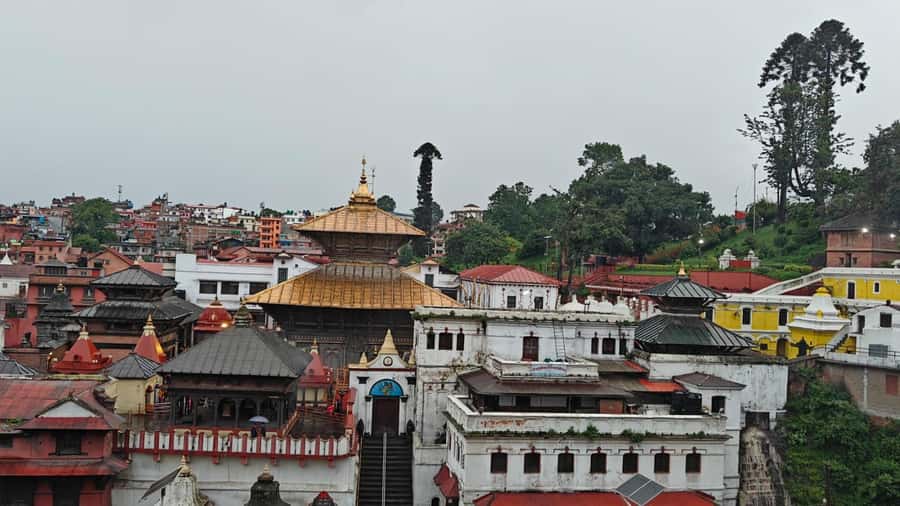
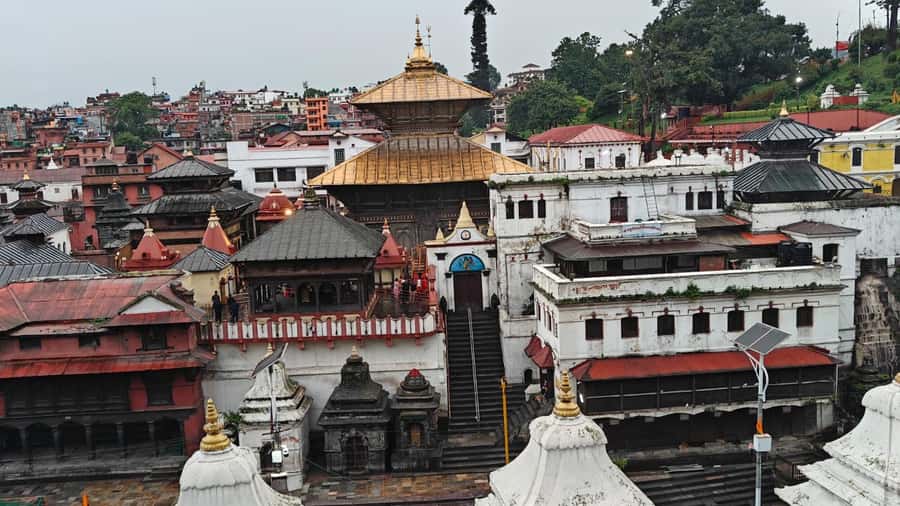
Pashupatinath Temple on the Bagmati River: Where Hindu Pilgrimage Feels Real
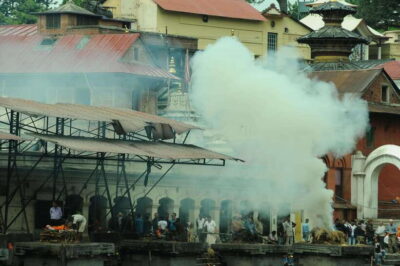
Next comes Pashupatinath Temple, a sacred Hindu site on the holy Bagmati River. This is not just a photogenic landmark. The power of Pashupatinath is its purpose. Pilgrims come here for devotion, and the river setting is part of the spiritual meaning.
With a guide, you’ll get more than a description of buildings. You’ll understand how the location ties into practice and belief, and why this temple is so central in Nepal’s Hindu world. That context also changes the way you look at the riverbanks and surrounding structures, because you’re not treating it like a viewpoint. You’re understanding it as a living religious place.
One drawback to consider at Pashupatinath: it can feel busy and intense, because pilgrimage sites often do. If you want a quiet experience at every stop, you’ll likely notice the energy here more than at the calmer Buddhist sites.
Boudhanath Stupa: Tibetan Culture in a Massive, Peaceful Setting
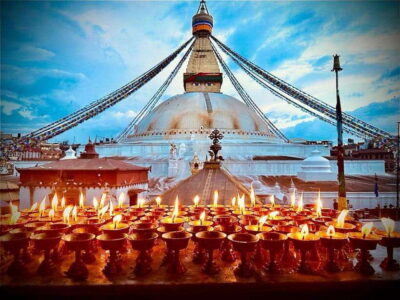
Then you head to Boudhanath Stupa, one of the largest in the world and a major center of Tibetan culture. If Pashupatinath is about devotion tied to the river, Boudhanath is about spiritual atmosphere tied to place and scale. You’ll feel that in the way the stupa dominates the space and encourages slower movement and quieter attention.
This stop is where many people catch their breath. It’s described as massive and peaceful, and that balance is exactly what makes the day work. After you’ve handled the intensity of temple pilgrimage, Boudhanath gives you a calmer rhythm, so the later Durbar Square visits land better.
For photography, don’t just aim for the stupa. Ask your guide to point out the details that make Buddhist sacred architecture recognizable, and how the site functions as a cultural hub. Even if you’re not a specialist in religion, you’ll walk away with clearer context than you would if you arrived without explanations.
More Historical Tours in Kathmandu:
- Kathmandu: Private UNESCO World Heritage Site Tour
★ 4.9 · 47 reviews - Private Kathmandu UNESCO World Heritage Sites Tour
★ 4.8 · 28 reviews - Pick 2-Wonders of Kathmandu: A 3-Hour Heritage Hop
★ 5.0 · 22 reviews - UNESCO Five World Heritage Tour in Kathmandu
★ 5.0 · 12 reviews
Patan Durbar Square: Newari Art, Palaces, and Courtyard Craft
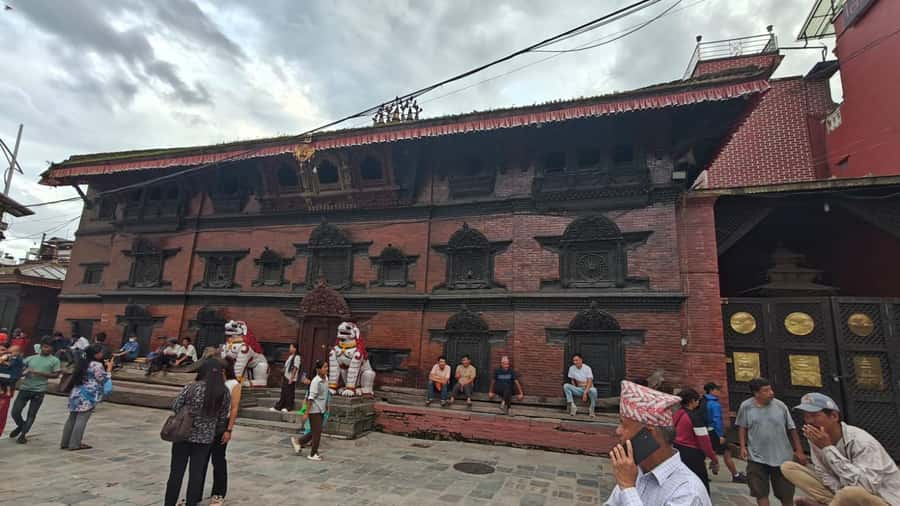
Patan Durbar Square brings the focus to artistry. You’re looking at historic palaces and temples that showcase Newari art, and the highlights are the architectural textures: carved temple work, old courtyards, and palace-era spaces that still feel designed for daily life and ceremony.
This is where a guide can really earn their spot. Without help, many Durbar Square scenes blur together into stone and wood. With the right explanations, you start noticing patterns, symbols, and why these squares were built the way they were. Patan tends to reward people who like details: the shapes, the craftsmanship, and the way temple and palace spaces connect.
A good strategy here is to choose one or two buildings to look at longer instead of trying to cover everything equally. Your guide can help you pick the spots that best represent the style, rather than you guessing.
Kathmandu Durbar Square, Hanuman Dhoka, and the Kumari Ghar
Back in the heart of the city, Kathmandu Durbar Square turns the day toward monarchy-era heritage. This area gives you a direct line into Nepal’s royal history, and it’s not just generic museum information. It’s built into named landmarks inside the square, including Hanuman Dhoka Palace and the Kumari Ghar, home of the living goddess.
If you like context, this part is especially worth it. Seeing the Kumari Ghar as an architectural and cultural focal point helps you understand why the surrounding spaces matter, and why the monarchy period still echoes through how the city is experienced today.
The only caution: Durbar Square areas often involve crowds and foot traffic. If you want clear photo moments, work with your guide to move at the right pace and focus your attention before you try to stop for pictures.
Bhaktapur Durbar Square: Preserved Medieval Royal Heritage
Next is Bhaktapur Durbar Square, known for its preserved medieval square feel and its royal heritage sites. Compared with the faster moving city center, this stop can feel more like stepping into a longer timeline, where the built environment reflects an older way of living.
The main value here is atmosphere plus architecture. You’re not just looking at one building. You’re seeing a whole square system of palaces and heritage spaces, which helps you understand how power and religion were staged in public life. With a guide, you can connect what you see to the story of how the valley developed its distinctive city forms.
If you enjoy walking and slow observation, Bhaktapur is often the stop where you’ll want to take a little extra time. If you’re tired from earlier temple visits, it’s also a good place to ask for a quick route through the most important areas so you still get meaning without feeling rushed.
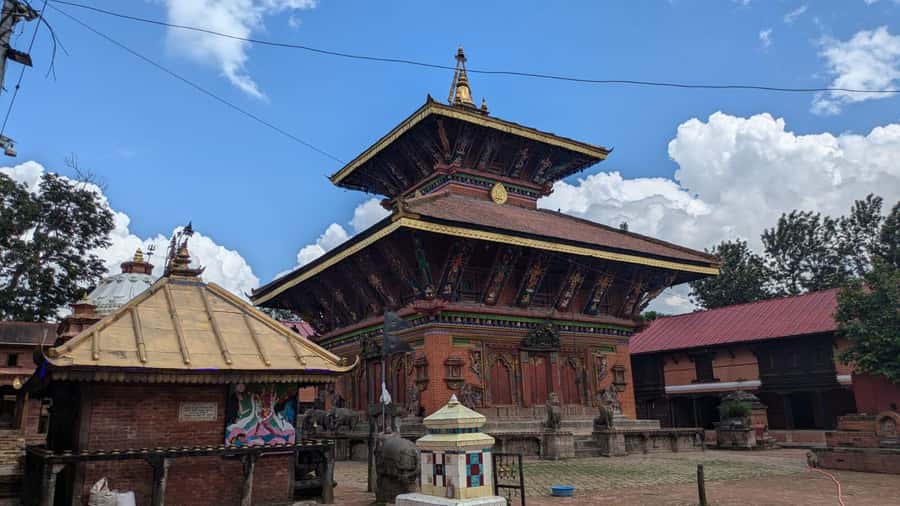
Changunarayan Temple: One of the Oldest Hindu Temples in the Valley
You wrap up with Changunarayan Temple, described as serene and positioned as one of the oldest Hindu temples in the valley. By the time you get here, you’ll likely appreciate it more, because you’ve already seen how the valley’s sacred sites work and how architecture carries cultural weight.
Changunarayan is different in feel. It’s calmer, and that helps you slow your focus down. Instead of trying to cover everything, you’ll likely enjoy looking at how time shows up in the details, and how a temple’s age changes the mood of your visit.
This final stop is a good test for whether you like deep context or just fast highlights. If you like understanding why sites matter, Changunarayan will reward you. If you’re mostly chasing the biggest visual moments, you might treat it as a quieter capstone.
Price, Inclusions, and What You Still Need to Budget
The price is $59 per person, which can be good value for a guided UNESCO circuit in Kathmandu. What you get for that money is practical, not just theoretical: you receive an expert English-speaking guide for the heritage sites, plus comfortable transportation between stops, and hotel pick-up and drop-off within the Kathmandu Valley.
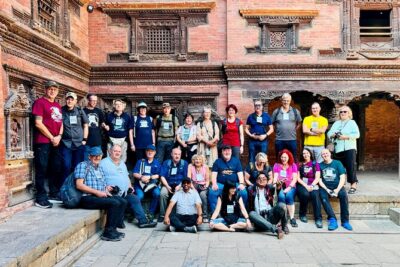
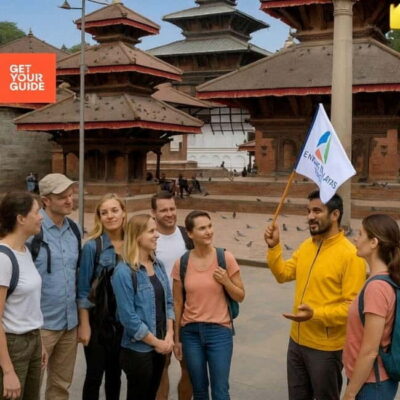
You’re also paying for the human side. Guides turn a pile of stone into a story you can follow, and the guide quality shows up in the way people talk about the tour. Guides named Nabin, Sajan, Pranav, and others are repeatedly praised for making the sites understandable, and for keeping the day organized.
What you should budget for separately is important. Entrance fees for all 7 UNESCO World Heritage Sites are not included. Meals are not specified, and hotel accommodation and international airfare and visa fees are also not included. Travel insurance is not included, either. In other words, the $59 is the tour and guidance cost, not your full trip cost.
My practical take: if you’re trying to save money by skipping a guide, you can, but you’ll lose time and meaning. If you’re paying for an organized route, the guide and transport component usually earns its keep.
Practical Notes to Keep the Day Smooth and Respectful
A few rules are part of the tour setup. Drinks in the vehicle are not allowed, and alcohol and drugs, including alcoholic drinks in the vehicle, are also not allowed. It’s a small thing, but it affects how you pack and how the day stays comfortable.
You should also know the tour is offered in English and Hindi, which is useful if you want flexibility in explanations. And since it’s described as not suitable for wheelchair users, plan for walking and navigating temple and square areas.
For the smoothest experience, I suggest you do two things:
- Use your guide time wisely. Ask questions at the moment you’re looking at the thing you’re curious about.
- Keep your day expectations realistic. Seven heritage stops means you’ll be moving regularly, so give your body small breaks when you can.
Based on how the day is described, the travel portion is handled well, with a driver who’s friendly and skillful, which helps you avoid the stress that often drains energy during busy city sightseeing.
Should You Book This Kathmandu UNESCO Tour?
Book it if you want a single organized route covering seven UNESCO landmarks with an expert guide at the sites, plus transportation and Kathmandu Valley hotel pick-up and drop-off. It’s a strong choice if you care about context, not just photos, and if you like the mix of Hindu pilgrimage sites and Tibetan Buddhist culture.
Skip it or switch to another style if entrance fees for multiple sites would stretch your budget, or if you need wheelchair accessibility. Also, if you dislike structured pacing and prefer to linger without a planned sequence, a fixed circuit might feel too tight.
If your goal is to see Kathmandu Valley’s biggest sacred and royal landmarks in one day and come away with real understanding, this tour is an easy yes.
FAQ
What UNESCO World Heritage Sites are included on this Kathmandu tour?
The tour includes Swayambhunath Stupa, Pashupatinath Temple, Boudhanath Stupa, Patan Durbar Square, Bhaktapur Durbar Square, Kathmandu Durbar Square, and Changunarayan Temple.
Is the $59 per person price including entrance fees?
No. Entrance fees to all 7 UNESCO World Heritage Sites are not included.
Do I get an English-speaking guide?
Yes. The tour includes an expert English-speaking guide for each UNESCO heritage site. The tour is also offered in Hindi.
Is hotel pick-up and drop-off included?
Yes. Hotel pick-up and drop-off within Kathmandu Valley are included.
Are drinks or alcohol allowed in the vehicle?
No. Drinks in the vehicle are not allowed, and alcohol and drugs, including alcoholic drinks in the vehicle, are not allowed.
Is the tour refundable if my plans change?
You can cancel up to 24 hours in advance for a full refund. The tour also offers reserve and pay later.
Latest Kathmandu write-ups
- 16 Days Island Peak Climbing With Everest Base Camp Private Trip★ 5.0 · 3 reviews
- 15 Days Round Annapurna Trek with Poon Hill from Pokhara★ 5.0 · 5 reviews
- Private Nepal round trip including Ghorepani Poonhill trek★ 5.0 · 3 reviews
- Everest Base Camp Trekking 16 Days★ 4.0 · 7 reviews
- 14 Days Luxury Annapurna Base Camp Trek★ 5.0 · 6 reviews
- Everest Base Camp Trek★ 5.0 · 32 reviews
- Everest Base Camp Trek★ 5.0 · 87 reviews
- Everest Base Camp Trek★ 5.0 · 97 reviews
UNESCO World Heritage Sites, compared.
Private Kathmandu UNESCO World Heritage Sites Tour
Read our review →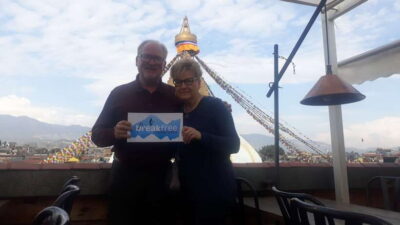
Browse the lists this tour appears in