
Reviewed · UNESCO WORLD HERITAGE SITES
Nagarkot Sunrise With 7 UNESCO World Heritage Private Tour
This experience is interesting because it pairs one of Nepal’s best-known sunrise moments with a full day of Kathmandu Valley UNESCO stops, all in one private, English-led route. I like that you start at Nagarkot at about 2175m for the Himalayan light show, and I also like that the guide connects the big sights to what Hindus and Buddhists actually practice day to day. The only real consideration is that early sunrise depends on weather and visibility, so you want a little patience for the outdoors time.
The payoff is big, but it is a long day. You’ll move through several major religious sites and squares, so if you prefer slower, one-neighborhood days, this may feel like too much momentum.
Key points before you go
- Nagarkot sunrise from about 2175m, with views over the Himalayas, including Everest on clear days
- A private, English-speaking guide plus a private AC vehicle for easier pacing
- All 7 Kathmandu Valley UNESCO sites are built into one day, so you do not have to plan the route yourself
- Cultural context, not just photos, with explanations of Hindu and Buddhist beliefs, rituals, and history
- Expect an emotional stop at Pashupatinath with ceremonial life along the Bagmati River
- Entrance fees and food are extra, so budget for UNESCO site costs on top of the $172 price
Nagarkot sunrise and 7 UNESCO stops, packed into one smart day
If you want the Kathmandu area highlights without the stress of separate tickets, separate transport, and separate guides, this is the structure that makes sense. You get the classic Nagarkot moment first, then you roll straight into Kathmandu Valley’s UNESCO sites, which are mostly temples, squares, and sacred complexes. It’s a day that moves, but the order also helps: sunrise is about a clear viewing window, then the rest of the morning and afternoon focus on architecture, rituals, and everyday religious life.
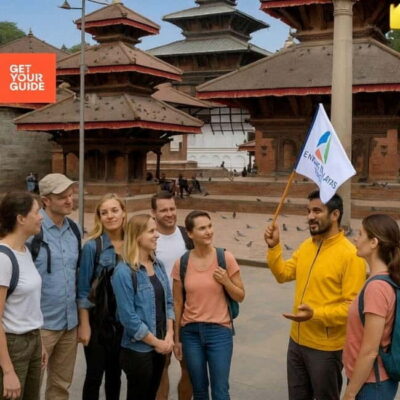
I also appreciate that this tour is private. That matters here because the guide can slow down when you want to ask questions, and speed up when you simply want to get your bearings fast. One visitor described how their guide stayed upbeat, answered questions carefully, and never rushed the experience. That tone is exactly what you want when you’re walking through sites that can feel overwhelming on your own.
More sunrises from Nagarkot:
- Kathmandu: Nagarkot Sunrise View & Morning Hike with Lunch
★ 4.9 · 188 reviews - Kathmandu: Nagarkot Sunrise and Hike Tour to Changu Narayan
★ 4.7 · 151 reviews - Kathmandu: Nagarkot Sunrise & Hike with Lunch -Private/Group
★ 4.9 · 122 reviews
The Nagarkot sunrise: the Himalayan light show at about 2175m
Nagarkot is the setup for the day’s main visual payoff. You go up to a hill station near Kathmandu for sunrise, with a planned 2-hour sunrise period so you have time to settle, watch, and adjust if the view shifts with the clouds.
Here’s what to look for. As the sky brightens, the Himalayan ridgelines tend to separate from the mist, and the colors can change fast as the sun clears the horizon. On clear days, the views can include Mount Everest, which is why people plan entire trips around this viewpoint. If the weather is not cooperating, you will still experience the hilltop atmosphere and a different kind of beauty, but your “Everest in the frame” moment depends on visibility.
One practical tip: pack for early hours and layered comfort. Sunrise means you’re outdoors before the day warms up, even if Kathmandu itself can feel mild later.
Changunarayan Temple: small stop, big credibility
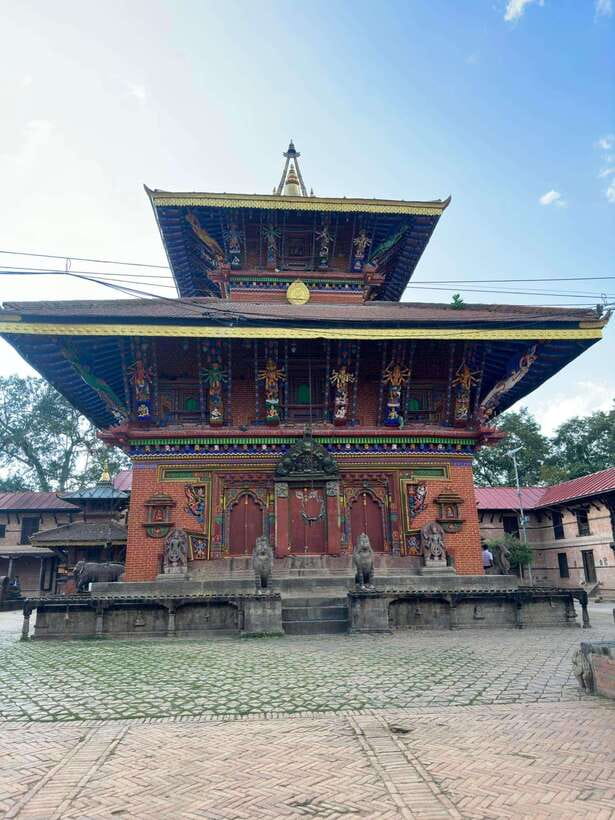
After the sunrise, you move to Changu Narayan Temple, a quick 30-minute visit that punches above its time slot. This is the oldest Hindu temple in the Kathmandu Valley area dedicated to Lord Vishnu, perched on a hilltop. That hilltop setting is part of the experience: you notice the carved details better when you can see the temple clearly and understand its orientation.
What I like about starting with a temple like this is that it gives you a baseline for Nepali craftsmanship before you hit the bigger durbar squares later. The intricate carvings here also help you recognize patterns when you see similar stonework across Bhaktapur and Patan.
Bhaktapur Durbar Square: when architecture feels like a living museum
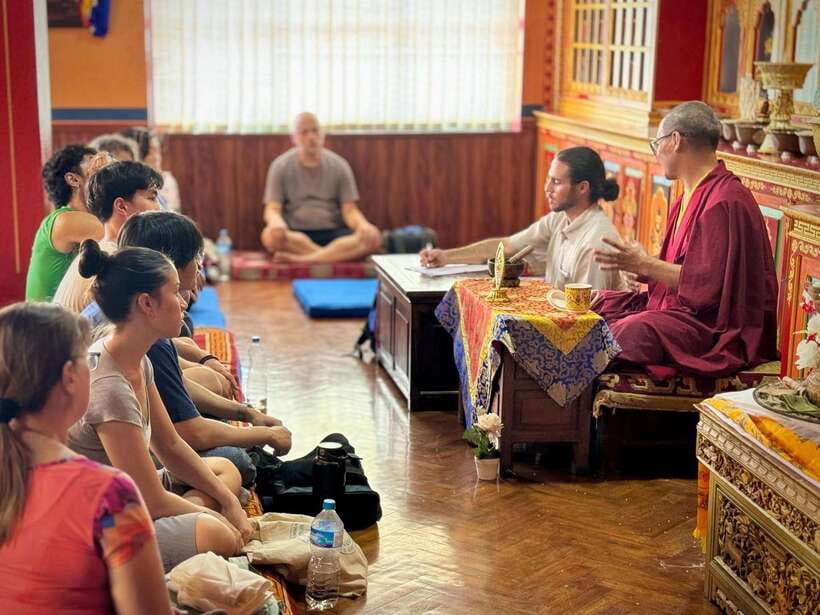
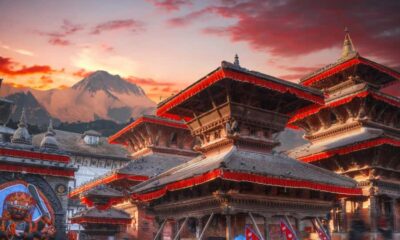
Next comes Bhaktapur Durbar Square, set aside for about 1.5 hours. This is one of the places where “UNESCO” stops being an acronym and turns into real texture, like the way courtyards, towers, and temples sit in relation to each other.
Bhaktapur is often described as a living museum, and you can see why. The big-name highlights include the 55-Window Palace, the Vatsala Temple, and the Nyatapola Temple. Even if you are not a “history person,” you’ll still find it useful because you start noticing the design logic, not just counting monuments. The guide’s explanations of Hindu and Buddhist symbolism also help you understand why certain spaces matter for worship and community life.
The downside is simple: durbar squares mean walking, uneven ground, and lots to look at. Pace yourself. If your feet are already tired from the sunrise start, plan to pause and let the guide point out what matters most.
More UNESCO World Heritage Sites in Kathmandu:
- Kathmandu: 7 UNESCO Sites with Lunch
★ 4.8 · 744 reviews - Kathmandu: Full-Day 7 UNESCO Tour with Lunch – Private/Group
★ 4.9 · 247 reviews - Kathmandu: 7 UNESCO Sites Tour in 1 Day (Private Tour)
★ 4.9 · 204 reviews - Kathmandu: Top 4 UNESCO Tour with Lunch – Private/Group
★ 4.9 · 181 reviews
Patan Durbar Square: Newari details and temple density
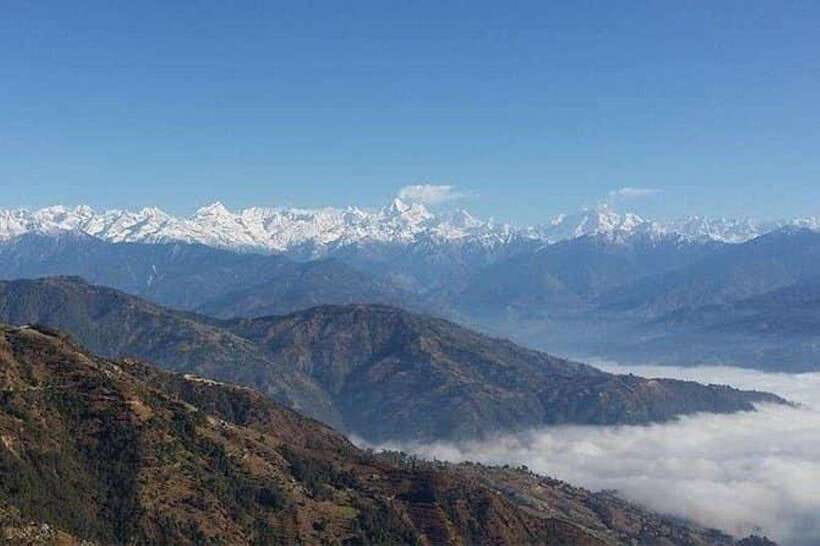
Then you head to Patan Durbar Square in Lalitpur, with about 1 hour for sightseeing. Patan’s reputation comes from its Newari architecture and a dense cluster of temples, including the Krishna Mandir.
I like this stop because it complements Bhaktapur. Bhaktapur gives you a sense of continuity and scale. Patan feels more focused on craftsmanship and the layered way temples sit within the city fabric. If you like taking photos, this is a good place to aim your camera at carvings and doorways rather than only at the largest building. UNESCO sites here are more about details than postcard panoramas.
Boudhanath Stupa: Tibetan Buddhism and a huge mandala
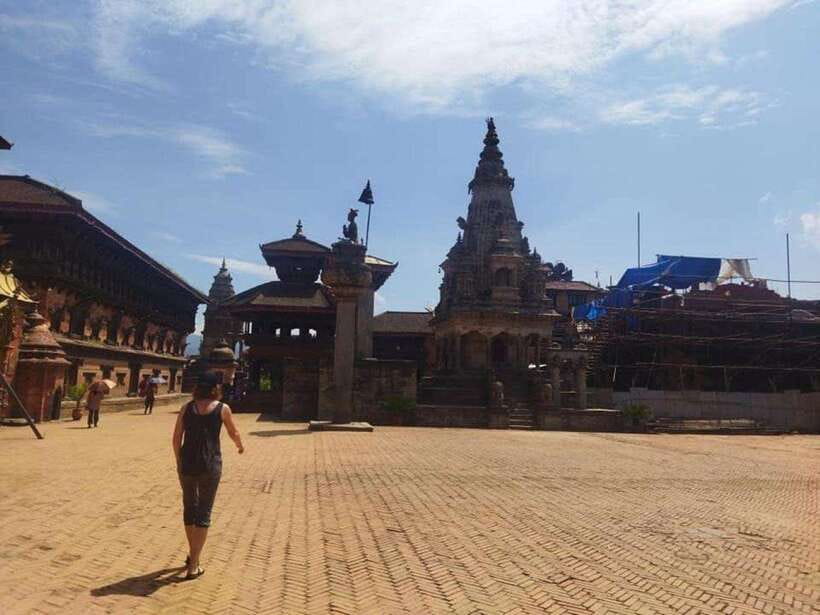
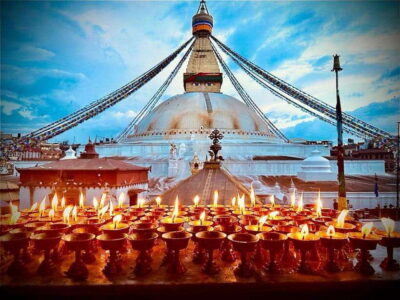
After Patan, the day shifts from temple squares to one of the most famous sacred structures in Nepal for Tibetan Buddhism: Boudhanath Stupa. You get about 1 hour here, which is enough time to see the mandala pattern and feel how the stupa functions as a center of daily religious rhythm.
Boudhanath is one of the largest stupas in the country, and the massive spherical shape plus the surrounding monasteries create a strong visual and cultural environment. Even if you don’t know every term, you’ll understand the function. People gather, move, and participate around the stupa, and the guide helps translate what you’re seeing into Hindus and Buddhists living side by side in Kathmandu Valley.
If you’re sensitive to crowds, choose your moments. The stupa can be busy during certain times, but the architecture makes it easy to find small pockets for quieter observing.
Pashupatinath Temple on the Bagmati River: sacred, intense, unforgettable
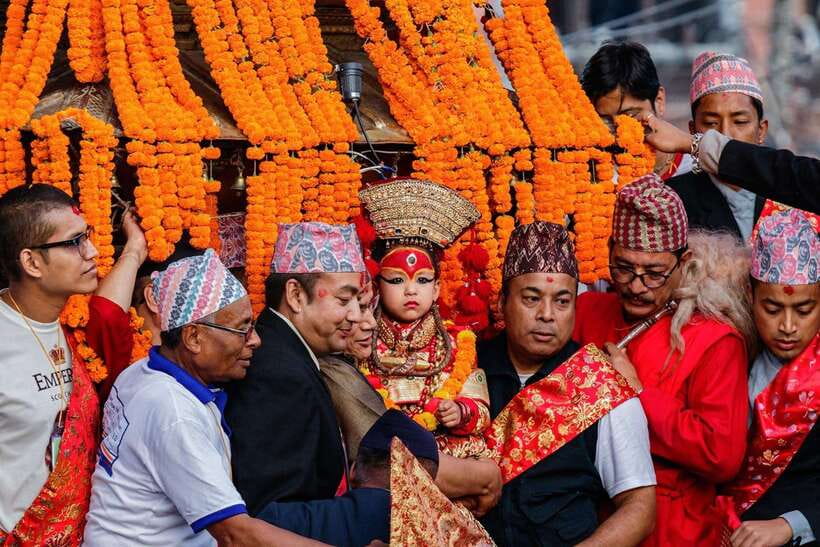
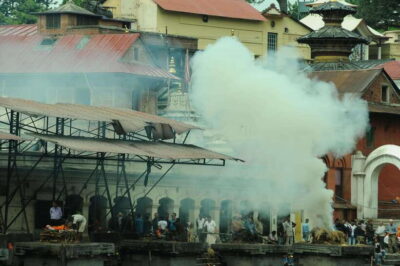
Next is Pashupatinath Temple, dedicated to Lord Shiva, on the banks of the Bagmati River. Your stop is around 40 minutes of sightseeing in the provided schedule. Even in that shorter window, it can feel like a heavier, more intimate visit than many other sightseeing stops.
This is also where you’ll likely feel the emotional impact of the site. One visitor described how ceremonies connected to death and cremation carried a deep weight, with the riverbank process leaving a strong impression. If that topic affects you, go in with emotional awareness. You are not just looking at a temple. You are witnessing a living religious practice that includes traditional cremation rituals.
That said, learning helps. The guide’s explanations about what Hinduism believes and how rituals work in daily life makes the experience more than shock value. It becomes a lesson in meaning, even when it’s uncomfortable.
Kathmandu Durbar Square: Malla-era palaces and sacred courtyards
From the riverbank, you head back into the city for Kathmandu Durbar Square, with about 1 hour. This is the historic heart where you see ancient palaces, courtyards, and temples. It’s also where the former royal palace of the Malla kings once stood, so you’re seeing political power and religious devotion woven together.
I like this stop because it shows how power in Kathmandu historically expressed itself through architecture. You can walk through the spaces and feel that the square is not only for tourists. It still matters during religious and cultural festivals, which you may notice from how people move and how the sites are set up.
If you enjoy understanding a city through its layout, Durbar Square is a strong place to anchor your first full day in the valley.
Swayambhunath Monkey Temple: a view plus shared spiritual meaning
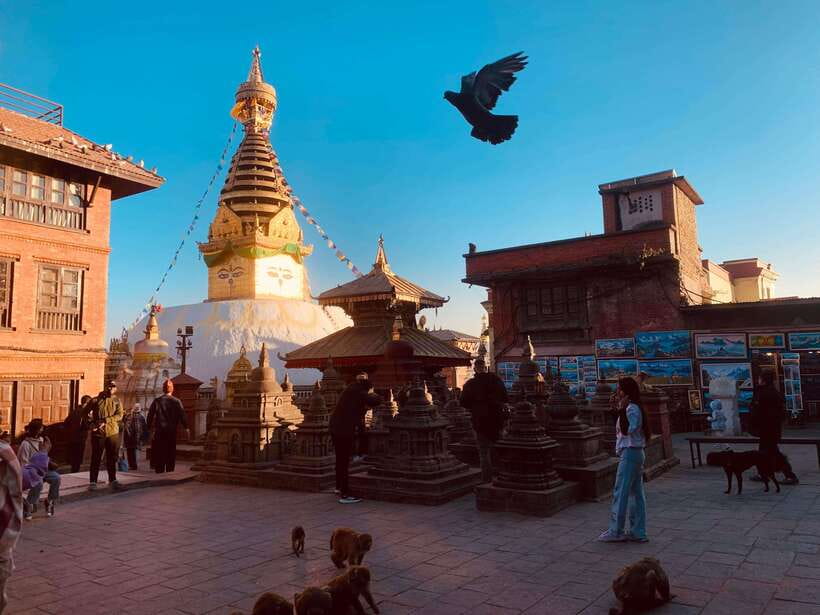
Finally, you visit Swayambhunath Stupa, also known as the Monkey Temple. The plan includes about 30 minutes here.
Swayambhunath sits on a hilltop, giving you that elevated city overview, and it’s revered by both Buddhism and Hinduism. You’ll see prayer wheels and the stupa complex itself, plus the famous monkeys that live there. This part of the day is lighter in energy than Pashupatinath, but it still carries spiritual weight. The guide helps you connect symbols across traditions so you understand what you’re looking at rather than treating it as a checklist photo op.
One practical note: monkeys are not just background. Keep your things secure, and avoid sudden moves around them.
Price and logistics: is $172 good value?
At $172 per person for a private tour, you’re paying for three big things: a private English-speaking guide, a private AC vehicle, and a route that strings together sunrise plus seven UNESCO World Heritage sites without requiring you to arrange transport or tickets city to city.
You do still need to budget extra for UNESCO entrance fees, listed at about 6000 Nepali Rupee, plus food and drinks, which are not included. In other words, your total spend will be the tour price plus that entry-fee sum and what you choose to eat.
For me, the value works if you like structure and you want someone to explain what you’re seeing. If you are the type who enjoys building your own route, negotiating local transport, and reading up on your own, you might be able to spend less. But that only works if you’re comfortable with timing and logistics, since sunrise plus multiple UNESCO stops is not the easiest DIY day.
The guide makes or breaks days like this
The best thing in these kinds of Kathmandu Valley tours is how the guide handles questions and context. One guide named Santosh led a visit framed around religion and rituals, and the conversation tone mattered a lot. Another visitor said their guide was patient, answered questions carefully, and kept a friendly mood throughout, which helps when you’re moving from sunrise to sacred ceremony sites.
When you book, think of your guide as the translator for what can look confusing at first. Ask things like:
- How do Hindu and Buddhist practices share spaces here?
- What symbols should I watch for at the stupas and temples?
- What is the meaning behind the rituals I might see at Pashupatinath?
If you can ask those questions in the moment, the day stops being just walking and becomes understanding.
Who this private tour fits best
This tour is a strong fit if you:
- Want Kathmandu Valley UNESCO highlights in one day
- Like having an English guide to explain Hindu and Buddhist traditions
- Prefer private transport and a planned route over DIY hopping
- Are okay with a long day that balances sunrise views and major religious sites
You might want a different style of trip if you:
- Hate early starts and prefer late-morning sightseeing
- Want only light, low-intensity cultural visits
- Get overwhelmed by the intensity of real ceremonial life, including cremation rituals at Pashupatinath
Should you book this Nagarkot Sunrise with 7 UNESCO tour?
I’d tell you to book it if your goal is maximum meaning per day, without juggling tickets, drivers, and timing. The combination of Nagarkot sunrise plus the complete Kathmandu Valley UNESCO circuit is efficient, and the private setup makes the whole day easier to manage.
It’s also a smart choice if you want cultural context, not just monuments. When the guide explains Hindu and Buddhist belief through what you see, the sites make more sense. Just go in knowing sunrise views depend on the sky, the day is full, and one stop can be emotionally heavy.
If you’re ready for that mix of beauty, faith, architecture, and reality, this is a strong value way to see a lot of Nepal in one organized day.
FAQ
What is the duration of the Nagarkot Sunrise With 7 UNESCO World Heritage Private Tour?
The tour duration is listed as 12 hours.
What is the price per person?
The price is listed as $172 per person.
Where does the tour pick up from?
Pickup is included from your hotel in Kathmandu Valley, with pickup at the Kathmandu location.
Is this a private group tour?
Yes, it is listed as a private group.
What language is the tour guide?
The tour includes an English speaking guide.
What is included in the price?
Included are an English speaking tour guide, a private vehicle with AC, hotel pick up and drop off within Kathmandu Valley, and bottled mineral water.
What is not included?
The tour does not include all UNESCO entrance fees (around 6000 Nepali Rupee) and food and drinks.
How long do you spend at Nagarkot for sunrise?
The plan includes 2 hours for sunrise viewing at Nagarkot.
What is the cancellation policy?
You can cancel up to 24 hours in advance for a full refund.
Does the tour offer reserve now, pay later?
Yes, it lists reserve now & pay later, where you can book without paying today.
More Historical Tours in Kathmandu
- Kathmandu: Private UNESCO World Heritage Site Tour
★ 4.9 · 47 reviews - Private Kathmandu UNESCO World Heritage Sites Tour
★ 4.8 · 28 reviews - Pick 2-Wonders of Kathmandu: A 3-Hour Heritage Hop
★ 5.0 · 22 reviews - UNESCO Five World Heritage Tour in Kathmandu
★ 5.0 · 12 reviews
Latest Kathmandu write-ups
- 16 Days Island Peak Climbing With Everest Base Camp Private Trip★ 5.0 · 3 reviews
- 15 Days Round Annapurna Trek with Poon Hill from Pokhara★ 5.0 · 5 reviews
- Private Nepal round trip including Ghorepani Poonhill trek★ 5.0 · 3 reviews
- Everest Base Camp Trekking 16 Days★ 4.0 · 7 reviews
- 14 Days Luxury Annapurna Base Camp Trek★ 5.0 · 6 reviews
- Everest Base Camp Trek★ 5.0 · 32 reviews
- Everest Base Camp Trek★ 5.0 · 87 reviews
- Everest Base Camp Trek★ 5.0 · 97 reviews
UNESCO World Heritage Sites, compared.
Private Kathmandu UNESCO World Heritage Sites Tour
Read our review →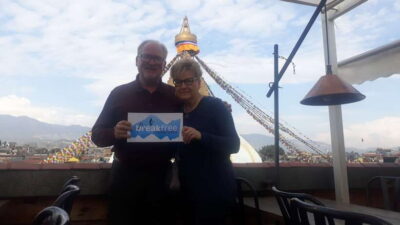
Browse the lists this tour appears in