
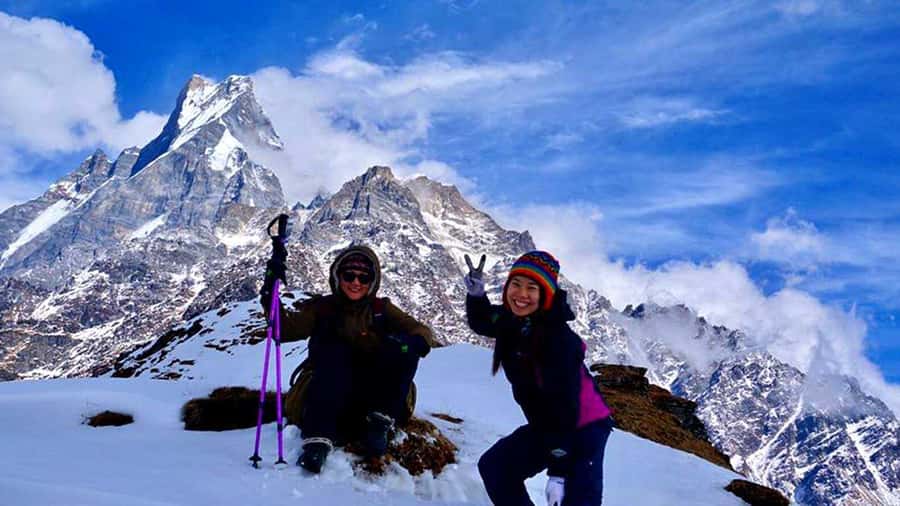
Reviewed · MARDI HIMAL TREK
Pkr. Backpacker Group Dep.: 4 Day Mardi Himal Base Camp Trek
What makes the Pkr Backpacker Group Dep: 4 Day Mardi Himal Base Camp Trek interesting is the mix of big Himalayan views and a shorter timeline. You’ll get that classic Annapurna scenery without needing a huge chunk of time, and the sunrise and sunset moments are a huge part of why people love this route.
I especially like two things. First, the trek is built around those dramatic sunrise and sunset panoramas over the Annapurna Range, including Fishtail and Mardi Himal. Second, the trail spends real time in dense rhododendron forest and passes through villages tied to Gurung culture, so the trip feels more local than many quick view-hops.
The main consideration is altitude. You reach around 4,500 meters at base camp, and even though the trek is only four days, you still need to pace yourself and take weather seriously.
Key highlights I think you’ll care about
- 4,500m base camp goal without a multi-week itinerary
- Sunrise return day that starts early for peak views
- Quiet route feel thanks to a lesser-known path
- Rhododendron forests that make the walk cooler and more scenic
- Gurung culture stops through traditional villages on the way down
- Teahouse nights in Forest Camp, High Camp, and Low Camp
Why This 4 Day Mardi Himal Trek Feels Worth Your Time
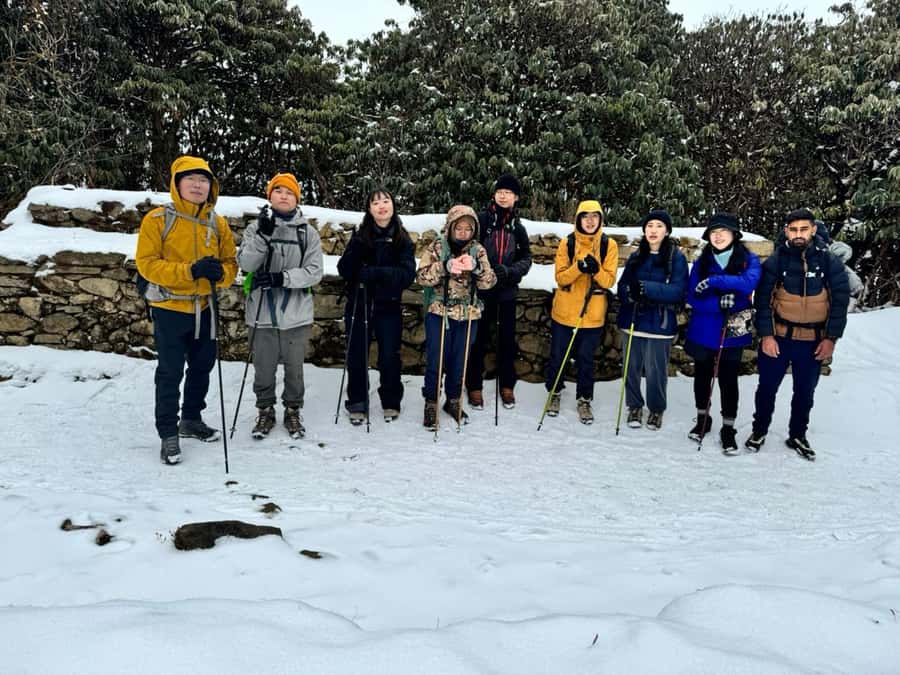
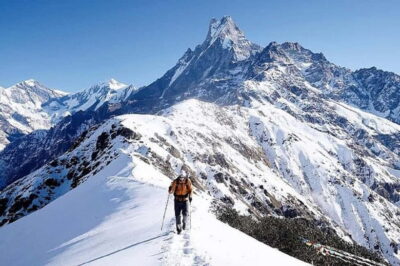
This trek is basically a concentrated dose of Annapurna region scenery. In four days you go from Pokhara valley life up through forests, into higher camps, and finally to Mardi Himal Base Camp at roughly 4,500m. That’s not just about checking a box. It’s about how the views change as you gain altitude fast enough to feel rewarded, but slow enough to still enjoy the walk.
The route is also described as less crowded than the big-name treks in the area. In practical terms, that often means more quiet steps, fewer bottlenecks, and a better rhythm for photography and just looking around. If you’re the type who likes trekking for the experience, not just the summit moment, that matters.
And yes, there are standout view moments. When the mountains show up clearly, the Annapurna Range can look unreal, especially with sunrise and the late-day colors. You should plan your expectations around weather too, because clouds are part of the game in the Himalayas.
More on the Mardi Himal ridge:
- Pokhara: 4-Day Mardi Himal Trek
★ 4.9 · 59 reviews - Pokhara: 4-Day Mesmerizing Mardi Himal Guided Trek
★ 4.8 · 9 reviews - Mardi Himal Trek -5 Day Short Trek From Pokhara
★ 5.0 · 8 reviews
Altitude and Pace: What “Short Trek” Really Means for Your Body
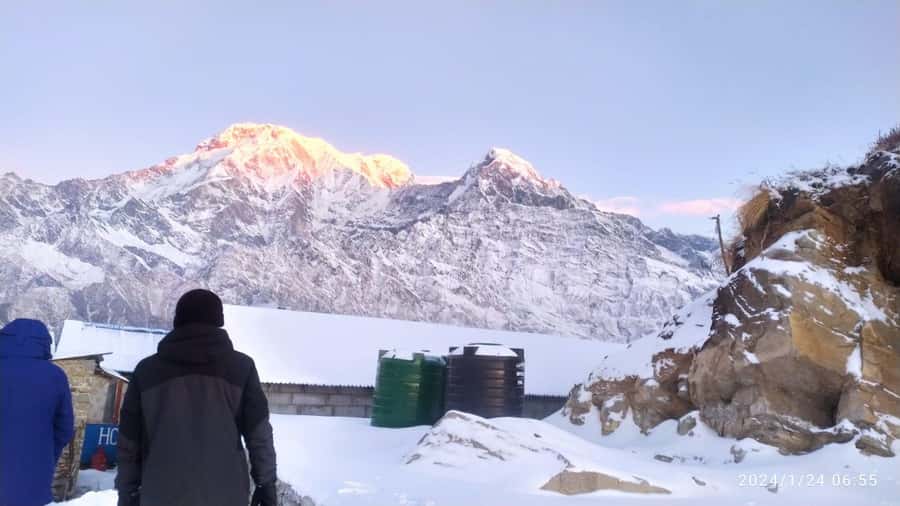
This itinerary reaches about 4,500m, with camp nights at roughly 2,550m (Forest Camp), 3,550m (High Camp), and 3,550m area at Low Camp on the way back, then down again on Day 4. That’s a big vertical change in a compact schedule.
What I like about this setup is that it gives you a true acclimatization feel without dragging out the trip. What to respect is that you do not get the long “acclimatize for days” approach that bigger treks sometimes offer. So your best strategy is simple: take it slow, breathe steadily, and do not treat every uphill like a race.
Also pay attention to pacing in a group. One guide I read about, Birendra (Biru), was flexible with different speeds, which is great. In the same breath, there was also feedback that the guidance can be very direct at times, with frequent reminders to slow down or be careful. If you’re an experienced hiker and you know your limits, tell your guide early how you want that pace conversation handled. You want safety, not micromanagement.
Day 1: Pokhara to Forest Camp via Kande, Australian Camp, and Pothana
Day 1 starts with a scenic drive from Pokhara to Kande. The trek portion then runs long, about 5 to 6 hours, through rhododendron forest and past points like Australian Camp and Pothana before you reach Forest Camp for the night at around 2,550m.
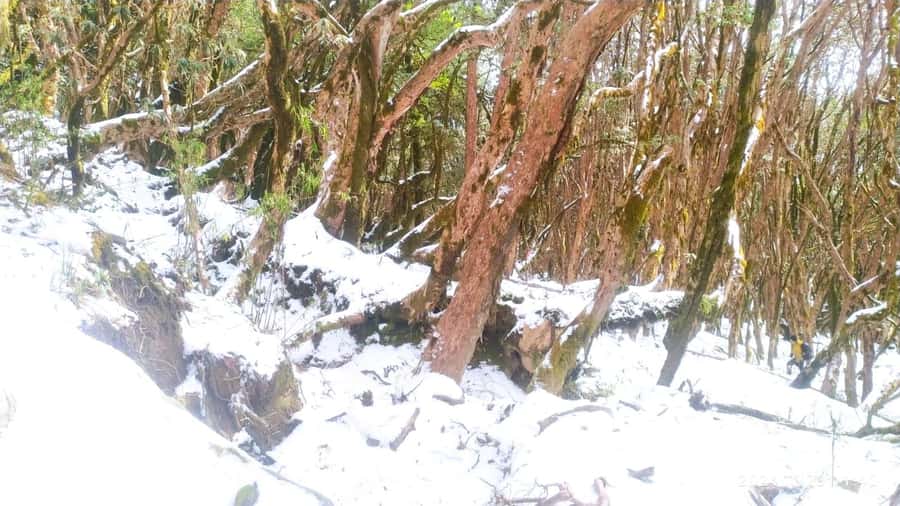
Why this day matters: it’s where your body transitions from valley heat to mountain chill, and where the trail atmosphere really kicks in. Rhododendron forest is one of those ingredients that makes a trek feel like more than a line on a map. You’re walking under a canopy for stretches, which usually means less harsh sun and a cooler overall effort.
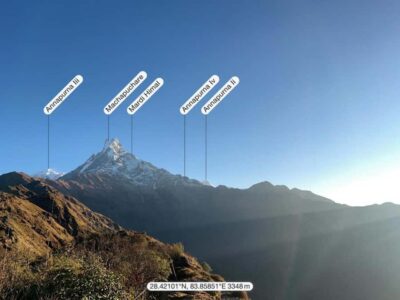
What you might notice: the day is not “easy mode.” It’s long enough that you’ll want steady snacks, plenty of water, and a pace you can maintain without getting out of breath. Lunch at Australian Camp is a highlight because you get views of Annapurna and Machhapuchhre, so it’s worth taking a slow break and actually looking, not just eating and moving.
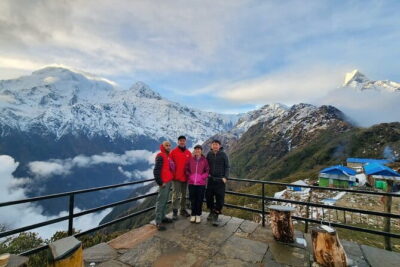
That night is in a tea house at Forest Camp. Expect basic tourist-standard comfort, not luxury. Bring a reusable water bottle so you can keep your hydration simple.
Day 2: Forest Camp to High Camp, Where the Tree Line Fades
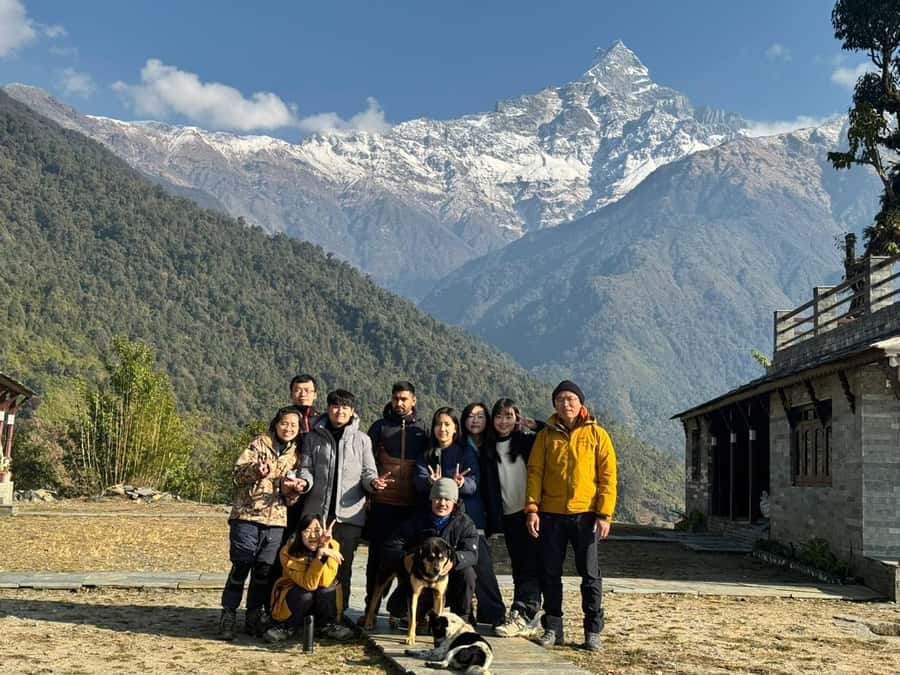
On Day 2 you continue upward for about 5 to 6 hours via Low Camp to High Camp at around 3,550m. This is the day where the feel of the trail often changes. The rhododendron density gradually gives way as you gain altitude, and the views start coming faster.
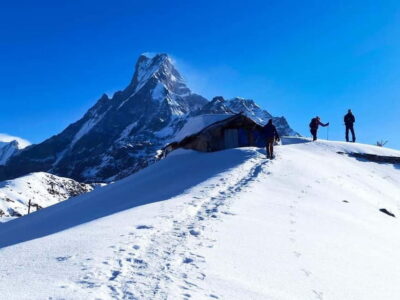
After lunch at Low Camp, the route continues toward High Camp, and that’s where Machhapuchhre and Mardi Himal often look close enough to feel real. This is also the day where you’ll start to understand how quickly the mountains can shift from “pretty” to “serious.”
Tea house night at High Camp again means you’ll be living at the pace of simple mountain logistics: warm layers, water management, and an early bedtime strategy if you want to feel good for the sunrise push the next day.
More to compare around Pokhara
- ZipFlyer Nepal – The World’s Steepest Zip-line
★ 5.0 · 608 reviews - Bungee Pokhara by HighGround Adventures
★ 5.0 · 366 reviews - From Pokhara: Sarangkot Sunrise Himalayas Tour
★ 4.7 · 218 reviews - Full-Day Tibetan Cultural Tour to Tibetan Settlements Pokhara
★ 5.0 · 184 reviews
Day 3: High Camp to Mardi Himal Base Camp for Sunrise, Then Back to Low Camp
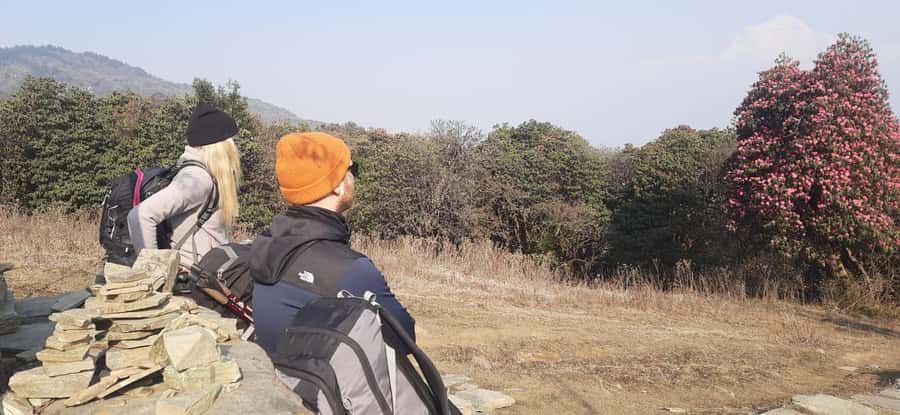
Day 3 is the big one. It’s a long round trip of about 7 to 8 hours. The plan is to start early, hike up to Mardi Himal Base Camp at roughly 4,500m for sunrise views, then come back down to Low Camp for the night.
This is also the day that rewards you with the clearest “why I came” moment. You’ll look across the Annapurna region, with views that can include Annapurna South, Hiunchuli, and Machhapuchhre, plus the Mardi Himal area itself. Sunrise adds drama, but it also adds cold. You’ll want real warm clothing, even if your body feels hot at first while you’re moving.
You might also find yourself climbing stairs to a nearby viewpoint called Mardi View Point. One guide experience highlighted that those stairs are worth it, because the view can be incredible. Treat it as a bonus effort, not a guaranteed add-on, and keep your focus on getting to base camp comfortably.
Then you descend back to Low Camp. Descending is its own kind of workout on tired legs, so plan for careful footing and take breaks as needed. That tea house night is your reset before Day 4.
Day 4: Low Camp to Siding Village, Then Jeep Back to Pokhara
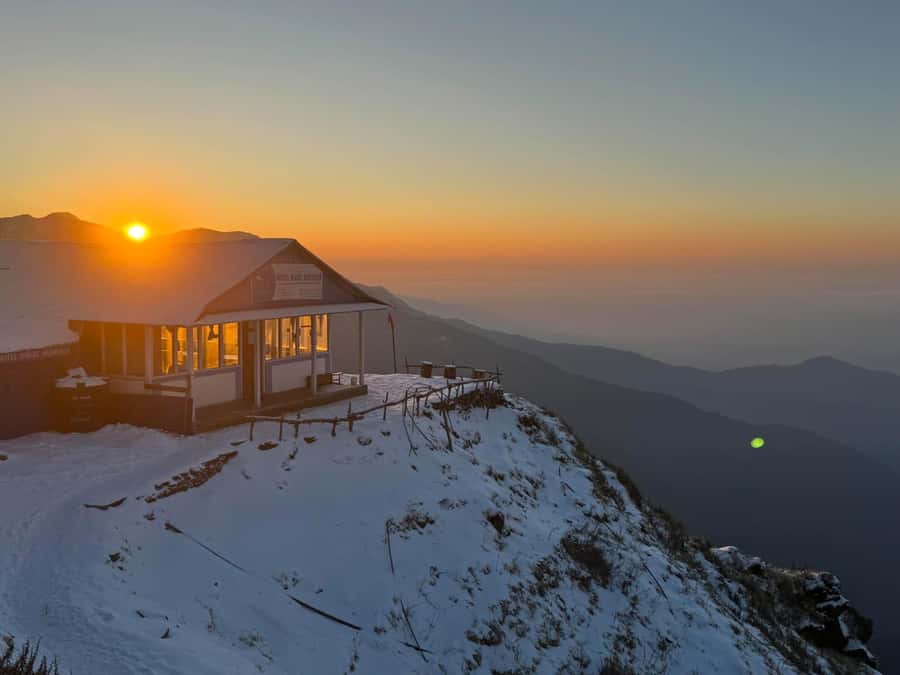
Day 4 is shorter at the hiking level, about 3 to 4 hours from Low Camp to Siding Village, followed by a drive of about 2.5 to 3 hours back to Pokhara by jeep.
This is the day you get your “walk again, then back to civilization” ending. The descent through traditional villages is one of the best ways to feel the human side of the region, not just the high-altitude scenery. You’re moving from higher-air trekking mode down into warmer village rhythm.
If you like an efficient ending, this works well. You don’t spend the whole day trekking once you’ve hit the main goal. You end with transport back to Pokhara, so you can recover with food, showers, and real sleep.
Price and Value: What $181 Covers, and What You’ll Pay Extra
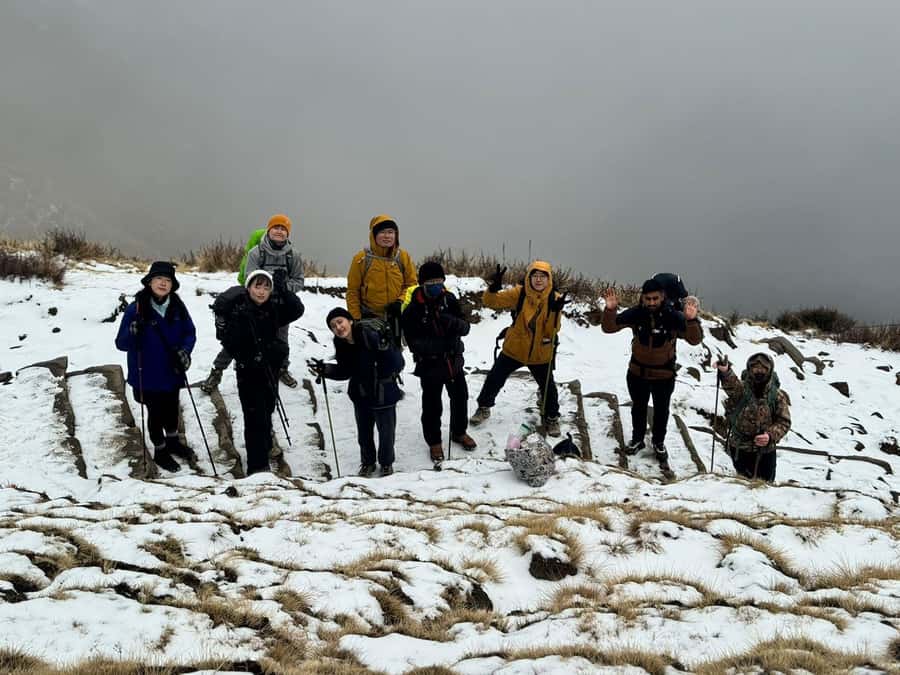
The price listed is $181 per person for a 4-day trek. On value, the key point is what’s bundled: you’re getting an English-speaking licensed guide, trekking permits and official documents, hotel pickup and drop-off, and transfers from Pokhara to Kande by private vehicle plus transport from Siding back to Pokhara by jeep.
You also get accommodation in tourist standard guest houses during the trek, plus the guide’s expenses and an emergency normal first aid kit. A trekking pole is included too, which is genuinely useful for this kind of uphill and downhill work.
What’s not included is equally important: food and drinks are on you, and you might want to budget for that. Emergency rescue is also not included, so you should rely on travel insurance that covers trekking. If you’d like a porter, that’s listed as $25 per day, which can make a big difference if you’re bringing camera gear or if you just want less weight on steep sections.
My take: $181 can be a good deal when you price in the guide, permits, and the actual logistics of getting to and from the trailhead. The main extra costs come from meals, drinks, insurance, and optionally a porter.
Your Guide, Your Group: The Biru Factor and Pace Expectations
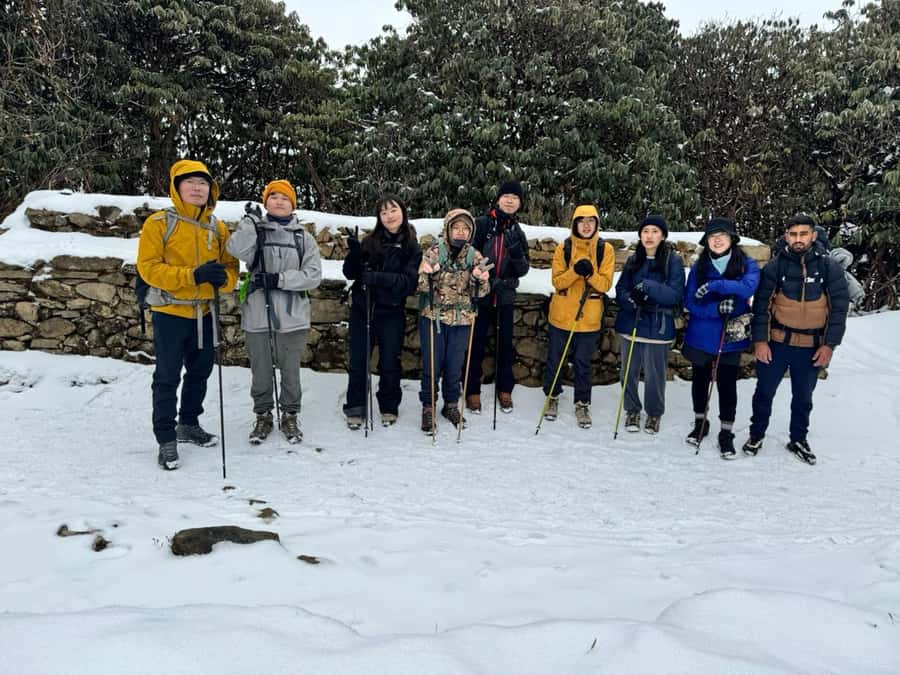
This experience is run as a group trek with an English or Hindi live guide. The guide is experienced, friendly, and licensed, and they also carry an emergency normal first aid kit. That’s the baseline.
What stood out in real guide behavior is flexibility. Birendra, often called Biru, was described as flexible with pace and caring about needs, including making sure overnight accommodations were in good shape. Another experience described a scenario where the group ended up very small or just the guide, which made the hike feel more personal. In practice, group size can vary with bookings.
One caution came up too. The same guide was sometimes very insistent about slowing down and being careful, even when hikers were competent. If you’re confident at altitude, it helps to say so early and ask for a safety first approach that still respects your pace. You want a guide who guides, not one who constantly taps the brakes.
Best Seasons, Weather Reality, and When Views Are Most Likely
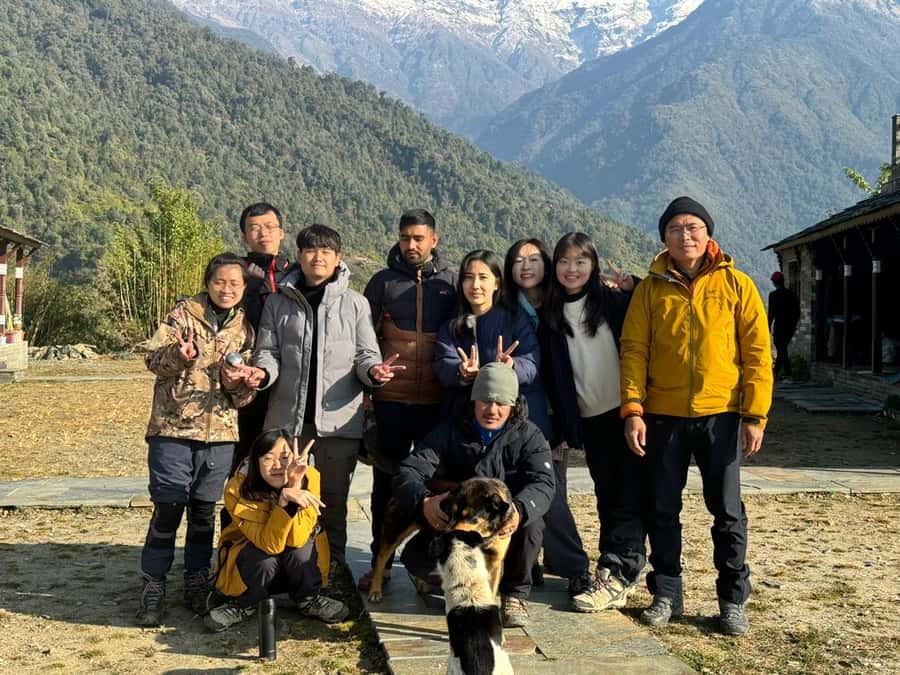
The best times to trek are spring (March to May) and autumn (September to November). Those windows are more likely to bring stable weather and clearer mountain views.
But the mountains do not promise anything. Weather can change fast, so pack for layers and plan for the possibility that sunrise views might be hazy one day and sharp the next. The trek’s early starts make weather awareness even more important because you’re up and moving before the day fully warms up.
If you’re planning photography, choose your priority: clean views from the big moments like base camp, or comfort and steady progress. You can do both, but only if you respect the weather.
What to Pack and What to Leave Behind
You’ll be walking and climbing for multiple long days, often in changing temperatures. Your best bet is to pack for warmth, not just comfort.
Bring:
- Comfortable shoes
- Warm clothing
- Comfortable clothes for layering
- Cash
- Passport (copy accepted)
- Passport-sized photo
- Reusable water bottle
Not allowed:
- Pets
Also keep in mind the trek is not suitable for pregnant women, people with back problems, or wheelchair users. If you’re in any of those categories, don’t “test it anyway.” Four days can still be tough on your body.
Should You Book This Mardi Himal Base Camp Trek?
I’d book this if you want a short trek that still delivers real Himalayan payoffs. The sunrise-at-base-camp structure and the quiet route feel are the strongest reasons. It’s also a good option if you like forests, village paths, and having a guide manage permits, logistics, and tea house stays.
I’d hesitate if altitude is a concern for you or if you need a gentler pace than a fast four-day schedule can offer. The route climbs to around 4,500m, and even with an experienced guide, you should be honest about your fitness and how you handle cold and exertion.
A practical decision tip: if you book, message your guide about your preferred pace early. If you want reminders, ask for them. If you want independence because you’ve hiked at altitude before, say that up front. That one conversation can make the trek feel much better for both sides.
FAQ
How long is the Mardi Himal Base Camp trek?
The trek runs for 4 days.
What altitude does the trek reach?
The trek reaches around 4,500 meters at Mardi Himal Base Camp.
Where does the trek start and how do you get there from Pokhara?
You’re picked up from the lakeside area in Pokhara, drive to Kande, and then start trekking.
What is included in the price?
Included are hotel pick up and drop off, an English-speaking licensed trekking guide, trekking permits and documents, transfers (Pokhara to Kande by private vehicle and Siding to Pokhara by jeep), guest house accommodation during the trek, guide expenses, an emergency first aid kit, a trekking pole, and the guide all expenses.
Is food included?
No. Food and drinks are available on purchase.
Do I need travel insurance?
Emergency rescue is not included, so you should rely on your travel insurance if you need rescue.
Is a porter included?
No. A porter can be hired for $25 per day.
What are the best seasons to go?
Spring (March to May) and autumn (September to November) are considered the best times for more stable weather and clearer mountain views.
What should I bring for the trek?
Bring comfortable shoes, warm clothing, comfortable clothes, cash, your passport (a copy is accepted), a passport-sized photo, and a reusable water bottle.
Are pets allowed on this trek?
No, pets are not allowed.
Latest Pokhara write-ups
- Mardi Himal Trek -5 Day Short Trek From Pokhara★ 5.0 · 8 reviews
- Tandem Paragliding in Pokhara★ 4.8 · 8 reviews
- Pokhara: Peace Pagoda Sunset, Annapurna Mountain Views Tour★ 2.9 · 5 reviews
- Short & Scenic: 2-Day Private POON HILL Trek from Pokhara★ 5.0 · 8 reviews
- Seti George and Thrilling Suspension Bridge Tour at Pokhara★ 4.5 · 3 reviews
- Sarangkot Sunrise over the Himalayas★ 4.8 · 83 reviews
- Pokhara: Sarangkot Sunrise and Private Full Day Tour★ 4.8 · 24 reviews
- From Kathmandu/Pokhara: Private 3-Day Chitwan Safari Tour★ 4.7 · 34 reviews
Mardi Himal Trek, compared.
4-Day Mardi Himal Trek with Guide & Himalayan Views
Read our review →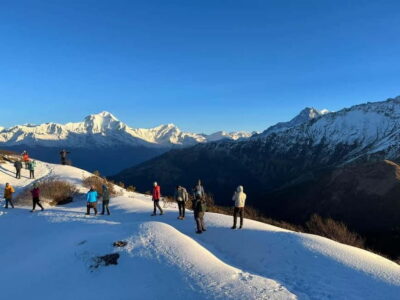
Majestic Mardi Base Camp Guided Trek with HotSpring
Read our review →
Browse the lists this tour appears in