
Reviewed · ANNAPURNA BASE CAMP TREK
Pokhara: 7-Day Annapurna Base Camp Trek with Hot Spring
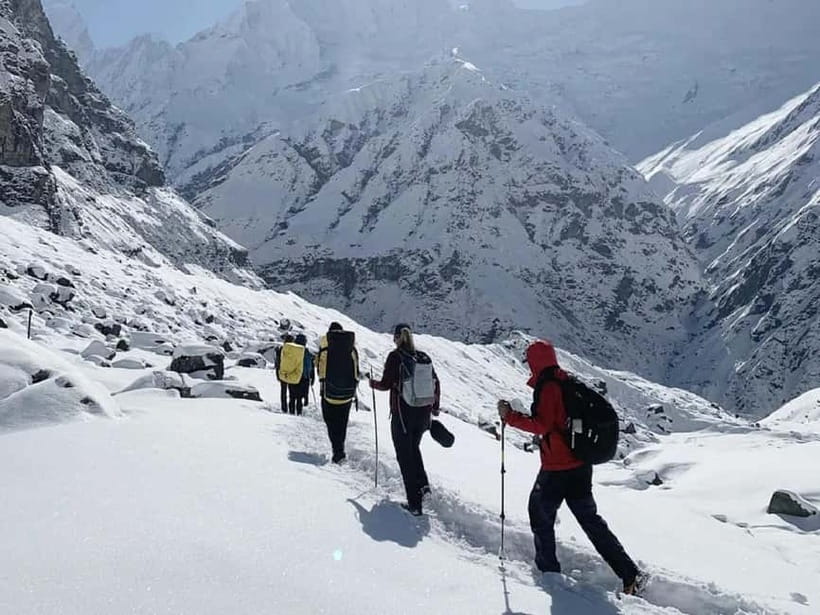
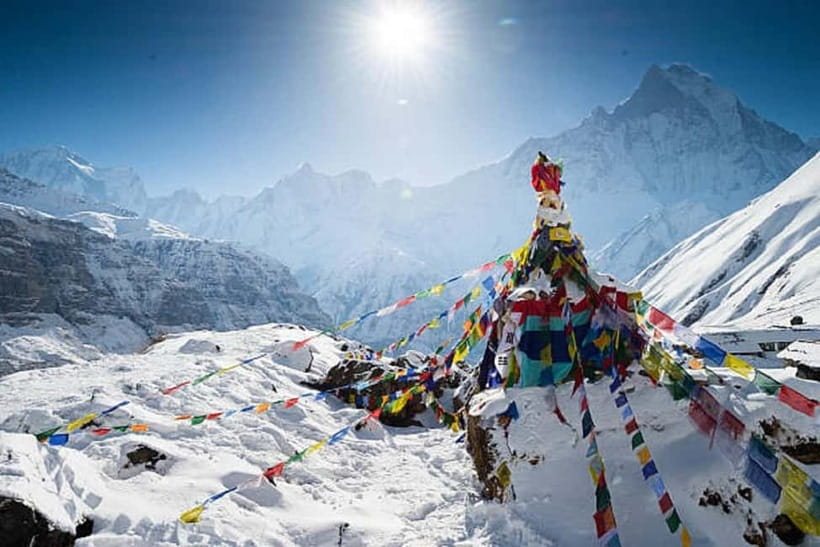
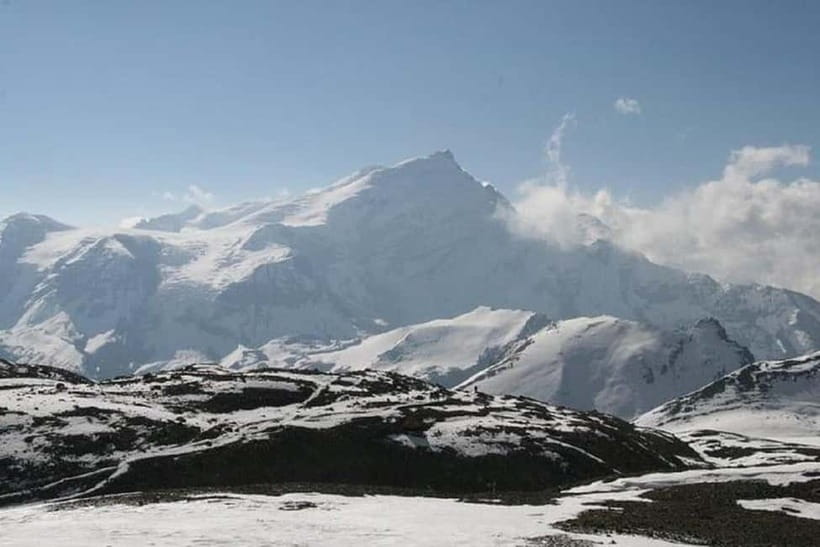
Pokhara plus the Annapurna Base Camp circuit is interesting because it mixes easy-to-start village hiking with one serious altitude payoff, all wrapped up with a real hot-springs stop. You walk through rhododendron forests, terraced fields, and Gurung, Magar, and Tibetan cultural areas, then end up staring at massive peaks from around 4,130m.
I especially like the way the route balances forest scenery with cultural stops like Ghandruk and Chhomrong, so it does not feel like you are only climbing stairs to a view. And I like that the trek includes an overnight at Base Camp, which gives you a chance to see the mountains when the light shifts, not just while passing through. In my book, the only real drawback is that it is not a gentle stroll, and the higher sections can feel cold and demanding if you are not used to long uphill days.
If you go with Snow Peak Tours and Travels, the guide factor matters, and the good news is you will see that in the names people remember most, like Sun, Laxman, and Bishnugiri, who were praised for looking after hikers and keeping the pace manageable.
Key things you will notice on this trek
- Tea-house nights along the way so you can travel lighter and still sleep warm enough to recover
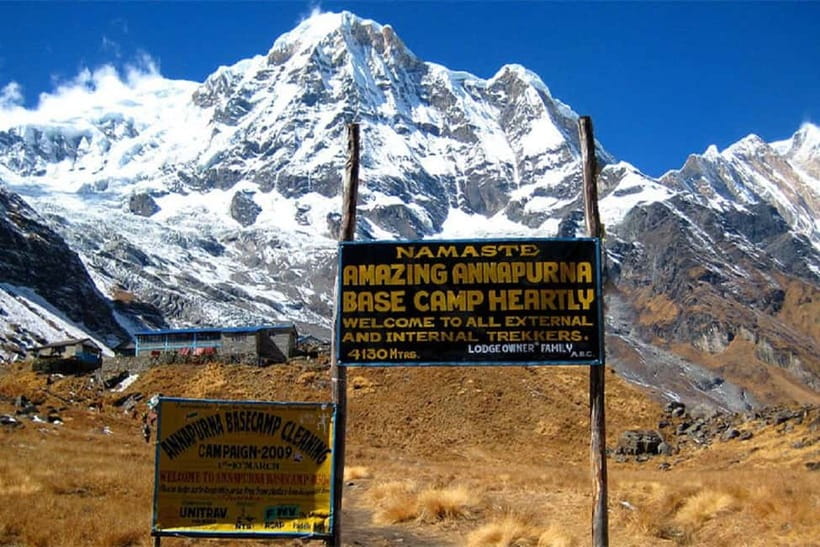
- Overnight at Annapurna Base Camp for that close-up feel at 4,130m
- Rhododendron forests and mountain villages with frequent panoramic moments of Annapurna and Dhaulagiri
- Jhinu Danda hot springs as a true muscle reset after trekking
- Government-certified English-speaking guide plus a private group pace
- ACAP permit included, so you do not have to sort paperwork mid-trip
Pokhara start to Nayapool: where the trek actually begins
This trek runs from Pokhara, with a private vehicle ride to Nayapool, then your hike starts right there. That matters because you avoid the stress of trying to piece together transportation on your own, and it puts you on the trail in a clear, timed way.
Day 1 takes you from Nayapool toward Ghandruk, climbing along the Modi Khola for about 5 to 6 hours. Ghandruk is a classic Annapurna village stop, known for views and for a strong local culture. You are not just walking past houses here, you are moving through the rhythm of the hills, with terraced fields and forest sections that change how the air feels as you gain altitude.
What I like: it is a believable first day. It gives you hiking time without throwing the hardest altitude pressure at you immediately. What to watch: it is still a long day with uphill segments, so comfy shoes are not optional.
More routes into the Annapurna Sanctuary:
- Kathmandu/Pokhara: 5-Day Annapurna Base Camp (ABC) Trek
★ 4.9 · 72 reviews - Pokhara: 5 Day Annapurna Base Camp Trek & Natural Hot Spring
★ 4.9 · 44 reviews - Pokhara: 7 Day Annapurna Base Camp Trek
★ 4.9 · 38 reviews
Ghandruk to Chhomrong: rhododendrons, village life, and view payoffs
On Day 2 you continue toward Chhomrong, typically around 6 hours of hiking, with the day starting after breakfast in Ghandruk. Expect rhododendron forests, scattered settlements, and repeated chances to look back at the Annapurna range.
Chhomrong sits in that sweet spot where the scenery starts to feel dramatic without you needing perfect conditions. You will feel the altitude more, but you also get that steady sense of progress that keeps people smiling. Many hikers come to Annapurna for the mountains, and Chhomrong is where the mountains start doing more than looking pretty.
Possible drawback: the trail can be tiring even if the views are great, and tea-house breaks are not always long. If you are traveling in a private group, use that to your advantage. Tell your guide your pace early so you do not end up behind schedule later.
Himalaya to Annapurna Base Camp: the day you earn the big close-up
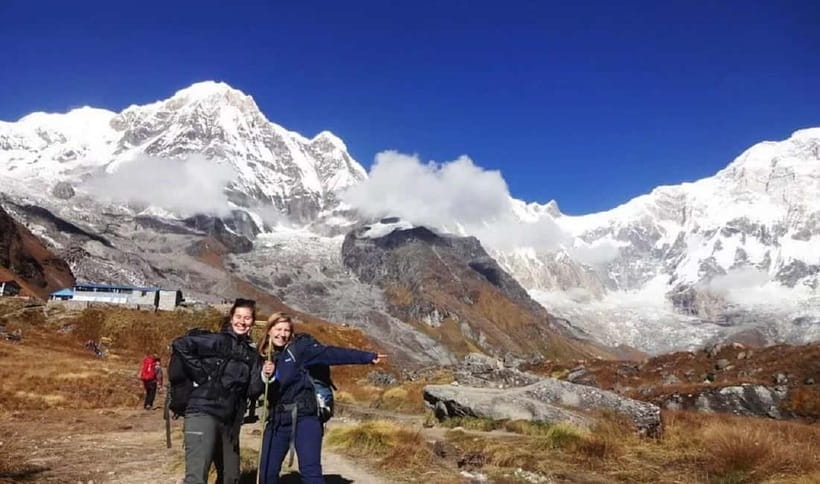
Day 3 moves you up to Himalaya, around 5 hours of hiking, with more forested sections and villages along the route. By this point, you will feel the pattern shift. The mornings start cooler, you will likely be layering up more often, and your breathing changes when the trail trends upward.
Then comes Day 4, the peak day, when you hike from Himalaya to Annapurna Base Camp at 4,130m. This is the moment: the terrain tightens, the air thins, and you are heading for the close-up experience many people dream about.
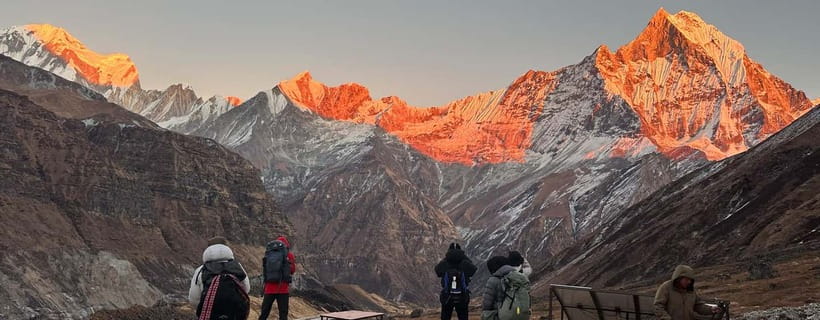
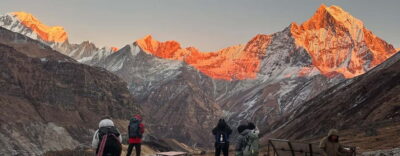
The big value in this trek is not just reaching Base Camp, it is staying overnight there. That means you get time to soak it in after the day-hike rush, and you can watch how the light changes on the Annapurna massif. people keep mentioning the camp experience for a reason, and the overnight is one of the few ways a short trek can deliver it properly.
Practical consideration: it can feel cold at 4,130m. You are provided with trekking gear like a stick or sleeping bag as needed, but you still bring your own clothing system. Plan for warmth, even if the hike felt manageable earlier.
Bamboo on the way down: more forest, springs, and slower smiles
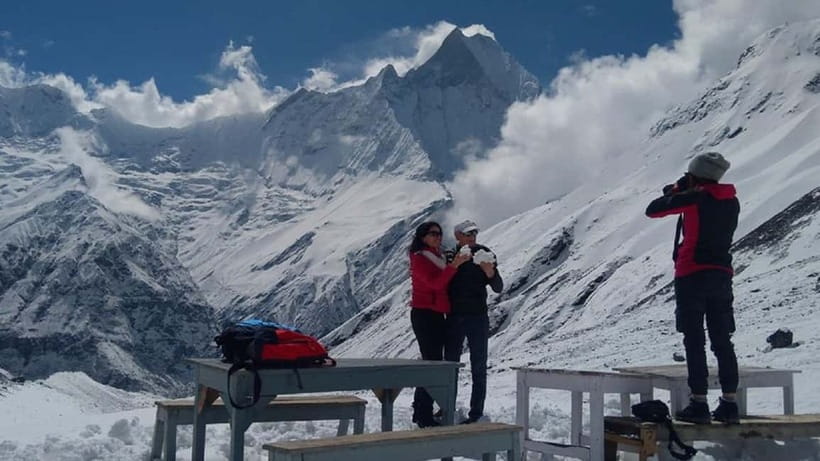
Day 5 brings you back down toward Bamboo, around 2,335m, with hiking through rhododendron forests and areas described with natural springs and waterfalls. This is one of the more pleasant recovery-feeling days because you are moving away from the highest altitude pressure while still hiking in a beautiful zone.
Bamboo is also where the trail starts to feel like a working mountain route again. You see people coming and going, and the rhythm of tea houses becomes familiar: eat, rest, hydrate, repeat. If your legs are heavy, this is usually when they start to come back to life.
What to watch: downhill can still be hard on knees. If your guide is checking your pace, listen. A steady, controlled descent usually beats aggressive speed.
More to compare around Pokhara
- From Pokhara: 5-Day Annapurna Basecamp Trek with Hot Springs
★ 4.9 · 26 reviews - Pokhara: 7-Day Annapurna Base Camp Via PoonHill & Hot Spring
★ 5.0 · 6 reviews - Pkr/Kathmandu: 5-Day Annapurna Base Camp & Hot spring Trek
★ 5.0 · 6 reviews - Pokhara: Amazing 7-Day ABC Trek with Natural Hot Spring
★ 5.0 · 5 reviews
Jhinu Danda hot springs: the real reward after the long walking
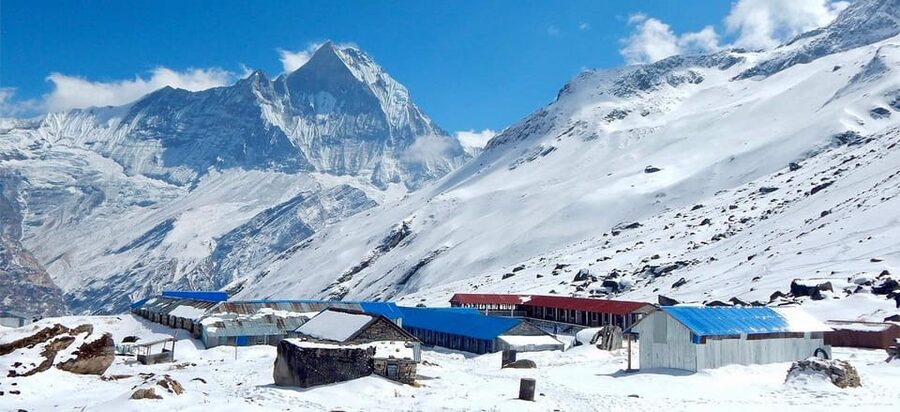
Day 6 takes you to Jhinu Danda, around 1,610m, explicitly for the hot springs. This is the part that makes the trip stand out from the standard Base Camp-to-downhill routine. After a week of elevation changes and long hours on foot, soaking in natural hot water is a simple, effective muscle reset.
The logic is solid. Your trekking day is demanding, then the next day gives you a non-technical way to recover. Even if you are not a spa person, hot springs in this setting tend to feel like a gift to your joints.
Possible drawback: hot spring logistics are not detailed here, so treat it as a normal outdoor soak. Bring what you need and plan for comfort, especially if weather turns.
Naya Pul and back to Pokhara: finish strong, not rushed
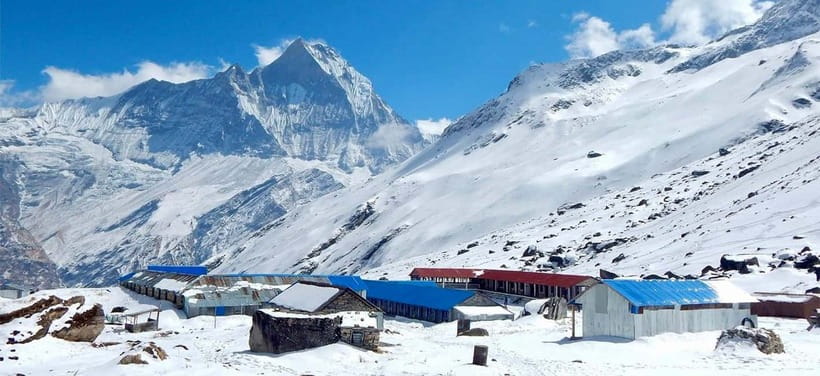
Day 7 brings you back toward Nayapool and then drive back to Pokhara. You will still hike, so do not assume it is a free day. But finishing at Nayapool keeps the ending simple, and it is a relief when you transition from trail work to easy transport.
Pokhara is a great place to decompress after trekking. You have options for meals, showers, and just sitting with a view instead of chasing one. If you have an international flight timing issue, it is worth choosing your drop-off point carefully since this trip lists multiple Pokhara drop-off options, including the Lakeside area and the airport zone.
Tea houses, food, and what basic really means
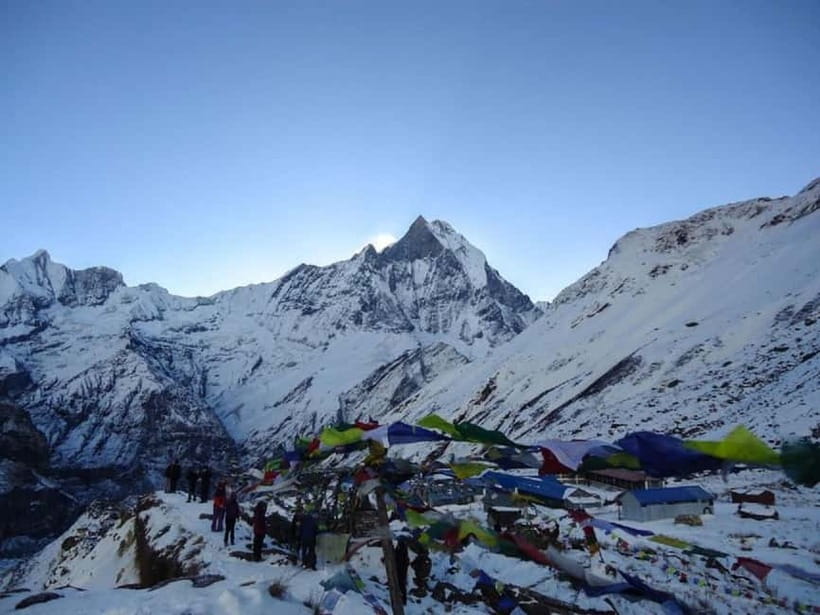
This trek uses basic tea houses or lodges for overnight stays. That is part of the charm, but it also means comfort levels are modest. You are not paying for luxury, you are paying for access, logistics, permits, and a guide who can keep the trip smooth.
Meals during the trek are not included, so you will purchase food along the way. That sounds like a small detail until you realize you need cash and patience for restaurant-style ordering on a mountainside. The good side is choice is usually available, and your guide can help you decide what is easiest to digest before hiking.
What I like here is predictability. You know you will have a bed every night, and you are not carrying overnight gear on your back beyond what the included packing support covers.
Guides and private group pace: why the names matter
A consistent theme in the praise is the human part: the guide. People remember guides like Sun, Laxman, and Bishnugiri for being kind, attentive, and proactive about making the trek easier when needed.
That matters because Base Camp trekking is as much about pacing and encouragement as it is about route knowledge. A good guide helps you keep a steady rhythm, manage your energy, and make choices that keep you feeling okay instead of chasing a tired finish.
This tour runs as a private group, which is a quiet advantage. You are not stuck matching someone else’s speed. If you are willing to speak up about how you feel, your guide can adjust breaks and pace. If you want a group vibe with less pressure, private is often a better fit than larger trekking groups.
Price and value at around $207 per person
At $207 per person, the real value comes from what is included, not just the base cost. You get round-trip private vehicle transport between your hotel, Pokhara area points, and the trek starting point. You also get an ACAP Permit, lodging during the trek, and a certified English-speaking trekking guide.
You are also covered for guide and porter expenses, including insurance, salary, and equipment support, plus an on-hand first aid kit. Luggage storage in Pokhara is another practical inclusion that keeps you from hauling extra bags during the trek.
What is not included is the big day-to-day item: meals. Personal expenses are also separate, and if you want extra help, a porter can be hired optionally for $20 per day. In plain terms, this is a good deal if you plan your food budget and are okay with tea house simplicity.
If you are debating between cheaper self-guided options and a structured guided trek, consider the permit and logistics alone. Here, you are paying to remove friction.
What to pack for Annapurna Base Camp cold nights and weather shifts
The list of what to bring is pretty standard for Nepal trekking, but it is worth reading it like a checklist, not a suggestion.
Bring warm clothing, a jacket, and rain gear since mountain weather can change fast. Pack a sun hat, sunglasses, and sunscreen, especially if skies clear at higher elevations. Gloves help more than you think once mornings get cold.
For comfort and safety, you will want hiking shoes and comfortable shoes, plus waterproof shoes if conditions look wet on your day. Bring a change of clothes, a towel, and a flashlight. A power bank is listed, which is useful if you plan to capture photos and keep your phone running.
Also: bring cash. Meals are not included, and you will be purchasing along the route.
One note on sleeping: a sleeping bag is listed as provided as needed, but still plan for cold. Even with gear support, your clothing choices matter.
Altitude and daily timing: how to keep it doable
This trek reaches 4,130m at Base Camp. It is not described as an altitude training trek, so you should treat it like a serious hiking plan and plan accordingly.
The good sign is that the daily structure allows adjustment. You start with a gradual gain from about 1,940m up to 2,170m, then continue to roughly 2,920m, then to Base Camp. After that, the trek drops again, which helps your body recover during the latter half.
Still, you should go into this with realistic expectations. The tour is explicitly not suitable for people with altitude sickness, and that is not negotiable. If you have any altitude health concerns, talk to a medical professional before committing.
Timing-wise, days are planned around 4 to 6 hours of hiking in the data provided, plus the natural pace you set with your guide. If you can hike consistently and take rest when asked, you will likely enjoy this more.
Should you book this Annapurna Base Camp with hot springs?
If you want a budget-friendly, guided week that includes both the Base Camp overnight and a true hot springs recovery day, this is a strong match. The included ACAP permit, private transport, and certified guide reduce the friction that can slow down a trek.
I would book it if you:
- Want tea-house trekking without carrying everything yourself
- Prefer a private group pace with English, Hindi, or Nepali live guidance
- Like the idea of a planned muscle reset at Jhinu Danda
I would think twice if you:
- Have altitude health issues, since the trek goes to 4,130m
- Need mobility-friendly routing, since it is not suitable for people with mobility impairments
- Want meals fully included, since you will purchase food during the trek
If you want, tell me your hiking experience level and your comfort with altitude. I can suggest whether the pace and structure here fits you, and what to focus on when you pack.
FAQ
How long is the trek?
The trek lasts 7 days.
What is the highest point on this trek?
The highest point is Annapurna Base Camp at 4,130m (13,550 feet).
Is the Annapurna Conservation Area Permit included?
Yes, the ACAP Permit is included.
Are meals included during the trek?
No. All meals during the trek are not included, and you purchase them along the way.
Does the price include transportation from Pokhara?
Yes. Round-trip transportation between your hotel, Pokhara International Airport, and the trek starting point by private vehicle is included.
What trekking gear is provided?
Trekking gear such as a trekking stick and a sleeping bag is provided as needed.
Is this tour private and what languages are available?
It is a private group, and the live guide is available in English, Hindi, and Nepali.
Latest Pokhara write-ups
- Mardi Himal Trek -5 Day Short Trek From Pokhara★ 5.0 · 8 reviews
- Tandem Paragliding in Pokhara★ 4.8 · 8 reviews
- Pokhara: Peace Pagoda Sunset, Annapurna Mountain Views Tour★ 2.9 · 5 reviews
- Short & Scenic: 2-Day Private POON HILL Trek from Pokhara★ 5.0 · 8 reviews
- Seti George and Thrilling Suspension Bridge Tour at Pokhara★ 4.5 · 3 reviews
- Sarangkot Sunrise over the Himalayas★ 4.8 · 83 reviews
- Pokhara: Sarangkot Sunrise and Private Full Day Tour★ 4.8 · 24 reviews
- From Kathmandu/Pokhara: Private 3-Day Chitwan Safari Tour★ 4.7 · 34 reviews
Annapurna Base Camp Trek, compared.
5 Day Annapurna Base Camp Trek & Natural Hot Spring
Read our review →
14 Days Annapurna Base Camp Trekking | Best trek for visit Nepal 2020
Read our review →
7-Day Annapurna Base Camp Trek & Natural Hot Spring
Read our review →Browse the lists this tour appears in