
Reviewed · ANNAPURNA BASE CAMP TREK
Pokhara: 5-Day Trek to Annapurna Base Camp and Hot Springs
A 5-day trek from Pokhara to Annapurna Base Camp is interesting because it compresses one of Nepal’s best-known Himalayan routes into a schedule that still gives you mountain time, not just transportation time. You also finish with Jhinu hot springs, which turns the last stretch into something you can look forward to. I like that the trek is structured around real village days along the Modi Khola and then up toward the sanctuary area, so the experience feels grounded in daily life. I also like that the guide team is set up for safety and pacing, and past experiences have specifically credited guides like Amir and Tanka for being attentive and responsive.
The main drawback to weigh is altitude and effort. Even on a short schedule, you will hike uphill, then get your knees working again on the return, and this trek is not suitable for pregnant women or people with heart problems.
Key things to know before you go
- Permits are handled for you: conservation entry permits and TIMS are included, so you can focus on walking.
- Hotel pickup plus shared jeep saves hassle: you start with car pickup from Lakeside Pokhara and use shared jeeps at the road endpoints.
- You sleep in tourist-standard lodge comfort: private accommodations on tourist-standard lodge nights keep things straightforward.
- Your route is built around iconic stops: Chhomrong and the approach to Annapurna Base Camp are key markers.
- Hot springs are part of the payoff: Jhinu Danda hot springs are baked into the final day trek back.
- Your guide changes the day to match you: safety checks and daily pacing adjustments are part of the way this trek is run.
Pokhara to Nayapul: where the real trek day starts
This experience begins in Lakeside Pokhara with pickup by car. You wait for the guide in the hotel lobby or at your apartment entrance about 5 to 10 minutes before pickup, which keeps the day moving fast.
From there, you head toward Nayapul, the usual starting point for this region. Before you hit the trail, you get kitted out with the necessary gear and your permits are checked, including the conservation entry and TIMS paperwork. It sounds administrative, but it matters. A smooth start reduces stress and helps you settle into trekking rhythm right away.
One more practical point: the trek is run in English with a live guide, and the guiding team is described as government registered. That typically means you have a professional who is used to managing the trail, the altitude pacing, and the small decisions that keep the day safe and sensible.
More routes into the Annapurna Sanctuary:
- Kathmandu/Pokhara: 5-Day Annapurna Base Camp (ABC) Trek
★ 4.9 · 72 reviews - Pokhara: 5 Day Annapurna Base Camp Trek & Natural Hot Spring
★ 4.9 · 44 reviews - Pokhara: 7 Day Annapurna Base Camp Trek
★ 4.9 · 38 reviews
Day 1: Modi Khola river time, village walking, and your first lodge night
Your first day is a mix of road travel and walking. You start with a Jeep ride toward the trailhead area, then begin trekking along the Modi Khola River, passing small villages along the way.
This is a good day to settle in because the scenery is dramatic without forcing an immediate, all-out climb. You cross over the river to reach Jhinu Danda and then arrive at a quaint tea lodge for the night. Tea lodge nights are part of Nepal trekking culture, but in this package you get private accommodation on tourist-standard lodge setups, which is a big comfort win for a shorter trek.
What to watch on day one is your shoe choice and sock strategy. With river corridors and village paths, the ground can change quickly from packed dirt to uneven stones. If your footwear is not already broken in, day one is when you notice it first, not later.
Day 2: The uphill to Chhomrong and the forest-to-Deurali rhythm
Day two turns more serious with an uphill push that takes you toward Chhomrong, one of the largest villages on this popular route. Chhomrong is a major “you’re really here” checkpoint because the scale of the village makes the Annapurna story feel real, not abstract.
After Chhomrong, the trail runs through dense forest for a time. Forest trekking can feel cooler and more sheltered, which helps you keep your pace steady. Then you continue to Deurali for your second night lodge.
The tradeoff is that the day can still feel long, even if it is not the highest walking day of the trek. On a 5-day schedule, the goal is to reach the next altitude marker without rushing, because you still have Annapurna Base Camp ahead. A good guide matters here. When Amir and Tanka were praised in past experiences, the common themes were safety attention and pacing that adjusts to the group’s level.
Practical tip for day two: use a steady “small steps, frequent breathing checks” pace. You do not need to win the day. You need to arrive feeling functional.
Day 3: Reaching Annapurna Base Camp around 4,120m
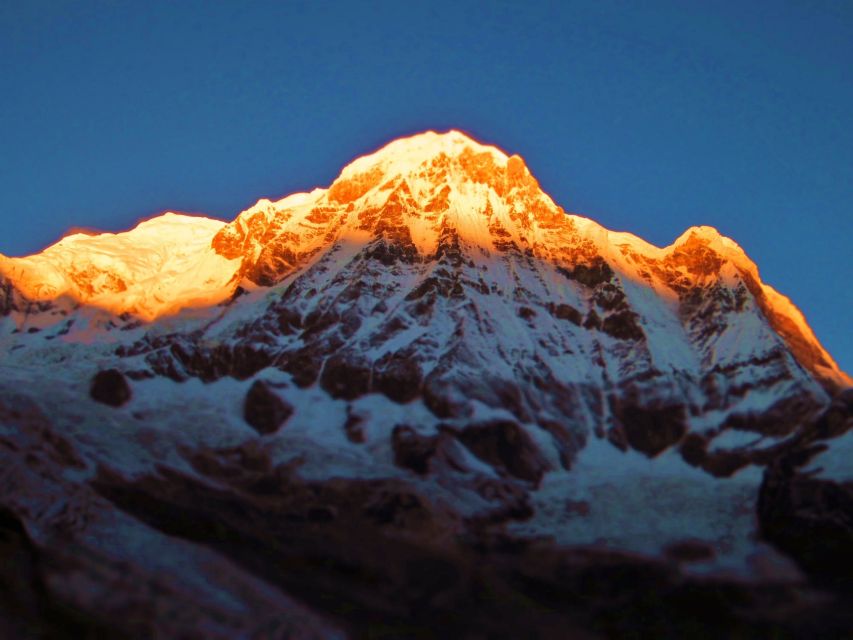
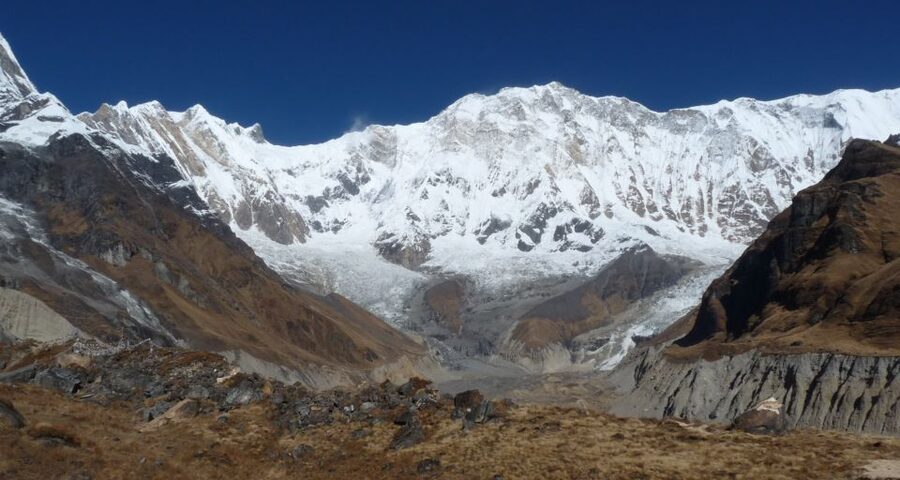
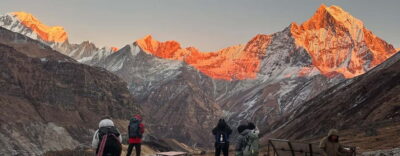
Day three is the headline. You trek from Deurali up toward Annapurna Base Camp, with the package targeting an arrival at about 4,120m.
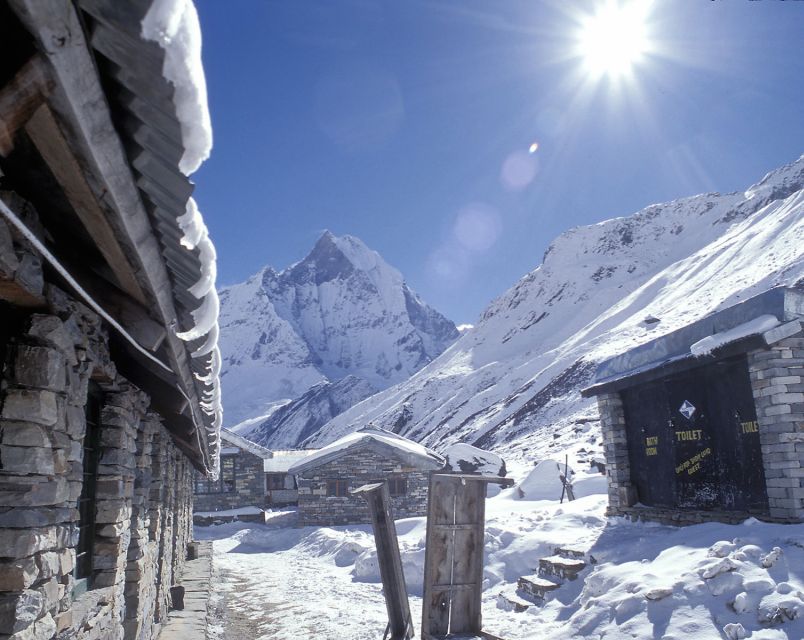
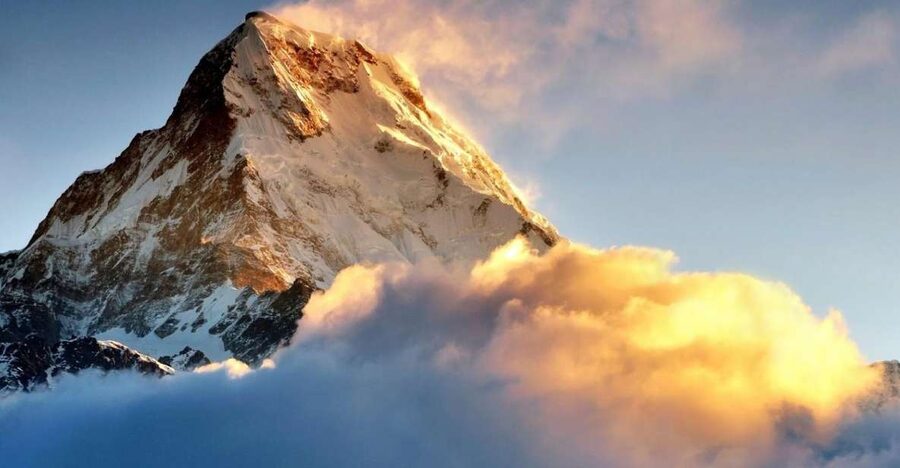
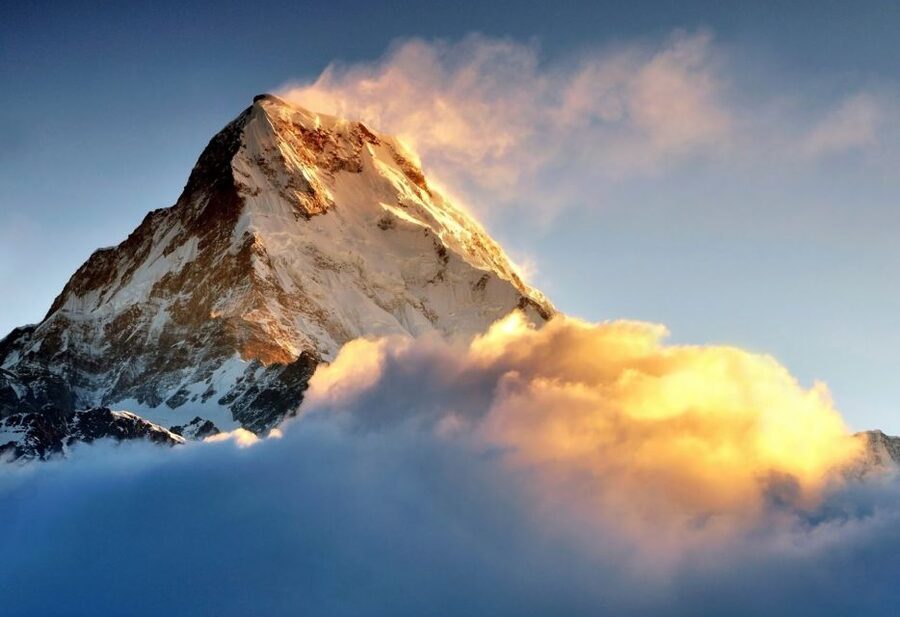
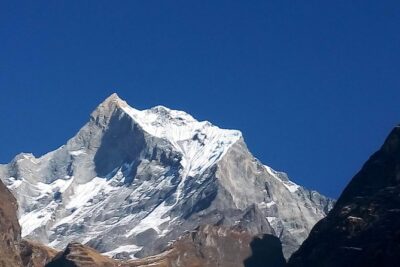
This is also where the scenery shifts into the “Himalaya all at once” category. On the way, you pass through parts of the trekking approach that connect with the sanctuary area. You may hike along the trail that heads toward views such as Machhapuchhare Base Camp and through the corridor-like glacier area known for its dramatic walls and narrowing feel. The goal, in plain terms, is that you are moving from mixed scenery into a zone where mountains dominate every direction.
Lunch is typically taken during the trek with the Himalayas as your backdrop. That matters more than it sounds, because at altitude your energy management is part mental, part physical. Taking a planned break where you can eat and warm up helps you keep going instead of just white-knuckling it.
Overnight at Annapurna Base Camp is the big emotional payoff, but it also comes with reality. Even if the trek is only a few days long, the cold and wind at that altitude can change your comfort quickly. Pack layers you can actually move in, and plan on spending more time managing warmth than you would lower down.
More to compare around Pokhara
- From Pokhara: 5-Day Annapurna Basecamp Trek with Hot Springs
★ 4.9 · 26 reviews - Pokhara: 7-Day Annapurna Base Camp Via PoonHill & Hot Spring
★ 5.0 · 6 reviews - Pkr/Kathmandu: 5-Day Annapurna Base Camp & Hot spring Trek
★ 5.0 · 6 reviews - Pokhara: Amazing 7-Day ABC Trek with Natural Hot Spring
★ 5.0 · 5 reviews
Day 4: The return day, Machhapuchhare area vibes, and getting to Sinuwa
Day four is where your legs get a workout in a different way. You trek from Annapurna Base Camp down to Sinuwa, at around 2,350m. The route involves streams and descending sections, and you should expect more strain on your knees compared with a steady ascent.
This is also the day when the “big mountain corridor” feeling can continue as you work your way out of the sanctuary area. Even if you do not think about it, you are still walking within the same dramatic geography, just in reverse.
A useful mindset here is that descending is not automatically easier. Your heart and lungs may feel calmer, but the repeated steps can wear you out. Trekking poles can help, and shorter step length plus slower cadence usually makes the difference between enjoying the day and feeling wrecked.
The good news is that you are heading to a lodge night, with tourist-standard private accommodation as part of the package. That means you can focus on recovery rather than searching for a place to sleep.
Day 5: Jhinu Dada hot springs, short morning walking, and back to Lakeside Pokhara
Your final day includes one more trek segment and then the hot springs payoff. You trek from the lower Sinuwa area toward Jhinu Dada for the bath, then you use a Jeep ride back toward Lakeside Pokhara.
The hot springs are the whole point of the last day. After several days of changing altitude and knee work, soaking is one of the few things that feels instantly useful. It is also a cultural moment, because the hot springs stop is one of the most famous relaxation spots on this route.
You also get a short morning trek passing by farmland around the river before you finish at Nayapul and transfer back to Pokhara. That last touch helps the day feel like an actual ending, not just a van ride after tired steps.
If you want to make the hot spring time go smoother, plan for small practicalities. Bring a change of clothes, and consider a quick rinse routine before and after so you stay comfortable for the ride back.
Price and value: what $206 includes, and what you may still pay for
At $206 per person, this trek offers a lot of what typically costs time and money on your own. You get hotel pickup and drop-off from Lakeside Pokhara, sharing jeep transport to the road endpoints and back, private accommodation in tourist-standard lodges, and the paperwork you need, including conservation entry and TIMS.
You also get a professional guide (government registered) and the logistics behind that, including the guide’s salary, accommodation, and meals. Value here is not just the guide being present. It is the organization that keeps you moving on a tight 5-day schedule.
What to budget for depends on the option you choose:
- Hot, cold, and alcoholic drinks are not included.
- Meals are included only if you book the all-inclusive option. If you choose the budget option, meals may not be covered.
- A porter is included only if you select the all-inclusive option. If you do need one, there is an extra charge for the porter.
Travel insurance is also not included, and it is recommended. In a short, altitude-focused itinerary, insurance is one of those “small cost, big reassurance” choices.
So is $206 good value? For a 5-day structured ABC route with permits handled, guided, and with lodge nights covered, it is a fair deal. Just confirm which add-ons are included in your fare, especially meals and porter support.
Guide and porter setup: why punctuality and pacing matter on a short ABC schedule
The trekking team is a major part of why this experience works. In past mentions, Amir and Tanka were singled out for being friendly, attentive, and focused on safety. Tanka was also praised for adjusting the hiking daily to match the group’s level and for answering questions about animals, nature, and culture, which can turn waiting time into something useful.
Another name that comes up is Chhabi, described as calm and kind. He was also noted for physically handling his porter work with serious respect. That kind of team dynamic usually makes a big difference on a short itinerary. When your guide manages pace well, you spend less energy fighting the day and more energy enjoying it.
One more detail worth calling out: punctuality. Being consistently on time helps on a multi-day route because it reduces the chance of arriving too late to feel comfortable in the lodge. It also helps you keep altitude progression sensible.
What to bring for comfort on cold mornings and knee work
You will be walking for multiple days at varying altitudes, so packing is about function, not just style. Here is what the tour expects you to bring:
- Passport or ID card
- Comfortable shoes, plus hiking shoes
- Sunglasses and a sun hat
- Sunscreen and insect repellent
- Change of clothes
- Toiletries and a daypack
- Hiking boots or suitable footwear for uneven trails
Also plan for the temperature shift. Even when the sun is strong, mornings and nights at higher altitudes can feel cold fast. Layers help you adjust without getting stuck with only one temperature option.
You should also know what is not allowed: pets, weapons, or sharp objects.
Who this trek suits, and who should choose a different plan
This tour is best for travelers who want the Annapurna Base Camp experience within a short time window. If you like guided structure, clear daily pacing, and lodge comfort instead of camping, you will probably appreciate this setup.
It is not suitable for pregnant women or people with heart problems. Beyond that, you should be honest about your fitness. A 5-day route still includes uphill climbing and a long-ish downhill day, and the altitude adds pressure even if the total hiking hours sound manageable.
If you have never done a multi-day trek before, consider whether you are comfortable with daily walking at altitude. The guide helps, but you still need basic stamina and smart pacing.
Should you book this 5-day ABC trek with hot springs?
Book it if you want a structured, English-guided Annapurna Base Camp trek that includes permits, private tourist-standard lodge nights, and a relaxing hot springs finish. The mix of walking days plus the Jhinu reward is exactly what makes the schedule feel worth it, especially if you are short on time.
Skip it, or think hard before booking, if altitude and knee strain are a concern for you. If you have a heart condition or are pregnant, this is not for you. If you are unsure about the pace, ask questions before you go so the guide can match expectations to your current fitness.
If you do book, confirm whether your package includes meals and whether you get a porter. Then pack for warmth and knee-friendly hiking. With that in place, this is the kind of trek that leaves you with real mountain memories and a very human last-day soak.
FAQ
What is the duration of this trek?
The trek is 5 days.
Where does the experience start and end?
It includes pickup from any hotel in Lakeside Pokhara (or the airport by car), and it ends with a drop-off back in Pokhara after reaching Nayapul.
Is transport included during the trek?
Yes. You use sharing jeeps for the road sections between Pokhara and Jhinu (last road) and for the return, and you also get car pickup and drop-off in Pokhara.
Are permits included?
Yes. The package includes conservation entry permits and TIMS paperwork.
Is there a guide, and what language is used?
Yes. You have a live trekking guide, and the language is English.
What type of accommodation is included?
You get private accommodation on tourist standard lodge nights.
Are meals included?
Meals are included only if you select the all-inclusive option. If you choose the budget option, meals are not included.
Is a porter included?
A porter is included only if you select the all-inclusive option. If you need one and you are not on the all-inclusive option, there is an extra charge.
Do I need travel insurance?
Travel insurance is not included, but it is recommended.
What should I bring?
Bring passport or ID card, comfortable shoes and hiking shoes, sunglasses and sun hat, change of clothes, sunscreen, insect repellent, toiletries, and a daypack.
Is cancellation free?
There is free cancellation up to 24 hours in advance for a full refund.
Latest Pokhara write-ups
- Mardi Himal Trek -5 Day Short Trek From Pokhara★ 5.0 · 8 reviews
- Tandem Paragliding in Pokhara★ 4.8 · 8 reviews
- Pokhara: Peace Pagoda Sunset, Annapurna Mountain Views Tour★ 2.9 · 5 reviews
- Short & Scenic: 2-Day Private POON HILL Trek from Pokhara★ 5.0 · 8 reviews
- Seti George and Thrilling Suspension Bridge Tour at Pokhara★ 4.5 · 3 reviews
- Sarangkot Sunrise over the Himalayas★ 4.8 · 83 reviews
- Pokhara: Sarangkot Sunrise and Private Full Day Tour★ 4.8 · 24 reviews
- From Kathmandu/Pokhara: Private 3-Day Chitwan Safari Tour★ 4.7 · 34 reviews
Annapurna Base Camp Trek, compared.
5 Day Annapurna Base Camp Trek & Natural Hot Spring
Read our review →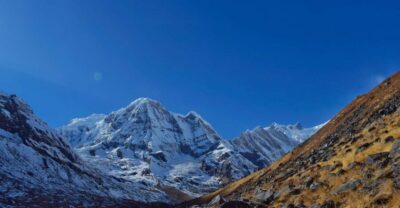
14 Days Annapurna Base Camp Trekking | Best trek for visit Nepal 2020
Read our review →
7-Day Annapurna Base Camp Trek & Natural Hot Spring
Read our review →Browse the lists this tour appears in