
Reviewed · ANNAPURNA BASE CAMP TREK
Pokhara: Amazing 7-Day ABC Trek with Natural Hot Spring
This ABC trek is interesting because it pairs the classic high-mountain goal with a very practical payoff, soaking in natural Jhinu Dada hot springs after you descend. I love the clear, staged hiking days with big altitude changes handled gradually, and I love that the full package can take care of your core logistics with meals and lodging while you focus on walking. One thing to consider is the altitude climb, especially the push up to Annapurna Base Camp at 4130m, where you need a slower, steady pace.
You also get a lot of human support for the money. With a private group and an English-speaking guide (English, Hindi, Nepali), you are not stuck following a one-size-fits-all tempo. Guides like Niraj, Ghanshyam Silwal, Jeet, and Prakash were praised for adapting pacing and keeping people safe, which is exactly what you want when your legs and breathing start negotiating for control.
Key things that make this trek worth your time
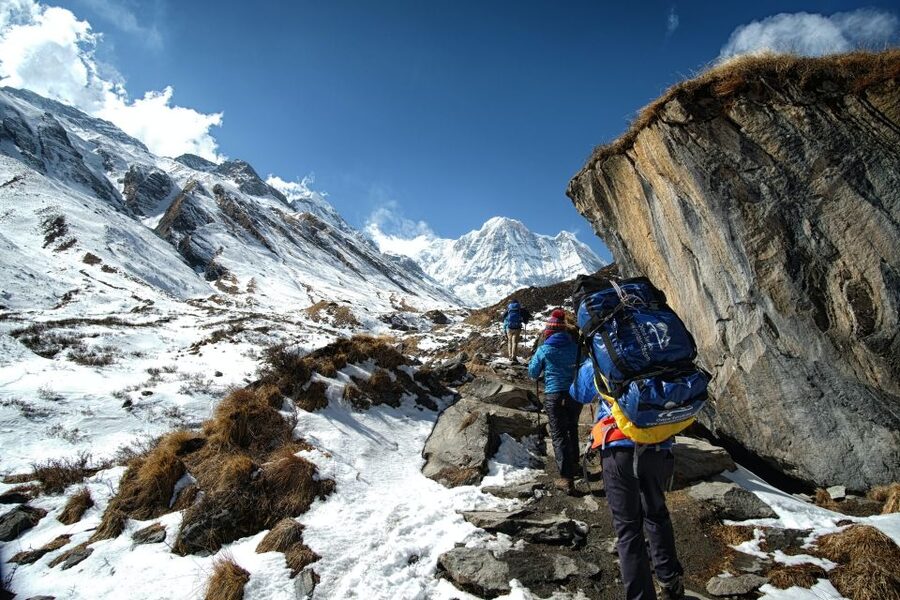
- Annapurna Base Camp at 4130m: the day you work for, with dramatic glacier-and-peak amphitheater vibes
- Hot spring recovery built into the route: Jhinu Dada after the trek, so your body actually cools down in comfort
- Day-by-day altitude steps: from Lakeside Pokhara at 800m up through Chhomrong, Dovan, and Deurali
- Varied hiking terrain: villages, rhododendron and bamboo forest, suspension bridges, and waterfall country
- Long but manageable days: designed to keep you moving, with lodging and meals included on the full package
Getting from Lakeside Pokhara to Chhomrong, and why Day 1 sets the tone
Your trek starts from Lakeside Pokhara at about 800m. After breakfast, you drive by jeep toward the mountains, with the first leg including a scenic route that passes the Seti River area and views over paddy fields and mountains. You then switch to walking for roughly 3 hours to reach Chhomrong at 2200m.
Why this matters: Day 1 is where you decide how you will hike the whole week. That big first climb is enough to get your legs awake, but it is not the highest grind you will face. If you treat it like a warm-up, the rest of the trip feels more like a journey than a battle.
What I’d watch for: the jeep portion can feel like a warm-up too, so it is easy to show up on the trail a bit stiff. Start slower on the first hour of trekking, keep breathing under control, and you will enjoy the views more instead of rushing past them.
If you like seeing how local life sits inside the mountains, Chhomrong is the right place to get that first taste. You arrive at a village setting, and from there the Annapurna region starts to feel real, not just like a name on a map.
More routes into the Annapurna Sanctuary:
- Kathmandu/Pokhara: 5-Day Annapurna Base Camp (ABC) Trek
★ 4.9 · 72 reviews - Pokhara: 5 Day Annapurna Base Camp Trek & Natural Hot Spring
★ 4.9 · 44 reviews - Pokhara: 7 Day Annapurna Base Camp Trek
★ 4.9 · 38 reviews
Chhomrong to Dovan: suspension bridges, Modi River moments, and forest walking
Day 2 runs roughly 5 to 6 hours and heads from Chhomrong to Dovan at 2400m. The route leans into forest walking, so instead of just staring at peaks, you get a mix of shade, trail rhythm, and occasional “stop and look” moments.
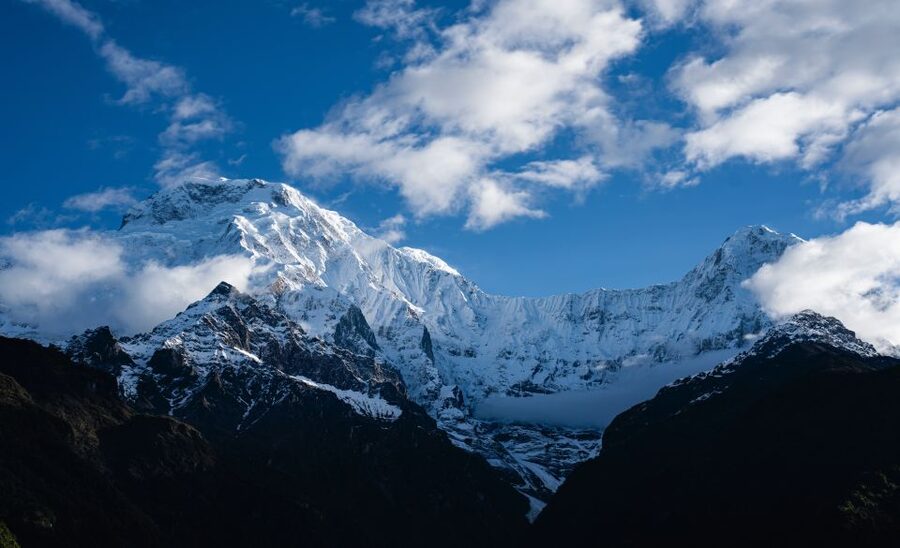
The standout on this day is the experience of crossing suspension bridges while watching the Modi River below. You also get big views of the Annapurna range and Machhapuchhre along the way.
Why hikers tend to love this day: it is not only about altitude gain. It is about variety. Forest trails help your pacing because you can focus on steady steps rather than constant uphill strain. The bridge crossings break up the monotony too, and they give you quick, satisfying perspective shifts.
One consideration: suspension bridges can be bouncy and mentally distracting if you are not used to them. Take your time crossing, keep your eyes on your footing, and let your guide handle the group flow.
Dovan to Deurali: rhododendron and bamboo, plus waterfalls as your altitude signal
Day 3 hikes about 6 hours from Dovan to Deurali at 3200m. Expect rhododendron and bamboo forests, and as you climb, the scenery changes in a way that feels immediate, not gradual. Waterfalls appear, and the air tends to feel different as you gain elevation.
This is a smart day in the trek’s design. Deurali is higher than yesterday, but you are not going straight to the top. You are building to Annapurna Base Camp with more time in the mid-elevation zone.
What to enjoy: the changing forest mix. Rhododendron country can feel different from bamboo walking even when both are “green.” And waterfall moments act like milestones. When you hear water, you know you are moving through a living landscape, not just climbing a line.
What to be ready for: weather and temperature shifts as you go higher. That is why your packing list includes a jacket, sunglasses, and long pants. Even if conditions seem fine at the start, higher sections can change quickly.
Deurali to Annapurna Base Camp: the 4130m day you plan your whole week for
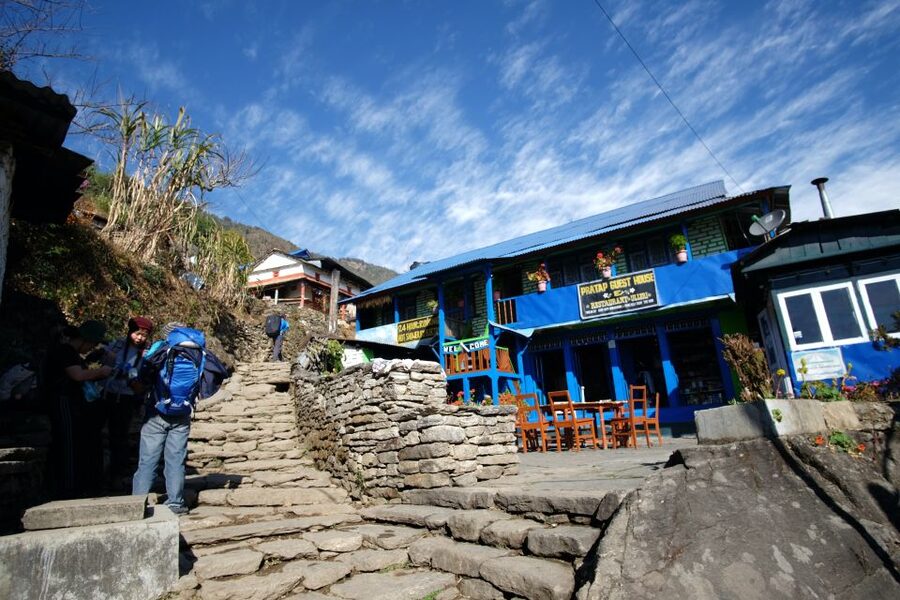
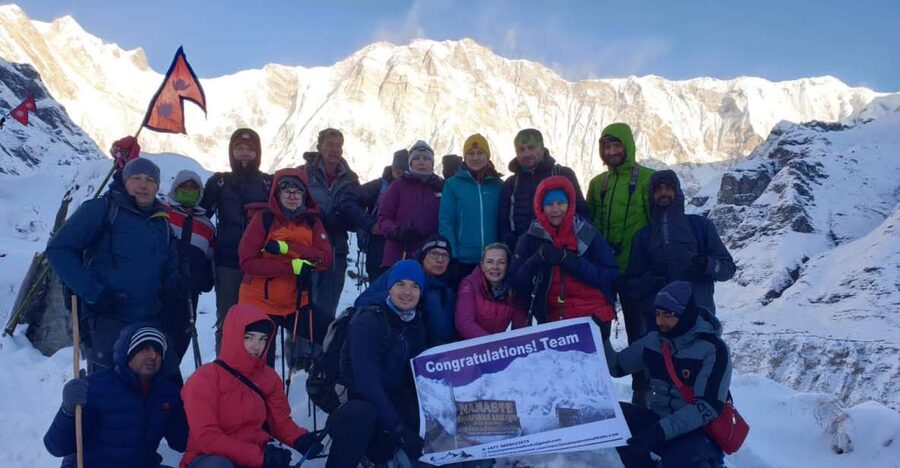
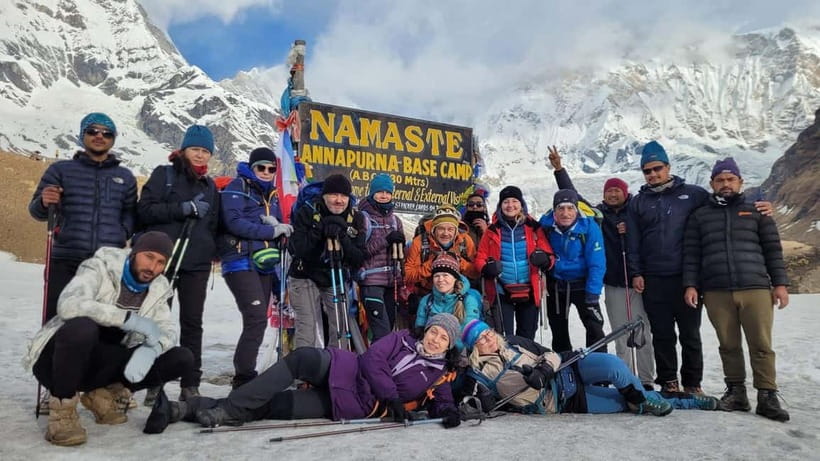
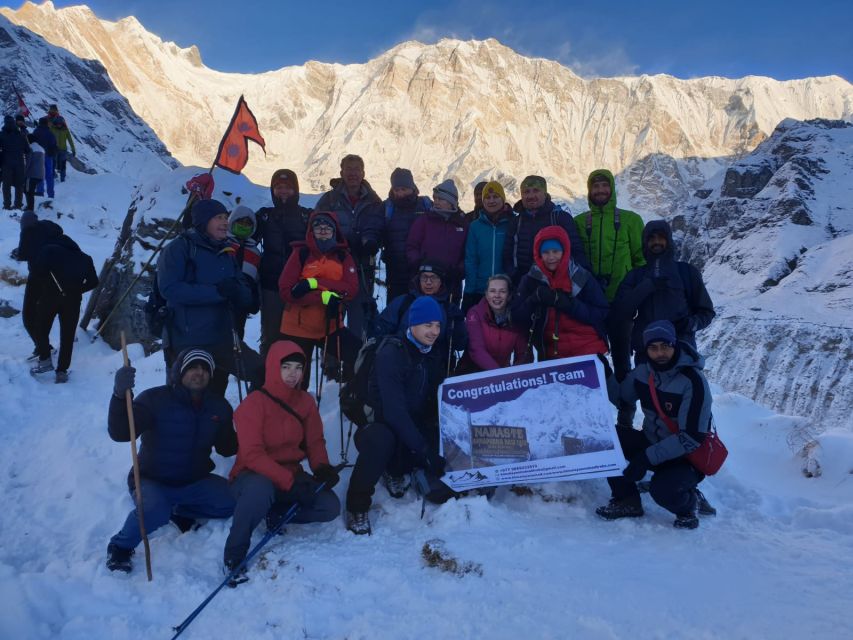
Day 4 is the big one: Deurali to Annapurna Base Camp at 4130m, around 6 hours of hiking. This is where the trek stops being “a route” and starts becoming a destination.
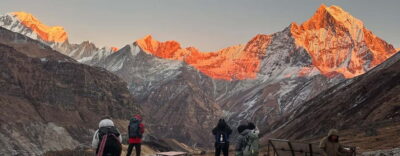
You move into that legendary amphitheater of peaks and dramatic glaciers. The feeling here is hard to fake with photos. You have scale, shape, and angles all around you, and it is one of those places where you understand why people make the journey.
How to make this day easier: treat the climb like a breathing exercise. The altitude is the main challenge, so you want your pace to be consistent. If your guide keeps you steady, you will conserve energy for enjoying the views once you arrive.
A practical note: at base camp elevation, you can feel slower even when you are walking the same steps as earlier days. That is normal. You do not need to rush to prove anything to yourself.
If you get anxious about altitude, lean on your guide. In past experiences with guides such as Jeet and Prakash, the common thread was attention to safety and a willingness to adjust pace to how the group felt that day. That is gold on summit days, even when you are not going to a peak.
More to compare around Pokhara
- From Pokhara: 5-Day Annapurna Basecamp Trek with Hot Springs
★ 4.9 · 26 reviews - Pokhara: 7-Day Annapurna Base Camp Via PoonHill & Hot Spring
★ 5.0 · 6 reviews - Pkr/Kathmandu: 5-Day Annapurna Base Camp & Hot spring Trek
★ 5.0 · 6 reviews - Pokhara: 7-Day Annapurna Base Camp Trek with Hot Spring
★ 5.0 · 5 reviews
Annapurna Base Camp to Sinuwa: long descent, big scenery, and knee-friendly strategy
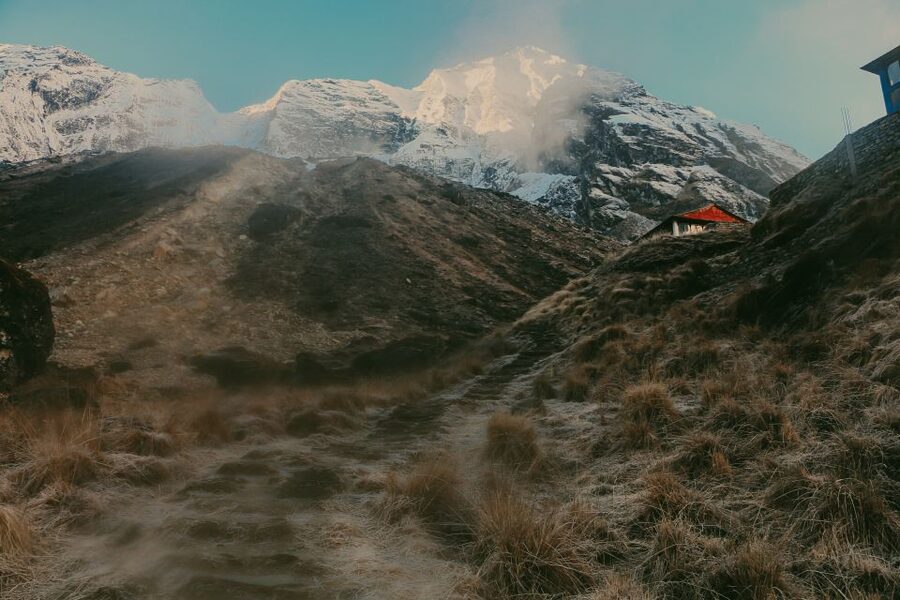
Day 5 drops from Annapurna Base Camp down to Sinuwa at 2200m, about 7 hours. This is a reversal day, which sounds easy because you are descending, but it often feels long because your body absorbs every step.
You retrace much of the route, and you get to see the Himalayan scenery again, this time from a lower angle. You also get time to think after the effort of reaching base camp.
What to do for your body: focus on controlled steps. Descents can be tougher than climbs because the strain lands differently. Shorten your stride, keep your weight stable, and use trekking poles if you have them.
Why I like this design: it gives you a chance to process the base camp experience rather than jumping immediately into another climb. By the time you sleep in Sinuwa, you are tired, but you have momentum.
Sinuwa to Jhinu Dada hot spring: the recovery day that turns pain into relief
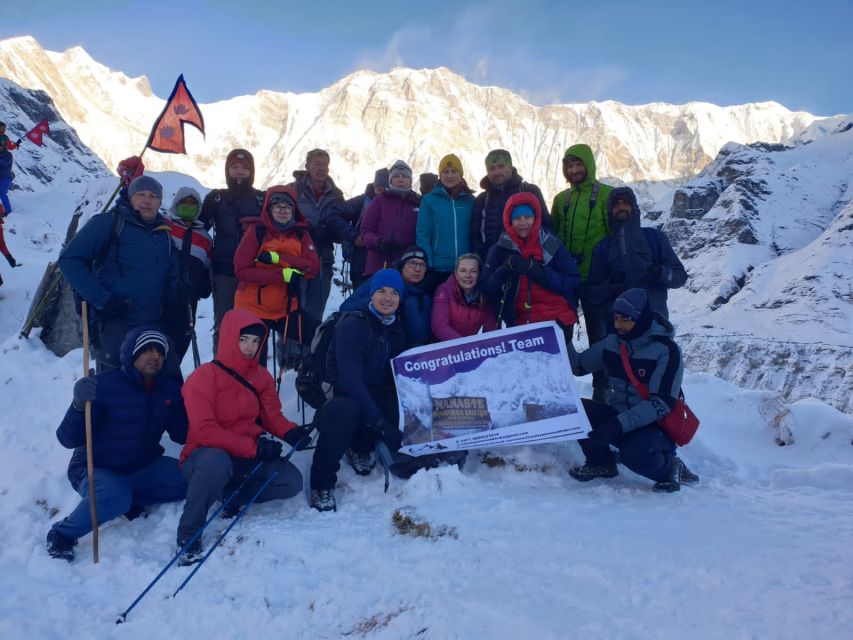
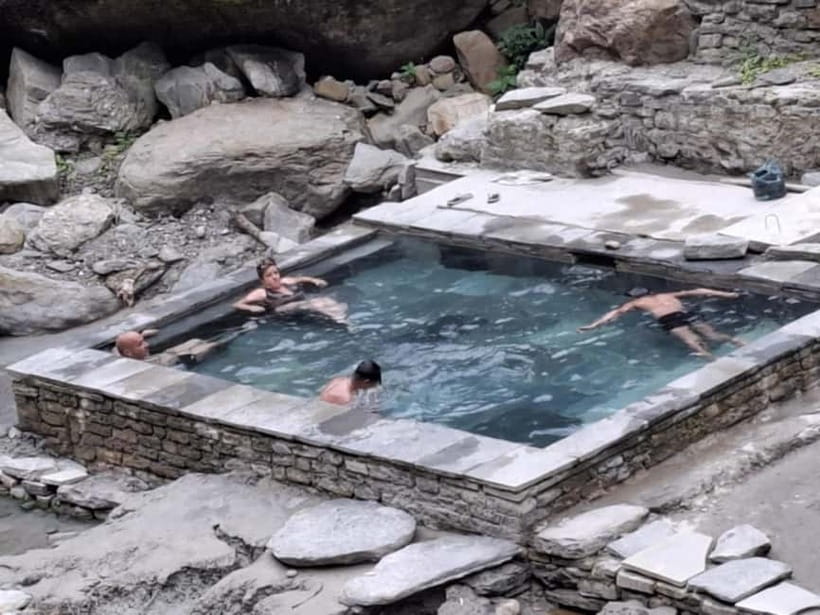
Day 6 heads from Sinuwa to Jhinu Dada Hot Spring at 1600m, roughly 5 hours. This is where the trek’s best “body payoff” happens. After days of uphill breathing and downhill knee work, you get to soak in natural hot springs.
If you plan this day well, it becomes the most satisfying part of the whole week. Your muscles can unwind in soothing natural waters, and the relaxation time helps your mind reset after concentrating so hard on walking.
How to enjoy it: keep your soaking time sensible. You do not want to sit there so long that your body gets cold afterward or you feel wiped out. A towel is on your packing list for a reason, and you will feel better if you plan a dry-change moment.
This day is also why I think this trek is a good match for people who want a challenging hike but dislike the idea of ending in pure exhaustion.
Jhinu Dada to Lakeside Pokhara: a short walk followed by the return to real comforts
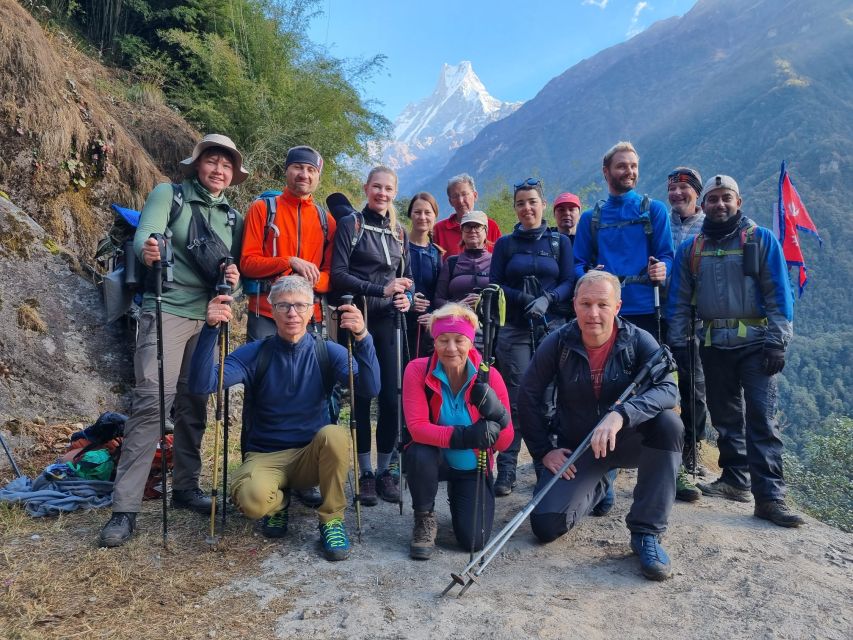
Day 7 brings you back to Lakeside Pokhara. After breakfast, you hike about 2 hours and then take a jeep back to Pokhara. You are not spending the final day in hiking limbo. It is a clean finish that helps you transition from mountain routine back to normal life.
This day is mostly about gratitude and decompression. You will likely notice small things more, like how your breathing feels once you are back at lower elevation and how good warm food tastes after a week of trail meals.
If you want souvenirs, now is the time. If you just want quiet, now is also the time. Either way, you leave the Annapurna region with a strong sense of having earned the views.
Value for money: what $200 covers, and what you should budget separately
Price is $200 per person for 7 days, and the value comes from how much is built into that number.
Here is what your money generally buys:
- Permits and paperwork, plus TIMS fees
- An English-speaking guide, including guide insurance and all guide expenses
- A medical kit
- Accommodation during the trek
- All meals during the trek for the full package (breakfast, lunch, dinner)
What is not included:
- Drinks, extra costs around Pokhara (like lunch and evening meals on travel days)
- Travel and rescue insurance
- Any entrance fees for sightseeing
- Personal expenses such as phone calls, laundry, battery recharge, bottle water or boiled water, shower costs, and similar items
- Porter service, which is available for purchase
So is it a deal? For many hikers, yes, because the trek’s real headaches are logistics: permits, guide time, meals, and where you sleep. If you choose the full package, you are paying to remove stress so you can focus on walking and recovering.
My practical advice: budget a little extra for personal spending and hydration. Also plan on the possibility of a porter if you know you carry heavy stuff. You can buy porter help during the trip, and it can save your energy for enjoying the trail instead of just surviving it.
Guides and pacing: the human difference that shows up on the trail
This trek’s quality depends a lot on how your guide runs the day, not just on the route on paper. In past trekkers’ experiences, guides like Niraj, Ghanshyam Silwal, Jeet, and Prakash stood out for adapting pace to the group and staying focused on safety.
One especially useful detail: good guides keep things fun, not just strict. There were stories of shared games and evening dancing, which matters because morale keeps your legs moving when the trail stretches longer than you expected.
If you are the type who gets nervous about altitude or stamina, this is where you should pay attention. A guide who checks in and keeps you calm turns the mountains into a challenge you can handle, instead of something you dread.
What to pack for this ABC plan, based on what you are actually told to bring
Your packing list is pretty straightforward, and it fits the conditions you are likely to encounter as you climb and descend:
- ID or passport
- Hiking shoes
- Long pants and a T-shirt
- Jacket
- Sunglasses and sunscreen
- A towel
- Sleeping bag
- Trekking gear
- Cash
- Camera
I’d add one practical habit: keep your essentials easy to reach. When you are at changing elevations, sun and temperature shifts can hit fast, and it helps to grab sunscreen, sunglasses, or a layer without rummaging.
Who should choose this trek, and who might want a different plan
This 7-day ABC trek fits best if you:
- Want the classic Annapurna Base Camp goal without rushing
- Like a full itinerary that includes lodging and meals during the trek
- Appreciate a clear recovery stop with Jhinu Dada hot springs
- Prefer walking days that are challenging, but not designed as an all-day endurance test every day
It might be less ideal if you:
- Have a very limited tolerance for steep altitude changes
- Know you struggle with long descents on tired legs
- Want a trip with lots of downtime in one place, instead of moving day by day
Should you book this ABC trek with Jhinu Dada hot springs?
I think it is a smart booking when you want a classic Annapurna experience with practical support built in. The big reason is the combo: base camp at 4130m, then hot springs at 1600m right when your body needs it. If you choose the full package, meals and accommodation are handled, and that is real value on a trek where fatigue makes planning feel heavy.
Book it if you are ready for a week that mixes forest walking, suspension bridges, waterfall country, and a serious base camp day. If you are careful with your pace and you use the hot spring recovery well, you will finish feeling like you did something meaningful, not just something exhausting.
FAQ
What is the total duration of this trek?
The trek runs for 7 days, from Lakeside Pokhara to Annapurna Base Camp and back, including the hot spring day.
Where does the trek start and what altitude is it at?
It starts in Lakeside Pokhara at about 800m.
How high do you reach at Annapurna Base Camp?
You reach Annapurna Base Camp at 4130m.
Is pickup and drop-off included?
Yes. Pickup and drop-off are included from Lakeside, Pokhara Airport, and anywhere in the Pokhara Valley. Pickup from Kathmandu is available on request for an additional cost.
Are meals included in the price?
All meals during the trek (breakfast, lunch, dinner) are included for the full package only. Lunch and evening meals in Pokhara are not included.
Does the package include a guide and permits?
Yes. It includes an authorized English-speaking guide, a medical kit, trekking permits and paperwork, and the TIMS fee(s).
Is a porter included?
No. A porter is available for purchase, but it is not included in the listed inclusions.
What languages will the guide speak?
The guide is available in English, Hindi, and Nepali.
What is the cancellation policy?
You can cancel up to 24 hours in advance for a full refund.
Latest Pokhara write-ups
- Mardi Himal Trek -5 Day Short Trek From Pokhara★ 5.0 · 8 reviews
- Tandem Paragliding in Pokhara★ 4.8 · 8 reviews
- Pokhara: Peace Pagoda Sunset, Annapurna Mountain Views Tour★ 2.9 · 5 reviews
- Short & Scenic: 2-Day Private POON HILL Trek from Pokhara★ 5.0 · 8 reviews
- Seti George and Thrilling Suspension Bridge Tour at Pokhara★ 4.5 · 3 reviews
- Sarangkot Sunrise over the Himalayas★ 4.8 · 83 reviews
- Pokhara: Sarangkot Sunrise and Private Full Day Tour★ 4.8 · 24 reviews
- From Kathmandu/Pokhara: Private 3-Day Chitwan Safari Tour★ 4.7 · 34 reviews
Annapurna Base Camp Trek, compared.
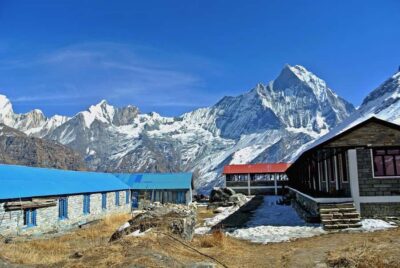
5 Day Annapurna Base Camp Trek & Natural Hot Spring
Read our review →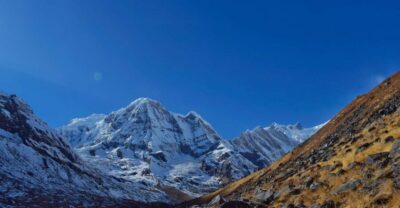
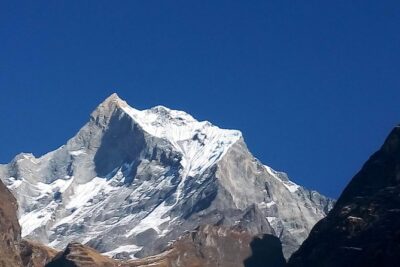
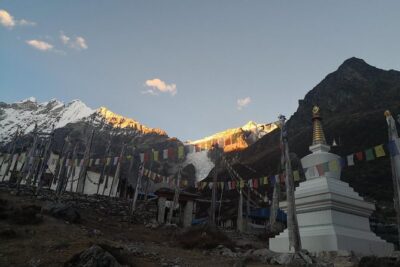
14 Days Annapurna Base Camp Trekking | Best trek for visit Nepal 2020
Read our review →
7-Day Annapurna Base Camp Trek & Natural Hot Spring
Read our review →Browse the lists this tour appears in