
Reviewed · DURBAR SQUARES
Bhaktapur Durbar Square and Boudhanath Stupa
Bhaktapur Durbar Square plus Boudhanath Stupa is one of those Kathmandu combos that feels like two eras talking to each other. You get Newari crafts and Malla-era architecture in Bhaktapur, then you switch gears to the prayer rhythm around the Boudhanath Stupa.
I especially like the pairing of guided context with time to wander. Your guide helps you notice what matters, from temple details in Bhaktapur to the meaning of kora (the stupa walk) at Boudhanath. I also like that it is a private, licensed setup, so you can ask practical questions and move at a pace that works for you.
One thing to consider: heritage-site tickets are not included, and both stops involve walking on uneven streets and temple steps. If you have mobility limits, bring sensible shoes and confirm route options with your guide ahead of time.
Key Points You Will Actually Care About
- UNESCO-style architecture in Bhaktapur with lots of close-up details to see in just 1.5 hours
- Boudhanath kora and prayer wheels experience built around a guided walk of about 80 minutes
- Private, English-speaking licensed guide you can ask questions to, not just follow at arm’s length
- Photo-stop planning so you spend time looking, not guessing where to stand
- Pickup and drop-off in Kathmandu that keeps the day flexible
- Skip-the-ticket-line support, even though tickets themselves are extra
Bhaktapur Durbar Square: Malla-Era Architecture You Can Walk Into
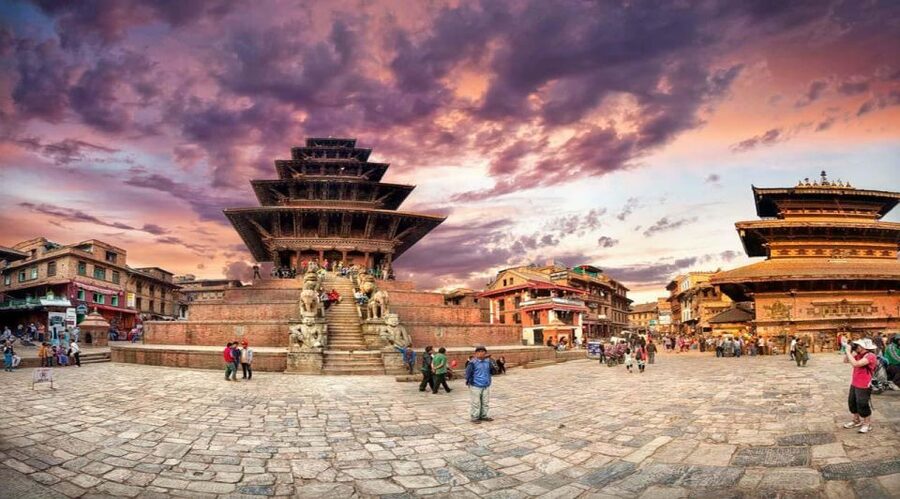
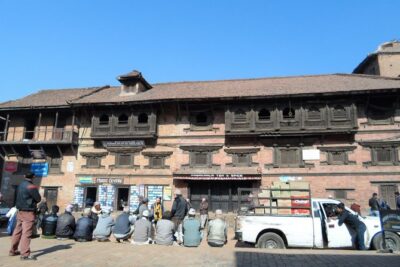
Bhaktapur Durbar Square is the kind of place where you stop assuming you already get it after one glance. The streets and the square feel like they were designed for close looking, with carved wooden details, pagoda-style temples, and old palaces that still look in use, even when they are obviously centuries old.
This stop is guided and then you get free time, so you can split your brain between learning and exploring. In a short 5-hour outing, that balance matters. You get a guided introduction first, so you know what you are seeing, then you can slow down for photos, small shops, and side streets when something catches your eye.
More of Bhaktapur:
- Day Trip to Bhaktapur and Panauti from Kathmandu
★ 5.0 · 184 reviews - Bhaktapur & Patan Durbar Square Day Tours
★ 5.0 · 122 reviews - Kathmandu: Private Patan and Bhaktapur Sightseeing Tour
★ 4.7 · 64 reviews
What makes Bhaktapur special on a half-day
- You notice the craft. Bhaktapur is famous for art and woodworking traditions, and the tour style helps you see that as more than decoration. You should end up with a clearer sense of how the city once functioned as a center for art, architecture, and trade during the Malla period.
- You get time for shopping without losing the story. The experience includes shopping time in the square area. That means you can pick up small, culture-based items rather than turning the whole visit into a sprint of souvenir stops.
- You can follow your guide’s pace. With a private group, you are not stuck in a rushed herd. It is easier to ask for clarification when a temple detail looks confusing but interesting.
The practical trade-off
Bhaktapur’s stones and slopes can be tricky. If you are prone to slipping, or you simply hate uneven ground, consider wearing shoes with grip and keeping your pace calm. Also, heritage-site tickets are not included in the price, so plan for that extra cost when you arrive.
Boudhanath Stupa: The Kora Walk That Puts You in the Moment
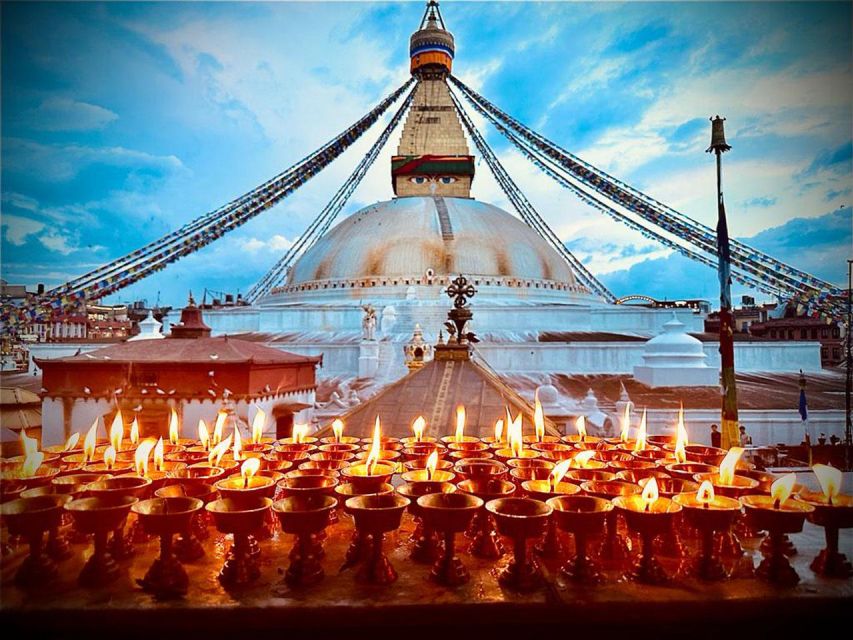
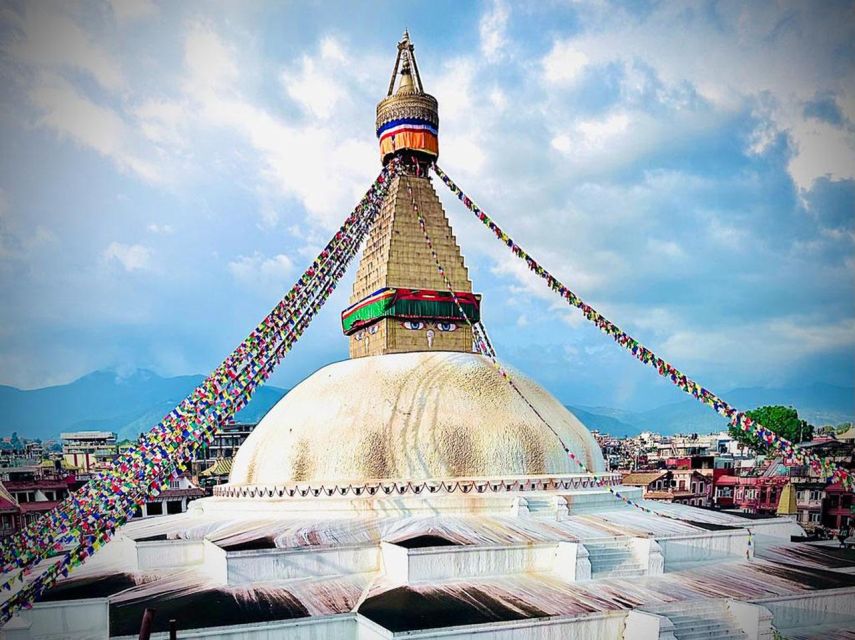
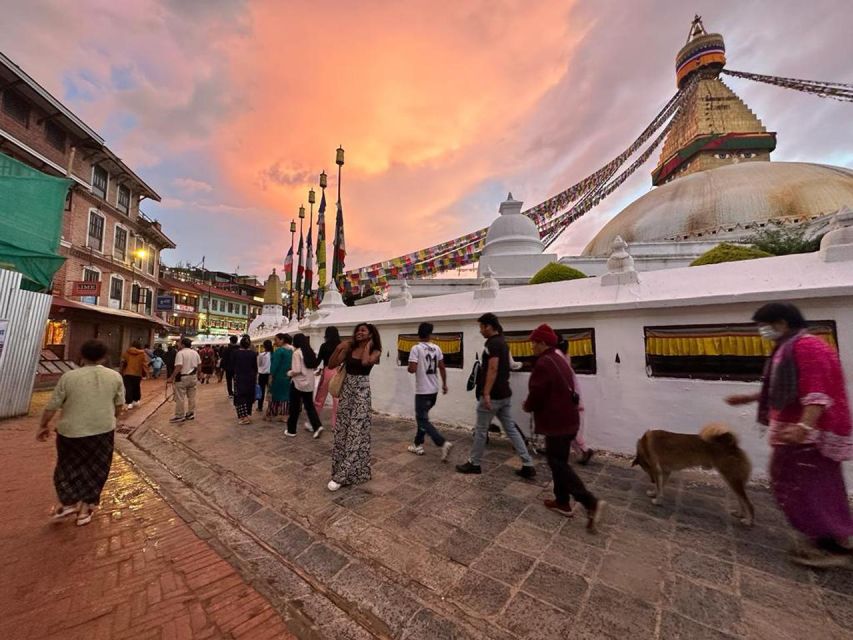
Then comes the shift in atmosphere. Boudhanath Stupa is massive, calm, and visually loud in the best way, with layers of eyes and prayer visuals that pull you forward. The tour gives you an 80-minute guided visit plus time to watch pilgrims do their routine.
The key experience here is the kora, the ritual circumambulation around the stupa. Your guide explains what you are seeing as pilgrims walk their circle, often spinning prayer wheels and chanting mantras. Even if you do not understand every word, the repetition and the pace help your brain switch from sightseeing mode to observation mode.
More around Boudhanath:
- Kathmandu Spiritual Sites: Bodhnath & Pashupatinath Tour
★ 5.0 · 185 reviews - PashupatiNath and BoudhaNath – Private/Small Group
★ 5.0 · 18 reviews
What the Boudhanath portion feels like
- You watch devotion without needing a script. Pilgrims are there for a reason. You get to see the practice up close, and you are guided on what it means, so it does not feel like just photos of a monument.
- Tibetan community culture is part of the scene. The tour description points you toward the monasteries and the prayer-flag atmosphere around Boudhanath. You will also have time around the local market area.
- Prayer wheels and movement do the teaching. Instead of only hearing explanations, you are literally walking the same circuit. It is a simple format, but it is effective.
A quick reality check
This is a religious site, so dress modestly and be mindful with your body language. You will also likely share space with pilgrims, so keep your camera ready but do not treat people like background props.
The Itinerary Flow That Actually Works for 5 Hours
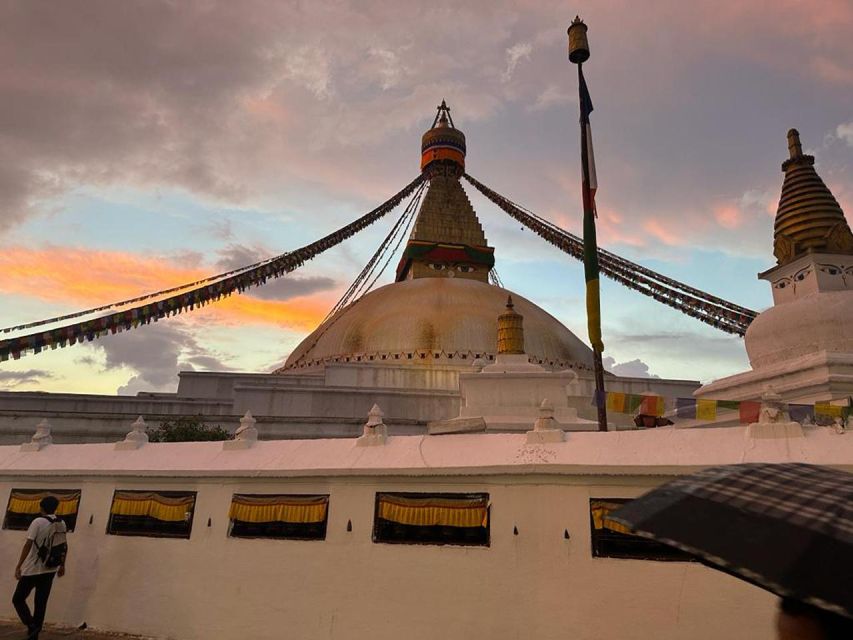
This is designed as a half-day, starting in Kathmandu and focusing on two anchors. That is smart planning. When your time is limited, you want a route where each stop has a clear purpose instead of a long list of minor sights.
Here is how the flow pays off:
- You start with Boudhanath for a strong sense of atmosphere first. The guided walk helps you understand what you are seeing before you start photographing.
- You go to Bhaktapur next while your brain is still tuned to history and ritual, so the carvings, temples, and square layout feel connected rather than random.
- You end back in Kathmandu with drop-off options, so you can keep exploring or head straight to food plans without battling transport.
Who benefits most from this pacing
You will likely love this if you want:
- a compact Kathmandu culture hit
- a private guide you can talk to in English
- a mix of architecture plus spiritual practice
If you want a long day with multiple neighborhoods, this may feel short. But if you want meaningful depth without exhausting yourself, 5 hours is a good target.
Why the Guide Makes or Breaks the Day
This tour includes a professional licensed private tour guide, and the difference shows up in details. In practice, guides do more than recite. They help you find good vantage points, understand symbols, and decide where to spend your limited time.
Two guides are specifically highlighted in the experience feedback: Prakriti and Bijay. Both come up for kindness and strong, site-specific explanations. There is also mention of Karma, connected through guide-to-guide collaboration, which hints at a helpful local network rather than a one-person script.
What you should try asking your guide
- At Bhaktapur: which carved details matter most, and what to look for in pagoda temples
- At Boudhanath: what pilgrims are doing during kora and how prayer wheels fit into the practice
- For photos: where to stand for clear angles without blocking people
A good guide will also steer you away from wasting time, which is a real quality-of-life feature when your schedule is tight.
Price and Value: Is $60 a Fair Deal?
The price is $60 per person for about 5 hours, with hotel pickup and drop-off and a private car. For Kathmandu, that is a practical structure. You are paying for convenience plus a licensed guide, not just entry-level sightseeing.
Here is the value logic:
- Included: pickup and drop-off, car, licensed private guide, English narration, skip-the-ticket-line support, and free cancellation up to 24 hours before.
- Not included: food and personal expenses, plus tickets to heritage sites.
So yes, it can be a good value, but you should treat it as a guided experience plus transport, then add the cost of heritage tickets on top. If you already planned to hire a guide separately, this bundled format often wins.
Also, the tour’s reserve now & pay later approach makes it easier if you are juggling arrival time, jet lag, or weather.
Getting Around and What to Wear
This is wheelchair accessible, which is a real plus in Kathmandu planning. That said, access can still vary around historic sites and temple steps. If mobility is a concern, ask your guide how they plan to handle cobbles, stairs, and crowded walkways before you go.
What I recommend you bring:
- Comfortable shoes with grip
- A light layer for cool morning or evening air
- Something respectful for temple areas, since you will be close to religious activity
This is not a hike, but it is definitely a walk-and-look day.
Photo Stops and Shopping Without Losing the Culture
The experience includes photo stops, and that matters more than you think. When you are moving between Bhaktapur and Boudhanath, the temptation is to stop everywhere. A guide can help you pick key points so you get the best shots faster and still spend time learning and watching.
Shopping also gets folded in, not tacked on. In the Boudha area, you might find Tibetan artifacts, incense, and items like thangka paintings. In Bhaktapur, the shopping time is tied to the local craft feel, so you are more likely to buy something that makes sense for the place instead of random tourist clutter.
One more useful tip: if you care about gifts or small keepsakes, tell your guide your budget early. A private guide can steer you toward options that match what you want to spend.
Cultural Etiquette at Bhaktapur and Boudhanath
You do not need to be a Buddhism scholar to act respectfully. You just need a few basics.
At Boudhanath:
- Be mindful during kora. People are doing a ritual, not posing.
- Give extra space around the most active prayer-wheel areas.
- Dress modestly and keep your behavior calm.
At Bhaktapur:
- Treat temples and palace areas like sacred, not like a stage for loud talking.
- Watch your steps in close quarters, since you will be moving near stairs and thresholds.
If you are unsure about what is respectful in a specific moment, the quickest fix is to ask your guide. That is one of the best perks of a private experience.
Who This Tour Is Best For
This is a strong fit for you if:
- you want a private, English-guided half-day
- you are interested in both Newari culture and Tibetan Buddhist practice
- you prefer structured time with room to wander
- you like photography but also want context, not just clicks
It may be less ideal if:
- you hate walking on uneven ground
- you want a long, multi-stop day across many neighborhoods
- you do not plan to budget for heritage tickets
Should You Book This Bhaktapur and Boudhanath Tour?
If your goal is a meaningful Kathmandu afternoon that mixes architecture with spiritual practice, I think this is a solid choice. The biggest strengths are the private licensed guide, the kora-focused Boudhanath visit, and the fact that you get enough time at Bhaktapur to see the city as a place where craft and design still matter.
Book it if you want convenience, good explanations, and a route that does not waste your half-day. Skip it or reassess if you are not willing to add heritage-site ticket costs, or if your mobility needs are more complex than the tour’s wheelchair accessible note suggests.
If you do book, plan for modest clothing, bring grippy shoes, and ask your guide to point out what most visitors miss. That small effort often turns a great outing into a memorable one.
FAQ
Where does the tour start?
The pickup is from Kathmandu.
How long is the tour?
The duration is 5 hours.
What does the tour cost?
The price is $60 per person.
What is included in the price?
Hotel pickup and drop-off, a private vehicle (car), a professional licensed private tour guide, and free booking and cancellation.
Are heritage site tickets included?
No. Tickets to heritage sites are not included.
What language is the guide?
The live tour guide is in English.
Is this tour a private group?
Yes, it is a private group.
Is wheelchair access available?
Yes, the tour is wheelchair accessible.
Is there a ticket line to deal with?
The tour includes skip-the-ticket-line.
What is the cancellation policy?
You can cancel up to 24 hours in advance for a full refund.
More of the Three Durbar Squares
- Kathmandu Sunset Tour by Rickshaw Including Durbar Square Visit
★ 5.0 · 73 reviews - Kathmandu Durbar Square | Holi Festival Celebration 2 March
★ 4.7 · 4 reviews - From Kathmandu: 3 Major Durbar Square Guided Tour
★ 5.0 · 4 reviews - Kathmandu: Chandragiri Hills & Kathmandu Durbar Square Tour
★ 5.0 · 3 reviews
Latest Kathmandu write-ups
- 16 Days Island Peak Climbing With Everest Base Camp Private Trip★ 5.0 · 3 reviews
- 15 Days Round Annapurna Trek with Poon Hill from Pokhara★ 5.0 · 5 reviews
- Private Nepal round trip including Ghorepani Poonhill trek★ 5.0 · 3 reviews
- Everest Base Camp Trekking 16 Days★ 4.0 · 7 reviews
- 14 Days Luxury Annapurna Base Camp Trek★ 5.0 · 6 reviews
- Everest Base Camp Trek★ 5.0 · 32 reviews
- Everest Base Camp Trek★ 5.0 · 87 reviews
- Everest Base Camp Trek★ 5.0 · 97 reviews
Durbar Squares, compared.
Kathmandu Sunset Tour by Rickshaw Including Durbar Square Visit
Read our review →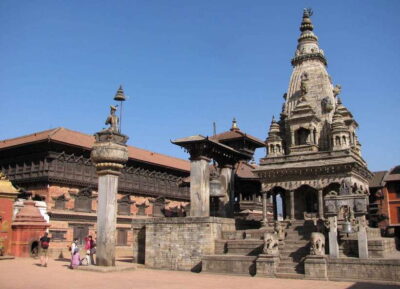
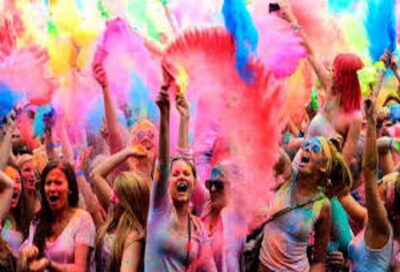
Kathmandu Durbar Square | Holi Festival Celebration 2 March
Read our review →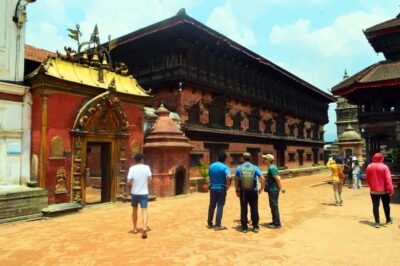

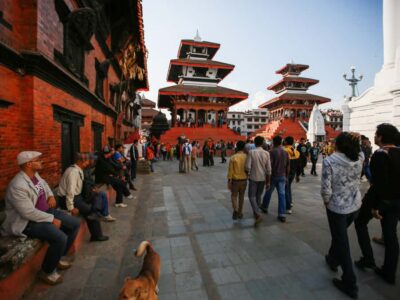
Chandragiri Hills & Kathmandu Durbar Square Tour
Read our review →Browse the lists this tour appears in