
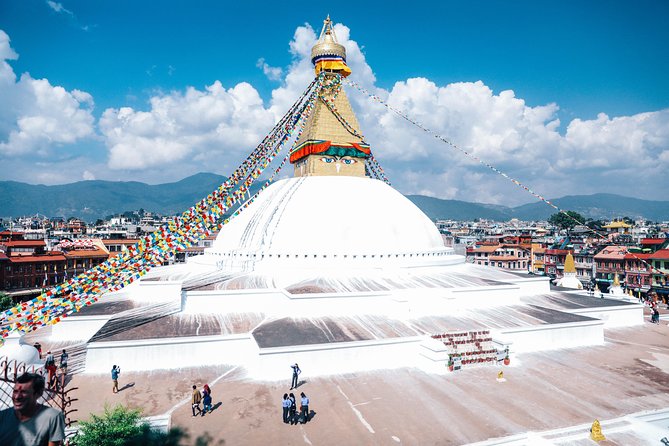
Reviewed · BOUDHANATH STUPA
Kathmandu City in One Day with Bodhnath Stupa
This tour is interesting because it packs two big religious worlds into one smooth day, with stops that locals treat like everyday life, not museum pieces. You’ll move through Kathmandu Valley’s classic sights, from Hindu temples to Buddhism’s most famous stupa settings, all in a route that first-timers usually want. The icing is that you can do it with hotel pickup and a small group.
My favorite part is the way you get both scale and contrast. Patan’s old square and Krishna Temple give you a focused taste of Patan’s religious architecture, then you shift to huge pilgrimage landmarks like Boudhanath Stupa. I also like that the guide, often named Keshar, explains what you’re seeing in a practical way, answering questions about Buddhism and Hinduism with patience and even humor.
One drawback to consider is that some sites were damaged by the April and May 2015 earthquakes. Even when they are open, certain areas may look different than you expect, so keep your plans flexible and your eyes on what’s still intact.
Key highlights to know before you go
- One day, four major landmarks plus Patan, so you get maximum sightseeing without hopping around on your own.
- Hotel pickup and drop-off means less logistics headache on a tight schedule.
- A guide named Keshar is a standout for clear explanations of Buddhism and Hinduism.
- Admission is built into the stops for most key sights, so you do not chase tickets mid-day.
- Max 12 travelers keeps the pace manageable and the questions from getting swallowed.
A Day That Hits Hindu and Buddhist Kathmandu Valley in One Route
Kathmandu can feel like a lot on your first day. Traffic is chaotic, streets are confusing, and every corner seems to have a temple, shrine, or gate worth pausing for. This tour works because it gives you a logical route that strings together the big names you actually want to see, without wasting time.
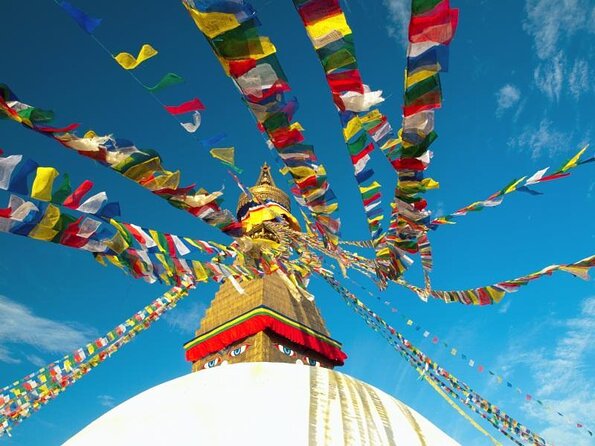
You’ll start with Patan (Lalitpur), then head to Pashupatinath Temple, one of the most famous Hindu sites in the valley. After that comes Boudhanath Stupa, a major Buddhist pilgrimage area, and then Swayambhunath, often called Monkey Temple. By the time you finish, you’ve seen how Hindu and Buddhist traditions shape architecture, movement, and even the vibe of the streets around them.
What I like most about doing it this way is that each stop answers a different question. Patan helps you understand what the valley looked like when power and religion were tied together. Pashupatinath shows Hindu devotion in a setting that is also known as a crematorium. Boudhanath gives you a sense of Buddhist worship at a monumental scale, with people circling and praying. Swayambhunath then rewards you with views over Kathmandu Valley and a playful monkey atmosphere that makes the last leg feel lighter.
Price, Timing, and the $95 Value Math
The price is $95 per person for a full day of sightseeing, typically 7 to 8 hours. Hotel pickup and drop-off are included, and the tour runs in a small group with a maximum of 12 travelers.
Is it good value? For Kathmandu, yes, if you care about doing the classics in one shot. Without a guide, you can certainly visit some sites on your own, but you’d still be paying for your time and coordination. Admission tickets for multiple stops are included, which matters because it reduces the number of times you have to figure out logistics on the fly.
Also, because the group stays small, you get less of that herd effect where you’re always waiting. A few of the best comments around this tour emphasize how well the day flows from pickup to drop-off. That’s the part you feel most, not just the list of places.
A practical timing note: the start time is 9:00 am, so plan for a proper morning. If you’re coming in from a late arrival or jet lag, consider how early that is for you.
More City Tours in Kathmandu
- Private Kathmandu Sightseeing Tour | UNESCO World Heritage sites
★ 5.0 · 756 reviews - Kathmandu: Private City Guided Tour
★ 4.9 · 174 reviews - Kathmandu Private Sightseeing Tour | UNESCO World Heritage Sites
★ 5.0 · 109 reviews
Your Morning Base: Patan (Lalitpur) Old Durbar Square and Krishna Temple
Patan is where you start, and it’s a smart choice. It’s close enough to feel efficient, but it changes the scenery from central Kathmandu. Your first major stop is the Old Durbar Square in Patan. The time here is about 40 minutes, and the admission ticket is listed as free.
This stop is worth using intentionally. Give yourself a few minutes to walk slowly and notice the mix of sacred space and civic feel. Durbar squares in the valley often show the historic link between religion and governance, and in a short visit, the key is not rushing.
Next is Krishna Temple for about 15 minutes. Admission for this one is included. Krishna Temple is one of the older temples in the Patan area, which gives you a quick time slice into long-standing devotion in the region.
If you’re trying to get oriented fast, Patan helps. Even if you only spend an hour here total, you get a different visual rhythm than the Kathmandu core. That makes the later shifts to Pashupatinath, Boudhanath, and Swayambhunath feel like a real journey instead of repeating the same streets.
Pashupatinath Temple: Hindu Devotion and Why It’s Called a Crematorium
After Patan, you head to Pashupatinath Temple, with about 40 minutes on site. Admission is included. This Hindu temple is also known as a crematorium, so it’s a place tied to death rituals, not just sightseeing.
That matters for your attitude. You’ll want to dress respectfully and keep your voice down. Even if you’re just looking, try not to treat it like a photo stop. This is one of those locations where local meaning is bigger than the scenery, and a guide helps you understand the why behind what you’re seeing.
In the best moments of the day, the guide is the translator. Reviews emphasize that the guide, often Keshar, is well at answering questions about Nepal’s religions and daily life. That kind of explanation is especially useful here, because the setting can feel intense if you do not have context.
Also note the value of the timing. Forty minutes is not a long time, but it’s usually enough to see the main atmosphere, understand how people move through the area, and get your questions answered without feeling rushed.
Boudhanath Stupa: The Biggest Buddhist Stupa and a Place People Work at
Then you move to Boudhanath Stupa, and this is one of the day’s emotional anchors. It’s described as the biggest Buddhist stupa in Kathmandu, with about 30 minutes allocated, and admission included.
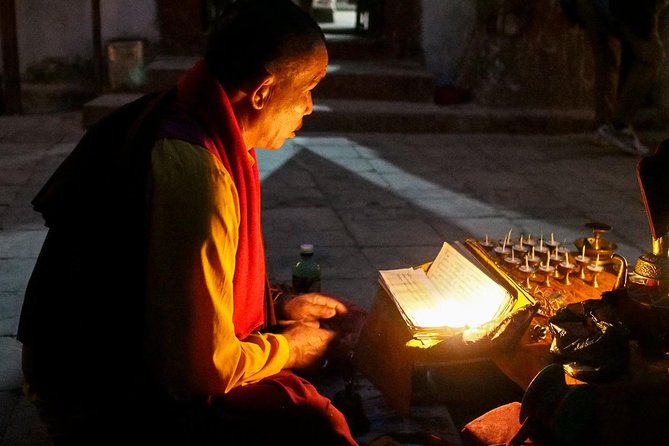
What you’ll feel here is repetition. Buddhist pilgrimage spaces work through ritual movement, and Boudhanath is famous for that. People circle, pray, and pause. If you’re the type who likes to watch how devotion looks in practice, this stop rewards you.
It’s also a good contrast to Pashupatinath. One is strongly shaped by Hindu cremation association, and the other shows Buddhism through stupa worship. Doing both in the same day gives you a clearer sense of how religious spaces function differently, even when they’re both “holy” in the everyday sense.
Because the stop is about half an hour, you should choose one thing to focus on when you arrive, like how pilgrims move around the stupa or how the atmosphere changes as you move closer. If you try to capture everything, you’ll miss the rhythm that makes Boudhanath special.
More Day Trips in Kathmandu
- Kathmandu: 7 UNESCO Sites Tour in 1 Day (Private Tour)
★ 4.9 · 204 reviews - Day Trip to Bhaktapur and Panauti from Kathmandu
★ 5.0 · 184 reviews - The Most Beautiful 1 Day Experience in Kathmandu Nepal
★ 5.0 · 84 reviews - 1 Day Kathmandu Valley Sightseeing Tour
★ 5.0 · 37 reviews
Swayambhunath Monkey Temple: Views Over the Valley and a Friendly Last Stop
Your final big shrine stop is Swayambhunath, also called Monkey Temple. You get about 40 minutes here, and admission is included.
Swayambhunath earns its nickname because you’ll see monkeys around the area. That can be fun, but keep in mind they’re not pets. Watch where you walk, keep small belongings secure, and let the monkeys be the monkeys.
More important, Swayambhunath gives you views over Kathmandu Valley. That’s not just a bonus. In a one-day route, you need a moment like this where the day’s story snaps into place. You’ve been moving between neighborhoods and temples, and suddenly you get the valley scale.
If you’re traveling with family, this is often the stop that keeps things light. A guide can also help you interpret what you’re seeing so it’s not only “watch the monkeys,” but also “understand why people climb up here.”
How the Guide, Pickup, and Small Group Actually Change the Experience
The most praised aspect of this tour is the guide. Many comments highlight Keshar Jung Thapa by name, and the repeated themes are clear: he’s professional, answers questions, and has a good personality with a bit of humor. That sounds soft, but it matters. When you’re seeing Hindu and Buddhist landmarks back to back, you need someone who can explain what matters and what to ignore.
You also get convenience without losing control. Hotel pickup and drop-off are included, so you’re not scrambling for taxis while you’re trying to stay on schedule. The tour also lists a mobile ticket, which is helpful if you prefer not to juggle paper tickets.
Group size is limited to a maximum of 12 travelers. That tends to make the day feel smoother than large-bus tours. It also gives you a better chance to ask questions, rather than shouting over the noise at every stop.
Finally, the itinerary includes admissions for most key sites. That’s one more way the day feels organized instead of chaotic.
Earthquake Damage Note: Planning for What Looks Different
The tour notes that some sites have significant damage due to the earthquakes in April and May 2015. This is important for expectations.
In practice, you might encounter restoration work, damaged structures, or areas that look changed compared with photos you’ve seen online. The sites may still function as holy places, but the visual look might not match older guidebook images.
My advice: go in expecting authenticity, not postcard perfection. If you keep your focus on the living worship and the parts that are intact, the day still feels meaningful.
Also, don’t panic if something looks under construction. A good guide usually helps you understand what you’re seeing and why the restoration state matters.
Food, Comfort, and What to Bring Since Food Isn’t Included
Food and drinks are not included, so you’re doing the day as a “tour plus your own meals” format. With multiple stops, this can be fine, but it means you should budget time and energy for a break.
Comfort is key. You’ll be walking around temple areas, and the day includes a few separate sites rather than one long stay. Wear shoes you trust for uneven ground and steps. Bring sun protection, and consider a water plan since the tour itself does not include drinks.
If you’re sensitive to sun or want shade, plan your pace at each stop. You’ll likely spend short windows inside or around main areas, then move on.
Who This Tour Best Fits
This tour is ideal if you are:
- A first-time visitor with limited time and you want the major Kathmandu Valley sites in one day
- Interested in both Hindu and Buddhist places of worship
- Traveling solo or with family and you want a guide to explain what you’re seeing
- The kind of person who values smooth logistics, like pickup and drop-off, over DIY navigation
It’s also a good choice if you don’t want to spend your day negotiating transport and admission on your own. The structure of the day helps you get bearings fast.
If you already know exactly what you want and you’re confident navigating independently, you might skip a guided tour. But if you want a guided introduction with context, this one fits well.
Should You Book This Kathmandu City Day Tour?
Book it if you want a tight, guided overview of Kathmandu Valley’s big religious stops, with hotel pickup, a small group, and admissions largely handled. The best reason is the human part: the guide’s ability to explain Hindu and Buddhist meanings in a clear, patient way, often named Keshar, turns a list of attractions into a story you can follow.
Skip it only if your top priority is long stays at fewer places. The day is packed by design, so you won’t have hours to linger in one spot. Also, if you’re emotionally worn out by the earthquake damage reality, go in with the expectation that some visuals may differ from older photos.
If your goal is to understand Kathmandu quickly, this is a strong first-day move.
FAQ
What time does the tour start?
The tour starts at 9:00 am.
How long is the Kathmandu City with Bodhnath Stupa experience?
It runs about 7 to 8 hours.
Is hotel pickup and drop-off included?
Yes. Hotel or port pickup and drop-off are included.
What places are visited on the tour?
You visit Patan (Old Durbar Square) and Krishna Temple, then Pashupatinath Temple, Boudhanath Stupa, and Swayambhunath (Monkey Temple).
Are admission tickets included?
Admission tickets are included for Krishna Temple, Pashupatinath Temple, Boudhanath Stupa, and Swayambhunath. Patan Old Durbar Square is listed as free.
Is food and drinks included?
No. Food and drinks are not included.
What is the group size limit?
The tour has a maximum of 12 travelers.
Is it suitable for most travelers?
Yes, most travelers can participate. The tour also notes that some sites have earthquake damage from 2015, which may affect what you see.
More Around Boudhanath
- Kathmandu Spiritual Sites: Bodhnath & Pashupatinath Tour
★ 5.0 · 185 reviews - PashupatiNath and BoudhaNath – Private/Small Group
★ 5.0 · 18 reviews - Private Half-Day Tour of Boudhanath and Pashupatinath Temples in Kathmandu
★ 4.5 · 9 reviews - Bhaktapur Durbar Square and Boudhanath Stupa
★ 5.0 · 7 reviews
Latest Kathmandu write-ups
- Visit Swayambhunath and Bauddhanath Stupa with Guide★ 5.0 · 5 reviews
- 10 days Annapurna Base Camp Trek★ 5.0 · 5 reviews
- Langtang Trek from Kathmandu 7 Days★ 5.0 · 5 reviews
- Island Peak Climbing with Everest Base Camp★ 5.0 · 5 reviews
- 7 Day Kathmandu Pokhara Tour★ 4.5 · 5 reviews
- Kathmandu city day tour (4 world heritage sites)★ 5.0 · 5 reviews
- Everest Mountain Flight★ 5.0 · 5 reviews
- Chandragiri Hill Cable Car Tour with Hotel Transfers from Kathmandu★ 4.5 · 5 reviews
Boudhanath Stupa, compared.
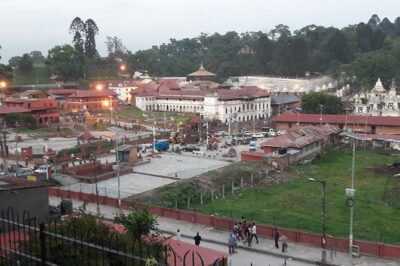
Private Half-Day Tour of Boudhanath and Pashupatinath Temples in Kathmandu
Read our review →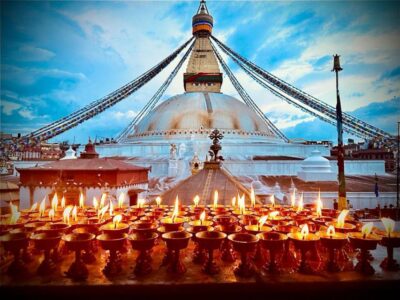
Browse the lists this tour appears in