
Reviewed · BHAKTAPUR
Bhaktapur: Experience the Art of Clay, Curd, and Chant
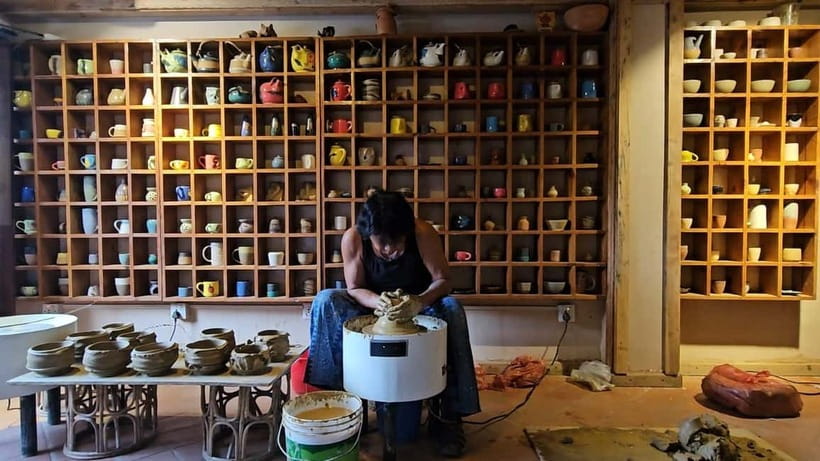
Bhaktapur is interesting because it treats everyday crafts and faith like the same thing. In one 4.5 hour block, you get hands-on pottery plus a proper taste of the famous jujudhau, then end with a local bhajan at a temple.
I especially like that the day is built around Newar culture you can actually touch, shape, and taste, not just look at from a distance. I also like that the pacing is tight, with a guided walk through Bhaktapur Durbar Square (UNESCO) sandwiched between food and making.
One consideration: the bhajan part is only for evening time slots, so if you want that temple chant, pick your start time carefully.
Key things I’d zero in on
- Pottery Square workshop that lasts about 1.5 hours, guided by local artisans
- Jujudhau in a traditional clay bowl, served as part of the experience
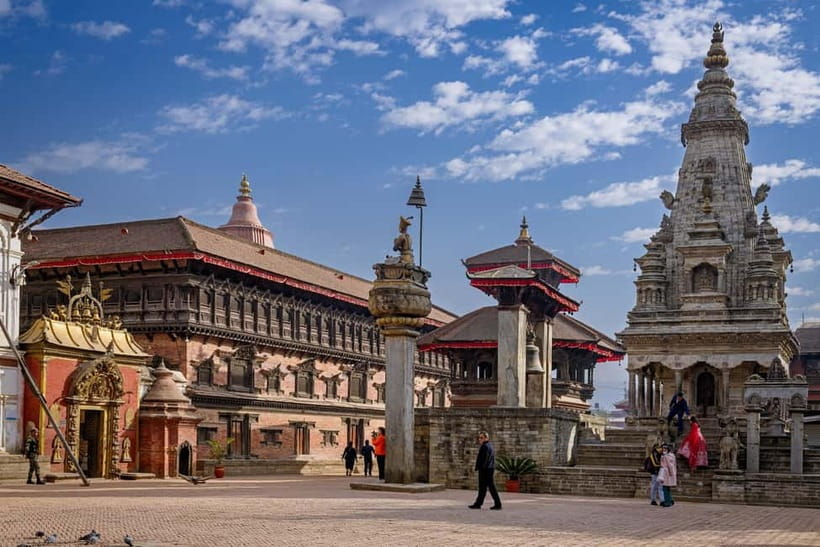
- Durbar Square guided walk focused on UNESCO highlights
- Bhajan at a local temple, only available for evening departures
- Private transportation from Kathmandu, saving you hassle and timing stress
- A mix of craft, food, and faith, so the culture feels connected instead of pasted together
Kathmandu to Bhaktapur: The Durbar Square Photo Stops That Matter
This is the kind of trip where the journey sets you up. You start with pickup in Kathmandu and head to Bhaktapur by private vehicle. By the time you reach the old center, the day already feels like it belongs to you, not to a bus schedule.
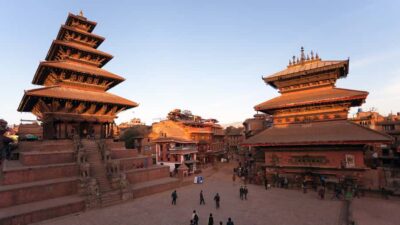
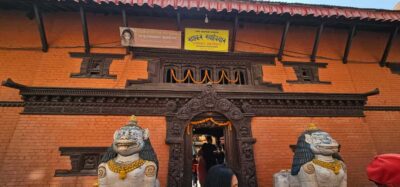
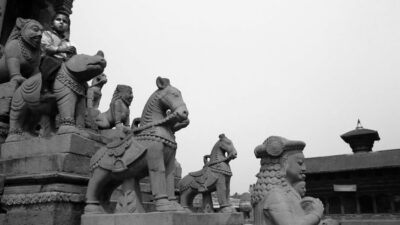
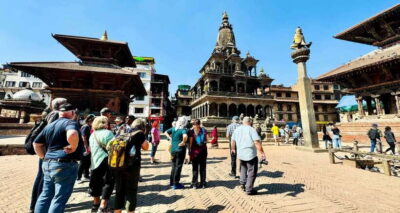
Your first big stop is Bhaktapur Durbar Square. You’ll get photo stops and a guided visit, plus a walk timed to help you see the UNESCO area without feeling rushed. The Durbar Square setting is good for orientation. It gives you architectural context for what you’ll notice later: how art, religion, and daily life share space in Bhaktapur.
Practical note: expect a bit of walking and standing for viewpoints and photos. If you’re the type who gets fussy about comfortable shoes, wear something you can trust on uneven surfaces.
More of Bhaktapur:
- Day Trip to Bhaktapur and Panauti from Kathmandu
★ 5.0 · 184 reviews - Bhaktapur & Patan Durbar Square Day Tours
★ 5.0 · 122 reviews - Kathmandu: Private Patan and Bhaktapur Sightseeing Tour
★ 4.7 · 64 reviews
Pottery Square Workshop: How the Clay Lesson Stays Fun
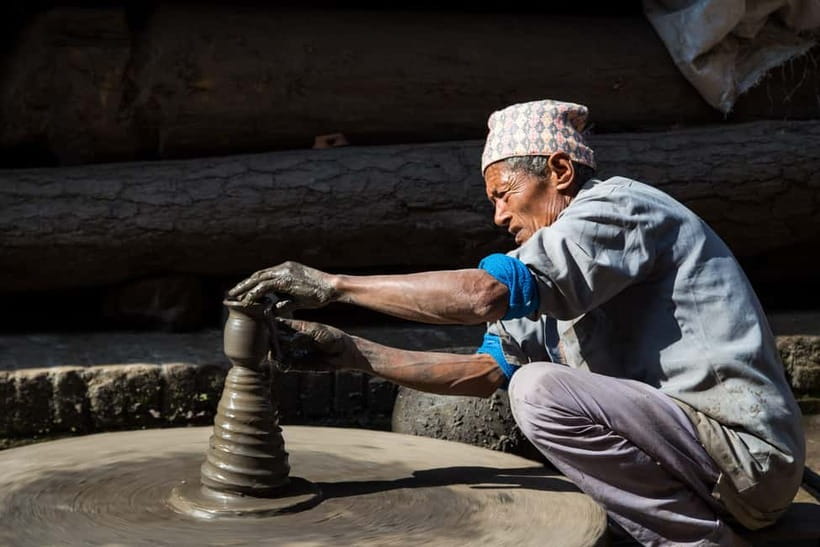
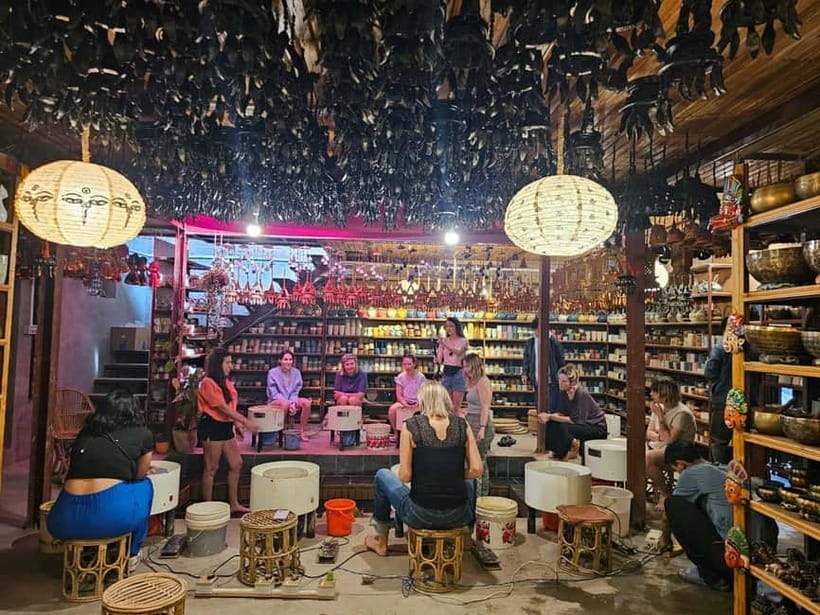
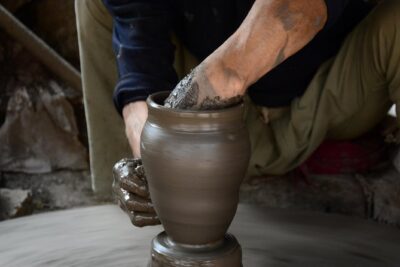
The centerpiece is a guided pottery-making workshop in Pottery Square. This is not a long lecture. It’s a real, hands-on class, running about 1.5 hours, and led by local artisans who work with traditional techniques.
What I like about this format is the way it gives you a mental switch. In the Durbar Square area, you’re looking at heritage. In the workshop, you’re learning how heritage is made. Even if your first attempt at shaping clay looks like modern art, you’ll get a feel for the process: how the material behaves, how hands matter, and why artisans treat form and timing seriously.
You also get a reset from the visual overload of temple carvings and courtyards. Clay is tactile. It’s slower. Your attention goes inward, which makes the later temple chanting feel different, not like an unrelated add-on.
If you want the best results, go in with low expectations about perfection. The value here is the guidance and the experience of working with the craft, not your ability to recreate a perfect pot on the first try.
Jujudhau: Bhaktapur’s King Curd, Served Like a Local Treat
Then comes the food moment that people tend to remember. You taste jujudhau, often described as the king curd of Bhaktapur, and it’s served in a traditional clay bowl.
This is smart for two reasons. First, it’s a local specialty tied to place, not a generic tourist dessert. Second, the clay bowl connects back to the pottery theme. You’re eating the result of Bhaktapur’s craftsmanship while still thinking about clay from earlier.
If you’re sensitive to dairy textures, take it as a chance to try a classic rather than ordering it as a risky experiment. The description points to a sweet, creamy style, so it’s generally an easy bite for most people. Pair it with the walk energy from Durbar Square and the day stays balanced.
Durbar Square Food Tasting: Where the Day Gets Personal
After the workshop and the main tasting, the experience brings you back to Bhaktapur Durbar Square for additional photo stops and regional food tasting.
This is where I find the trip becomes more than checkboxes. The earlier stops teach you what the city looks like and how it’s made. The food tasting helps you understand what the city values day to day. In Bhaktapur, that matters because so much of the culture is built around routine rhythms, not just special events.
A practical tip: eat slowly. With a half-day schedule, you’ll want your energy for the later temple stop. If you’re someone who tends to rush food and then feels sluggish, pace yourself during the tasting.
More to compare around Kathmandu
- Kathmandu: 7 UNESCO Sites with Lunch
★ 4.8 · 744 reviews - Everest Base Camp Helicopter Tour landing at Everest View Hotel
★ 5.0 · 668 reviews - Kathmandu: Local Women-Led Nepali Cooking & Momo Class
★ 4.9 · 360 reviews - Manaslu Circuit Trek
★ 5.0 · 292 reviews
Evening Bhajan at a Temple: Folk Music That Feels Like Community
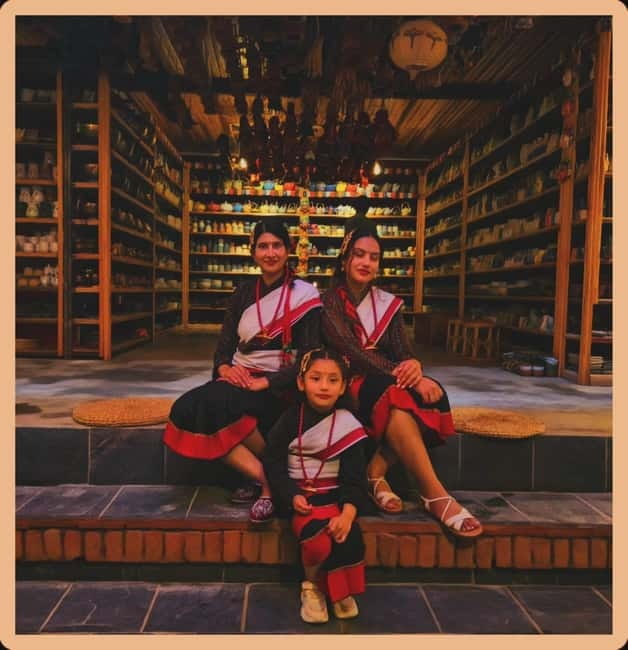
If you choose an evening time slot, you end the afternoon with a traditional bhajan at a local temple with local devotees. This is the part that turns the day from cultural viewing into cultural participation.
The experience is described as soulful folk music with voices rising in chant and rhythm. You’re not just listening from the outside. The setup is meant to bring you into the moment, and the temple setting makes the sound carry in a way that feels intimate.
One key detail to plan around: the Bhajan experience is only available for evening time slots. If you book for the day and you accidentally select a non-evening option, you might miss this ending. So decide what matters more to you: the pottery and Durbar Square are always the core, but the chanting finish is time-dependent.
Also, since this is a temple setting, keep your volume low and your attitude respectful. I’ve found that when you do that, the whole event feels warmer and more welcoming.
Price and Time Value: What $86 Covers in Real Terms
The listed price is $86 per person for a 4.5 hour experience, with pickup and private transportation included. On paper, that can sound either fair or steep depending on your travel style. In practical terms, it’s easier to judge because the cost is tied to concrete items:
- Private transport from Kathmandu, so you avoid figuring out routes and timing
- An English-speaking guide
- A guided pottery workshop (about 1.5 hours)
- Jujudhau tasting served in a traditional bowl
- Guided walk through Durbar Square UNESCO area
- Regional food tasting
- Evening bhajan at a local temple when your slot includes it
That last part matters. A lot of city tours in Nepal charge extra for entrance tickets, separate meals, or transportation. Here, the experience is packaged around specific inclusions, so you spend less time negotiating your day and more time living it.
You’re also not locked into a huge group experience if you prefer smaller dynamics. The option for private group is available, which can make the pottery time less stressful and the bhajan setting easier to enjoy without constant jostling.
The Guide and Local Touch: Small Details That Improve Everything
One thing that came through strongly is the quality of guiding. In this experience, you’ll have a live English-speaking guide, and the language options include Chinese, English, French, German, Italian, and Spanish.
What helps most is when the guide can explain the culture in a grounded way. In Bhaktapur, details matter. The same building can mean different things depending on tradition and family knowledge. You’ll get more from a guide who speaks with local authenticity, because they can connect what you see to what people actually do and believe.
Punctuality also counts here. The experience notes that the operation is smooth and communication is strong, with Maya Trips described as punctual and easy to coordinate with. In real travel terms, that reduces stress. You arrive on time, move on time, and the whole half-day stays on track.
Who This Bhaktapur Experience Fits Best
This tour is a good match if you like a balanced afternoon where art, food, and faith connect. It’s also ideal if you want structure without losing the chance to interact.
You’ll likely enjoy it if:
- You want a hands-on activity, not just a walking tour
- Food is a key part of how you learn a place, especially local specialties like jujudhau
- You’re comfortable with short walks and temple etiquette
- You want UNESCO context without spending the whole day in museums
- You prefer a guided day trip with private transport from Kathmandu
You might reconsider if:
- You strongly dislike dairy textures, since jujudhau is included
- You need a full-day pace with lots of downtime
- You’re booking an afternoon slot but you were hoping for the evening bhajan
Should You Book This Bhaktapur Clay, Curd, and Chant Experience?
If you want a half-day that actually uses your senses, I think this is a smart booking. The value isn’t just that it has multiple activities. It’s that each part reinforces the next: pottery leads to understanding clay, jujudhau is served in a clay bowl, Durbar Square gives visual context, and the bhajan ties it back to living tradition.
Before you book, make two checks:
1) Pick an evening time slot if bhajan is a must for you. The chant is not offered in non-evening departures.
2) Wear comfortable shoes and go in ready to try. The pottery workshop is about learning and doing, not about producing a gallery-worthy masterpiece.
If those match your travel style, book it. This is one of those days where you leave with a story you can taste and remember, not just photos you scroll past later.
FAQ
How long is the Bhaktapur experience?
It runs for 4.5 hours total.
Where does pickup happen?
Pickup is from Kathmandu.
What main activities are included?
You get a pottery-making workshop, jujudhau tasting, a guided walk through Bhaktapur Durbar Square UNESCO sites, and a bhajan experience with local devotees for evening time slots.
How long is the pottery-making workshop?
The pottery session is listed as 1.5 hours.
Is the bhajan available all day?
No. The bhajan experience is only available for evening time slots.
Is there food included besides jujudhau?
Yes, there is also regional food tasting included during the Durbar Square part of the day.
What languages are the guides available in?
The guide is available in Chinese, English, French, German, Italian, and Spanish.
What is the cancellation policy?
Free cancellation is available up to 24 hours in advance for a full refund.
Is transportation included?
Yes. Private transportation is included.
Latest Kathmandu write-ups
- 16 Days Island Peak Climbing With Everest Base Camp Private Trip★ 5.0 · 3 reviews
- 15 Days Round Annapurna Trek with Poon Hill from Pokhara★ 5.0 · 5 reviews
- Private Nepal round trip including Ghorepani Poonhill trek★ 5.0 · 3 reviews
- Everest Base Camp Trekking 16 Days★ 4.0 · 7 reviews
- 14 Days Luxury Annapurna Base Camp Trek★ 5.0 · 6 reviews
- Everest Base Camp Trek★ 5.0 · 32 reviews
- Everest Base Camp Trek★ 5.0 · 87 reviews
- Everest Base Camp Trek★ 5.0 · 97 reviews
Bhaktapur, compared.
Day Trip to Bhaktapur and Panauti from Kathmandu
Read our review →

Private Bhaktapur & Nagarkot Day Tour with Guide
Read our review →
Nagarkot Sunrise With Changu Narayan and Bhaktapur Day Tour
Read our review →Browse the lists this tour appears in