
A day hike that starts under the big Shiva statue in Sanga and ends in the Newar town of Panauti is a rare mix of views and real village life. I love the great ridgeline views and the chance to walk a less-visited trail with an English-speaking guide, including Ssyam, who keeps the walk interesting with cultural stories. The only real catch is the uphill at the start, plus some steep drop-offs along the way, so take it slow if you do not love heights.
On this route, you get more than scenery. Your guide explains Tamang culture as you pass through villages, then Newari culture once you reach Panauti’s temple-filled community. You’ll also want to plan for food, since lunch is not included in the price, but you can buy a Nepali meal in Panauti and you may be able to choose a women-run homestay lunch option for extra value.
Key things I’d watch for on this hike
- The climb is short but real: you start with about a half-hour steep ascent in Sanga.
- Most of the hike is ridge walking: flatter stretches come after the initial hill, with views and steep drops.
- Forest time is a highlight: expect tree cover on parts of the trail, which helps on warmer mornings.
- Culture talk with Ssyam: Tamang stories on the way, Newari context once you arrive in Panauti.
- Panauti is the payoff town: Hindu and Buddhist temples, green hills, and holy rivers, with time to wander.
- Small group size up to 15: it feels calm, and you are not hiking through a crowd.
Why Sanga to Panauti feels like the Kathmandu hills, not a tourist circuit
If you want a Kathmandu day that gets you out of the traffic zone and into the valley’s lived-in countryside, this hike is a solid choice. The trail was developed only a few years ago, so you’re more likely to see villages where foreign tourists are not the default scene.
You’ll walk with a guide for direction and safety, which matters on a newer route. The payoff is that the scenery stays personal, and the culture explanations feel connected to what you are actually seeing, not a lecture from a distance.
It also works well as a first hike. The walking distance is moderate, about 10 kilometers, and the total day is roughly 8 hours including breaks and transit.
More of Panauti:
- Day Trip to Bhaktapur and Panauti from Kathmandu
★ 5.0 · 184 reviews - Dhulikhel, Namobuddha & Panauti: A Scenic Day Tour from Kathmandu
★ 5.0 · 36 reviews - Namobuddha Monastery Hiking Day Tour via Panauti from Kathmandu
★ 5.0 · 15 reviews
Getting to the start: Royal Mountain Travel, an 8:00 am start, and mobile tickets
The meeting point is Royal Mountain Travel at Lal Durbar Marg in Kathmandu. The start time is 8:00 am, which is smart for two reasons: cooler air for the uphill, and better odds of clear views before clouds roll in.
Transport is part of the experience. You’ll get transportation from Kathmandu to Sanga and then back from Panauti to Kathmandu, so you do not have to arrange your own return ride at the end of the hike.
One more practical note: you get a mobile ticket, so keep your phone charged. That helps you avoid last-minute confusion when you are meeting a driver or scanning in.
Sanga hill first: the Shiva statue area and the half-hour uphill
You start in Sanga, just outside the eastern edge of the Kathmandu Valley. Most people recognize this area because it’s the location of the tallest Shiva statue in the world.
Right away, there is a steep ascent for about half an hour. In the review stories I took note of, that uphill did not feel like a long slog, but it did get attention in a good way. You tend to start feeling the effort early, then the trail eases into easier rhythm.
If you want the best experience from this section:
- Wear shoes with solid grip, since you can have slippery patches on a hill trail.
- Bring a layer for early morning, then plan to strip down as you warm up.
- Start steady, not fast. You want your legs to feel good when the path shifts into ridgeline walking.
Ridgeline walking with rice fields, farmland, and Himalayan views
After the initial climb, the hike mostly flattens out. This is where you feel the geography of the valley: ridgelines with steep drops, farmland views, and rice fields below when the light is right.
On clear days, you can also get unobstructed Himalayas. The catch is weather. If clouds move in, the views might be less dramatic, but you still get the rhythm of the trail, plus the ever-changing look at fields and terraces.
One thing I really like about this type of walking is that you are not constantly climbing. It gives your brain time to notice details, like how village paths connect to agricultural land, and how the forest shows up as shade when you need it.
Also, based on what I’d expect from the route and what you’ll likely notice, parts of the trail can feel exposed. Stay mindful on the ridges, and if you have any concerns about steep drop-offs, you’ll feel better by going slow and keeping your focus on your footing.
More to compare around Kathmandu
- Everest Base Camp Trek – 14 Days
★ 5.0 · 1,499 reviews - Everest Base Camp Trek
★ 5.0 · 842 reviews - Private Kathmandu Sightseeing Tour | UNESCO World Heritage sites
★ 5.0 · 756 reviews - Kathmandu: 7 UNESCO Sites with Lunch
★ 4.8 · 744 reviews
Where the guide adds real value: Tamang culture along the villages
A big reason this hike is worth doing with a guide is simple: direction is one thing, but context is the part you remember later. Your English-speaking hiking guide tells you about Tamang culture as you walk through the communities along the way.
When a guide does this well, you stop seeing the walk as only a route. You start noticing how people live, what buildings and daily routines suggest about community life, and why certain places matter beyond scenery.
This is especially helpful on a newer trail where you might not know what you are looking at. The guide gives meaning to what you would otherwise just pass by.
Arriving in Panauti: a Newar town of temples, hills, and holy rivers
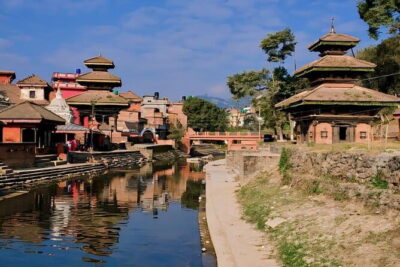
The finish is in Panauti, a small but beautiful Newar community. It’s surrounded by green hills and holy rivers, and it’s known for Hindu and Buddhist temples.
What makes Panauti interesting is that it’s not just a place to stand and take photos. It’s an actual town, with spiritual sites and a sense of everyday life. You get to end your hike in a community setting, which makes the day feel complete.
There’s also local folklore tied to Panauti. The story goes that Panauti was an offering from a King of Bhaktapur to his sister as a dowry gift. You do not need to memorize folklore to enjoy it, but it does add a layer when you see the town’s religious character and how stories are part of place identity.
Once you reach Panauti, take advantage of the time to slow down. Visit temples if you feel comfortable doing so, look at how different religious spaces coexist, and watch how life moves at a pace that is not built for tourists.
Lunch in Panauti: buy a Nepali meal, and consider the women-run homestay option
You should plan your food expectations before you go. Lunch is not included in the tour price, and alcoholic drinks are also not included. The good news is that the experience includes the chance to buy a Nepali lunch in Panauti, with a local family, so you have a clear option for refueling.
There’s also a specific tip worth acting on. In Panauti, there is a lunch option at Panauti Community Homestay, established by local women in the community. This is presented as a model of women’s empowerment and entrepreneurship in Nepal, and it’s a strong way to connect your hike to local hospitality.
If you want to make the most of lunch time:
- Bring some cash for food you buy on-site.
- Keep your portion expectations realistic after a 10 km walk.
- If you have dietary limits, ask directly what is available. The tour data here does not specify menus.
The walk itself: how 10 kilometers can still feel like a full day
The hike is about 6.2 miles (10 kilometers), and the total experience is roughly 8 hours. That tells you something important: this is not a fast march. It’s a guided day with stops for viewpoint moments, culture explanations, and time to settle into the pace.
The good news is that it’s described as an easy-moderate hike. Reviews also line up with that reality. You’ll find steep uphill sections early, but overall it should not feel like a technical trek.
Still, do not underestimate the “steep uphill plus ridges” combination. Your legs work early, and then the trail asks you to stay present on exposed sections. Pack smart:
- Comfortable hiking shoes are non-negotiable.
- Water is essential, since you will be hiking for hours.
- A small snack helps if you get hungry before the lunch option.
If you have a knee issue, choose caution. The ridgeline walking and steep drop-offs mean you want steady movement, not rushed steps.
Price and value: what $65 includes, and what you’re paying for
At $65 per person for a roughly 8-hour experience, you’re mainly paying for the structure that makes the day work smoothly. This includes:
- Transportation from Kathmandu to Sanga
- Transportation from Panauti to Kathmandu
- An English-speaking hiking guide
That guide is the difference-maker for most people. Without one, a newer trail like this can feel harder to navigate, and you would miss the Tamang and Newari cultural storytelling that turns the hike into something more meaningful than walking.
What’s not included matters too. Lunch is not included in the price, and alcoholic drinks are available for purchase. There’s also an entrance fee applicable to children 10 years and above, so if you’re traveling with kids, you’ll want to budget for that.
So does $65 make sense? For an organized small-group hike that includes transfers and a guide on a lesser-walked route, yes. The cost is less about luxury and more about removing the friction, keeping you on track, and adding the cultural layer you cannot easily recreate on your own.
Earthquake context you should keep in mind
Nepal’s 2015 earthquakes caused significant damage to some sites visited on this tour. That means your day might include areas where you can see repair needs or lingering effects.
This is not a reason to skip the hike. It’s just a reality check. If you approach the day with patience and respect, those sights can add a grounded sense of how communities have rebuilt and adapted over time.
Who should book this, and who should think twice
This hike is a great fit if you want:
- A low-stress, easy-moderate day hike near Kathmandu
- A route that feels under-visited compared to the usual tourist paths
- Cultural context from your guide, especially around Tamang and Newar communities
- A finish in a town where temples and everyday life create a real endpoint, not just a viewpoint
Think twice if:
- You have a strong fear of steep drop-offs. The ridgeline sections are part of the experience.
- You want a hike with no uphill at all. The start includes a steep ascent for about half an hour.
- You have limited mobility. The experience calls for a moderate fitness level.
Also, this is a small-group outing with a maximum of 15 travelers. That’s ideal if you like a calmer day, but you should still expect a group pace.
Should you book Sanga to Panauti?
Book it if you want a Kathmandu day that feels local and slightly adventurous, with views you can actually work for. The best part for me is the combination: a serious morning start in Sanga, then ridgeline walking with farmland and forest moments, then an ending in Panauti where you can slow down among temples and community life.
Skip it if you dislike heights or want a completely flat hike. Also, make sure you budget for lunch, since it is not included in the tour price.
If you do book, go with a steady pace, give yourself extra care on the ridges, and plan to eat in Panauti. That meal is where the hike becomes a full day story, not just a route you finished.
FAQ
How long is the Sanga to Panauti day hike?
The hike is about 8 hours in total, based on the experience duration information.
How far do you hike?
The hiking distance is about 6.2 miles (10 kilometers).
Is lunch included in the price?
Lunch is not included. You can purchase Nepali lunch in Panauti, and there is also a recommended homestay lunch option you can pay for separately.
What language is the guide?
The tour includes an English-speaking hiking guide.
Is transportation included from Kathmandu?
Yes, transportation is included from Kathmandu to Sanga, and from Panauti back to Kathmandu. Hotel pickup and drop-off is listed as not included, so it is smart to confirm exactly where you meet and where you get dropped.
Are there any extra entrance fees or other costs?
An entrance fee applies to children 10 years and above. Alcoholic drinks are available for purchase, and lunch is an additional expense.
Latest Kathmandu write-ups
- Langtang Valley Trek★ 5.0 · 3 reviews
- Khopra Danda Trek★ 5.0 · 3 reviews
- Langtang Valley Trek from Kathmandu★ 5.0 · 3 reviews
- 5 night / 6 days Kathmandu Nagarkot Chitwan Pokhara tour★ 5.0 · 3 reviews
- Nepal Highlights Tour: 5 Nights 6 Days Kathmandu & Pokhara Tour★ 5.0 · 3 reviews
- Kathmandu Valley Private Day Tour★ 5.0 · 3 reviews
- Conquer the Himalayas: The Ultimate 16-Day Annapurna Circuit Trek★ 3.5 · 3 reviews
- Kathmandu Heritage Day Tour★ 5.0 · 3 reviews
Panauti, compared.
Dhulikhel, Namobuddha & Panauti: A Scenic Day Tour from Kathmandu
Read our review →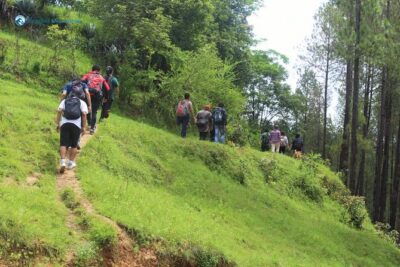
Namobuddha Monastery Hiking Day Tour via Panauti from Kathmandu
Read our review →
Bhaktapur Sightseeing & Dhulikhel, Namo Buddha, Panauti Tour
Read our review →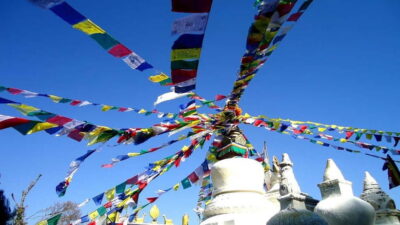
Dhulikhel Namobuddha and Panauti a day Tour from Kathmandu
Read our review →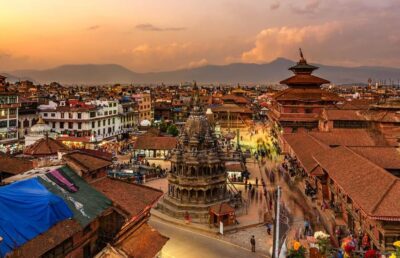
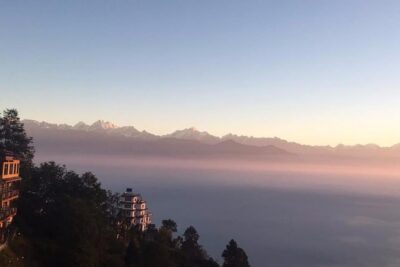
Easy Short Trek Nagarkot Namobuddha Panauti Near Kathmandu
Read our review →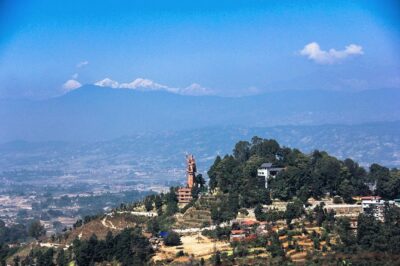
Kailashnath Mahadev, Panauti and Namo Buddha Monastery Sightseeing
Read our review →Browse the lists this tour appears in