
Reviewed · PHOTOGRAPHY SESSIONS
Evening Photography Tour of Kathmandu
Kathmandu after dark has a different rhythm. You swap daytime sightseeing for glow, chanting, and firelight, with Boudhanath and Pashupatinath turning into living backdrops for photography.
I love how this is built around a licensed English speaking city guide who shows you where to stand and what to watch, not just what to see. I also like the mix of traditions, butter lamps at Boudhanath and Hindu arati fire rituals at Pashupatinath, so your photos tell a fuller story of Nepal’s spiritual life.
One possible drawback to plan for: this experience depends on good weather, and religious ceremonies run on their own timing. If light is poor or rain shows up, your best moments may be harder to catch, and the operator may reschedule.
Key highlights you should care about
- Private evening pacing, so you are not rushed and you can wait for the next prayer moment
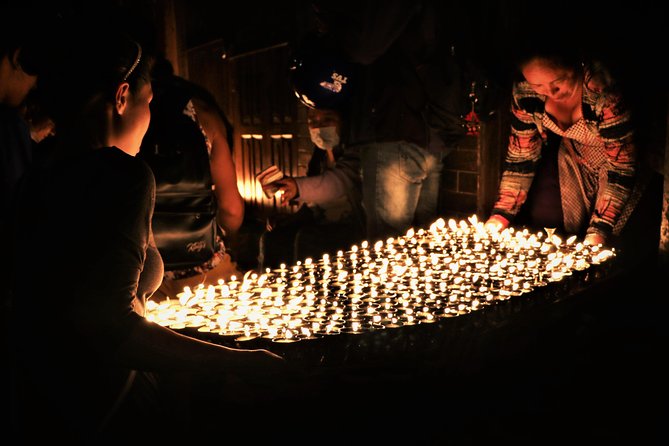
- Boudhanath parikrama around the stupa, with monks and devotees lighting butter lamps
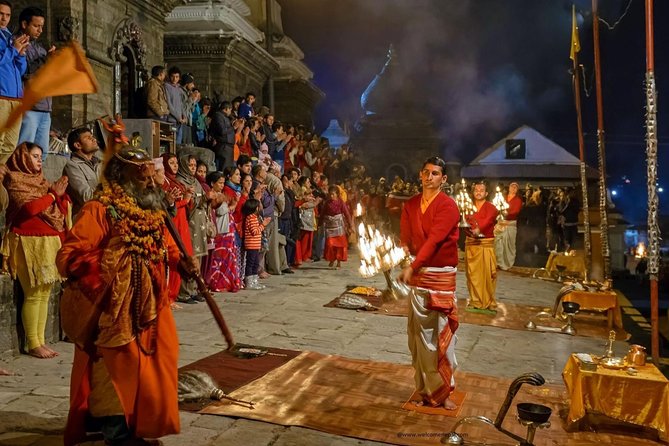
- Pashupatinath evening arati with chanting, singing, and fire rituals on the Bagmati riverfront
- Admission tickets included for both stops, so you can focus on photos instead of logistics
- Private transportation from central Kathmandu, with a guide to translate context into picture ideas
- Short, focused 3 to 4 hour format, ideal if you want night energy without a whole-day commitment
Kathmandu’s evening light is made for storytelling
Evening in Kathmandu is all about contrast. Temple lamps warm up faces. Smoke softens backgrounds. And the religious landmarks do more than look pretty, they pull people into action, so your camera has real subjects to work with.
What makes this tour worth your time is that it is not a vague photo walk. You are guided through two major pilgrimage centers where the key moments happen on cue. At Boudhanath, that means devotees making parikrama, or circumambulation, around the stupa while lighting butter lamps. At Pashupatinath, it means the atmosphere shifts with arati, featuring sacred Vedic chanting, hymns, and fire rituals.
For a photographer, that combination is powerful. You get slow, patterned movement at the stupa, then you get more dramatic energy by the river temple zone. If you shoot portraits, long-time exposures, or even just casual smartphone video, you will find the night is generous.
Also, the private format helps. When you can step away from the crowd with your guide’s direction, you waste less time guessing. That is when photos actually start looking like you planned them.
More photo sessions in Kathmandu:
- Pokhara: Adventure Paragliding Trip with Photos and Videos
★ 4.6 · 50 reviews - Pokhara: Paragliding Adventure with Photos and Video
★ 4.7 · 44 reviews - Paragliding Tandem Flight from Pokhara with Photos and Video
★ 5.0 · 11 reviews
How the private guide helps your photos (not just your understanding)
A big reason this tour works is the role of the guide. You have an English speaking licensed city guide who brings context to what you are seeing. That matters because religious rituals are not random. If you understand what is happening, you can anticipate when people will move, gather, kneel, or light a lamp.
The reviews highlight guides like Mr Bikash and Deepa, both praised for professionalism and a strong grasp of Kathmandu heritage. Even if you consider yourself a casual photographer, a guide with local insight saves you from the common problem of photographing the wrong thing at the right time.
You also have private transportation from central Kathmandu. That sounds simple, but in a city where traffic and timing can be tricky, it protects your evening. You are not juggling routes while the ceremonies are already underway.
And because it is a private tour, it is tailored to your group. That can mean calmer pacing, fewer photo interruptions, and more chances to reset your camera settings when the light changes.
Boudhanath Stupa: butter lamps, parikrama, and glowing detail
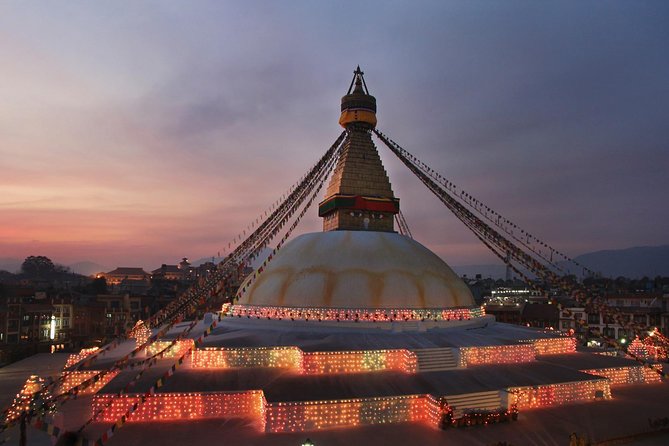
Boudhanath is one of Kathmandu’s key centers for Tibetan Buddhism. In the evening, the stupa’s white dome and surrounding areas look especially striking under added lighting. The result is a scene that is both symbolic and very practical for photography, clean shapes plus warm points of light.
At this stop, you focus on devotees making parikrama, a circumambulation around the stupa. People walk the same loop, but each person’s actions differ. Some pause to light butter lamps, some look up, some pray quietly. That variety gives you options, wide shots of the stupa with the procession, and tighter frames of hands and faces.
You will also see monks and devotees lighting butter lamps and praying for well-being of all sentient beings and world peace. That line matters for picture planning because the emotion is visible. Lamps flare. People bow. Then the ritual continues. Instead of chasing random movement, you can wait for the natural rhythm.
What I recommend you do here is plan two photo styles:
- Procession photos: keep your camera aimed at the path around the stupa, then capture the flow as people move.
- Ritual close-ups: focus on lamp hands, prayer gestures, and the glow from light reflecting on skin.
You are given about one hour at this stop. That is enough time to get your wide compositions and then switch to details without feeling rushed. Admission tickets are included, so you are not dealing with extra costs mid-tour.
A practical note: you will likely be standing and shifting positions as people pass. Wear shoes you can move in easily, and keep your camera strap secure. The stupa zone is active, and it is not the place for fumbling.
Pashupatinath at dusk: arati chants, fire ritual, and riverfront drama
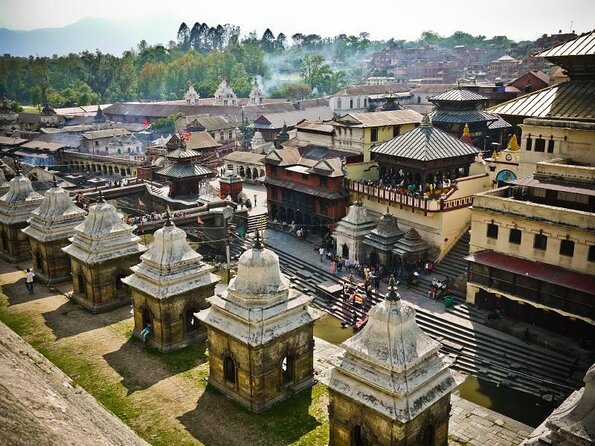
Pashupatinath is dedicated to Lord Shiva and is one of the most important Hindu shrines in Kathmandu. The name is tied to the idea of a protector of living beings, which makes the whole space feel less like a monument and more like a place people rely on spiritually.
In the evening, the temple experience intensifies. Sacred Vedic shlokas and hymns rise during arati, a ritual where fire from a flame is offered to the gods. The priests perform the aarati, and devotees are seen dancing in a trance-like state.
From a photography standpoint, this is where your low-light skills pay off. You have firelight, moving smoke, strong contrasts, and a crowd that reacts in waves. The timing is the trick, so you want to be in the right viewing area before the ritual fully starts.
The tour time at Pashupatinath is also about one hour, with admission included. That is important because the arati sequence does not wait for your camera. The guide helps you understand where the key action happens so you are not stuck searching for a view while chanting is already underway.
Another detail you will likely notice: the setting involves the sacred Bagmati Riverfront. That gives you a layered background, temple spaces plus water movement, which can add atmosphere to wide frames and reflections to some shots.
If you want photos that feel alive, aim for two types again:
- Ritual wide shots: capture the flame and surrounding devotees to show scale and context.
- Face and hands: the most moving images are often close, where you can see intensity in expression and flame in motion near fingers.
This stop can feel intense in a good way. It is not a theater show, it is a real spiritual moment happening with believers present. Treat the experience with care, keep your voice down, and let the ritual lead the timing.
More to compare around Kathmandu
- Everest Base Camp Trek – 14 Days
★ 5.0 · 1,499 reviews - Everest Base Camp Trek
★ 5.0 · 842 reviews - Private Kathmandu Sightseeing Tour | UNESCO World Heritage sites
★ 5.0 · 756 reviews - Kathmandu: 7 UNESCO Sites with Lunch
★ 4.8 · 744 reviews
Camera game plan for low light and moving rituals
This tour is built for cameras. You do not need a fancy setup to enjoy it, but you do need a plan for night conditions.
First, protect your battery. Night photography eats power fast, especially if you use live view or video. I like to start the evening with a fully charged battery and keep a spare if I have one.
Second, get comfortable with your shutter and ISO tradeoff. Firelight and lamps are bright, but they are small and moving. If you use too slow a shutter, you will blur people while trying to catch the flame. If you push ISO too high, you trade motion for noise. The guide pointing you to the right angles helps, but you still need to match your gear to the scene.
Third, decide what you want most before you start shooting. You cannot do everything in one evening. Here are practical targets:
- If you want sharp faces, prioritize faster shutter speeds and accept higher ISO.
- If you want glow and mood, try slower shutter speeds for a soft background, but keep your body steady and watch where people move.
- If you are shooting smartphone video, stabilize with your stance, then follow the action as best you can during arati.
Fourth, use your eyes first. Ritual moments are short. You will see priests perform, flames rise, devotees shift position, then the crowd changes as quickly as it formed. If you react a beat too late, the shot is gone.
Finally, bring something simple to stay ready. A small towel helps with sweat if you are moving. Lens cloths are useful when smoke or mist softens the view. And if you wear a camera, keep your strap tight. Crowd flow plus ritual moments means you do not want your gear wobbling.
The tour’s strength is that you are not wandering randomly. You are guided to the settings and moments worth capturing on film. That reduces the guesswork, which is the fastest way to get better photos.
Timing, walking, and what to wear so you feel comfortable
The tour runs 3 to 4 hours, split between Boudhanath and Pashupatinath. You also get a pickup option and private transportation between central Kathmandu locations. That helps a lot, because you can spend your energy on seeing and shooting rather than navigating.
You should still expect short bursts of movement and waiting. At Boudhanath, people circulate around the stupa, so you may shift positions. At Pashupatinath, the arati moment gathers attention, and you might need to adjust your angle while respecting the flow.
What to wear:
- Comfortable shoes with grip
- Layers, since evenings can cool down
- A secure way to carry your camera, with pockets kept light
One more thing to consider is that this is a religious environment. You will be around devotees, monks, and priests. Keep your behavior calm, avoid blocking key views, and ask your guide if you are unsure about where standing is appropriate.
If you have a sensitive nose, be aware that ritual spaces can involve smoke from fire rituals. It is part of the experience, and it can linger. Hydrate when you can, but bottled water is not included, so plan for that.
Price and value: what you pay for, and what you get back
At $102 per person, this is not a budget deal, but it is also not overpriced for what you actually receive. The key value comes from included items that usually add up fast.
Here is what your money covers:
- Private transportation (including pickup from central Kathmandu area)
- English speaking licensed city guide
- All fees and taxes
- Admission ticket included for both Boudhanath and Pashupatinath
What you do not get:
- Dinner
- Bottled water
- Alcoholic beverages
That means you should budget a few extra dollars for water and your pre or post tour meal. But the big savings for you is admissions and transport being handled for you.
The tour also has group discounts and you are booking a private experience for your group. That combo can make it feel more reasonable if you have company.
One timing hint that matters for planning: this tour is often booked about 12 days in advance on average. If you are traveling in peak season or on specific dates, it helps to reserve earlier so you do not get stuck with late availability.
Weather is another value factor. The experience requires good weather. If weather is poor, you will be offered a different date or a full refund. That reduces your risk, but it also means you should not plan something critical right after your tour time.
Who should book, and who might be better off skipping
This tour is best if you fall into one category: you want more than sightseeing, you want photos with context. If your camera is your main reason for travel, you will appreciate the guided positioning for ceremonies.
You will also like it if you enjoy religious culture and you prefer respectful, guided access rather than doing everything on your own. Having a guide helps you understand what to expect at each stop, parikrama at Boudhanath and arati at Pashupatinath.
It is also a good pick if you want a night activity that stays compact. The half-day length is ideal when you have limited time in Kathmandu or you want to save energy for another evening plan.
Who might skip:
- If you hate standing around while waiting for a ritual to begin
- If you want a light, casual walking tour with no ceremony content
- If you are traveling with limited flexibility for weather changes
Most people can participate, but because this is an evening experience with public religious settings, you should plan to be patient and observant.
Should you book the Evening Photography Tour of Kathmandu?
I think you should book this if you want a focused evening that uses Kathmandu’s spiritual landmarks as your photo stage, without the stress of figuring it out alone. The private guide element, with experts like Mr Bikash and Deepa mentioned in feedback, is a big part of why this feels worth it.
It is also a smart choice if you care about value. Admission tickets and transport are handled, and the tour is timed to the kind of moments that only happen at night.
Just go in with realistic expectations. This is not a theme-park production and you cannot force firelight to behave. If the weather is good and you bring comfortable shoes, you will come away with photos that feel like Kathmandu at work, not Kathmandu at rest.
FAQ
How long is the Evening Photography Tour of Kathmandu?
It lasts about 3 to 4 hours.
Where does the tour take place?
It takes place in Kathmandu at Boudhanath and Pashupatinath.
Is pickup or transportation included?
Yes. Private transportation is included, and pickup is offered from central Kathmandu.
Are admission tickets included?
Yes. Admission tickets are included for both Boudhanath Stupa and Pashupatinath Temple.
What is included in the price?
Included are private transportation, all fees and taxes, and an English speaking licensed city guide.
What should I bring, and what is not included?
Bring your camera. Dinner, bottled water, and alcoholic beverages are not included.
What happens if weather is poor?
The experience requires good weather. If it is canceled due to poor weather, you will be offered a different date or a full refund.
Latest Kathmandu write-ups
- Visit Swayambhunath and Bauddhanath Stupa with Guide★ 5.0 · 5 reviews
- 10 days Annapurna Base Camp Trek★ 5.0 · 5 reviews
- Langtang Trek from Kathmandu 7 Days★ 5.0 · 5 reviews
- Island Peak Climbing with Everest Base Camp★ 5.0 · 5 reviews
- 7 Day Kathmandu Pokhara Tour★ 4.5 · 5 reviews
- Chandragiri Hill Cable Car Tour with Hotel Transfers from Kathmandu★ 4.5 · 5 reviews
- Everest Mountain Flight★ 5.0 · 5 reviews
- Kathmandu city day tour (4 world heritage sites)★ 5.0 · 5 reviews
Photography Sessions, compared.
Paragliding Tandem Flight from Pokhara with Photos and Video
Read our review →Browse the lists this tour appears in