
Reviewed · POON HILL TREK
Ghorepani Poonhill Trek
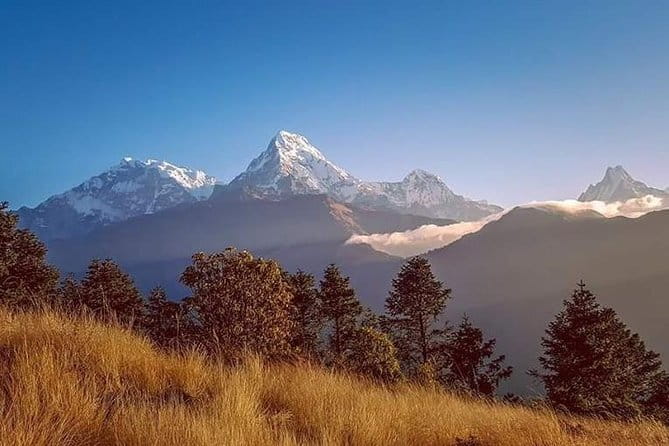
Ghorepani Poonhill is interesting because the whole plan is built around one payoff, sunrise from Poon Hill with Annapurna and Dhaulagiri in the view. I also like how the route threads through working villages, so you are not just hiking scenery, you are passing daily life in places like Ulleri, Ghorepani, and Ghandruk. The last thing I like is the natural variety packed into a short trek, especially that long stretch through rhododendron forest.
One drawback to keep in mind: this is a stairs-heavy trek, and it starts early on sunrise mornings. Also, the lodge stays are basic and meals are not included, so plan your budget and expect to manage food choices day by day.
Key highlights to look for
- Poon Hill sunrise (3210m), timed for first light and wide panoramic views
- Rhododendron forest walking, including the route described as the world’s biggest rhododendron forest
- Village culture on the trail, with chances to chat and watch day-to-day mountain life
- Ghandruk finish, a Gurung village stop with lunch and a calmer landing back toward Nayapul
- Guides with real local know-how, with Rohit named as a strong match for sightseeing explanations
Poon Hill Sunrise: the real reason you do this short trek
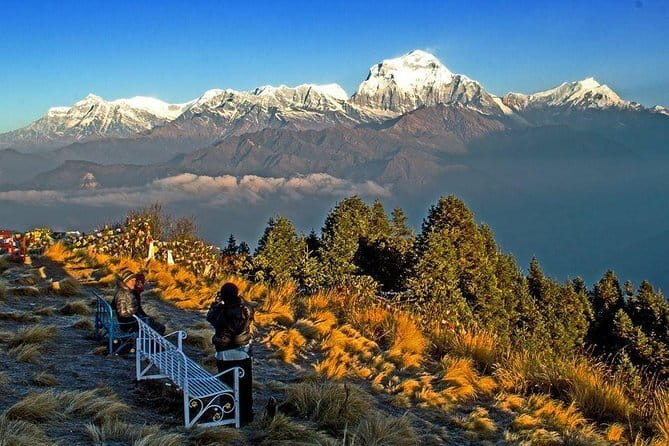
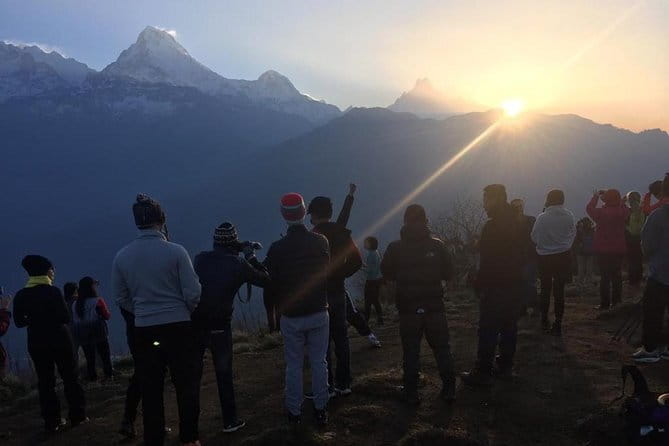
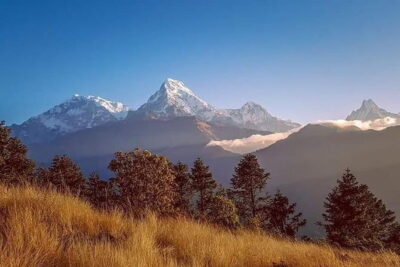
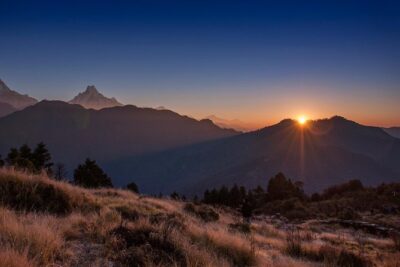
You come for sunrise, plain and simple. The climb up to Poon Hill hits about 3210m, and the morning start is designed so you can see the first light break over the Annapurna area. This is why the trek is popular as a shorter option inside the broader Annapurna region.
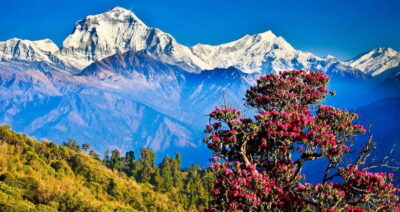
At the viewpoint, you get panoramic mountain views that include both Annapurna and Dhaulagiri. You’ll also hear names repeatedly on this route, and you start to recognize them as you move from village to ridge. If you like photos, you’ll understand why people aim for this moment more than any single waterfall or viewpoint.
Practical thought: sunrise mornings mean chilly start times and quick changes in conditions. Wear layers you can adjust fast, and keep your wind protection handy. If you tend to get cold easily, treat this as a priority, not a side note.
More Ghorepani and Poon Hill departures:
- Poon hill Trek 3 days
★ 5.0 · 176 reviews - Pokhara: 4-Day Ghorepani, Poonhill & Ghandruk Mountain Trek
★ 5.0 · 132 reviews - Ghorepani – Poon Hill Trek 3N-4D
★ 5.0 · 125 reviews
Pokhara to Nayapul, then Ulleri via Thikhedhunga and Hile
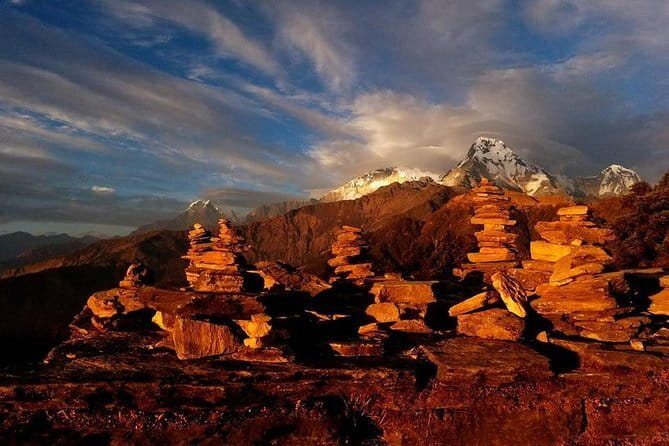
The experience starts with a morning drive from Pokhara to Nayapul, your trailhead. From there, the walk works up toward Ulleri, and the day includes a lunch stop at Hile before you continue on via Thikhedhunga.
I like Day 1 for its feel-good rhythm. You spend time walking through green hills and terraced paddy fields, with enough early progress that you don’t feel thrown into the deep end immediately. It also gives you time to get used to the footing and the pace before you stack up the longer climbs.
When you reach Ulleri, you check into a lodge and have a traditional Nepalese mountain dinner. That matters more than it sounds, because it sets up the rhythm for the trek. The lodge experience is basic, but the dinner time is your chance to refuel, chat with your guide, and learn what to expect the next morning.
A small heads-up: the Ulleri section is where the stairs reputation starts. Even on a short trek, you’ll notice step after step. The upside is that you warm up quickly once you’re moving, and the views start to feel closer as you gain height.
Ulleri to Ghorepani: rhododendron forest, Himalayan viewpoints, village time
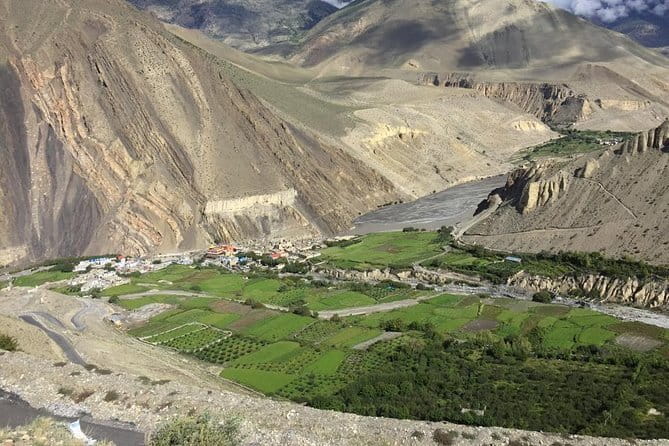
Day 2 begins with breakfast at the Ulleri lodge, then you hike toward Ghorepani. This stretch is where the trek starts to feel more like an actual mountain journey, because you slow down and take in what’s around you. You get chances to understand the way of life of mountain people by simply moving through their neighborhoods and trail paths.
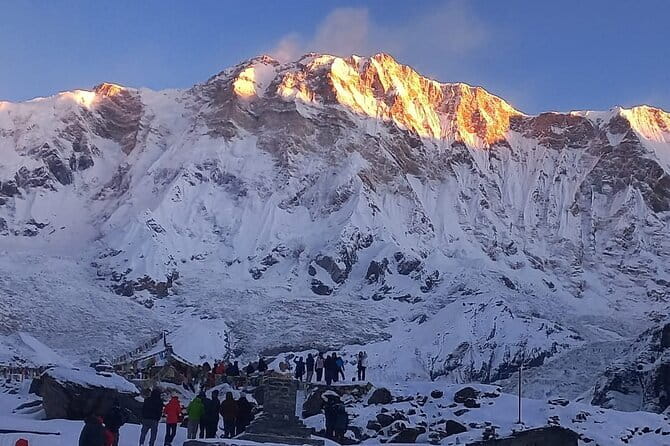
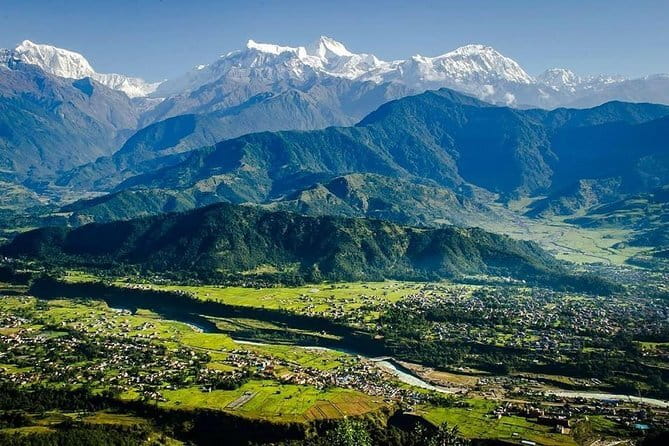
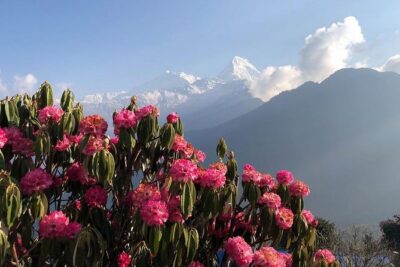
You’ll also pass viewpoints with names like Machhapuchhre, Himchuli, and Annapurna South. It’s not just sightseeing, it’s a way to connect the trail to a map in your head. As the day progresses, the route runs into what’s described as the world’s biggest rhododendron forest, which is a huge part of the Annapurna region’s identity.
By afternoon, you arrive in Ghorepani and check into your lodge. After that, you can explore the village, talk with locals and other trekkers, and look outward from where you’re staying. I like this included downtime because it helps you avoid that constant feeling of rushing from place to place.
What to expect from Ghorepani specifically: it’s a base village with plenty of trekking energy. That can be comforting if you want company or guidance, especially if this is your first time trekking in Nepal.
Poon Hill at dawn, then down through forest to Tadapani
Early on Day 3, you start your trek to Poon Hill (3210m) for sunrise. This part is short but intense, because you are going uphill in the early hours for the big view. The payoff is a sunrise over Mt. Annapurna, plus panoramic views of several major peaks, including Annapurna and Dhaulagiri.
Then you shift from sunrise celebration to trekking rhythm. After breakfast in Ghorepani, you head to Tadapani (2610m). This shift is a good design choice. You start with a ridge moment, then you spend the rest of the day moving through the woods, which feels calmer and more immersive once the sun has risen.
The Tadapani route runs through a dense forest with rhododendrons, bamboo, and oak trees. Along the way, you have opportunities to appreciate nature like waterfalls, rocks, wildlife, and birds. Even if you do not spot every animal, the forest environment does its job by making the hike feel less repetitive and more alive.
If you like walking with variety, this day is a solid match. You’ll also feel like the trek is teaching you something, because you notice how quickly vegetation changes as elevation and exposure shift.
More to compare around Pokhara
- ZipFlyer Nepal – The World’s Steepest Zip-line
★ 5.0 · 608 reviews - Bungee Pokhara by HighGround Adventures
★ 5.0 · 366 reviews - From Pokhara: Sarangkot Sunrise Himalayas Tour
★ 4.7 · 218 reviews - ATV Adventure Tour in Pokhara, Nepal
★ 5.0 · 194 reviews
Ghandruk and the longer Day 4 walk back toward Nayapul
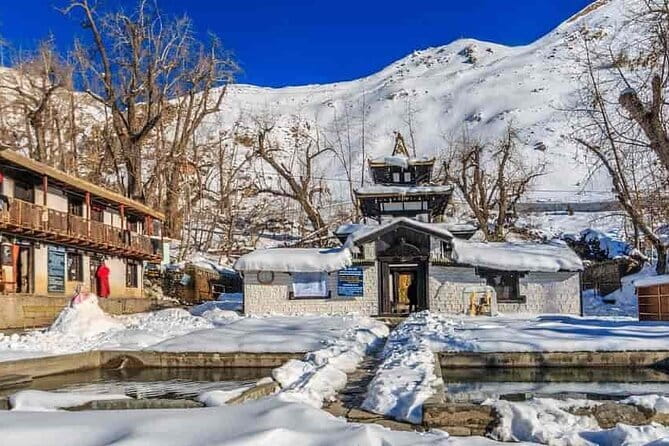
Day 4 is longer than the previous days, and that’s the one day you should mentally plan for. After breakfast, you trek through jungle areas, passing villages, jungles, and streams. The itinerary notes you’ll walk continuously for about 3 to 4 hours before reaching Ghandruk.
Ghandruk is described as a picturesque Gurung village. It’s where you get lunch and a chance to rest before you continue on. This matters because it adds a cultural landing point right near the end, instead of only showing village life earlier in the trek.
After Ghandruk, you keep walking toward Nayapul, enjoying views of mountain ranges, green hills, and local villages along the way. Once you reach Nayapul, you board a private vehicle and drive back to Pokhara.
For most people, this is a satisfying conclusion. You finish with a mix of walking and viewpoint time, but you do not end with another grueling climb. It helps the whole trek feel manageable for a 4-day package.
Price and logistics: what $358.61 really covers
At $358.61 per person, this trek is positioned as a short, structured way to get the Poon Hill highlights. The value is in what’s bundled rather than in any luxury promise.
Here’s what you do get included:
- 3 night accommodation in basic local lodges, room only
- Permits and fees including ACAP, TIMS, National Park fees, and other trekking permits
- A professional English speaking local trekking guide
- All land transportation by private vehicle as mentioned in the plan
This is important if you do not want to wrestle with permits and logistics on your own. Paperwork, timing, and transfers can eat time and energy. Paying for those moving parts up front is often the difference between an easy trip and a stressful one.
What you do not get included:
- Food, drinks, and beverage bills
- Nepal visa fee
- Tipping (not mandatory, but it is a Nepalese custom)
- Emergency rescue or evacuation
- Personal expenses
- Travel insurance
- Anything not specifically listed in included items
So you should budget for daily meals, plus snacks if you like to keep energy up between stops. Also remember that travel insurance is on you. Even for a short trek, having coverage for medical needs and trip issues is smart.
There’s also mention of group discounts and a mobile ticket, which can simplify payments and reduce the chance of last minute confusion.
Lodges are basic here, so manage expectations early
This trek uses basic local lodges for three nights, and the stay is listed as room only. That means you should plan to handle meals in the lodge dining area or nearby places rather than expecting your package price to cover everything.
Basic lodge style usually comes with simple rooms and limited comforts compared to hotels. That’s not a reason to skip it. It often keeps your trek authentic and keeps costs down. Just go in knowing you are buying proximity to the trail and a place to sleep, not a five star room.
My practical advice: pack for changing temperatures, because mornings can feel very different from midday. Bring layers, plus a warm layer for early sunrise time. Also keep small cash or a simple payment plan ready for meals, since your food cost is separate.
If you want the best experience, think of lodge time as a reset. Eat well, charge what you can if outlets are available, and get an early night before the dawn climb.
Guides: where the experience gets noticeably better
The strongest praise attached to this kind of Poon Hill trek is usually about people, not just views. An English speaking local guide makes a real difference, because they explain what you’re seeing and help you stay on pace without rushing you.
In particular, Rohit gets named for being very good and for having lots of knowledge about the sightseeing side, including temples. That matters because some of the charm on this trail is not only the mountains. It’s the human world around them: shrines, village landmarks, and the stories tied to religious and cultural spots.
One more detail that counts: good guides and support help you feel safe on stairs and busy trail moments. If you’re traveling with family or you’re new to trekking, this kind of confidence boost can turn the trek from stressful to enjoyable.
So when you book, treat the guide as part of your trip plan, not just a bonus. Ask what to look for on the walk, and ask what time to be ready the next morning.
Trekking pace, stairs, and the moderate fitness requirement
The experience calls for moderate physical fitness. That fits a short trek with repeated climbs, especially in the early sections and around Ulleri.
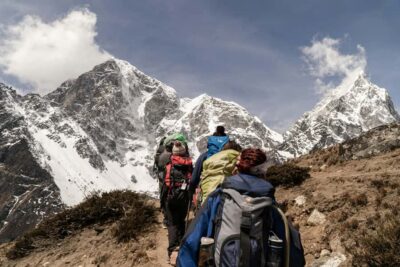
Expect a day-to-day rhythm where you walk uphill in waves. On Day 1, the push toward Ulleri can feel stair-like, particularly after the hike begins near Thikhedhunga. On Day 3, sunrise adds extra pressure because you move early while still needing to look forward to the full day down to Tadapani. Day 4 is the longer walking day, so it rewards smart pacing.
How to make the stairs feel less annoying:
- Take breaks that are short and frequent
- Keep your effort steady rather than sprinting to catch up
- Wear shoes with grip you trust on rocky steps
- Consider trekking poles if you use them comfortably
You don’t need to be a mountain athlete for this, but you should enter with the mindset that steps are part of the deal. The reward is that you earn the ridge views without a multi-week commitment.
Should you plan for temples and village culture stops?
This trek runs through culturally rich villages like Ghorepani, Ghandruk, and Tikhedhunga/Thikhedhunga. That means you are not only hiking through nature, you are passing everyday spaces where locals live, work, and pray.
The temple and sightseeing knowledge from guides is a big plus here. If you ask questions and slow down for a few minutes, you can turn the trek into a cultural walk, not just a workout. On a short package, that’s how you get more meaning out of limited time.
Also, exploring Ghorepani village after you arrive can be a highlight. You get mountain views from where you sleep, and you get a chance to watch how trekking life blends with regular life in the village.
If you prefer to move quietly with minimal interaction, you can still do that. But if you like people and stories, you’ll likely enjoy these village moments more than expected.
Who this trek is best for, and who should think twice
This is a great match if you want:
- A short Nepal trekking experience inside the Annapurna region
- Sunrise views from Poon Hill
- Village atmosphere and forest walking without a week long commitment
- A plan that includes permits, transport, and a guide
It may not be ideal if you:
- Hate stairs or early mornings
- Need meals fully included and predictable
- Expect lodge comfort levels beyond basic rooms
Also consider your comfort with self-managed spending. Because meals and drinks are not included, you’ll make daily decisions about cost and what you eat.
For many people, this is the right “try trekking” option, especially if you can handle one early dawn hike and a longer final walking day.
So, should you book Ghorepani Poonhill?
I think you should book this trek if you want a focused, realistic shot at Poon Hill sunrise with the Annapurna and Dhaulagiri views, plus forest and village time, without planning permits and transport yourself. The included permits, English speaking local guide, and private land transport make it feel put together, even if the lodge stays are simple.
I’d skip it if stairs and cold early mornings are dealbreakers for you, or if you want full board meal coverage with no daily decisions. In that case, you might prefer a different trekking style with fewer step climbs and more predictable comforts.
If you are on the fence, ask yourself one question: do you want to trade a bit of early discomfort for a ridge sunrise view? If yes, this is a strong value way to do it.
FAQ
How long is the Ghorepani Poonhill trek?
The trek is listed as approximately 4 days, with 3 nights of accommodation in basic local lodges.
What does the price include?
The price includes 3 night basic local lodge room only stays, permits and fees (ACAP, TIMS, National Park fees and other trekking permits), a professional English speaking local guide, and all land transportation by private vehicle as mentioned in the itinerary.
Are meals included in the package?
No. Food, drinks, and beverage bills are not included, so you will pay for meals separately during the trek.
Is pickup offered?
Yes. Pickup is offered, and land transportation is included by private vehicle as noted in the plan.
Do I need permits for this trek?
Yes, and the package includes permits and fees including ACAP, TIMS, National Park fees, and other trekking permits.
What kind of lodging should I expect?
You get 3 nights in basic local lodges on a room only basis.
Is tipping required?
Tipping is not mandatory, but it is a Nepalese custom.
Can I cancel for a full refund?
Yes. You can cancel up to 24 hours in advance for a full refund. If you cancel less than 24 hours before the experience start time, you will not receive a refund.
Latest Pokhara write-ups
- Paragliding in Pokhara★ 5.0 · 4 reviews
- 3-Day Ghandruk Loop Trek from Pokhara★ 5.0 · 4 reviews
- Pokhara: Annapurna Base Camp Trek Multi-Day Guided Tour★ 5.0 · 4 reviews
- 2 Iconic Suspension Bridge Tour in Pokhara★ 5.0 · 4 reviews
- Pokhara: Budget Unguided Tour By Sharing Bus★ 4.0 · 4 reviews
- 2 Night 3 Days Lumbini Tour from Pokhara or Kathmandu★ 5.0 · 4 reviews
- Unique Easy Hiking to Foxing Hill from Pokhara★ 5.0 · 4 reviews
- 6 Night 7 Days ABC Trek★ 5.0 · 4 reviews
Poon Hill Trek, compared.
4-Day Ghorepani, Poonhill & Ghandruk Mountain Trek
Read our review →
Browse the lists this tour appears in