
Reviewed · PRIVATE DRIVERS
Pokhara: Budget Unguided Tour By Sharing Bus
Pokhara has a way of making you feel like you missed something, even when you only have a few hours. This budget shared-bus day trip turns that problem into a plan by packing the main sights into one route, with a local guide to explain what you’re seeing. You get that classic Pokhara mix of religion, rock, and views, without paying boutique-tour money.
I like two things most. First, the hotel pickup and drop-off (when selected) plus a shared ride means you do not have to sort transport all day. Second, the stops are chosen for variety: Hindu temples with Annapurna viewpoints, then caves and river gorges, then Devi’s Fall, and finally some relaxed lakeside time.
One thing to consider: this is a stairs-heavy day. You will climb a lot, including hundreds of steps at multiple sites, and the schedule keeps each stop tight. If you want long explanations or slow wandering, you might feel rushed.
Key Highlights You Will Actually Feel
- Bindhya Basini Temple: hundreds of stairs to reach a hilltop temple cluster, with Annapurna range views
- Seti River Gorge: that unusual milky water look as it drops very deep into the gorge
- Mahendra Cave: fossils on the ceiling and clay-like natural smells underground
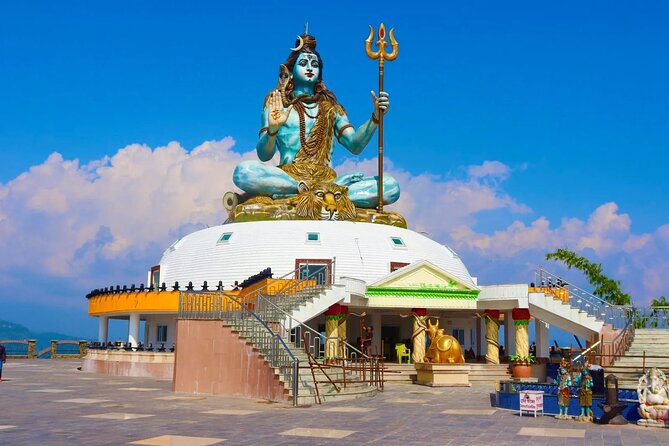
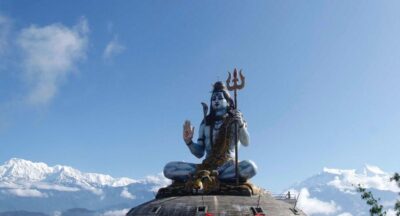
- Pumdikot Shiva Statue: Asia’s largest Shiva idol on a hill, plus Annapurna and Fewa Lake views
- Gupteswar Gupha: a deep cave (140 meters) with fossil ceiling details and water falling from below
- Phewa Tal lakeside time: a final chance to breathe on the water without a strict guided script
A 4 to 6 Hour Pokhara Intro, Built for Your Budget
For $12, the big idea here is simple: get a lot of Pokhara’s “greatest hits” in one day, while keeping your logistics and cost low. It is not trying to be fancy or private. It is trying to be practical.
The day runs around 4 to 6 hours, starting at 9:45 am from the Pushpa Guest House No 15 on Lakeside Road. You then move from hilltop viewpoints to caves and waterfalls, with your guide keeping things moving and pointing out what is worth noticing.
If you are in Pokhara for the first time, or you want an easy way to see what areas you want to return to, this kind of route works well. It gives you a map of the region in real life, not just on your phone.
More to compare around Pokhara
- ZipFlyer Nepal – The World’s Steepest Zip-line
★ 5.0 · 608 reviews - Bungee Pokhara by HighGround Adventures
★ 5.0 · 366 reviews - From Pokhara: Sarangkot Sunrise Himalayas Tour
★ 4.7 · 218 reviews
Price and What It Really Means for You
The headline price is $12 per person, which is rare in Nepal for a structured, guided day with transportation included. The catch is that entrance fees are not included. The total listed for entrances is about US$ 13 per person, depending on the sites.
Here is the practical math: your total cost should land closer to roughly $25 all-in for most people, assuming the entrance total comes out near that estimate. That still feels like solid value because many of the stops are attractions that normally cost extra.
What you get for that money is time-efficient sight-seeing with hotel transfers (if you chose that option) and a guide who explains the temples, caves, waterfalls, and viewpoints. You also get a group setting, which keeps costs down, but it also means you are not controlling the pace.
The Shared Bus Setup and Why It Matters
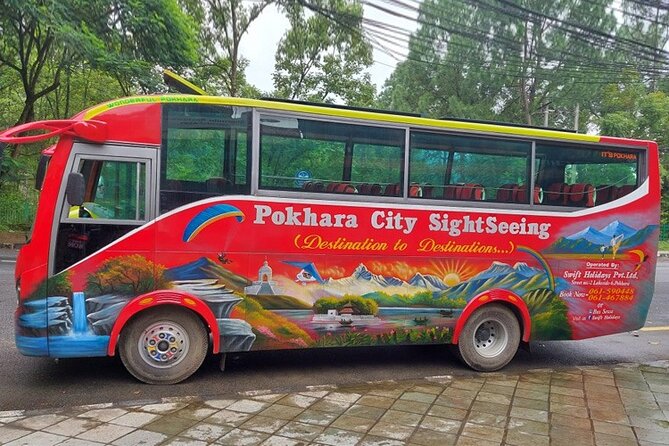
This tour uses a shared bus with a group size capped at 25. That has two effects on your day.
First, it makes the trip budget-friendly and easy. Your role is basically to show up, pay attention, and be ready to move. Second, it limits how custom your experience can be. You will likely wait a bit for everyone, and each stop has a set time window, so you cannot linger forever.
If you are traveling solo, group tours can be a mixed bag. I think this one is best when you treat it like a sampler platter. You are tasting, not feasting for hours on end. The upside is that you can decide later whether you want to come back to a specific viewpoint or cave at a slower pace.
Stop 1: Bindhya Basini Temple and the Hilltop Annapurna View
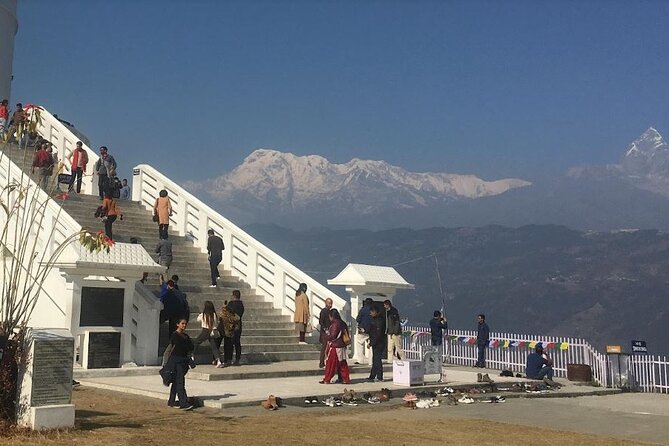
You start at Bindyabashini (Bindhya Basini) Hindu Temple, a hilltop temple area reached by hundreds of stairs. That climb is the first big physical commitment of the day, and it is also where your reward starts.
Once you get up there, the view can be the highlight: you are positioned for sightlines toward the Annapurna mountain range. The temple cluster itself is also worth your attention. Even if you are not religious, you can appreciate how the place is used and how it shapes the hilltop experience for locals and pilgrims.
Admission here is listed as free, and the stop time is 30 minutes. That is enough time to climb, take a few photos, and get your bearings. It is not enough to do a slow, ceremonial pace, so keep your expectations realistic.
My practical tip: wear grippy shoes. Steps plus uneven surfaces can turn your day into a calf workout. Bring water. The hill does not care that you planned to take it easy.
A different sort of day out of Pokhara:
- ATV Adventure Tour in Pokhara, Nepal
★ 5.0 · 194 reviews - Full-Day Tibetan Cultural Tour to Tibetan Settlements Pokhara
★ 5.0 · 184 reviews - Pokhara: Full-Day Sharing Bus Tour on 7 Iconic Destination
★ 4.1 · 179 reviews - Poon hill Trek 3 days
★ 5.0 · 176 reviews
Stop 2: Seti River Gorge and the Milky Water Look
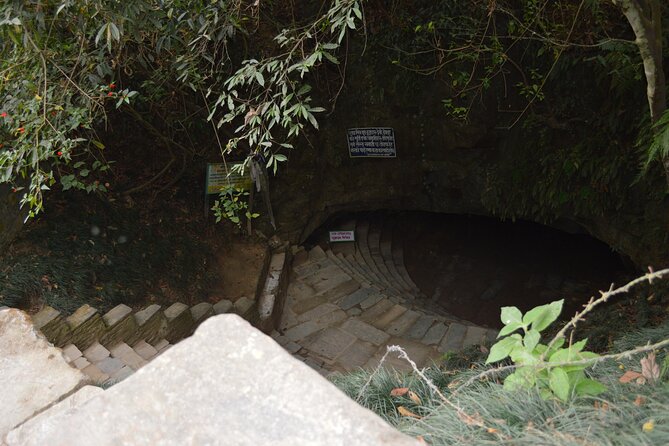
Next comes Seti River Gorge, known for water that looks milky as it flows deep from the surface. The gorge is short on time, with about 30 minutes here, and admission is not included.
What makes this stop special is the visual effect. From the viewing area, you get that sense of volume and depth, even though you are not going down into the gorge. You are seeing a natural feature shaped by a river system, and the color difference is part of what people remember.
The drawback is also built in: this is more about the view from above than a walk-and-explore stop. If you were hoping for lots of time at the gorge itself, the schedule might feel tight.
Stop 3: Mahendra Cave, Fossils Over Your Head
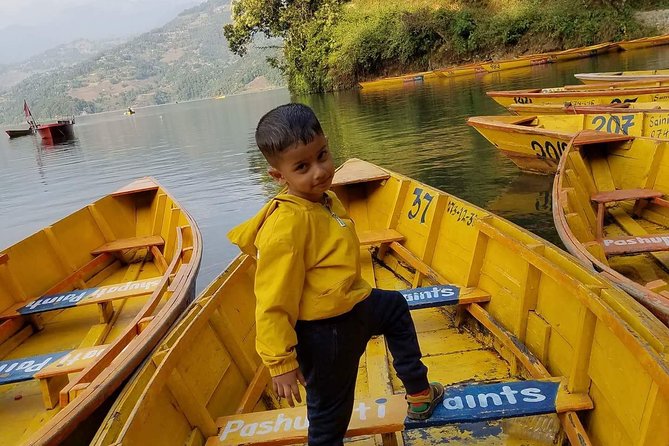
Then you head to Mahendra Cave, another 30-minute stop. This one leans more “natural wonder” than “religion.”
Inside, you are told to look for fossils on the ceiling and to notice the natural smells of clay. That is a useful clue because caves can feel generic if you are just passing through. If you know what you are looking for, you can make the visit more meaningful in a short time.
Admission is not included here, and again the clock is real. Thirty minutes usually means a quick circuit, not a long linger. Still, fossils on the ceiling plus the cave atmosphere can be memorable even in a short visit.
Practical note: caves can be slippery. Move slowly, especially if you are near shaded spots where floors can feel slick.
Stop 4: Pumdikot Shiva Statue and the View Over Fewa Lake
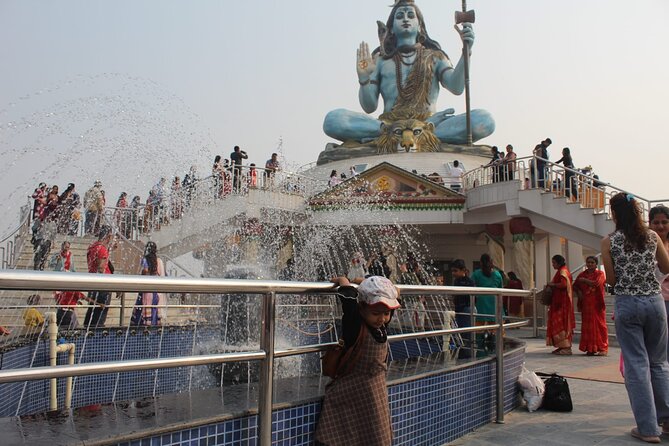
Now you drive up to Pumdikot, where Asia’s largest Shiva idol sits. This is a viewpoint stop as much as it is a temple visit.
You explore the temple area and then get one of the best combos Pokhara does well: Annapurna scenery and Fewa Lake views from a hilltop position. It is a good moment to pause, look out, and reset after the darker cave time.
Admission for this stop is listed as free, and the time is 30 minutes. That often works because hilltop areas are easier to enjoy quickly. You can see what matters without needing a long route.
If you want a photo where mountains and water are both in frame, this is the one I’d prioritize.
Stop 5: Gupteswar Gupha Cave and the 140-Meter Depth
Next is Gupteswar Gupha Cave, described as a natural cave reaching 140 meters in depth. This is another site where the details matter because the tour time is still around 30 minutes, and admission is not included.
Inside, you are guided to notice a fossil ceiling and to watch for a view of water falling from the bottom of the cave. That sets your expectations and makes the visit feel more like a guided observation than a quick walk-through.
Gupteswar also includes hundreds of stairs. So yes, your legs have already had a warm-up, and now they get a second round. If you are expecting this to be an easy day, calibrate now.
My practical tip: if you want good photos, do not rush the steps. People often trip while trying to frame a shot and then lose their stamina for the rest of the day.
Stop 6: Devi’s Fall, Water Power in a Short Stop
After the caves, the tour switches gears to Devi’s Fall. It is one of those Pokhara sights that feels very visual even if you do not know much about it ahead of time.
The schedule here is again 30 minutes, and admission is not included. The goal is to see the waterfall and enjoy the area’s view.
This stop is a nice break from the stair-heavy sequence. It lets you look outward, breathe, and appreciate water in motion. If you have been indoors or under rock surfaces earlier, the change of scenery is a relief.
Stop 7: Phewa Tal and Lakeside Time on Your Own
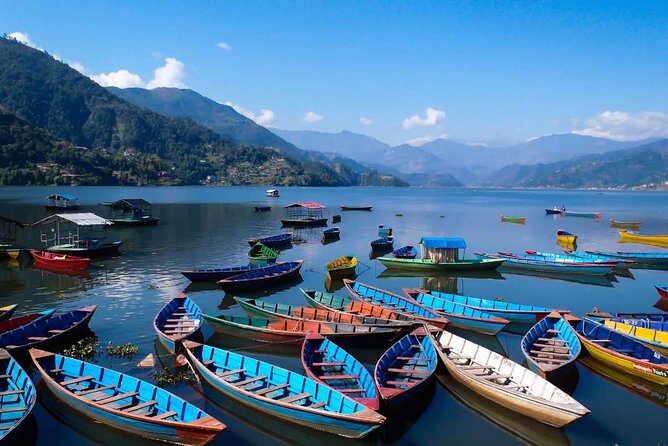
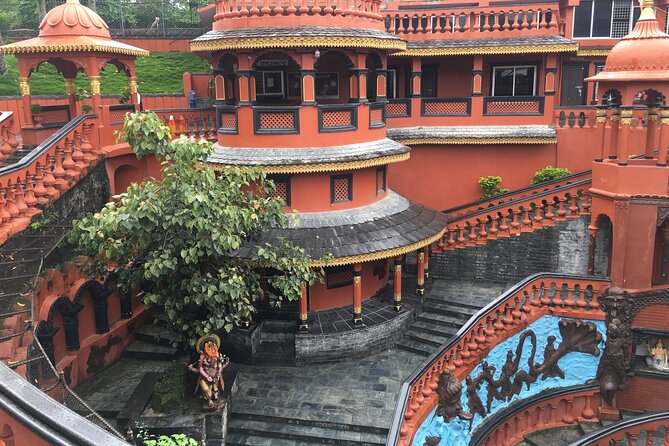
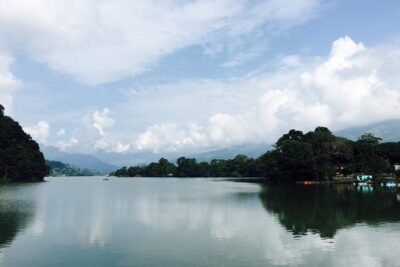
Finally, you end at Phewa Tal, the big lake everyone talks about in Pokhara. This is the more flexible part of the day.
The tour drops you at Phewa Tal after visiting the earlier sights, and it is your chance to explore the lakeside area on your own. Admission is listed as free, and the stop time is 30 minutes.
Because this part is less structured, it is where you can make your own choices. You might just walk a bit, grab a snack, or browse lakeside scenes so you can decide where you want to spend more time later.
Also, since your activity ends back at the meeting point on Lakeside Road, this wrap-up is meant to keep you close to where you started. It is a smart way to avoid extra transport on a short day.
What You Get From the Local Guide (and When You Might Not)
Even with a budget focus, you do not just sit on a bus and guess what you are looking at. A local guide accompanies you and explains the story behind temples, caves, waterfalls, and viewpoints.
That matters because these sites are not always obvious. For example, knowing to look for fossils on cave ceilings, or understanding why the gorge water looks milky, makes a short stop much more satisfying.
In the feedback I reviewed while preparing for this write-up, one name came up as a bright spot: Mr Sunil Dahal. The recurring theme was that he was friendly and helpful, especially when people felt tight on budget. That kind of on-the-ground support is exactly what turns a low-cost tour into a good value trip.
Still, one practical consideration: the schedule is fixed, and each stop is short. If you want very deep explanations or you want to linger until the light is perfect, this format may feel too time-boxed.
Who This Tour Is Best For
I think this tour is a strong fit if you are:
- Traveling on a tight budget and want a structured day for low money
- In Pokhara only briefly and want a first-pass map of top sights
- Comfortable with stairs, since multiple stops involve steep step climbs
- Interested in culture and natural sites and want a guide to point out what to notice
It might be less ideal if you:
- Have limited mobility or want an easier walking day
- Want a private pace, long explanations, or a fully flexible route
- Are expecting every stop to feel like a massive jaw-drop moment, with plenty of time for photos
If you are somewhere in the middle, you can still make it work. Treat it as a highlight circuit, then plan a return visit later to whatever grabbed you.
Should You Book This Pokhara Bus Tour?
If your goal is maximum Pokhara in minimum time and money, I say yes, book it. The combination of a low base price, shared transport, and a guide who covers temples, caves, and viewpoints is exactly the kind of value that helps when you want to see a lot without burning your budget.
If your top priority is a slow, flexible, photo-safari day, you might want something else. This tour keeps things moving, and the caves and temples demand energy with all those steps.
My final advice: go in with the right mindset. Bring water, expect stairs, and focus on the “why” behind what you’re seeing. Do that, and you will come away with a useful overview of Pokhara and a few places you will want to return to.
FAQ
What is the start time and where do I meet for this Pokhara tour?
The tour starts at 9:45 am. Your meeting point is Pushpa Guest House No 15, Lakeside Rd 6, Pokhara 33700, Nepal.
How long is the tour?
The duration is about 4 to 6 hours.
Does the tour include hotel pickup and drop-off?
Hotel pickup and drop-off are included if you selected that option. Otherwise, the tour starts and ends at the meeting point on Lakeside Road.
Is the tour fully guided?
Yes. A local guide accompanies you and explains the temples, caves, waterfalls, and other sites during the route.
Are meals included?
No. All meals are not included, but meals may be available to purchase.
Are entrance fees included in the price?
No. Entrance fees are not included, and the total is listed as approximately US$ 13 per person.
Will I be on my own or in a group?
You will be in a group on a shared bus. The tour has a maximum of 25 travelers.
What is the cancellation policy?
You can cancel for free. You can cancel up to 24 hours in advance for a full refund, based on the experience’s local time.
Latest Pokhara write-ups
- 12 Days Annapurna Circuit Trek from Pokhara★ 5.0 · 4 reviews
- Mardi Himal Trek Fixed Departure (March 1,7; Nov 3,10,17 2023)★ 5.0 · 4 reviews
- 1 Day Trishuli Rafting from Pokhara★ 5.0 · 4 reviews
- Paragliding in Pokhara★ 5.0 · 4 reviews
- 3-Day Ghandruk Loop Trek from Pokhara★ 5.0 · 4 reviews
- Ghorepani Poonhill Trek★ 5.0 · 4 reviews
- Pokhara: Annapurna Base Camp Trek Multi-Day Guided Tour★ 5.0 · 4 reviews
- 2 Iconic Suspension Bridge Tour in Pokhara★ 5.0 · 4 reviews
Private Drivers, compared.

1-Hour Mount Everest Flight with Private Transfer
Read our review →
Kathmandu To Manthali Airport (Ramechhap) – Transport Service
Read our review →
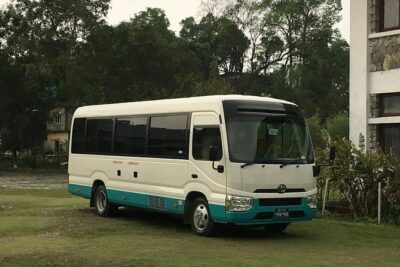
Ac Toyota Coaster Deluxe Coach From Pokhara to Kathmandu
Read our review →Browse the lists this tour appears in