Reviewed · GUIDED
Independent Trekking Guide in Pokhara
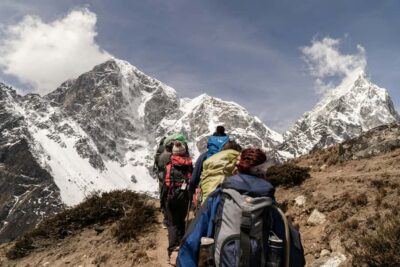
Trekking out of Pokhara with an independent guide is interesting because you’re not locked into some one-size itinerary. A guide who can match you to the right Annapurna region route, then handle permits, transport, and tea house logistics, makes the whole thing feel far less stressful.
I really like the flexible, private setup for your group (up to 8 people) and the fact that the guide is also a trained photographer, so you get more than just directions. The one consideration is that the base price is only for a day, and food, accommodation, permits, and transport may be extra unless you choose the full package.
Key Things That Make This Trek Guide Setup Worth It
- A guide matches the trek to your ability and goals, then helps you book the whole plan
- Private group trekking means your pace can stay human, not herd-like
- Permits, transport, tea house lodging, and meals can be organized for you (especially with a package)
- Practical safety gear is included, like rain ponchos, head lamps, trekking poles, and sleeping bags
- Photo support is part of the trip, with binoculars plus a Canon DSLR carried by the guide
- Porters are optional, at an extra cost, with a clear 20 kg luggage help limit per porter
Choosing Your Trek: The Annapurna Region, But With Real Flexibility
When people say Annapurna trekking, it can sound like a single product. This is different. The guide’s whole job is to figure out what you want, then recommend the best trek option for your group based on your details and fitness level.
You can also choose the trekking days. That matters because the Annapurna region has routes that feel very different depending on how much time you give them. With this setup, you are not forced to rush or pad days just to match a fixed departure schedule. If your group wants steady walking with lots of scenic breaks, you can build for that. If you want to move faster and see more, your guide can help shape the plan around your goals.
I also appreciate that you can book a trek and later change to the next one, or cancel for free after you connect with the guide. That’s not a small thing in Nepal, where weather and logistics can shift quickly, especially during peak seasons.
More to compare around Pokhara
- ZipFlyer Nepal – The World’s Steepest Zip-line
★ 5.0 · 608 reviews - Bungee Pokhara by HighGround Adventures
★ 5.0 · 366 reviews - From Pokhara: Sarangkot Sunrise Himalayas Tour
★ 4.7 · 218 reviews
Pokhara Start, Kathmandu Pickup for Specific Treks
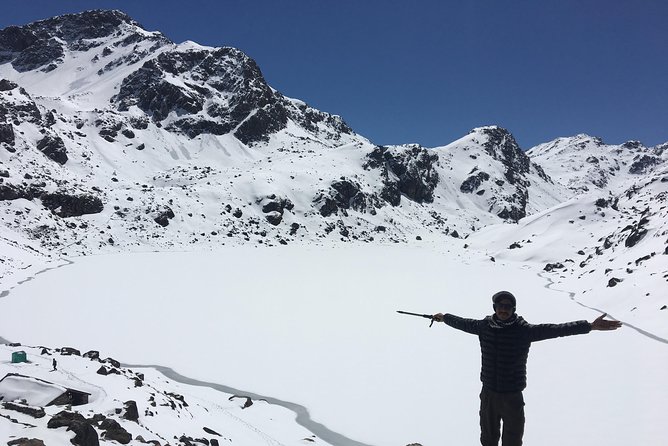
Most treks start from Pokhara, and that lines up nicely with how most people build Nepal trips. You get a local base, then head out into the mountains with pickup offered.
There is a catch, but it’s a useful one. For the Annapurna Circuit, Langtang, and Gosaikunda treks, the guide arranges pickup from Kathmandu. That lets you plan your city days with less scrambling later.
So before you commit, think about your wider itinerary. If you’re already in Kathmandu, a trek that pulls you out from there can reduce backtracking. If you want to ease in with a Pokhara hang time, then choose one of the options that begins in Pokhara.
How Permits, Transport, Food, and Tea Houses Get Handled
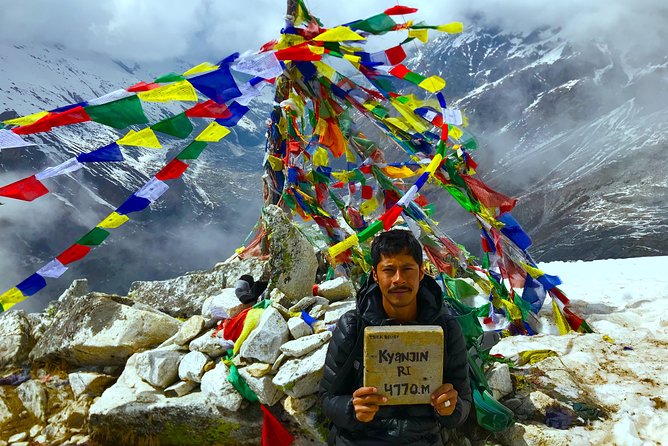
This is one of the most valuable parts of hiring an independent guide: the guide handles the practical mountain paperwork and day-to-day coordination.
Here’s what the guide can organize:
- Trekking permits
- Transportation
- Lodging and fooding in tea houses along the trail
But it’s important to understand what’s included in the price you pay. The base price you see, $50 per group (up to 8), is described as payment for one day only, not the whole trek. And food and accommodation are listed as not included unless you book a full package.
What that means for you: you can go in two ways.
1) Choose a simpler booking where you pay for the guide day and handle some other parts separately, or
2) Choose the full package trek, where the guide, porters (if added), food, accommodations, transports, and trekking permits are part of the plan.
If you want the lowest mental load, the full package is the clear winner. It also tends to reduce misunderstandings, because one team is coordinating the full chain of logistics.
Gear and Safety: What You’re Given Before You Hit the Trail
Nepal trekking can go from pleasant to rough fast, mostly due to weather, temperature drops, and fatigue. I like that this guide setup includes safety and comfort items rather than leaving you to guess what you need.
You’re provided:
- Trekking poles
- Sleeping bags
- Pair of rain ponchos
- Head lamps
And the guide emphasizes they get prepared to the highest extent possible for safety.
That gear mix helps on the days when rain turns the trail slick and when sunset comes earlier than you expect. Head lamps are especially useful because tea house evenings often come with early darkness and late paperwork, like confirming next day plans.
One more detail I appreciate is that service animals are allowed, which is a real signal that the operator thinks about different needs. You still need moderate physical fitness, but the approach is flexible.
A different sort of day out of Pokhara:
- ATV Adventure Tour in Pokhara, Nepal
★ 5.0 · 194 reviews - Full-Day Tibetan Cultural Tour to Tibetan Settlements Pokhara
★ 5.0 · 184 reviews - Pokhara: Full-Day Sharing Bus Tour on 7 Iconic Destination
★ 4.1 · 179 reviews - Poon hill Trek 3 days
★ 5.0 · 176 reviews
Photo Help With Roshan and His Camera Kit
This is not just a trek guide who points and walks away. The guide is also a photographer and a trekking guide trainer from the Ministry of Tourism, Nepal. That background shows up in the way they plan the day and in the extras they bring.
Included with the guide are:
- 8X21 Bushnell binoculars
- Canon 5D Mark IV DSLR with a landscape lens carried by the guide
Then there’s the coaching angle. The guide offers cool photos of your trek along with explanations about photography, plus natural, cultural, socio economic, and geographical aspects of Nepal based on your interests.
In plain terms, you don’t just stop for photos. You learn how to see better. That can change how much you enjoy the long walking days, because you start noticing patterns, light, villages, and mountain shapes that you might otherwise miss.
If your group includes non-photographers, this still works. Photo stops can become storytelling breaks, and those breaks often feel better than forcing everyone to stand quietly at viewpoints.
Porters, Luggage Weight, and Keeping Your Legs Happy
You don’t need a porter, but it can be a huge upgrade if you want your body to enjoy the trek rather than carry logistics.
Porters are available for an extra charge of USD 20 per porter per day. They can help with luggage up to 20 kg.
Here’s the practical takeaway: if you bring heavy gear, a porter helps you keep a lighter pack. A lighter pack often means fewer slow downs, fewer knee complaints, and better morale at altitude. If you keep your load sensible already, you might skip the added cost.
Also, since the guide can organize accommodation and meals, it’s smart to pack with that rhythm in mind. Often, tea houses handle basic needs, so you don’t need every comfort item you’d carry on a self-supported trip.
What a 5-Day Trek Feels Like When Your Guide Adjusts the Pace
The duration is listed as 5 days (approx.), and it’s framed as customizable. Since the exact route is not fixed in the information provided, the best way to picture the “itinerary” is by the daily rhythm your guide builds.
You’ll generally have:
- A first day focused on getting sorted and starting (with pickup and transport if needed)
- Several trekking days where your guide adjusts the pace to your group
- Tea house nights where lodging and meals fit the day’s progress
- Time for viewpoints, photo moments, and breaks that don’t feel rushed
The guide’s promise is that trekking days are your choice. That likely means you can push for more walking if your group is strong, or shorten a day if you need recovery. It also means you can respond to conditions, like weather and trail difficulty.
A possible drawback of a flexible trek is that you need to communicate clearly. If your group wants a gentle walk, say so early. If you’re aiming for bigger mileage, tell the guide right away. When expectations are clear, flexibility works wonders.
And because this is a private tour/activity limited to your group, your guide can focus on your pace and needs rather than managing mixed abilities.
Who This Private Guide Setup Suits Best
This is a great match if you want a trek that feels personalized without becoming a DIY project.
It suits you if:
- You have moderate physical fitness and want a guide who can match a route to your ability
- You’re traveling with a group, family, or friends and want private attention
- You care about getting the route right, instead of guessing
- You like the idea of learning a bit about Nepal’s natural and cultural context, not just collecting photos
It might not be ideal if you want a totally self-directed route with zero coordination. Even with flexibility, the guide is doing the planning and booking, so you’ll work best with an approach that’s more collaboration than control.
Also, note the group size detail. The price is per group up to 8. If you have a bigger crew, you may still be able to arrange something, but the data here references packages up to 50 pax, which suggests they can scale with the right booking type.
Price and Value: $50 Per Group Per Day, Plus What to Budget
Let’s talk money in a grounded way. The listed price is $50.00 per group (up to 8), and it’s noted as payment for 1 day only, not the entire trek.
That means the value depends on what you want included:
- The base rate covers the English speaking professional trekking guide for that day, plus included trekking gear for trekkers and certain items carried by the guide (binoculars and DSLR).
- Food, accommodation, permits, and transport are not included unless you book the full package booking.
So when does it feel like a bargain?
- If you choose a full package, you’re paying for less hassle, fewer separate bookings, and a guide who coordinates the chain from permits to tea house nights.
- If you only need guided planning for a day or want to mix and match, you might pay less upfront, but you’ll likely handle more parts yourself or through additional arrangements.
Also consider porters. They add cost, but they can protect your knees and energy. For many groups, that trade is worth it.
One more detail: this kind of trek is often booked ahead. The experience is listed as typically booked about 93 days in advance. If your dates are firm, plan early so you don’t get pushed into a less ideal trekking plan.
Weather Matters and Cancellations Are Weather-Centered
Trekking in Nepal is weather-dependent, and this experience explicitly requires good weather. If it’s canceled due to poor weather, you’re offered a different date or a full refund.
In real life, this is one of the signs of a setup that takes the mountains seriously. You want an operator who doesn’t push ahead just to meet a schedule.
Should You Book an Independent Trekking Guide in Pokhara?
If you want a trek that feels planned for your actual group and your actual energy level, I’d book this style of guide. The big reasons are the private flexibility, the guide’s ability to organize permits and tea house logistics, and the practical gear provided for safety.
The main reason to pause is if you’re expecting the headline price to cover everything. The base amount is for one day, and food and accommodation may be extra unless you pick the full package.
If you’re willing to choose the right package option, communicate your fitness and preferences early, and bring a sensible mindset about weather, this can turn a complicated trip into something smooth and enjoyable.
FAQ
What time does the trekking guide day start?
The meeting point start time is 8:00 am. Pickup is offered.
How long is the trek with this guide?
The duration is listed as 5 days (approx.), with trekking days described as your choice depending on the plan.
Is the $50 price for the whole trek?
No. The price is described as payment for one day only, not the whole trek.
Does the price include food, accommodation, permits, and transport?
Not by default. Food and accommodations, trekking permits, and transportation are listed as not included, but they can be included if you book a full package trek.
Are porters available, and how much luggage can they carry?
Yes. Porters are available for USD 20 per porter per day, and they can help with luggage up to 20 kg.
What happens if the trek can’t run due to weather?
The experience requires good weather. If it’s canceled due to poor weather, you’ll be offered a different date or a full refund.
Latest Pokhara write-ups
- Sunrise View from Sarangkot★ 5.0 · 3 reviews
- Beautiful Sarankot Sunrise with Full Day Sightseeing in Pokhara★ 4.5 · 3 reviews
- Sarangkot Sunrise Tour in Private Car★ 5.0 · 3 reviews
- Pumdikot Mahadev Status and Peace Stupa Hiking Private Tour★ 4.5 · 3 reviews
- Pokhara: Dhampus Easy Trek for Families with YoungKids 2 Day Tour★ 5.0 · 3 reviews
- Pokhara: Private Car Drive Tour to World Peace Stupa★ 5.0 · 3 reviews
- 5-Day Private Farming Experience in Nayapul with Accommodation★ 5.0 · 3 reviews
- Transfer to Lower Mustang (Jomsom)★ 5.0 · 3 reviews
Guided, compared.