
Reviewed · FULL-DAY TOURS IN KATHMANDU
Full Day Guided Tour in Kathmandu
A full day like this is interesting because you do not just hop between famous monuments. You get a guided flow through four major spiritual stops in Kathmandu Valley, each with its own rules, sights, and rhythms. The car, jeep, or van takes the stress out of logistics, so you can spend your energy on seeing and learning, not figuring out routes.
I love how the day is paced for real viewing, not a checklist sprint. I also like the small group setup, up to 15 people, paired with pickup and purified drinking water, which makes the experience feel smoother from minute one. Plus, the guide is government licensed, so you get explanations that match what you are actually looking at.
One consideration is that the big entry fees are not included. You should plan for about $20 per person in attraction entry costs, and you will also be doing some walking and climbing at temple sites, including stairs.
Key things that make this tour worth your time
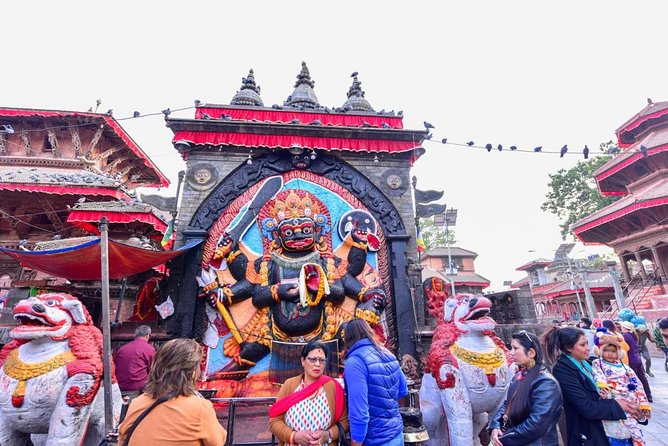
- Four iconic sites in one day: Patan Durbar Square, Pashupatinath, Boudhanath, and Swayambhunath are tackled in a logical route.
- Government licensed guide: you get context for what you see, and someone is keeping the day on track.
- Hotel pickup and drop-off: less hassle in Kathmandu, especially if you want a calm start.
- Spiritual atmosphere with practical etiquette: Hindu and Buddhist sites mean you follow local behavior, not just take photos.
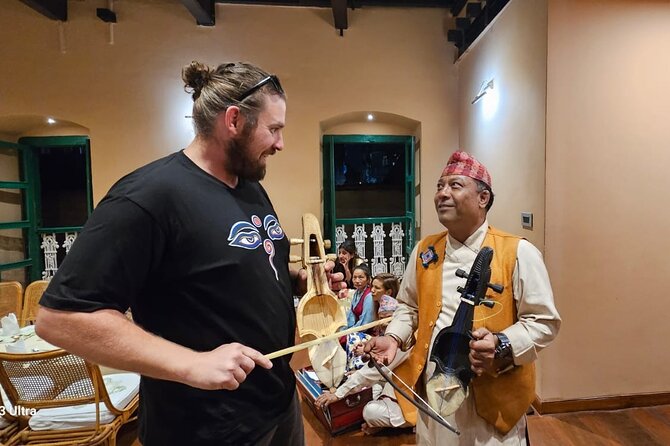
- Pacing that can flex: one past run included a guide named Jaya who adjusted the pace and could start later if needed.
Why this Kathmandu Valley route makes sense in one day
Kathmandu can feel chaotic fast. Traffic, noise, and long distances can turn sightseeing into a waiting game. This tour helps by building a day around four close to each other, high-impact stops, with a guide who keeps you moving efficiently while still letting you actually look.
The timing is also friendly for most schedules. It typically runs about 4 to 6 hours, starting at 9:15 am, which is early enough to beat some of the worst crowds, but not so early that you are half asleep staring at temples. The group size cap of 15 matters too. In a smaller group, you get fewer bottlenecks at ticket areas, stairways, and temple courtyards.
In my view, the biggest value is the translation of what you see into something meaningful. These are not generic photo stops. You are walking through sacred spaces where local people pray, make offerings, and observe traditions. A guide helps you read the scene correctly, including when to be quiet, where you should stand, and how to respect boundaries.
You also get a basic comfort layer that is easy to overlook until you are tired. Purified drinking water is included, and you are picked up and dropped off at your hotel. If you want a day that feels organized without being stiff, this setup fits.
More Full-Day Tours in Kathmandu
- Kathmandu: Full-Day 7 UNESCO Tour with Lunch – Private/Group
★ 4.9 · 247 reviews - Patan and Bhaktapur City Full Day Tour
★ 5.0 · 24 reviews - Kathmandu and Surrounding Full-Day Mountain Biking Tour
★ 4.7 · 12 reviews
Patan Durbar Square: carvings, courtyards, and the feel of a living museum
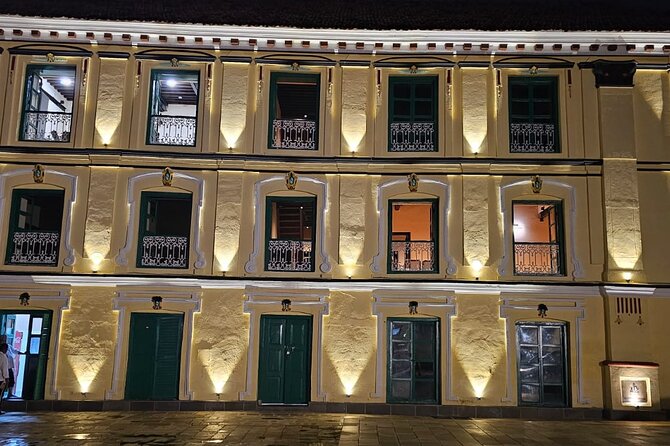
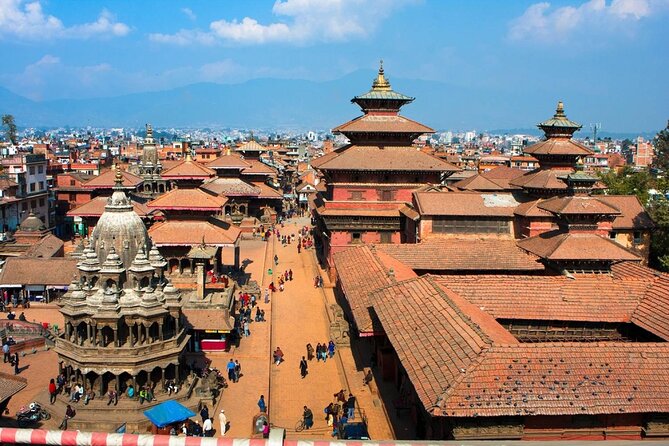
Patan Durbar Square is the kind of place where the details are the whole point. You get a strong dose of old architecture, temple forms, and stonework that can take your eyes a while to track. It is like a museum, but you experience it in real time, with local life continuing around the historic core.
Expect to spend around two hours here. That is a good amount. Too little time, and you rush past the carved windows, struts, and courtyard rhythms. Too much time, and you start reading everything as the same style. With two hours, you can actually slow down and compare the different building elements.
What is practical here is the guide’s ability to point out what to notice. Durbar squares can look like one big stone scene from a distance. With guidance, you start noticing the differences between structures, the way artisans shaped the surfaces, and why certain places attract attention.
A small downside: Patan Durbar Square is outdoors and busy. If the day gets hot or you are sensitive to sun, bring a hat and plan for uneven walking surfaces. Still, it is one of the best places in the valley to understand why Nepal’s craftsmanship is so famous.
Pashupatinath Temple on the Bagmati River: seeing sacred Hindu rituals respectfully
Pashupatinath is one of those must-do stops for anyone interested in how religion works in daily life. It sits beside a river, and the setting is part of the experience. You will see people praying and making offerings. The guide will help you understand what you are observing and how to behave in a place that is sacred for many locals.
Plan for about one hour at Pashupatinath. That is enough time to take in the main riverfront activity and to understand the basic flow of ceremonies without feeling like you are stuck. It is also a realistic time window, because sacred spaces can have moving crowds and shifting access points.
The key thing here is respect. Temples are not like sightseeing halls, and your best moments will come from watching quietly and following local cues. This is especially true near ceremony areas, where being too intrusive or loud can ruin not only your experience but everyone else’s.
One more consideration: you may see dramatic ceremony elements, described as flames dancing in the tour overview. If that is the kind of sight that makes you uncomfortable, you can still enjoy the broader setting. A guide can help you understand what is happening from a respectful distance and help you navigate where you can comfortably watch.
Boudhanath Stupa: prayer wheels, incense air, and calm that feels intentional
Boudhanath Stupa is famous for a reason. The white dome is visually striking, and the energy around it is steady. This is a place where people slow down. You walk around the stupa, hear chants, and often see prayer wheels spinning as visitors move in a loop.
You will have about one hour here. Again, that is a practical duration. One hour lets you walk a full circuit, stop to observe how different people pray, and still keep the day moving. This stop works especially well if you want a mental break from the heavier crowd scenes found at some other major temples.
The best way to use this time is not only to look at the stupa, but to watch the behaviors around it. People chant in different rhythms. Some visitors pause longer than others. If you do not rush, you start noticing patterns, like where the line of movement naturally slows and where the sound is strongest.
The tour includes a guide visit that focuses on Buddhist practice and learning from the experience. You may also have a chance to meet monks, depending on what is happening on the day. Even without that extra moment, Boudhanath is a powerful introduction to Buddhist devotional life because it is visible in action, not just in objects.
More to compare around Kathmandu
- Kathmandu: 7 UNESCO Sites with Lunch
★ 4.8 · 744 reviews - Everest Base Camp Helicopter Tour landing at Everest View Hotel
★ 5.0 · 668 reviews - Kathmandu: Local Women-Led Nepali Cooking & Momo Class
★ 4.9 · 360 reviews - Manaslu Circuit Trek
★ 5.0 · 292 reviews
Swayambhunath (Monkey Temple): hilltop views, stair steps, and how to handle the monkeys
Swayambhunath sits high up, and that elevation is the reason you get the panoramic views. It is also why the visit includes stairs. Expect about one hour on site, which is right for taking in the main stupa area and the surrounding views without exhausting yourself.
The tour describes cheeky monkeys around the temple. They are part of the experience, but they can also be part of the hassle if you are careless. Keep your hands close when eating. Keep bags secured. If a monkey approaches, do not encourage it. You are in their space too.
This is another place where a guide makes a difference. With someone who knows the site flow, you are more likely to find calmer viewpoints and avoid the most chaotic stair congestion. In a well-run day, you spend time looking at the view and the temple elements rather than fighting the crowd.
If you care about the Kathmandu Valley story as a whole, Swayambhunath is a strong final stop. It adds a different tone. Earlier stops focus heavily on specific rituals and sacred spaces. Here, the hilltop view lets you see the valley’s spread, and the temple complex gives you a clear sense of how religion and daily movement coexist.
How the logistics work, and why small-group days feel better
Let’s talk about the nuts and bolts, because they matter more than you think in Kathmandu.
You start at 9:15 am. You get pickup and drop-off from your hotel. Transportation is handled in a car, jeep, or van based on group size. That means you are not negotiating with taxis between sites, and you are not paying for multiple rides during the day.
The group maximum is 15 travelers. This is a sweet spot. Big groups can turn temples into traffic jams. Smaller groups move more smoothly through entrances and stair segments. In practice, it usually means you get enough time at each stop to ask questions without your group leader having to constantly usher people forward.
There is also a mobile ticket. That sounds minor, but it cuts down on friction. Fewer delays at the point where things start can mean you actually reach sites with the time you were promised.
One detail I appreciate from the past run with a guide named Jaya: pacing can adjust. The tour can even start slightly later when schedules need it. That tells you the day is managed with flexibility, not just a rigid timetable.
Finally, the day depends on weather. The experience requires good weather, and if it is canceled due to poor conditions, you are offered a different date or a full refund. Plan for this if you are traveling during rainy or changeable periods.
Price and value, including the $20 per person entry fees
The tour price is $5 per person. That is so low it almost feels like a trick, but the fine print is what explains it. The $5 covers the guided experience and the core services. It does not cover attraction entry fees.
You should plan for about $20 per person in entry fees for the sightseeing stops. Food and drinks are also not included, and you will want to bring money for snacks, water beyond what is provided, and any small personal costs.
So what do you actually get for the money?
- Government licensed tour guide for the full day
- Transport (car, jeep, or van based on group size)
- Pickup and drop-off from your hotel
- Purified drinking water
- Taxes and office service charges
In value terms, the guide and pickup are doing a lot of the heavy lifting. In Kathmandu, reducing transit friction saves time, and saving time is part of paying for a good guide. If you are trying to cover four major sites without burning half the day coordinating rides, this is the kind of bargain that can still feel good even after you add the entry fees.
One more thing to consider is tips. Tips for the guide and driver are not included. If you want a smooth, friendly day and the guide takes you to the right spots, set aside a reasonable amount.
Who should book this guided day, and who might skip it

This tour is a strong match if you want:
- A structured day with four major spiritual sites
- A licensed guide to help with etiquette and context
- Hotel pickup so you spend more energy on the sights
It is also a good fit if you like an easy pace. One past run described the day as nicely paced, with four sights being enough for a single day if you want a relaxed rhythm.
You might think twice if you:
- Hate stairs and crowded stairways (Swayambhunath is stair-heavy)
- Are very sensitive to ceremonial sights (Pashupatinath can be intense)
- Want a totally independent day with no group structure
Also, timing matters. During certain festival periods, crowds can rise and the atmosphere changes. One prior experience mentioned a Shiva festival date, which made the day feel more alive and crowded. If you enjoy cultural energy and do not mind crowds, those dates can be a win. If you want calm, you may prefer more quiet days.
Should you book this full-day guided tour in Kathmandu?
Book it if you want a guided, organized day that covers the big spiritual pillars of Kathmandu Valley in a few focused hours. The combination of hotel pickup, a government licensed guide, and purified water removes common friction points. The small group size capped at 15 keeps the experience from turning into a stampede.
Skip it if you already know you want to self-explore slowly, or if you do not want to pay extra entry fees on top of the headline price. Also consider skipping if you have mobility limits and know that stair-heavy sites like Swayambhunath will be tough.
If your goal is to get your bearings fast, understand what you are seeing, and leave with a stronger sense of Kathmandu Valley culture, this is a solid pick.
FAQ
How long is the Kathmandu full-day guided tour?
The tour usually runs about 4 to 6 hours.
What time does the tour start?
The start time is 9:15 am.
What is included in the price?
It includes transportation (car, jeep, or van), a government licensed tour guide, purified drinking water, hotel pickup and drop-off, and government taxes and office service charges.
What entry costs are not included?
Entry fees for the sightseeing attractions are not included, and they are listed as $20.00 per person.
Does the tour offer hotel pickup and drop-off?
Yes. Pickup and drop-off from and to your hotel are included.
Is cancellation free, and what if weather is bad?
Cancellation is free up to 24 hours in advance for a full refund. The experience requires good weather, and if it is canceled due to poor weather, you will be offered a different date or a full refund.
Latest Kathmandu write-ups
- 16 Days Island Peak Climbing With Everest Base Camp Private Trip★ 5.0 · 3 reviews
- 15 Days Round Annapurna Trek with Poon Hill from Pokhara★ 5.0 · 5 reviews
- Private Nepal round trip including Ghorepani Poonhill trek★ 5.0 · 3 reviews
- Everest Base Camp Trekking 16 Days★ 4.0 · 7 reviews
- 14 Days Luxury Annapurna Base Camp Trek★ 5.0 · 6 reviews
- Everest Base Camp Trek★ 5.0 · 32 reviews
- Everest Base Camp Trek★ 5.0 · 87 reviews
- 14 Days Annapurna Base Camp Trekking | Best trek for visit Nepal 2020★ 5.0 · 19 reviews
Full-Day Tours in Kathmandu, compared.
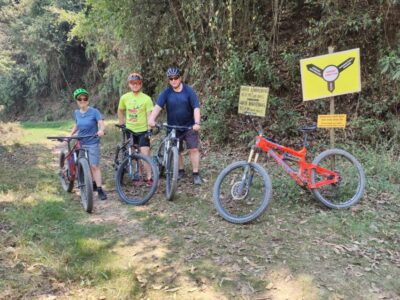
Kathmandu and Surrounding Full-Day Mountain Biking Tour
Read our review →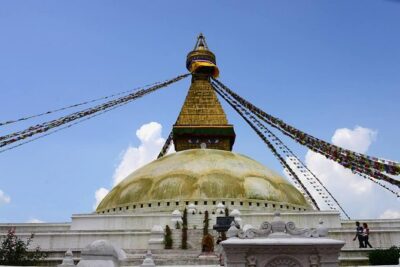
Private Full-Day Tour of Kathmandu Valley With World Heritage Temples and Patan
Read our review →
Escorted Full Day Pharping, Dakshinkali and Kirtipur Day Trip with Newari Lunch
Read our review →
Kathmandu’s 7 UNESCO Heritage Gems: Private Full-Day Tour
Read our review →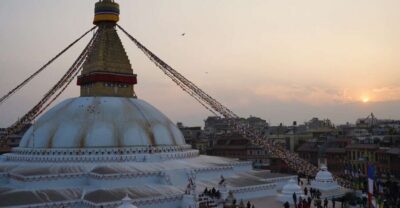
Browse the lists this tour appears in