
Reviewed · UNESCO WORLD HERITAGE SITES
Kathmandu: 7 UNESCO-Listed city sites group day trip
Kathmandu can feel like a blur of temples and traffic, but a planned UNESCO loop makes the city click. This 7-site day focuses on the big spiritual and royal landmarks, with stops that explain how Hindu and Buddhist traditions live side by side.
I like two things most. First, you get a licensed English guide who helps you read the symbolism instead of just photographing stone. Second, the route hits both the famous highlights and the quieter sculpted details, including Changu Narayan and the Bagmati River rites at Pashupatinath. One consideration: it is a long day with walking and stairs, so it is not a good fit if you have mobility limits or motion sickness.
If you want a single day that teaches you how Kathmandu Valley works, this tour gives you that framework fast. You’ll also spend enough time at each site to look closely, ask questions, and catch the views from Swayambhunath without feeling completely rushed.
Key highlights you will feel in this day trip
- Swayambhunath’s panoramic hilltop views, plus time to wander and take photos at your own pace
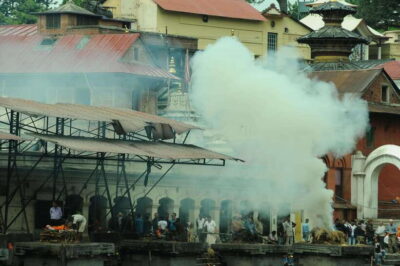
- Pashupatinath by the Bagmati River, where you can see Hindu cremation and other rites up close
- Three Durbar Squares across Kathmandu, Patan, and Bhaktapur, each showing royal-era Newari craftsmanship
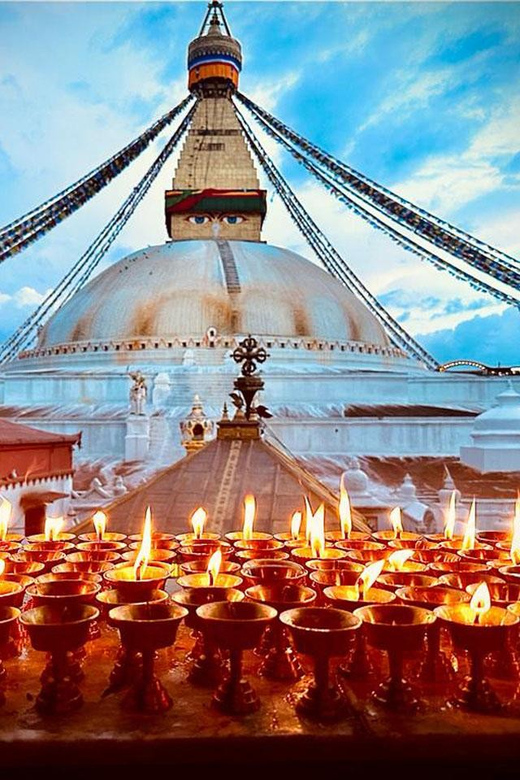
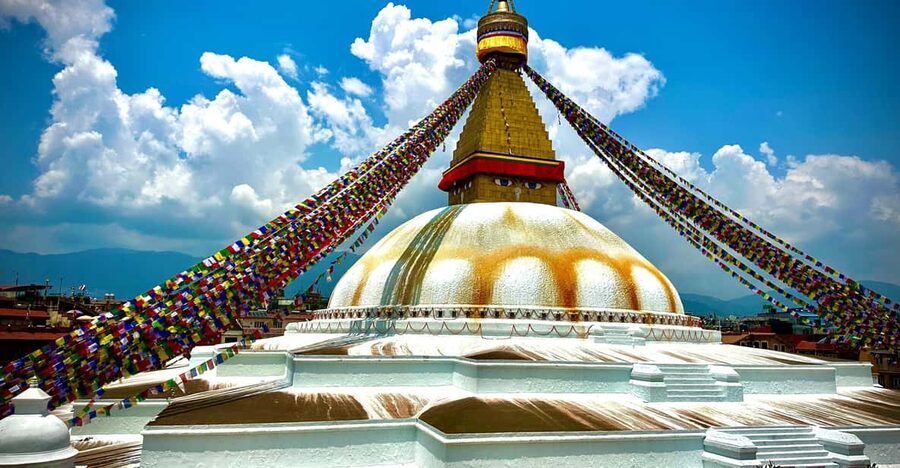
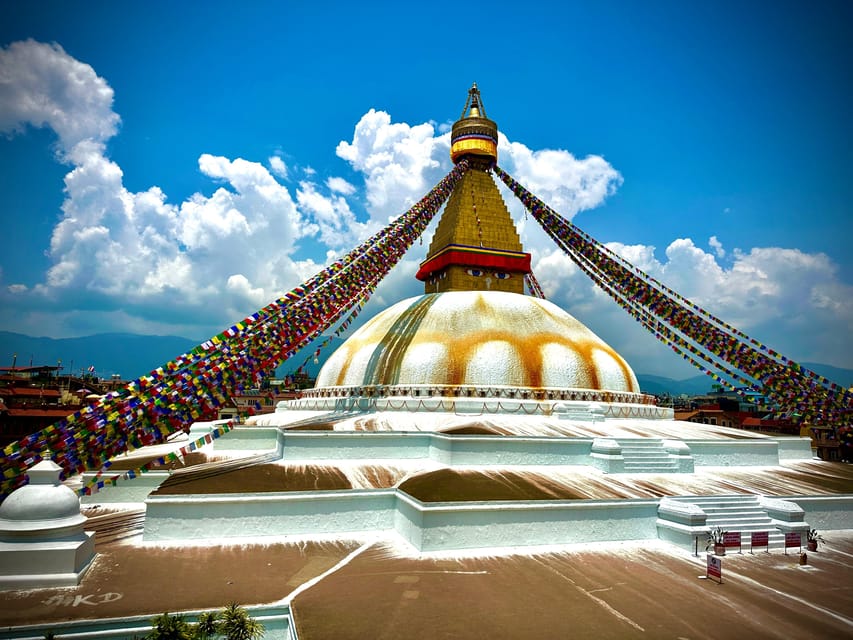
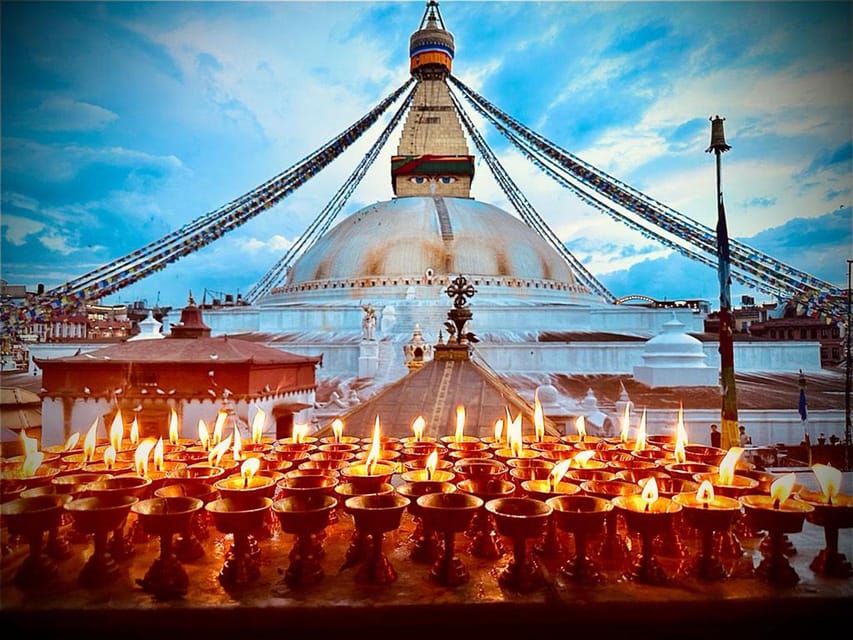
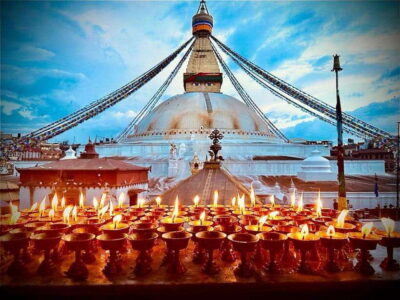
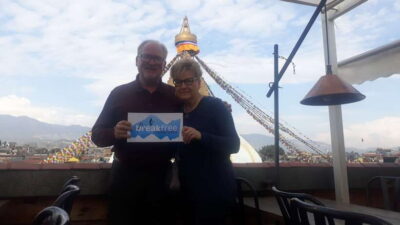
- Boudhanath Stupa’s scale and rhythm, with space to watch devotees walking around the mandala
- Changu Narayan’s older sculptural detail, perfect for slowing down after the heavier sites
How a 7-UNESCO loop makes Kathmandu Valley make sense
Kathmandu Valley UNESCO sites can feel overwhelming if you try to do them alone. This kind of private, full-day circuit turns the chaos into a story: power (durbar squares), devotion (stupas and temples), and daily ritual life (especially around Bagmati River).
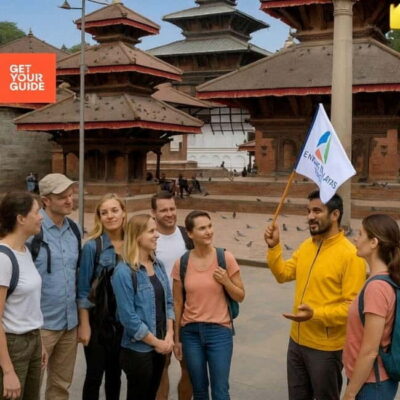
The schedule is built around a van ride between clusters of heritage sites, then guided walking at each stop. You will get a mix of structured time (guided explanations) and free time for photos, shopping, or just standing back and looking. That balance matters in a city where details are everywhere, but attention can easily get pulled by crowds and small distractions.
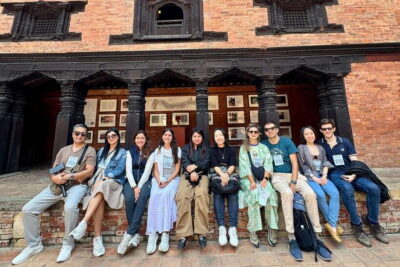
The private-group format is also practical. It is easier to ask your guide questions, and you are not stuck waiting for the pace of a larger group. All the reviews tied strongly to how responsive guides were to questions and preferences, with guide Karma and Ms Pooja specifically called out for their passion and attentiveness.
More City Tours in Kathmandu
- Kathmandu: Private City Guided Tour
★ 4.9 · 174 reviews - Kathmandu: Private Patan and Bhaktapur Sightseeing Tour
★ 4.7 · 64 reviews - 1 Day Kathmandu Valley Sightseeing Tour
★ 5.0 · 37 reviews
Swayambhunath Stupa: hilltop views and the easiest first win
Most people start to understand Kathmandu the moment they reach Swayambhunath. This Stupa sits on a hill, and you get a real sense of the valley spread below. Expect a guided visit plus photo stops, then time to walk and shop around the area if you want.
What makes Swayambhunath worth a first stop is how it sets the tone. You are not just seeing a temple, you are seeing the idea behind the complex: devotion and symbolism layered over a skyline view. The walking is part of the experience, and it is also a quick way to test whether the day’s stairs will feel manageable for you.
Practical tip: this is a good moment to take your bearings. If the rest of the day feels fast, you’ll still remember what the valley looks like from up there.
Kathmandu Durbar Square: royal space, stone details, and guided context
Kathmandu Durbar Square is where the city’s royal past becomes physical. Here, you’ll spend about 1.5 hours with a guided visit and time for free exploring. The key value is interpretation: your guide can point out what you are looking at, not just where it is located.
Durbar squares are not all the same, and that matters. Kathmandu’s version gives you a baseline for Newari artistry and the architectural language of power. If you only visit one durbar square, you might miss how the style evolves from city to city. Doing it first helps you notice differences later in Patan and Bhaktapur.
One small drawback to know upfront: durbar squares can get busy and you might have to step around people taking photos or moving through narrow passages. The private format helps, but you still need patience and comfortable shoes.
Patan Durbar Square: comparing Hindu and Buddhist influences
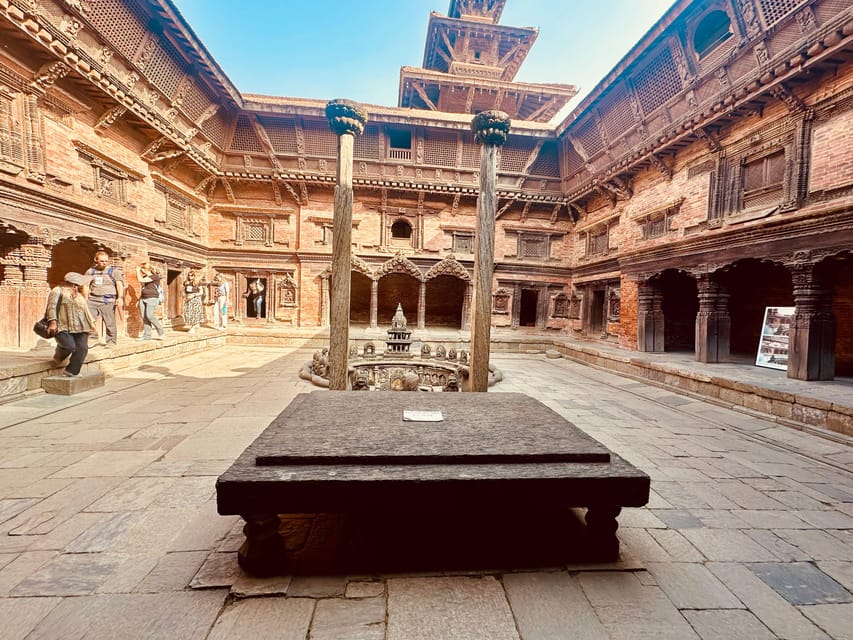
Next comes Patan Durbar Square, a stop built around 1.5 hours of guided time plus space to wander. Patan is often described as one of the best places to appreciate preserved architecture in the valley, and Patan Durbar Square fits that idea well.
This is the moment when the tour theme shifts from general royal landmarks to more specific cultural mix. Your guide can explain the blend of Hindu and Buddhist influences and how it shows up in ornamentation and layout. If you like understanding symbols, you’ll likely enjoy this stop because it feels like the tour is teaching you how to read what you see.
If you are shopping, this is also the kind of square where browsing can turn into a time sink. The schedule includes free time, but it is still a smart move to pick what you want to look for before your guide cues you to move on.
More Day Trips in Kathmandu
- Kathmandu: 7 UNESCO Sites Tour in 1 Day (Private Tour)
★ 4.9 · 204 reviews - Day Trip to Bhaktapur and Panauti from Kathmandu
★ 5.0 · 184 reviews - Himalayan White Water Rafting Day Trip from Kathmandu
★ 4.0 · 22 reviews - 1 day with our women empowerment and children development project
★ 5.0 · 7 reviews
Bhaktapur Durbar Square at twilight: a medieval feel in the late day
Bhaktapur Durbar Square is scheduled for a later part of the day, and the timing is intentional. You will have about 2 hours, and the experience is framed as the charm of the medieval city as twilight sets in.
Twilight changes how stone looks. Carvings and shadows stand out differently, and you can feel more of the slower pace the streets tend to have at day’s end. With a guide, this also becomes a cultural lesson rather than just a photo stop.
Here’s the practical thing to consider: Bhaktapur is still a walking stop. You will want to pace yourself and take breaks when you get the chance, because you will have another temple after this before the day ends.
Changu Narayan Temple: the small stop that rewards slow attention
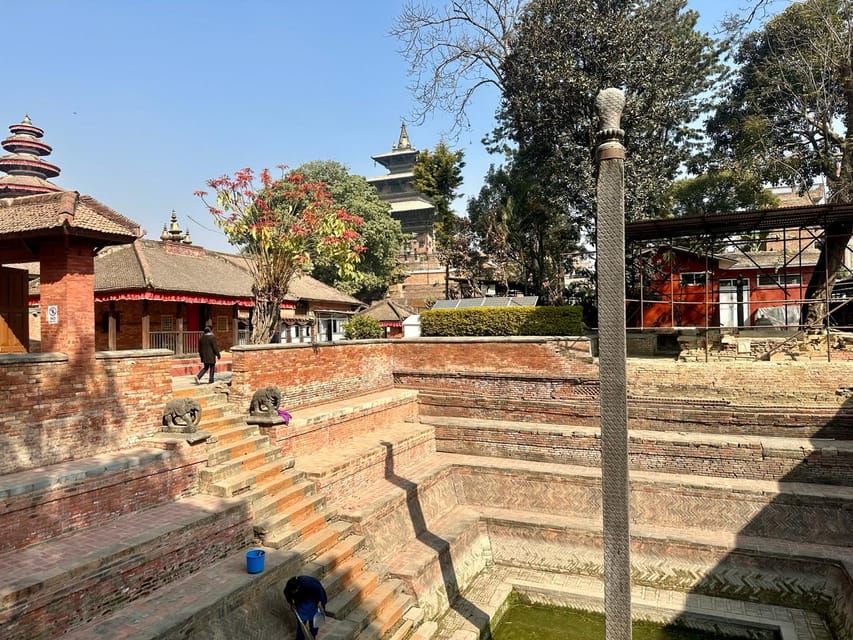
Changu Narayan Temple is included as a shorter stop, about 30 minutes total with guided time. That may sound brief, but the value is the kind of detail you can miss if you only rush through bigger sites.
This stop is described as a kind of sculpted, old-world break from the busier energy of the other squares and river-side area. It is also linked to ancient inscriptions and fine sculpture work, which gives you a different kind of heritage experience than the palace-style squares.
If you tend to get tired halfway through a day of monuments, this is the stop that can feel like a reset. You’ll still be moving, but it is easier to focus and absorb when the visit is shorter.
Pashupatinath Temple by the Bagmati River: ritual intensity you should be ready for
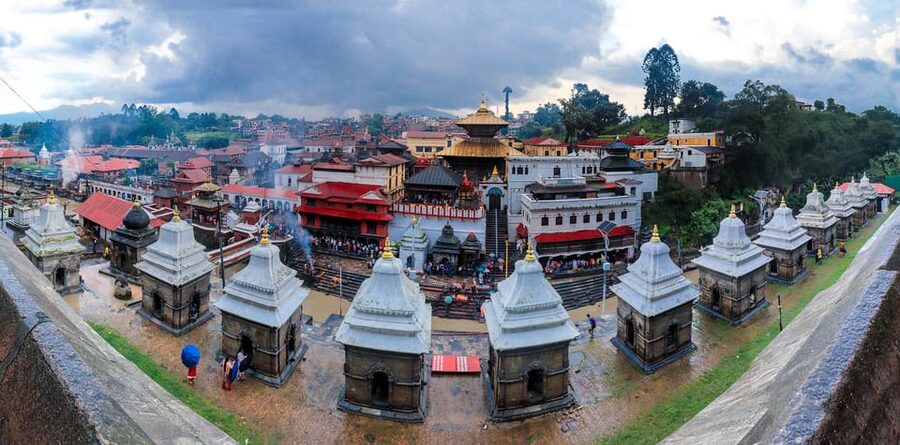
Pashupatinath is the spiritual centerpiece of the day, and it deserves its own attention. You will spend about 40 minutes, including a photo stop and a guided visit with time to look around.
This is the one area where the tour notes specifically point to cremation and other rituals by the Bagmati River. That means you may be facing scenes that feel emotionally heavy or intense, depending on your comfort level. You do not need to be shocked into understanding, but you should go in mentally prepared that this is active religious practice, not a museum display.
A guide’s role here becomes especially important. With the right explanations, you can understand what you’re seeing as part of lived Hindu belief rather than as something you only watch from the side. The reviews also highlight how guides connect sites from ancient tradition to everyday cultural meaning, and this is where that kind of commentary is most useful.
Practical advice: if you are sensitive to smoke, strong smells, or emotionally difficult imagery, take a moment at the start of the visit to decide where you want to stand and how long you want to stay.
Boudhanath Stupa: the biggest mandala and a calmer rhythm
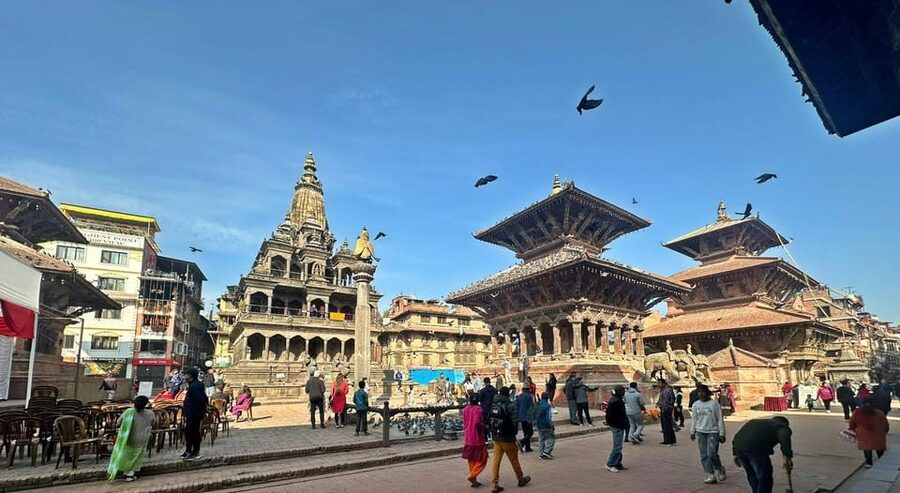
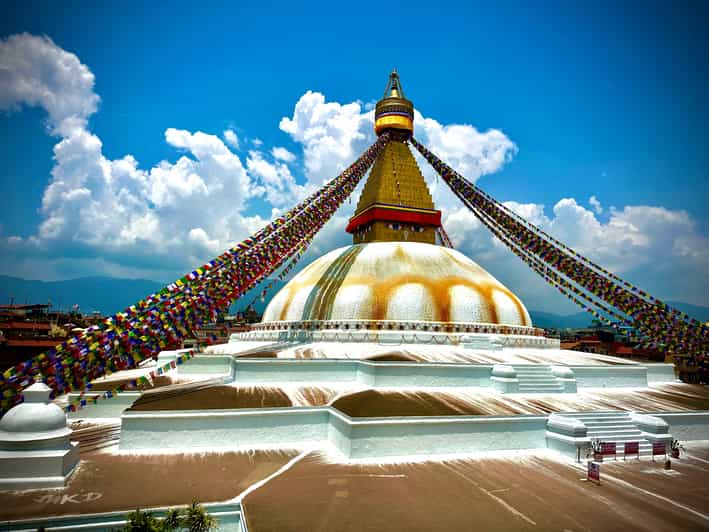
Boudhanath Stupa is a classic Kathmandu heritage stop for a reason, and the tour schedules about 1 hour here. You’ll get a guided visit plus time to walk around and take photos, with space that feels more open and slower than some of the durbar squares.
What you can expect is the scale of the mandala shape and the routine of devotees circumambulating. This stop tends to shift the day from architectural viewing to spiritual observation. Your guide can help you understand why the circular movement matters and how the site functions for worshippers.
This part of the day is also a good place to slow down if you have been running on curiosity and adrenaline. Even if you are not sure what you are looking at at first, staying still and watching for a few minutes often teaches you more than moving quickly for a photo.
Price and value: what $64 per person is really paying for
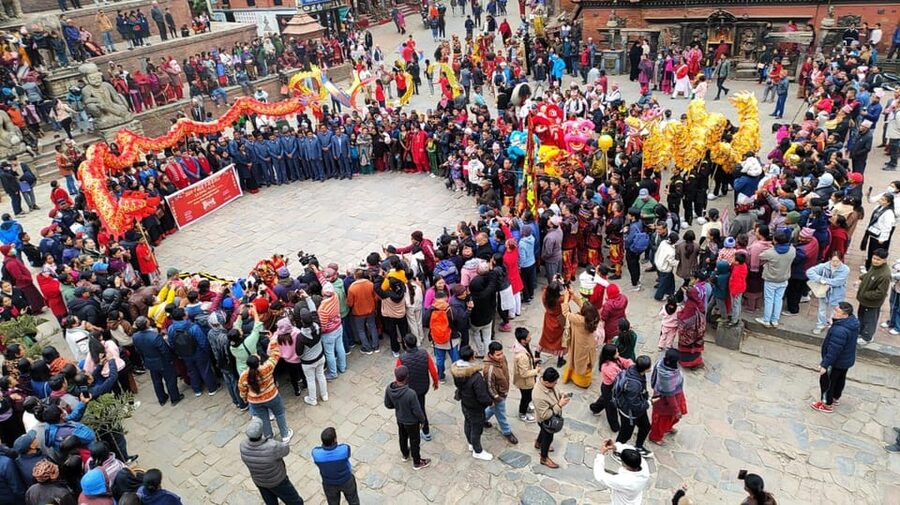
At $64 per person for an 8-hour private-day format, the price makes sense when you look at what is included. You get hotel pickup and drop-off, transportation by van, and a licensed English guide. That combination matters in Kathmandu, where timing and navigation can cost you energy.
What is not included is tickets to the heritage sites. Also, the tour offers skip the ticket line, which is helpful if you already plan to pay entrance fees at each site. Think of it as saving time at entry points, not replacing the need to buy tickets.
So the value question becomes: do you want a guide to explain what you are seeing, plus someone to handle the driving between distant sites? If yes, this is a strong deal for a packed day. If you prefer to go totally independent, you would need to handle route planning, site entry timing, and interpretation yourself.
Comfort and pacing: walking, stairs, and who should skip this
This is not a sit-everywhere tour. It includes some walking and stair climbing, and it is not suitable for wheelchair users, people needing wheelchair accessibility, or anyone who cannot manage steps comfortably.
It is also listed as not suitable for:
- children under 10
- pregnant women
- people with motion sickness
In other words, if you know your body gets cranky after repeated stairs or long walking breaks, you should take the “private and fast” part seriously. The upside is that because the group is private, your guide can respond to your pace during the visit time you are given, instead of forcing you to keep up with strangers.
Who this UNESCO circuit fits best
I’d point this tour toward people who want a guided framework for Kathmandu Valley. It is especially good if you like:
- religion and architecture as one connected story
- asking questions and getting real explanations, not just directions
- seeing multiple UNESCO sites in one day without the stress of arranging transport
It is also a solid choice for solo travelers because you still get a private group setting, plus hotel pickup and a dedicated guide. The reviews call out how responsive guides were to individual preferences, which is exactly what you want when you are not traveling with a friend who can handle the navigation.
If you are trying to keep your time tight in Kathmandu, an 8-hour format beats spending multiple days just to cover the “big names.” You still get guided time at each site, not just a quick pass-through.
Should you book this Kathmandu 7-site UNESCO day trip?
Book it if you want one day that connects Kathmandu’s royal landmarks and spiritual sites into a clear storyline, with English guidance and hotel pickup so you can focus on the heritage instead of logistics. It also looks like a strong value for the price because you are paying for transport plus a licensed guide, not just entry tickets.
Skip it if you cannot handle walking and stairs, or if scenes at Pashupatinath would feel too intense for you. Also, if you prefer slow, free-choice wandering with no set rhythm, this is likely to feel structured.
If you can manage the physical side and you want your guide to help you understand what you are looking at, this is a smart way to spend a limited day in Kathmandu Valley.
FAQ
How long is the Kathmandu UNESCO 7-sites day trip?
The tour lasts 8 hours.
Is hotel pickup and drop-off included?
Yes. Hotel pickup and drop-off are included, and the driver or guide calls to confirm your pickup details. You wait in your hotel lobby.
Do I need tickets for the heritage sites?
Yes. Tickets to the heritage sites are not included, but the tour does offer skip the ticket line.
What language is the guide?
The live guide is English.
What sites are included in the tour?
The day trip covers seven UNESCO Heritage sites, including Swayambhunath, Kathmandu Durbar Square, Patan Durbar Square, Bhaktapur Durbar Square, Changu Narayan Temple, Pashupatinath Temple, and Boudhanath Stupa.
What should I bring?
Bring passport or an ID card.
Who is this tour not suitable for?
It is not suitable for children under 10, pregnant women, wheelchair users, and people with motion sickness.
What is the cancellation policy?
It has free cancellation up to 24 hours in advance for a full refund.
More UNESCO World Heritage Sites in Kathmandu
- Kathmandu: 7 UNESCO Sites with Lunch
★ 4.8 · 744 reviews - Kathmandu: Full-Day 7 UNESCO Tour with Lunch – Private/Group
★ 4.9 · 247 reviews - Kathmandu: Top 4 UNESCO Tour with Lunch – Private/Group
★ 4.9 · 181 reviews - Kathmandu: Private UNESCO World Heritage Site Tour
★ 4.9 · 47 reviews
Latest Kathmandu write-ups
- 16 Days Island Peak Climbing With Everest Base Camp Private Trip★ 5.0 · 3 reviews
- 15 Days Round Annapurna Trek with Poon Hill from Pokhara★ 5.0 · 5 reviews
- Private Nepal round trip including Ghorepani Poonhill trek★ 5.0 · 3 reviews
- Everest Base Camp Trekking 16 Days★ 4.0 · 7 reviews
- 14 Days Luxury Annapurna Base Camp Trek★ 5.0 · 6 reviews
- Everest Base Camp Trek★ 5.0 · 32 reviews
- Everest Base Camp Trek★ 5.0 · 87 reviews
- 14 Days Annapurna Base Camp Trekking | Best trek for visit Nepal 2020★ 5.0 · 19 reviews
UNESCO World Heritage Sites, compared.
Private Kathmandu UNESCO World Heritage Sites Tour
Read our review →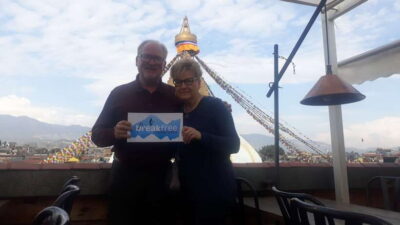
Browse the lists this tour appears in