
Reviewed · RICKSHAW RIDES
Kathmandu at Sunset: Explore the City on Rickshaw
Kathmandu at Sunset: Explore the City on Rickshaw is interesting because it flips the usual sightseeing rhythm. You move at rickshaw speed, on backstreets, at the exact hour when the city starts changing gears.
I especially like the mix of stops: temple squares for quiet watching, then market streets for sensory overload. I also love that this is a small-group style walk and ride, built around an English-speaking Nepali guide who can explain what you are seeing as you go.
The main consideration is time. The tour is listed as about 2.5 to 3 hours, but on the ground it may run shorter, so plan your evening with a little buffer.
Key highlights I think you will care about
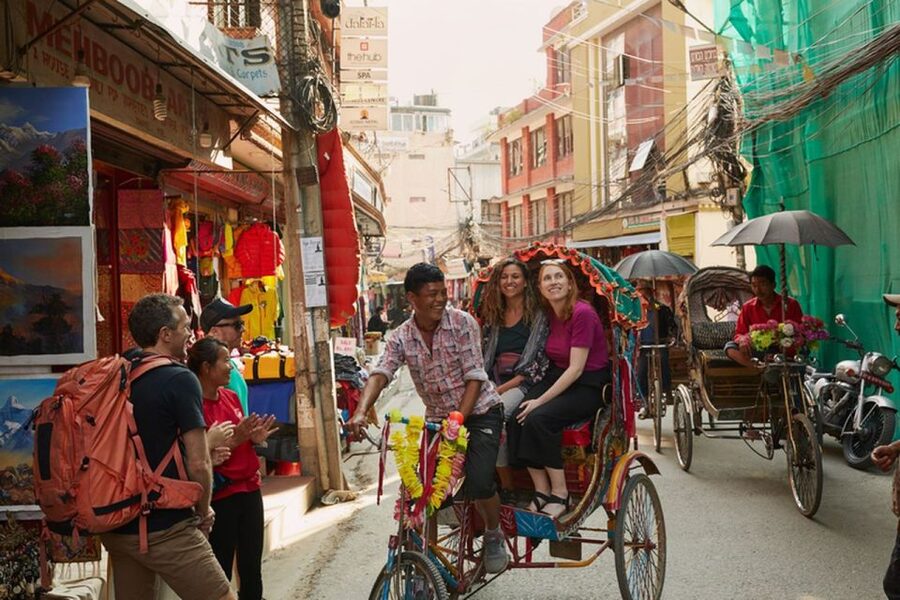
- Rickshaw streets at sunset: You get a local pace through lanes that cars and motorbikes can swallow up.
- Sigal Buddhist shrine in a quiet alley: A calmer pause that breaks up the busier areas.
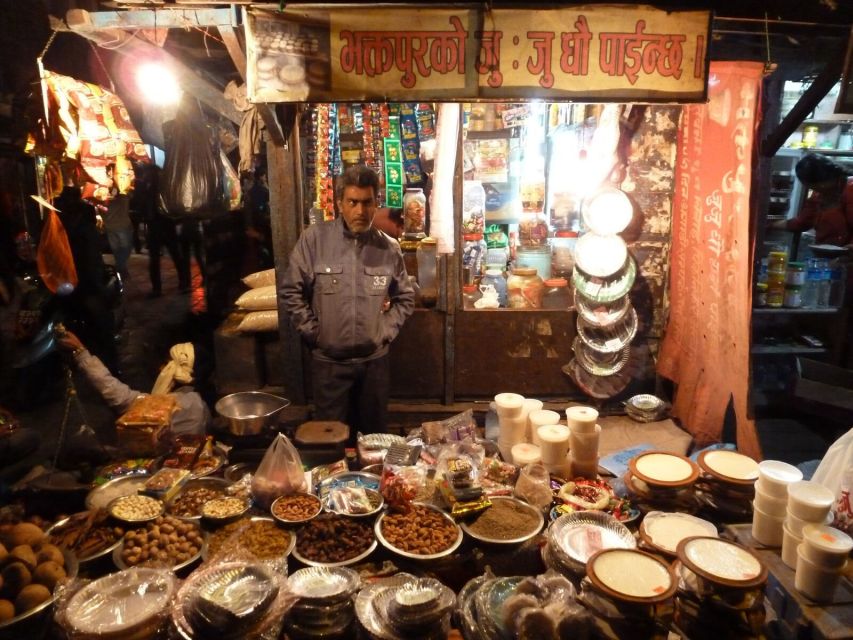
- Asan market for spices and everyday food life: You see how people actually shop when the light softens.
- Kathmandu Durbar Square with time to sit: You are not rushed through a checklist, you get to watch.
- Value includes entry fees: Kathmandu Durbar Square access and a shrine visit are part of the package.
Riding to the real Kathmandu, not just the postcard version
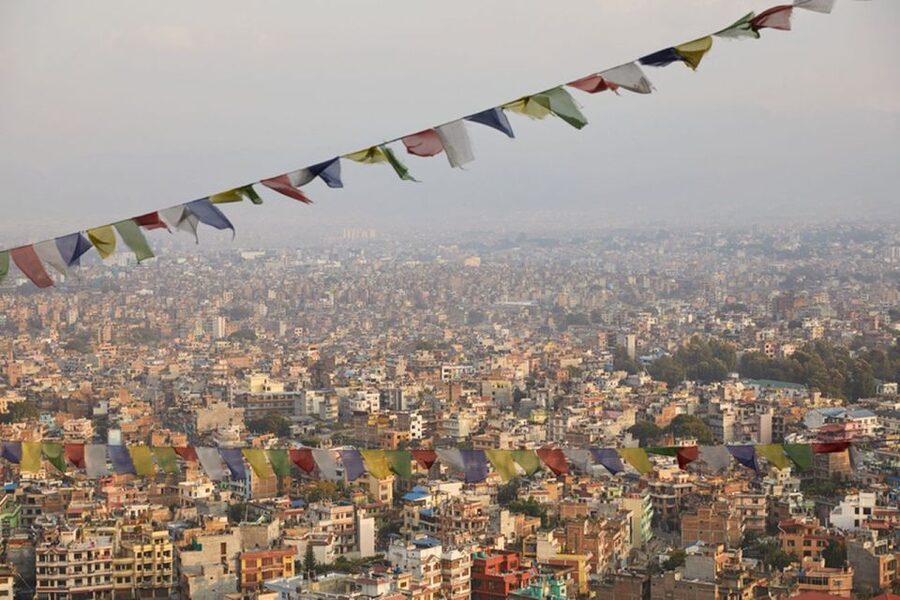
Kathmandu looks great in daylight, but it works even better at sunset. Daytime traffic and tourist motion can blur what the city is doing. In the evening, you start noticing small things again, like who is praying, who is buying what, and how people move through temple space without making a show of it.
This tour does a smart thing with its format. It pairs short walks with a rickshaw ride, so you are not stuck staring at the back of someone’s phone. You get enough slow time to take in the atmosphere, then you get lifted forward to the next cluster of sights.
Also, the experience is designed with the practical reality of Kathmandu. Modern motorbikes and cars have taken over much of the everyday transport. Here, rickshaws are hired directly from rickshaw drivers, which means your tour dollars support drivers rather than cutting them out of the equation.
More City Tours in Kathmandu
- Kathmandu: Private City Guided Tour
★ 4.9 · 174 reviews - Kathmandu: Private Patan and Bhaktapur Sightseeing Tour
★ 4.7 · 64 reviews - 1 Day Kathmandu Valley Sightseeing Tour
★ 5.0 · 37 reviews
Getting your bearings from Hotel Marshyangdi and the Thamel start
The tour meets at Hotel Marshyangdi in Thamel, on Chaksibari Marg. Thamel is the usual tourist hub, but it is also useful as a starting point because you quickly understand where you are in the larger city map.
Once you are on the pedicab or rickshaw, you will spend about an hour riding through the street web. This is not just transport. It is your warm-up, and it helps you learn how neighborhoods connect. You start to recognize the rhythm: narrow lanes, turns that feel tighter than on foot, and sudden openings where temple roofs and courtyards appear.
After the first ride chunk, there is a short Thamel visit. Fifteen minutes is not long enough to call it a full neighborhood tour, but it works as a quick orientation. You see the kind of energy Thamel is known for, then you move away from it.
If you are the type who gets restless waiting around, this pacing is a good match. The tour keeps you moving, but it does not feel like you are being yanked from place to place.
The Sigal shrine pause, where the alley quiets down
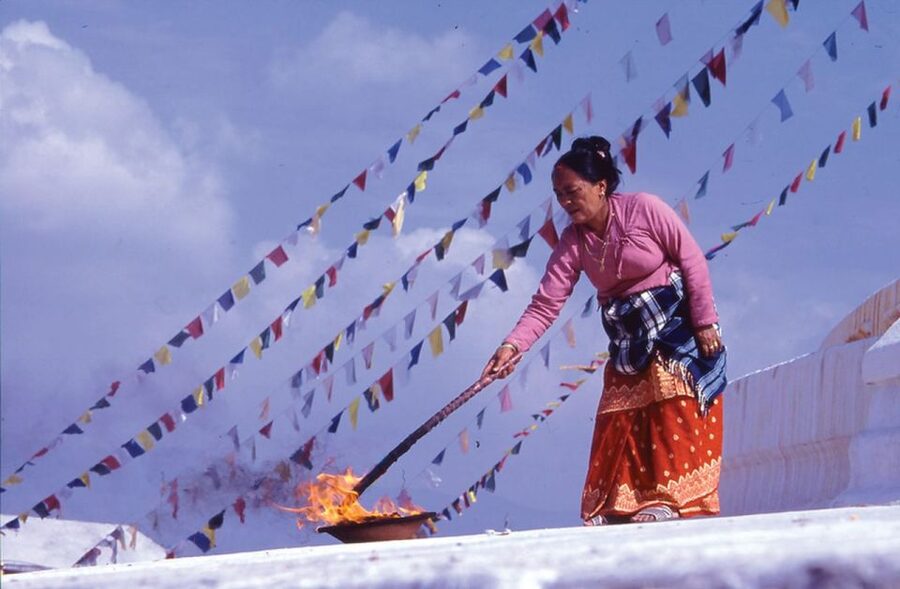
One of the best parts of the route is the small break in tone: a stop at Sigal, a tranquil Buddhist shrine a few steps inside an alley. You are coming from busier lanes, then suddenly you are in a quieter pocket.
This is valuable because it teaches you how to look. When you arrive in a temple area without a crowd pressure, you can actually watch how devotion looks in real time. People are there for the prayer rhythm, not for photos. Even if you only stay briefly, you get that lesson in attention.
Practically, this stop also helps with fatigue. A sunset tour can feel fast. A calm shrine break resets your senses so the later market and Durbar Square time feels clearer, not overloaded.
Asan market at dusk, spices and the flow of daily shopping
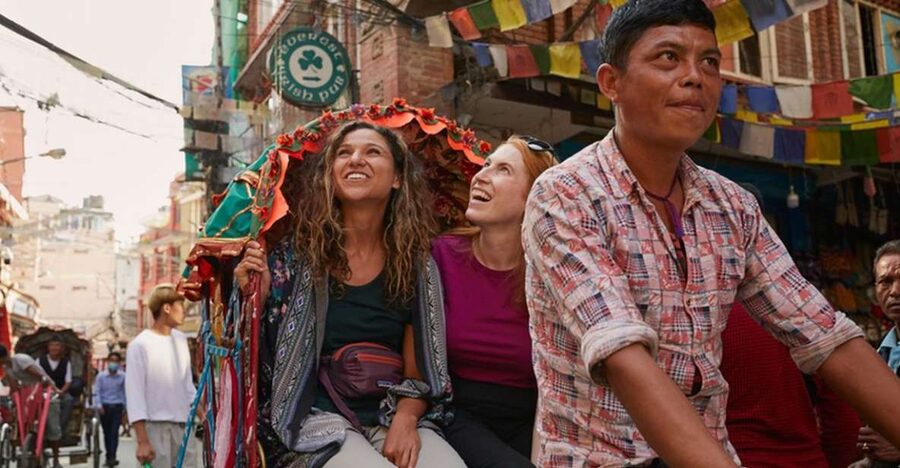
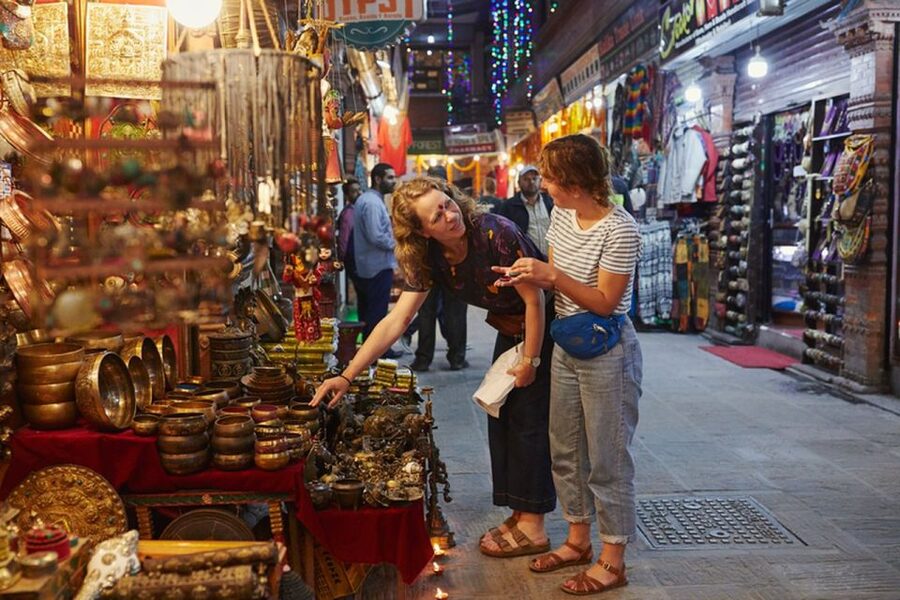
Asan is known for vegetable and spice trade, and the timing matters. At sunset, market streets often feel more human and less frantic than peak daytime moments, while still staying active. You spend about an hour here, which is the right length to do more than walk past stalls.
I like this stop because it gives you something useful that you cannot get from a quick exterior view. You learn what is being sold, how people choose, and what kinds of smells fill the air. The market is also positioned so it ties into the sacred skyline around it, with Annapurna Temple mentioned as an overlook point.
A practical tip for your experience: give yourself permission to move slowly. In markets, your instinct might be to rush through. Instead, take moments to look at hands, packaging, and how vendors respond. That is where the local texture lives.
If you do not love close-quarters crowds, you will still be okay because the tour includes guidance through the space. But you should expect a busy sensory environment, especially if you have a sensitive nose or prefer quiet settings.
More rickshaw rides in Kathmandu:
- Kathmandu Sunset Tour by Rickshaw Including Durbar Square Visit
★ 5.0 · 73 reviews - Kathmandu Food & Drink and Shopping Rickshaw Tour
★ 5.0 · 48 reviews - Kathmandu: Food, Drink and Shopping Rickshaw Tour
★ 4.9 · 15 reviews - Kathmandu: Food, Drink and Shopping Rickshaw Tour
★ 4.7 · 7 reviews
Kathmandu Durbar Square, sitting time is the point
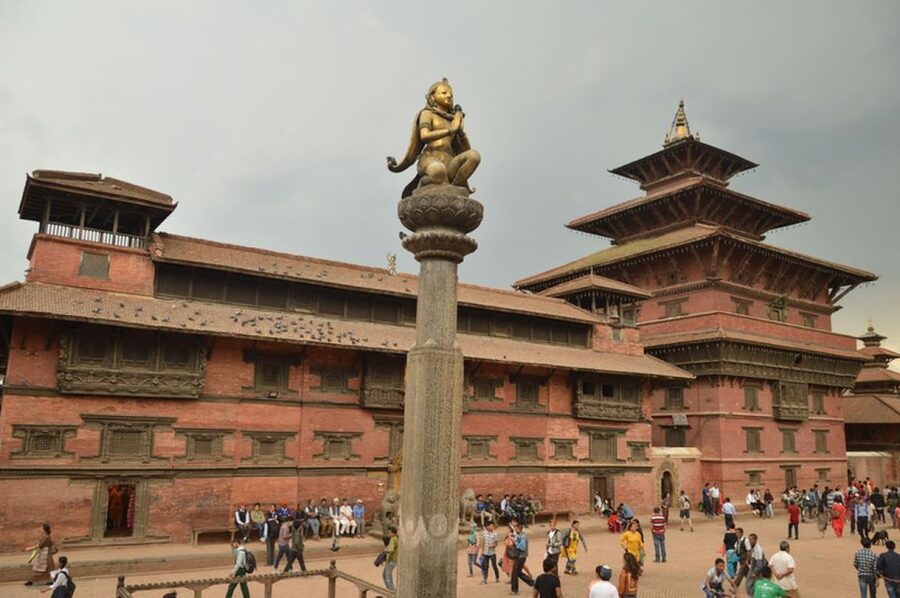
Kathmandu Durbar Square is where the tour earns its big ticket of meaning. You will have about an hour and a half in the square, and you are not sent through it like a museum line. You can park yourself in one of the temple squares and watch.
That watching time is not filler. It is the whole idea. Durbar Square is full of ongoing life: locals sipping hot chai, devotees deep in prayer, and pigeons fluttering as daily routines continue around the architecture. You see the contrast between a place that looks historic and a place that functions like a living public room.
It also matters that entrance fees to Kathmandu Durbar Square are included. That removes one common headache. When entry is covered, your guide can keep you focused on what is worth seeing rather than on paperwork and timing.
One more thoughtful element: the tour is timed so you reach the square as the light softens. That can make details easier to notice, like carvings and small shrine elements, without the harsh glare that sometimes flattens everything.
Why the rickshaw ride feels like part of the sightseeing
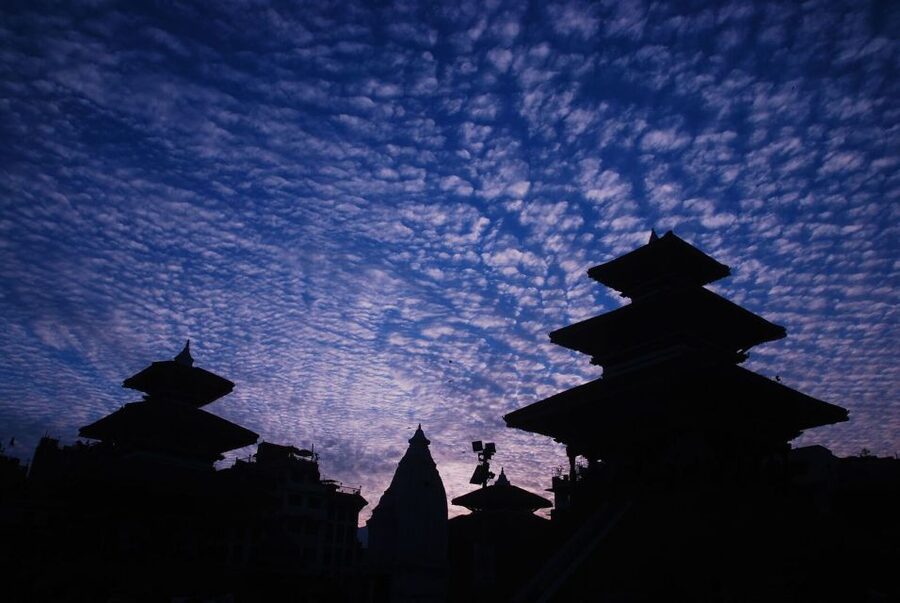
Some tours use a vehicle just to get you from Point A to Point B. This one treats the rickshaw as a moving viewpoint.
At rickshaw speed, street details stick longer in your mind. You notice the way lanes narrow and widen, how temples appear between buildings, and how people react when a quiet vehicle rolls through. It is also a more comfortable way to experience uneven walking surfaces, especially if you are traveling with tired legs.
There is also a values angle here that you should actually care about. The tour is described as carbon neutral and is operated by a B Corp certified company committed to using travel as a force for good. The rickshaw hire from drivers directly is part of that story, because rickshaws have been replaced by motorbikes and cars in everyday life.
If you care about tourism that supports the city you are visiting, this format makes sense. You are not just consuming heritage. You are paying entrance fees that support cultural preservation, and you are channeling tour money into rickshaw drivers rather than cutting them out.
Price and what makes it good value at $49
At $49 per person for 2.5 to 3 hours, the value comes from what is bundled, not just the ride. Your ticket includes:
- Rickshaw hire
- An English-speaking Nepali guide
- Entrance fee to Kathmandu Durbar Square
- Buddhist shrine visit at Sigal
That matters because Kathmandu sightseeing costs often add up through separate tickets and separate logistics. Here, you get a guided evening that covers transport, access, and context.
The big thing not included is food and drinks. That is not a deal breaker, but it changes how you should plan. If you want chai or a snack during the square watching time, you will need to budget for it yourself. The good news is the tour duration is short enough that you can still add dinner afterward without losing your whole evening.
Group size is another part of the value equation. It is limited to small group walking with up to 12 people, which typically keeps the guide attention more personal. You also have the option of private group, which can be nice if you want a calmer pace or more direct questions.
How the timing works, and what to plan for
The tour runs in the evening and lasts about 2.5 to 3 hours. You start at Hotel Marshyangdi in Thamel, then you ride for about an hour, get a short Thamel visit, spend time at Asan for around an hour, and then spend the bulk of your sightseeing at Kathmandu Durbar Square for about an hour and a half.
That structure is smart because it reduces the hardest decision-making. Markets can sprawl and temple squares can feel overwhelming. The time blocks are long enough to feel present, but short enough that you can keep moving without fatigue taking over.
One caution, based on real-world experiences: some departures may feel shorter than the headline duration. So I recommend you keep your last evening plans flexible. If you have a hard dinner reservation or a late flight to catch right after, give yourself a safety cushion.
Who this rickshaw sunset tour is best for
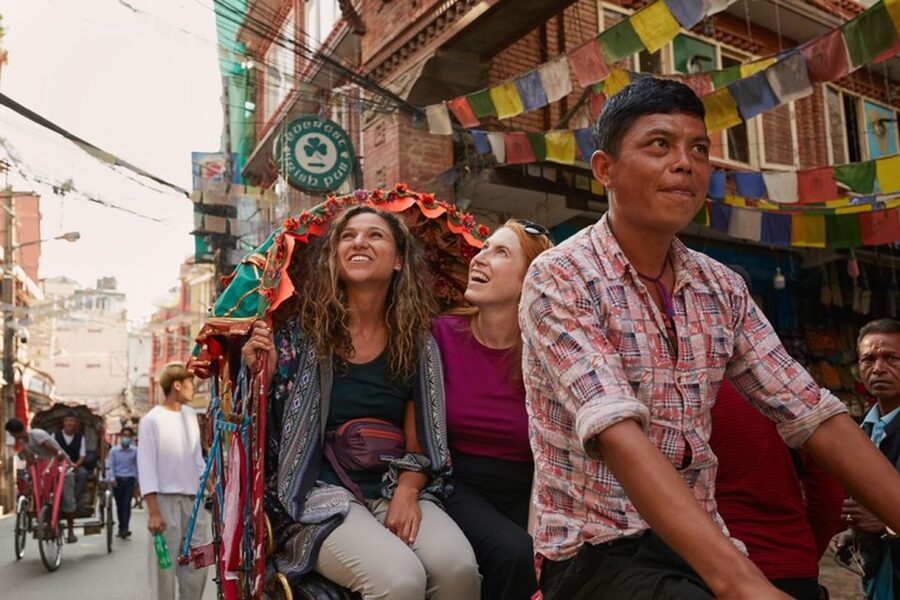
This experience is a great fit if you want authentic street-level Kathmandu without spending your whole trip planning route logistics. It works well for people who like guided interpretation, but also like to roam briefly on their own, especially in Durbar Square.
It is also a good choice if you want a more sustainable and locally supportive style of sightseeing. The tour format keeps you on a non-motorized vehicle where possible, and the operator’s stated commitment to carbon neutrality and heritage preservation adds an extra layer of intent.
Families should note the age guidance: children must be 6 to 11 years inclusive to be eligible, and children below 6 are permitted on the tour. If you are traveling with young kids, this is worth considering carefully because it is an evening activity with walking plus a ride.
If you dislike crowds, narrow streets, and market smells, you might find Asan a bit intense. You can still enjoy the rickshaw ride and Durbar Square, but you should be mentally ready for a sensory market stop.
Should you book Kathmandu at Sunset on a rickshaw?
Book it if you want Kathmandu at street speed, with just enough structure to hit the right sights without racing through them. I think the biggest reasons to say yes are the Sigal shrine pause and the time at Kathmandu Durbar Square where you can sit and watch life happening, not just look at buildings.
Skip it if your idea of an evening tour is quiet and strictly museum-like, or if you have no interest in markets at all. Also, if you are the type who needs everything to run exactly to schedule, plan a little slack time, since the on-the-ground experience can run shorter than the listed duration.
If you do book, wear comfortable footwear and keep your expectations grounded. This is not a luxury ride, it is a real city night. That is the point.
FAQ
Where does the Kathmandu at Sunset rickshaw tour start?
It meets at Hotel Marshyangdi, Chaksibari Marg, Thamel, Kathmandu.
How long is the tour?
The duration is listed as 2.5 to 3 hours.
What is the price per person?
The price is $49 per person.
What is included in the price?
Included are rickshaw hire, an English-speaking Nepali guide, the entrance fee to Kathmandu Durbar Square, and a Buddhist shrine visit to Sigal.
What is not included?
Food and drinks are not included.
Is the group small?
Yes. It is described as a small group walking tour for up to 12 people, and private group options are available.
Are children allowed?
Children must be 6 years old to 11 years old inclusive. Children below 6 are permitted on the tour.
Is there flexibility for booking and cancellation?
There is free cancellation up to 24 hours in advance for a full refund, and you can reserve now and pay later.
Latest Kathmandu write-ups
- 16 Days Island Peak Climbing With Everest Base Camp Private Trip★ 5.0 · 3 reviews
- 15 Days Round Annapurna Trek with Poon Hill from Pokhara★ 5.0 · 5 reviews
- Private Nepal round trip including Ghorepani Poonhill trek★ 5.0 · 3 reviews
- Everest Base Camp Trekking 16 Days★ 4.0 · 7 reviews
- 14 Days Luxury Annapurna Base Camp Trek★ 5.0 · 6 reviews
- Everest Base Camp Trek★ 5.0 · 32 reviews
- Everest Base Camp Trek★ 5.0 · 87 reviews
- Everest Base Camp Trek★ 5.0 · 97 reviews
Rickshaw Rides, compared.
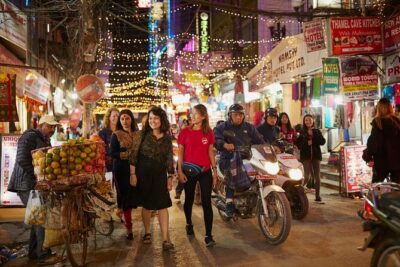
Kathmandu Sunset Tour by Rickshaw Including Durbar Square Visit
Read our review →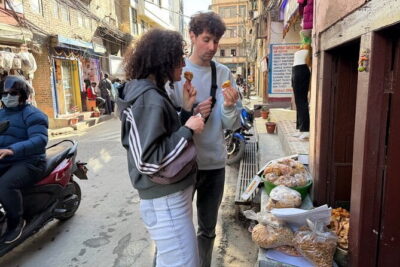
Kathmandu Food & Drink and Shopping Rickshaw Tour
Read our review →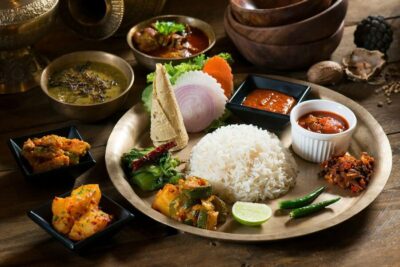
Browse the lists this tour appears in