
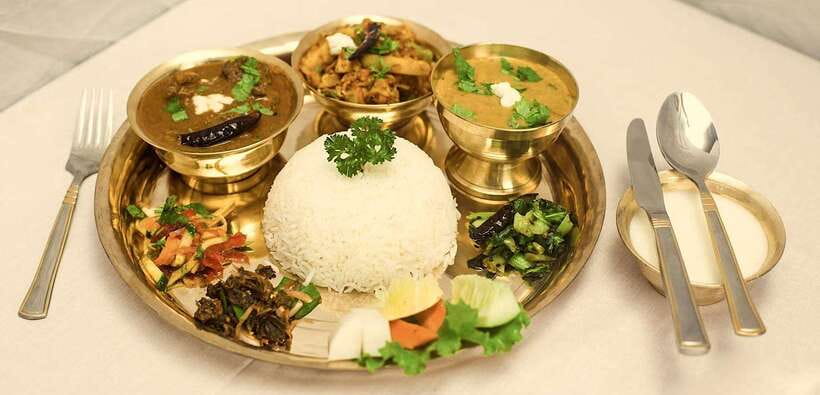
Reviewed · THAMEL
Kathmandu: Guided Food/ Drink Tasting walking Tour in Thamel
A Kathmandu guided food and drink walking tour in Thamel is interesting because it turns street life into a fast lesson you can taste. You are not just eating, you are learning how everyday Nepalese flavors connect to neighborhoods, markets, and community traditions. Think of Thamel to Kathmandu markets as your open-air classroom.
Two things I love about this experience. First, you get an English-speaking local guide who can answer questions patiently and adjust quickly when you request vegetarian options. Second, the menu-style variety is real, with staples like momo plus Newari dishes, breads, and sweets.
One consideration before you book: this is a walking tour, and it is not suitable for wheelchair users. It is also not suitable for people with food allergies, since you will be sampling multiple local foods and drinks.
Key highlights worth your attention
- English-speaking local guide who stays flexible and answers questions with patience
- 9+ local foods for tasting, including momo, chatamari, sel roti, and samosas
- Secret streets of Kathmandu, plus market time in Ason Bazaar, Basantapur, and Indra Chowk
- Street food classics like pani puri, chatpate, and laphing
- Newari specialties such as bara and choila, for a deeper look at Kathmandu’s culinary roots
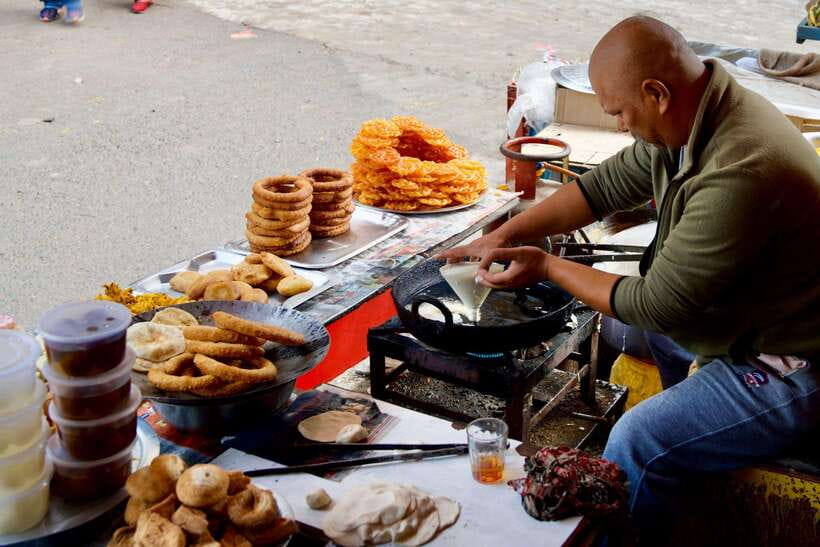
- Warm sweet finish with jalebi, plus energy-friendly drinks like lassi and masala tea
Why Kathmandu tastes better on a guided walk in Thamel
Thamel is your starting point because it is where travelers and locals both funnel through the same streets, day after day. On your own, you can find food, sure. With a guide, you also get the why behind the what, like how different communities and cooking styles show up in the dishes.
This tour works because you eat in a sequence that makes sense. You start with familiar Kathmandu comfort foods, then you move into more specific Newari flavors and street-snack territory. By the time you reach the sweet finish, you understand what you have been tasting.
Also, walking matters here. Kathmandu’s best flavors live in small stalls and side streets, not just restaurant menus. The tour is built around secret streets and market access, so you do not waste time guessing where to go next.
More Walking Tours in Kathmandu
- Kathmandu: Food and Drink Walking Tour
★ 4.9 · 292 reviews - Kathmandu: Food and Drink Walking Tour
★ 4.9 · 119 reviews - Kathmandu: Guided Walking Tour with Monkey Temple
★ 5.0 · 18 reviews
Price and value: $28 for 9+ foods, taxes included
At $28 per person, the value is all about what you get packed into that price. You are tasting 9+ local foods, and you are doing it with an English-speaking local guide who helps you choose, order, and understand what is in front of you.
Another practical win: government taxes and VAT are included. That means your budget stays steady while you focus on eating, taking photos, and asking questions.
Two things to keep in mind for your expectations. Alcoholic drinks are not included, and the tour price is designed around food and non-alcoholic drinks like lassi, tea, and coffee. So if you want a bar-hopping night, this is not that kind of experience.
Your guide Suresh and how the tasting stays flexible
A big part of this tour’s quality is the guide experience. The name that comes up is Suresh, and the reason you will care is simple: he is described as friendly, easy to talk to, and patient with questions.
He is also flexible with food choices, including vegetarian requests. That matters because Kathmandu street food includes plenty of meat-based options, and you want a plan that still lets you try a broad range of dishes without feeling stuck.
This is also one of those tours where your questions can shape the night. You are not just walking and eating on autopilot. You can ask about ingredients, local habits, and cultural context, and the guide can keep it clear and practical.
From momo to chatamari: the first bites that set the tone
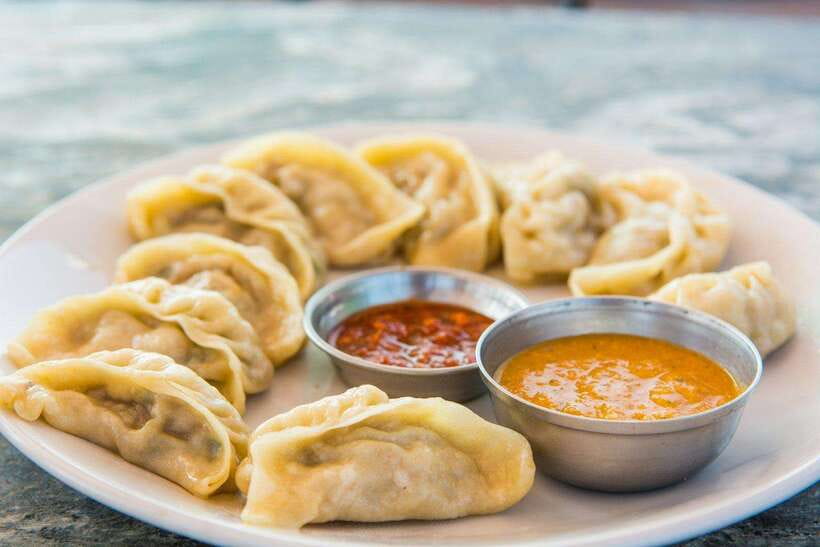
If you like food tours where the start feels instantly rewarding, you will appreciate the lineup of Kathmandu classics. Expect to taste momo, often the most familiar Nepalese dumpling to first-time visitors. In the moment, it is comforting and filling, which helps you settle in before you tackle more street snacks.
Next up is chatamari, a Newari-style dish that feels like a savory introduction to the area’s cooking identity. It is the kind of food that works well on a walk because it is made to be shared and tasted without turning the evening into a long restaurant sit-down.
Then come breads and fried favorites like sel roti. This is one of those dishes that helps you read Nepalese flavors beyond dumplings, because texture and frying technique become part of the story, not just the filling.
You also have samosas in the mix, which is great for pacing. They give you crunchy contrast after dumpling chew, and they keep you from hitting the later spicier items too fast.
More that starts in Thamel:
- Kathmandu: Wood Carving Workshop with Local Artisan (Thamel)
★ 4.9 · 17 reviews - Half Day Cooking Class in Thamel with Local Market Visit
★ 4.5 · 6 reviews - Thamel Rickshaw tour
★ 4.7 · 3 reviews - Kathmandu: About 3-hour Cooking Class Experience near Thamel
★ 5.0 · 3 reviews
Newari specialties you should actually look for: bara and choila
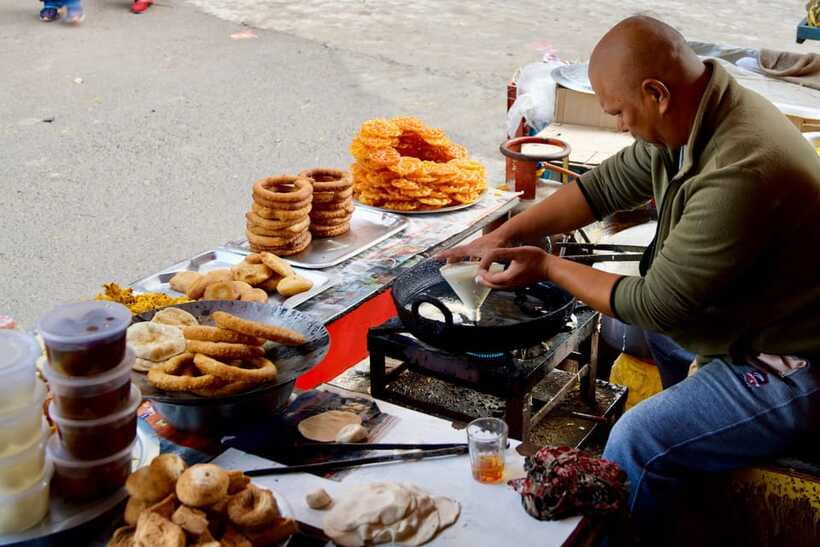
One of the most useful things about this tour is that it does not treat Kathmandu food as one big category. It gives you Newari-focused dishes, which is where you start to feel the local identity of the city.
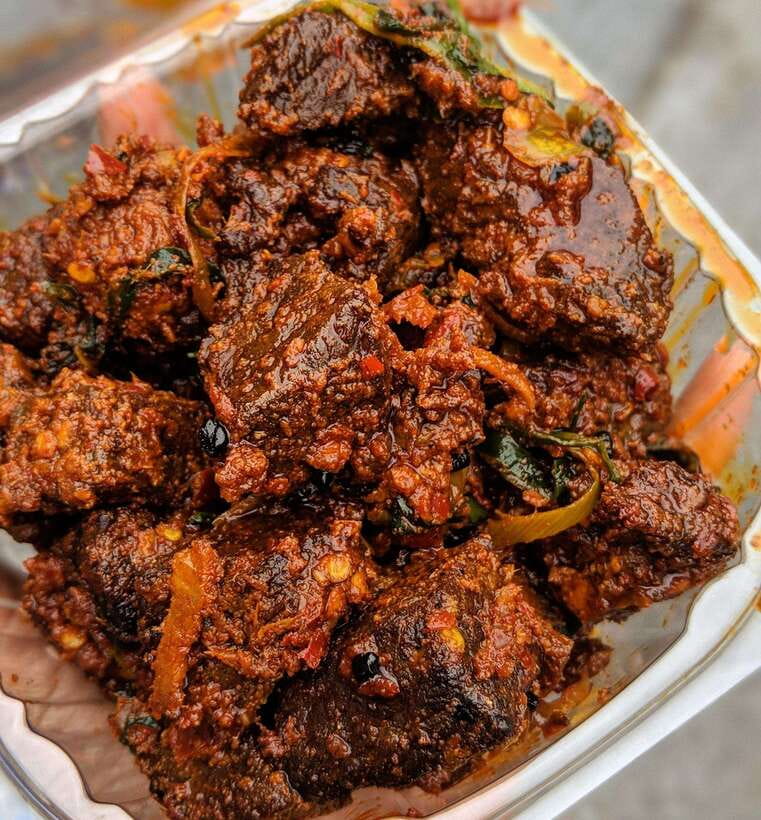
Two key examples are bara and choila. Bara is a legume-based dish, and it is the kind of food that shows how Nepalese ingredients can feel both hearty and distinct from typical Indian street snacks. Choila brings in a different flavor profile, and it is often a highlight for people who like bold, spiced street food.
If you tend to love smoky, spicy, or strongly seasoned flavors, this portion is where your taste buds usually wake up. If you are more cautious with spice, you can manage it by telling your guide what level you want, then letting the order and portion sizes work in your favor.
The best part is that these dishes help you understand Kathmandu as a blend of influences, including Tibetan, Indian, and indigenous food traditions. You do not need a lecture to get it. The food does the teaching.
Street snack time: pani puri, chatpate, laphing, and chow chow sadheko
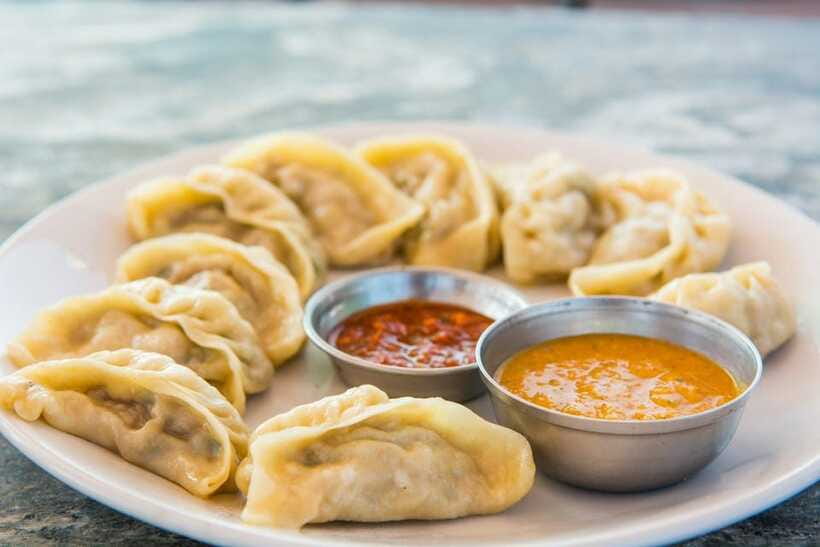
After you have a base of more structured foods, the tour moves into street snack mode. This is where you get the tang, crunch, and heat that make Kathmandu street life feel immediate.
Expect pani puri, which is famous for a reason. The concept is simple, but every bite is different because of the mix of crispy shell plus seasoned fillings plus a quick hit of liquid.
Then you will likely encounter chatpate, a tangy, spicy snack category that can feel like it changes as you eat. It is one of those items that makes sense as a walk food, because it is quick, punchy, and easy to share between tastings.
Another item on the list is laphing, which is great if you want something that feels like street comfort rather than just fried snacks. And for a local side of the menu, you may also taste chow chow sadheko, bringing more of that Nepalese salad and spicy seasoning style into the mix.
Quick advice: if spice is not your friend, say so early. Your guide can adapt, and you will have a better time when the evening matches your comfort level instead of your tolerance after the fact.
Markets without the tourist haze: Ason Bazaar, Basantapur, Indra Chowk
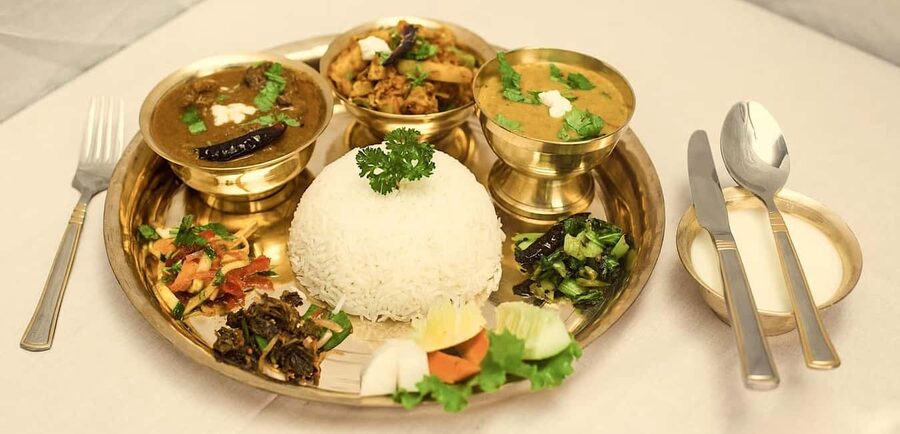
A food tour should not only be about food. It should also help you navigate the city like a person who knows the place. That is why the market stops matter here.
You will visit Ason Bazaar, Basantapur, and Indra Chowk. These names matter because they are tied to daily life, fresh produce, spices, and the constant movement of people shopping and eating their way through the day.
In practical terms, you get two benefits. One, you see how ingredients travel from market stalls to small eateries. Two, you learn how spices and staples are handled in Kathmandu, so future meals feel easier to order.
If you worry about getting lost, this is where you gain confidence. Markets can be confusing when you are alone, especially when streets narrow and crowds shift. With a guide, you keep your bearings and your time stays productive.
Drinks that keep you going: lassi, masala tea, and local coffee
Food tours can be exhausting if you only rely on snacks and water. This one builds in drink breaks, which is smart for both comfort and taste.
You will taste lassi, plus tea or coffee. Lassi is an ideal palate calmer after spicier bites, and it is also a refreshing reset when you have been walking through warmer streets.
Masala tea and local coffee are also included options, and that matters because caffeine and spices can change how you experience food. If you are feeling slow, a warm drink can bring you back to full attention, especially before the sweet finish.
One simple tip: bring your own water bottle for between-tasting hydration. The tour experience is food-forward, not hydration-forward, so your water habit keeps you comfortable.
The sweet ending: jalebi with a warm, syrupy finish
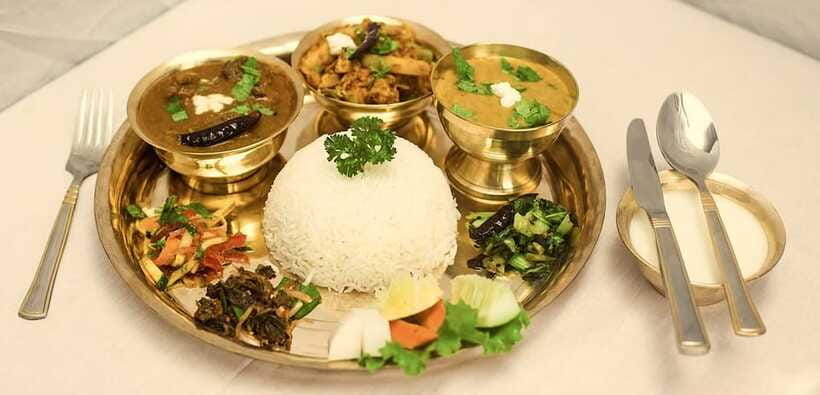
Every good food walk needs a landing pad, and this one finishes with jalebi. You are getting a warm, syrup-soaked sweet, which is a classic way to end after savory and spicy.
The value of ending with jalebi is not just sugar. It also gives you a taste contrast that helps you remember the rest of the night. When you stop for sweets after salty and spiced snacks, your brain finally separates flavors into clear categories.
If you do not normally crave sweets, you might still enjoy this. The syrupy finish can feel like a reset button, especially when your spice meter has been climbing earlier in the route.
What to bring, and how to avoid common walking tour problems
This tour is straightforward, but the comfort details matter because you are on foot. Wear comfortable walking shoes, and bring a hat plus sunscreen if the weather is bright.
Also bring camera and keep some room in your schedule for pauses. You will likely want photos when you see small stalls, spices, and prepared food steps that happen right in front of you.
Finally, follow the simple rules: smoking is not allowed. That keeps the experience comfortable for everyone and avoids getting hit with cigarette smoke while you are eating.
Weather in Kathmandu can change fast, so be ready for different conditions. A light layer helps when you cool down between tastings.
Who this Kathmandu Thamel food tour is best for
This is a good fit if you want a Kathmandu food tour that focuses on street food plus Newari dishes, without turning the night into a sit-down restaurant plan.
It is especially suitable for:
- First-time visitors who want a guided path through Kathmandu flavors
- People who like learning culture through everyday food
- Anyone who enjoys street snacks like pani puri and chatpate
- Vegetarians who want a guide flexible enough to adjust choices, since vegetarian requests can be handled
It is not a good fit if:
- You have food allergies, because you are sampling many local items
- You use a wheelchair, since the tour is not suitable for wheelchair users
Should you book this Thamel guided food tasting tour?
I would book it if you want a focused, practical way to eat your way through Kathmandu, with English-speaking guidance and a menu that hits momo, Newari dishes, street classics, and a sweet finale. At $28 with taxes included and 9+ tasting items, it is the kind of deal that pays you back in taste and confidence, not just food.
I would skip it if spice or food allergens are a concern you cannot manage with your own rules. In that case, the sampling style plus multiple dishes might be stressful rather than fun.
If you want a simple question to guide your decision, ask yourself this: do you want someone to handle the ordering and cultural context while you focus on eating and walking? If the answer is yes, this is a smart pick for a night in Thamel and beyond.
FAQ
What foods are included in the Kathmandu food tasting tour?
The tour includes 9+ local foods for tasting such as momo, chatamari, sel roti, samosas, lassi, tea or coffee, pani puri, chatpate, laphing, jalebi, bara, and choila, along with other local street snacks like chow chow sadheko.
Will I get alcoholic drinks on this tour?
No. Alcoholic drinks are not included.
Which markets does the tour include?
You will visit popular market areas such as Ason Bazaar, Basantapur, and Indra Chowk.
What language is the guide?
The guide is English-speaking, and Hindi is also available.
Is smoking allowed during the tour?
No. Smoking is not allowed.
Is the tour suitable for wheelchair users or people with food allergies?
No. It is not suitable for wheelchair users, and it is also not suitable for people with food allergies.
Latest Kathmandu write-ups
- 16 Days Island Peak Climbing With Everest Base Camp Private Trip★ 5.0 · 3 reviews
- 15 Days Round Annapurna Trek with Poon Hill from Pokhara★ 5.0 · 5 reviews
- Private Nepal round trip including Ghorepani Poonhill trek★ 5.0 · 3 reviews
- Everest Base Camp Trekking 16 Days★ 4.0 · 7 reviews
- 14 Days Luxury Annapurna Base Camp Trek★ 5.0 · 6 reviews
- Everest Base Camp Trek★ 5.0 · 32 reviews
- Everest Base Camp Trek★ 5.0 · 87 reviews
- Everest Base Camp Trek★ 5.0 · 97 reviews
Thamel, compared.
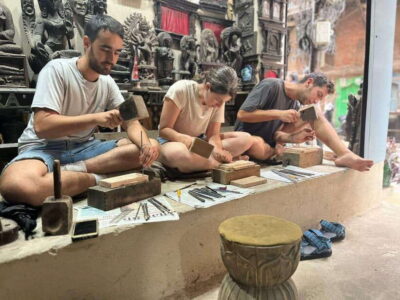
Wood Carving Workshop with Local Artisan (Thamel)
Read our review →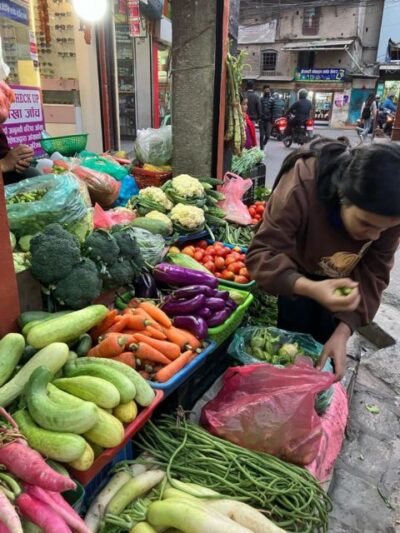
Half Day Cooking Class in Thamel with Local Market Visit
Read our review →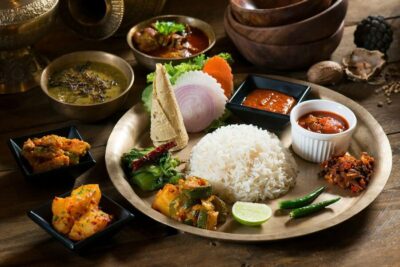
About 3-hour Cooking Class Experience near Thamel
Read our review →Browse the lists this tour appears in