
Reviewed · ANNAPURNA CIRCUIT TREK
Kathmandu/Pokhara: Annapurna Circuit Trek 10 days
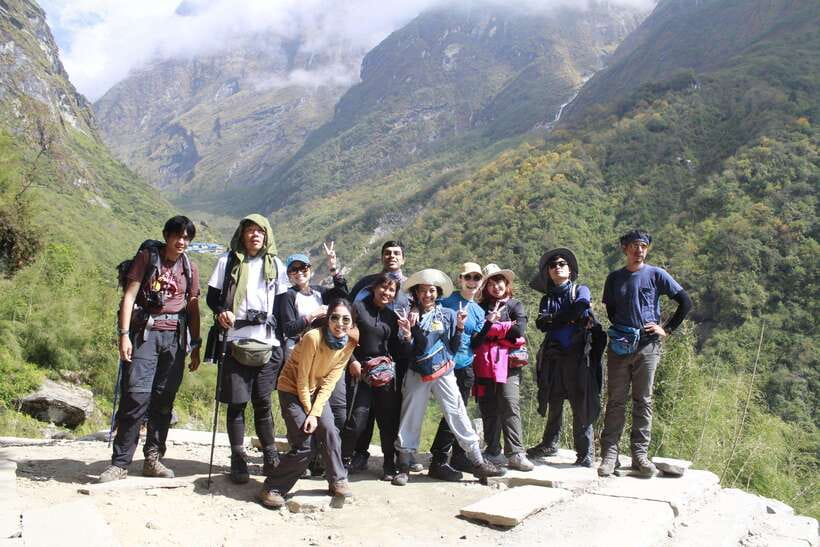
Annapurna Circuit is interesting because in just 10 days you can feel like you’re moving across climates and cultures, not just gaining elevation. I love the mix of Himalayan views and everyday village routes, especially when the trek tips from river valleys into drier, higher country. And I like that this version is built around a serious high point, crossing Thorong La Pass at 5,416m.
The main drawback is simple: this is altitude trekking. You’ll be on the move from about 1,860m on day one up to the pass, then down to Muktinath around 3,710m, and that takes a plan, good pacing, and the right gear.
Key points I’d circle before you go
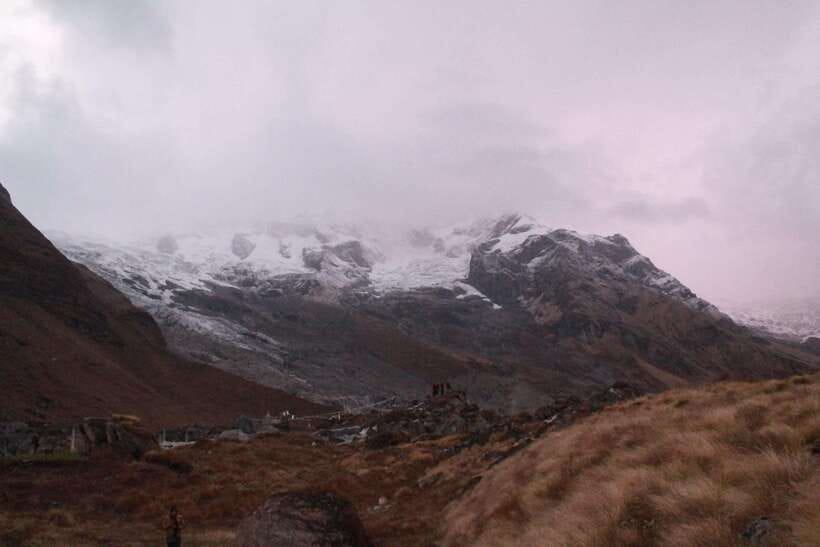
- Thorong La Pass at 5,416m, the clear highlight and the moment the trek turns from hard work into pure satisfaction
- Teahouse lodging every night, with the tradeoff that hot showers and charging can be limited
- An experienced, English-speaking guide, with multiple guide names praised for safety and day-by-day support
- Annapurna Conservation Area biodiversity, so you’re not only chasing views, you’re passing through real ecology
- Permits and key logistics included, including ACAP and TIMS, plus transport from Kathmandu or Pokhara
A circuit that changes tone every few hours
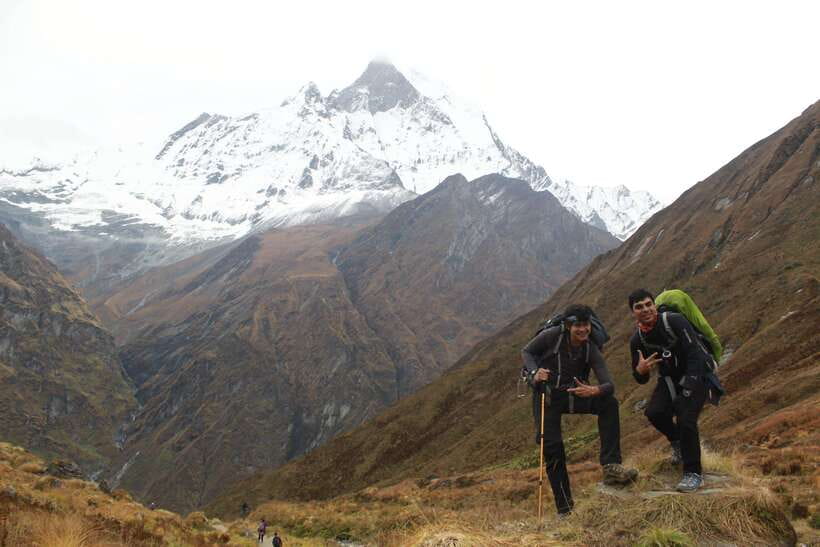
The Annapurna Circuit trek is a loop around the Annapurna Massif, and the best part is how quickly the setting changes. You start in lush, subtropical valleys around the Besisahar area, then you follow the Marsyangdi River past terraced fields and small settlements. As you climb, the air gets thinner and the trees shift from alpine forest into more rugged, arid terrain that can feel like the high country of Tibet.
You’ll also get a serious variety of “togetherness” moments with people, not just views. Villages you pass through are ethnic and distinct, and the route is built on that steady rhythm of walking in the morning, eating in a teahouse at night, and seeing daily life from close range.
The other big reason this trek stands out in a good way is the mix of nature icons. There’s the sacred stop at Muktinath, the dramatic Kali Gandaki Gorge described as the world’s deepest gorge, and then the chance to enjoy hot springs in Tatopani and apple country in Marpha. In the provided trek description, the endpoint also includes rhododendron-filled forests and a sunrise at Poon Hill, so it’s worth asking your guide how the final days are handled on your exact departure.
More of the Annapurna Circuit:
- Kathmandu: 9-Day Annapurna Circuit Trek via Thorong La Pass
★ 5.0 · 7 reviews - Annapurna Circuit Trek With Tilicho Lake :Best Trek in Nepal
★ 5.0 · 4 reviews - Kathmandu: 10-Day Annapurna Circuit Trek via Thorong La Pass
★ 5.0 · 3 reviews
Value check: $430 for 10 days, what that really buys
On paper, $430 per person for 10 days can look either like a bargain or a red flag, depending on what’s included. The key is what you’re actually getting for that price.
This trek price includes:
- ACAP and TIMS permits
- All transportation from Kathmandu or Pokhara to the trailhead
- An experienced, English-speaking guide
- Teahouse accommodation during the trek
- First aid kit and trekking maps
- A farewell dinner after the trek
- Government taxes and service charges
What’s not included matters for budgeting:
- Meals during the trek
- International flights
- Travel insurance, which is mandatory and must cover high-altitude trekking
- Personal gear, like jackets, sleeping bag, and trekking poles
- Hot showers and charging, since those are only available at some teahouses
So here’s my practical take: the $430 covers a lot of the “you can’t wing this” costs, mainly permits, guide support, and the backbone logistics. Your biggest variable cost will be food and what you need to buy or rent for cold, high altitude comfort. If you plan ahead for meals and gear, this can be strong value. If you show up underprepared, the money you saved can get eaten fast by last-minute rentals or discomfort.
The guide makes the trek feel controlled, even when it’s not
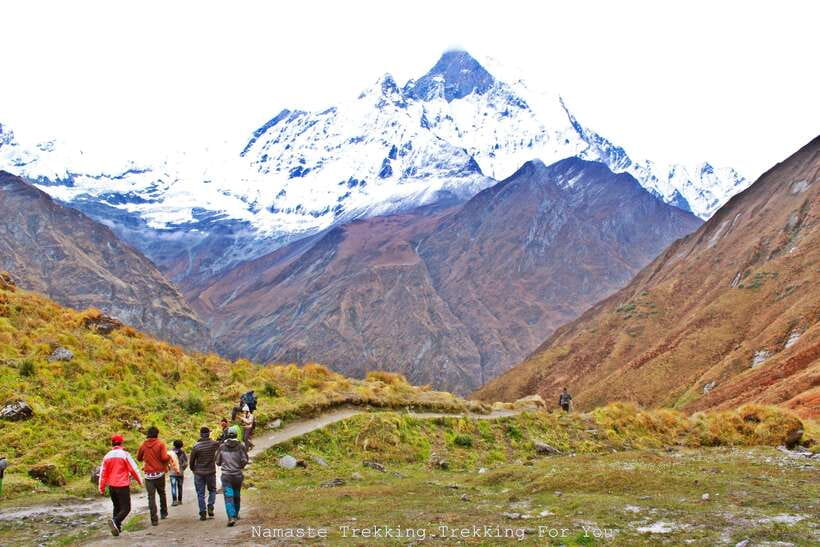
One theme shows up again and again in the feedback: the guide role is not just about pointing the way. It’s about pacing, safety, and how you feel when altitude starts making everything harder.
I’d especially note the positive mentions of:
- Kim, praised for kindness, professionalism, and steady support throughout the 10 days
- Khim, described as superb by a verified booking
- Nir, praised for knowledge, care, and adjusting the plan based on how people felt day to day
- Milan, praised for fun energy and a strong sense of safety and attentiveness
- Porter Dill, specifically credited as superb alongside the guide
Even if you’re fit, high altitude can be unpredictable in how your body responds. A strong guide is the difference between “we’re trudging” and “we’re managing.” In this trek format, you also get trekking maps and a first aid kit, plus a private group setup, which usually helps the day plan stay flexible to your pace.
Days 1 to 4: from river valleys into the climb rhythm
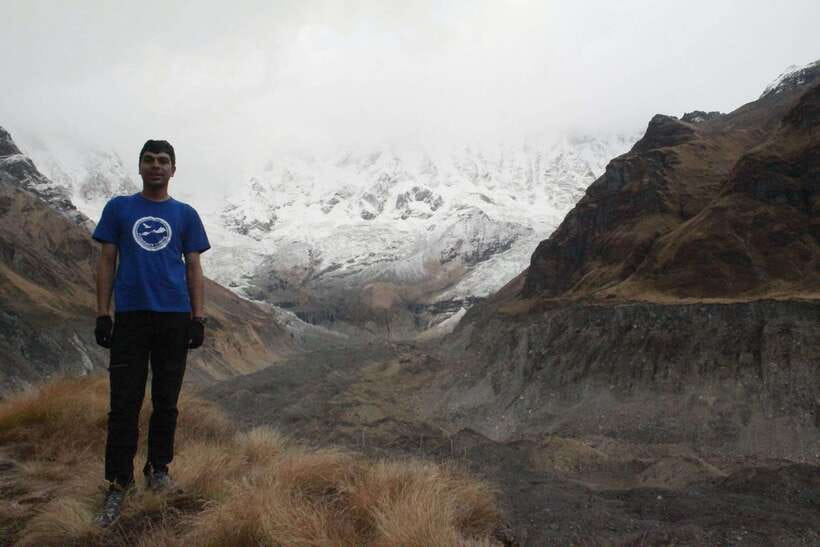
Day 1 is a driving start from Kathmandu to Dharapani, around 1,860m, usually a 6 to 8 hour transfer. This day is mostly about getting oriented, not about big gains. It’s also the first moment to test your comfort with being in trekking clothes for long stretches, because Nepal driving days can be tiring.
Day 2 moves up to Chame around 2,670m with a 4 to 5 hour walk. You’re still in the early “climb day” phase where the effort is real but manageable for most people who start steady.
Day 3 continues to Pisang around 3,300m with about 5 to 6 hours on the trail. By now, you’ll feel how quickly elevation changes the body. Even when you’re not breathless, walking feels heavier.
Day 4 goes to Manang around 3,540m in about 5 to 7 hours. This is a meaningful step because you’re reaching a higher base altitude before the trek asks you to rest and acclimatize. The practical win here is that this itinerary doesn’t treat altitude as a switch you flip. It builds.
The tradeoff for these early days is that you’re walking long enough to feel it the next day. If you like very relaxed mornings, this circuit will ask you to get comfortable with the “walk, eat, sleep” rhythm.
More to compare around Pokhara
- ZipFlyer Nepal – The World’s Steepest Zip-line
★ 5.0 · 608 reviews - Bungee Pokhara by HighGround Adventures
★ 5.0 · 366 reviews - From Pokhara: Sarangkot Sunrise Himalayas Tour
★ 4.7 · 218 reviews - Full-Day Tibetan Cultural Tour to Tibetan Settlements Pokhara
★ 5.0 · 184 reviews
Day 5 in Manang: why acclimatization is not optional
Day 5 is an acclimatization day in Manang at about 3,540m. Instead of stacking another ascent on top of the previous days, you get a chance to explore and adjust your routine.
This is where you can make the biggest difference in how Day 8 feels. When you acclimatize, you give your body time to adapt to lower oxygen, and you reduce the risk that you’ll spend the next days playing catch-up physically. You don’t need to be a hero here, you need to be consistent.
Also, a good acclimatization day helps you learn what “normal” feels like for you at altitude. That means you can judge your pace better later, especially as you head toward the pass area.
Days 6 and 7: Yak Kharka to Thorong Phedi, prepping for the pass
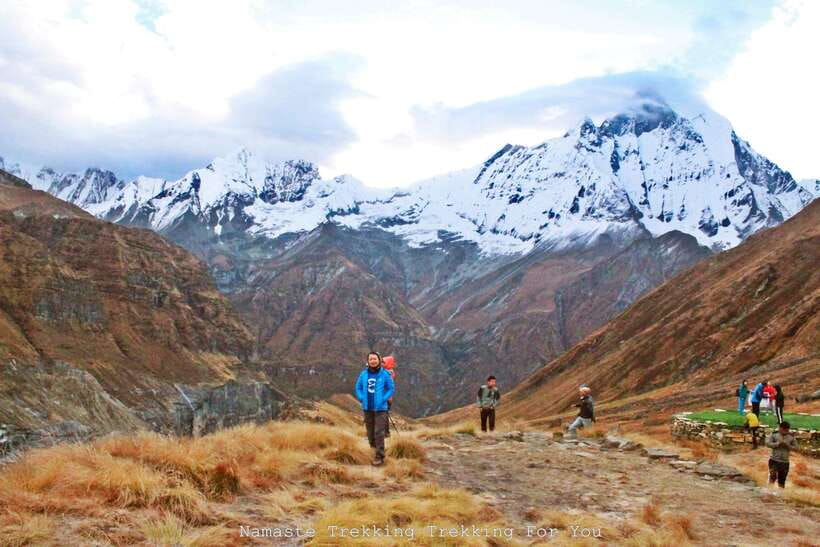
On Day 6 you walk to Yak Kharka at about 4,000m for 4 to 5 hours. This is a clear sign the trek is shifting into higher country. The air gets thinner, your appetite and sleep can change, and your body will likely ask you to shorten your stride.
Day 7 is a short but high jump to Thorong Phedi around 4,450m in about 3 to 4 hours. The real point of Thorong Phedi is not that it’s a fun place to stay, it’s that it puts you close to the pass crossing. You’ll likely feel the temperature drop and the effort increase even if the walking time stays fairly short.
On these days, I think the best approach is mental too. Don’t treat the pass day like a separate event. Treat it as a continuation of how you’ve managed energy since day one: slow steps, steady breathing, and paying attention to how you feel.
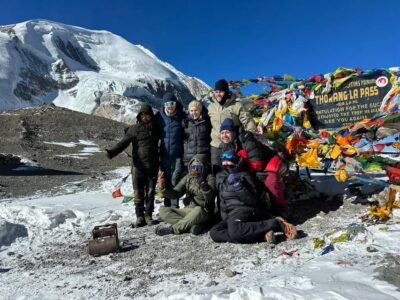
Day 8: crossing Thorong La Pass at 5,416m, then down to Muktinath
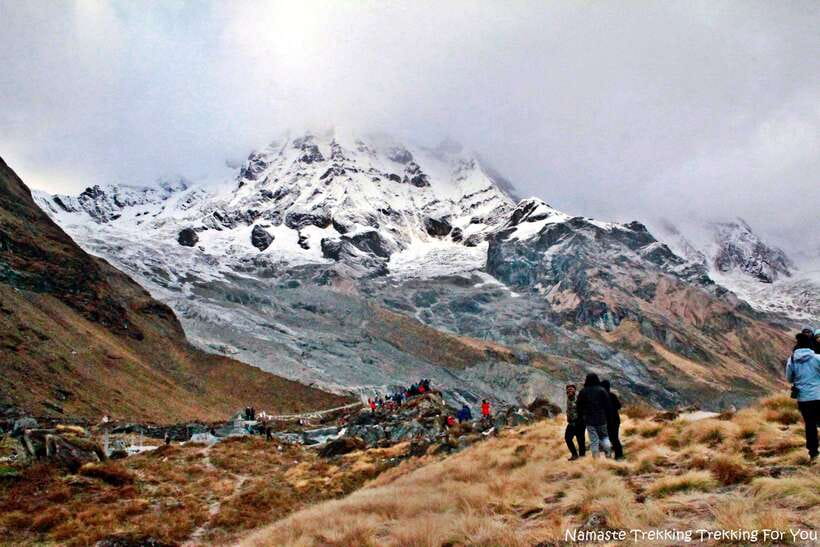
Day 8 is the core achievement. You reach Thorong La Pass at 5,416m, then you descend to Muktinath at about 3,710m. The total trek time is listed as 7 to 9 hours, so you’re looking at a long day even if some of it is descent.
The provided highlights promise panoramic views of Annapurna, Dhaulagiri, and Manaslu. This is the kind of moment where your brain finally stops bargaining and just takes the view in. It’s also a moment where your guide matters, because pacing and safety matter most when the altitude is at its worst.
After the pass, the trek shifts gears into spiritual terrain. Muktinath is described as a sacred town with ancient temples and monasteries. That change of scenery is not just pretty, it helps your body too. Descending is still work, but you’re moving away from the pass altitude and into a lower zone where your breathing usually eases.
One practical consideration: cold weather and thinner air can make everything feel harsher. Even with a guide and maps, you’ll be glad you brought the right layers and a plan for staying warm.
Day 9 and Day 10: Jomsom, the Kali Gandaki Gorge area, and the drive to Pokhara
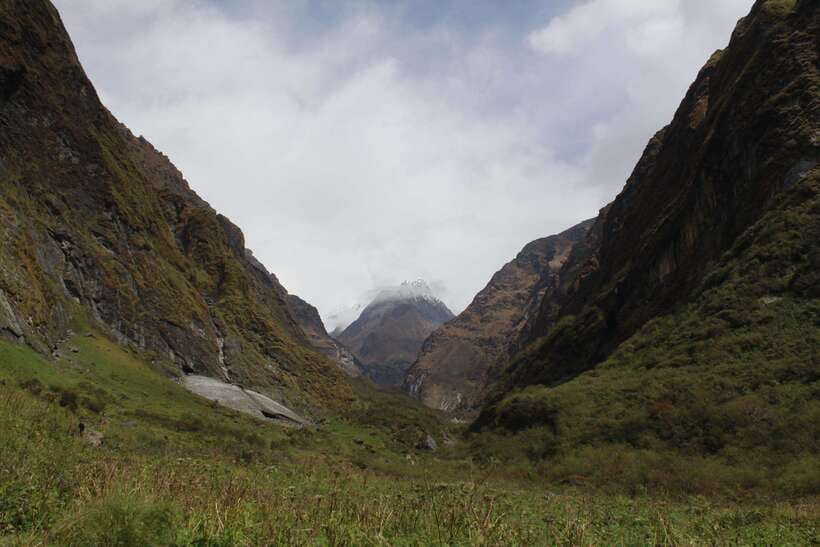
Day 9 goes from Muktinath to Jomsom at about 2,720m in 5 to 6 hours. This day is a big relief compared to pass altitude, but it’s still a full walking day. It’s also where you start feeling the trek “ending,” which can lead people to move faster than they should. Keep your pace steady.
The route description highlights the Kali Gandaki Gorge, described as the world’s deepest gorge, with towering peaks of Annapurna and Dhaulagiri flanking the area. Even if your exact sightlines vary by weather and route choices, this is one of those natural features that makes you understand why trekking here feels dramatic, not just scenic.
Day 10 is a driving transfer from Jomsom to Pokhara, about 6 to 8 hours. This is an easy time to plan low-key energy: you’ll likely want a comfortable seat and a plan for stretching, because your legs can feel stiff after days of walking.
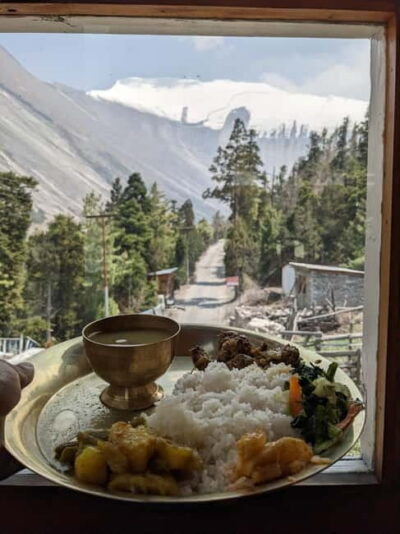
Teahouses and food: comfortable enough, but plan for basic
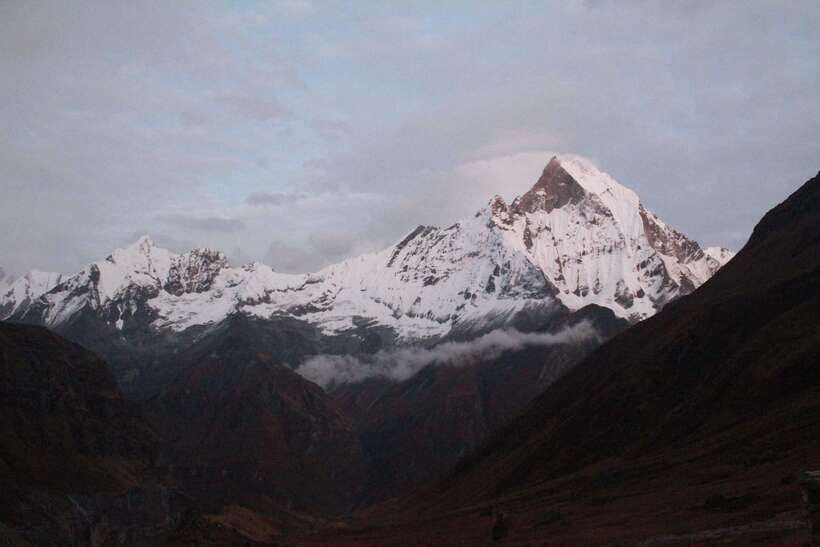
Teahouse accommodation is included, which is a huge practical advantage. You’re not worrying about pitching tents or finding your own shelter.
But this is also a basic trekking style. The trek info notes that hot showers and charging facilities are not available at some teahouses. So if you want regular warm water or constant phone charging, treat that as unreliable. Bring a power bank and pack for “wipe down and sleep” nights rather than spa nights.
Meals are not included, so your budget will depend on what you order and how hungry you are each day. The upsides are flexibility and choice, plus the chance to rest in a common space where you might meet other trekkers and locals.
What you should pack, since gear is on you
This trek includes permits, guide, maps, first aid kit, and teahouse beds. It does not include your personal gear, including sleeping bags, jackets, and trekking poles.
I’d treat your packing list as altitude gear first, comfort gear second:
- Warm layers for cold nights and wind-prone ridges
- A proper sleeping bag for chilly teahouse conditions
- Trekking poles for downhill control and knee relief
- A plan for staying hydrated even when you’re less thirsty at altitude
Also, travel insurance is mandatory and must cover high-altitude trekking. Don’t guess here. Confirm that your policy covers trekking up to the relevant elevations and the type of trip you’re taking.
One more important note: this trek is listed as not suitable for pregnant women. If that applies to you, you should choose a different route with a safer elevation plan.
A simple fitness and mindset reality check
This itinerary is structured with increasing altitude, including a high pass crossing at 5,416m, plus a long walk day on Day 8. That means you need endurance for multi-day hiking, not just “I can do a big hike once.”
The good news is that your chances improve a lot when you follow the itinerary’s logic: walking days to gain elevation, then a dedicated acclimatization day in Manang, then time to sleep close to the pass area. The route also includes a guide and porter support, and multiple guides were specifically praised for adjusting the plan based on how people felt.
If you’re nervous about doing it at all, take heart from the fact that a 61-year-old reached 5,416m with the guide’s support. You still need to train and take altitude seriously, but it shows the trek can be achievable with the right approach.
Should you book this Annapurna Circuit trek?
I’d book if you want a classic Annapurna Circuit experience with the important basics handled for you: permits, guide, maps, teahouse lodging, and transportation. This setup is also a good match if you value day-to-day support, because guides like Kim, Nir, and Milan were repeatedly praised for care, professionalism, and safety.
I’d think twice if you’re relying on hot showers and easy charging, or if you’re not ready for altitude and cold nights. Since meals and personal gear are not included, plan your budget and packing early, or you’ll feel it later.
If you’re comfortable hiking for 4 to 7 hours on most days, willing to follow acclimatization, and excited by the pass crossing and sacred stops like Muktinath, this is a strong choice.
FAQ
What is the highest point on this trek?
The trek reaches Thorong La Pass at 5,416 meters.
How long does the Annapurna Circuit trek take?
The duration is 10 days.
What is included in the price?
Included items are ACAP and TIMS permits, all transportation from Kathmandu or Pokhara to the trailhead, an experienced English-speaking guide, teahouse accommodation, a first aid kit and trekking maps, a farewell dinner, and all government taxes and service charges.
Are meals included?
No. All meals during the trek are not included.
Are hot showers and charging facilities guaranteed?
No. Hot showers and charging facilities are available at some teahouses, not all.
Do I need travel insurance?
Yes. Travel insurance is mandatory and it must cover high-altitude trekking.
Is the trek suitable for pregnant women?
No. This trek is not suitable for pregnant women.
Latest Pokhara write-ups
- Mardi Himal Trek -5 Day Short Trek From Pokhara★ 5.0 · 8 reviews
- Tandem Paragliding in Pokhara★ 4.8 · 8 reviews
- Pokhara: Peace Pagoda Sunset, Annapurna Mountain Views Tour★ 2.9 · 5 reviews
- Short & Scenic: 2-Day Private POON HILL Trek from Pokhara★ 5.0 · 8 reviews
- Seti George and Thrilling Suspension Bridge Tour at Pokhara★ 4.5 · 3 reviews
- Sarangkot Sunrise over the Himalayas★ 4.8 · 83 reviews
- Pokhara: Sarangkot Sunrise and Private Full Day Tour★ 4.8 · 24 reviews
- From Kathmandu/Pokhara: Private 3-Day Chitwan Safari Tour★ 4.7 · 34 reviews
Annapurna Circuit Trek, compared.
10-Day Annapurna Circuit Trek via Thorong La Pass
Read our review →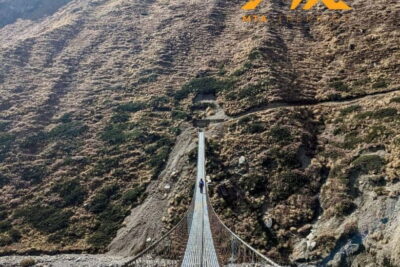
8-Day Annapurna Circuit Trek via Thorong La Pass
Read our review →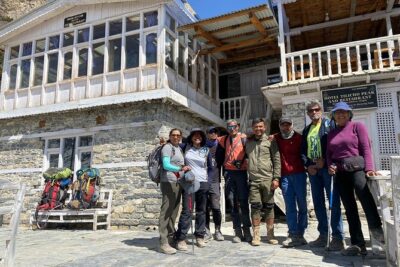
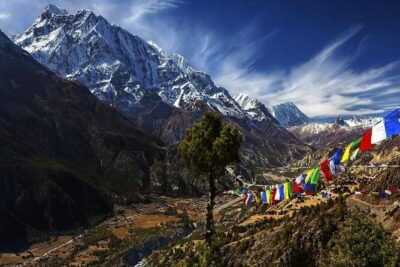
Annapurna Circuit Trek With Tilicho Lake :Best Trek in Nepal
Read our review →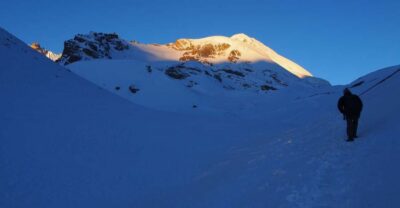
Browse the lists this tour appears in