
Reviewed · ANNAPURNA CIRCUIT TREK
Annapurna Circuit Thorong La Pass
Few treks in Nepal cram in as many changes of scenery as the Annapurna Circuit to Thorong La. You start with valley drives, settle into teahouse trekking days, and then earn that pass crossing at 5,416m where the air gets thin and the views get serious.
I love that the pacing actually helps you get there. The plan includes a full acclimatization day in Manang, plus optional hiking, so you are not just stumbling upward and hoping for the best. I also like the practical “we handle the logistics” approach: your standard meals are included on trek days, you get tea or coffee daily, and you have an English-speaking guide plus portering support.
The main drawback is also the obvious one: the Thorong La day is long and high. If you are not used to sustained uphill hiking, you will feel it, and weather can affect pass conditions, which is a real consideration on this route.
Key Things I’d Focus On
- Manang acclimatization built into the trek, not squeezed in as an afterthought
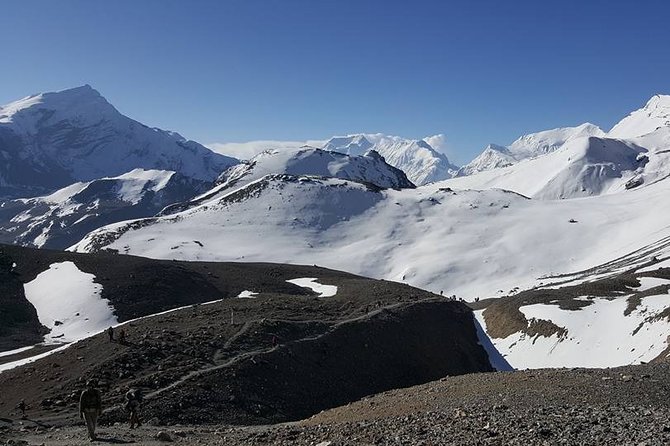
- Thorong La is a real climb to 5,416m, with a long 8 to 9 hour day across the pass
- Teahouse comfort with meals handled, so you can spend your energy on walking
- Porter support (1 porter for every 2 trekkers at the basic level) to keep your load manageable
- A guided, private experience with English-speaking support and a team that answers questions
Annapurna Circuit to Thorong La: What Makes This Trek So Addictive
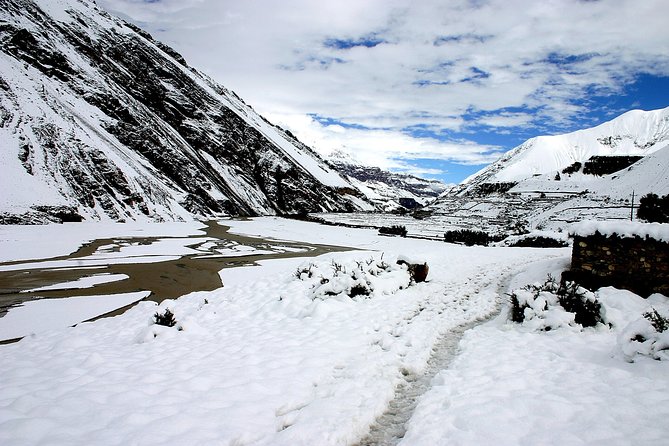
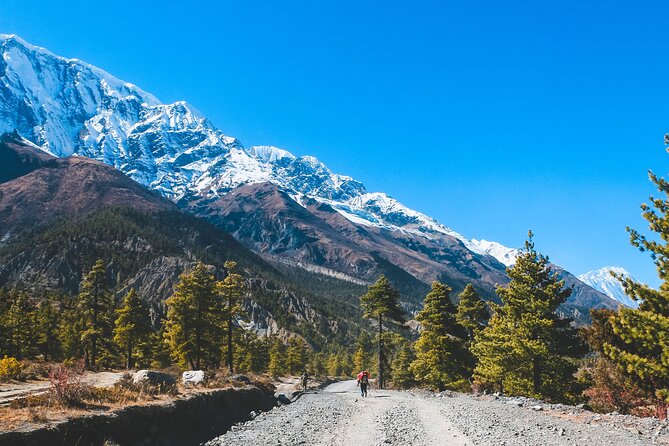
This route hits a sweet spot for people who want classic Nepal mountain travel, without the “one-note” problem. One day you are walking through farmed villages and river valleys, the next day you are climbing higher into open, drier air, and then you drop down toward dramatic religious sites near Muktinath.
The pass crossing is the headline, but the whole trek feels like a story with chapters. The early days bring you into altitude gradually. Middle days build breathing room. And the final third connects big mountain effort with quieter village life, then finishes with a road ride into the comfort of Pokhara.
More of the Annapurna Circuit:
- Annapurna Circuit Trek with Tilicho Lake
★ 5.0 · 368 reviews - Annapurna Circuit Trek
★ 5.0 · 94 reviews - Annapurna Circuit Trek
★ 5.0 · 67 reviews
The 15 Days Explained, Stop by Stop (So You Know What You’re Signing Up For)
This is not an every-other-day stroll. It is a steady progression where each segment has a purpose. Here is the rhythm, in the order you’ll experience it.
Kathmandu Arrival Day: Get Ready for the Mountains
You land in Kathmandu, get transferred to a hotel, and use the day to prepare. This is a smart buffer, because you need time for gear checks, shopping basics if you forgot something, and sleep that is actually sleep.
You’ll also want to hydrate well and keep your evening calm. Trekking at altitude is easier when you start the trip with your body already settled.
Kathmandu to Besisahar, Then Up to Koto: Turning Roads Into Altitude
Day 2 is a bus ride from Kathmandu to Besisahar (about 760m), with an overnight there. Day 3 then switches to a drive from Besisahar to Koto (about 2,700m), roughly 6 to 7 hours.
What I like about this approach is that it gets you moving into the trekking zone without wasting days. What to watch: long rides can make your legs stiff, so do gentle stretching and take short walks when you can.
More to compare around Kathmandu
- Everest Base Camp Trek – 14 Days
★ 5.0 · 1,499 reviews - Everest Base Camp Trek
★ 5.0 · 842 reviews - Private Kathmandu Sightseeing Tour | UNESCO World Heritage sites
★ 5.0 · 756 reviews - Kathmandu: 7 UNESCO Sites with Lunch
★ 4.8 · 744 reviews
Koto to Upper Pisang: Big Starts, Real Climbing
Day 4 takes you from Koto to Upper Pisang (about 3,350m) for roughly 6 hours. This is a “warm-up effort” day in the sense that it is the first real trek day, but it still asks for steady uphill hiking.
Upper Pisang to Nawal: Continuing Higher, Without a Cliff Jump
Day 5 goes Upper Pisang to Nawal (about 3,650m) in around 5 hours. Your goal here is not speed. Your goal is rhythm: consistent steps, small pauses, and water intake that keeps you from feeling suddenly behind.
Nawal to Manang: A Shorter Day That Matters
Day 6 is Nawal to Manang (about 3,540m) in roughly 3 to 4 hours. That shorter hike is part of the plan. Even when you feel okay, you are still building the altitude foundation you’ll use later.
Manang is where your body starts to decide whether Thorong La will feel like a grind or a manageable suffering.
Manang Acclimatization Day: The Best Investment on the Trek
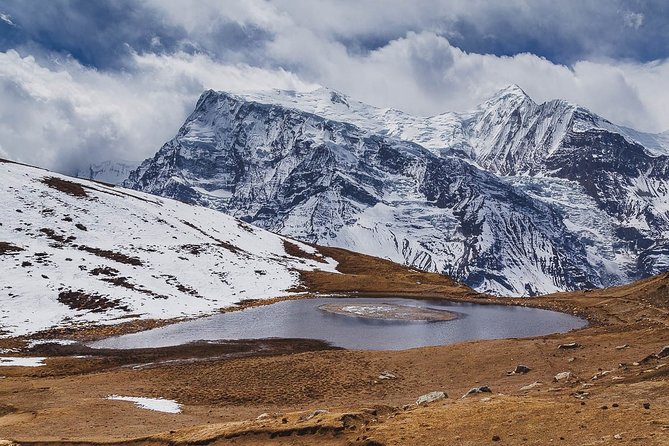
Day 7 is your acclimatization day in Manang. You’ll hike for a few hours to visit a lake and enjoy views of the Himalayan mountain range.
This is the kind of day I appreciate because it is not random. It gives you movement plus recovery. You can test how you breathe at altitude while still knowing you have a real rest structure built in.
Manang to Yak Kharka: Going Toward the High Country
Day 8 hikes Manang to Yak Kharka (around 4,200m) for about 4 hours. This is the “start the serious climb” day. The air is thinner, and you’ll likely feel it in your pace.
Yak Kharka to Thorong Phedi or High Camp: Choose Your Sleeping Altitude
Day 9 is Yak Kharka to Thorong Phedi (about 4,450m) or up to High Camp (about 4,880m). It’s about 5 to 6 hours, and the choice depends on stamina and how you plan your summit push.
Here’s the practical way to think about it:
- If you sleep lower (Thorong Phedi), you may feel more comfortable earlier.
- If you sleep higher (High Camp), you may reduce some acclimatization shock for the pass day, but it can also feel harsher on your breathing.
Either way, your group’s plan should match how your body has been handling altitude so far.
Thorong Phedi to Thorong La Pass to Muktinath: The Long 8 to 9 Hour Test
Day 10 is the big one. You climb about 1,200m up to Thorong La Pass (5,416m), then descend to Muktinath (around 3,800m). Expect roughly 8 to 9 hours total.
This day is not just about stamina. It is about pacing your effort on the climb, so you do not spend the whole day gasping. Also, plan for cold. Even when days start clear, high passes can punish you with wind and temperature drops.
And once you hit the pass, you’ll be rewarded fast. After the effort comes the big sense of arrival, plus the satisfaction of turning altitude pain into a downhill you can actually control.
Muktinath to Kagbeni: Dropping Altitude and Shifting the Mood
Day 11 hikes Muktinath to Kagbeni (about 2,804m) in about 4 hours. This is where the route starts to feel more human-scale again.
Kagbeni is a good place to absorb the “we did it” feeling, because the altitude drops noticeably compared with earlier days.
Kagbeni to Tatopani: Road Time, Then Hot Springs Town Energy
Day 12 drives from Kagbeni to Tatopani (about 1,200m) for around 3 hours. Day 13 continues onward to Pokhara (around 825m) via local bus, with an overnight in Pokhara.
Tatopani typically feels like a reset after high walking. After days of teahouses and trekking schedules, the slower rhythm of a town and the chance to enjoy a meal without rushing can feel like luxury.
Pokhara to Kathmandu: Last Transfer Before Departure
Day 14 rides from Pokhara to Kathmandu by tourist bus. Day 15 is departure to the international airport, or you can add extra days in Kathmandu for chill time, shopping, and sightseeing.
The Real Value: How the Included Stuff Makes Your Trek Easier
A trek at this level can get messy fast if you are figuring things out daily. This one is built to reduce that stress.
Meals, Tea, and Teahouses: Less Decision Fatigue
Your trek includes standard meals (breakfast, lunch, dinner counts are provided) and you also get three cups of tea or coffee a day. That matters more than it sounds.
At altitude, decision fatigue becomes a hidden cost. Knowing meals are handled means you can focus on water, snacks, and walking.
Guides and Staff: The Difference Between Trouble and Smooth Days
You get an English-speaking guide, plus a team that supports logistics and problem-solving. Past trekkers specifically praised team members like Bimal, Karma, and Krishna for making people feel looked after, and noted guides such as Saroj for being experienced and helpful on tricky moments.
One review detail I’d treat as a green flag: Bimal was mentioned as someone who can help with gear you did not bring. That is not something you should count on as a guarantee, but it is a strong sign that they troubleshoot rather than shrug.
Porters: One Porter for Every Two Trekkers (Basic Level)
You also get porter service, 1 porter between 2 people at the basic level. Translation: you still hike with your essentials, but your overall load should be more manageable.
What I like is that it matches the reality of this route. When you are nearing Thorong La, heavy gear can turn a tough day into an unnecessarily miserable one.
Permits and TIMS: Paperwork Taken Care Of
Your TIMS card and Annapurna Conservation Area trekking entry permit are included. That means less time spent worrying about what paperwork you need, and more time getting on the trail.
Thorong La Weather and the Start Time Reality Check
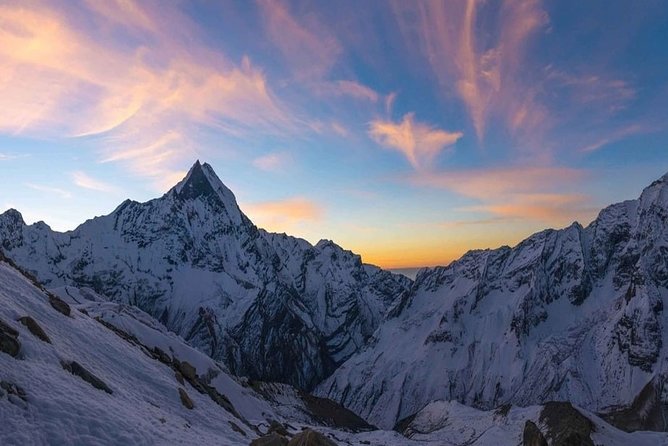
This experience requires good weather. High passes can be sensitive, and the pass crossing depends on conditions. Even when you feel ready, you want to be psychologically prepared for adjustments.
Also, plan on early starts. The meeting time is listed as 6:00 am at Happyland Treks, and that early rhythm fits a trek like this where you want the pass day to begin with daylight and manageable temperatures.
What to Pack and What You Can Expect to Pay Extra For
Your price covers a lot, but not personal costs.
What’s included that affects your budget
You are covered for:
- Two nights in Kathmandu with breakfast, and one night in Pokhara with breakfast
- Tea house accommodation during the trek
- Standard trek meals and daily tea or coffee
- Airport pick up and drop, plus major ground transportation segments
- A medical kit and staff insurance and medicine for team members
- The company’s duffel bag and a t-shirt
- A Happyland Treks certificate
What is not included (so you do not get surprised)
You’ll still need to budget for:
- Travel medical insurance and any emergency evacuation costs
- Nepal entry visa fee and international air fare
- Personal equipment and personal expenses like battery charging, alcohol, hot shower, cold drinks, extra water, and similar items
- Tips for your guide and porter, since tipping is expected
For me, the value question comes down to this: you pay once, they manage daily meals, permits, guide support, and transport. Then you only pay for your own personal choices and travel paperwork.
Price and Value: Is $1,750 Per Person Fair for This Trek?
At $1,750 per person for about 15 days, you are paying for a fully supported high-altitude trek framework. That includes permits, multiple transfers across Nepal’s terrain, teahouse lodging, and a guide team that handles the day-to-day.
On a route with a pass at 5,416m, the most expensive thing is not always the bed or the bus. It is the coordination, the timing, and the safety management that keeps logistics from breaking down when conditions change.
Does it feel like a bargain? For many people, yes, because much of what you need is already in the package. Does it feel expensive? It will if you compare to self-guided trekking. But this is the kind of route where support adds real comfort, especially for planning the high pass day.
Given the strong track record shown in the ratings and the repeated praise for feeling looked after, this price looks aimed at delivering the “I can focus on walking” experience.
Who Should Book This Trek, and Who Should Consider Another Option
This is best for you if:
- You want a classic Himalayan circuit with a high pass highlight
- You have moderate fitness and are ready for a long pass day
- You prefer a guided experience that manages meals, permits, and transport
- You like the idea of acclimatizing properly rather than rushing upward
You might think twice if:
- You are new to multi-day trekking with altitude exposure
- You get overwhelmed by long hiking days, especially the 8 to 9 hour Thorong La crossing plan
- You have significant health limitations not addressed in the provided info
The good news is that the route includes a built-in acclimatization structure, and you have the option on Day 9 to choose sleeping altitude based on stamina.
Final Call: Should You Book Annapurna Circuit Thorong La Pass with Happyland Treks?
If you want the Thorong La challenge but also want your trip to feel organized, this is a strong fit. The package covers the big moving parts: transportation, permits, meals, teahouse lodging, an English-speaking guide, and porter support.
My key decision rule: if you can commit to preparation and altitude pacing, you will get a lot of reward from this trek. The pass is hard, but the whole plan is built to make it doable, including that valuable Manang acclimatization day.
If you are the type who likes clear plans, steady support, and a team that helps you feel safe and cared for, this is the kind of trek you’ll remember for the right reasons.
FAQ
Where is the meeting point and what time does the trek start?
The meeting point is Happyland Treks, Nepal Trekking, Everest Trek, South Asia, Paknajol Marg, Kathmandu 44600, Nepal. The start time is 6:00 am.
Is airport pickup and drop included?
Yes. Airport pick up and drop are included by car, van, or bus.
What accommodations are included during the trip?
You get two nights accommodation in Kathmandu with breakfast, one night in Pokhara with breakfast, and tea house accommodation during the trekking.
Are meals included on the trek?
Yes. Standard meals are included while in the trekking, and you also get three cups of tea or coffee per day.
Are permits included?
Yes. TIMS card and the Annapurna conservation area trekking entry permit are included.
Is there porter support?
Yes. Porter service is included, with 1 porter between 2 people at the basic level.
How high does the trek go?
The highest point on the route is Thorong La Pass at 5,416m.
What fitness level do I need?
The tour notes that travelers should have a moderate physical fitness level.
What happens if weather is bad?
This experience requires good weather. If it is canceled due to poor weather, you will be offered a different date or a full refund.
Latest Kathmandu write-ups
- Visit Swayambhunath and Bauddhanath Stupa with Guide★ 5.0 · 5 reviews
- 10 days Annapurna Base Camp Trek★ 5.0 · 5 reviews
- Langtang Trek from Kathmandu 7 Days★ 5.0 · 5 reviews
- 7 Day Kathmandu Pokhara Tour★ 4.5 · 5 reviews
- Island Peak Climbing with Everest Base Camp★ 5.0 · 5 reviews
- Chandragiri Hill Cable Car Tour with Hotel Transfers from Kathmandu★ 4.5 · 5 reviews
- Everest Mountain Flight★ 5.0 · 5 reviews
- Kathmandu city day tour (4 world heritage sites)★ 5.0 · 5 reviews
Annapurna Circuit Trek, compared.
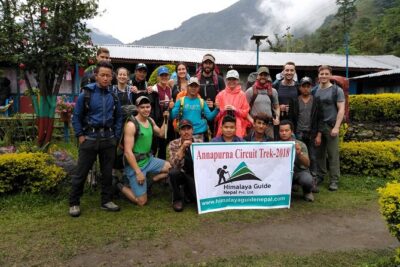
15-Day Private Annapurna Circuit Trek from Kathmandu
Read our review →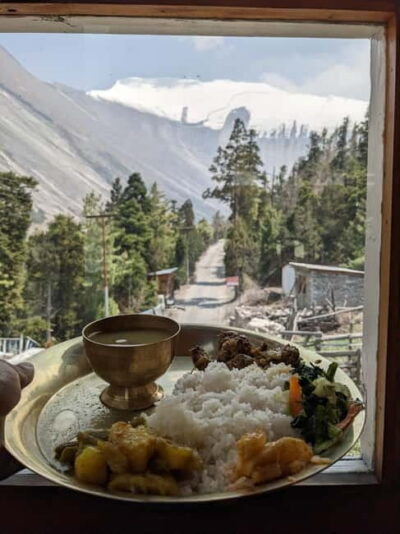
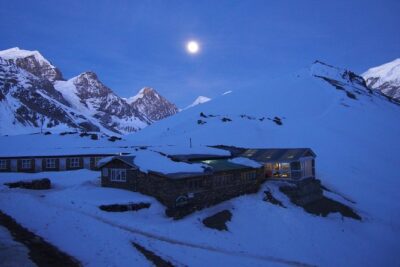
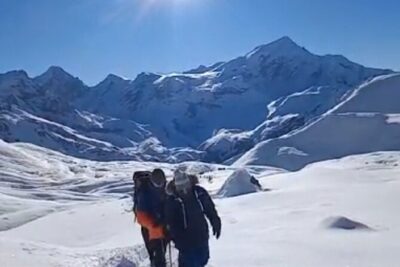
8 Days Private Guided Trekking in Annapurna Circuit with Pickup
Read our review →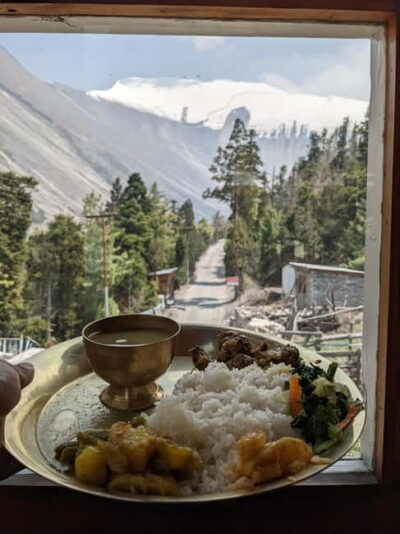
10-Day Annapurna Circuit Trek via Thorong La Pass
Read our review →Browse the lists this tour appears in