
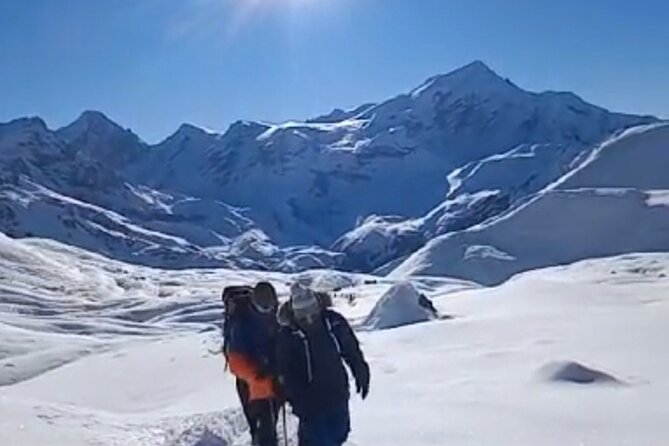
Reviewed · ANNAPURNA CIRCUIT TREK
8 Days Private Guided Trekking in Annapurna Circuit with Pickup
This is interesting because it’s the Annapurna Circuit, a classic high-altitude trek with big viewpoints and real village life, done with a private guide who handles the hard parts. I like that you get a clear plan from Besisahar to Pokhara, including the key pass section with Thorong La at 5,416m. I also like the practical setup: meals, permits, and major transportation are wrapped into one package, so you can focus on walking and adjusting to altitude.
One consideration: the schedule is short for a circuit, so your pacing and acclimatization matter. You will have to take the rest day seriously and listen to your guide, especially around Manang and the pass days.
Key things that make this Annapurna Circuit trek work
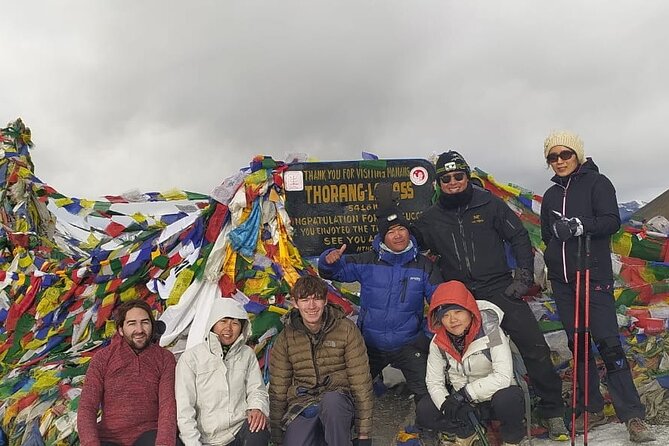
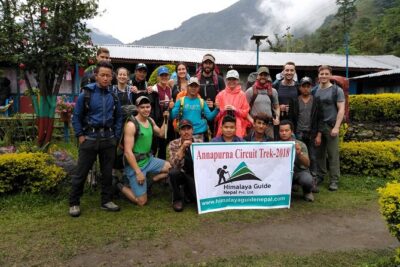
- Private guiding for your group, not a big hiker herd, with named guides you can actually get to know
- Thorong La Pass plan built into the itinerary, including a dedicated climb day up to the pass area
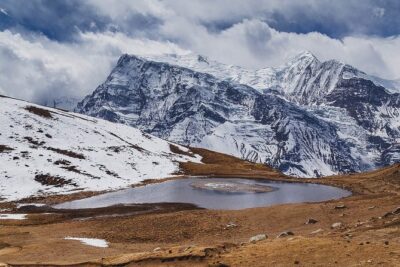
- Manang acclimatization/rest day, with an optional hike to Gangapurna Lake if you feel good
- Permits included (Annapurna Conservation Area permit and TIMS card), which saves hassle
- Logistics handled for you, from jeep transfers to meals across 8 days
- Strong guide support in altitude trouble, with help reported when someone needed extra care
Annapurna Circuit in 8 days, what that timeline really means
An 8-day Annapurna Circuit trek is a fast, focused version of a route that many people stretch into 10 to 15 days. That can be a win if you want the highlights without a long vacation. The tradeoff is that you need to stay steady on pace, because you are still walking high and crossing the major pass.
Here, your days follow a logical rhythm: jeep starts, gradual trekking toward Manang, one real acclimatization-style rest day, then the run-up to Thorong La. You also end with a scenic jeep ride from Jomsom to Pokhara, which helps you drop altitude without another long hiking day.
This kind of itinerary is best for travelers who are comfortable with moderate trekking, want a guided experience, and don’t want to wrestle with permits or daily logistics.
More of the Annapurna Circuit:
- Annapurna Circuit Trek with Tilicho Lake
★ 5.0 · 368 reviews - Annapurna Circuit Trek
★ 5.0 · 94 reviews - Annapurna Circuit Trek
★ 5.0 · 67 reviews
Route at a glance, from Kathmandu pickup to Pokhara finish
The tour is based out of Kathmandu, and pickup is offered. In the trekking itself, you start with a drive to Besisahar and then continue by jeep to Chame, so your first day is about settling in rather than immediately grinding uphill all day.
From there, the trek pieces build toward the higher elevations:
- Forest and village trekking early on, with a move between Upper and Lower settlements
- Manang as your base for views and acclimatization
- Alpine-style trekking as you gain height toward high camps
- A summit push to Thorong La Pass (5,416m), followed by the descent to Muktinath (3,800m)
- A final vehicle transfer from Jomsom to Pokhara for a softer landing
That flow matters because it reduces random zigzags. You get time to adapt before the hardest day, instead of jumping straight to extreme altitude.
Day 1: Besisahar to Chame by jeep, getting your legs ready
Day 1 is mostly travel: drive from Kathmandu to Besisahar, then continue by jeep to Chame. This is not wasted time. It helps you start the trek with your mind in the right place, plus you skip the early fatigue that can make altitude harder later.
Chame is where the trekking energy kicks in. You’ll treat the first night as your setup period. If you’re the type who gets anxious about altitude, this is the day to ask your guide about pacing and gear use. One reason people rate this trip highly is that guides actively help with comfort and readiness, not just route knowledge.
Even if you feel okay, don’t overdo the first day walking the moment you see scenery. The circuit rewards steadiness, and your guide will keep an eye on how you’re holding up.
Day 2: Dhikur Pokhari to Upper Pisang, forests, villages, and big views
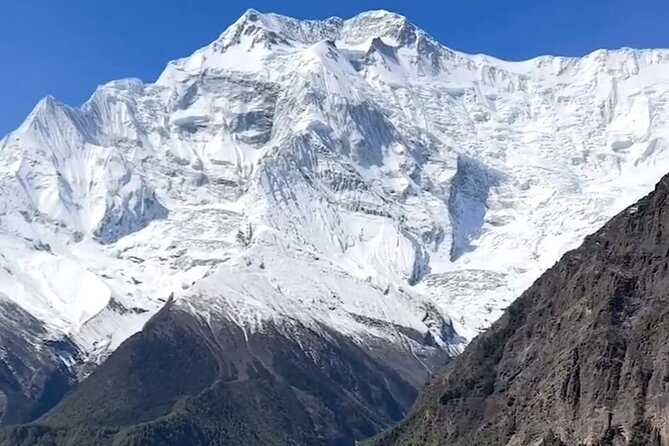
On Day 2, you trek through dense forest and pick up classic Annapurna-range views, including Annapurna II. You pass Dhikupokhaari village, which is a good reminder that this is not just a photo trail. It’s also daily life for local people, and it shapes the pace of the route.
You reach Lower Pisang, then ascend to Upper Pisang and overnight there. That village-to-village structure is useful for first-time circuit trekkers because your body learns altitude in steps, not jumps. The time on your feet is moderate, and you get the satisfaction of moving through distinct places rather than only climbing ridgelines.
Tip for your planning: if you’re carrying a lot of gear, keep it organized from the start. This is the day to test what you can comfortably access (layers, water, basic snacks) without unpacking every time you stop.
More to compare around Kathmandu
- Everest Base Camp Trek – 14 Days
★ 5.0 · 1,499 reviews - Everest Base Camp Trek
★ 5.0 · 842 reviews - Private Kathmandu Sightseeing Tour | UNESCO World Heritage sites
★ 5.0 · 756 reviews - Kathmandu: 7 UNESCO Sites with Lunch
★ 4.8 · 744 reviews
Day 3: Ngawal viewpoints and Manang, where acclimatization starts to feel real
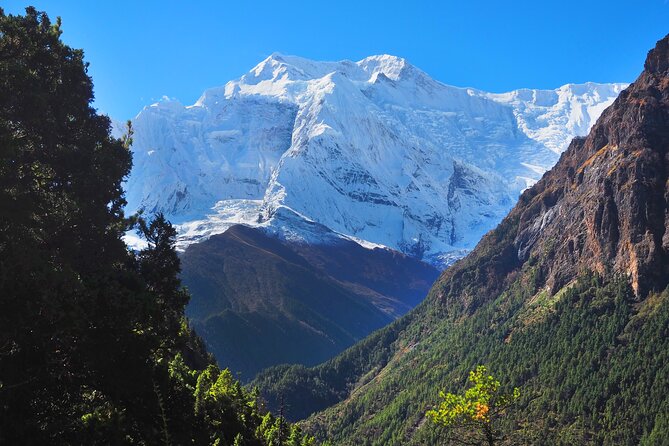
Day 3 brings you toward Ngawal, with breathtaking views of the Annapurna range. You then continue to Manang and unwind after the day’s trekking.
Manang is a turning point because it’s a hub for trekking in this region, and it’s where most circuit trekkers feel the altitude shift more clearly. The itinerary is built to get you there without rushing. You’re still walking, but the day is shaped to lead into the rest day that follows.
If you’re prone to getting impatient once you see a view, this is a good day to slow down. You’re building toward higher elevations, and your body needs time to adjust before the pass push.
Day 4: Manang rest day plus Gangapurna Lake option
Day 4 is your acclimatization rest day in Manang. That matters a lot because Thorong La is coming, and this is the practical window to help your body catch up.
You can keep it simple and rest, or choose an optional hike to Gangapurna Lake if you feel strong. The point is not to chase a personal record. It’s to get a bit of movement and a view, while giving your body time to adapt at altitude.
From a comfort standpoint, this day is where you’ll thank your future self. You can manage small issues here, like adjusting layers, checking your pack setup, and rethinking your water rhythm. In feedback from this trekking company, guides are praised for knowing when to adjust pacing, and this is the day where that advice pays off the most.
Day 5: Yak Kharka run-up, alpine terrain and steady breathing
Day 5 climbs through alpine scenery. You pass Letdar and continue to Yak Kharka, where you overnight.
This is the “transition day” for many trekkers. The air can feel thinner, and the terrain shifts from village-and-forest walking toward higher, more exposed sections. The route still takes several hours, but it’s not described as an all-out sprint. That’s good news, because you’re being positioned for the high camp night on Day 6.
If you’re nervous about the pass day, this is when you practice your pass-day routine in miniature:
- Slow starts
- Regular, small sips of water
- Short rests
- No hero pace
You’re not training for speed. You’re training for endurance.
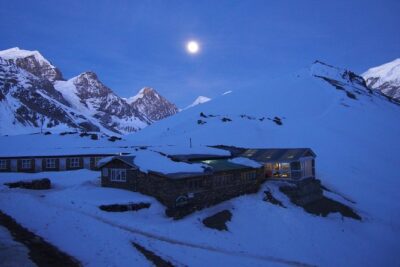
Day 6: Thorong High Camp (4450m), the base for the pass push
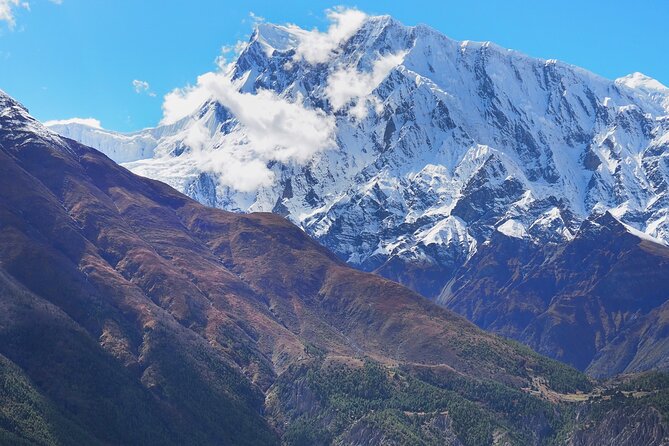
Day 6 focuses on getting to Thorong High Camp at 4,450m. This is the crucial preparation night because it sets you up for the early, demanding ascent to Thorong La Pass the next morning.
The itinerary gives you a shorter day window, about 4 hours trek to the high camp. That’s not just scheduling. It’s a strategy: reduce the amount of time you spend on your feet right before the pass, so you arrive with enough energy to sleep, settle, and get ready for an early start.
Logistically, this is where a good guide earns their keep. In feedback tied to this route, guides provided hands-on support when altitude discomfort showed up, including guidance that helped someone continue. That kind of help is priceless when you’re tired and your decision-making gets foggy.
Day 7: Thorong La Pass (5,416m) to Muktinath, then drive to Jomsom
Day 7 is the biggest day in the whole itinerary. You start with an early morning ascent over Thorong La Pass at 5,416m, then descend and reach Muktinath at 3,800m. After that, you drive to Jomsom.
This sequence is intense, but it’s also well-structured. The pass is placed after the Manang acclimatization rest day, and you have the high camp night the day before. That reduces the odds of walking straight from lower elevations into the pass.
Muktinath adds cultural weight to the day since it’s a sacred site area. Even if your focus is mainly physical, you’ll likely notice how the air changes and how quickly the scenery and feel of the trail shift after the pass.
One practical note: the descent days can feel easier on paper, but they can still be hard on knees and ankles. Your guide’s pacing and stop timing matters more than you expect.
Day 8: Jomsom to Pokhara by jeep, time to breathe and reset
Day 8 ends with a scenic jeep ride from Jomsom to Pokhara, about 6 hours. This is a classic “finish strong, recover fast” setup. You get the satisfaction of completing the trek and then you slide back toward comfort without another long trek.
Pokhara is a lakeside town, and the itinerary suggests that you’ll have time to enjoy the setting after the big walking days. For many people, this is where the trek turns from effort into a story you can finally digest.
If you still feel tired, that’s normal. Think of this day as your recovery window. Hydrate, eat well, and don’t plan anything stressful right away.
Guides and logistics, why people rate this so highly
The most praised aspect across the experiences shared is guide quality. People name specific guides, and the common thread is that the guide made the trip feel organized and manageable.
Here are the highlights I would plan around if you want the same calm experience:
- Sabit/Sobit and Sirjan/Sirjan were praised for being humorous and for keeping you learning about local culture, not just directing you down a trail
- Garap was praised for adjusting pacing and even equipment support, helping someone who didn’t have much time to prepare in Kathmandu
- Bijay was praised for making a first Annapurna circuit feel unforgettable
- Sirgan was praised for being extremely helpful when altitude sickness hit, giving support that made finishing possible
That combo of route knowledge plus real care is the difference between a trek that feels like a puzzle and one that feels like a guided plan. You also get practical support for accommodation and food decisions, which reduces the mental load day after day.
What’s included, and what you should budget beyond the $260
At $260 per person, this package can be good value because a lot of the costs that surprise people later are included.
What you get included:
- Permits for the Annapurna Conservation Area and a TIMS card
- Guide support with insurance, salary, and their food and accommodation
- Trekker meals: breakfast for 7 days, lunch for 7 days, and dinner for 7 days
- Basic medical support: first aid medicine
- Transportation: shared jeep segments from your location to Besisahar to Chame, plus shared transport from Jomsom to Pokhara
- Optional equipment support: sleeping bag and trekking poles included if you need them
- Extra small comforts like some seasonal fruit and a trip certificate
What’s not included:
- Travel insurance
- Tips for the guide
- Bar bills
- Extra meals beyond what’s listed
My practical take: the “hidden cost” on treks is often permits, guide time, and consistent meals. Here, those are handled. What you should not skip is travel insurance, because the trek involves altitude and remote timing. Also, budget a tip. Even if it isn’t required, it’s commonly expected as part of good service.
Fitness, altitude, and who this 8-day circuit fits best
The tour calls for moderate physical fitness. That usually means you can walk for hours without needing frequent rescue breaks, and you can handle altitude gradually.
Altitude is part of the math here:
- You’re at major elevation points like 5,416m on Thorong La Pass
- You also overnight at high camp at 4,450m
- Muktinath is reached at 3,800m
So this fits best if you:
- Can hike steadily at a moderate pace
- Are willing to take the Manang rest day seriously
- Want a private guided experience with someone managing pacing and logistics
If you’re brand-new to trekking, start by honestly rating your endurance. The itinerary is doable for many people, but only if you don’t push through symptoms. The feedback includes altitude sickness support, but the safest plan is preventing problems before they grow.
Sustainable trekking and the kind of behavior that helps everyone
The tour description frames the experience around sustainable trekking. On the ground, sustainability isn’t a slogan. It shows up in small behavior choices that protect trails and respect communities.
Here’s what I’d practice on this kind of route:
- Keep your trash packed until you can dispose properly
- Be polite when passing through villages
- Follow your guide’s direction on where to walk and how to manage stops
- Don’t treat sacred places as a quick photo stop, especially around Muktinath
When your trek is well organized, you tend to move more calmly. Calm equals less chaos equals less wear on the trail.
Should you book this Annapurna Circuit trek with pickup?
Book this trek if you want:
- The Annapurna Circuit highlights in 8 days
- A private guided plan with permits and meals handled
- A guided pass day setup, including high camp and early pass timing
- A team that adjusts to your needs, including pacing and support if altitude discomfort appears
I would hesitate if you:
- Want a slower, longer itinerary with more flexibility for extra acclimatization days
- Hate early starts or you know you struggle when schedules are tight
If you’re aiming for value and calm logistics, this one checks a lot of boxes. The repeated praise for specific guides is a good sign that you’ll get more than directions, you’ll get steady support.
FAQ
How long is the trek and where does it start and end?
The itinerary is listed as 8 days (approx.). It starts in Kathmandu with pickup, begins trekking after reaching the Besisahar to Chame route, and finishes with a jeep ride from Jomsom to Pokhara.
Is this trek truly private?
Yes. It is described as a private tour/activity, and only your group will participate.
What permits are included for the trek?
The included items list a permit for the Annapurna Conservation Area and a TIMS card.
Are meals included?
Yes. The package includes breakfast (7), lunch (7), and dinner (7).
Do I need to bring trekking poles or a sleeping bag?
If you need a sleeping bag, and trekking poles, they are included.
How does transportation work, especially from Kathmandu?
Pickup is offered. The included transport notes shared transportation from your location (Kathmandu, Pokhara, Chitwan) to Besisahar to Chame by jeep, and shared transportation from Jomsom to Pokhara.
What kind of guide support is included?
A guide is included with insurance, salary, and their food and accommodation.
Is travel insurance included?
No. Travel insurance is listed as not included.
Can I cancel and get a refund if weather ruins the plan?
Cancellation is free, and you can cancel up to 24 hours in advance for a full refund. The information also notes that if the experience is canceled due to poor weather, you’ll be offered a different date or a full refund.
Latest Kathmandu write-ups
- Visit Swayambhunath and Bauddhanath Stupa with Guide★ 5.0 · 5 reviews
- 10 days Annapurna Base Camp Trek★ 5.0 · 5 reviews
- Langtang Trek from Kathmandu 7 Days★ 5.0 · 5 reviews
- 7 Day Kathmandu Pokhara Tour★ 4.5 · 5 reviews
- Island Peak Climbing with Everest Base Camp★ 5.0 · 5 reviews
- Chandragiri Hill Cable Car Tour with Hotel Transfers from Kathmandu★ 4.5 · 5 reviews
- Everest Mountain Flight★ 5.0 · 5 reviews
- Kathmandu city day tour (4 world heritage sites)★ 5.0 · 5 reviews
Annapurna Circuit Trek, compared.
15-Day Private Annapurna Circuit Trek from Kathmandu
Read our review →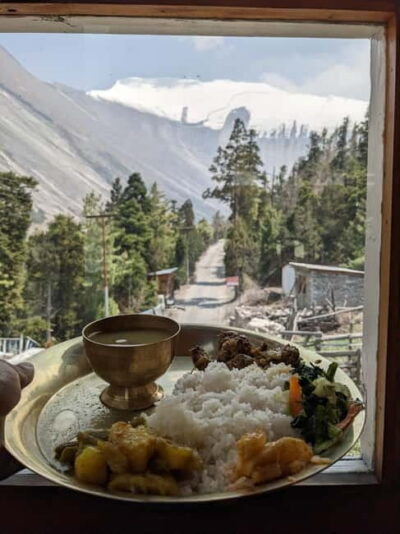
10-Day Annapurna Circuit Trek via Thorong La Pass
Read our review →Browse the lists this tour appears in