
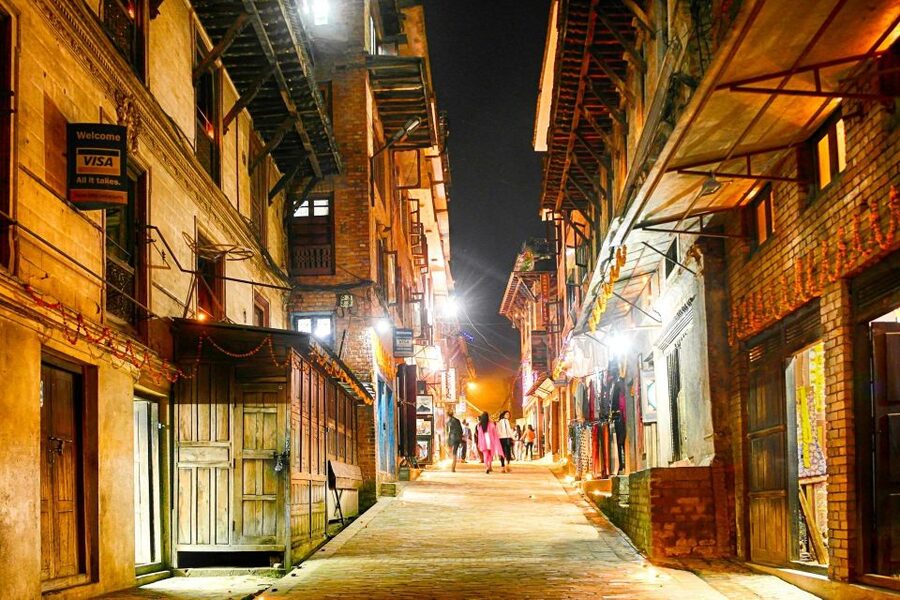
Reviewed · BHAKTAPUR
Kathmandu: Private Bhaktapur and Patan Sightseeing Tour
This Kathmandu Valley tour is interesting because you get two former kingdom capitals in one smooth half-day plan. You’re not just looking at temples, you’re reading how power, faith, and daily life shaped Patan and Bhaktapur over centuries. The big win for me is how Newari architecture makes the history feel physical, not abstract.
I also like that the tour is built around guided interpretation, so you understand what you’re seeing. Guides such as Nilakantha and Sharmila are highlighted for strong English and for connecting Hinduism and Nepalese culture to specific buildings, statues, and courtyard layouts.
One possible drawback to plan for: you’ll cover a lot of ground in a short time, and monument entrance fees are not included, so you need cash. Also, there are no meals included, so you may want a snack plan for the gaps.
Key highlights to look forward to
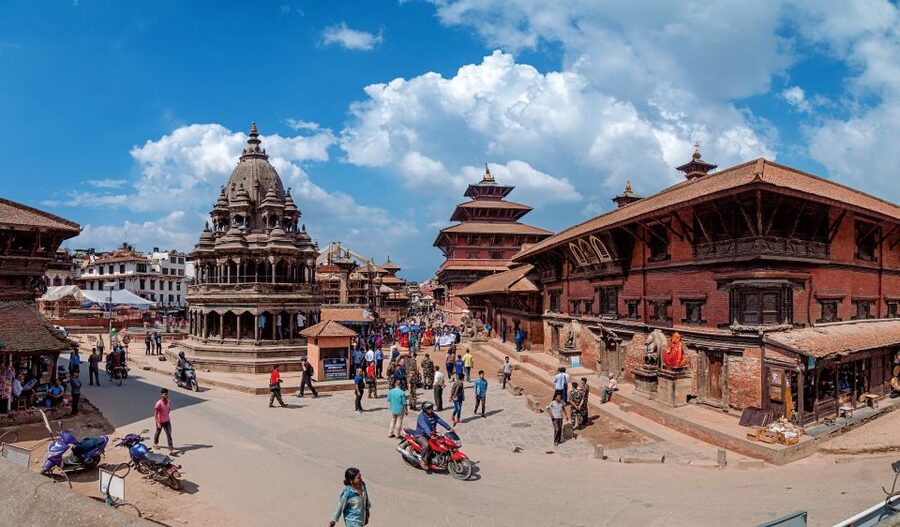
- Two UNESCO World Heritage Sites in one 6-hour, private schedule
- Patan Durbar Square with the old royal palace core and the famous Krishna Mandir stonework
- Bhaktapur Durbar Square with the Golden Gate area and 55 Jhyale Durbar wood-carving focus
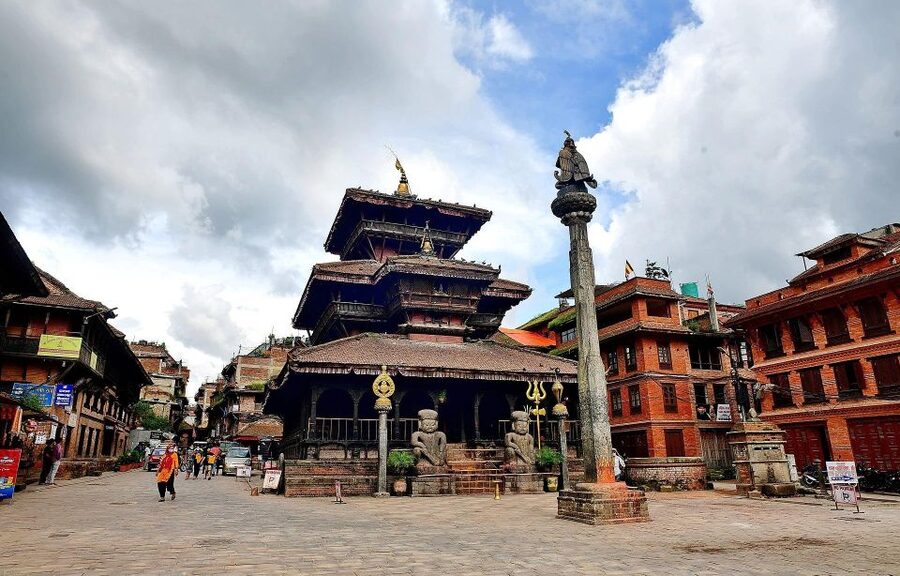
- Nyatapola Temple as the city’s tallest, and noted as the tallest temple of Nepal, completed in 1702
- Pottery Square for handicrafts shopping, right in the historic center
- Hotel pickup and AC private transport to reduce stress and keep your time for sightseeing
Why Patan and Bhaktapur together makes sense in 6 hours
If you only have half a day in Kathmandu, the usual trap is spending too long in one area and missing the second UNESCO site. This tour solves that by pairing Patan (Lalitpur) and Bhaktapur, both former Malla kingdom centers, and both strong on temples, shrines, courtyards, and palace-era details.
What I like about this combo is that the places feel related, but not identical. You’ll see the shared Newari building style, but each Durbar Square tells its own story about royal power and the way communities used sacred space. The result is a “same language, different accents” kind of cultural day, which is ideal when you’re pressed for time.
You’ll be picked up from your Kathmandu hotel and driven to Patan first, then to Bhaktapur, then back to your hotel. The drive times listed are about 30 minutes to Patan and 40 minutes to Bhaktapur, depending on traffic. That’s a realistic way to manage distances in the valley.
More City Tours in Kathmandu
- Kathmandu: Private City Guided Tour
★ 4.9 · 174 reviews - Kathmandu: Private Patan and Bhaktapur Sightseeing Tour
★ 4.7 · 64 reviews - 1 Day Kathmandu Valley Sightseeing Tour
★ 5.0 · 37 reviews
Starting in Kathmandu: pickup, express security, and getting oriented fast
Your tour begins with a pickup from your hotel around 10:00 AM. The operator provides a private AC car or van, plus bottled water, which matters more than you might think in Nepal. Heat, sun, and sitting in traffic can add up, and the comfort helps you stay sharp for the architecture.
Another practical touch is the promise of express security check rather than a slow, stop-start process. I’d still keep your camera and a small day bag ready, because once you’re in the squares, there’s limited patience for rummaging.
Before you head out, wear comfortable shoes. The uneven stones and temple stair edges are part of the experience, but they’re easier to enjoy when your feet are happy. Bring a camera and, importantly, cash for monument entrance fees. The tour explicitly asks for cash, so don’t assume you can pay everything by card.
Patan Durbar Square: Malla palace core and the Krishna Mandir stone focus
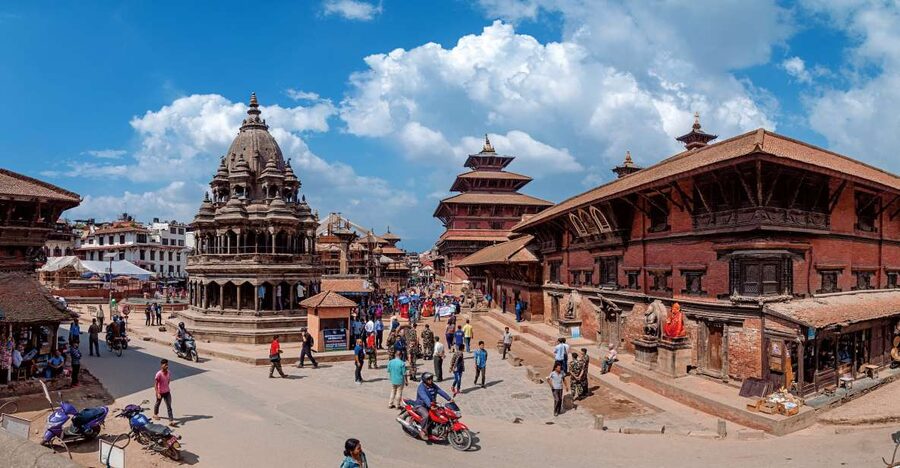
You arrive in Patan around 10:30 AM, and the guided portion at Patan Durbar Square runs about 1.5 hours. This is the old royal palace area where the Malla Kings of Lalitpur resided. In other words, you’re not wandering randomly through temples. You’re walking through the heart of governance, religion, and ceremony.
What I like here is the mix of “big focal points” and “small eye-catchers.” Patan Durbar Square is described as a marvel of Newar architecture, with a floor tiled in red bricks and plenty of temples and statues. That red brick ground can help you understand the scale of the space quickly, because it creates a strong visual boundary around the core monuments.
The tour highlights the Krishna Mandir, described as the most famous stone temple in the square. If you pay attention, stone temples like this often show a lot more than decoration. They reflect craftsmanship traditions and the way different deities and royal patronage were expressed through built form.
One consideration: 1.5 hours can feel quick when you love details. If you’re a slow walker or you like long photo sessions, keep your energy for the carvings and doorways, not just the main facades.
Drive to Bhaktapur: a short ride that changes the mood
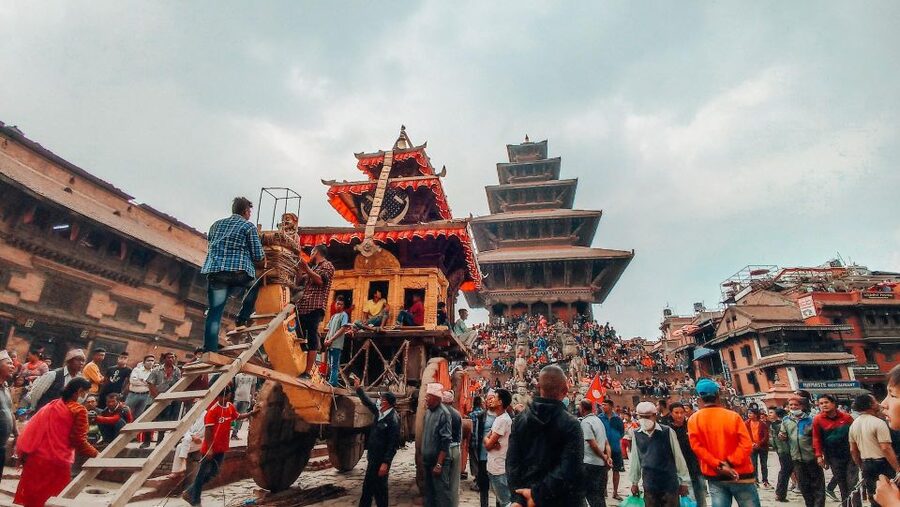
After Patan, you’ll take about a 40-minute drive to Bhaktapur. Bhaktapur doesn’t feel like an “add-on.” It feels like the second chapter, and the pacing helps.
If you’ve spent time in Kathmandu proper before this tour, you’ll notice the difference right away: Bhaktapur’s historic core is more concentrated. That means less time lost to searching, more time focused on courtyards, temple groupings, and the feel of how people historically lived around sacred space.
In the van, your guide can usually point out what to notice in Bhaktapur before you reach the Durbar Square zone. That’s a simple trick that makes your photos and your understanding better once you’re actually there.
More of Bhaktapur:
- Day Trip to Bhaktapur and Panauti from Kathmandu
★ 5.0 · 184 reviews - Bhaktapur & Patan Durbar Square Day Tours
★ 5.0 · 122 reviews - Patan and Bhaktapur City Full Day Tour
★ 5.0 · 24 reviews - From Kathmandu: Half-Day Guided Tour of Bhaktapur
★ 3.8 · 13 reviews
Bhaktapur Durbar Square: the palace complex behind the Golden Gate
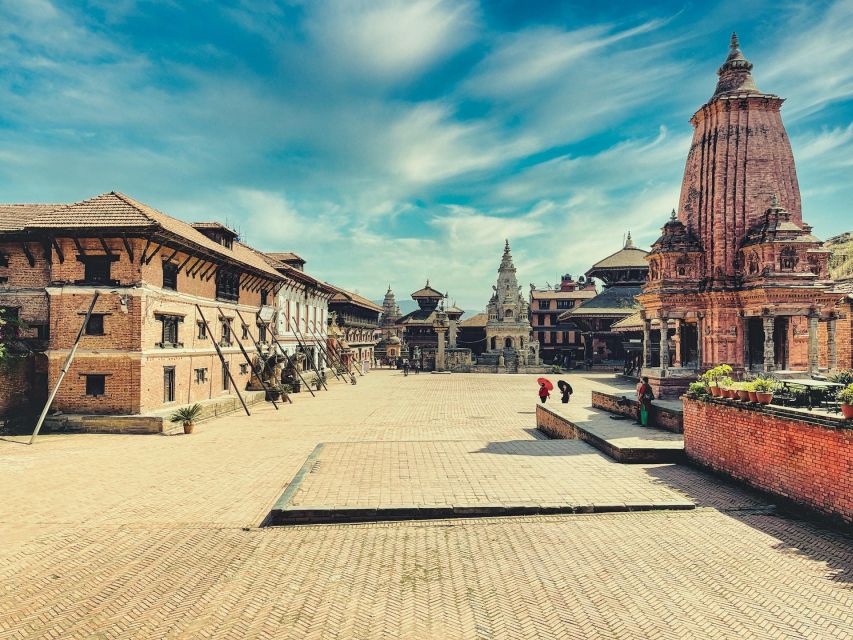
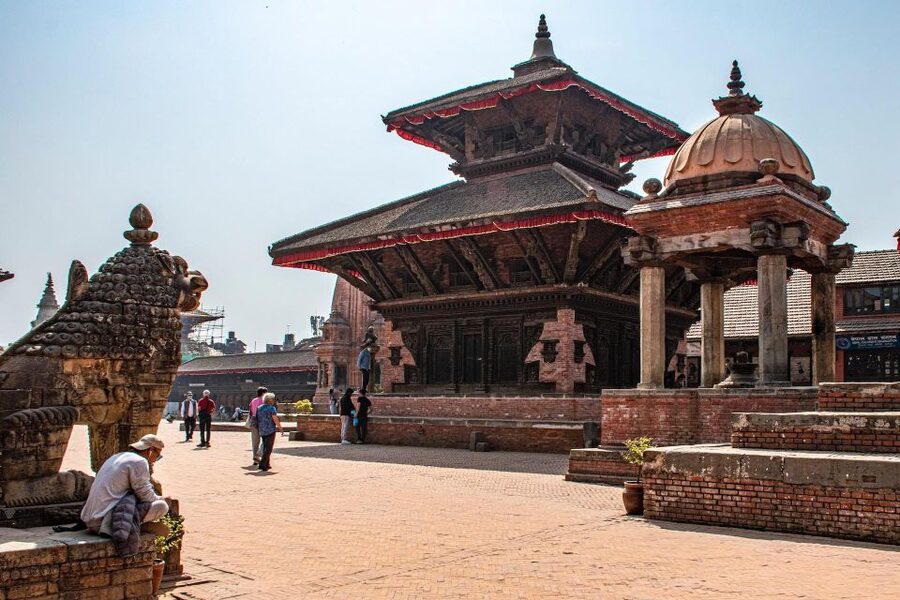
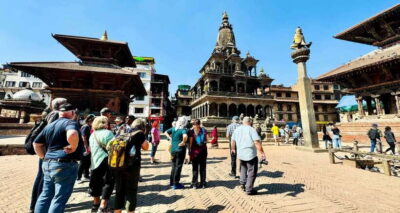
The main stop in Bhaktapur is Bhaktapur Durbar Square, starting around 12:40 PM for about 2.25 hours of guided time. This square is presented as a former royal palace complex with layers of rule: Malla Kings of Nepal in the 14th to 15th century, then kings of the Kingdom of Bhaktapur from the 15th century to late 18th century, until the kingdom was conquered in 1769.
If you’re trying to grasp why Durbar Squares matter, Bhaktapur is a strong example. The former palace grounds were later used for government offices, schools, and private houses. That detail is key, because it shows the site wasn’t sealed off as a dead monument. People continued to live with it. The buildings stayed relevant even after political change.
55 Jhyale Durbar: wood carving that rewards close looking
Behind the Golden Gate, the tour points out 55 Jhyale Durbar. This is described as a masterpiece with preeminent illustration of Malla-period wood carvings. You can treat this stop like your “close-up station” in the day.
When you’re standing in front of wood carvings, the best strategy is to look at the patterning and repetition first, then find the narrative details. Carvings like this often use symmetry to guide your eye, so take a slow lap, then come back for better photos once you know where your attention should land.
Nyatapola Temple: why this tower feels like a landmark
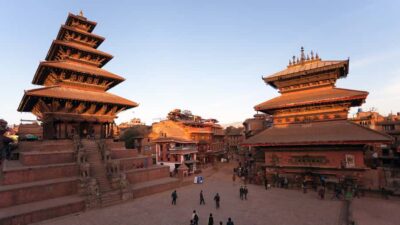
Next, you’ll see Nyātāpola, a five-tiered temple that’s described as the tallest monument in Bhaktapur and also the tallest temple of Nepal. The tour notes it was commissioned by King Bhupatindra Malla, with construction completed in 1702.
This is one of those places where a short explanation changes the experience. A tall temple isn’t just tall. It’s designed to be a visual statement, a religious focal point, and a landmark that organizes space around it. In a place like Bhaktapur, that means the city’s orientation and your own sense of scale get clearer as soon as you spot Nyātāpola.
One practical point: if you’re sensitive to stairs, take your time. Bhaktapur’s historic center has uneven steps and temple platforms, and you’ll be on your feet for multiple stops.
Pottery Square: handicraft shopping that fits the historic setting
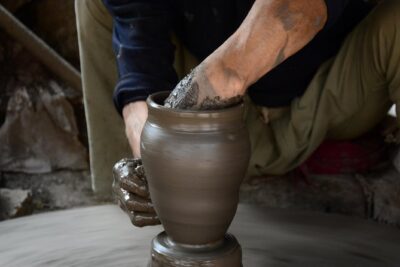
As the tour wraps its Bhaktapur segment, it includes Pottery Square, described as a hub for pottery works and Nepalese handicrafts. It’s not as large as Durbar Square, but it’s a practical stop if you want to bring something home that still fits the local craft tradition.
If you shop here, keep expectations realistic. Handicrafts in historic squares are as much about process and materials as they are about a single perfect bargain. Plan to browse first, then decide. And since the tour requires cash for monument entrance fees, I’d also bring enough cash for small purchases.
Timing and the return to your hotel: plan for late afternoon
The tour is listed as 6 hours total, with return to Kathmandu in the early afternoon to late afternoon window. The details provided mention 4:00 PM for drop-off, but also mention being dropped back at three. Real life usually means traffic and how long you spend inside each courtyard.
So treat the schedule as a guide, not a promise. If you have an evening plan, build in some buffer. If you’re unsure, ask the guide or driver during pickup how the day is running, especially if you care about being back by a specific time.
What’s included, what’s not, and how to avoid common money surprises
This experience includes:
- Hotel pickup and drop-off
- Experience tour guide (English is listed)
- Private AC car or van transportation
- Bottled drinking water
It does not include:
- Meals
And it explicitly says you should bring cash to pay monument entrance fees. That’s the main budgeting item you might forget if you’re used to tours where fees are bundled.
If you want a stress-free day, eat before you go or plan a snack break. Since there’s no meal included, you’ll be relying on your own timing while the guide handles the walking schedule.
Who this tour is best for
This is a great fit if you want:
- Two UNESCO sites without the hassle of figuring out transport and timing on your own
- A guided explanation of Hinduism and Nepalese culture alongside the architecture
- A manageable day plan that still covers major historic sights
It’s especially good for first-time visitors who want the UNESCO highlights in a way that feels structured, not rushed. If you love craftsmanship, Bhaktapur’s wood-carving focus at 55 Jhyale Durbar and the temple scale at Nyātāpola will keep you busy.
If you’re the type who hates history lectures or you just want quick photos, you might find the guided context dense. But you can also use it like a menu: listen for the parts you care about, then spend your extra time on the carvings and courtyards.
Booking value: does $45 per person make sense?
At $45 per person for a 6-hour private tour with pickup, an English guide, bottled water, and AC transport, the value is strongest for two types of travelers: small groups and travelers who’d otherwise waste time arranging local logistics. When transport and a guide are included, you’re paying for convenience and for interpretation, not just access.
The only “value tax” to remember is that monument entrance fees require cash, and meals aren’t included. If you’re already planning to eat out or bring a snack, this doesn’t hurt much. The biggest cost risk is forgetting cash and then losing time at payment points.
Also note: it’s a private group, so you’re not squeezed into someone else’s pace. That’s a big deal for architecture days, where photo stops and stair breaks can take more time than you expect.
Should you book this private Patan and Bhaktapur tour?
Book it if you want a focused, high-impact Kathmandu Valley day with two UNESCO Durbar Squares and a guide who connects what you see to Nepalese Hindu culture and the Malla kingdoms. It’s also a smart choice if you want a private vehicle, less hassle, and a schedule that keeps you moving between Patan and Bhaktapur without losing hours to transit planning.
Skip it or adjust expectations if you hate walking on uneven stone, or if you’re trying to keep the day ultra-early, super relaxed, and totally meal-free. This is a sightseeing-first plan, and you’ll feel that on your feet.
If you do book, bring cash, wear sturdy shoes, and give yourself permission to slow down for the carvings and temple details. That’s where the tour stops feeling like a checklist and starts feeling like you understand how these cities work.
FAQ
What time does the tour start?
The tour begins at about 10:00 AM with pickup from your Kathmandu hotel.
How long is the Kathmandu Valley private tour?
The duration is listed as 6 hours total.
Is this tour private?
Yes. It’s described as a private group.
Are Patan and Bhaktapur UNESCO World Heritage Sites included?
Yes. The tour includes visits to two designated UNESCO World Heritage Sites: Patan Durbar Square and Bhaktapur Durbar Square.
What is included in the price?
Included are hotel pickup and drop-off, an English live tour guide, private AC car or van transportation, and bottled drinking water.
Are meals included?
No, meals are not included.
Do I need cash during the tour?
Yes. You’re asked to bring cash to pay monument entrance fees.
What should I bring for the day?
Bring a camera, cash, comfortable shoes, and sunglasses. Oversize luggage is not allowed.
More of Patan and Its Courtyards
- Private Full-Day Tour of Kathmandu Valley With World Heritage Temples and Patan
★ 5.0 · 8 reviews - Kathmandu: Private Patan and Bhaktapur Sightseeing Tour
★ 5.0 · 6 reviews
Latest Kathmandu write-ups
- 16 Days Island Peak Climbing With Everest Base Camp Private Trip★ 5.0 · 3 reviews
- 15 Days Round Annapurna Trek with Poon Hill from Pokhara★ 5.0 · 5 reviews
- Private Nepal round trip including Ghorepani Poonhill trek★ 5.0 · 3 reviews
- Everest Base Camp Trekking 16 Days★ 4.0 · 7 reviews
- 14 Days Luxury Annapurna Base Camp Trek★ 5.0 · 6 reviews
- Everest Base Camp Trek★ 5.0 · 32 reviews
- Everest Base Camp Trek★ 5.0 · 87 reviews
- 14 Days Everest Base Camp Trek★ 5.0 · 5 reviews
Bhaktapur, compared.
Day Trip to Bhaktapur and Panauti from Kathmandu
Read our review →
Private Bhaktapur & Nagarkot Day Tour with Guide
Read our review →
Nagarkot Sunrise With Changu Narayan and Bhaktapur Day Tour
Read our review →Browse the lists this tour appears in