
Reviewed · SWAYAMBHUNATH
Monkey Temple – Swayambhunath Tour – Private/Small Group
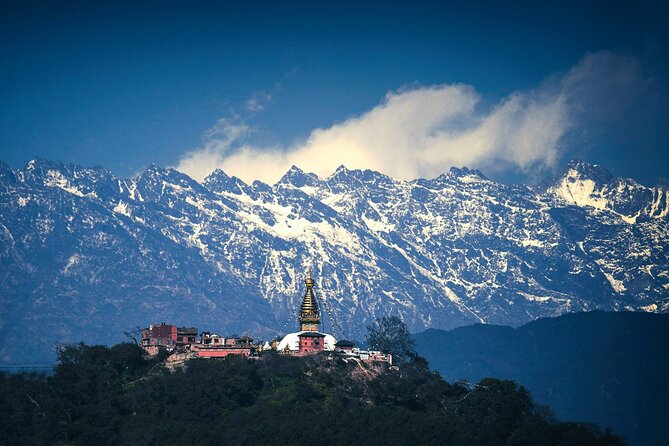
A Monkey Temple and Swayambhunath walk in Kathmandu is interesting because it turns a simple morning stroll into a route through the area’s founding myths and everyday worship. You start in lively Thamel, then work your way up to the hilltop complex people treat like both spiritual destination and living history.
I love the small group size (max 5), which means fewer bottlenecks and more time to ask questions. I also love that your guide, often Santosh, connects what you’re seeing to the Hindu and Buddhist stories behind it, not just dates and labels.
One possible drawback: you’ll climb a lot of steps, with the main entrance starting at 365 stairs. And Swayambhunath has an entrance fee you pay in cash directly to temple authorities, so bring small bills and don’t assume it’s bundled in.
Key highlights worth knowing before you go
- Max 5 people keeps the walk personal and helps with crowd flow around the stupa
- Myths with location clues link the Kathmandu Valley origin stories to the specific temples you pass
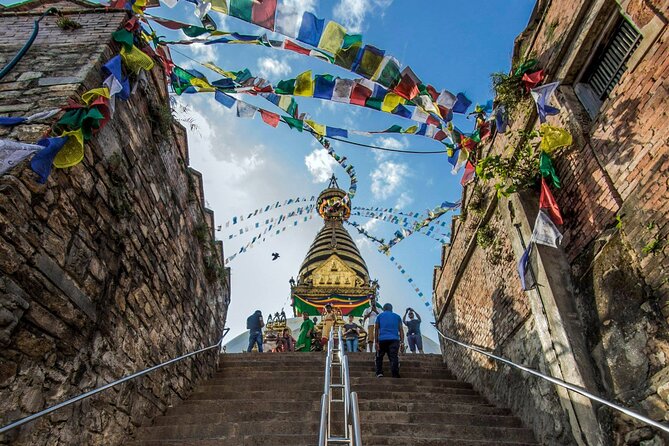
- 365 stairs start at Bhagwan Pau, so plan for real uphill walking
- Swayambhunath entrance fee is separate (200 rupees in cash) while several other stops are included
- Lots of “why people pray here” moments, especially around Harati Ajima and the Manjushree site
- Panoramic viewpoint time gives you a break from the stairs before heading back down
Why Swayambhunath feels like more than a temple complex
Swayambhunath is famous for a reason, but the experience gets better when someone explains what you’re looking at while you’re actually there. On this tour, the point is not just to reach the stupa, but to understand how the myths and legends of Swayambhunath connect to Kathmandu Valley origins and the religious mix of the area.
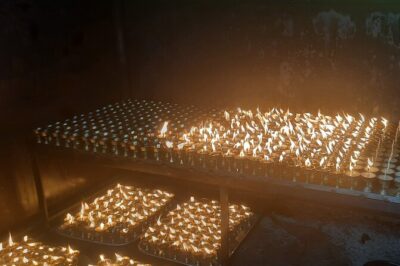
That matters because the place is active. People come to pray, light offerings, and pause for ceremonies. When you know what the guide is pointing out, the walking stops feel like chapters in one story instead of a checklist.
More of Swayambhunath:
- Kathmandu: Chandragiri Cable Car and Monkey Temple Tour
★ 4.8 · 139 reviews - Private Chandragiri Cable Car and The Monkey Temple Tour
★ 5.0 · 30 reviews - Kathmandu: Guided Walking Tour with Monkey Temple
★ 5.0 · 18 reviews
The small-group formula: why it works in Kathmandu
This is a private or small group tour capped at 5 participants, and the timing is about 3 hours. That’s a sweet spot if you want meaningful sights without spending your whole day climbing stairs and backtracking through traffic.
With a tiny group, you also avoid the usual problem of being stuck behind a faster group or waiting for slow-moving detours. The pace is still walking heavy, but it feels organized. One of the strongest strengths here is that your guide takes the time to explain what you’re seeing, including the Hindu and Buddhist connections around the sites.
Meeting at Pumpernickel Bakery, then easing into the neighborhood vibe
Your day starts at Pumpernickel Bakery in the heart of Thamel, at Paryatan Marg, Kathmandu. It’s a practical meeting spot for a reason: Thamel has lots of guesthouses, food, and easy access, so you can orient yourself quickly before the walk begins.
From there, you head toward Bhagwan Pau and the temple area. Along the way, the route brings you through multiple sacred stops tied to the valley’s religious blend. I like this approach because it avoids the common “only-see-the-main-stupa” trap. You get context before the big hilltop moment.
Bhagwan Pau and the 365-stair start, where your legs get the warning
At the base area called Bhagwan Pau, you’re at the feet of Lord Buddha, and it’s a natural place to reset before the main climb. The tour allows time to rest, drink water, and prepare for what comes next.
Then you hit the main entrance with 365 stairs. That number is part of the legend and part of the practical reality. Even if you’re fit, you’ll feel it. If you have knee issues or breathing problems, this is where you should pause and think honestly about your comfort level. The tour is listed as moderate fitness, and it’s not advised for people with severe asthma or knee problems.
Tip: wear grippy shoes. Kathmandu stairs can be uneven, and you’ll be balancing prayer crowds with the uphill climb.
More to compare around Kathmandu
- Everest Base Camp Trek – 14 Days
★ 5.0 · 1,499 reviews - Everest Base Camp Trek
★ 5.0 · 842 reviews - Private Kathmandu Sightseeing Tour | UNESCO World Heritage sites
★ 5.0 · 756 reviews - Kathmandu: 7 UNESCO Sites with Lunch
★ 4.8 · 744 reviews
Swayambhunath hilltop: where the myths meet daily worship
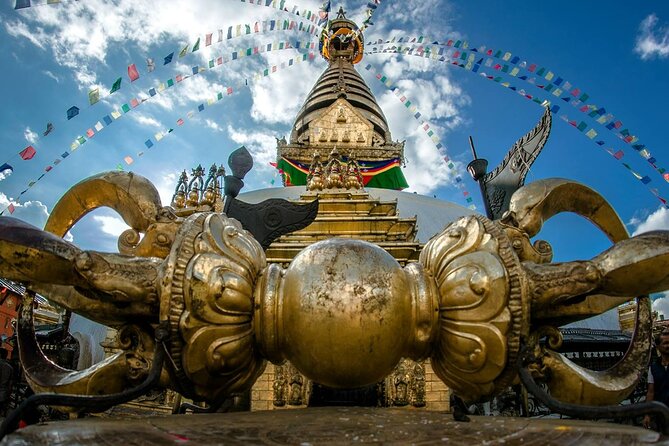
This is the main attraction, and you’ll spend about 40 minutes exploring. The tour frames Swayambhunath as self-originated, and the guide explains how the stupa and the surrounding neighborhood connect to Kathmandu Valley origins.
Here’s what I think makes the time worthwhile. Instead of rushing through one highlight, you learn why certain areas matter to different traditions. You’ll also notice how ceremonies shape the pace. When a ceremony is happening, the place stops being a museum and turns into a living, breathing spiritual site.
The stupa area also gives you a strong view over the city when conditions allow. Getting that perspective while someone explains the background is one of the best ways to understand why Swayambhunath has remained important for so long.
Important logistics: Swayambhunath entrance fee is not included in the tour price. You pay 200 rupees in cash directly to temple authorities. Plan ahead so you’re not scrambling at the gate.
Harati Ajima: the pagoda-style temple with a transformation story
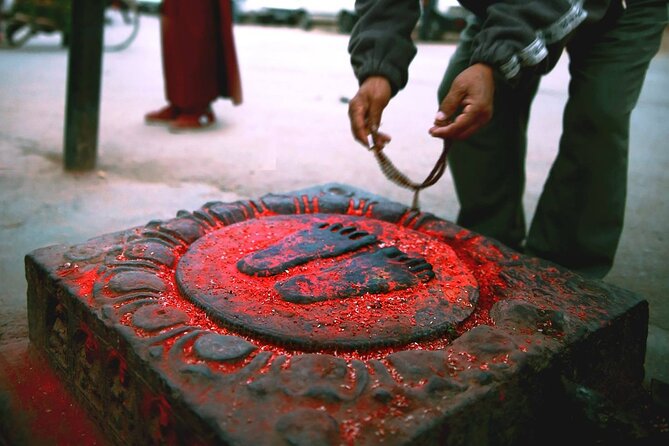
After the main stupa, you move to Harati Ajima Temple. This stop is short, but it’s memorable because the guide explains the story of Harati and how a demon named Harati became Mother Harati, along with why people in the valley worship her.
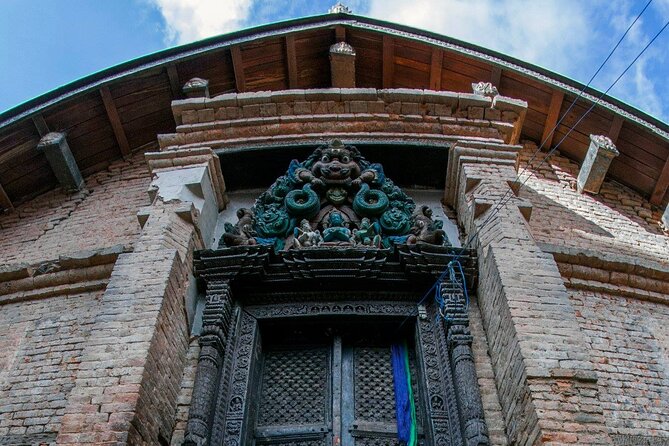
The temple’s Nepalese pagoda-style architecture is part of why it’s worth seeing even for a few minutes. It looks distinct from the stupa setting, and it helps you understand that this area is not only one landmark. It’s a chain of sacred places, each with its own meaning.
World Peace Pond: a quiet pause on the western side
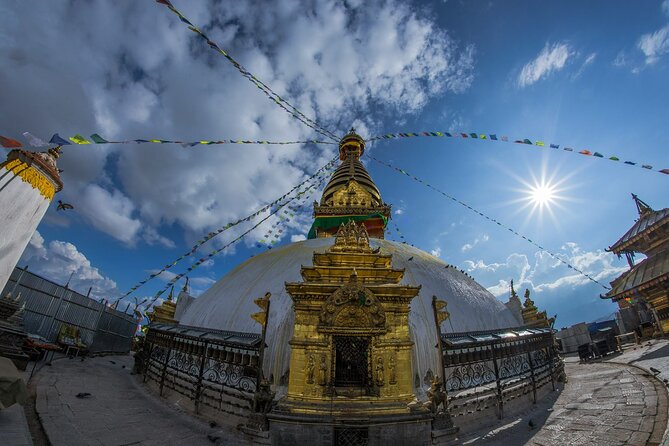
Next comes World Peace Pond, located on the western side of Swayambhunath. The standout detail is a brass Buddha statue standing on a lotus flower in the middle of the pond.
There’s also signage around the pond with words written in English, which can help you make sense of what you’re seeing without needing to know the local language. This stop is brief, but I like it as a reset after the hilltop crowd and stairs.
Manjushree Temple: legend, lake origins, and a viewpoint break
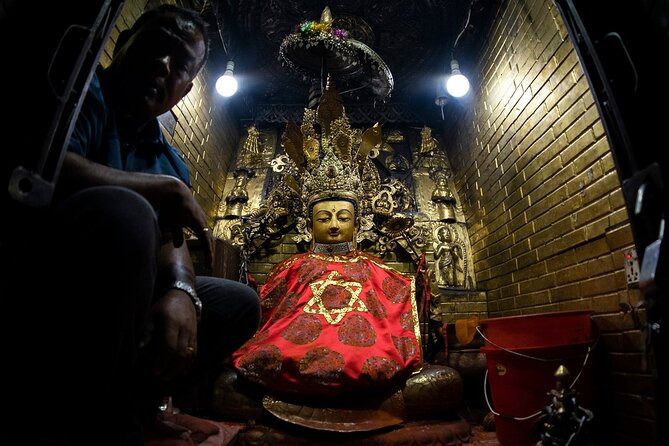
Then you head to Manjushree Temple, a small shrine dedicated to Maha Manjushree on the Swayambhu hill. The guide ties in Kathmandu Valley turning from a great lake into a city, which gives you a bigger “why” behind the places you’ve just visited.
This is also one of the stops where the tour sets you up for a panoramic view, especially toward the western side. After climbing and weaving through worship spaces, a viewpoint break feels earned, not rushed.
Amideva Buddha Park: three huge idols that change your scale
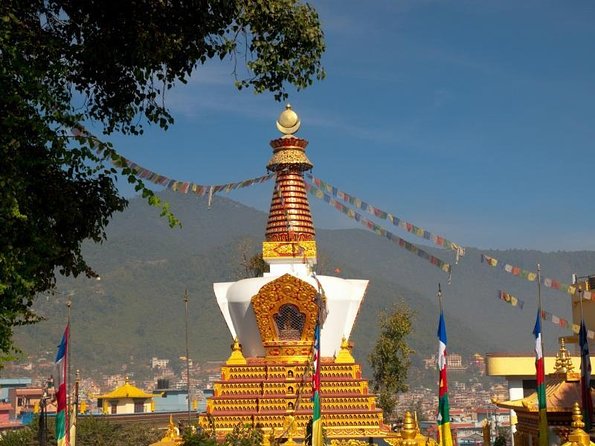
Amideva Buddha Park features three monumental idols: Amitabha (Amideva) at about 67 feet in the center, with Chenrezig and Padmasambhava at about 64 feet on the sides. The tour gives you time to walk around the park and hear the story connecting these figures.
I like that this stop expands what you think “Monkey Temple area” means. It’s not just the stupa and its stairs. It’s also modern-feeling statue scale, which can make the religious theme feel both ancient and ongoing.
Shova Bhagawati by the Bishnumati River: a different kind of sacred
Later, you reach Shova Bhagawati, a holy shrine devoted to the goddess Bhagwati on the bank of the Bishnumati River. It’s described as one of four major Bhagwati temples in Kathmandu.
Even though it’s not the biggest headline sight on most short lists, it helps you see the religious mix of the city. You’re not only looking at Buddhist symbolism. You’re also seeing the Hindu goddess side of Kathmandu’s spiritual map.
Getting back down: walk back toward Thamel and Pumpernickel Bakery
After finishing the temple circuit, you head back toward the meeting point around Pumpernickel Bakery. The total time is about 3 hours overall, so the pacing stays efficient.
If you want to keep exploring around Swayambhu on your own, you may be able to walk back yourself from the area toward Thamel. That’s a nice option if you like turning one guided loop into a longer morning.
Price and value: what $15 actually buys you here
At $15 per person for a 3-hour small-group tour, the main value is the combination of access and explanation. Entrance to some sites is handled, and the guide spends time walking and interpreting what you see as you move.
The one cost detail you should not ignore is the Swayambhunath entrance fee. At 200 rupees in cash paid directly to temple authorities, it’s usually not a deal-breaker on its own, but it changes the planning. Bring cash so you’re ready at the gate.
Also note what’s not included: coffee and/or tea. If you want a warm drink after the stairs, you’ll need to grab it yourself in Thamel or wherever you prefer.
Compared with many Kathmandu tours that just drop you at a famous landmark, this one earns its price by spreading time across multiple temples and neighborhood stops, with stories connecting them to the myths and legends of Kathmandu Valley.
What it’s like for solo visitors, and when you should reconsider
This tour works especially well if you want a walk with a local guide and a setting where you can ask questions without feeling like you’re getting shoved along. It’s also listed with service animals allowed, and the guide is English speaking.
Based on the way the walk is structured, it’s a good fit for:
- People who want an organized hilltop visit without spending hours planning
- Solo visitors who prefer a small group for comfort and pacing
- Anyone who enjoys religious symbolism explained in plain language
Reconsider if:
- You have severe asthma or knee problems, due to the stairs and moderate fitness level
- You hate stairs and tight temple paths, because the climb is a core part of the experience
- You don’t want to handle cash for the Swayambhunath entrance fee
Should you book Monkey Temple and Swayambhunath?
Book it if you want a short, meaningful morning that connects Swayambhunath, Kathmandu Valley origin stories, and the real religious atmosphere you see as you walk. The max 5-person size is a big plus, and the guide style described in feedback points to patient explanations, including the Hindu and Buddhist links that most casual visits miss.
Skip it or switch plans if stairs are a dealbreaker for your body, or if you prefer a museum-style visit with minimal walking and fewer ceremonies. For many first-timers in Kathmandu, though, this is one of the most efficient ways to get oriented and feel the spiritual texture of the city in just a few hours.
FAQ
How long is the Monkey Temple – Swayambhunath Tour?
It’s about 3 hours (approx.).
How many people are in the group?
The tour has a maximum of 5 travelers.
Where does the tour start and end?
It starts at Pumpernickel Bakery in Thamel (Paryatan Marg, Kathmandu) and ends back at the same meeting point.
Is the tour fully private?
It’s described as private or small group, with a maximum of 5 travelers.
What language is the guide?
The tour includes an English-speaking guide.
Do I need to pay an entrance fee?
Yes, Swayambhunath entrance is 200 rupees, paid in cash directly to temple authorities. The tour price also lists several other stops as having admission included, but Swayambhunath itself is the separate payment.
What should I bring for the climb?
Wear comfortable shoes for stairs. The tour includes a hilltop climb starting from 365 stairs, and it notes moderate physical fitness is required. Cash is also useful for the Swayambhunath entrance fee.
Is coffee or tea included?
No. Coffee and/or tea are not included.
Is there a youth discount?
The price for youth is for students with a student card.
What is the cancellation policy?
You can cancel for free up to 24 hours in advance for a full refund.
Latest Kathmandu write-ups
- 10 days Annapurna Base Camp Trek★ 5.0 · 5 reviews
- Visit Swayambhunath and Bauddhanath Stupa with Guide★ 5.0 · 5 reviews
- Langtang Trek from Kathmandu 7 Days★ 5.0 · 5 reviews
- 7 Day Kathmandu Pokhara Tour★ 4.5 · 5 reviews
- Island Peak Climbing with Everest Base Camp★ 5.0 · 5 reviews
- Everest Mountain Flight★ 5.0 · 5 reviews
- Kathmandu city day tour (4 world heritage sites)★ 5.0 · 5 reviews
- Chandragiri Hill Cable Car Tour with Hotel Transfers from Kathmandu★ 4.5 · 5 reviews
Swayambhunath, compared.
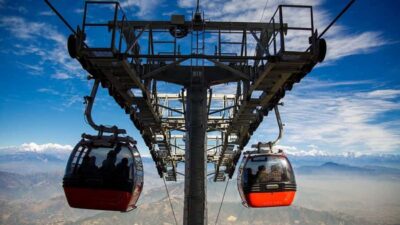
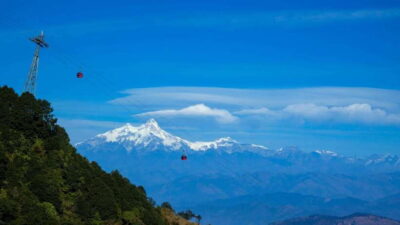
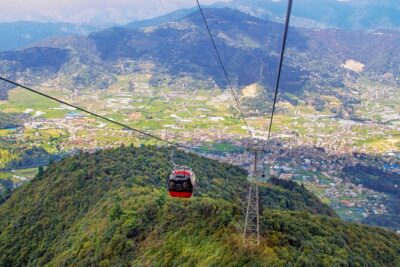
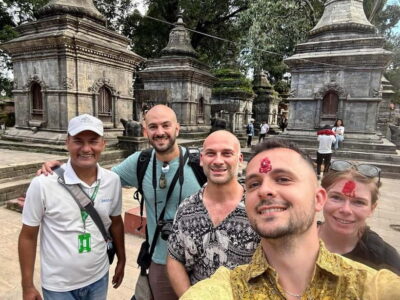
Kathmandu Chandrigiri Hill Cable Car & Monkey Temple UNESCO Tour
Read our review →
Private Half-Day Tour of Kathmandu Durbar Square and Swayambhunath Temple
Read our review →
Kirtipur & Swayambhu Trip from Kathmandu: Local Eats and Drinks
Read our review →
Browse the lists this tour appears in