
Reviewed · MARDI HIMAL TREK
Pokhara: 4-Day Mardi Himal Trek with Guide & Himalayan Views
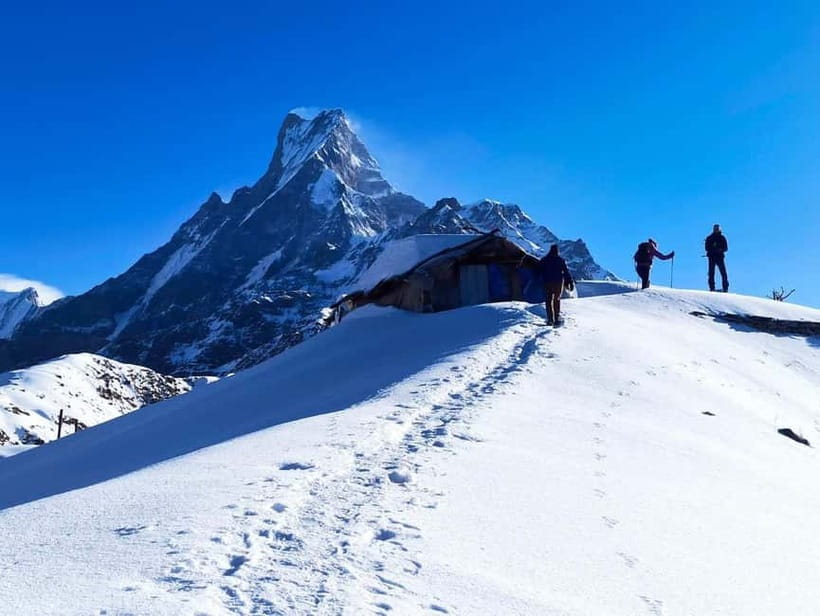
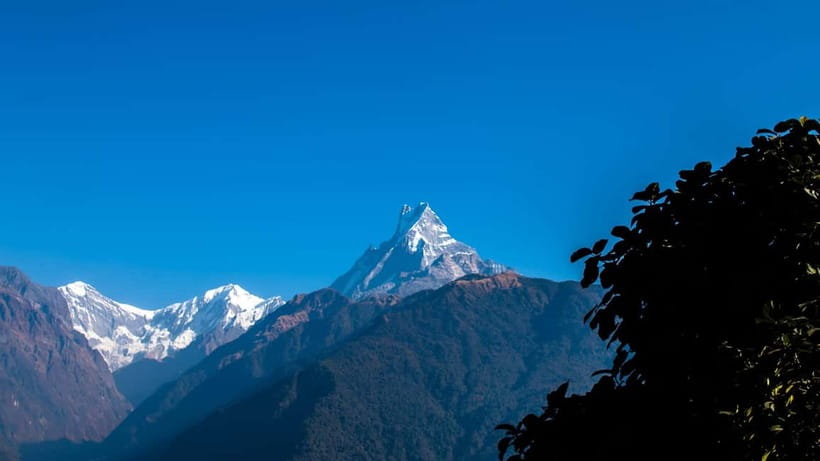
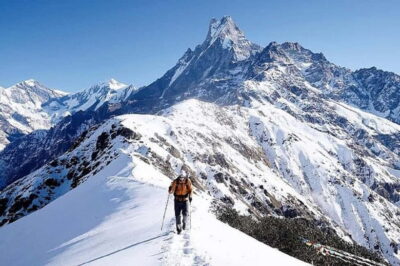
Mardi Himal is interesting because it gives you a real taste of the Annapurna region in just four days. You climb from rhododendron forests up toward big Himalayan viewpoints, with Mt. Fishtail and the Annapurna range in your sights when the clouds cooperate. I especially like that the hike is guided by a private trekking pro, and guides such as Chandra are known for being patient, encouraging, and calm with less experienced trekkers.
I also like the way this route layers your day by day effort with payoff. At High Camp and again around the early-morning viewpoint, you’re not just “walking in the mountains,” you’re actively chasing perspective, and a guide like Anil Nepali can set a pace that feels comfortable without slowing the trip down too much.
One consideration: sunrise views can be spoiled by cloud cover. Even when you plan for an early start, weather decides what you see, so it helps to go in expecting dramatic views sometimes, and beautiful scenery other times.
Key highlights people actually care about
- Private guide, not a crowded group, with English, Hindi, and Nepali support
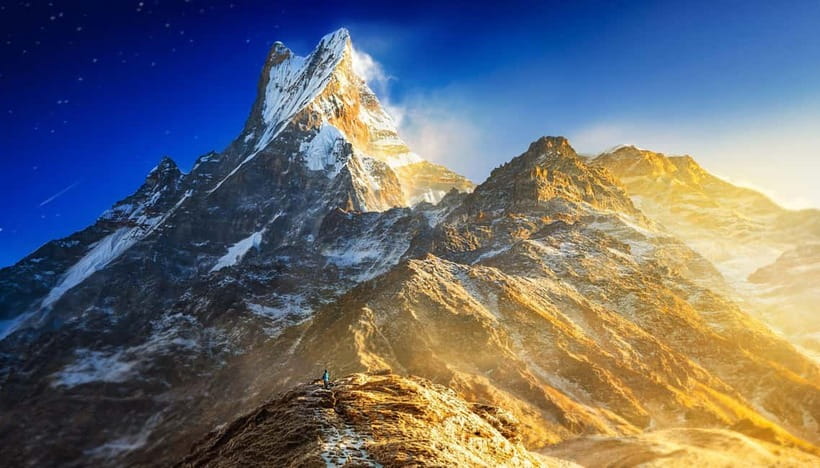
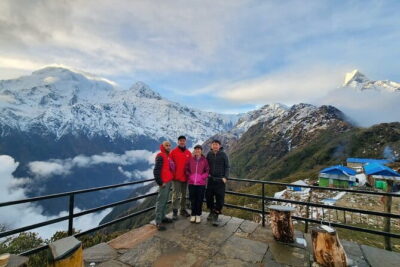
- High Camp at 4000 m, for big panoramas above the forest line
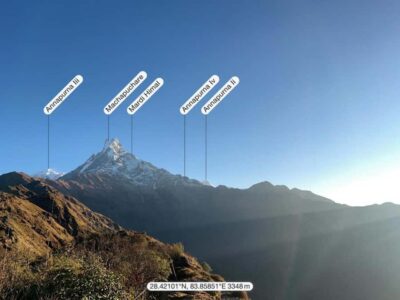
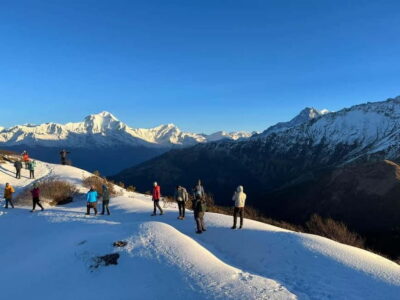
- Early hike to a 4300 m viewpoint, timed around the best chance for Mt. Fishtail views
- Close-up feel at Mardi Himal Base Camp, where the mountains look less distant
- Tea-house nights with simple comfort in the Annapurna foothills
- Return to Pokhara in the same trip, so you can relax after the last downhill
Mardi Himal in 4 Days: The Annapurna shortcut with real Himalayan payoff
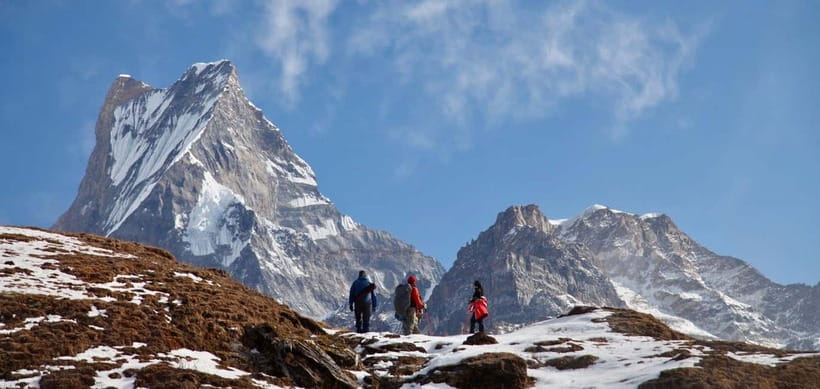
This is one of those treks that makes sense if you want mountains, not just mileage. You start in Pokhara, spend a day working up through forest and alpine terrain, and then hit the higher points where views get serious. Mardi Himal is famous for letting you feel close to the peaks, and in four days you actually earn that proximity.
The route also has a “rhythm” you’ll feel in your body. Day 1 warms you up through green forest paths. Day 2 and Day 3 climb harder, then pull you back down again. By Day 4, you’re in a different mood, more relaxed, and focused on the final scenery and getting back to Pokhara.
The best part is that this trek is built around chances to see the Annapurna range from multiple angles, not a single photo stop. If you get clouds, you still walk through some genuinely special mountain scenery and end the trip with plenty to remember.
More on the Mardi Himal ridge:
- Pokhara: 4-Day Mardi Himal Trek
★ 4.9 · 59 reviews - Pokhara: 4-Day Mesmerizing Mardi Himal Guided Trek
★ 4.8 · 9 reviews - Mardi Himal Trek -5 Day Short Trek From Pokhara
★ 5.0 · 8 reviews
Before you go: permits, fitness, and altitude reality check
First, the practical stuff. You’ll need trekking permits and TIMS fees handled as part of the trip paperwork, and you should submit a copy of your passport a day prior so the permits can be issued. Nepal’s permit process is strict, so don’t treat the timing casually.
Fitness matters here. You’ll be walking on steep, uneven trails for multiple days, and the trek can be physically challenging for people who aren’t used to hiking. Altitude sickness is also a real risk as you gain elevation, so you’ll want to take hydration seriously and follow your guide’s pacing recommendations. This trek goes as high as 4000 m (High Camp), and you’ll also hike up to a 4300 m viewpoint on Day 3.
If you have mobility limitations, low fitness, or you’re traveling with a child under 8 or you’re pregnant, this one may not be a good match. The terrain and elevation demands are just too specific for a “light” trek.
Getting to the trail fast from Pokhara: 8:00 am start and pickup options
You start the trip early. Departing from Pokhara is listed for 8:00 am, with about an hour drive to Kande. In real terms, that early start matters because it gets you hiking while the air is cooler and the trail feels more manageable.
Pickup options include locations around Lakeside and the Pokhara International Airport area, so you’re not stuck trying to get yourself across town on your own schedule. The end of the trek also returns you to Pokhara with drop-offs at the same kinds of locations, including the airport area.
You’ll also get luggage storage facilities in Pokhara, which is helpful because you typically don’t want to carry extra weight into the trek. It makes the whole thing feel more organized, especially if you’re combining this with other Nepal days.
Day 1: Kande to Forest Camp at 2500 m, the rhododendron day
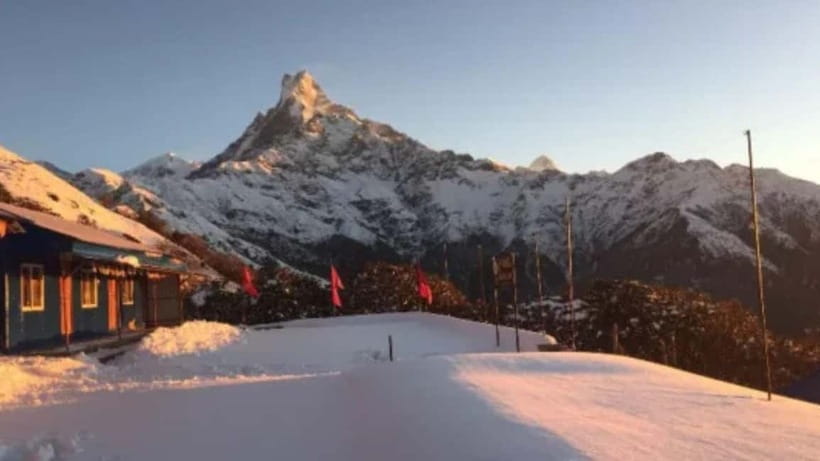
Day 1 is all about getting your legs ready and settling into the Annapurna style of travel, tea-house stops and slow mountain walking. You’ll take the drive from Pokhara to Kande, passing lush fields, dense forest areas, and the Seti River along the way.
Once you start hiking, the trail heads into forested paths where rhododendron trees are part of the experience. It’s a gentle-feeling start compared to what comes later, but it still takes steady effort. You’re trekking for around 5 hours, and you end the day at Forest Camp around 2500 m.
A midday tea house break is included in the plan, and that matters more than you might think. It’s not just about food, it’s also where you start learning how the trek runs, how the tea-house rhythm works, and how your guide manages the day. Overnight at Forest Camp is simple, and that simplicity is part of the charm: you’re surrounded by quiet mountain air and real off-the-main-road feeling.
One small drawback to expect: it can get busy with other hikers on popular trail sections, but you’re still far enough up to feel like you’ve escaped. You just won’t have total solitude every moment.
More to compare around Pokhara
- ZipFlyer Nepal – The World’s Steepest Zip-line
★ 5.0 · 608 reviews - Bungee Pokhara by HighGround Adventures
★ 5.0 · 366 reviews - From Pokhara: Sarangkot Sunrise Himalayas Tour
★ 4.7 · 218 reviews - Full-Day Tibetan Cultural Tour to Tibetan Settlements Pokhara
★ 5.0 · 184 reviews
Day 2: Forest Camp to High Camp at 4000 m, where the trek turns serious
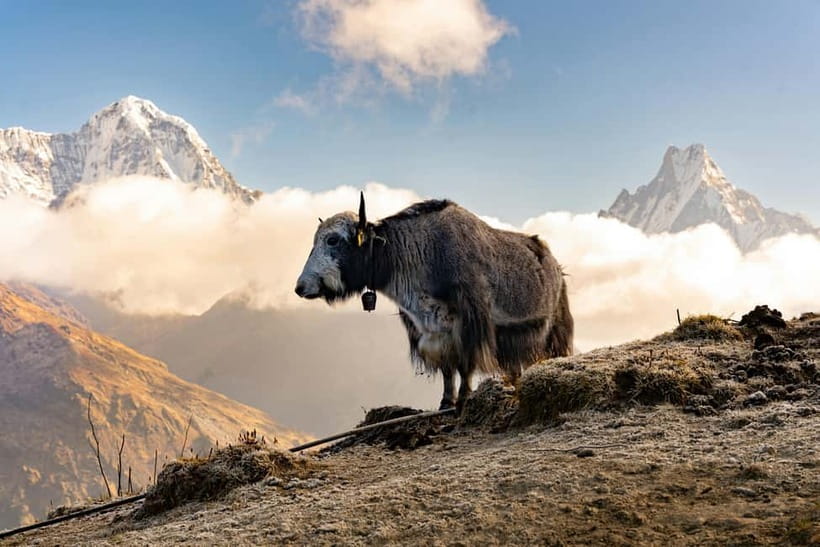
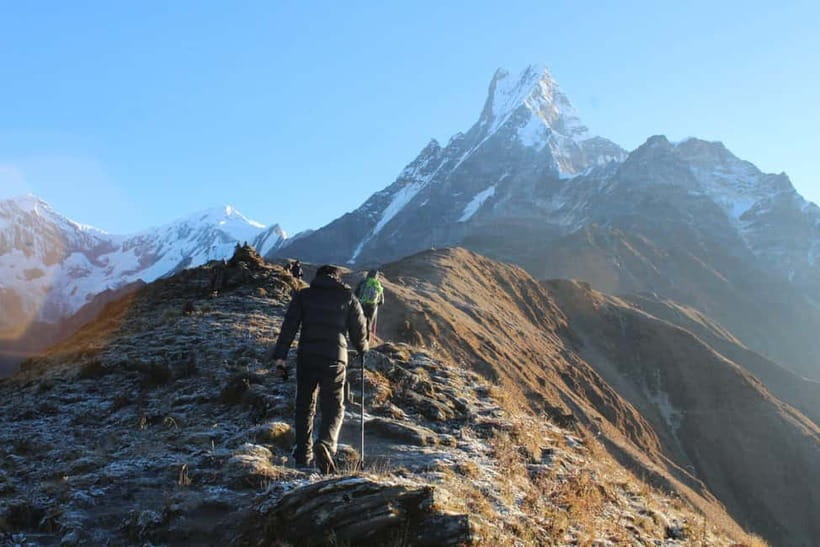
Day 2 is your main altitude push. After breakfast at Forest Camp, you hike for about 5 hours to Mardi Himal High Camp at 4000 m. This is where the trail starts feeling more demanding. You’ll be moving through dense jungle sections at altitude, and your guide will likely encourage a steady, not rushed, rhythm.
You’re not just going higher for bragging rights. High Camp is where the views begin to snap into focus. Even if you don’t catch perfect clarity every time, you’re now above a lot of the surrounding terrain, and that changes how the mountains look at every turn.
The “dense jungle” segment is also where I’d expect the most surprises. You might catch wildlife glimpses, or at least you’ll feel like you’re moving through a living mountain ecosystem. Guides who know the track and the people along it can help make these moments easier, because they understand where the trail tends to feel hardest and how to keep you from burning energy too fast.
You finish Day 2 with an overnight at High Camp, and the atmosphere there is different. Cold can creep in, and you’ll notice how quickly the mountain quiet gets intense once the hiking stops.
Day 3: the 4:00 am push, 4300 m viewpoint to Low Camp at 3000 m
Day 3 begins early. The plan calls for rising at 4:00 am, then a hike of around 2 hours to a viewpoint at 4300 m. That early timing is about your best chance to see Mt. Fishtail and the broader Annapurna range. If clouds roll in, you may not get the sunrise show, but you can still get powerful views once the weather opens up.
After that, you head back to High Camp for breakfast and continue onward to Low Camp at about 3000 m. You’re trading height for steadier footing and comfort, and that transition helps you enjoy the last full day without feeling totally cooked.
This day is a good example of why a private guide is worth it. When you’re going early, you want someone who can keep you calm, explain what you’re seeing, and adjust pace to your energy. In the reviews linked to guides such as Anil Nepali, people describe walking at a comfort level that still gets them to the viewpoint, which is exactly what you want when you’re managing both altitude and fatigue.
Overnight at Low Camp is simpler, like the other tea-house stops, but it’s more comfortable than being higher if you’re feeling the effects of elevation. It also sets you up for a downhill final day that feels like a victory lap.
Day 4: Low Camp to Siding Village at 1800 m, then back to Pokhara by jeep
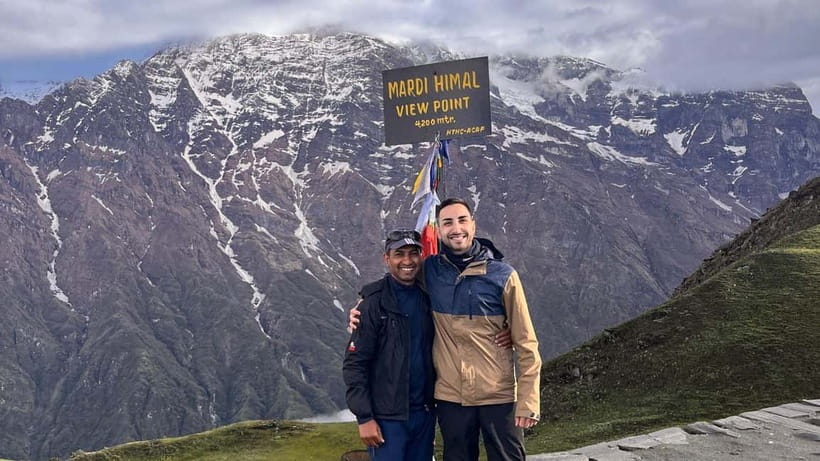
Day 4 is where you switch from climbing mode to scenery and community mode. You start with breakfast at Low Camp, then descend for about 4 hours to Siding Village at around 1800 m. The descent is often faster than the uphill, but it still demands good foot control. Your knees will feel it if you rush.
Siding Village is also where the trek connects back to Nepal life in a more direct way. You’ll witness the Mardi River flowing from the base of Mardi Mountain, which is a great “end of the line” moment. It helps you feel what mountains do beyond views, they feed rivers and communities.
After lunch in Siding Village, you take a scenic jeep ride back to Pokhara, around 2.5 hours. That jeep portion is included, and it’s a big deal for value. Instead of dragging the last hours on your feet, you regain time and comfort fast.
Once you reach Pokhara, you’re done. That sounds obvious, but it’s a real advantage for most travelers, especially if you still want to explore lakeside streets, try local food, or recover in a proper bed rather than continuing to hike after a tough day.
Tea houses, meals, and the one add-on you should watch
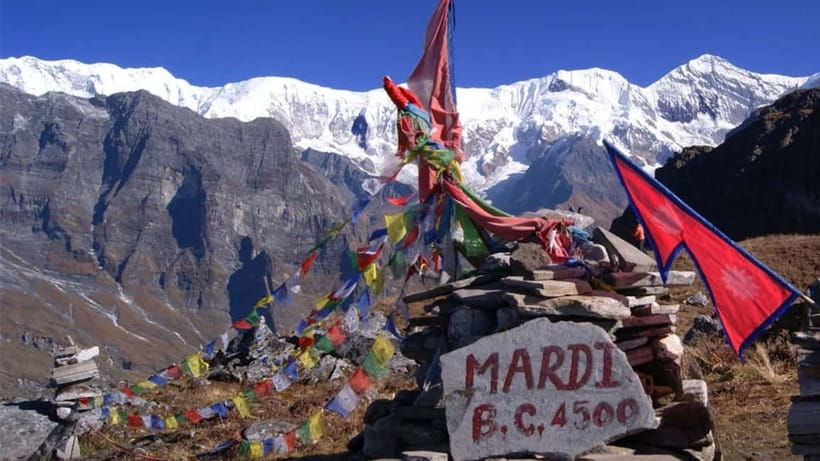
The trip is based on staying in simple tea houses or lodges along the trekking route. That means fewer frills, more local atmosphere. You’ll typically order food at the tea houses, and the included accommodation setup is designed to keep you comfortable enough without turning the trek into a premium hotel experience.
Here’s the practical bit from real guidance you should take seriously: if you see a with-meals-included option, compare it against what you’d actually pay tea-house by tea-house. One experience described that it ended up overpriced and that you still ordered normally anyway, with extras and drinks not included. Their advice was clear: skip the pricey add-on and keep your money for what you truly want, or tip your guide directly if you appreciate the service.
In other words, don’t pay for a meal plan that doesn’t control your food choices. Use tea houses the way they were meant to be used: simple, flexible, and honest.
Also, tea-house hosts can be warm in ways you don’t expect. One trek included a birthday cake made for a guest, which is exactly the kind of small human touch that makes this route memorable beyond the big viewpoints.
Price and value: what $154 gets you, and what to budget separately
At $154 per person for a 4-day private trek, you’re paying for several things that add up fast in Nepal: permits and paperwork, a certified trekking guide, tea-house accommodation, transportation around Pokhara, and basic trek safety support like a first aid kit. The guide costs alone can be significant, and here they cover the guide’s meals, accommodation, insurance, salary, and transport.
That’s why the price can feel reasonable compared to DIY planning. Permits can be a hassle if you’re not local, and figuring out a safe guide arrangement on short notice is stressful.
What you should budget for outside the included items:
- Travel insurance, which is listed as mandatory but not included
- Personal snacks and beverages
- Optional porter services, listed at $20 per day if you want help carrying items
And keep a small eye on the meal choices. Even if some meals are included in your expectations, tea-house ordering is usually flexible. So you’ll want cash on hand and a plan for hydration and snacks.
Who this trek suits best, and who should pick a different route
This trek is a good fit if you want a focused, guided Himalayan experience with manageable time on the trail. It’s also a strong choice if you like the idea of a private guide who can adjust pacing to your fitness and hiking style. People specifically praised guides like Chandra and Anil Nepali for patience, encouragement, and walking at a pace that felt comfortable.
It’s not a great choice if you’re:
- Pregnant
- Under 8 years old
- Over 70 years old
- Using mobility aids or needing easy terrain
- Low fitness or not used to steep, uneven trails
Altitude is another divider. Even people who feel “in shape” can struggle at 4000 m and around 4300 m, so this trek favors travelers who are willing to go slow when the air gets thin. If you’re comfortable hiking with gradual discomfort and you follow your guide’s recommendations, you’ll likely enjoy this more.
Should you book this 4-day Mardi Himal trek with a private guide?
I’d say yes if your priority is a tight schedule with meaningful altitude and classic Annapurna-region scenery. You get private guiding, tea-house nights, and a complete return to Pokhara at the end, so you’re not stuck planning extra transport or another multi-day extension. At this price point, the guide and logistics value is the real selling point.
I’d say think twice if you hate early mornings. Day 3 starts at 4:00 am, and while you’re going for views, you might not see sunrise if clouds roll in. The trek still delivers scenery, but your personal satisfaction depends on how okay you are with weather uncertainty.
If you book, plan to carry your essentials well, bring the right shoes, and consider skipping any overpriced meal add-on that doesn’t actually control what you eat. Then you can focus on what matters most: steady steps, a good guide, and those mountain moments when Mardi Himal finally shows you why people come back.
FAQ
What time does the trek start from Pokhara?
The plan shows departure from Pokhara at 8:00 am.
Where does the trek begin after pickup?
You drive to Kande first, and then you start trekking from there toward Forest Camp.
What is the highest elevation on this trek?
You reach High Camp at 4000 m, and you also hike to a viewpoint at 4300 m.
Are trekking guides included?
Yes. A certified and experienced trekking guide is included, and the guide can work in English, Hindi, and Nepali.
Is this a private trek?
Yes. It is listed as a private group.
Do I need to submit my passport for permits?
Yes. You should submit a copy of your passport a day prior to obtain the Nepal permits.
What gear is provided?
Trekking gear is included as needed, including trekking sticks and sleeping bags.
Is a porter included in the price?
No. Porter service is not included. If you want one, it is listed as $20 per day.
Latest Pokhara write-ups
- Mardi Himal Trek -5 Day Short Trek From Pokhara★ 5.0 · 8 reviews
- Tandem Paragliding in Pokhara★ 4.8 · 8 reviews
- Pokhara: Peace Pagoda Sunset, Annapurna Mountain Views Tour★ 2.9 · 5 reviews
- Short & Scenic: 2-Day Private POON HILL Trek from Pokhara★ 5.0 · 8 reviews
- Seti George and Thrilling Suspension Bridge Tour at Pokhara★ 4.5 · 3 reviews
- Sarangkot Sunrise over the Himalayas★ 4.8 · 83 reviews
- Pokhara: Sarangkot Sunrise and Private Full Day Tour★ 4.8 · 24 reviews
- From Kathmandu/Pokhara: Private 3-Day Chitwan Safari Tour★ 4.7 · 34 reviews
Mardi Himal Trek, compared.
Majestic Mardi Base Camp Guided Trek with HotSpring
Read our review →
Browse the lists this tour appears in