
Reviewed · ANNAPURNA BASE CAMP TREK
Pokhara: 5-Day Annapurna Base Camp Trek with Hot Spring
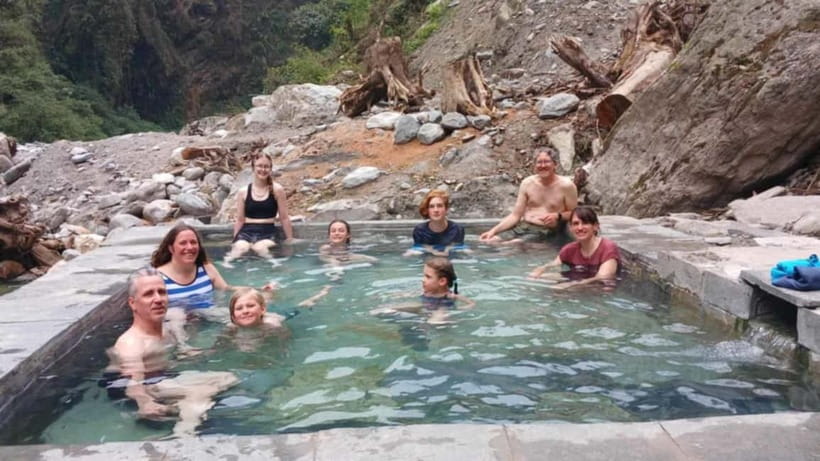
Annapurna Base Camp is the headline here, but what makes this trip feel special is the pairing of big mountain effort with a very human payoff, Jhinu Dada hot springs. I like that the trek is guided and structured, with the permit paperwork handled for you. I also like that your route is set up for solid views on the way up and a long descent the next day, so the trip has rhythm instead of chaos. One thing to consider: five days is tight, and off-season weather can add snow, ice, and rough trail conditions.
In the reviews, the guiding quality pops. Names like Kaji and Jeet come up with the same theme: clear explanations, steady check-ins, and help that keeps you moving when the terrain gets serious. This is also a private group trek, so you are not stuck with random pacing that ignores your comfort level.
Key Things I’d Watch Before You Go
- Licensed guide plus paperwork handled: permits and TIMS fees are included, so you spend less time sorting Nepal admin.
- A fast switch from high passes to recovery: you go from Annapurna Base Camp down toward 2200m on Day 4, then finish with hot springs.
- Provided trekking gear: poles, a duffle bag, and a sleeping bag are included, which can lower your packing stress.
- Long Day 2 and Day 4: those two full hiking days can feel like the workout portion of the trip, not a gentle stroll.
- Off-season can be harder: one review described descending over multiple avalanche paths after worse than hoped weather.
Annapurna Base Camp, With a Real Reset at Jhinu Dada
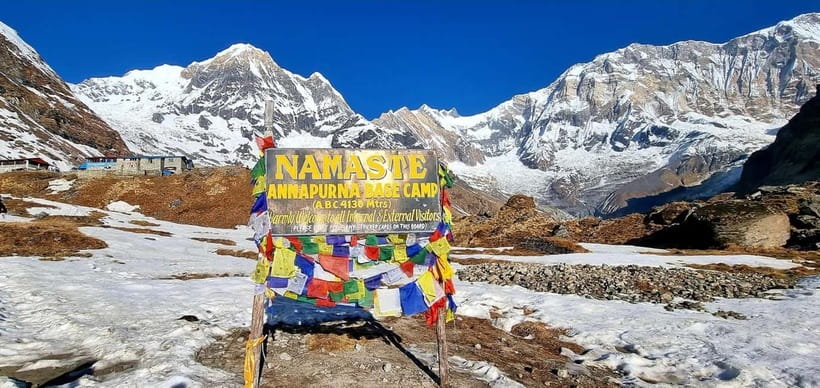
The Annapurna Base Camp trek is famous for a reason. You climb into a high-altitude amphitheater of peaks and glaciers, where the views stop feeling like scenery and start feeling like a place you are standing inside. This specific itinerary is built around that climax, then it gives you a way to recover rather than ending with just tired legs and a half-hearted meal.
The hot springs matter more than you might think. After days of steady uphill work, soaking helps you feel human again. You are also finishing with a short downhill and then a jeep transfer back to Lakeside Pokhara, so you are not stuck improvising your way back while your body is still recovering.
Value-wise, the price is not just for the walking. At $150 per person, you are getting private accommodation during the trek, a licensed guide with permit processing, and trekking gear. Meals are included only on the all-inclusive package option, so you’ll want to confirm what you chose before you assume lunch and dinner are covered every day.
More routes into the Annapurna Sanctuary:
- Kathmandu/Pokhara: 5-Day Annapurna Base Camp (ABC) Trek
★ 4.9 · 72 reviews - Pokhara: 5 Day Annapurna Base Camp Trek & Natural Hot Spring
★ 4.9 · 44 reviews - Pokhara: 7 Day Annapurna Base Camp Trek
★ 4.9 · 38 reviews
Pokhara Setup and the Start Line: Lakeside to Sinuwa
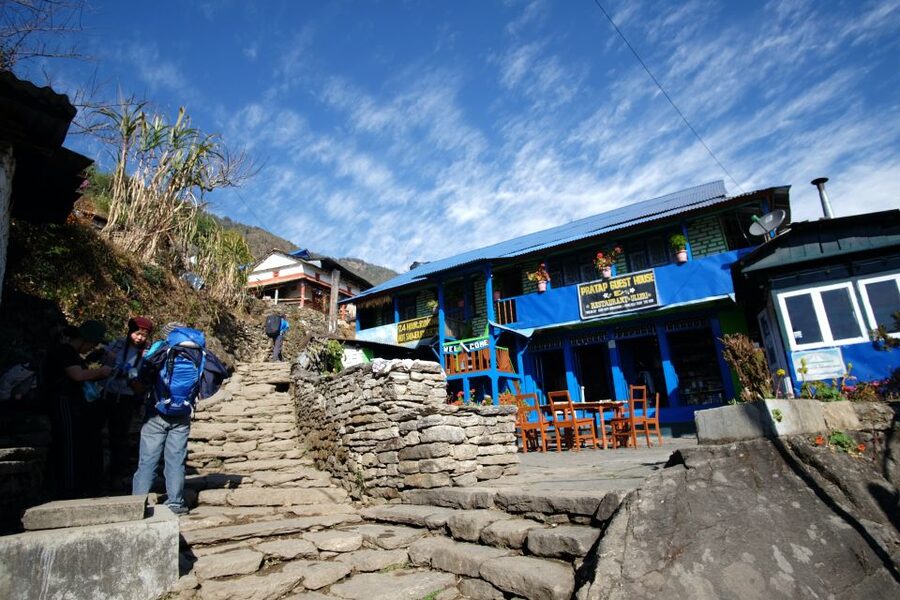
Your Day 1 begins in Pokhara, with hotel pickup and then a jeep ride out toward the trailhead area. The drive takes about 3 hours, followed by about 4 hours of trekking, ending at Sinuwa around 2200m.
What I like about this start is that it avoids the feeling of starting the trek with a flat, boring slog. The route is described as one of the best scenic highway drives, with views of the Seti River, mountains, and green paddy fields. That matters because it helps you ease into the trip. You are not only training your legs, you are also building the emotional map of the region.
Sinuwa is where you spend the night, so you wake up already in trekking rhythm. You also get that village feel early, with warm local hospitality rather than jumping straight into high-altitude lodges.
Practical consideration: you will likely feel this day in your thighs and hips. Jeep days still shake your body a bit, and then you walk. If you are sensitive to fatigue, plan for an early night.
Day 2 Climb to Deurali: Forest Trails and Rhododendron Season
Day 2 is the long workday: Sinuwa to Deurali at about 3200m, with roughly 7 hours of trekking. The trek goes through forests, and rhododendron blooms are part of the description, which can mean softer footing and more colorful visuals when conditions match the season.
Higher altitude also changes how the hike feels. You go from enjoying scenery to paying attention to breathing pace and footing. Even without steep technical sections, longer days test stamina and focus.
Deurali is your overnight stop. That is a good choice on paper because it sets you up for a shorter, punchier Day 3. In real life, it also gives your body a night to adjust at a higher elevation before you push toward Annapurna Base Camp.
If you dislike long days, this is the day to take seriously. Go slower than you think you need to on the way up. You want to arrive at Deurali feeling like you still have energy, not like you already cashed in your best effort.
Day 3 to Annapurna Base Camp: The Big Payoff at 4130m
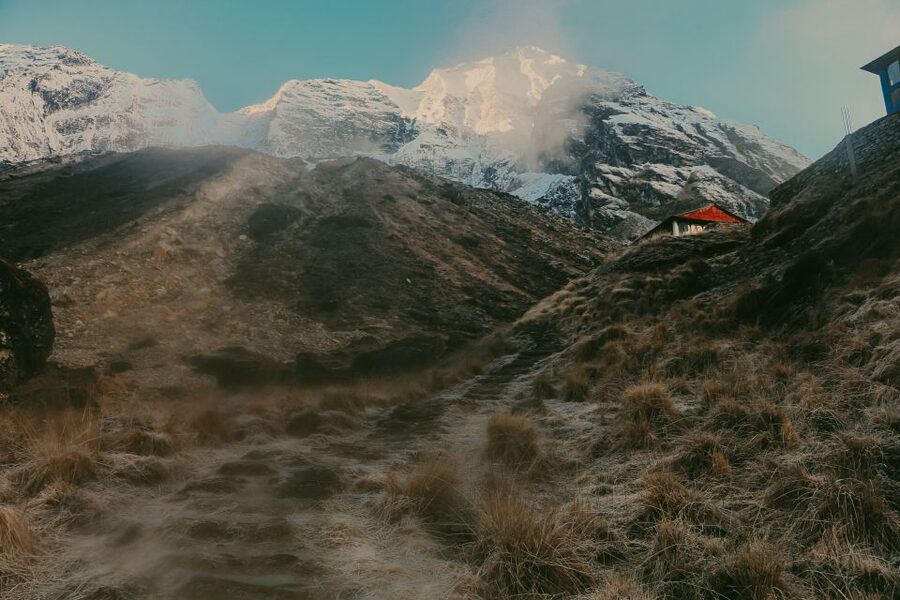
Day 3 is Deurali to Annapurna Base Camp, about 4130m, with roughly 5 hours of trekking. That time estimate makes it sound manageable, and in many conditions it can be. Still, this is the altitude where the hike becomes more about steady effort than speed.
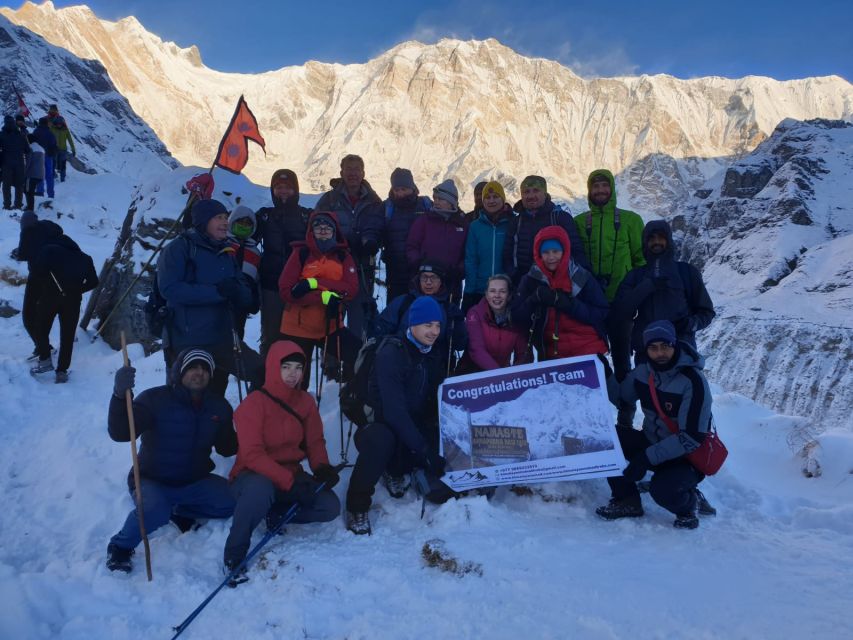
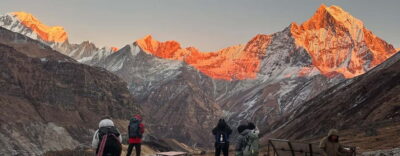
The destination is described as iconic, with towering peaks and pristine glaciers around you. The key emotional moment is the arrival into a natural amphitheater, where you can take photos and just stand there for a bit without feeling guilty for stopping.
You spend the night at Annapurna Base Camp, which matters. Going up and then immediately coming down can feel like you are racing your own experience. Here, you get time to see the area after you arrive and then settle into the evening routine of a high camp trek.
One realism check: altitude night is not always comfortable. Even when you feel fine earlier in the day, the next hours can be cooler and harder to sleep through. Bring the right layers and protect your energy.
More to compare around Pokhara
- From Pokhara: 5-Day Annapurna Basecamp Trek with Hot Springs
★ 4.9 · 26 reviews - Pokhara: 7-Day Annapurna Base Camp Via PoonHill & Hot Spring
★ 5.0 · 6 reviews - Pkr/Kathmandu: 5-Day Annapurna Base Camp & Hot spring Trek
★ 5.0 · 6 reviews - Pokhara: Amazing 7-Day ABC Trek with Natural Hot Spring
★ 5.0 · 5 reviews
Day 4 Descent to Lower Sinuwa: Sunrise, Then 8 Hours Down
Day 4 is Annapurna Base Camp down to Lower Sinuwa around 2200m, with about 8 hours of trekking. After the sunrise over the peaks, you start descending, following the trail back through forests and into lower country.
Sunrise is a big deal on treks like this because it turns the mountains from dramatic to specific. Light changes quickly, and when you are at base camp altitude, you often get those clear, sharp minutes where everything looks defined.
The drawback is simple: descending is harder on your knees and feet than it feels in theory. After you finish your final stretch to Lower Sinuwa, you will want to treat the rest of the day like recovery, not a victory lap.
Lower Sinuwa is your overnight stop. That keeps tomorrow’s final day from being a brutal all-day hike. It also puts you in position to do the hot springs on the way back.
Day 5: Lower Sinuwa to Jhinu Dada Hot Springs, Then Back to Lakeside
Day 5 ties everything together. You trek about 4 hours down to Jhinu Dada Hot Springs, then add about 3 hours by jeep to reach Lakeside Pokhara.
That sequence is smart. You warm up your body before the long drive back. It also gives you a mental finish line. Instead of thinking only about the last hours of walking, you have a concrete reward waiting at the end.
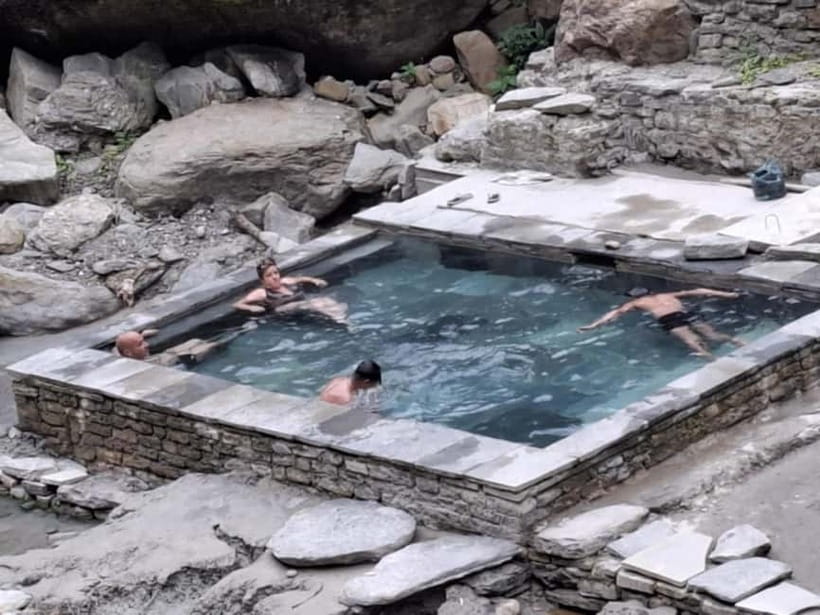
Jhinu Dada is where you soak and rejuvenate. The itinerary frames it as a natural reset for your body and mind, and it fits the overall design of the trek: climb hard, then recover hard.
After the hot springs, the jeep ride returns you to Lakeside. You are likely to feel a mix of tired and happy, the kind of tired that makes the entire trip feel real.
Guides, Pace, and Why Their Role Shows Up in Real Life
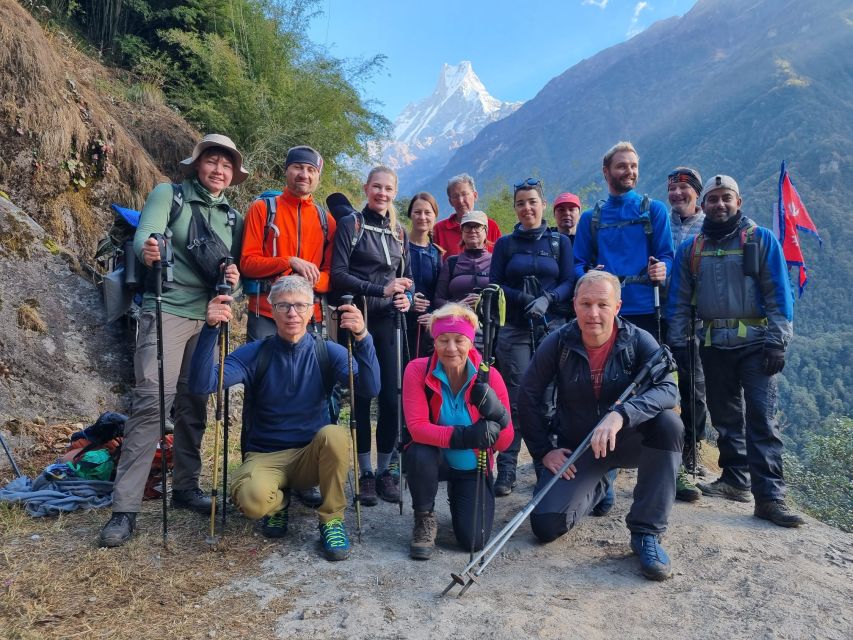
This trek includes an authorized licensed English-speaking guide, and the listed languages include English, Hindi, and Nepali. In practice, that kind of language ability matters because it helps you understand what you are seeing and what you need to do next.
The reviews highlight two guide qualities that are hard to fake. First, steady attentiveness, meaning they check that you are okay. Second, clear explanation, like Jeet doing the funny and thoughtful, explanation-heavy style described in one review.
There is also a safety angle. One review mentioned needing help over multiple avalanche-affected paths on the descent, and the guide, Kaji, helped throughout. That does not mean you should assume you will face avalanches. It does mean your guide’s judgement matters in off-season or rough weather.
For you, the takeaway is simple: if you are unsure about your pace, ask your guide to set it. A good guide will not just get you to the next lodge, they will protect your day from turning into a forced march.
Permits, Gear, and the Stuff You Do Not Want to Sort Last Minute
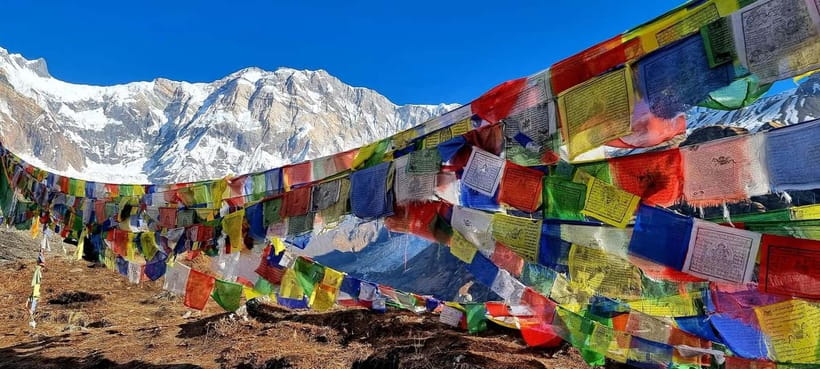
The trip includes trekking permits and paperwork, plus the TIMS fee in the package. It also includes private accommodation during the trek, luggage storage, and trekking gear like trekking poles, a sleeping bag, and a duffle bag.
That is practical value. Trekking gear is expensive if you have to rent it on the day you arrive. Gear also affects comfort immediately, and comfort affects your altitude confidence. Having poles is useful on both climbs and descents, and a sleeping bag is a big part of staying warm at higher camps.
One thing to double check with the operator: your packing list also calls out a sleeping bag. Since a sleeping bag is included in the listed gear, you might not need to bring one, or you might be expected to confirm which sleeping bag you are receiving. Don’t assume. Ask before you buy extra gear.
Meals are an important switch. All meals during the trek are included only on the All Inclusive Full Package option. If you pick a standard option, you can purchase meals along the way. Either way, you should budget for hot drinks and snacks, since soft and hard drinks are listed as not included.
Price and Value: What $150 Really Covers
On paper, $150 per person for five days sounds reasonable in Nepal trekking terms, but what makes it good value is the bundle. You get:
- pickup and drop-off
- a licensed guide
- permits and paperwork fees
- private accommodation
- trekking gear
- staff expenses covered in the package price
The main items not included are also the ones that can quietly expand your budget if you forget them: insurance, personal expenses, extra porters if needed, and drink costs. Travel and rescue insurance is not included, but it is recommended. You’ll want to treat that recommendation as a real safety checklist item, not a suggestion you can ignore.
Another value note: the trip is listed as private group. That can be a plus if you want consistent pace and less waiting around. It can also be a factor in how crowded your trekking days feel, especially in peak season.
Who This Trek Suits Best, and Who Should Rethink It
This is a good fit if you want a focused Annapurna Base Camp experience without spending extra days on logistics. Five days is long enough to feel like a real trek and short enough to do from Pokhara without a major time commitment.
It is also a strong pick if you like guided structure. The route is planned with specific stops and altitude changes, and the guide handles permits and next steps. In one review, the guide style was described as attentive and respectful, with lots of explanation and rest awareness.
But be honest about intensity. A five-day schedule can be intense, especially with off-season weather, which one review said turned out worse than hoped. If you are not comfortable with long hikes or snow and ice, consider extending the trek to more days, or wait for a more stable season.
In short:
- Best for: fit walkers who can handle 7 to 8 hour hiking days
- Good for: people who want guidance and gear support, not self-planning
- Not ideal for: anyone who wants an easy weekend stroll or who is uncertain about cold, snow, and steep descents
Weather, Season, and the Off-Season Reality Check
The itinerary itself is straightforward, but conditions can change fast in the Annapurna region. One review mentioned off-season weather being worse than hoped, including snow or avalanche-impacted descent paths. That is the sort of risk you cannot remove completely in any Himalaya trek.
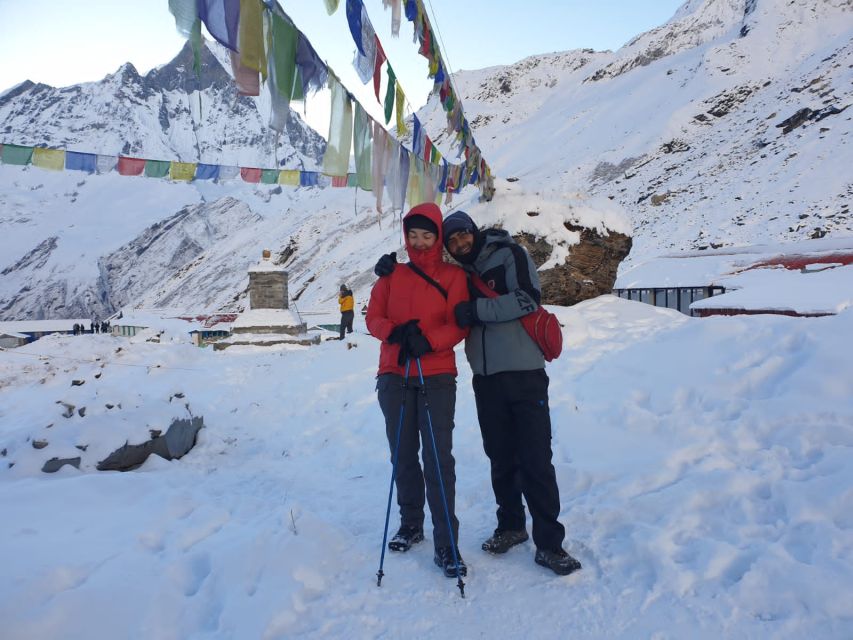
So how should you think about this? You should plan for the possibility that cold and tricky footing can show up. That means dressing for layers, carrying the right traction if your operator suggests it, and trusting your guide on route decisions.
Also, start adjusting your mindset. This is not a cruise. It is a mountain walk with real weather variables. If you accept that up front, you will handle day-to-day changes with less stress.
What to Pack for Comfortable, Safer Walking
The tour lists the key items you should bring:
- passport or ID card
- hiking shoes
- daypack
- jacket, hat, socks, sunglasses
- sunscreen and change of clothes
- cash
- camera
- trekking gear items you might already own
- shorts and comfortable clothes
Even if poles and sleeping bag are included, your personal clothing choices still matter. You will want a jacket you can layer, socks that stay dry enough, and shoes that grip on downhills.
One practical tip: pack a calm, simple system for layers. When you are climbing, you will warm up quickly. When you stop, you cool fast.
Final Call: Should You Book This Annapurna Base Camp Trek?
If your goal is a 5-day Annapurna Base Camp trek from Pokhara that also includes a hot springs finish, this package makes sense. The value is strong because it bundles permits, guide service, trekking gear, private accommodations, and the hot springs return.
I would especially consider booking if you like the idea of having a licensed guide handling paperwork and pacing, and if you want the Annapurna Base Camp climb to be paired with real recovery at Jhinu Dada. I would rethink it if you hate long days, you are sensitive to altitude nights, or you know you are not comfortable with potential snow and ice in off-season conditions.
FAQ
What is the duration and walking style of this trek?
The trek lasts 5 days. It includes multiple trekking days ranging from about 4 hours to about 8 hours, plus jeep transfers on key segments.
Where does the trek start and end?
It starts in Lakeside, Pokhara, and finishes back at Lakeside, Pokhara. Day 5 includes a jeep ride after trekking down to Jhinu Dada Hot Springs.
What is the highest altitude on the route?
Annapurna Base Camp is the highest point listed, at about 4130m.
Are trekking permits included?
Yes. Trekking permits and the required paperwork, including the TIMS fee, are included.
Is a guide provided, and what languages do they speak?
Yes. The trip includes an authorized licensed English-speaking guide. The languages listed are English, Hindi, and Nepali.
Are meals included?
Meals are included during the trek only on the All Inclusive Full Package option. On the standard option, you can purchase meals along the way.
What trekking gear is included?
Trekking poles, a sleeping bag, and a duffle bag are included in the package.
Do I need a porter?
Porters are not included. You can arrange one for an additional cost if needed.
Is travel or rescue insurance included?
No. Travel and rescue insurance is not included, but it is recommended for this activity.
Is the hot springs soak included?
Yes. The itinerary includes Jhinu Dada Hot Springs on the final day, after trekking down from Lower Sinuwa.
Latest Pokhara write-ups
- Mardi Himal Trek -5 Day Short Trek From Pokhara★ 5.0 · 8 reviews
- Tandem Paragliding in Pokhara★ 4.8 · 8 reviews
- Pokhara: Peace Pagoda Sunset, Annapurna Mountain Views Tour★ 2.9 · 5 reviews
- Short & Scenic: 2-Day Private POON HILL Trek from Pokhara★ 5.0 · 8 reviews
- Seti George and Thrilling Suspension Bridge Tour at Pokhara★ 4.5 · 3 reviews
- Sarangkot Sunrise over the Himalayas★ 4.8 · 83 reviews
- Pokhara: Sarangkot Sunrise and Private Full Day Tour★ 4.8 · 24 reviews
- From Kathmandu/Pokhara: Private 3-Day Chitwan Safari Tour★ 4.7 · 34 reviews
Annapurna Base Camp Trek, compared.
5 Day Annapurna Base Camp Trek & Natural Hot Spring
Read our review →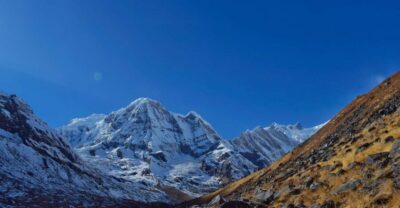
14 Days Annapurna Base Camp Trekking | Best trek for visit Nepal 2020
Read our review →
7-Day Annapurna Base Camp Trek & Natural Hot Spring
Read our review →Browse the lists this tour appears in