
Reviewed · ANNAPURNA BASE CAMP TREK
Pokhara: 9-Day Annapurna Base Camp Trek with Poon Hill
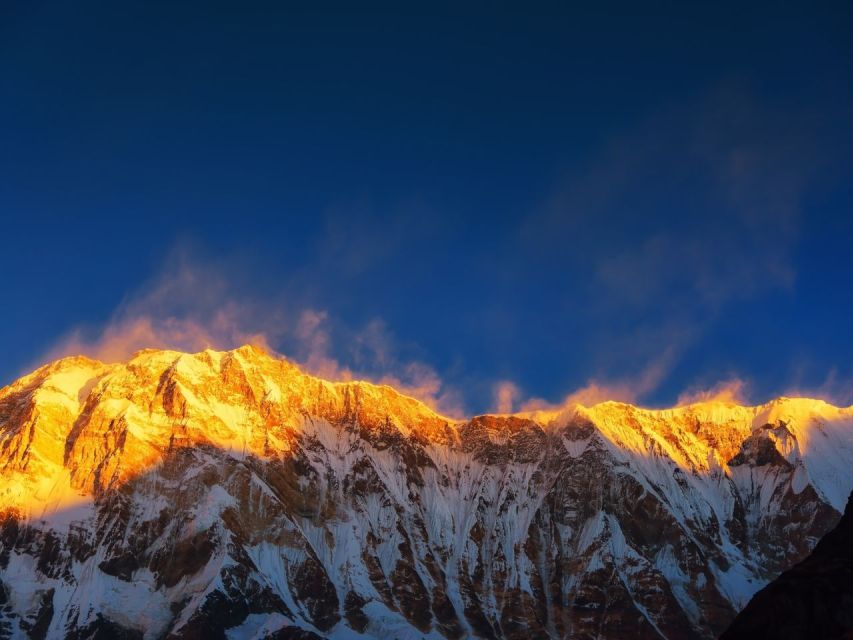
The best thing about this Annapurna Base Camp trek plus Poon Hill is the way it gives you two kinds of mountain payoff: an early, easy-to-reach sunrise viewpoint and then a real high-altitude day at 4,130m. You get villages, stair climbs, and forest walking, not just one big summit push.
I especially like the focus on classic trail beauty, like rhododendron forests and the way you move alongside rivers such as the Modi Khola. I also like that the trek is designed as a guided, private experience with English and Hindi support, so logistics such as permits and lodge planning do not eat up your energy. In one very recent trek experience, the guide Pratiksha helped make the days feel smooth and meaningful, not hectic.
One consideration: the altitude jump to Annapurna Base Camp is big, and altitude sickness is listed as a possibility (rare, but real). If you are sensitive to altitude, or you are traveling during bad weather months like June to August, you will need to be cautious and follow the guide’s calls on pacing and safety.
Key highlights at a glance
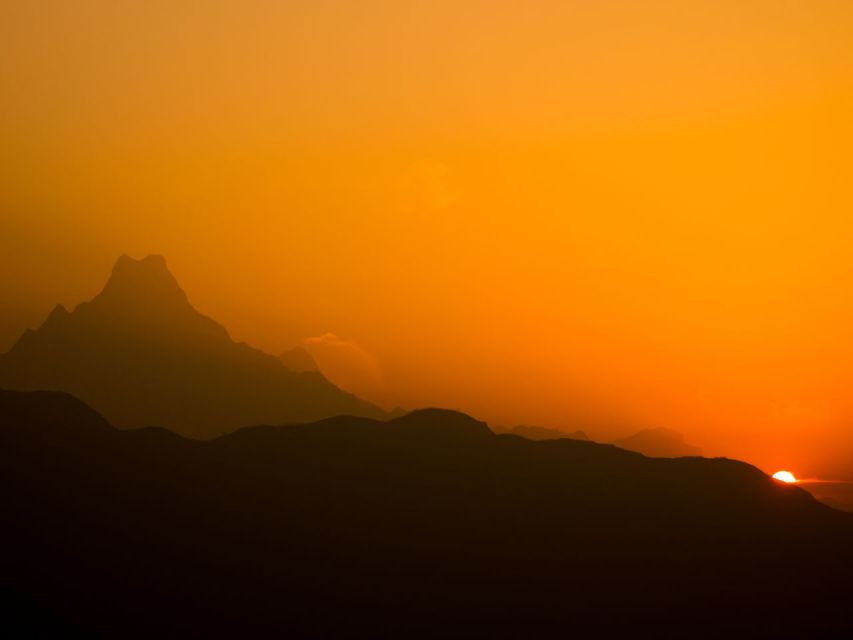
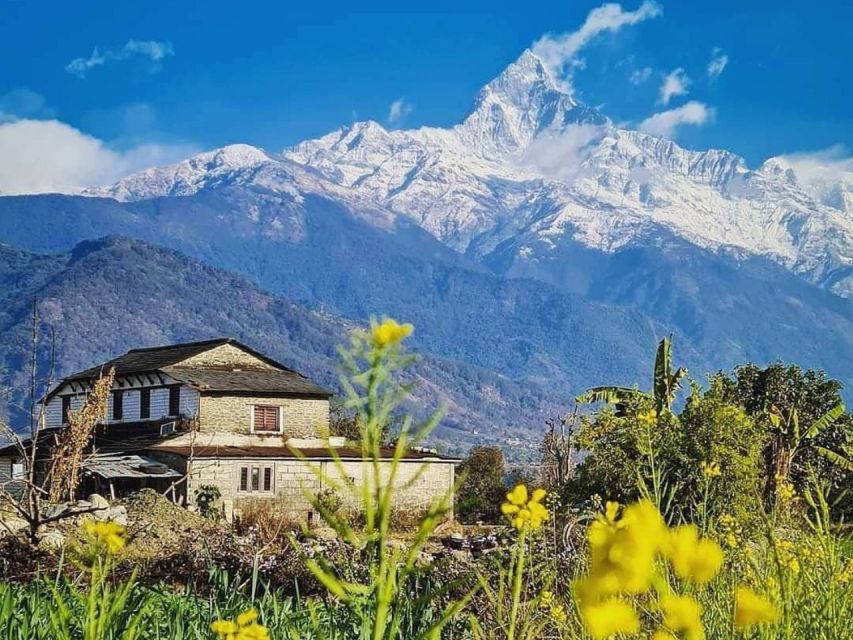
- Poon Hill sunrise with big Annapurna-range views, including Annapurna South, Hiunchuli, and Fishtail
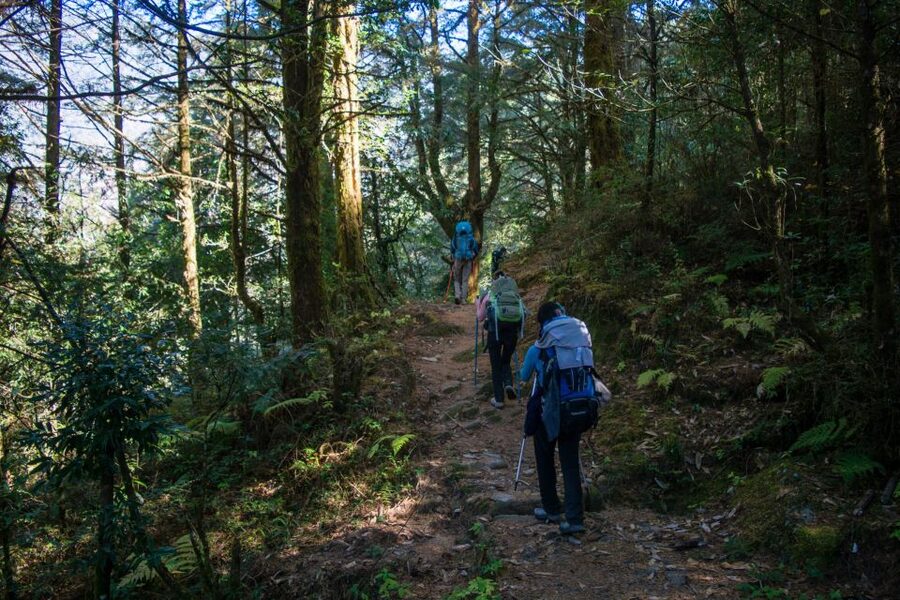
- Rhododendron forest walking on the way up toward Ghorepani and the surrounding areas
- The Ulleri stair challenge (over 3,000 steps) that is hard work, but very manageable with steady pacing
- Annapurna Base Camp at 4,130m for the true high-point day, surrounded by glaciers and snow-capped peaks
- Jhinu Dada natural hot spring to loosen your legs after the descent
- Organized trek support with permits, paperwork, taxes, and lodge coordination handled during the route
Why Poon Hill plus Annapurna Base Camp works so well
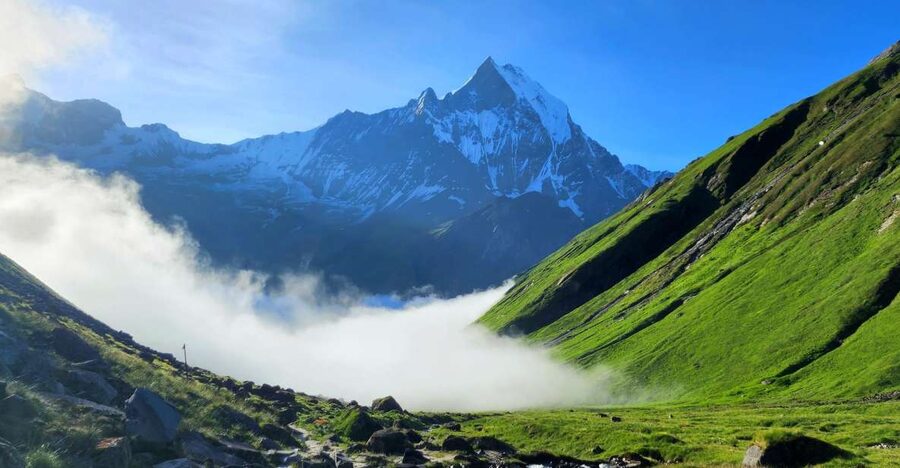
This trek is interesting because you do not have to choose between scenery and the main event. Poon Hill gives you a strong Himalayan moment early in the trip, then the route gradually builds you toward Annapurna Base Camp, instead of dropping you into altitude right away.
You also get variety that keeps your head and body busy in a good way. One day is stairs and forest edges. Another day is rivers and village paths. Then you hit the Base Camp zone, where the air feels sharper and the view does not feel like a postcard anymore. In a trek like this, momentum matters, and this itinerary gives you a steady rhythm.
Value-wise, the cost of $487 per person can make sense if you want a guided package that handles the administrative stuff and your day-to-day planning. You still need to budget for personal items and drinks, but you are not coordinating permits, lodging, and timing on your own.
The private-group format is also a plus for comfort and pacing. When your guide is Lalit and your group is small, you tend to get practical attention on safety and how you feel each day, not just a route checklist.
More routes into the Annapurna Sanctuary:
- Kathmandu/Pokhara: 5-Day Annapurna Base Camp (ABC) Trek
★ 4.9 · 72 reviews - Pokhara: 5 Day Annapurna Base Camp Trek & Natural Hot Spring
★ 4.9 · 44 reviews - Pokhara: 7 Day Annapurna Base Camp Trek
★ 4.9 · 38 reviews
From Pokhara to Tikhedhunga, you start with river views and rhododendrons
Day 1 is a practical setup day. You travel by cab from Pokhara to Nayapul, then trek to Tikhedhunga (1,570m). The cab time is about 2 hours, and the trek is about 3 hours, which is a nice way to start without immediately grinding uphill for hours.
I like this approach because it lets your body adjust to moving on trails while your pack still feels manageable. The route also treats you to scenic sections along the Modi Khola River, plus charming villages and rhododendron forest paths.
By the time you reach Tikhedhunga, you rest in a tea house. That matters on day one. You want sleep that is realistic, not delayed. And you want a base meal plan you can repeat, since the trekking rhythm ahead will depend on simple, reliable food.
One more detail worth noting: even early days can involve plenty of stairs later, so day one is where you can start building good habits. Wear comfortable shoes, keep an eye on your foot comfort, and do not overpack the mental load.
Ulleri and Ghorepani: the stair day, then the tea house rhythm at 2,840m
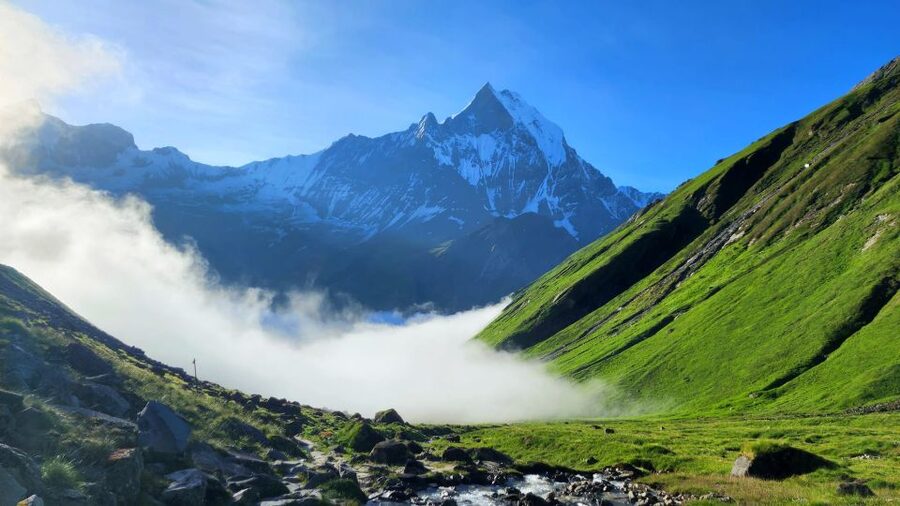
Day 2 takes you from Tikhedhunga to Ghorepani (2,840m) over about 6 hours, with the big feature being the ascent to Ulleri. You will face over 3,000 steps, and the trail sits among blooming rhododendrons.
Yes, it is tiring. But it is also one of those climbs where you can win by going slow. The trick is to keep your breathing controlled and take breaks before you feel wrecked. In a real-world example, trekkers found the trek was not as demanding as expected, even while carrying their bags themselves, as long as the pace stays steady.
Ghorepani is also important because it sets you up for Poon Hill. This is where you settle in for the night, eat something solid, and prepare for an early wake-up. Tea house life in Ghorepani is basic, but it is part of the experience. You are not missing comfort, you are borrowing warmth, fuel, and rest from whatever is available at trail level.
If sunrise is a priority for you, Ghorepani is your launchpad.
Poon Hill sunrise from 3,210m, then on to Tadapani or Chuile
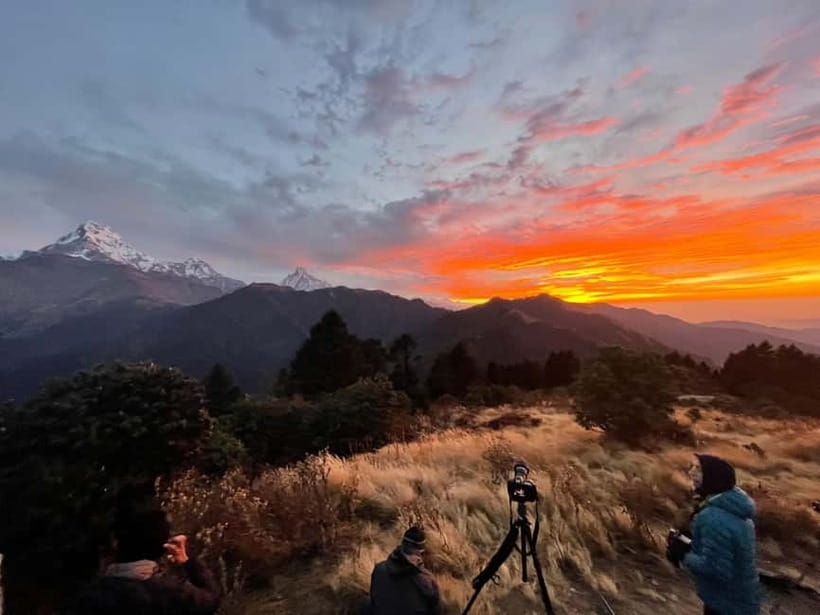
The heart of the Poon Hill portion is simple: you wake early around Ghorepani, hike up to Poon Hill (3,210m), and catch sunrise views. You then continue toward Tadapani or Chuile (about 2,400m).
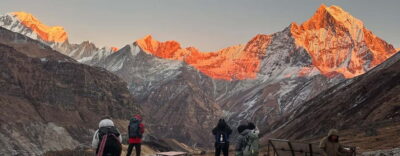
What makes this day special is how accessible the viewpoint is compared to the Base Camp altitude. You are chasing snow-capped drama, but you are not doing a huge altitude push. In one trek experience, the early light turned snow reflections orange-red, and the view felt especially sharp looking over treelines and river valleys below.
After sunrise, you shift back into forest trekking. This is the phase where rhododendron walking pays off again, and where you can enjoy the feeling of being surrounded by living growth instead of only rock and snow.
You will rest in a cozy hotel or tea house style lodging. This is a good place to remember a practical truth: most discomfort on treks comes from small problems added together, and sleep plus a warm meal reduce that chain reaction.
If you want the iconic Himalayan sunrise without needing a technical or ultra-hard climb on day three, this is the version that fits.
More Ghorepani and Poon Hill departures:
- Pokhara: 4-Day Ghorepani, Poonhill & Ghandruk Mountain Trek
★ 5.0 · 132 reviews - From Pokhara: 3-Day Ghorepani Poon Hill Trek with Guide
★ 4.9 · 68 reviews - Pokhara: 2-Day Ghorephani and Poon Hill Private Trek
★ 4.6 · 50 reviews - From Pokhara: 2 Day 1 Night Ulleri,Ghorepani Poon Hill Trek
★ 4.9 · 33 reviews
Chuile to Sinuwa, then Deurali: building toward 4,130m without panicking
Day 4 brings you from Chuile to Sinuwa (2,170m) over about 5 hours. You cross the area where the Kumrung and Modi Rivers converge, and you spend more time in a calmer, scenic rhythm. That river junction detail is one of those quiet trail moments that makes the day feel more than just distance, because water and terrain change how you move.
Day 5 is a bigger step: Sinuwa to Deurali (3,200m), about 6 hours. This is where the views start to feel more serious. You trek through lush forest sections while the mountains of the region, including Annapurna and Machhapuchhre, become major features in the background.
This is also where I recommend you watch your body language. If you feel a slower-than-usual pace is needed, it is not a failure, it is smart trekking. Altitude sickness is listed as a possibility, even if it is described as rare. That means you should treat early warning signs seriously and follow your guide’s pacing and advice.
In the better-organized treks, the guide’s job is not just being friendly. It is reading the group’s tempo and keeping you safe without making you feel slowed down. In past experiences with this operator, guides like Lalit were praised for patience and calm attention, especially on tougher days.
Annapurna Base Camp day: the 6-hour push to 4,130m
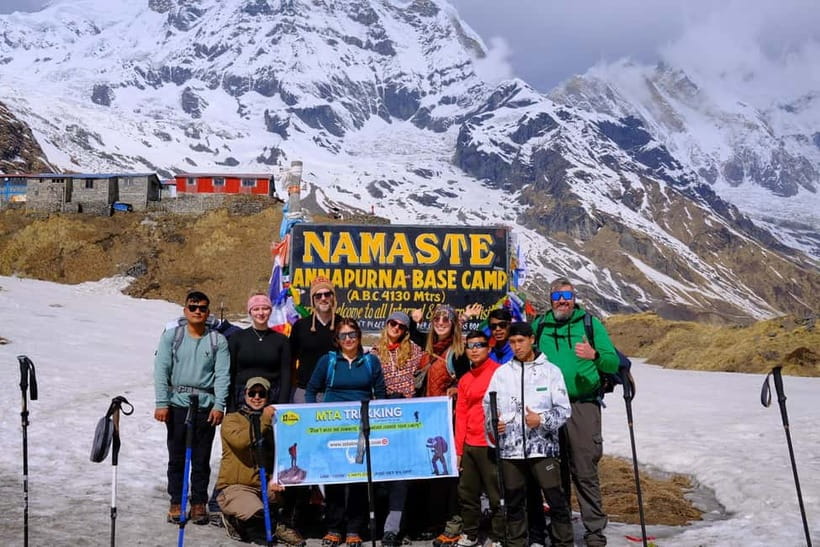
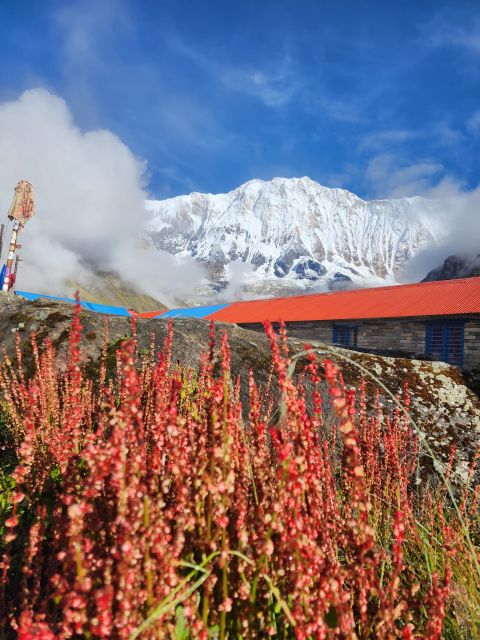
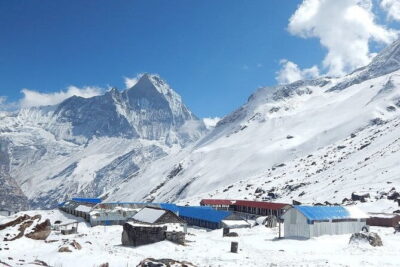
Day 6 is the pinnacle: Deurali to Annapurna Base Camp (4,130m), about 6 hours. This is the big altitude moment. You are surrounded by snow-capped peaks and glaciers, and you are finally in the zone where the mountains feel physically close.
This day is not only about reaching a point on a map. It is also about how you get there. If you rush, you will pay for it. If you pace well, you can enjoy the moment without feeling like you survived it.
A practical way to think about Base Camp is this: every step up is traded for a clearer sense of place. You will remember it because it feels different than the valley trail days. The air, the view, and the feeling of being at the edge of the mountainscape are all part of why people call this the highlight.
Also, think about timing. You likely will not have a lot of extra energy for long side explorations, so plan to take photos, soak in the view, and eat well before the next descent stage.
If you are traveling with a private guide and you have good group energy, this is also where the guide can help you keep perspective, so you enjoy the moment rather than just ticking it off.
Descend to Bamboo, then Jhinu Dada hot springs for real recovery
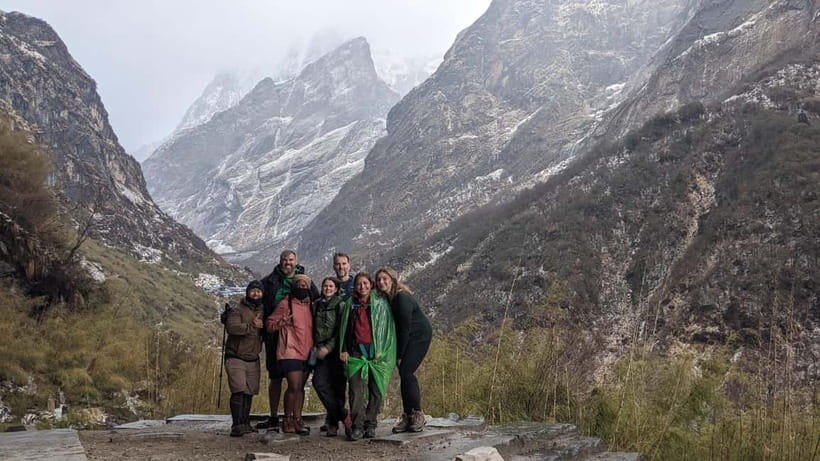
Day 7 takes you from Annapurna Base Camp down to Bamboo (2,300m) over about 6 hours. Descents are often harder on your legs than the climb on day 6, because your knees get the workload. This is where good trekking shoes and careful foot placement matter.
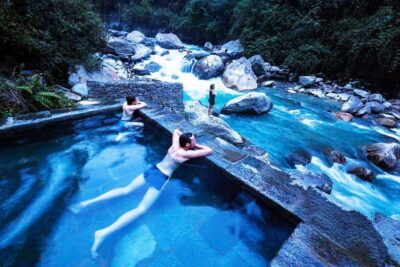
Day 8 is the payoff for tired muscles: Bamboo to Jhinu Dada hot spring (1,600m), about 5 hours. You end up at natural hot springs, which is exactly the kind of reward that makes a long trek feel worth it.
This day is also psychologically helpful. After Base Camp, most trekkers feel the mountain urgency slowly fade. Hot springs bring the body back to baseline. You can loosen up, dry out a bit, and reset for the final travel day.
Day 9 is a return to comfort: trek and ride back to Lakeside Pokhara. You have about 2 hours of trekking and then a comfortable ride. You reflect on what you earned, not just where you went. In many trekking stories, the last day is calmer than the middle, and it is one of the best times to appreciate how well you paced yourself.
Price and logistics: what $487 includes, and what you should budget
Let’s break down the money in a way that helps you decide. At $487 per person for 9 days, you are paying for organized transportation during the trek, permits and paperwork, government taxes, accommodation, and staff expenses during the route. You also get a live guide in English or Hindi, and you have a private group setup.
What you should plan for not being included: soft and hard drinks, travel and rescue insurance, personal expenses such as phone calls, laundry, bar bills, battery recharge, and porter costs if you choose to use one. You should also bring or plan for trekking essentials like trekking poles and a sleeping bag, since these are listed as not included.
Water details can be vague in many treks, but here at least one thing is clear: bottle or boiled water is not included, and hot shower is also not listed. So budget for simple trail purchases and accept that not every night will be spa comfort.
Value is also about how much mental energy you save. Multiple recent experiences praised how the team handled permits and lodge coordination so the group did not waste time worrying. That is worth something, especially if this is your first Annapurna-style trek.
If you want a well-managed route with a guide who takes safety and comfort seriously, this package looks like it fits the price.
Guides and tea houses: why the human touch changes the trek
This trek is not only about altitude. It is about how the days feel in your body, and how the plan stays flexible when weather or energy shifts. The guide support matters.
In strong trek feedback, guides were praised for being kind, patient, professional, and fun, while also keeping people safe and comfortable on harder hiking days. One example named Pratiksha, another named Lalit, and another included a porter named Rickson, noted as 19 and on his first trek ever. The point is practical: you want support that understands what first-time trekkers are worried about, and what experienced trekkers still need.
The lodges and tea houses you stay in are part of the trade-off. Expect simple accommodations rather than resort-style rooms. That said, food and lodging options were described as nice with plenty of menu choices. You are hiking for hours, so you want reliable meals and warm spaces where you can recover.
Also, think about the little moments that become big memories. Morning milk tea while looking over trees, rivers, and snowy peaks is the kind of detail that makes a trek feel lived-in, not just walked through.
Best time to go, and what monsoon season can do
The provided info flags monsoon season from June to August as a time of erratic weather and heavy rainfall. If you trek then, gear matters, and you must follow your guides’ advice on safety.
The other monsoon reality is leeches, especially on lower trails. The practical mitigation advice is clear: wear long pants tucked into gaiters and use insect repellent.
If you can choose, many people time Annapurna treks for clearer conditions. But even without choosing the perfect month, you can pack like a realist. Bring weather-appropriate clothing, and accept that trail conditions can change quickly.
If your trip dates fall in monsoon months, I would not treat the plan as fixed. Treat it as a route with real-time adjustments based on conditions.
Who should book, and who should skip this trek
This trek can be a great fit if you want a classic Annapurna Base Camp experience with the extra highlight of Poon Hill sunrise and the recovery bonus of Jhinu hot springs.
It is likely not a good fit if you are in the risk group listed as not suitable: pregnant women, people with altitude sickness, and people over 70 years. Altitude sickness is described as rarely happening, but the possibility is acknowledged, and that is enough reason to take the caution list seriously.
It also fits travelers who enjoy hiking with stairs, who can handle 5 to 6 hours trekking on multiple days, and who do not need high-end comfort. If you want a private guide and like the idea of being looked after without group chaos, the private group setup is a strong match.
If you have limited hiking experience, a slower pace and careful acclimatization are key. The itinerary itself spreads altitude gains across days, which helps, but your body still has to adapt.
Should you book this 9-day trek?
I think you should book this trek if you want the full Annapurna story in one trip: early Himalayan sunrise, rhododendron forests and village walking, a real Base Camp day at altitude, then an honest recovery in natural hot springs.
Skip it if altitude risk scares you, if your group includes someone who is on the not-suitable list, or if you know you get sick at elevation. Also be realistic about weather. If you are going in monsoon season, plan for rain and leeches, and trust your guide’s judgment.
If you do book, pack for the basics, keep your pacing calm, and savor the simple moments. On this route, the big views are the headline, but the small comforts, good guidance, and steady rhythm are what make the story work.
FAQ
What languages is the live tour guide?
The live tour guide is available in English and Hindi.
Is this a private group trek?
Yes, the group type is listed as private.
Where does the trek pickup happen?
Pickup is included in Pokhara. You should wait in the hotel lobby about 10 minutes before the scheduled pickup time, and the driver will hold a sign with your last name.
What is the highest point on this trek?
The itinerary lists Annapurna Base Camp at 4,130 meters.
Are meals included?
Meals are included only for the full package. Soft and hard drinks are not included.
What is the Poon Hill part of the trek like?
You go for sunrise from Poon Hill, located at about 3,210 meters.
What about transportation during the trek?
Transportation during the trek is listed as included.
What should I bring for the hike?
You should bring comfortable shoes, weather-appropriate clothing, sunscreen, and sunglasses.
Are trekking poles or a sleeping bag included?
No. Trekking poles, sleeping bags, and crampons are listed as not included.
Is altitude sickness a concern?
Altitude sickness is mentioned as a possibility, described as rarely happening. The trek is listed as not suitable for people with altitude sickness.
Latest Pokhara write-ups
- Mardi Himal Trek -5 Day Short Trek From Pokhara★ 5.0 · 8 reviews
- Tandem Paragliding in Pokhara★ 4.8 · 8 reviews
- Pokhara: Peace Pagoda Sunset, Annapurna Mountain Views Tour★ 2.9 · 5 reviews
- Short & Scenic: 2-Day Private POON HILL Trek from Pokhara★ 5.0 · 8 reviews
- Seti George and Thrilling Suspension Bridge Tour at Pokhara★ 4.5 · 3 reviews
- Sarangkot Sunrise over the Himalayas★ 4.8 · 83 reviews
- Pokhara: Sarangkot Sunrise and Private Full Day Tour★ 4.8 · 24 reviews
- From Kathmandu/Pokhara: Private 3-Day Chitwan Safari Tour★ 4.7 · 34 reviews
Annapurna Base Camp Trek, compared.
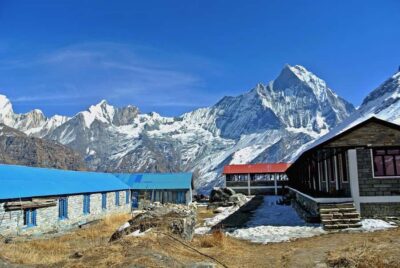
5 Day Annapurna Base Camp Trek & Natural Hot Spring
Read our review →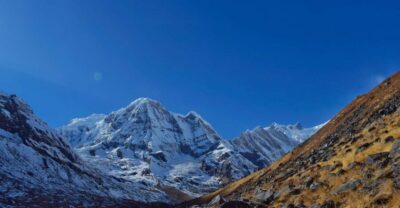
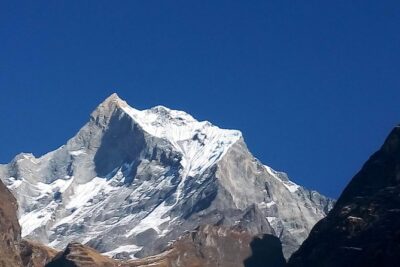
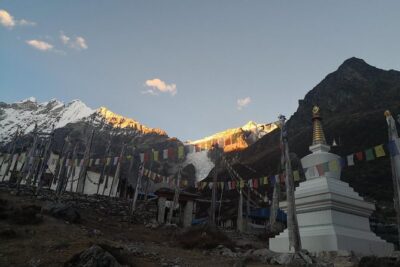
14 Days Annapurna Base Camp Trekking | Best trek for visit Nepal 2020
Read our review →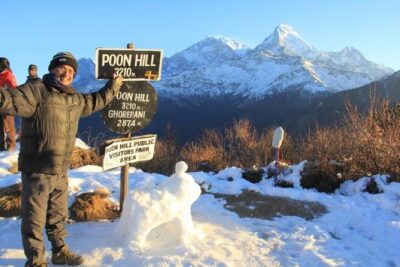
7-Day Annapurna Base Camp Trek & Natural Hot Spring
Read our review →Browse the lists this tour appears in